Identification of early symptoms of HIV, coupled with testing, is an important strategy in the management of the infection and living a healthier life. This article identifies what symptoms look like, why testing is important, and how to take a self-test using a rapid HIV test kit at home.
04 October 2024
6 min read
249
Understanding HIV
HIV refers to a type of virus that attacks some cells in the body's immune system. Basically, the body's immune system plays the major role of helping it to fight off illness, disease, and infection. While taking this into account, if left untreated, HIV can lead to the most advanced stage of the virus: AIDS (Acquired Immunodeficiency Syndrome).
Early Symptoms of HIV: The Acute Infection Stage
Acute HIV refers to the earlier stage of the virus. It usually starts two to four weeks right after an infection. Symptoms may be mild or extreme and mostly reflect those of the flu.
Fever: This is probably the most general symptom since the body is reacting to the virus.
Fatigue and Aches: The immune system is fighting off the infection, thus leading to these symptoms.
Sore throat with swollen lymph nodes: Because of this infection, the lymphatic system of the body shows a reaction and presents these symptoms.
Skin rash: This may appear on the chest, face, or limbs.
Mouth ulcers: Sores can appear in the mouth or on the tongue.
Night sweats: Many people suffer from night sweats.
These symptoms are no different from many other common ailments; the presence of these symptoms, therefore, may not necessarily confirm that a person is indeed infected with this virus. However, if you find yourself in a high-risk category for this infection, testing for the same becomes necessary.
Asymptomatic Stage of HIV
After the acute initial stage, HIV enters into a no-visible-symptoms phase. That will be the asymptomatic stage and may last for many years. The virus is still active with the slow decimation of the immune system despite there being no apparent symptoms. Testing is, therefore, highly critical at this stage for monitoring the virus's titer development and starting treatment where necessary.
Late Stage HIV Infection: AIDS
One is said to have advanced to AIDS when the immune system is completely wrecked and the body's mechanism for fighting infection and disease is no longer effective.
The danger stage is usually characterised by rapid weight loss, chronic diarrhoea, night sweats, lingering fatigue, and opportunistic infections which may be life threatening.
Importance of HIV Testing
Identification of HIV symptoms at an early stage is mandatory and testing is a necessity in view of the following reasons:
Early Detection: It is a fact that HIV, if detected early, is manageable and its treatment improves the life span by many years.
Prevent Transmission: Knowing your status allows you to prevent the spread of the virus to others.
Begin Treatment: If you test positive, antiretroviral therapy will be started to keep the disease at bay and get back to resuming your life in a healthy manner.
Methods for Testing of HIV
There are several methods of testing that can be conducted to diagnose HIV. These include:
Antibody Tests: These tests detect antibodies to HIV in the blood or in oral fluid.
Antigen/Antibody Tests: These can find HIV sooner than an antibody test because these test for both antibodies to HIV and antigens.
NATs: It is less common to use Nucleic Acid Tests, which look in the blood for the presence of the virus. These tests are very accurate but quite expensive.
HIV Self-Testing at Home with Fast Tests
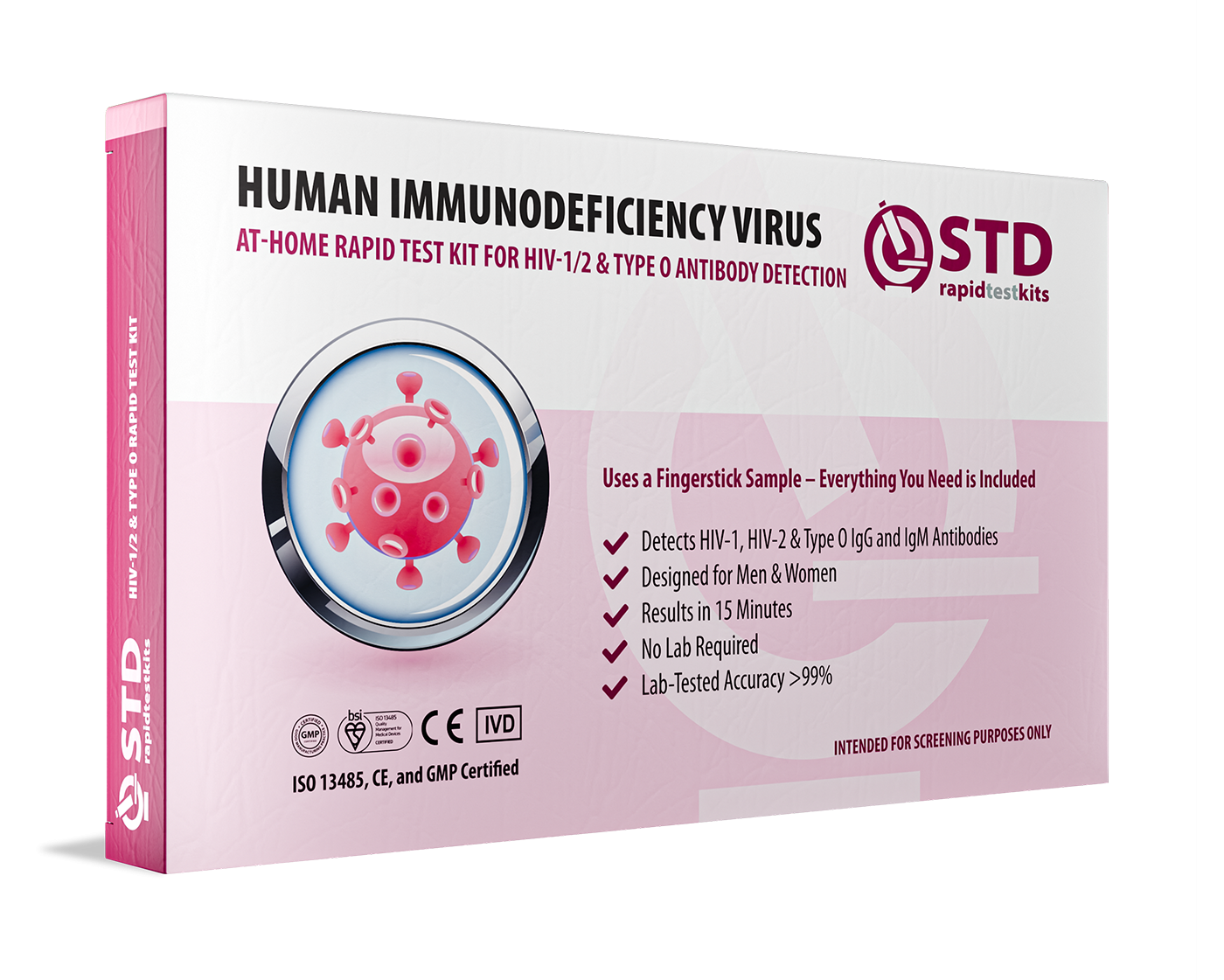
Presently, one can even test themselves in the comfort of their home with ISO-approved HIV Rapid Test Kits. This test is easy, private, and fast. You simply prick your finger to get a small blood sample or take an oral swab of the top and bottom of your gums and apply either onto a test stick or a test device. Your result would be ready in about 15 minutes.
The simplicity and accessibility of an HIV rapid test mean that people can get testing done without necessarily having to actually go to a health facility. Many may also prefer the privacy of their own home. All positive self-test results must be confirmed at a healthcare facility.
Understanding Your Rapid Test Results
Results from an HIV Rapid Test are normally very clear-cut, but this result should be used in conjunction with the instructions provided from the manufacturer for accurate readings.
Negative Result: A negative result means that no detectable amount of antibodies or antigens to HIV was traced in the sample. If your exposure to the virus was in the recent past — that is, within the last three months — you might be advised to take a re-test after some time, as it takes time for the body to build up HIV antibodies or antigens to levels that can be detected.
Positive Result: That would be one that contains antibodies or antigens of HIV in your sample. This is confirmed in a post-test at a healthcare facility, though false positives are very rare.
Invalid Result: If the control line is not visible, the test result is invalid, even if a test line is present. In most instances, an invalid result is due to either the failure to conduct a proper test or a problem with the test kit. You should be ready to repeat the test.
Next Steps: Confirmation of Your Results and Beginning Treatment
Now that the result from your rapid test conducted at home is positive, it's time for confirmation with a healthcare provider. A healthcare provider will continue to walk you through the next steps, which includes initiation of antiretroviral therapy. Antiretroviral therapy is a treatment administered that one must take for the rest of their life. However, if followed by prescription, one can lead a healthy life and minimize the chances of passing it on to others.
Also, remember that HIV is an easily manageable condition, and all that is needed is early diagnosis. Testing regularly will help in prevention and management of HIV.
Closing Thoughts: Stay Informed, Stay Healthy
Recognizing symptoms of HIV and testing for the virus are important steps in managing the infection. Since there is the option for self-testing at home using a rapid HIV test kit, more people will have the chance to know their status and seek treatment when necessary. We can make a difference by spreading the word about HIV facts and encouraging regular testing to help reduce the global spread and impact of HIV.
What is very important is early detection through frequent testing, immediate treatment, and following safety precautions. By doing so, we are being responsible not only for our own health but also for the health of others. Let us commit to regular testing and encourage others to do the same.








 For Men & Women
 Results in Minutes
 No Lab Needed
 Private & Discreet


