






Quick Answer: Yes, you can get an STD from shower sex. Hot water doesn’t kill most STDs, and skin-to-skin contact, genital rubbing, or oral sex in the shower can still transmit infections like herpes, chlamydia, or gonorrhea.
Why This Still Happens (Even If You Were “Careful”)
For a lot of people, shower sex falls into a category of “grey area” hookups. It’s technically not intercourse. There’s often no penetration, maybe no condom, and it can feel spontaneous, something that doesn’t need to be treated like “real” sex. But here’s the truth: STDs don’t care about location, moisture, or intentions. They’re opportunistic, and shower sex gives them plenty of opportunity.
Water doesn’t block transmission. In fact, it can increase risk. Condoms become slippery and are more likely to slip or tear. Soap can irritate sensitive skin, creating microtears that open the door for pathogens. And the heat? It might feel like it’s “cleansing,” but most STDs, including HPV, herpes, and even chlamydia, aren’t impacted by temperature alone. They live in mucous membranes and thrive during intimate contact.
We’ve seen case after case: two people hook up in a vacation rental, get tested weeks later, and one tests positive. When they retrace their steps, they remember only “fooling around in the shower.” No penetration. No ejaculation. Just... contact. That’s enough for some STDs. Especially herpes simplex virus (HSV), which transmits through skin, not fluids.
Let’s Talk Contact: How Infections Actually Spread in the Shower
Understanding how shower sex leads to STD transmission starts with one key truth: many STDs spread through skin-to-skin contact, not just through ejaculation or vaginal fluids. When your bodies are pressed together in a steamy, wet space, the friction and warmth don’t just heighten arousal, they also amplify exposure.
Here’s what can happen during typical shower encounters:
Genital rubbing, often thought of as “safe” or “non-sex”, can allow infections like HPV, herpes, and even syphilis to transfer. These viruses don’t need full penetration to jump from one body to another. If either person has a small sore, even one they don’t notice, the contact is enough.
Oral sex in the shower feels spontaneous and low-risk, but that’s another path. Gonorrhea, chlamydia, and syphilis can infect the throat or be passed from genitals to mouth and vice versa. Steam doesn’t sterilize, your partner’s fluids are still present, even if diluted.
Even hands can play a role. If fingers touch infected genitals and then enter a partner, it’s technically digital penetration. With organisms like trichomoniasis, this route is absolutely viable, especially if the infection is active and undiagnosed.
People are also reading: Married Doesn’t Mean Immune: The Honeymoon STD Talk
Myth-Busting the Hot Water Fallacy
Let’s tackle the biggest myth head-on: that hot water somehow kills bacteria and viruses on contact. If that were true, we wouldn’t need boiling or chemical sterilization in hospitals. The water in your shower might feel hot, maybe even scalding, but it’s typically between 100–110°F (38–43°C). That’s not nearly enough to neutralize viruses or bacteria that thrive inside the human body, where temperatures hover around 98.6°F (37°C).
In fact, some pathogens prefer warmth. Herpes simplex virus is resilient in moist environments. HPV can linger on damp surfaces for hours. Chlamydia and gonorrhea live in mucous membranes, not just on skin, and contact, even brief, can mean exposure. Showering does not interrupt this chain of transmission. It only makes it harder to notice what’s really happening.
There’s also a false sense of safety. One study published in Sexually Transmitted Infections found that people who perceived non-penetrative or “alternative” sex acts as low-risk were significantly less likely to get tested regularly, even when symptoms showed up later.
What the Data Says About “Non-Penetrative” STD Transmission
Shower sex typically falls into the non-penetrative category, or at least, partially. So let’s look at what science says. Research consistently shows that infections like herpes and HPV don’t require full penetration to transmit. A review in the Journal of Infectious Diseases documented multiple transmission cases via skin contact, oral-genital contact, and mutual masturbation.
To better visualize what types of acts carry which risk levels, even in watery environments, we’ve created a breakdown below:
| Activity in Shower | STD Risk Level | Likely Infections |
|---|---|---|
| Genital Rubbing | Moderate–High | Herpes, HPV, Syphilis |
| Oral Sex | Moderate | Gonorrhea, Chlamydia, Syphilis |
| Finger-to-Genital Contact | Low–Moderate | Trichomoniasis, Herpes |
| Shared Toys or Shower Heads | Low–Moderate | HPV, Bacterial Vaginosis, Yeast (not STD but mimic symptoms) |
| Protected Vaginal/Anal Sex with Condom | Varies (if condom intact) | All STDs possible if failure occurs |
Table 1: Common shower sex activities and their associated STD risk levels. While water may reduce friction, it doesn’t reduce viral or bacterial load during contact.
Order Now $129.00 $343.00 Check Your STD Status in Minutes
Test at Home with Remedium
7-in-1 STD Test Kit
 For Men & Women
 Results in Minutes
 No Lab Needed
 Private & Discreet
For all 7 tests
Why Condoms in the Shower Aren’t Foolproof
Let’s address the fallback many people mention: “But we used a condom.” That’s great in theory, but in the shower, it gets complicated. Water creates a slick surface, but it also changes the effectiveness of condoms, especially if you’re using the wrong type. Latex breaks down with oil-based products (which many soaps and body washes contain), and hot water can compromise elasticity.
Even more common is slippage. In a private case review from a campus health clinic in Seattle, multiple patients reported condom loss during shower sex without realizing it in the moment. By the time they noticed, the contact had already happened. The friction of bodies under water, and the false sense of safety that comes with it, makes it easy to miss a tear or slide-off.
Consider what happened to Raquel, 25. She and her partner used a condom in the shower. Everything felt fine, until she noticed irritation three days later. “I didn’t even think about it being from that,” she said. “We were in water, we used a condom, I thought I was safe.” A test confirmed chlamydia. The condom had slipped off halfway through, unnoticed until it was too late.
| Environment | Condom Effectiveness | Common Failure Causes |
|---|---|---|
| Dry, Controlled (Bedroom) | 98% (with perfect use) | Improper sizing, delayed application |
| Shower/Bath | Lowered (no fixed % due to variables) | Slippage, heat stress, soap interference |
| Pool/Hot Tub | Variable, often compromised | Chlorine degradation, poor fit, friction |
Table 2: Condom reliability changes in wet environments. “Perfect use” is harder to maintain during shower sex, increasing the likelihood of undetected exposure.
What to Watch For After Shower Sex
Maybe you’re reading this because something feels off, or maybe nothing does. That’s the trickiest part. Many STDs, including chlamydia, gonorrhea, and HPV, can stay symptomless for days or even weeks. Just because you don’t feel burning, see discharge, or notice sores doesn’t mean you’re in the clear.
If symptoms do show up, they’re often subtle. For some people, it's a faint itch they attribute to soap irritation. For others, it’s a sore they mistake for a razor bump. The overlap between typical shower skin reactions and early STD symptoms can create a false sense of normalcy. Until it’s not.
Here’s how this plays out: someone waits it out for two weeks, hoping it’s nothing. Maybe the irritation fades. Then, their partner gets tested, and suddenly there’s a phone call. That panic? It’s avoidable with testing, and timing is key.
When to Test After Shower Sex (Even If You’re Unsure)
Let’s say it’s been three days since the hookup. You’re anxious, maybe even Googling in the middle of the night. Should you get tested now, or wait? The answer depends on two things: which STDs you’re worried about, and how soon testing becomes accurate.
Each infection has what’s called a “window period”, the time between exposure and when a test can reliably detect it. Testing too early might lead to a false negative. Testing too late delays treatment and risk to others.
| Infection | Best Time to Test | Why Timing Matters |
|---|---|---|
| Chlamydia | 7–14 days post-exposure | NAAT tests become most accurate |
| Gonorrhea | 7–14 days | Can present in throat/genitals; needs window |
| Herpes (HSV-2) | 4–12 weeks (blood test) | Requires antibody development |
| Syphilis | 3–6 weeks | Serology tests need enough antibodies |
| Trichomoniasis | 7–14 days | Rapid antigen or NAAT can detect presence |
Table 3: STD testing timelines after potential exposure during shower sex. For best accuracy, follow these windows or consult a provider for a retest plan.
Not sure where to start? This combo test kit covers the most common STDs and ships discreetly, so you can check quietly and confidently.
Why Shower Sex Feels “Cleaner” but Isn’t Safer
There’s a psychology behind this. The environment feels sterile, hot water, soap, tiles, steam. It mimics the imagery of sanitation. But your body doesn’t change. Mucous membranes still secrete, skin still sweats, and genitals still interact in ways that allow transmission. There’s just water masking the visuals.
In fact, that very cleanliness illusion can lead to underestimating the need for protection or testing. Some even think post-sex rinsing “flushes out” bacteria or viruses. In reality, once exposure happens, skin-to-skin, oral-genital, or with fluids present, it’s already too late. Showering after doesn’t undo it.
And if you feel embarrassed about even being in this situation, don’t. People have shower sex because it’s fun, spontaneous, and sometimes the only option. The goal isn’t to shame, it’s to inform, so you’re equipped next time. Pleasure and protection aren’t mutually exclusive.
People are also reading: When Privacy Isn’t Possible: STD Testing in Rural Areas
“I Didn’t Think It Counted”: How Shame Delays Testing
Natasha was 31, recently single, and testing the waters, literally. Her hookup with a coworker happened after drinks and laughter spilled into a shared Airbnb bathroom. “It wasn’t full sex,” she remembered. “No one came. We were in the shower. I figured it didn’t count.” A month later, when a pap smear revealed abnormal cervical cells, she tested positive for HPV. She hadn’t even thought to test sooner.
So many people share that same script: “It wasn’t real sex.” Or “We were clean, it was just messing around.” But here’s the catch: STDs don’t follow social definitions of what counts as sex. You don’t need penetration to be exposed. You don’t need ejaculation to transmit something like herpes. And you definitely don’t need to feel symptoms for an infection to be active in your body, or your partner’s.
The shame, silence, or confusion around shower sex can delay necessary care. You might second-guess your concern, or feel like a doctor will judge you. They won’t. And if they do, find a better one. Your body doesn’t need to justify its risks. It just needs care. Testing is a tool, not a confession booth.
Beyond Condoms: Real Prevention for “Grey Area” Hookups
Let’s talk about what protection really means, because condoms are crucial, but they aren’t the only answer. Especially when water makes their performance less predictable, you need a broader safety net. That starts with routine testing. If you're sexually active, even in non-penetrative ways, regular screening protects both you and your partners.
It also means vaccines. The HPV vaccine is often thought of as something for teenagers, but adults up to age 45 can still benefit if they haven’t completed the series. It doesn’t cover every strain, but it does reduce risk of cancers and high-transmission types. If you’re eligible, ask your provider. It’s prevention that lasts far longer than a condom.
And then there’s partner communication. Not everyone wants to have “the talk” before every hookup. But even something simple, “Hey, when did you last test?” or “I’m negative but not on PrEP”, opens a door. If shower sex is the only option, and condoms are hard to use, the next best thing is honesty. It gives you context, and sometimes that’s enough to make an informed choice.
If you’re reading this after the fact, unsure if you were exposed, start with knowledge. STD Rapid Test Kits has at-home options that remove the guesswork, the drive, and the waiting room.
Check Your STD Status in Minutes
Test at Home with Remedium8-in-1 STD Test Kit
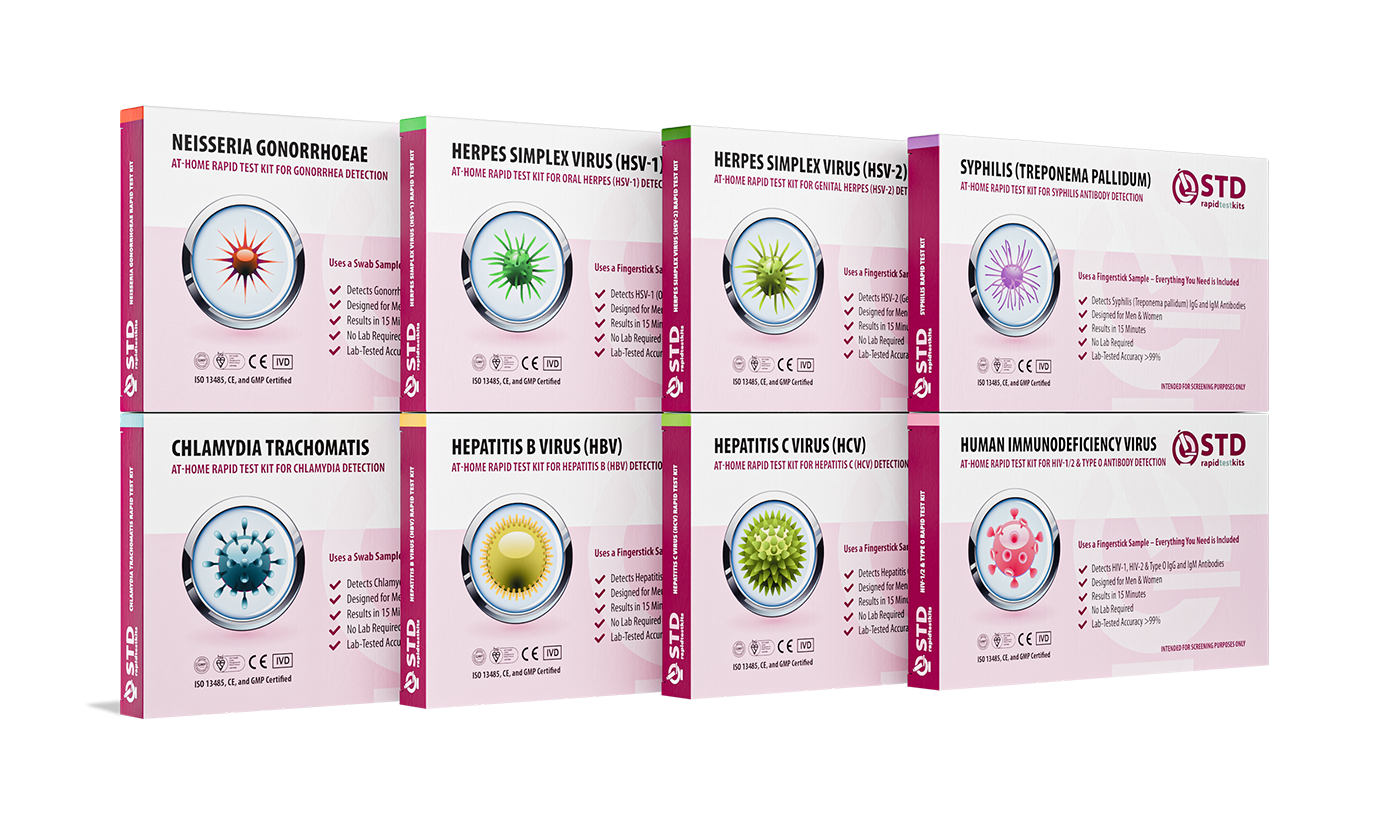 For Men & WomenResults in MinutesNo Lab NeededPrivate & Discreet
Order Now $149.00 $392.00
For all 8 tests
How to Talk About Exposure (Even If It Feels Silly)
Let’s say you test positive for chlamydia or herpes after shower sex. The next step is the hardest: telling someone else. And the first wall many people hit is, “How do I explain that we didn’t even have real sex?” Here’s how: you just do. No disclaimers, no minimizing.
“Hey, I tested positive for something. I know we didn’t have full sex, but there was still contact, and I wanted to let you know.” That’s it. Clear, respectful, responsible. The way a grown-up handles bodies and choices. You don’t owe anyone a full story, just the information that helps them care for themselves.
If that conversation feels impossible, some public health departments offer anonymous partner notification. Or you can use online tools that send anonymous texts. The goal isn’t to out yourself. It’s to break the chain of transmission and protect people you might care about, even if it was just one night in a steamy bathroom.
FAQs
1. Wait, can you really get an STD even if you didn’t have “real” sex?
Yes, absolutely. And this is where a lot of people get blindsided. You don’t need penetration for herpes, HPV, or even syphilis to spread. If your junk touched their junk, or their mouth, or even their hand, there’s risk. Think of it like glitter: once it’s on your skin, it spreads fast, even if no one technically “did the thing.”
2. Doesn’t hot water kill stuff like bacteria and viruses?
Nope. Your shower isn’t a medical sterilizer. Most STDs live comfortably at body temperature, and your water isn’t nearly hot enough to fry anything except your mood. HPV and herpes especially are perfectly happy in a warm, wet environment. Hot water might rinse away sweat, but not exposure.
3. We used a condom in the shower. I’m good, right?
Maybe, but don’t bet your peace of mind on it. Water (especially soapy water) makes condoms more likely to slip off or tear, and you might not even notice mid-hookup. Plus, condoms don’t cover everything. If someone has genital herpes on an area the condom doesn’t reach, you’re still exposed. Shower sex + condom = better than nothing, but not foolproof.
4. It was just oral in the shower. That’s low risk... isn’t it?
Lower, sure, but not zero. You can get gonorrhea, chlamydia, or syphilis from giving or receiving oral sex, especially if there are cuts, gum irritation, or sore throats involved (and let’s be real, who hasn’t nicked their gums brushing too hard?). Water doesn’t cancel biology.
5. I don’t have any symptoms, doesn’t that mean I’m fine?
Not necessarily. That’s one of the sneakier parts of all this. Chlamydia and HPV, for example, can simmer quietly for weeks or months. You might feel totally normal and still be carrying something that can spread to someone else. Testing isn’t about how you feel, it’s about what’s actually going on inside your body.
6. I feel a little itchy after shower sex. Could it just be the soap?
Totally could. But “just soap” and early symptoms of trichomoniasis or herpes sometimes look and feel the same. If it doesn’t go away in a few days, gets worse, or is joined by weird discharge, burning, or any new bumps, don’t brush it off. Your body’s telling you something.
7. Is there a best time to get tested after shower sex? Y
es, and timing matters. Most tests need at least a week to detect an infection accurately. For chlamydia and gonorrhea, 7–14 days post-exposure is ideal. Herpes and syphilis take longer (weeks, not days). If you test too soon, you might get a false negative and miss it. If you’re worried now, test once, then plan a follow-up at the right window.
8. Can I really catch something just from touching, like hands or rubbing?
You can. It’s less common, but yes. Herpes, trichomoniasis, and HPV have all been known to spread through finger-genital contact or skin rubbing. If there’s fluid involved and it reaches a mucous membrane (think: mouth, vulva, urethra), the door’s open.
9. Will showering after sex help lower my risk?
Not in any meaningful way. Showering might make you feel cleaner, but it doesn’t undo contact that’s already happened. Once the virus or bacteria enters your system, washing it off isn’t possible. Testing is your best move, not scrubbing.
10. So... is shower sex just not worth it?
That’s up to you. For some, the spontaneity and intimacy are worth navigating the risk. For others, it’s a hard no without protection and prior testing. If you do go for it, just be real with yourself about what could happen. Pleasure doesn’t have to come at the cost of your peace of mind, just make a plan for testing after, like you would with any other kind of sex.
You Deserve Answers, Not Assumptions
Sex in the shower doesn’t make you reckless. It makes you human. And maybe curious, or cautious, or spontaneous. But none of those traits cancel out risk. STDs aren’t just for people who “go all the way,” and safety isn’t guaranteed just because there was soap nearby.
Whether you’re feeling a new itch, processing a diagnosis, or just trying to be smarter next time, you’re already doing the brave part. You’re asking questions. Now here’s the next move: test, don’t guess. The most common STDs are treatable. The sooner you know, the sooner you’re back in control.
This combo test kit checks for chlamydia, gonorrhea, syphilis, HIV, and more, all from home, with results in minutes or days depending on the type. Discreet, fast, and no awkward waits.
How We Sourced This Article: We combined current guidance from leading medical organizations with peer-reviewed research and lived-experience reporting to make this guide practical, compassionate, and accurate.
Sources
1. CDC – Genital Herpes: Fact Sheet
2. Planned Parenthood – STDs & Safer Sex
3. Sexually Transmitted Diseases Journal
4. Mayo Clinic – STD Symptoms & Causes
6. Sexually Transmitted Infections Treatment Guidelines, 2021 | CDC
7. Sexually Transmitted Infections Treatment Guidelines, 2021 (MMWR)
8. Condom Use: An Overview | CDC
9. Primary Prevention Methods (Genital Hygiene) | CDC
10. The Lowdown on How to Prevent STDs | CDC
11. Sexually Transmitted Infections Overview | NCBI Bookshelf
12. STI Exposure & Misconceptions | Seattle Children’s Hospital
About the Author
Dr. F. David, MD is a board-certified infectious disease specialist focused on STI prevention, diagnosis, and treatment. He blends clinical precision with a no-nonsense, sex-positive approach and is committed to expanding access for readers in both urban and off-grid settings.
Reviewed by: L. Nguyen, MPH | Last medically reviewed: January 2026
This article is for informational purposes and does not replace medical advice.


