







Quick Answer: Yes, you can get an STD without having sex. Infections like herpes, HPV, and even chlamydia can spread through skin contact, shared items, or oral exposure, testing is still relevant for many asexual people.
Why Asexual People Deserve Their Own Guide
Most sexual health content assumes a linear path: you’re sexually active, you might have symptoms, you get tested. But for many asexual people, the reality is far less straightforward. Maybe you’ve never had any kind of partnered intimacy. Maybe you’ve experimented once but didn’t feel aligned. Maybe you’ve had touch-based intimacy but not what society defines as “sex.” And yet, you’re still human. Still touchable. Still curious. Still vulnerable in ways the testing world often ignores.
Elijah, 31, shared that his first (and only) kiss at a college party left him with a cold sore days later. “I thought it was nothing. Then I learned it was HSV-1. No sex. No ‘real hookup.’ Just a sloppy dare,” he says. “No one tells ace folks we can get STDs too. They act like we’re immune because we’re not chasing sex.” He’s not alone. In online forums and Reddit threads, hundreds of asexual readers describe similar confusion, many discovering infections only after a doctor’s visit for something unrelated.
So who is this article for? It’s for you, if you've ever wondered whether testing matters when your sex life doesn’t match society’s script. It’s for every ace person who’s kissed, cuddled, been assaulted, shared razors or towels, or just wants peace of mind. It’s for anyone who’s tired of being invisible in sexual health education and is ready for answers without judgment.
What Counts as “Sex” in STD Testing?
Let's start with one of the biggest problems: the word "sex." For many asexual people, especially those who are sex-repulsed or neurodivergent, the term can feel alien or even triggering. But in clinical settings, “sex” is often defined narrowly, vaginal, anal, or oral penetration. Everything else? Considered “low risk” or ignored.
Here’s where that framework breaks down. Infections like herpes, HPV, and syphilis don’t need penetration to spread. They pass through skin-to-skin contact, saliva, or even sharing objects like lip balm, razors, or sex toys that aren’t sterilized between uses. That means kissing, mutual masturbation, dry humping, or using shared items can still carry a risk, especially if cuts, sores, or mucosal contact are involved.
Testing, then, isn’t about your label. It’s about your exposure. And while asexual people often report lower rates of sexual activity overall, lower risk doesn’t mean no risk. You don’t have to explain or defend your identity to justify wanting to know your status.
At-home options like the Combo STD Home Test Kit are discreet, affordable, and require no assumptions about your lifestyle. You can swab, test, and get results in privacy, no awkward clinic conversations required.

People are also reading: Misdiagnosed and Ignored: How Medical Gaslighting Delays STD Treatment
Common Nonsexual Transmission Paths (And What They Actually Mean)
If you’ve never heard a doctor or educator break down nonsexual STD risks, you’re not alone. Let’s get specific about how these infections spread, especially in ways that don’t involve traditional sex.
| Transmission Route | Possible STDs | Example Scenario |
|---|---|---|
| Oral Kissing | HSV-1, Syphilis, Mono | First kiss at a party, partner had no visible symptoms |
| Skin-to-Skin Contact | HPV, Herpes, Syphilis | Grinding/dry humping with clothes partially removed |
| Shared Items | HSV-1, Hepatitis B | Sharing a razor or lip balm with a roommate or partner |
| Sex Toy Use | Chlamydia, Gonorrhea | Using an uncleaned toy used by another person |
| Assault or Coercion | All STDs | Unwanted contact with exposure but not full intercourse |
Table 1: Nonsexual but still risky exposure routes that apply to asexual individuals
Notice what’s missing here: penetration. Each of these scenarios can happen outside of what society calls “sex”, and they’re common. In many cases, neither party knows they’re infected, especially since some STDs like herpes can be contagious even without visible sores.
So if you’ve ever felt like you “shouldn’t need to test,” just know that testing isn’t a confession. It’s a tool. A way to learn about your body and take charge of your health, regardless of how you identify or connect with others.
What If You’ve Never Had Symptoms?
For many asexual people, the biggest reason testing feels unnecessary is simple: nothing feels wrong. No sores. No discharge. No pain. Just a quiet body and the assumption that silence means safety. But STDs don’t always announce themselves. In fact, many are most contagious when they’re subtle or completely invisible.
Alex, 24, had never experienced any kind of genital symptom. They identified as aromantic asexual and hadn’t had any physical intimacy beyond occasional cuddling with friends. When a routine blood test for an unrelated issue flagged a past herpes exposure, Alex froze. “I felt embarrassed for being shocked,” they said later. “Like I should’ve known. But no one ever told me this could apply to me.”
This is where standard sexual health messaging fails ace-spectrum people. The emphasis on symptoms creates a false sense of certainty. You’re told to test if something looks wrong, but what if nothing ever does? Infections like chlamydia and HPV are notorious for staying quiet for months or even years. Others, like herpes, may show up once and never again, or not at all.
Testing without symptoms isn’t paranoia. It’s preventative care. Just like checking your cholesterol even if you feel fine, STD testing can be about information, not fear.
Check Your STD Status in Minutes
Test at Home with Remedium6-in-1 STD Rapid Test Kit

 For Men & Women
 Results in Minutes
 No Lab Needed
 Private & Discreet
Order Now $119.00 $294.00
For all 6 tests
When Should Asexual People Consider STD Testing?
There’s no universal testing schedule for asexual people, and that’s okay. What matters is context. Instead of asking, “Am I sexually active enough to test?” the better question is, “Have I had any exposure that could reasonably carry risk?”
Exposure doesn’t have to be frequent or intentional. It might be a single kiss years ago. A shared razor in a dorm bathroom. A nonconsensual experience you don’t like to think about. Or a situation where boundaries were blurry and clarity came later. Testing is about honoring those moments without assigning blame.
Clinically, most providers recommend testing after any potential exposure once the window period has passed. That window varies by infection, which is why timing matters just as much as the test itself.
| STD | Typical Window Period | Notes for Asexual Readers |
|---|---|---|
| Chlamydia | 7–14 days | Can spread via shared toys or genital contact without penetration |
| Gonorrhea | 7–14 days | Oral exposure matters even without intercourse |
| Herpes (HSV-1 & HSV-2) | 2–12 weeks | Kissing and skin contact are common transmission routes |
| Syphilis | 3–6 weeks | Early sores may be painless or unnoticed |
| HPV | Weeks to months | Often symptomless; testing depends on anatomy |
Table 2: General testing windows relevant to nonsexual or low-contact exposures
If your exposure was recent, testing too early can lead to a false negative. That doesn’t mean the test failed, it means your body hasn’t produced enough detectable markers yet. In those cases, retesting later is part of the process, not a sign you did something wrong.
This is why many ace readers prefer at-home testing. It allows you to test when you’re ready, on your own timeline, without having to justify why you’re there. You can look at your options right away with STD Rapid Test Kits and choose the one that makes you feel most comfortable.
Understanding Test Types Without the Medical Jargon
Walking into a clinic and hearing terms like “NAAT,” “antibodies,” or “confirmatory testing” can be overwhelming, especially if you already feel out of place. Let’s slow it down.
Some tests look for the infection itself, often using urine or swab samples. These are commonly used for chlamydia and gonorrhea and are very accurate once the window period has passed. Other tests look for your body’s immune response, usually through a finger-prick blood sample. These are typical for herpes, syphilis, and HIV.
At-home rapid tests usually fall into one of these categories. They’re designed for convenience and privacy, not to replace medical care entirely. A positive result often means the next step is confirmation or treatment through a healthcare provider. A negative result, especially early on, may simply mean “not yet detectable.”
Jordan, 35, described their first at-home test as “oddly calming.” They took it late at night, sitting on the bathroom floor with the door locked, music playing softly. “No forms. No questions. No assumptions about my sex life,” they said. “Just information.”
What a Negative Result Really Means
Negative results are often treated as the end of the story, but they’re better understood as a snapshot in time. A negative test means no infection was detected at that moment, using that method, based on your body’s current response.
For asexual people who test after a single, low-risk exposure, a negative result can bring enormous relief. But if testing happened early or exposure was ongoing, follow-up testing may still be recommended. This isn’t about distrust, it’s about biology.
Understanding this nuance helps prevent the emotional whiplash that can come from misinterpreting results. It also reinforces an important truth: testing is a process, not a verdict.
Testing as Self-Respect, Not Suspicion
One of the quiet harms asexual people face is the idea that seeking STD testing implies something about their identity. As if walking into a clinic, or ordering a kit, means you’re lying about who you are. That couldn’t be further from the truth.
Testing is not a contradiction of asexuality. It’s an extension of self-care. It’s a way to say, “My health matters, even if my experiences don’t fit the script.” And in a system that often overlooks ace-spectrum needs, choosing to test can be an act of self-advocacy.
Later in this guide, we’ll talk about what to do if a test comes back positive, how to navigate partner or provider conversations, and how to protect your mental health along the way.
What Happens If You Test Positive?
Let’s say you take the test. Quietly. Alone. Maybe you weren’t even expecting anything. And then the result shows a faint line, or a clear positive. Your heart starts racing. Your mind spins: “How? I don’t even have sex. What does this mean about me?”
This is the moment where most sexual health guides leave ace-spectrum people hanging. Because while they might explain transmission or treatment, they don’t explain the identity whiplash that can come from a positive result when you’ve lived a mostly nonsexual life. It’s not just about the infection. It’s about what it seems to say about your truth. And that’s where shame tries to sneak in.
But here’s the reality: testing positive doesn’t invalidate your identity. You didn’t “secretly lie” to yourself or others. Infections happen through all sorts of pathways, and none of them make you less ace, less whole, or less worthy of compassion.
Consider this scene: Priya, 29, got a positive result for HSV-1 after testing at home. She hadn’t kissed anyone in over a year. She’d never had penetrative sex. “I felt like a fraud,” she admitted. “But then I remembered, the guy I kissed had a cold sore. And no one told me that could be a thing.” She followed up with a clinic, got support, and learned more about transmission than any high school class ever taught her.
The first steps after a positive result are usually confirmatory testing (especially if you used a rapid test), followed by a conversation with a provider about treatment or monitoring. Most STDs are manageable or treatable, and many don’t impact long-term health if caught early. If you’re feeling overwhelmed, this is also the right time to lean on online support communities, therapy, or trusted friends. You are not alone in this.
People are also reading: Everyday Ways STDs Spread (That You Never Learned in Sex Ed)
Talking to Providers Without Being Misunderstood
One of the most stressful parts of navigating an STD diagnosis, or even just testing, is interacting with healthcare providers who don’t understand asexuality. Many ace people report being questioned, disbelieved, or talked over in ways that feel invalidating. You might hear, “But you must have had sex,” or worse, have your experience completely dismissed.
This isn’t your fault. It’s a gap in training and empathy, not a flaw in your story.
When scheduling a follow-up or treatment conversation, you’re allowed to preface your boundaries. You can say: “I’m asexual. My exposure didn’t involve intercourse, but I still want clear information.” You don’t owe anyone a sexual history that doesn’t feel true to you. You are not required to use language that feels uncomfortable just to be taken seriously.
If that feels too hard to say out loud, telehealth and email-based consults may offer more controlled settings. Many asexual readers prefer written communication, which allows them to script what they want to say and avoid surprise questions.
How to Disclose (If You Choose To)
Some people don’t disclose positive results because they don’t have partners. Others feel unsure what disclosure even looks like if their exposure didn’t come from a sexual encounter. The truth is, there’s no one-size-fits-all script, but you do have options.
Disclosure doesn’t have to be dramatic. It can sound like: “Hey, I tested positive for something that can be passed through casual contact. I’m getting it managed, and I wanted you to know just in case.” Or: “This may not apply to you, but I recently got tested and something came up. Let me know if you have any questions.”
You’re not confessing. You’re communicating. And if the other person responds with judgment, that says more about them than it does about you. In fact, many people appreciate honesty and vulnerability, especially when it’s framed with care instead of panic.
And yes, even if your only contact was years ago or casual, disclosure can still be a gift, not a burden. But it’s your choice. If your provider says there’s minimal risk to others, and you have no one to notify, you don’t need to force a conversation. Again, this is about clarity, not punishment.
Which Testing Option Fits You Best?
If you’re ready to take that next step, here’s how to compare your testing choices. This isn’t about “best” or “worst”, it’s about what feels doable, safe, and honest for you.
| Testing Type | Privacy | Speed | Good Fit If... |
|---|---|---|---|
| At-Home Rapid Test | Very High | 10–20 minutes | You want immediate results with zero interaction |
| Mail-In Lab Kit | High | 2–5 days | You want lab-grade accuracy without a clinic visit |
| Clinic Visit | Moderate | Same-day to 1 week | You need confirmatory testing, treatment, or support |
| Telehealth Testing | High | Varies | You prefer written communication and remote care |
Table 3: Testing methods compared by privacy and fit for asexual or nontraditional exposure types
For many ace readers, the biggest barrier isn’t logistics, it’s emotional safety. Choosing a method that avoids judgment, awkwardness, or misunderstanding can make all the difference. That’s why companies like STD Rapid Test Kits exist: to give people more control over their health, no matter their background.
Check Your STD Status in Minutes
Test at Home with Remedium8-in-1 STD Test Kit
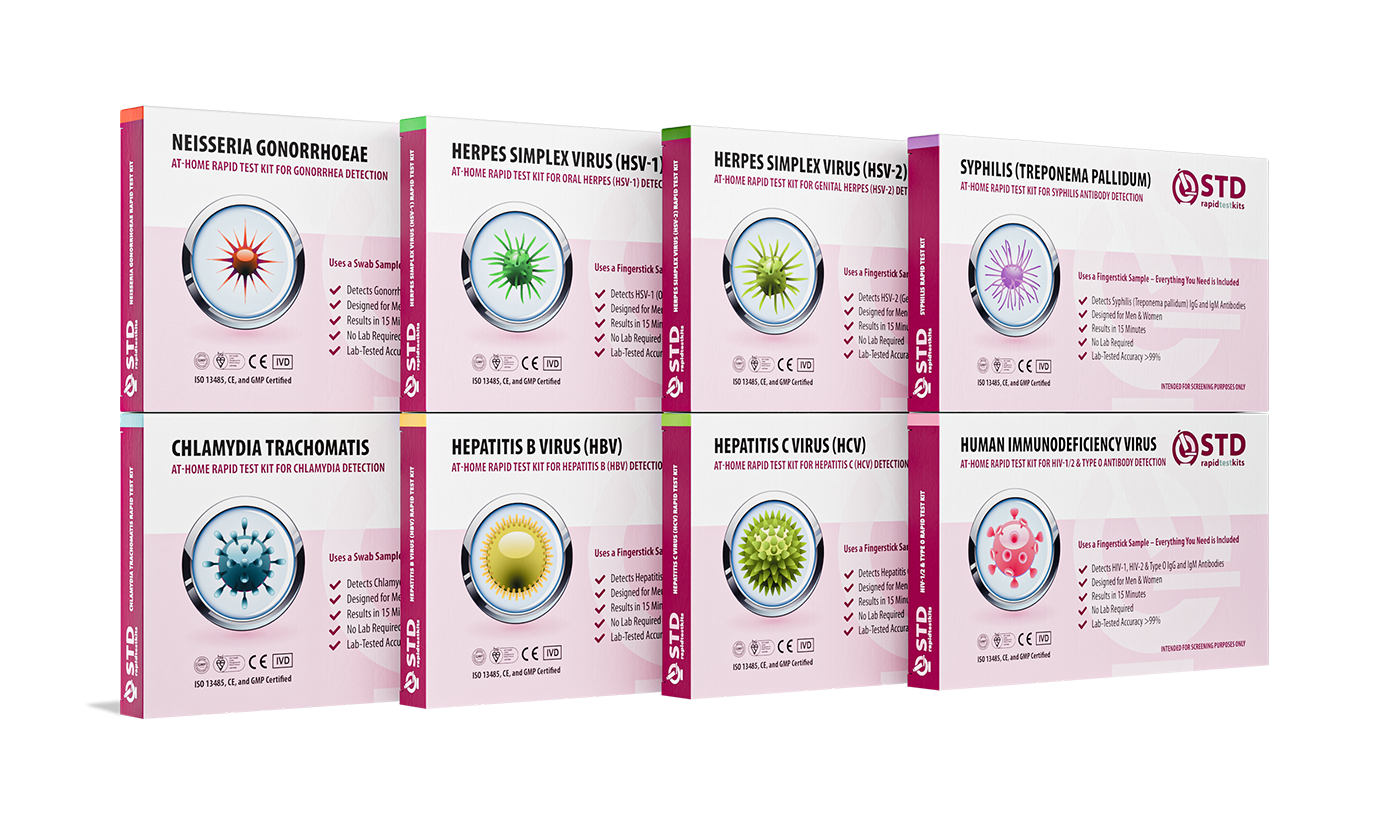 For Men & WomenResults in MinutesNo Lab NeededPrivate & Discreet
Order Now $149.00 $392.00
For all 8 tests
You’re Not Alone, and You’re Not “Doing It Wrong”
There’s a quiet ache that can come from being left out of conversations about risk. Like you’re invisible to systems meant to protect you. But here’s the truth: your health matters. Take care of your body. Your questions about STD testing, especially since you are asexual, are important, necessary, and well worth answering.
Getting tested doesn’t mean you’re not really ace. It doesn’t mean you’re dirty. It means you care enough to get the facts, even when the system doesn’t always see you. That is brave. That is powerful.
Don’t wait and wonder, get the clarity you deserve. This at-home combo test kit checks for the most common STDs discreetly and quickly.
FAQs
1. Can I really get an STD if I’ve never had sex?
Yep, because “sex” means a lot of things, and germs don’t ask for a definition first. Infections like herpes or HPV can pass through kissing, grinding, or skin contact, stuff that doesn’t feel like sex to you, but still counts to a virus. You don’t need to have done “everything” to have picked something up.
2. I’m a virgin. Do I seriously need to worry about this?
Virginity isn’t a medical status, it’s a social concept. If you’ve ever kissed, shared a sex toy, or had any kind of intimate skin contact, there’s some risk. It might be tiny, but it exists. Testing isn’t saying “I did something wrong.” It’s saying “I want to know what’s up with my body.” And that’s always legit.
3. Is herpes really something you can get from kissing?
Absolutely. HSV-1 (oral herpes) spreads mostly through kissing, yes, even when there are no visible cold sores. One casual make-out session at a party can be all it takes. And a lot of people have it without knowing. If you’ve kissed someone and later got a weird tingle or bump, it’s worth checking out.
4. What if I’ve literally never touched anyone that way?
You still might want to test someday, especially if you’ve ever shared razors, lip balm, or toys, or if you’ve had any experience where touch wasn’t fully consensual. Some ace folks test just to have a clean baseline. It’s about knowledge, not paranoia.
5. I’m asexual. Why do I feel embarrassed even thinking about testing?
Because the world is bad at talking about sexual health without making it about morality. Testing is medical, not moral. You’re not being “suspicious,” and you’re not betraying your identity. You’re taking care of your body, end of story.
6. Can I just test at home? I don’t want to explain myself to anyone.
Yes, and you don’t have to. At-home kits are designed for privacy. No awkward questions. No waiting room. Just a quick test you can take in your bathroom, under your terms. That’s why so many ace-spectrum folks choose them, it’s low-key, low-pressure, and nobody has to get in your business.
7. What if I test positive and don’t even know how I got it?
Then you’re like thousands of other people. STDs can show up months or years after exposure, and many spread silently. You’re not dirty. You’re not broken. You’re just human. The next step is to get help (if you need it) and take care of yourself, not to blame or shame yourself.
8. Do I have to tell anyone if I get a positive result?
Only if someone else could’ve been affected, or if you feel ethically moved to share. There’s no big announcement required. If you’ve had close contact with someone, a heads-up is respectful. But your safety and comfort come first. Whether, how, and when to share is up to you.
9. What if the test says I'm negative, but I still feel strange about it?
Testing is a snapshot. If you test too soon after being exposed or use the wrong kind of test, the results might not be 100% accurate. A negative could mean "not yet" or "not with this test." If you still feel bad, you should talk to someone you trust or take the test again later.
10. Do I need to retest if I haven’t had any new contact?
If nothing’s changed exposure-wise, and your test was accurate and well-timed, probably not. But if you’ve been worried, or if it’s been a long time and you want peace of mind, retesting isn’t overkill, it’s care. Think of it like renewing your passport, but for your sexual health. You’re just keeping your records updated.
What You Deserve to Know
If you’ve made it this far, let this be your reminder: your body is worth knowing, even if your experiences don’t match mainstream narratives. You don’t need to explain your orientation or justify your identity to take care of your health.
STD testing can give you information, closure, and power, whether you've kissed someone once or never touched anyone. It's not about being afraid; it's about the facts. You can take that step on your own terms, though, thanks to private options like the Combo STD Home Test Kit.
How We Sourced This Article: We combined current guidance from leading medical organizations with peer-reviewed research and lived-experience reporting to make this guide practical, compassionate, and accurate.
Sources
1. CDC: Facts About Genital Herpes and STDs
2. Planned Parenthood – STDs & Safer Sex
3. About Sexually Transmitted Infections (STIs) | CDC
4. About Genital HPV Infection | CDC
5. About STI Risk and Oral Sex | CDC
6. Sexually transmitted infections (STIs) | WHO
7. Sexually transmitted infections (STIs) | NCBI Bookshelf
8. STI Screening Recommendations | CDC
9. Sexually Transmitted Diseases (STDs) | Boston Children’s Hospital
About the Author
Dr. F. David, MD is a board-certified infectious disease specialist focused on STI prevention, diagnosis, and treatment. He blends clinical precision with a no-nonsense, sex-positive approach and is committed to expanding access for readers in both urban and off-grid settings.
Reviewed by: R. Lee, NP-C | Last medically reviewed: January 2026
This article is only for information and should not be used instead of medical advice.


