






Quick Answer: Yes, you can get an STD from a dirty or unwashed sex toy if it carries infectious organisms and then comes into contact with fragile mucous membranes or microscopic tears in skin. A lot of people don't know that some bacteria and viruses can live on surfaces for a long time. Sharing surfaces without proper hygiene makes the risk of transmission higher. Cleaning, storing things properly, and using protective barriers like condoms on toys lower that risk a lot.
How STIs Spread from Surfaces to People
At its core, transmission of an STI from an object like a sex toy comes down to two things: survival of the pathogen on the surface, and transfer to susceptible tissue. Some organisms die almost instantly outside the body. Others can linger for hours or even days if conditions are right. If a toy carries enough infectious material and then contacts a partner’s mucosa or an abrasion in the skin, that’s when risk turns into infection.
| Pathogen | Surface Survivability | Likely Transmission via Toys |
|---|---|---|
| Chlamydia trachomatis | Hours to a day on non‑porous surfaces | Possible with shared and uncleaned use |
| Neisseria gonorrhoeae | Hours on moist surfaces | Possible, especially if moist and recently used |
| Herpes simplex virus (HSV) | Short periods; hours if wet | Less common but plausible with fresh contamination |
| Human papillomavirus (HPV) | Days on hard surfaces | Possible with shared toy use |
| Trichomonas vaginalis | Up to 45 minutes | Possible shortly after contamination |
Table 1: How long some common sexually transmitted pathogens can survive outside the body and their potential for transmission via contaminated toys.
The Truth About Materials: Porous vs. Non‑Porous
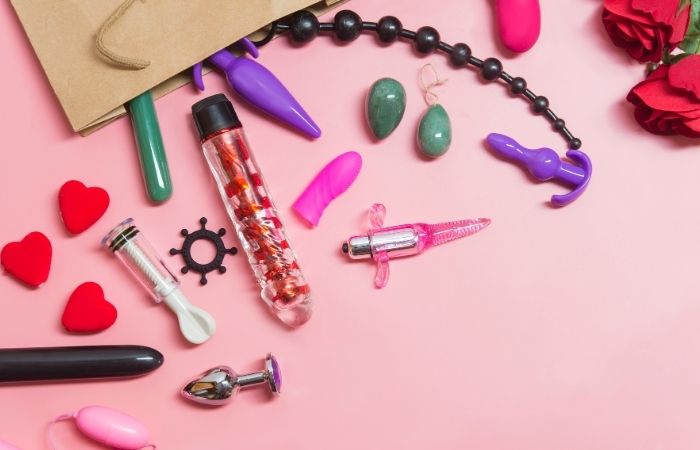
“It’s just silicone, how dangerous could that be?” Many people assume all sex toy materials are equal in terms of hygiene. In reality, the porosity of the material makes a big difference. Hard, non-porous surfaces like medical‑grade stainless steel, glass, and some silicone can be cleaned more thoroughly. Porous materials such as jelly rubber or soft plastics, and especially toys with seams and ridges, can trap microscopic organic matter that’s hard to remove completely.
Imagine a tiny ridge along a toy’s base. Fluids can get trapped there. Even a conscientious wash may miss that spot, leaving behind microbes. The next time the toy is used, especially if shared, the risk increases. This doesn’t mean porous toys are inherently “dangerous,” but they require extra diligence in cleaning and protective barriers like condoms on the toy.
People are also reading: Dating Again at 45? The STD Risk No One Warns You About
Shared Use and Partner Rotation: Adding Up the Risk
Shared use increases the number of potential exposures, much like sharing any intimate object. For heterosexual couples, one night doesn’t necessarily raise serious alarm, but when toys are passed between partners without cleaning or changing barriers, the math changes. Each exchange becomes a new opportunity for pathogen transfer.
In a crowded clinic waiting room, Thomas described feeling fine after a weekend with multiple partners. He had used a shared toy at a party without a condom and only cleaned it later in the sink when he got home. A week later, he felt a burning sensation during urination. The clinician looked him in the eye and honestly connected the dots: “Any moist surface that has touched mucosa can transfer bacteria if it isn’t cleaned between partners.” That wasn’t meant to shame him, just to help him understand what happened and how to prevent it next time.
Cleaning Doesn’t Have to Be Complicated, But It Has to Be Complete
One of the most common mistakes people make is thinking a quick rinse under warm water is sufficient. Effective cleaning is about removing organic material before disinfection. For toys without electronics, soap and warm water, followed by a dedicated toy cleaner and thorough drying, significantly reduce microbial load. For toys with batteries or USB connections, manufacturers’ guidelines for cleaning become especially important to avoid damaging the toy while still achieving hygiene goals.
| Cleaning Step | Purpose | Notes |
|---|---|---|
| Rinse | Remove gross debris | Start with water to wash off fluid |
| Soap and Warm Water | Break down proteins and oils | Use mild, fragrance‑free soap |
| Dedicated Toy Cleaner | Target microbes | Follow product instructions |
| Drying | Prevent microbial regrowth | Towel or air dry completely |
| Condom Use on Toy | Barrier protection | Change between partners |
Table 2: Steps in effective toy cleaning and their roles in reducing infection risk.
Every step in the table above plays a role. The first rinse dislodges fluids. Soap breaks down proteins where bacteria and viruses might cling. Dedicated cleaners can help reduce microbes even further. Drying is a critically overlooked step: moisture invites growth. If you skip drying and toss the toy into a drawer, you’re creating a mini petri dish.
Check Your STD Status in Minutes
Test at Home with Remedium6-in-1 STD Test Kit
 For Men & Women
 Results in Minutes
 No Lab Needed
 Private & Discreet
Order Now $119.00 $294.00
For all 6 tests
When Barriers Matter: Using Condoms on Sex Toys
Using a fresh condom on a toy each time it’s shared is one of the most effective ways to reduce STD risk. A condom acts as a barrier, capturing fluids and preventing direct contact between the toy surface and mucous membranes. It’s simple, accessible, and easy to change between partners or between different anatomical uses (for example, moving from anal to vaginal use). Think of it as an extra layer of defense, especially with porous toys where cleaning alone might not eliminate all risk.
Anecdotally, therapists and sex educators often share that clients feel self‑conscious about condoms on toys because they think it’s unnecessary or clumsy. But the logic mirrors safer sex practices with partners: a barrier doesn’t judge; it protects. Many people find that with a bit of practice, using condoms on toys becomes second nature.
What STIs Are Most Likely to Be Transmitted via Contaminated Toys?
Any STI that lives in bodily fluids and can survive outside the body for a bit is a candidate. Bacterial infections like gonorrhea and chlamydia can linger on surfaces long enough to pose a risk, especially if the toy is still moist from fluids. Viruses like herpes and HPV are weaker, but they can live on hard, non-porous surfaces if the conditions are right. In real life, that means there is always some risk, but knowing which STIs are more likely to spread can help you decide when to get tested and how to avoid getting them.
For example, HPV’s ability to survive on surfaces for days makes it a theoretical concern for shared toys. If one partner has an active HPV infection and another uses the same toy without a barrier and without cleaning, there’s a plausible route for transmission. Similarly, bacterial infections that cause urethritis or vaginal infections can transfer via contaminated toys that haven’t been cleaned or that were shared too soon after use.
How to Talk With Partners About Toy Hygiene
Discussing hygiene may feel awkward initially, but framing it as mutual care rather than suspicion changes the tone. Start with shared expectations: “Let’s make sure we both feel safe and comfortable with how we clean and use our toys.” Share your personal preferences and listen to theirs. Avoid assuming that someone automatically knows your standards. Many people simply haven’t had these conversations before.
One couple, Rosa and Mei, found that sitting down with a toy cleaning kit and discussing how they liked to maintain their toys became a bonding moment. They laughed over old mistakes and made a list of steps they both felt comfortable with. Turning hygiene into a shared routine dissolved embarrassment and replaced it with mutual responsibility.

People are also reading: Primary Syphilis Is Rising in New Mexico. Here’s Why It Matters
Real Conversations: Micro Scenes for Context
When Malik met his partner Jordan, they were both open about safer sex practices. Toys were part of their chemistry, and they agreed up front to clean together after play. One night, though, they were rushed and skipped the usual routine, leaving the toy on the nightstand with just a cursory rinse. Jordan's irritation didn't go away the next week. Their doctor gently told them that not cleaning, even once, can leave enough bacteria to make them feel sick. They learned from that and made cleaning part of their foreplay, turning duty into connection.
Another person, Samira, had always cleaned her toys but didn’t think condoms were necessary if only she used them. After contracting a bacterial STI that her clinician linked to improper hygiene, she realized that cleaning alone wasn’t always sufficient. Adding barriers and spacing out use between partners became part of how she protected her health. “It’s not paranoia,” she said, “it’s planning. And now, I don’t have to wonder.”
Normalizing Hygiene Without Shame
Sex toy hygiene is not a judgment about morality or worthiness. It's a good idea, like washing your hands before you eat. But shame and stigma often keep people from doing the right thing. Everyone can make safer choices if they talk about it openly, share their experiences, and treat it like health care instead of something that isn't talked about.
Hygiene can be framed as respect for yourself and your partners. When we treat cleaning as a ritual of care, not a chore, it becomes a natural extension of intimacy rather than an uncomfortable obligation. Sex educators have long emphasized that “the most pleasurable experiences are also the ones that feel safe.”
That safety includes emotional and physical layers. Using protection on toys, like a condom, a cleaning routine, or a clear boundary, is like using protection during penetrative sex. It serves as a reminder that having fun and staying safe go hand in hand.
Final Thoughts on Risk and Responsibility
In summary, it is possible to contract an STD from a dirty sex toy, particularly if it is shared without protective barriers and hasn't been thoroughly cleaned. The risk is not theoretical; it is a real concern due to documented cases and biological plausibility. However, power comes from knowledge. Anxiety can be transformed into agency by learning how pathogens thrive, how to properly clean, when and how to use condoms on toys, and how to interact with partners.
Sexual health is not about shame, it’s about information. And good information leads to better choices, stronger relationships, and safer, more enjoyable experiences. Whether you’re solo, partnered, or exploring with multiple people, knowing the facts about toy safety puts you in control.
Check Your STD Status in Minutes
Test at Home with Remedium8-in-1 STD Test Kit
 For Men & WomenResults in MinutesNo Lab NeededPrivate & Discreet
Order Now $149.00 $392.00
For all 8 tests
This Isn’t About Being “Perfect”, It’s About Being Prepared
If you’re sitting here feeling overwhelmed, maybe you just realized you never cleaned that toy after your ex used it, or maybe you’ve never thought about condoms and vibrators in the same sentence, pause. Breathe. This isn’t a guilt trip. It’s a reset button. Nobody taught most of us how to use sex toys safely. We learned from partners, porn, or trial and error. Sometimes we were lucky. Sometimes not.
The goal isn’t to shame your past. It’s to protect your future. There’s nothing sexier than someone who knows how to care for their body and respects yours too. Cleaning a toy before using it isn’t sterile or clinical, it’s confidence. Swapping out a condom on a dildo between bodies isn’t awkward, it’s hot consent in action. And bringing up STI testing after a wild weekend isn’t weird, it’s wisdom.
One woman we spoke to described her routine like brushing her teeth: “I clean my toys because I want to feel good, not because I’m afraid. I just love knowing I’m not leaving anything up to chance. I’ve had a UTI from lazy habits before. Never again.” That’s what empowerment looks like. It’s not fear-based; it’s facts-based. You don’t have to sterilize your entire sex life. You just need to know what matters.
And when you don’t know? You ask. You test. You talk about it. That’s what this FAQ section is here for, to answer the real questions you’ve googled at 2AM, or were too embarrassed to say out loud. No judgment. Just honest, useful info that’s on your side.
FAQs
1. Can I really get an STD from a toy I used by myself?
Yes, and it surprises a lot of people. If that toy was contaminated from a previous use (say, after partner play or anal use), and wasn’t cleaned before going back inside your body, it can reintroduce bacteria or viruses. This is especially true for things like chlamydia and trichomoniasis, which can linger in crevices or on porous surfaces. Solo doesn’t always mean risk-free.
2. How long can something like gonorrhea live on a toy?
Not forever, but long enough to matter. Neisseria gonorrhoeae is sensitive to drying, but it can survive a few hours, especially on moist, non-porous toys like silicone or plastic. If it was just used and not washed? It’s still a possible carrier the next time someone uses it.
3. Is rinsing with hot water enough to clean a sex toy?
Honestly? Not even close. Warm water helps, sure, but without soap or a proper cleaner, you’re basically giving bacteria a hot tub, not an eviction notice. A good clean means soap, friction, rinsing, and full drying. Think of it like doing dishes after raw chicken, not wiping down a countertop.
4. I’ve always used toys without condoms, do I need to start?
Not necessarily. If the toy is used only by you, cleaned thoroughly, and not shared across body parts, you might be fine. But condoms are game-changers when toys are shared between partners or used vaginally after anal play. Think of them as easy peel-and-toss armor that keeps things safer and your cleanup easier.
5. Can I get herpes from a toy if my partner didn’t have symptoms?
Unfortunately, yes. Herpes doesn’t wait for a visible outbreak to shed. If your partner is asymptomatic but shedding the virus, and a toy picks it up and touches your mucosa shortly after, it’s a risk. It’s rare, but it happens. Wiping it down won’t cut it. Use condoms on toys and clean them like you mean it.
6. Why does my vagina sometimes feel irritated after using a toy?
Could be a few things, residue from soap, toy material sensitivity, or (yep) a brewing infection. Toys that aren’t fully rinsed or dried can leave behind harsh chemicals. And if a toy was used without a barrier after anal play? That irritation might be your body waving a red flag. Pay attention, and if symptoms linger, test up.
7. I used a friend’s toy once at a party. Should I get tested?
Let’s put it this way: if you’re asking, it’s probably worth it. Shared toys at parties (especially without visible cleaning or condom use between people) are high-risk. Even if you feel fine now, some STDs can take days to weeks to show up, or not show up at all. A test can either calm your mind or catch something early. Win-win.
8. Do I need to clean my toys even if I haven’t used them in a while?
Yep. Dust, lint, moisture from the air, or even old residue can hang around. If a toy’s been in a drawer for months and you’re about to reintroduce it to your body, give it a spa day first. A quick wash before and after use should be your default routine, like brushing your teeth before a date.
9. Are “natural” cleaning sprays safe to use on my toys?
Some are, some aren’t. Always check if they’re compatible with the material of your toy. Tea tree oil sounds cool until it melts your jelly toy. When in doubt, stick to unscented soap and warm water or cleaners made specifically for sex toys. Your vulva will thank you.
10. How soon after risky toy use can I test for an STD?
Depends on the STD. For most bacterial infections like chlamydia or gonorrhea, it’s best to wait at least 7–14 days. For HIV, syphilis, or herpes, window periods can stretch longer. If something feels off, or you just want peace of mind, an early test with a plan to retest later isn’t a bad call.
You Deserve Pleasure, And Safety Too
Being mindful about how you clean, store, and share your sex toys doesn’t mean you’re paranoid. It means you care, about yourself, about your partners, and about staying in control of your health. If you’re feeling unsure after a recent experience with an unwashed toy, you’re not alone, and you’re not stuck. Testing is an empowering next step, and taking precautions next time doesn’t erase the pleasure; it protects it.
Get the clarity you deserve instead of waiting and wondering. This at-home combo test kit swiftly and covertly checks for the most prevalent sexually transmitted diseases. Answers are only a test away, whether it's a bump, an itch, or just a persistent question.
How We Sourced This Article: We combined current guidance from leading medical organizations with peer-reviewed research and lived-experience reporting to make this guide practical, compassionate, and accurate.
Sources
1. CDC – STD Screening Recommendations
2. Sexually Transmitted Infections Treatment Guidelines, 2021
3. Women Who Have Sex with Women (WSW) and STD Risks
4. How to Prevent STIs | STI Prevention
5. Can I Get or Transmit HIV From…?
6. Preventing Shigella Infection Among Sexually Active People
7. Sexually Transmitted Diseases Treatment Guidelines, 2015 (shared toys reference)
8. Giardia Infection Prevention and Control (includes toy washing guidance)
9. Chlamydia: Causes, Symptoms, Treatment & Prevention
About the Author
Dr. F. David, MD is a board-certified infectious disease specialist focused on STI prevention, diagnosis, and treatment. He blends clinical precision with a no-nonsense, sex-positive approach and is committed to expanding access for readers in both urban and off-grid settings.
Reviewed by: Jenna Wright, NP-C | Last medically reviewed: January 2026
This article should not be used as a substitute for medical advice; it is meant to be informative.


