






Quick Answer: The best time to test for most STDs is 1–3 weeks after exposure. If you're flying home sooner, a rapid test can offer peace of mind, but may need follow-up. Symptoms or high-risk exposure? Don’t wait, test now and retest later.
Who This Is For (And Why It’s So Common)
If you’re scrolling through this at 35,000 feet with a weird burning sensation or just a pit of worry in your gut, you’re far from alone. Vacation flings happen, on purpose, by accident, or somewhere in between. Whether it was your first hookup in years or just the latest in your travel scrapbook, what you’re feeling now is valid: concern, curiosity, maybe even a little shame. You’re not broken. You’re human.
This article is for anyone who had sex, oral, vaginal, or anal, while traveling and is now wondering whether they picked something up. It’s also for those who felt pressured, confused, or unsure about what "counts" as exposure. If your condom broke, if you didn’t use one, if you have symptoms or just fear them, this is for you. It's also for readers who have zero symptoms but that voice in their head just won’t shut up. We see you. Let’s get you some clarity.
Here’s what we’ll cover: which tests actually detect infections, how long you should wait to test after a fling, what kinds of symptoms mean “test now,” and what to do if you’re already en route home. This guide includes testing options you can use abroad, kits that ship discreetly, and support if you test positive, even across borders.
What Counts as an STD Test (And What Doesn’t)
Not all tests are created equal, and timing matters more than most people realize. Most standard STD testing involves either a NAAT/PCR test (which looks for genetic material from infections like chlamydia, gonorrhea, and trichomoniasis) or antibody/antigen blood tests for things like HIV, syphilis, and hepatitis. Rapid tests exist for many of these, especially HIV, syphilis, and herpes, but their accuracy depends on when you use them.
At-home tests come in two main types: rapid cassettes (results in minutes) and mail-in lab kits (samples go to a lab and results are returned online). The choice between them usually comes down to urgency, privacy, and location. Some travelers grab a kit at a pharmacy abroad, while others carry one in their luggage “just in case.” And many wait until they return, but that delay can mean missed treatment windows or increased risk to others.
You can order discreet tests directly from the STD Rapid Test Kits homepage, including single-infection tests or a combo panel that covers the most common STDs. These are designed for private, easy testing no matter where you are in the world.
People are also reading: Don’t Panic: What Rising STD Rates Really Mean
Window Periods: Why Testing Too Soon Might Backfire
Every STD has a “window period”, the time between when you were exposed and when a test can reliably detect the infection. Testing before that window closes might feel productive, but it can lead to a false sense of security if results come back negative. That means you could go home thinking you’re clear, only to develop symptoms, or worse, pass something to a partner, days later.
Here’s what science says about timing. These ranges represent typical windows but can vary depending on the test method and your body’s immune response:
| STD | Test Type | Earliest Reliable Test | Best Time to Test |
|---|---|---|---|
| Chlamydia | NAAT/PCR (urine/swab) | 5–7 days | 14+ days |
| Gonorrhea | NAAT/PCR (urine/swab) | 5–7 days | 14+ days |
| Syphilis | Blood antibody test | 3 weeks | 6–12 weeks |
| HIV | Ag/Ab combo or NAAT | 10–14 days | 3–6 weeks |
| Herpes | Blood or swab test | 4–10 days (symptoms) | 3–12 weeks (blood) |
| Trichomoniasis | NAAT or antigen | 5–7 days | 2+ weeks |
Table 1. Window periods by STD and testing method. Testing earlier than the “best time” is possible but may require a follow-up test for confirmation.
If you're testing while still abroad or right before you fly, choose a rapid test that aligns with your timeline, and plan to retest later. That’s not being paranoid; it’s being thorough.
Check Your STD Status in Minutes
Test at Home with Remedium8-in-1 STD Test Kit
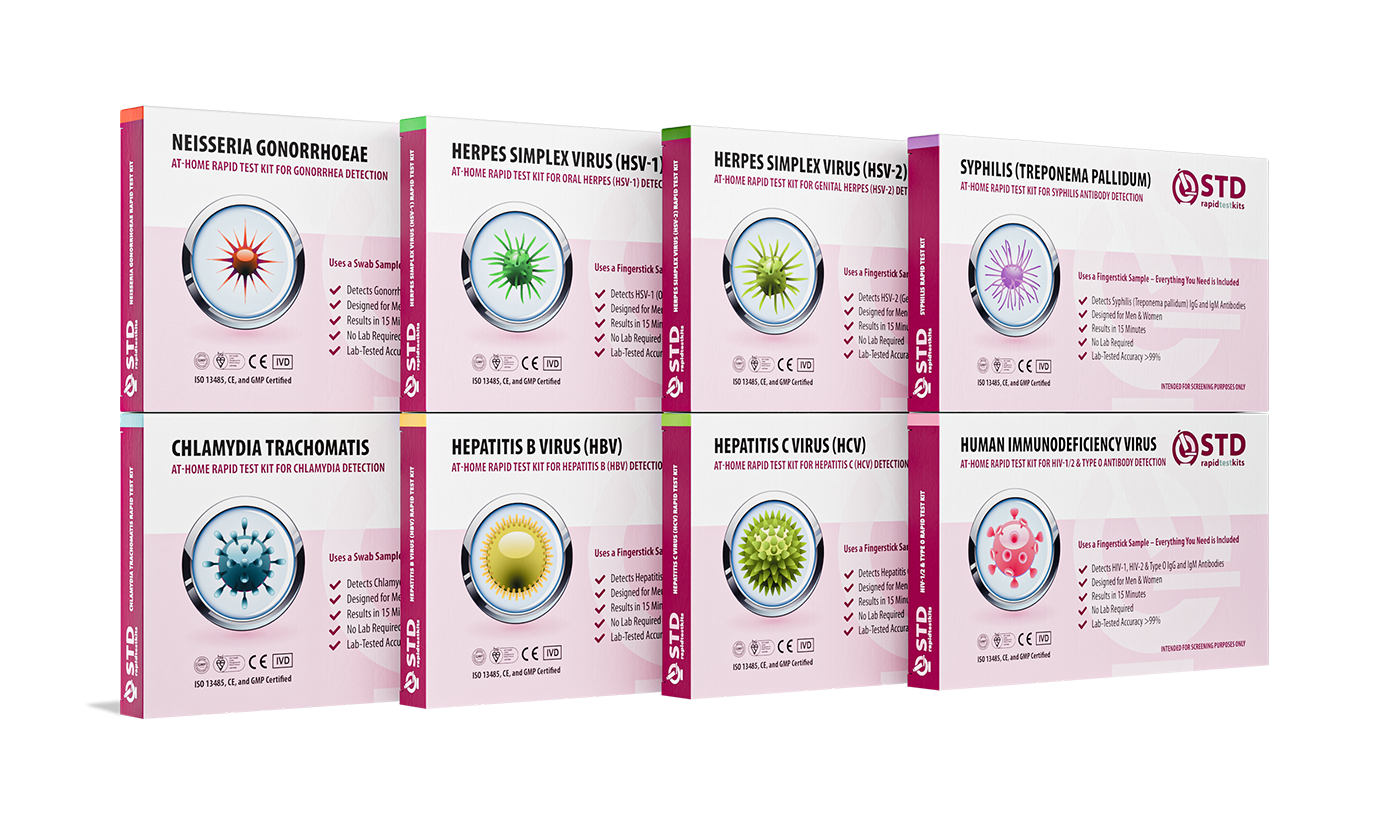
 For Men & Women
 Results in Minutes
 No Lab Needed
 Private & Discreet
Order Now $149.00 $392.00
For all 8 tests
This Isn’t Just Jet Lag: Symptoms That Matter (And Ones That Don’t)
It started with an itch. Not terrible, not constant, just enough to make Lena shift uncomfortably in her airplane seat, wondering if the damp swimsuit she forgot to rinse out had done her in. By the time she got to her layover, she’d Googled three different STDs, ruled them all out, then panicked when she realized she might have missed something. “Could this be herpes?” she typed, heart racing in the airport bathroom stall.
Truth is, travel puts your body through a lot, sweat, unfamiliar bedsheets, different hygiene routines, dehydration, even delayed showers. So not every bump or itch is an STD. But some are. And the difference isn’t always clear. Here's what to consider: If you’re experiencing painful urination, unusual discharge, open sores, genital ulcers, or flu-like symptoms with no obvious cause, those are red flags worth acting on. Vaginal irritation that feels more internal than external? Could be trichomoniasis. A small, painless sore that appeared out of nowhere? Possible syphilis. A tingling or burning sensation before blisters form? Could point to herpes.
Meanwhile, itchy thighs from walking 10 miles in hot weather, or a slight rash from a new detergent at the hostel? Probably not something to panic about, but still worth keeping tabs on. If symptoms persist for more than a few days, worsen, or shift location, that’s your cue to test. And if you’re having symptoms now, even if you’re not sure what caused them, don’t wait until you're home.
Testing while symptoms are present increases your chance of catching an active infection, and in many cases, allows for earlier treatment. If you're flying soon and don’t have access to a clinic, use an at-home kit. Some options even offer same-day courier delivery depending on your location.
Which Test Makes Sense for You?
You’re sweaty, stressed, and the layover line is endless. You pull out your phone and start comparing tests, but the jargon’s overwhelming. PCR, NAAT, antibody, combo panels. It’s a lot. So let’s break it down, based on what actually matters: speed, accuracy, and how private you want to be. Here’s how the main test types stack up.
| Test Type | Results Time | Privacy | Best For |
|---|---|---|---|
| Rapid At-Home Cassette | 10–15 minutes | Very high | Immediate peace of mind, traveling soon |
| Mail-In Lab Kit | 2–5 days (after mailing) | High | More accurate results, no clinic access |
| Clinic-Based NAAT/Antibody | 1–7 days | Moderate (varies by location) | Persistent symptoms, confirmatory testing |
Table 2. STD testing options by turnaround time, discretion, and fit. Each method has trade-offs based on urgency, location, and window periods.
If you're testing abroad, note that some countries don’t allow shipping of lab kits across borders. In those cases, a rapid test may be your only option before boarding the plane. If you’ve already flown home, you can order from the STD Rapid Test Kits site and test the next day without going to a clinic.
Either way, make sure you match the test to the timing. Testing too early, even with the best kit, can lead to a false negative. If that happens, you’ll need to retest when the window closes. It’s not failure. It’s just biology.
Testing Timeline: When to Act and When to Wait
Here’s the uncomfortable truth: most people want answers now. But testing too soon often delivers uncertainty. If it’s been fewer than five days since your hookup, it’s unlikely most standard tests will detect an infection, even if you were exposed. But that doesn’t mean you should sit back and wait. In situations of high risk (unprotected sex, multiple partners, visible symptoms), test now and again later.
Let’s look at a few common timing scenarios:
Same-Day Symptoms, Still Abroad: If you’re showing clear symptoms (discharge, ulcers, fever, or genital sores), go ahead and test, even if it’s early. A positive result at this stage is likely accurate. If it’s negative, you may need a repeat after the incubation window closes.
5–10 Days Post-Hookup, No Symptoms: This is the gray zone. Some infections like chlamydia or gonorrhea may start to show up on NAATs by day 7. A rapid test could catch it, but you’ll likely need a retest in 1–2 weeks to be certain.
14+ Days Post-Hookup: Now you’re in the “sweet spot” for most testing. This is the ideal time for reliable results on chlamydia, gonorrhea, and trichomoniasis. Antibody tests for syphilis and HIV may still be early, but you’re closer to accuracy. A rapid combo test is a good fit here.
One reader shared that he tested on day 4 using a rapid test for chlamydia, it came back negative. But the discomfort in his urethra worsened by day 11, so he took a mail-in lab kit upon arriving home. This time, it showed positive. He started antibiotics immediately. “I was glad I didn’t ignore it,” he wrote. “That early test made me feel okay, but my body was saying otherwise.”
If your head keeps spinning, peace of mind is one test away. You can order a Combo STD Test Kit that screens for the most common infections, including HIV, syphilis, herpes, gonorrhea, and chlamydia. Discreetly shipped, it’s a way to stop guessing and start acting.

People are also reading: Can AI Really Diagnose STDs? The New Frontier of Sexual Health
Should You Retest After Travel? Here’s How to Know
You made it home. Your luggage arrived, your tan's still intact, and that weird twinge in your groin is... gone? But the worry hasn’t left. Maybe you took a test while still abroad. Maybe it was negative. But now you're second-guessing, was it too soon? Could you have missed something? The truth: retesting is often necessary, and it's not about being paranoid. It's about timing, exposure risk, and respecting what your body may still be processing.
If you tested within a few days of your fling, especially with a rapid kit, there’s a chance it was too early. It takes weeks for STDs like syphilis and HIV to produce antibodies or appear in laboratory tests. Even gonorrhea and chlamydia can go undetected during the first five days. As a result, doctors usually recommend a two-step process: a first test for immediate comfort and a second test about three weeks later.
Let’s say you took a rapid HIV test on day 6 after your hookup. It came back negative. You can breathe a little, but don’t treat it like the final word. The CDC notes that most HIV antigen/antibody tests reach peak accuracy after three weeks, and confirmatory tests may be needed up to 90 days post-exposure for full clarity (CDC HIV Testing Basics). Don’t wait that long to act, but do plan for a retest if your first test came early.
| Situation | Initial Test Timing | Recommended Retest |
|---|---|---|
| No symptoms, tested on day 3–5 | Too early for reliable results | Retest at 14–21 days |
| Mild symptoms, negative test | May catch some infections | Retest at 10–14 days or if symptoms persist |
| High-risk exposure (no condom, multiple partners) | Immediate test encouraged | Retest at 3 and 6 weeks |
| Positive result abroad | Rapid test or clinic confirmation | Retest at home with mail-in or clinic lab |
Table 3. Retesting scenarios and timelines based on exposure, symptoms, and test type. When in doubt, retest, especially after high-risk encounters or early negative results.
If your first test was done early and you now feel fine, it’s tempting to skip the follow-up. But don’t confuse “feeling okay” with “being clear.” Many STDs are asymptomatic for weeks, or forever. Chlamydia and HPV can linger silently while still being transmittable. A second test is not overkill. It’s closure.
Shipping, Privacy, and Testing While on the Move
Backpacks don’t come with STD test kits, but maybe they should. For travelers, testing access varies wildly depending on where you are. Some countries offer free public STD testing but with long lines and language barriers. Others have no access at all unless you visit a private clinic, which can cost hundreds. That’s where portable testing options come in.
If you’re still abroad, ordering a kit to your hotel or Airbnb might be possible. Just double-check import rules: not all countries allow medical testing supplies to be delivered across borders. Alternatively, if you’re staying somewhere for at least a few days, a local pharmacy or clinic may stock rapid test kits for HIV, syphilis, and hepatitis B. Use these if available, especially if you’re symptomatic.
Already home? You’re in control now. The STD Rapid Test Kits site offers discreet shipping with no outer branding. Kits arrive in plain packaging, usually within 2–3 business days. Results are private and readable from home, no awkward waiting rooms, no explaining to your GP why you need a test after spring break in Ibiza.
If you’re planning more travel or won’t be home long, consider ordering a combo kit ahead of time. Toss it in your bag the way you would backup birth control or rehydration tablets. Not because you expect something to go wrong, but because you’re human, and humans have sex.
Check Your STD Status in Minutes
Test at Home with Remedium7-in-1 STD Test Kit
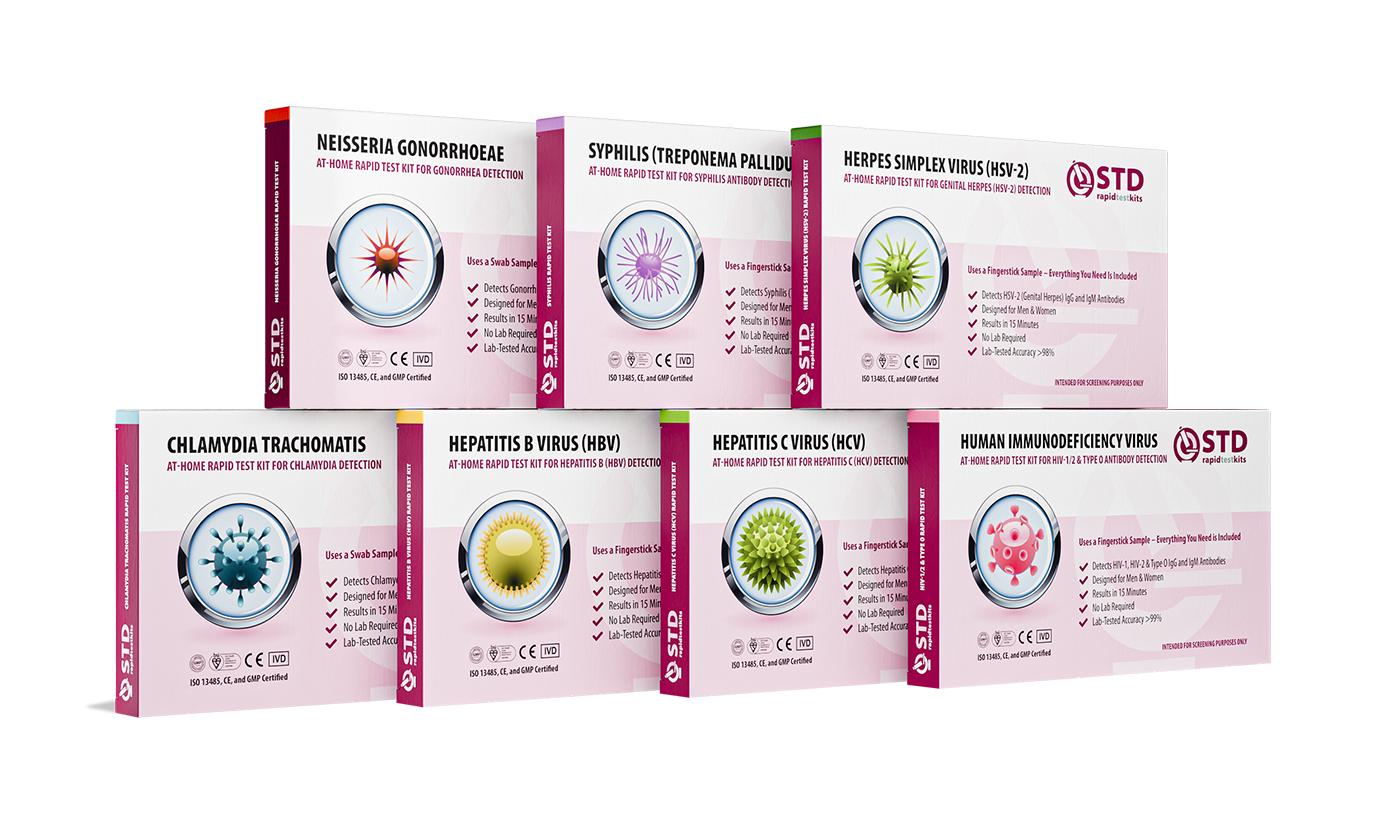 For Men & WomenResults in MinutesNo Lab NeededPrivate & Discreet
Order Now $129.00 $343.00
For all 7 tests
If You Test Positive, While Traveling or After
First things first: breathe. A positive result isn’t a punishment. It’s information. And it’s more common than you think. According to the WHO, more than 1 million STIs are acquired every day worldwide, many from one-time exposures (WHO STI Fact Sheet). You didn’t do anything wrong. Now you just need to take action.
If you’re abroad and test positive, your first step is to confirm the result if possible. Many countries have walk-in clinics or telehealth services that can help guide treatment. Don’t wait until you’re home if symptoms are worsening. Treatment for most STDs, including chlamydia, gonorrhea, and trichomoniasis, is available in oral form and can be prescribed quickly.
If you tested after returning, you have even more resources. Contact your local sexual health clinic or GP to discuss treatment. You can also use telehealth options, which are becoming more common and can offer prescriptions without in-person visits. Sites like Planned Parenthood and other nonprofits often offer support for partner notification if you’re unsure how to start that conversation.
One reader shared this moment: “I was sitting in my car, staring at the positive result, and honestly? I just cried. Not because I was scared of the meds, but because I didn’t know how to tell him. But I did. I texted, and he actually thanked me. We both got treated. We’re still talking.”
Whether it’s a one-night stand you’ll never see again or someone who mattered, notifying partners is part of care. Not judgment. Not shame. Just care. And testing again after treatment, usually two weeks to one month later, helps confirm that the infection is gone and you’re safe to move forward.
FAQs
1. Do I really need to test if it was just one time?
Yes. And not because you’re “dirty” or reckless, but because some infections need just one moment of skin-to-skin contact to spread. Even a single hookup without full penetration (think oral or mutual touching) can be enough for things like herpes or HPV. So if you’re wondering, “Is this overkill?”, nope. It’s just smart.
2. Can STD symptoms really show up on the plane ride home?
They sure can. Some infections, like gonorrhea or trichomoniasis, can cause symptoms within a few days. So that weird burning when you pee at the airport? It’s not always dehydration or cheap tequila. The body doesn’t follow your flight itinerary, if it’s brewing something, it’ll let you know, jet lag be damned.
3. What if I feel totally fine, should I still test?
Definitely. Most STDs are sneakier than you'd think. Chlamydia and HPV especially love to go quiet. No itching, no burning, no discharge, but they’re still there, still transmittable. If your only symptom is “vague unease,” that’s enough. Trust your gut, not just your groin.
4. How soon is too soon to test?
If it’s been less than five days since your hookup, most tests won’t catch an infection yet. It’s not that the test is bad, it’s that your body hasn’t had time to react. Think of it like baking bread: you can’t pull it out five minutes in and expect it to rise. But if you need peace of mind, test now and again later. That’s not overdoing it, it’s being thorough.
5. What happens if I test positive while abroad?
First, don’t panic. Being far from home doesn’t mean you’re out of options. Many countries have walk-in clinics or telehealth services where you can get treated. Antibiotics for chlamydia and gonorrhea are often available over the counter in parts of Southeast Asia and Latin America. If you're dealing with something more complex like syphilis or HIV, find a local doctor or contact a travel medicine hotline.
6. Can I bring a test kit in my carry-on?
Yes, and you probably should. Most rapid tests are small, sealed, and perfectly legal to pack. Toss one next to your sunscreen or backup charger. No one at security is going to bat an eye. Plus, having a kit on hand can save you from a spiral if something feels off mid-trip.
7. My test was negative, but now I have symptoms. What gives?
That’s your cue to test again. Early tests, especially taken before the window period closes, can miss infections. One reader tested negative for herpes on day four, then developed a cluster of blisters by day nine. She retested, got confirmation, and started treatment that week. Moral of the story: trust your body more than a single test result taken too early.
8. How do I tell someone I hooked up with that I might have an STD?
Deep breath. This part sucks, but it matters. You can say, “Hey, just wanted you to know I tested positive for something and wanted to give you a heads up to get checked too.” No blame. No shame. If you're not comfortable texting them directly, services like TellYourPartner.org let you notify anonymously. It's not about guilt, it's about being a decent human.
9. Will drinking or stress mess with test results?
Not really. Alcohol and anxiety can mess with your gut or skin, sure, but they won’t create false positives. That said, stress can mimic STD symptoms: itchiness, tingling, weird discharge. If you’re spiraling, test once for facts, then again at the right time for confirmation. One test calms your nerves. Two gives you closure.
10. How long should I wait before having sex again?
Depends on what you’re dealing with. If you test positive for something treatable, like gonorrhea, finish the meds and wait 7–10 days (and until symptoms are gone). For viral STDs like herpes, avoid sex during outbreaks and talk with your partner about protection moving forward. And if you’re in that in-between space, waiting for a retest, it’s okay to hit pause. Sexy doesn’t mean reckless.
You Deserve Answers, Not Assumptions
The days after a vacation hookup can feel like emotional whiplash, regret, worry, second-guessing everything. But clarity is powerful. You don’t need to suffer in silence, search Reddit in a panic, or wait months for answers. STD testing after travel isn’t about guilt. It’s about ownership.
Whether you test from a hostel bunk or your bedroom floor back home, you deserve peace of mind. If you had a fling, if you're not sure what that rash means, if you're tired of spiraling every time your phone battery dies mid-search, test. Don’t wait and wonder, get the clarity you deserve. This at-home combo test kit checks for the most common STDs discreetly and quickly.
How We Sourced This Article: We combined current guidance from leading medical organizations with peer-reviewed research and lived-experience reporting to make this guide practical, compassionate, and accurate.
Sources
1. CDC – STD Screening Recommendations
2. WHO – Sexually Transmitted Infections Factsheet
4. Planned Parenthood – Get Tested
5. Sexually Transmitted Infections | Travelers' Health
6. STI Screening Recommendations
7. About Sexually Transmitted Infections (STIs)
8. Sex and Travel | Yellow Book
10. Sexually transmitted diseases (STDs) – Diagnosis and Treatment
11. Sexually Transmitted Infections – WHO Fact Sheet
12. International Travel and Sexually Transmitted Disease
About the Author
Dr. F. David, MD is a board-certified infectious disease specialist focused on STI prevention, diagnosis, and treatment. He blends clinical precision with a no-nonsense, sex-positive approach and is committed to expanding access for readers in both urban and off-grid settings.
Reviewed by: L. Amari, MPH | Last medically reviewed: January 2026
This article should not be used as a substitute for medical advice; it is meant to be informative.


