







Quick Answer: You can’t get most STDs from kissing someone’s neck, but certain infections, especially herpes and syphilis, can spread through direct skin contact, even without fluid exchange or oral sex.
This Isn’t Just About Kissing, It’s About Contact
Lucas, 22, didn’t think twice about the hookup. “It was just making out,” he said, “but I remember she had this small scab on her upper chest. I kissed around it, not on it.” A week later, a cluster of blisters appeared on his lower lip and neck. His urgent care doctor swabbed them. The result? HSV-1, oral herpes.
Most people assume STDs only happen from full-on sex, or at least mouth-to-genital contact. But that’s not always the case. Some infections can spread through friction, micro-abrasions, and close skin-to-skin contact. Kissing someone’s neck might feel innocent, but if that skin has an active herpes sore or a syphilis chancre, exposure becomes possible.
This article breaks down the science of skin contact transmission, how it happens, what signs to watch for, and what to do if you’re feeling the itch of worry after what felt like a harmless kiss.
Not All STDs Need Sex (or Fluids)
Let’s clear something up right away: most common STDs, like chlamydia, gonorrhea, and HIV, require some type of fluid transmission (semen, vaginal fluids, blood, or oral secretions). Kissing someone’s neck without making out or having oral sex will not transmit these.
But herpes and syphilis are different beasts. They thrive on skin. Specifically, they spread through contact with sores, broken skin, or mucous membranes, even those we barely notice. The neck, chest, and face may not have the same soft tissue as the mouth or genitals, but if the infected person has an open sore, a kiss could carry risk.
And here’s what complicates things: those sores don’t always look obvious. They can appear as small red dots, dry skin patches, or irritation someone might assume is from shaving or eczema.

People are also reading: Think You Got a “Full” STD Panel? Hep B Is Usually Missing
Understanding Skin-to-Skin STD Risk
How likely is it that a neck kiss leads to herpes? It’s rare, but real. Transmission depends on multiple factors: the type of STD, the presence of sores, how long skin was in contact, and the health of the skin barrier (cuts, razor burn, etc.).
In one 2022 case study published in the Journal of Clinical Virology, a patient developed a herpetic lesion on his chin after kissing the shoulder of a partner with an unrecognized HSV-1 outbreak. No oral-genital contact occurred. It was the neck and upper chest, the same zones people often ignore when thinking about STD risk.
Let’s break this down into a table for clearer comparison:
| Infection | Can It Spread via Neck Kissing? | How It Spreads | Notes |
|---|---|---|---|
| Herpes (HSV-1 or HSV-2) | Yes | Skin-to-skin contact, even without visible sores | Neck, face, and chest lesions possible |
| Syphilis | Rarely | Contact with syphilitic sore (chancre) | Sores may be mistaken for pimples or ingrown hairs |
| HPV (Warts) | Extremely rare | Contact with active wart lesion | Possible if wart is on neck or upper chest |
| HIV | No | Blood, semen, vaginal or rectal fluids | Not transmitted through kissing or skin |
| Chlamydia, Gonorrhea | No | Usually through vaginal, anal, or oral sex | Requires mucosal exposure |
Table 1. Transmission risk from neck kissing. Most STDs do not spread this way, but herpes and syphilis remain exceptions due to their ability to transmit through minor skin contact.
“I Didn’t See Anything There”, Why That’s Not Enough
Herpes doesn’t always announce itself with blisters. The virus can shed from skin days before a visible sore forms, or even when there’s no sore at all. This process is called asymptomatic viral shedding, and it’s a major reason why people transmit herpes without knowing.
Aleesha, 29, recalls a night in Vegas where she kissed a guy’s neck “just to tease him.” A week later, she developed a cold sore on her chin and tiny bumps down her jawline. “I didn’t even kiss his lips,” she said. “Just his neck.” Her derm confirmed HSV-1. He may not have had a visible outbreak, but his skin was still contagious.
Syphilis works differently but shares the same danger zone. The primary syphilis sore, called a chancre, might look like a pimple, bug bite, or razor bump. If your lips touch it, especially if they’re chapped or cracked, the spirochete bacteria has a way in.
So, no, you can’t always “just look” and know someone’s safe. It’s not about fear. It’s about informed caution, especially with new or casual partners.
Check Your STD Status in Minutes
Test at Home with Remedium8-in-1 STD Test Kit
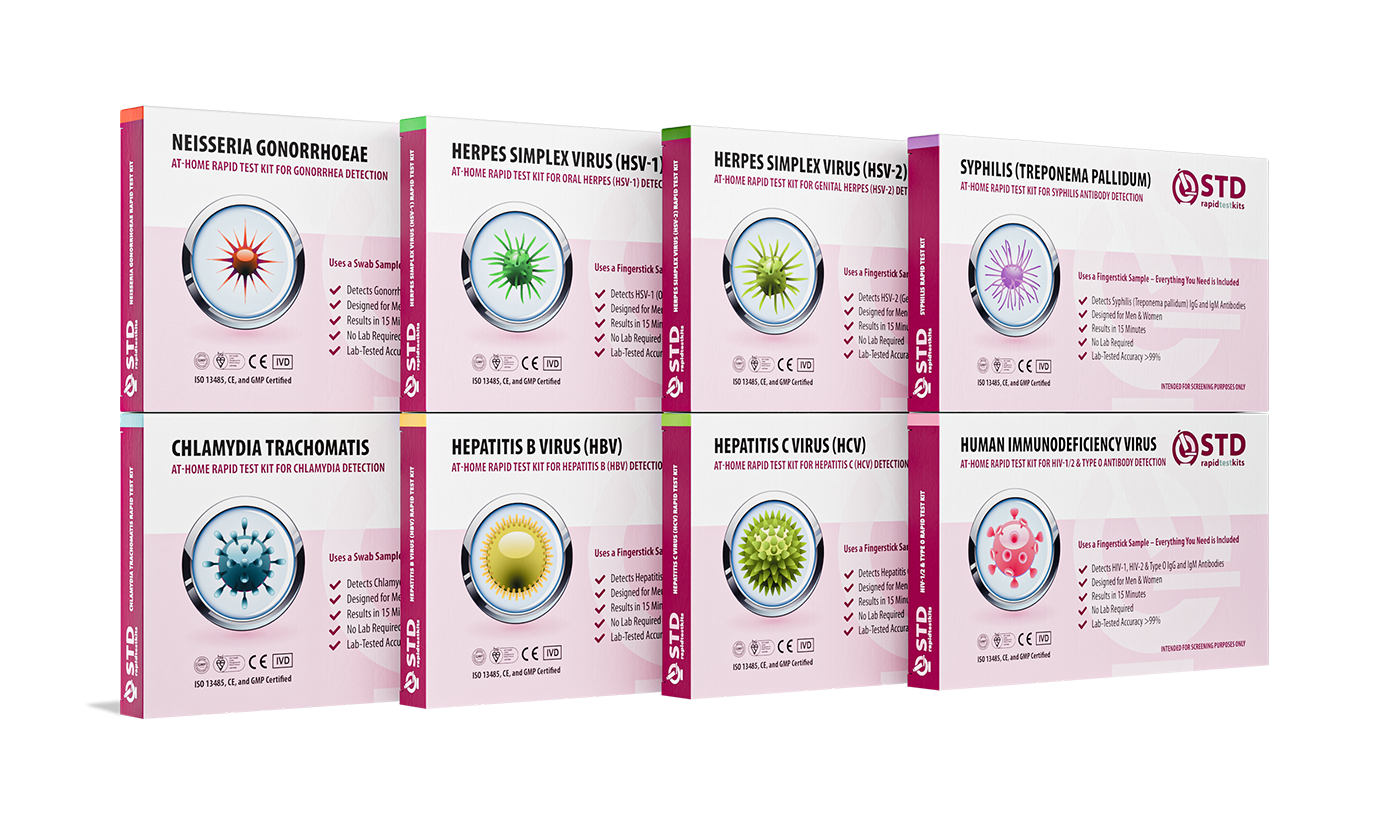
 For Men & Women
 Results in Minutes
 No Lab Needed
 Private & Discreet
Order Now $149.00 $392.00
For all 8 tests
What Skin Does (and Doesn’t) Protect You From
Think of skin like a security system. It’s tough, yes, but it has weak points. Thin skin areas like the neck, lips, inner thighs, and underarms are more vulnerable than, say, your forearm or back. And when that skin is irritated, shaved, sunburned, scraped, or dry, it becomes less of a barrier and more of an open invitation.
Micro-abrasions from shaving, scratching, or friction can make it easier for viruses like HSV to find their way in. You may not feel these tiny openings, but to a virus, they’re doorways.
Even the moisture levels matter. Moist environments help certain pathogens survive longer. So a sweaty neck on a hot night at a club? That’s not just sexy, it’s virologically convenient.
Let’s make this visual. Here’s how different skin conditions impact your STD risk from skin-to-skin contact:
| Skin Condition | Impact on STD Transmission | Common Scenarios |
|---|---|---|
| Normal, unbroken skin | Low risk for transmission | Kissing without sores or rashes present |
| Shaved skin or razor burn | Moderate risk, micro-cuts allow viral entry | Freshly shaved neck kissed during hookup |
| Sunburn or dry, cracked skin | Moderate risk, compromised barrier function | Kissing after a beach day or hot yoga class |
| Visible sore or lesion | High risk, especially with herpes or syphilis | Skin-to-skin during outbreak or open wound |
Table 2. How your skin's condition affects your risk of getting an STD from kissing or touching. Most infections still require direct contact with an infectious site or lesion, but broken or compromised skin increases vulnerability.
Testing After Contact: What to Know (and When to Wait)
If you’re worried after kissing someone’s neck, here’s the first thing to know: most clinics won’t test for STDs based solely on that kind of contact, unless symptoms appear. That doesn’t mean the risk is zero, but it does mean you’ll likely have to advocate for yourself, especially when it comes to herpes or syphilis screening.
The timing of testing matters, too. If a herpes lesion appears 2–12 days after exposure, a swab test can confirm it while active. Blood tests (IgG/IgM) become more useful after 3–6 weeks. For syphilis, blood tests detect antibodies, but these can take up to 90 days to show up.
Here’s a quick overview of when testing becomes reliable based on symptom timing and type of contact:
| Infection | Time After Exposure | Best Testing Option | Test Accuracy |
|---|---|---|---|
| Herpes (HSV-1/2) | 2–12 days (if symptoms) | Swab of active sore | Very high if taken early |
| Herpes (blood test) | 3–6 weeks | IgG/IgM blood test | Moderate; false negatives possible early |
| Syphilis | 3–12 weeks | RPR or TP-PA blood test | High after window period |
Table 3. Testing timelines after skin contact exposure. Most tests require some waiting for accuracy, especially if no visible symptoms develop.
Case Snapshot: "It Was Just a Makeout, But I Still Got Tested"
Janelle, 26, was the one who initiated the neck kissing. “It was hot,” she said, “he smelled amazing, and I was buzzed. I didn’t notice anything on his skin. But three days later, I had this tingle and a red bump under my jaw.”
She panicked. Googled. Found horror stories. And then she froze, until a friend sent her a link to an at-home STD Rapid Test Kit. “I ordered it before I even told anyone,” she said. “I needed answers without the lecture.”
Her test came back negative, but the experience changed her. “Now I ask more questions. I don’t assume someone’s clean because they look clean. I don’t shame myself for being sexual. But I do get tested early, and often.”
This is the emotional heart of it: the shame spiral people enter after “non-sex” intimacy is real. And unnecessary. Knowledge doesn’t punish, it protects.
How to Talk to Your Doctor Without Getting Judged
One of the biggest barriers people face is shame. You kissed someone’s neck, not their mouth, not their genitals, and now you’re debating whether to tell a medical professional that you're worried about herpes. It feels dramatic. It feels like overreacting. But it's not.
Dr. Lena Graves, a family medicine physician, explains: “We see patients all the time who think they ‘shouldn’t be worried’ because they didn’t have full-on sex. That stigma keeps people from catching early infections or getting the right care.”
Here’s a low-stress way to bring it up: “Hey, I had close skin contact with someone recently, and now I have a spot that’s bothering me. I’m not sure what it is, but I’d like to get it checked out just to be safe.”
You don’t owe anyone a confessional. You deserve answers. That’s it. Many providers are trained to handle questions like this without judgment, and if yours isn’t? Find a new one. Or order a discreet combo test kit and start from there.
People are also reading: Sex Workers of Color and the STD Double Bind No One Talks About
So What Does an STD from Skin Contact Actually Look Like?
Here’s where things get tricky. When you think “herpes outbreak,” you might picture textbook blisters or sores. But what if it’s just a patch of irritated skin that looks like razor burn? What if it tingles, itches, or stings, but doesn’t blister? What if it shows up in a spot where you’ve never had an STD before, like your jawline, collarbone, or neck?
That’s exactly how it often begins for people who got exposed during skin contact alone. The symptoms can be vague, mild, or even mimic allergic reactions. Dermatologists frequently see cases misdiagnosed as eczema, contact dermatitis, or even heat rash.
Early herpes lesions can appear as a single red bump or tiny blister. With syphilis, a small firm sore (chancre) is typical, but it’s often painless and goes unnoticed if it’s hidden under a beard or necklace line. HPV may show up as a flat or raised bump that takes weeks or months to appear after exposure.
What matters more than the appearance is the context. Did something feel different? Did a rash or bump appear within a week or two of close contact? Has it changed in shape or sensation? These are the flags to pay attention to, even if the location feels “off.”
Can You Protect Yourself from This Type of Transmission?
It’s harder than with fluid-based STDs, but not impossible. Avoid skin-to-skin contact when someone has visible irritation or open sores, yes, even on their chest, shoulders, or neck. Don’t kiss freshly shaved skin, especially if it looks irritated. Moisturize and care for your own skin barrier, too, it’s your first line of defense.
And most importantly? Normalize asking questions. “Hey, are you dealing with any cold sores or skin stuff right now?” might sound awkward, but it can save you a whole lot of stress later.
Condoms don’t cover necks. Dental dams don’t protect collarbones. Communication does. So does access to testing, especially if you suspect something might be wrong, even if it’s mild, weird, or located somewhere you weren’t expecting.
Check Your STD Status in Minutes
Test at Home with Remedium6-in-1 STD Test Kit
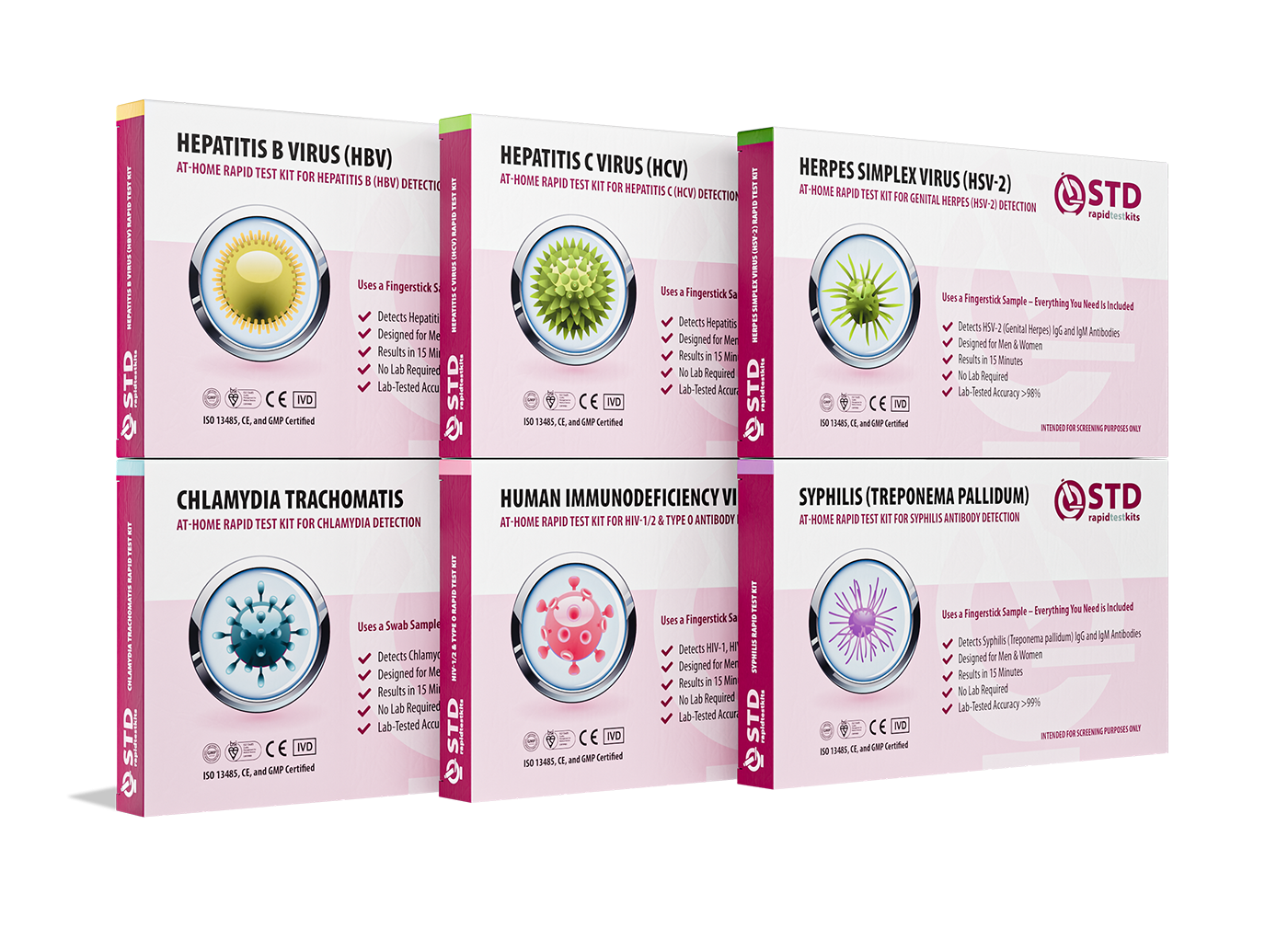 For Men & WomenResults in MinutesNo Lab NeededPrivate & Discreet
Order Now $119.00 $294.00
For all 6 tests
Testing Isn’t Just for Genitals: Why Skin Concerns Matter
STDs don’t care about our assumptions. Herpes doesn’t care that your lips never touched someone’s mouth. Syphilis doesn’t care that you didn’t “go all the way.” These infections follow biology, not social categories of what “counts” as sex.
That’s why testing matters for everyone, not just people who had penetrative or oral sex. If you’re worried about a rash, sore, or bump that appeared after a close physical encounter, even one that felt PG-rated, it’s worth exploring.
Rapid test kits are increasingly accessible, discreet, and built for these kinds of moments. Whether you test at home or in a clinic, the goal is clarity. You’re not overreacting. You’re protecting yourself, and possibly your partners too.
Visit STD Rapid Test Kits to find out more about at-home screening options that put your privacy, speed, and peace of mind first.
FAQs
1. Can you really get herpes from kissing someone’s neck?
Yeah, it sounds wild, but yes, it’s possible. If the person has an active herpes sore (even a tiny one) on their neck or chest and your mouth makes contact, you could catch it. It’s not the most common way herpes spreads, but it does happen. Especially if your skin is irritated, freshly shaved, or dry. Don’t panic, but do pay attention.
2. What STDs don’t need sex or fluids to spread?
Herpes is the big one. Syphilis can too. HPV is on that list, though way less likely from casual contact. These are all skin-to-skin warriors, they don’t need fluids to get in. A steamy makeout or playful body kisses can sometimes be enough if sores are present. Not common, but enough to be worth knowing.
3. What does herpes even look like on the neck?
It might look like a zit. Or a scratch. Or a patch of dry skin you swear wasn’t there before. Sometimes it blisters. Sometimes it just itches or stings. It might show up a few days after you got up close with someone’s body. If you’re unsure, treat it like a “better safe than sorry” moment, get it checked or swabbed while it’s fresh.
4. I kissed someone’s skin. No sex. Why would I need to test?
Because bodies are messy and not all infections play by the “no sex, no risk” rule. If you have a weird rash, a bump, or just that gut feeling something’s off, listen to it. You’re not being dramatic. You’re being proactive. That’s way more badass than sitting in anxiety limbo.
5. Is syphilis even still a thing?
Oh, it’s a thing. A rising one. And yes, it can absolutely show up on places like the chest, stomach, or neck if that’s where contact happened. The first sore (called a chancre) is usually painless, so it can fly under the radar, especially in areas people don’t expect it. If you kissed a spot and now something weird’s going on, don’t brush it off.
6. What if I’m too embarrassed to ask my doctor about a kiss?
You’re not alone, this comes up more than you’d think. Try saying, “I had close skin contact with someone recently, and now I’ve noticed something new.” That’s it. You don’t have to explain the whole scene. A good provider won’t judge. And if they do? That’s on them, not you.
7. How long should I wait before testing?
If we’re talking herpes, sores can show up within 2 to 12 days, get a swab ASAP if one appears. Blood tests take longer (3–6 weeks for HSV, 3–12 weeks for syphilis) to be reliable. No symptoms? You can wait it out and test at 4–6 weeks to be sure, or test now and plan for a follow-up if needed.
8. Is it paranoid to test after a neck kiss?
Not if your brain won’t shut up about it. If it’s messing with your peace, it’s worth clearing up. Especially if your skin feels weird or something new popped up. Testing isn’t a sign you don’t trust your partner, it’s how you take care of yourself.
9. Can I use an at-home test for this kind of situation?
Yes. Rapid test kits for herpes and syphilis are out there and pretty easy to use. Just keep in mind the timing, we want accuracy, not false peace of mind. Blood-based kits work best a few weeks after exposure. But if you have a visible sore? A same-day swab at a clinic gives the clearest answer.
10. What’s the one thing you want me to remember from this?
That your body is worth checking in on, even if the thing you did felt small or “safe.” Kissing isn’t risk-free when skin is involved. But knowing your status is always better than guessing. You're not gross, you're not broken, you're not alone. You’re just being smart. And that’s sexy as hell.
You Deserve Answers, Not Assumptions
Maybe you didn’t have sex. Maybe you didn’t even kiss someone’s lips. But your skin touched theirs. Your mouth grazed their collarbone. And now, something feels off. That unease? It’s worth listening to.
STDs like herpes and syphilis don’t follow moral boundaries, they follow biology. And when it comes to skin-to-skin transmission, especially in overlooked areas like the neck or chest, education is your best defense.
Testing isn’t paranoia. It’s power. It’s peace of mind. Whether you’ve got a tingling spot or just want to be sure, you can get answers discreetly, quickly, and without shame.
Don’t wait and wonder, this at-home combo test kit checks for the most common STDs, including those spread through skin contact.
How We Sourced This Article: We combined current guidance from leading medical organizations with peer-reviewed research and lived-experience reporting to make this guide practical, compassionate, and accurate.
Sources
1. CDC – Genital Herpes - Fact Sheet
2. CDC – Syphilis - Fact Sheet
3. About STI Risk and Oral Sex – CDC
4. About Sexually Transmitted Infections (STIs) – CDC
5. Screening for Genital Herpes – CDC
6. The Lowdown on How to Prevent STDs – CDC
7. About Genital HPV Infection – CDC
8. Sexually Transmitted Infections – MedlinePlus
9. Herpes Simplex Virus (HSV) Mouth Infection – Cedars‑Sinai
About the Author
Dr. F. David, MD is a board-certified infectious disease specialist focused on STI prevention, diagnosis, and treatment. He blends clinical precision with a no-nonsense, sex-positive approach and is committed to expanding access for readers in both urban and off-grid settings.
Reviewed by: Dr. Linnea Grange, MPH | Last medically reviewed: January 2026
This article is for informational purposes and does not replace medical advice.


