







Quick Answer: STD testing after a breakup hookup should happen 7–21 days post-exposure, depending on the infection. Earlier testing can miss infections due to window periods, so retesting is often needed.
This Isn’t About Shame, It’s About Getting Answers
First, let’s kill the shame. Post-breakup sex isn’t a sin. It’s human. Whether it’s a hookup with an ex, a stranger, a friend-of-a-friend, or someone you matched with three minutes after deleting your joint photo album, your choices don’t make you reckless. They make you real.
What matters now is knowing how, and when, to check in with your body. Some STDs, like chlamydia and gonorrhea, can stay symptomless for weeks. Others, like herpes, might show up as irritation you mistake for a shaving reaction. And then there are the symptoms you think are STDs… but actually aren’t. Post-sex anxiety can mimic burning, itching, even cramping. You’re not “crazy”, you’re overwhelmed, and that confusion is common.
The truth is, revenge sex may feel like closure, but it can open a window to infection you didn’t see coming. And that doesn’t mean you were wrong for saying yes. It just means your next yes should be to yourself: to test, to understand, to reset.
When Symptoms Lie (Or Hide): Why STD Testing Isn’t Just for Obvious Cases
Let’s say you feel fine. No itching, no burning, no visible sores. That’s great, but it doesn’t rule out infection. According to the CDC, more than 50% of chlamydia cases and a significant portion of gonorrhea and trichomoniasis are asymptomatic, especially in women and AFAB individuals.
In other cases, your body might give subtle signals. A twinge during urination. A new discharge. A sore that wasn’t there yesterday. Or nothing at all until a partner gets diagnosed and reaches out. That’s why testing after unprotected sex, or even protected sex with high-risk timing, isn’t about symptom hunting. It’s about timeline tracking.
One user described it best in a Reddit post: “I didn’t have symptoms. I just knew I made an impulsive choice, and I didn’t want to live with a question mark.”
You don’t need proof to earn a test. You just need a reason, and a rebound counts.

People are also reading: Pain in One Testicle, No Lump? Here’s What an STD Test Might Reveal
Timing Isn’t Just Emotional, It’s Biological
When it comes to STD testing after a breakup hookup, the biggest myth is that you should test the next day “just to check.” But here’s the truth: STD tests need time. Every infection has a window period, the time between exposure and when a test can reliably detect it.
Test too early, and you might get a false negative. Wait too long, and you could unknowingly pass something on to someone new, or let an untreated infection evolve into something more serious. The sweet spot is usually between 7 and 21 days post-exposure, depending on what you’re testing for.
| STD | Detectable From | Best Time to Test | Why Timing Matters |
|---|---|---|---|
| Chlamydia | 7 days | 14 days | Too early can miss the infection |
| Gonorrhea | 6–8 days | 14 days | Initial tests may under-detect |
| Herpes (HSV-2) | 3–6 weeks (antibody test) | 6–12 weeks | Early tests may not detect antibodies yet |
| HIV | 10 days (RNA), 18–45 days (Ag/Ab) | 4–6 weeks | Depends on test type used |
| Trichomoniasis | 5–7 days | 7–14 days | Symptoms may mimic yeast or BV |
Table 1. Typical window periods for common STDs after exposure. Always confirm with your test provider which type of test you’re using, as methods vary.
In other words, don't panic-test tomorrow morning. Instead, mark your calendar for one week out, and again in two weeks if you’re still unsure or symptoms evolve. Some people even test at day 7 and then re-test at day 21 for peace of mind. That’s not excessive. That’s proactive.
Not All Sex Is the Same, But Risk Doesn’t Discriminate
Sometimes, you didn’t even plan for it. Maybe it was oral only. Maybe the condom slipped. Maybe you were drunk and forgot to ask the questions you’d usually ask sober. And then the morning comes, and your brain starts reverse-engineering every detail.
Here’s the hard truth: STD risk isn’t just about penetration. Herpes and syphilis can spread through skin-to-skin contact, even if it was “just oral.” HPV and gonorrhea can infect the throat. And yes, even kissing can potentially transmit herpes or cytomegalovirus if one person is actively shedding the virus.
So if you’re thinking, “Well, we didn’t technically have sex,”, take a breath. The technicalities won’t protect you from transmission. Testing isn't about punishment. It's about peace of mind.
Check Your STD Status in Minutes
Test at Home with Remedium8-in-1 STD Test Kit
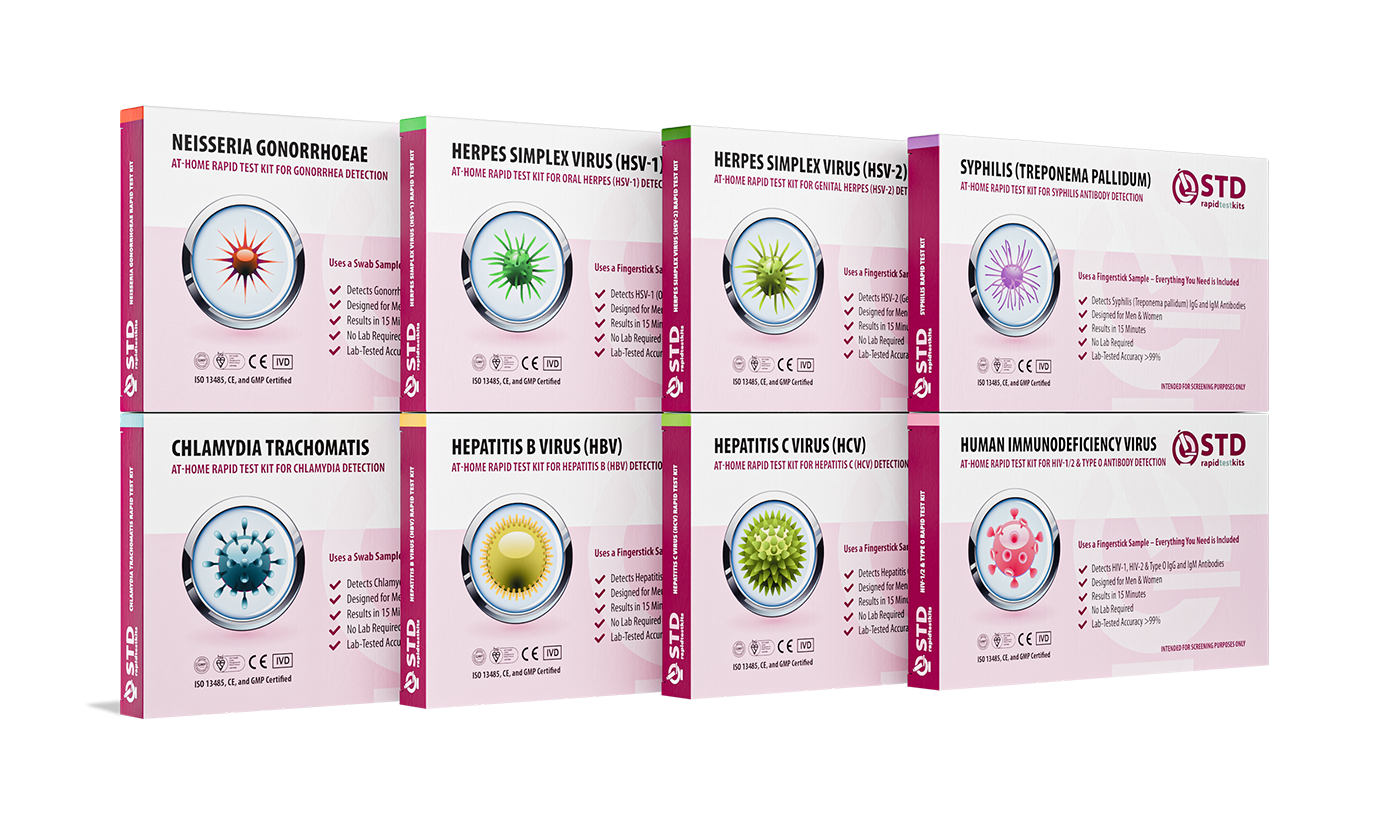
 For Men & Women
 Results in Minutes
 No Lab Needed
 Private & Discreet
Order Now $149.00 $392.00
For all 8 tests
Case Study: “We Didn’t Even Sleep Together, But I Still Got Gonorrhea”
Jamal, 27, swore he was careful. “It was just head. No condoms, but no actual sex,” he recalled. “Three weeks later, I felt this burning, and my pee smelled off. I thought maybe I had a UTI.” But a visit to urgent care confirmed something else: gonorrhea.
“I remember laughing, like, how is that even possible?” Jamal said. “Turns out, oral can definitely do it. I didn’t even think to test because I thought I’d ‘earned a pass.’”
This is more common than most people realize. In one study on oral STDs, researchers found that up to 30% of gonorrhea cases among men who have sex with men were detected in the throat alone, no genital symptoms at all.
Your testing choice shouldn’t hinge on what kind of sex you had. It should hinge on whether you feel uncertain, exposed, or like something wasn’t fully within your control. That’s more than enough reason to test.
At-Home Test or Clinic Visit? Here’s What Actually Works
After a breakup, walking into a clinic can feel like announcing your entire love life to a waiting room full of strangers. That’s why a growing number of people are choosing at-home STD tests, especially after casual or rebound hookups.
There are two main types: rapid self-tests (results in minutes) and mail-in lab kits (results in a few days). Both are legit, but they serve different needs. If you’re spiraling and need an answer ASAP, a rapid test may soothe your anxiety. If you want full panel accuracy and aren’t in a rush, a mail-in kit is more comprehensive.
| Testing Type | Speed | Accuracy | Best For |
|---|---|---|---|
| Rapid At-Home Test | 10–20 minutes | Moderate to High (depending on STD) | Quick reassurance after a recent encounter |
| Mail-In Lab Kit | 2–5 business days | High (lab-grade, CLIA-certified) | Full panel screening with more accuracy |
| Clinic Testing | Same day to several days | Very High | Persistent symptoms, treatment access |
Table 2. STD testing options and how they compare by speed, accuracy, and purpose. Choosing the right one depends on your emotional bandwidth and testing timeline.
If you want control without the waiting room, this combo STD test kit checks for several common infections discreetly at home. It’s lab-grade, comes in plain packaging, and fits in your mailbox. Peace of mind? It ships with it.
Let’s Talk About the Emotional Whiplash of Testing
No one warns you how complicated this part feels. It’s not just peeing in a cup or swabbing your cheek, it’s standing in the bathroom wondering if last night’s choices mean your entire body is about to betray you. It’s refreshing your inbox at 3 a.m. It’s checking for symptoms every hour. It’s guilt, curiosity, fear, and Google all tangled together.
And yet, testing is the most empowering thing you can do. Why? Because it turns speculation into certainty. Whether it’s negative or positive, a result is a turning point. It ends the guessing game. It lets you plan. It brings you back into your body, on your terms.
STD Rapid Test Kits was created for this exact moment. The one where you're scared but not broken. Anxious but brave. Testing isn't about the past, it’s about what you want your future to look like. Quiet, calm, and under your control.
When the Result Is Positive: It’s Not the End
If your test comes back positive, your brain might sprint straight to panic. That’s okay. Let it run for a second, but don’t let it steer. A positive result doesn’t mean you’re dirty, ruined, or unlovable. It means you’re human. And that now, you get to take care of your body the way it deserves.
Most STDs are treatable with antibiotics or manageable with antivirals. If you test positive for chlamydia, gonorrhea, or trichomoniasis, treatment is usually one dose or a short course. For herpes or HIV, long-term care plans exist, and many people live full, healthy lives with these diagnoses.
Next step? Schedule confirmatory testing if needed, start treatment promptly, and notify past partners if possible. You can do this anonymously or with the support of a healthcare provider. You’re not starting over, you’re getting ahead.
Need help retesting after treatment or checking your partner’s status? This at-home combo kit makes follow-up discreet, fast, and judgment-free.
What to Tell a New Partner (Or Whether to Tell Them at All)
You’ve met someone new. Maybe it’s three weeks post-breakup. Maybe it’s three days. And they ask the question you weren’t ready for: “Have you been tested?”
This is where honesty and self-protection meet. You don’t owe anyone a trauma history, but you do owe yourself a foundation that isn’t built on silence. If you’re still within a window period, you can say that. “I tested last week but I’m doing a follow-up soon. I’d rather wait to be sure.” That’s not a red flag, it’s a boundary.
And if you did test positive? You have options. Some people choose to be direct: “I had chlamydia after my last relationship. I’ve been treated. I’m good now, but I want you to know.” Others prefer indirect clarity: “I was recently treated for something, so I’m extra careful right now.”
There’s no one script. But there is one goal: protect your health without handing over your shame. Because shame doesn’t belong here.
People are also reading: Can You Catch Hepatitis B from Dried Blood on a Surface?
Should You Retest? Only If You Want Real Closure
It’s a week later. Your results are in. Let’s say they’re negative, but the doubt won’t quit. You’re still checking yourself in the mirror. You’re still wondering if something was missed. If that one test on day six caught enough. If you “got lucky” or just tested too soon.
This is where retesting matters. One-and-done doesn’t always apply in STD screening, especially if your exposure was recent or symptoms show up late. Some tests can only detect antibodies, which your body needs time to build. Others, like early HIV RNA tests, are more sensitive but harder to access.
So what do real people do? Many test once within the first 7–10 days after a risky encounter, and then again between 3–6 weeks, depending on the STD. It’s not paranoia, it’s pacing. You deserve answers that stick, not just comfort in the moment.
If you’ve been treated for an STD, don’t rush to check whether it “worked.” That can show false positives from leftover DNA. Most guidelines recommend waiting 3–4 weeks post-treatment to retest for clearance, especially for chlamydia and gonorrhea.
If you're re-entering a relationship, or starting a new one, retesting together can also be a form of shared care, not suspicion. Think of it like syncing calendars before a trip. You're making sure the timing works for both of you.
Unpacking STD Stigma After a Breakup
There’s this moment, maybe you’ve felt it, when you go from feeling powerful after a hookup to feeling punished. The regret sets in. The doubt follows. The thought creeps in: “Did I deserve this?”
You didn’t. STDs aren’t karma. They’re infections. You can get one after a loving monogamous relationship. You can get one after a one-night stand. You can get one from someone who didn’t know they had it. The bacteria don’t care about your heartbreak. And neither should your self-worth.
One study in the Journal of Sex Research found that stigma around STDs delays testing more than access issues do. That means people are suffering longer, not because they can’t get tested, but because they feel they shouldn’t need to.
This is why we write pieces like this. To say what the posters in clinics don’t. To remind you that your body doesn’t need to be punished for how your heart tried to heal. That moving on doesn't have to mean moving recklessly. And even if it did? You can still care for yourself now.
Check Your STD Status in Minutes
Test at Home with Remedium6-in-1 STD Test Kit
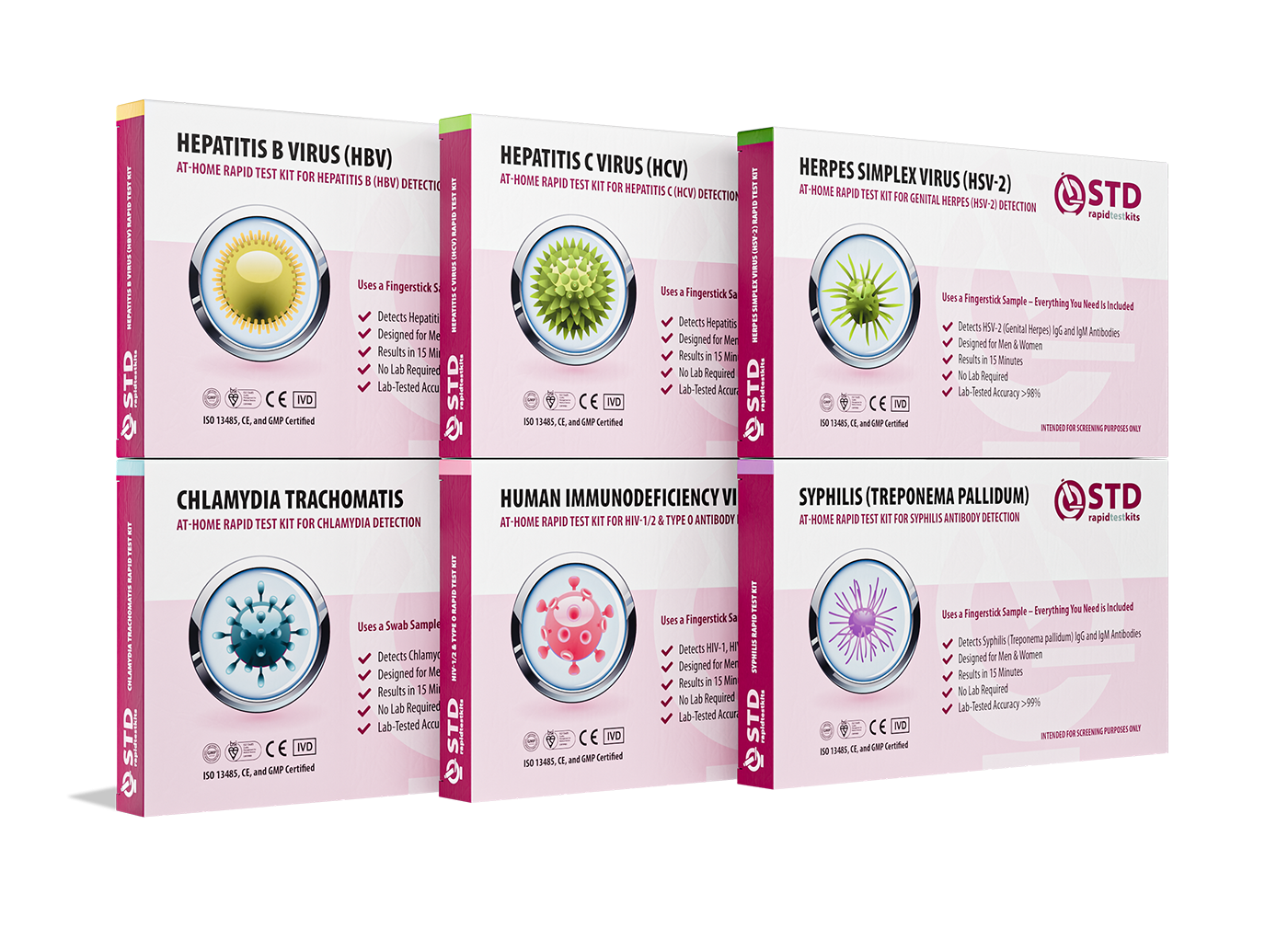 For Men & WomenResults in MinutesNo Lab NeededPrivate & Discreet
Order Now $119.00 $294.00
For all 6 tests
Not Everything You Feel Is an STD, But It Still Deserves Attention
Let’s not forget what breakups do to the body. Cortisol spikes. Sleep crashes. You feel itchy, inflamed, raw. Your stomach knots. Your skin flares. And it’s easy, so easy, to think it’s something worse. To convince yourself the bump is herpes. The odor is infection. The dry patch is punishment.
But grief wears many costumes. And post-breakup anxiety is a master of disguise. That doesn’t mean your symptoms aren’t real. It means some of them might not be infectious, they might be emotional. Still worth treating. Still worth checking. But don’t leap to blame yourself.
If you’re unsure whether it’s a yeast imbalance, a stress reaction, or an STD, the only way to find out is to test. You don’t need to explain why. You don’t need to be “sure enough.” You just need to want clarity. That’s enough.
Still carrying a question mark? Order a discreet at-home combo kit and give yourself the answer your body’s been asking for.
FAQs
1. Do I really need to get tested if it was just a rebound?
Yeah, especially if things got physical and protection wasn’t perfect (or used at all). Even if it was “just oral” or a quick hookup you barely remember, STDs don’t care about labels or emotional context. Testing isn’t about judging the moment, it’s about making sure that moment doesn’t follow you into the next one.
2. How long should I wait to test after a risky hookup?
Most tests work best 7 to 21 days after exposure, depending on the infection. Chlamydia and gonorrhea? You can usually catch those at 1–2 weeks. Herpes or HIV? You’ll want to wait closer to 4–6 weeks for the most accurate read. Think of it like baking, pulling the cake out too early might leave it gooey and unclear.
3. We used a condom. I’m good, right?
Mostly, but not 100%. Condoms seriously reduce your risk (we love that for you), but they don’t protect against everything. Skin-to-skin infections like herpes or HPV can still sneak in during grinding, oral, or contact outside the covered zone. If you’re feeling unsure, it’s okay to double-check.
4. I feel itchy, but could it just be stress?
Absolutely. Post-breakup anxiety can mess with your entire system: skin, gut, mood, everything. Stress rashes, yeast overgrowth, and irritation from new soaps or partners are all possible. But here’s the thing, itching is common for STDs too. Don’t try to diagnose with vibes. Just test.
5. Can you really get an STD from oral?
Yep. That whole “oral doesn’t count” myth? Totally false. Gonorrhea, herpes, syphilis, and even chlamydia can be passed through oral sex, especially if there were no barriers involved. You might not feel throat symptoms, but that doesn’t mean you’re in the clear.
6. My test came back negative, but I’m still freaking out. Should I retest?
You’re not overreacting. If you tested early, say, before day 10, you might have jumped the gun. Some infections need time to show up on tests. Lots of people do an initial test for quick peace of mind, then a follow-up test 3–6 weeks later just to be sure. That’s smart, not excessive.
7. What happens if my test is positive?
Deep breath. Most STDs are totally treatable, some with just a single antibiotic dose. For others like herpes or HIV, there are long-term management plans that keep people healthy, active, and sexually confident. You’ll want to confirm the result, start treatment, and consider letting past partners know. Hard? Sometimes. Handleable? Always.
8. Do I have to tell someone I hooked up with if I test positive?
That depends, legally, ethically, and emotionally. For certain infections, disclosure is legally required in some states. But beyond that, it’s also about integrity. You can do it in person, over text, or even anonymously through tools like TellYourPartner.org. You’re not just protecting them, you’re showing up as someone who takes health seriously. That’s attractive, honestly.
9. Is it weird to test if I don’t have symptoms?
Not even a little. In fact, most people who test positive had zero clue anything was wrong. STDs like chlamydia and trichomoniasis are masters at flying under the radar. Waiting for symptoms is like waiting for your check engine light to blink after you hear a grinding noise. Get ahead of it.
10. How private is this whole testing thing?
Incredibly. If you’re using an at-home test kit, it shows up in plain, boring packaging, no logos, no awkward labels. Results are sent straight to you. No one else has access unless you choose to share. That privacy? It’s not just about protection. It’s about empowerment.
Before You Spiral, Here’s What to Do Next
It’s okay to feel scared. It’s okay to regret. What matters most is what you do with that feeling. STD testing after a breakup isn’t about shame or judgment, it’s about staying in the driver’s seat when your emotions want to take the wheel.
You can test quietly, quickly, and without anyone knowing. You can follow up if something feels off. And you can do it all on your terms. No matter what that hookup meant emotionally, this next move? It’s about your body, and your power to protect it.
Don’t wait and wonder, get the clarity you deserve. This at-home combo test kit checks for the most common STDs discreetly and quickly.
How We Sourced This Article: We combined current guidance from leading medical organizations with peer-reviewed research and lived-experience reporting to make this guide practical, compassionate, and accurate.
Sources
1. CDC – STD Surveillance Statistics
3. The CDC's information about sexually transmitted infections (STIs)
4. Getting Tested for STIs | CDC
5. Sexually Transmitted Infections Treatment Guidelines, 2021 | CDC
6. Mayo Clinic: Signs of Sexually Transmitted Diseases (STDs)
7. CDC: Estimates of the Prevalence and Cost of Sexually Transmitted Infections
9. Sexually Transmitted Infections | MedlinePlus (NIH)
About the Author
Dr. F. David, MD is a board-certified infectious disease specialist focused on STI prevention, diagnosis, and treatment. He blends clinical precision with a no-nonsense, sex-positive approach and is committed to expanding access for readers in both urban and off-grid settings.
Reviewed by: N. Ellis, MPH | Last medically reviewed: January 2026
This article is meant to give information and should not be taken as medical advice.


