







Quick Answer: Yes, you can carry an STD for years without symptoms. Common infections like chlamydia, herpes, and HIV may stay silent for long periods, making regular testing essential even when you feel perfectly fine.
Who This Article Is For (And Why It Matters)
If you’ve ever thought, “I feel fine, so I must be fine,” this guide is for you. Maybe you’ve never had any STD testing, or maybe you did once years ago and assumed that was enough. This is also for anyone who’s been in a long-term relationship but recently found out their partner had something all along. And it’s especially for those in the grey zones: not currently sexually active, but with a past that includes condom slips, casual hookups, or partners who may not have tested themselves.
Asymptomatic infections don’t mean you’re lucky, they mean the infection is getting time to do more damage. Some STDs cause silent but serious complications: fertility problems, inflammation, increased HIV risk, and long-term immune impacts. And because they can be passed on even when no symptoms are present, you might unknowingly infect others without ever realizing it.
This article will break down which STDs can hide the longest, how they’re tested, why symptoms (or lack thereof) can’t be trusted, and what testing options you have from home, privately, quickly, and without judgment. No fearmongering. Just facts, real voices, and a path forward.
The Most Common STDs That Can Be Asymptomatic for Years
While any STD has the potential to go unnoticed, certain ones are particularly notorious for being "silent." This isn’t just about mild cases. These infections can cause real, long-term complications without ever making themselves known in obvious ways.
| STD | Chance of Being Asymptomatic | Can It Stay Dormant? | Risks If Left Undetected |
|---|---|---|---|
| Chlamydia | 70–80% | Yes, especially in females | Pelvic inflammatory disease, infertility, ectopic pregnancy |
| Herpes (HSV-1 & HSV-2) | 80–90% | Yes | Transmission to partners, painful outbreaks later |
| Gonorrhea | 50–80% | Yes | PID, joint infections, infertility |
| HIV | Varies, can stay silent for 8–10 years | Yes | Immune suppression, AIDS progression |
| HPV | Most cases show no signs | Yes | Cervical and other cancers, genital warts |
| Trichomoniasis | Up to 70% | Yes | Increased HIV risk, complications in pregnancy |
Figure 1. Asymptomatic profiles of common STDs and why “no symptoms” is never a free pass.
Emma’s case, from earlier, isn’t rare. In clinics across the country, people like her are finding out after years of silence. A college fling, a casual partner, a missed test, and years later, they’re carrying inflammation or struggling with infertility, wondering how this happened when they “never had a single symptom.”

People are also reading: From Sperm Trouble to Shrinking Size: How STDs Affect Your Manhood
“I Had No Idea”: Composite Stories of Silent Infection
Kevin, 33, was donating blood when a screening flagged a possible HIV infection. He hadn’t been tested in years, his last risky encounter was over a decade earlier, and he’d had no symptoms. “I felt healthy. I work out. I eat clean. I thought HIV showed up with signs right away,” he said during his intake. It turned out he'd been living with HIV for 7 years. Fortunately, early treatment still gave him an excellent prognosis.
Asha, 24, didn’t get tested until a partner told her they had HPV. “I hadn’t had any warts or weird discharge. But when I got a Pap smear, it came back abnormal. I needed a biopsy. I had no idea this had been growing inside me.” Her infection had likely been present for years, maybe even since high school.
These stories aren’t meant to scare you. They’re meant to show that if you’re walking around without symptoms, you’re not “safe.” You’re just not sure yet. And luckily, there’s something you can do about it.
Why Symptoms Can’t Be Trusted
Many people rely on how their body feels to judge their health. It’s a reasonable instinct, we’re taught to monitor for signs of illness. But STDs don’t always cooperate. Some cause symptoms that are easily mistaken for something else (like yeast infections, razor burn, or stress), while others stay completely quiet for years.
Even when symptoms do appear, they might come and go. A single outbreak of herpes might look like a small cut that heals quickly. Gonorrhea may cause mild irritation during urination that disappears. HPV might not show up at all until a cancer screening reveals cell changes.
This inconsistency is what makes routine testing, not symptoms, the cornerstone of sexual health.
If your last test was before your current partner, or if you’ve never tested at all, it’s time. And it’s easier than you think.
Check Your STD Status in Minutes
Test at Home with Remedium7-in-1 STD Test Kit
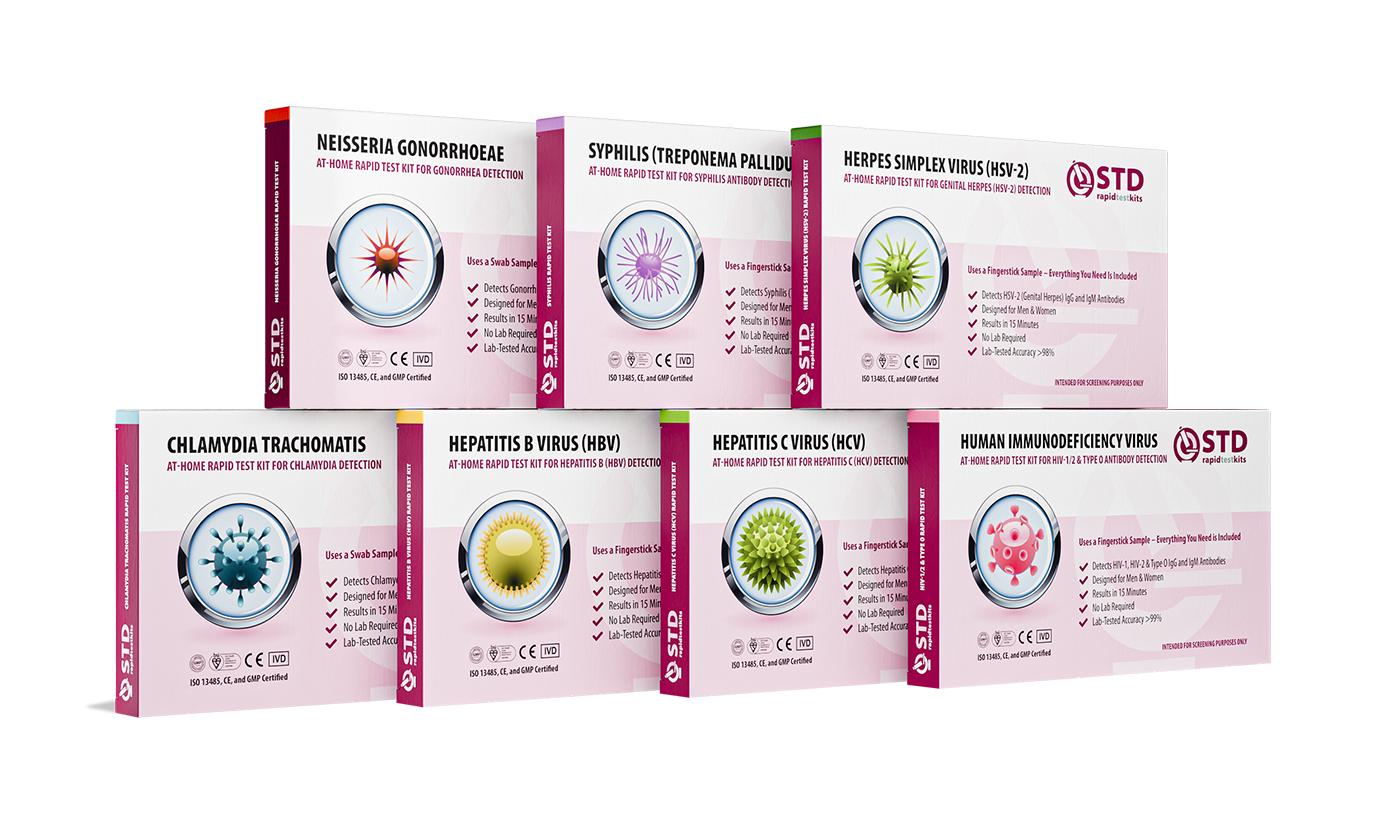
 For Men & Women
 Results in Minutes
 No Lab Needed
 Private & Discreet
Order Now $129.00 $343.00
For all 7 tests
At-Home Testing: How to Check Yourself When You Feel Fine
One of the most powerful tools for tackling asymptomatic STDs is the rise of accurate, discreet at-home test kits. These aren’t the sketchy strips from gas stations or mystery tests from unverified sellers. Reputable kits, like the ones from STD Rapid Test Kits, use lab-grade technology, FDA approval, and sensitive collection methods to detect infections early, even without symptoms.
You can test for chlamydia, gonorrhea, syphilis, herpes, and more using a urine sample, swab, or fingerprick, all from home. Results come back in minutes or days, depending on the type of test you choose.
Whether it’s peace of mind or a relationship check-in, the ability to test without judgment, waiting rooms, or invasive questions changes everything. And yes, silent infections will still show up if they’re there. That’s the point.
Whether you’re starting fresh or cleaning up what may be old exposure, this at-home combo test kit can give you real clarity, without the clinic hassle.
How Long Can STDs Stay Hidden in the Body?
There’s a myth that STDs "go away" if you don’t notice them. The truth is more complicated, and more dangerous. Some STDs enter a dormant or latent phase where they’re not actively causing symptoms, but they’re still replicating, still spreading, and still damaging your body. Others may remain in your system at low levels until your immune system becomes compromised or a new trigger (like stress or illness) causes a flare-up.
Understanding how long these infections can remain hidden isn’t just curiosity, it directly affects how and when you should test, treat, and notify partners.
| STD | Can It Stay Dormant? | Longest Reported Asymptomatic Case | Latency Behavior |
|---|---|---|---|
| Chlamydia | Yes | Over 5 years | Low activity in reproductive tract, still infectious |
| Herpes (HSV) | Yes | Decades | Hides in nerve cells, reactivates unpredictably |
| HIV | Yes | 8–10 years average before symptoms | Silent immune damage, may show no signs for years |
| Syphilis | Yes | 10+ years (tertiary stage) | Enters latent phase, can cause organ damage later |
| HPV | Yes | 10–20 years before cancer signs | Integrated in cells; often found through screening |
Figure 2. Dormancy and latency behaviors in common STDs. “Feeling fine” often masks deeper activity.
These aren’t abstract timelines. They’re real windows of missed detection, and for many, missed treatment. That’s why one negative test isn’t always the end of the story. If exposure continues, or if you tested early, a follow-up can save you from years of unknown progression.
Latency, Window Period, and Incubation: What’s the Difference?
Let's go over three words that you'll see a lot when talking about STD testing, especially when talking about infections that don't show any symptoms.
Latency refers to a period when the infection is present but not actively causing symptoms. Herpes, HIV, and syphilis can all lie dormant like this. You still carry the virus or bacteria, and you can still spread it, even if you haven’t had a flare-up or signs in years.
Window period is the time between exposure and when a test can detect the infection. If you test too soon, your result may be a false negative, even though you’re infected. This is especially critical in HIV and syphilis testing. Different tests have different window periods.
Incubation is the time between exposure and when symptoms (if any) show up. The key problem? For many STDs, symptoms never arrive. That means incubation can pass silently, with the person believing they’re uninfected because they “don’t feel anything.”
This is why understanding timelines and retesting is critical. You might test negative in week one, but positive in week three, because your body hadn’t produced detectable markers yet.
How to Time Your Tests After Exposure
If you just had sex with a new partner, or found out about an old one, timing your test is crucial. Testing too early can give you false confidence. Testing too late might mean complications have already begun. So how do you get it right?
Let’s say you had unprotected sex two days ago. You’re panicking. You want to know now. But here’s what most medical experts would advise: take a breath and wait for the right time. Most infections won’t show up accurately in the first 72 hours. It’s better to wait 1–2 weeks for a chlamydia or gonorrhea test, and at least 3–6 weeks for HIV, syphilis, or herpes, depending on the method used.
Case Example: Jordan hooked up with someone during a music festival. Five days later, they felt fine but tested just to be sure. The test was negative. Two weeks later, a burning sensation began. A retest came back positive for gonorrhea. The first test wasn’t wrong, it was just too soon.
This is the trap many fall into: mistaking a premature negative for a clean bill of health. That’s why medical providers often recommend a retest 30 to 45 days after any high-risk exposure, even if you feel fine or had an early test that came back negative.
If your head keeps spinning, peace of mind is one test away. Order a combo test kit that covers multiple infections in one go, so you can stop wondering and start knowing.
Why Retesting Matters, Even After a Negative
Think of retesting not as a sign of failure, but as a follow-up. It’s especially important in three situations:
1. You tested during the early window period.
2. You had new exposure since your last test.
3. You tested negative, but symptoms appeared later.
Maria, 41, had always been cautious. She tested after leaving a long-term relationship and felt relieved when results were negative. But four months later, she had irregular bleeding. A follow-up test revealed advanced chlamydia-related inflammation. Her earlier test was likely taken too soon, or the infection occurred after her initial screening.
When in doubt, retest. It’s not overkill. It’s care.
Ready to take that second step? Return to STD Rapid Test Kits and explore the best test for your timing and risk level.
How STDs Spread, Even When You Don’t Know You Have One
This is the part no one wants to admit: people pass on STDs without realizing they’re infected. Not out of malice, but because they genuinely believed they were “clean.” The absence of symptoms becomes a false shield, and that’s exactly how some of the most common STDs continue spreading.
Herpes is a classic example. Someone may have been exposed years ago, had no obvious outbreak, and unknowingly passed the virus during oral or vaginal sex. Similarly, chlamydia and gonorrhea can live in the throat or rectum with no signs, but still transfer to a partner through oral or anal sex.
It’s also a gendered issue. People with vaginas are more likely to carry asymptomatic infections due to anatomy. But that doesn’t mean people with penises are off the hook, many cases of trichomoniasis and even syphilis spread through people who “felt fine” and assumed they were fine.
This is where silent infections become a chain, not a single secret, but a ripple effect. One person avoids testing. Their partner assumes safety. Weeks, months, years go by. Suddenly, someone tests positive, and the blame game begins. But the real culprit? The myth that symptoms are the only warning sign.

People are also reading: Can a Hidden STD Make You Infertile? Here’s the Truth
“I Had No Clue I Was The One Who Gave It to Them”
Dante, 28, found out his girlfriend had tested positive for trichomoniasis. “She was devastated. Thought I cheated. I hadn’t. We argued, and finally I tested too. I was positive. No symptoms, nothing. I might have been carrying it for years.” They worked through it, but the guilt lingered. “I wish I’d just gotten tested sooner. I could’ve spared her the shame and myself the stress.”
Leah, 22, got a text from an ex: “You should get tested. I had herpes and didn’t know it.” She panicked, tested, and was negative. But the damage was emotional. “I spent weeks spiraling. Not because he had herpes, but because he didn’t know, and I had trusted that silence meant safety.”
These moments are where trust breaks down. But they can also be turning points. Testing isn’t just about you, it’s about protecting the people you love, sleep with, or might sleep with next month. And doing it discreetly, privately, and on your terms makes it easier to stay on top of your health without stigma.
Discreet Testing, Private Results, No One Has to Know
Let’s be real: walking into a clinic, asking for an STD panel, and waiting in a crowded room is enough to make anyone avoid testing. That’s why discreet at-home testing has changed the game. You can order online, test at home, and get clear results without involving your doctor, your job, or your family.
Packaging is plain. Shipping is fast. And if you’re traveling, living with roommates, or simply crave privacy, these kits make it possible to take care of yourself without adding more stress. Some offer video instructions, and all include step-by-step guides. If something’s unclear, support is often available by chat or email.
Even better: these kits are often FDA-approved and use the same testing standards as clinics. The only difference is that the power stays in your hands.
Worried about where to start? This combo test kit checks for multiple infections and gives you everything you need to do it right, right now.
Check Your STD Status in Minutes
Test at Home with Remedium6-in-1 STD Test Kit
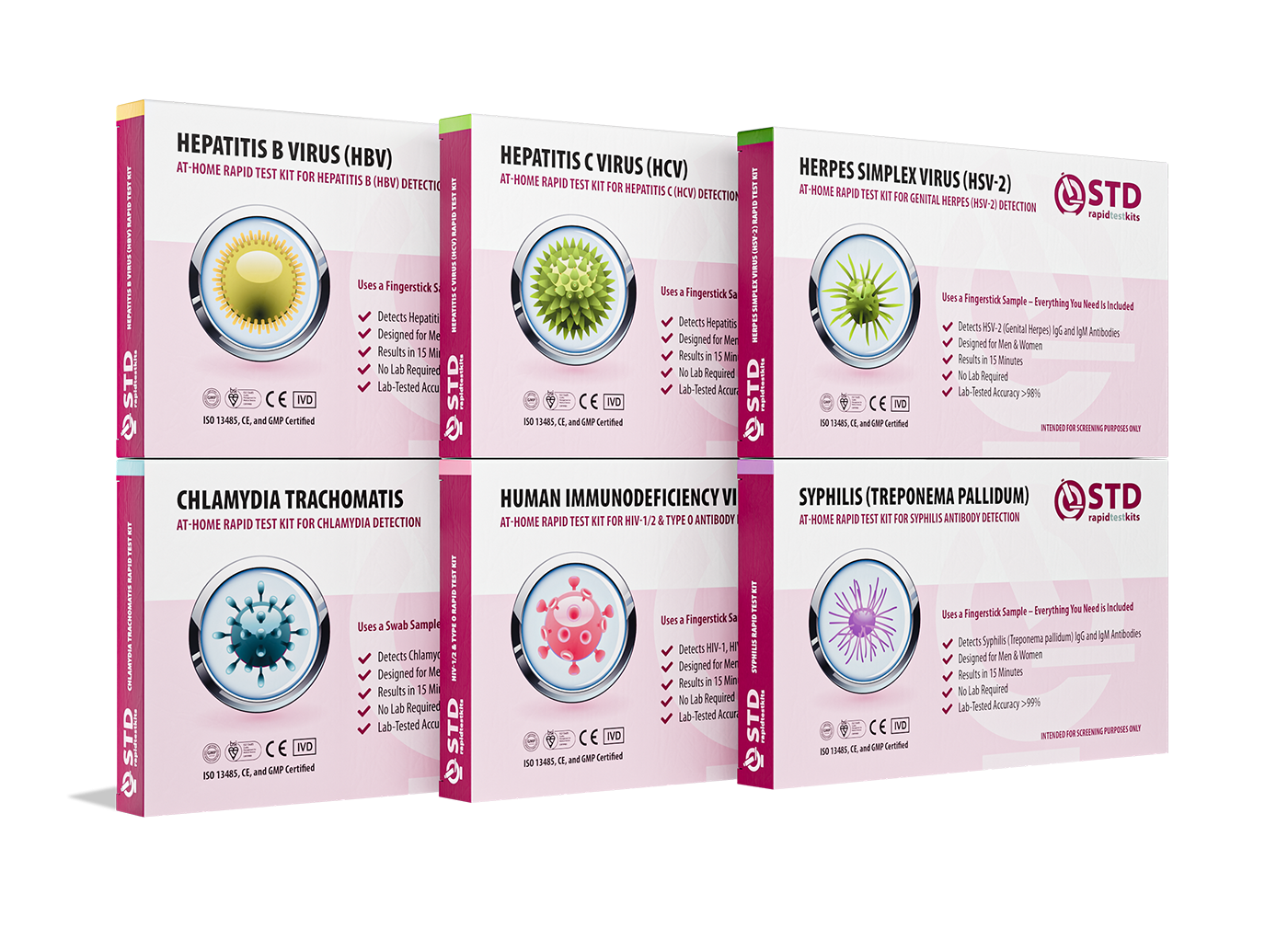 For Men & WomenResults in MinutesNo Lab NeededPrivate & Discreet
Order Now $119.00 $294.00
For all 6 tests
What If You Test Positive After All These Years?
The first thing you should know? You’re not dirty. You’re not broken. You’re not alone. Getting a positive test result, especially when you’ve had no symptoms, can be shocking, but it doesn’t mean you’re unsafe or unlovable. It means you have information. And with information comes power.
Most STDs are treatable. Chlamydia, gonorrhea, and trichomoniasis are curable with a short course of antibiotics. Herpes and HIV are manageable with daily medication, often with no impact on lifespan or quality of life. Syphilis, if caught early, is easily treated with penicillin.
You may need to notify current or past partners. That’s hard, but there are anonymous tools and message templates that make it easier. And most people, once they understand that these infections are common and often silent, will appreciate your honesty.
Case Moment: After getting a positive result for herpes, Nate sat in his car for 45 minutes before calling anyone. “I thought my dating life was over. But my doctor was calm, explained everything, and helped me start meds. My current partner tested too. They were negative, but they stayed. We’re managing it together.”
This doesn’t have to be the end of anything. It can be the start of a healthier, more informed chapter.
FAQs
1. Can you really have an STD for 5 years without knowing?
Yep, and it happens more often than you think. A lot of infections like chlamydia, herpes, or even HIV can hang out quietly in your body without throwing up red flags. No pain, no itching, no clue, until you get tested or something shows up years later. So yes, totally possible, and scarily common.
2. Which STDs are most likely to stay silent?
Chlamydia wins the gold medal for going undetected, especially in people with vaginas. HPV often shows zero signs unless you’re getting screened. Herpes hides in plain sight, those little red bumps or “I thought it was just a razor nick” moments are classic. And trichomoniasis? Sneaky as hell, particularly in guys. You might carry it for years and not feel a thing.
3. Can I still pass an STD if I don’t have symptoms?
Yes, and that’s exactly how most STDs spread. You feel totally fine. Your partner feels totally fine. But boom, someone ends up with a surprise result. Viruses like herpes and HPV can be passed through skin-to-skin contact, not just fluids. Silent doesn’t mean safe.
4. If I don’t feel sick, can’t my body just clear it?
Some people do clear certain infections, like low-risk strains of HPV, on their own. But most STDs? Nope. Chlamydia, gonorrhea, syphilis, and HIV will stick around, do damage, and stay under the radar until they’re diagnosed and treated. Ignoring them doesn’t make them go away, it just gives them more time to mess things up.
5. My ex tested positive, but I feel fine. Should I still test?
Absolutely. This is one of those “don’t wait for the fire to burn before checking for smoke” situations. You could be asymptomatic and still carry something. And if it’s been a while since you were together, that only makes testing more important, not less. At-home kits make this super low-pressure.
6. How often should I test if I’m not showing symptoms?
Rule of thumb? Once a year minimum if you're sexually active, and every 3–6 months if you’re dating around, exploring new partners, or ditching condoms sometimes. You don’t need to feel sick to be proactive, testing is part of adulting, not a punishment.
7. I tested negative, but I’m still worried. Can results miss things?
Totally possible if you tested too soon. That’s called the “window period”, it’s when the infection’s there, but not detectable yet. Retesting 2–4 weeks later can catch what the first test missed. And if you’re still having symptoms or just can’t shake the worry? Retest for peace of mind. You’re not being paranoid, you’re being responsible.
8. Do at-home tests even work if I don’t have symptoms?
Yes, as long as you’re using a reliable one (like the ones from STD Rapid Test Kits), they’re just as good at picking up asymptomatic infections. They’re looking for the virus or bacteria itself, not just symptoms. So if it’s there, they’ll find it. Bonus: no awkward clinic convos.
9. Can symptoms show up years later out of nowhere?
For sure. Herpes is famous for that, someone might have one outbreak years after exposure and only then realize they’ve been carrying it. Same with syphilis and even HIV. Some people feel great for a long time, then get hit hard when the infection progresses. That’s why early testing is your friend.
10. I’ve been in a relationship for years, could I still be carrying something from before?
Totally possible, and it doesn’t mean anyone cheated. You could’ve been infected before the relationship started and never knew. That’s the wild part about STDs, they don’t work on our timeline. Long-term dormancy is real, and routine testing helps uncover it before it causes bigger problems.
You Deserve Answers, Not Assumptions
STDs that hide for years aren’t rare, they’re common, frustrating, and entirely beatable with the right information. If you’ve never had symptoms, that doesn’t make you lucky. It just means you’ve gone unchecked. And that’s something you can change today, without shame or fear.
Whether you’re cleaning up the past, protecting a partner, or finally answering that nagging “what if,” getting tested is the most powerful move you can make. Silent infections don’t have to stay silent, and you don’t have to stay in the dark.
Don’t wait and wonder, get the clarity you deserve. This home test kit checks for the most common STDs quickly and without drawing attention to itself.
How We Sourced This Article: We combined current guidance from leading medical organizations with peer-reviewed research and lived-experience reporting to make this guide practical, compassionate, and accurate.
Sources
1. CDC – STD Surveillance Statistics
2. Planned Parenthood – Get Tested
3. About Sexually Transmitted Infections (STIs) | CDC
4. Sexually Transmitted Infections (STIs) Overview | CDC
5. Sexually transmitted disease (STD) symptoms | Mayo Clinic
6. Sexually transmitted infections (STIs) Fact Sheet | WHO
7. Asymptomatic Sexually Transmitted Infections in HIV | NCBI
8. STI Prevalence, Incidence, and Cost Estimates | CDC
9. STI Screening Recommendations | CDC
10. Current STI Trends | Mayo Clinic Health System
About the Author
Dr. F. David, MD is a board-certified expert in infectious diseases who works to stop, find, and treat STIs. He blends clinical precision with a no-nonsense, sex-positive approach and is committed to expanding access for readers in both urban and off-grid settings.
Reviewed by: Dr. Nia Chen, MPH | Last medically reviewed: January 2026
This article is for informational purposes and does not replace medical advice.


