






Quick Answer: Chlamydia symptoms in Asian men are often subtle or completely absent. The best time to test is 14 days after possible exposure, especially if you notice burning, discharge, or pain when urinating.
Why This Article Matters (And Who It’s For)
This guide is for every Asian man who’s ever quietly Googled “STD or just friction?” at 2 AM. For guys who’ve had sex, protected or not, and felt a weird twinge the next day but said nothing. For men who feel fine but keep wondering “what if?” For those who grew up in silence about sexual health, where even asking about condoms might earn a side-eye from family or friends. If that’s you, you’re not alone, and you’re not broken. You just need clear answers.
Testing is care. It’s not a confession. It’s not shameful. It’s a way of protecting your body, your partners, and your future. Whether you’ve had symptoms, think you’ve been exposed, or are just trying to stay responsible, this guide will help you understand what chlamydia looks like (and what it doesn’t), when to test, how accurate results are, and what to do next, without panic, without judgment.
What Does Chlamydia Actually Look Like in Asian Men?
The truth? Sometimes it doesn’t look like anything at all. Studies consistently show that more than half of men with chlamydia have no symptoms at all, regardless of race. But among Asian men, especially in North America, there’s an added challenge: underdiagnosis due to late testing, cultural shame, and low perceived risk.
Here’s what chlamydia can look like in men:
Discharge that’s cloudy, white, yellowish, or even barely noticeable on underwear. A mild burning sensation while peeing, often brushed off as dehydration or “spicy food.” Occasional itching or tingling near the urethra. For those who’ve had receptive anal sex, it might show up as rectal discomfort, bleeding, or nothing at all. Oral sex? You might never feel a thing, but the bacteria could still be living in your throat.
Kevin, from earlier, never had the classic signs. No “gushing discharge.” No red flag pain. Just a whisper of something odd. That’s why many Asian men don’t get tested until their partner tests positive, or until symptoms worsen.

People are also reading: Towels, Toilets, and STD Fears: What’s Actually True?
Table 1: Common vs Overlooked Symptoms of Chlamydia in Men
| Symptom | Frequency | Often Misinterpreted As |
|---|---|---|
| Burning sensation during urination | Common | Dehydration, UTI, spicy food reaction |
| Cloudy or whitish discharge from penis | Moderate | Normal semen leakage, sweat |
| Itching or tingling at urethral tip | Occasional | Razor burn, friction from sex |
| No symptoms at all | Very common (40–70%) | N/A |
| Rectal pain, bleeding, or discharge (if anal exposure) | Less common | Hemorrhoids, IBS, rough sex |
Table 1: Symptoms are often mild or mistaken for non-STI causes, especially in young Asian men with limited prior education on STD signs.
Order Now $149.00 $392.00 Check Your STD Status in Minutes
Test at Home with Remedium
8-in-1 STD Test Kit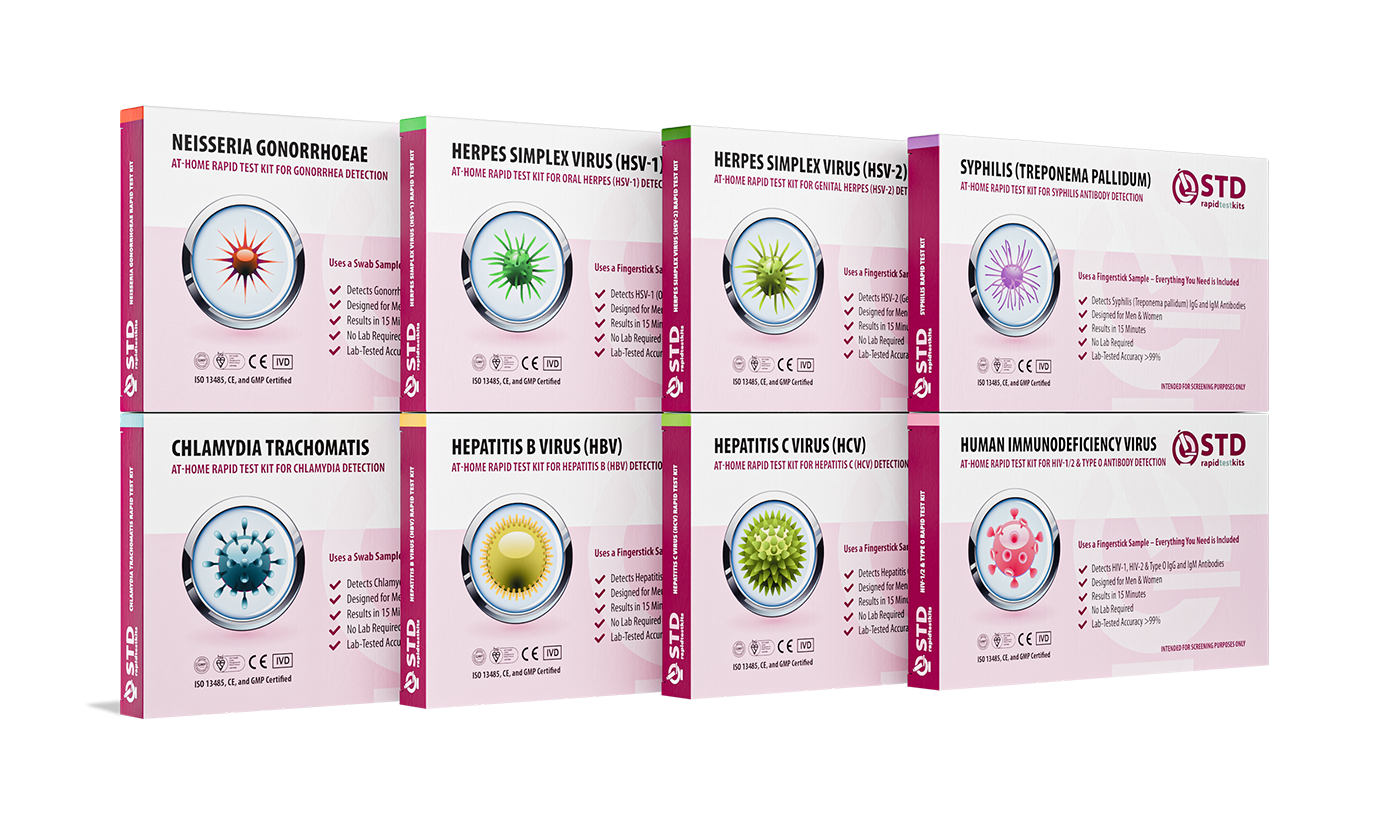
 For Men & Women
 Results in Minutes
 No Lab Needed
 Private & Discreet
For all 8 tests
Why Symptoms (or Lack of Them) Can Be Misleading
In many cases, the most dangerous symptom is none at all. Chlamydia doesn’t always trigger the immune response that causes visible swelling, redness, or pain. That’s especially true in the first 2–4 weeks after infection, which is when many people start second-guessing themselves and either panic-test too early or delay testing too long.
In a 2022 study of sexually active Asian American men aged 18–30, more than 60% had never been tested for an STD, despite reporting condomless sex with new partners in the past year. When asked why, the top answers weren’t lack of access, they were fear of judgment, fear of “looking dirty,” and not feeling sick enough to justify a test.
However, infections don't wait for the spectacle to unfold. Chlamydia can damage the reproductive tract without anyone knowing, cause urethritis, or spread to partners. And if it travels to the testicles, a rare but real risk, it can lead to epididymitis, pain, and fertility issues.
When Should You Test? The Timing That Matters
If you’ve had a sexual encounter that involved oral, vaginal, or anal contact, especially with a new or non-monogamous partner, here’s the hard truth: even if you feel totally fine, testing is wise. But timing matters.
If you test too soon, such as the day after sex, you may receive a false negative, which would give you false confidence. On the other hand, the infection might spread or be transmitted if you wait too long.
Here’s how the timeline typically breaks down for chlamydia testing in men:
| Days Since Exposure | What’s Happening | Should You Test? |
|---|---|---|
| 1–5 days | Bacteria may not be detectable yet | Too early; wait unless symptoms appear |
| 6–13 days | Infection may begin to show on NAAT tests | Optional: Early test OK, but retest later for confirmation |
| 14+ days | Optimal detection window | Yes: test now for best accuracy |
| 45+ days post-treatment | Time for retest if you were treated or re-exposed | Yes: check for reinfection or treatment success |
Table 2: Testing timing for chlamydia after a potential exposure, based on CDC and Mayo Clinic recommendations.
If you're within the 2-week mark and feeling anxious, you can test early, but plan to retest at day 14 to be sure. This is especially important if symptoms start to show or if you’re planning to be intimate with someone new.
Rapid Test or Lab Test? What Works Best When You’re Anxious
Marcus, 31, hadn’t been in a relationship in over a year. When he finally hooked up after a few dates with someone he met through a language exchange group, everything felt right, until the next morning. “I knew I should test,” he said. “But I just didn’t want to go to a clinic where someone might recognize me.”
Instead, he ordered a chlamydia rapid test kit online. It arrived two days later in discreet packaging. He followed the instructions, did a urine sample in his apartment bathroom, and waited. The result came back negative, but he retested two weeks later with a lab-based mail-in kit, just to be sure. That second test came back positive.
This isn’t unusual. Both at-home rapid tests and lab-based kits have a role, but they work differently, and their accuracy depends on timing, sample quality, and what you’re testing for.
Table 3: Comparing At-Home Chlamydia Testing Options for Men
| Test Type | Turnaround Time | Sample Needed | Best Use Case | Accuracy |
|---|---|---|---|---|
| At-Home Rapid Test | 15–20 minutes | Urine or urethral swab | Need quick results, initial screen | Moderate to high |
| Mail-In Lab Kit | 2–5 days | Urine sample | Confirmatory testing, peace of mind | Very high (NAAT method) |
| Clinic NAAT Test | 1–3 days | Urine, urethral, or rectal swab | Persistent symptoms or high-risk exposure | Gold standard |
Table 3: Each method suits a different situation, what matters most is choosing one and following through.
If you're feeling anxious, sometimes any result helps you sleep at night. But don’t stop there, if you're within 14 days of exposure, use rapid results as a first step, then follow up with a more sensitive test like a lab kit if your symptoms persist or you want certainty.
If your head keeps spinning, peace of mind is one test away. Order a discreet chlamydia home test kit here, fast, private, and doctor-trusted.
Do You Need to Retest? It Depends on What Happens Next
Let's say that on day ten, your rapid test result was negative. But now it’s day 18, and you’re feeling off. Or your partner tells you they just tested positive. Should you retest?
The answer depends on several factors. If you tested early, especially before day 14, it’s smart to follow up. Retesting after treatment is also important, chlamydia can come back if a partner wasn't treated or if sex resumed too early. Some health authorities recommend a test-of-cure around 4 to 5 weeks post-treatment, especially in people under 25 or those with recurring infections.
Here's how it played out for Jun, a 28-year-old software engineer from Manila now living in Vancouver. He tested positive, took a one-dose treatment, waited two weeks, and then tested again, still positive. Turns out, his boyfriend hadn't taken his meds. That second round of antibiotics came with a tough conversation, but it helped both of them heal physically and emotionally.
If you’ve recently been treated or re-exposed, plan to retest 4 to 6 weeks later. It’s not about overdoing it, it’s about making sure your body’s actually cleared the infection.
People are also reading: When to Get Tested for STDs (Even If You Have No Symptoms)
The Cultural Factor: Why Many Asian Men Delay Testing
In many Asian communities, there’s a silent expectation: don’t talk about sex, don’t show weakness, don’t admit to mistakes. That silence becomes dangerous when combined with symptoms that are already invisible.
Research from the National Library of Medicine shows that Asian American men are among the least likely racial groups to seek out sexual health testing, even when exposed. The reasons? Fear of stigma, fear of family finding out, and the perception that testing equals promiscuity. But infections don’t care about appearances. And being “low risk” doesn’t mean no risk.
Whether you’re second-generation or freshly immigrated, whether you speak the language or not, you deserve medical care without shame. You deserve a body that feels safe, and testing is a key part of that safety. No one needs to know but you and your results.
That’s why discreet, at-home testing matters. It allows you to take control without facing anyone else’s judgment. Just you, your body, and a plan forward.
What If You Test Positive for Chlamydia?
First, pause. Breathe. This isn’t the end of anything. It’s the beginning of clarity. A positive chlamydia result can feel like a slap across the face, especially if you thought you were being careful. But here’s what matters: this infection is common, treatable, and, when caught early, leaves no long-term damage in most cases.
Let’s walk through what to do next. First, don’t panic. You’ll need to confirm the result if it came from a rapid test or if you tested before the ideal 14-day window. A lab-based NAAT (nucleic acid amplification test) is considered the gold standard. If you already used one of those and it’s positive, then it’s time for treatment.
Standard treatment is a short course of antibiotics, either a single dose or a week of doxycycline. In many places, treatment is free or low-cost through public clinics. Some at-home testing services even offer prescriptions through their partner physicians.
You’ll also need to notify any partners from the past 60 days. This might sound awkward, but it’s an act of care, not shame. Many health departments offer anonymous notification tools, or you can simply say: “I tested positive for chlamydia and you might have been exposed. Please consider getting tested.”
After treatment, wait seven days before having sex again, and don’t forget to retest in four to six weeks, especially if you’re under 30, recently treated, or at risk of reinfection.
Check Your STD Status in Minutes
Test at Home with Remedium7-in-1 STD Test Kit
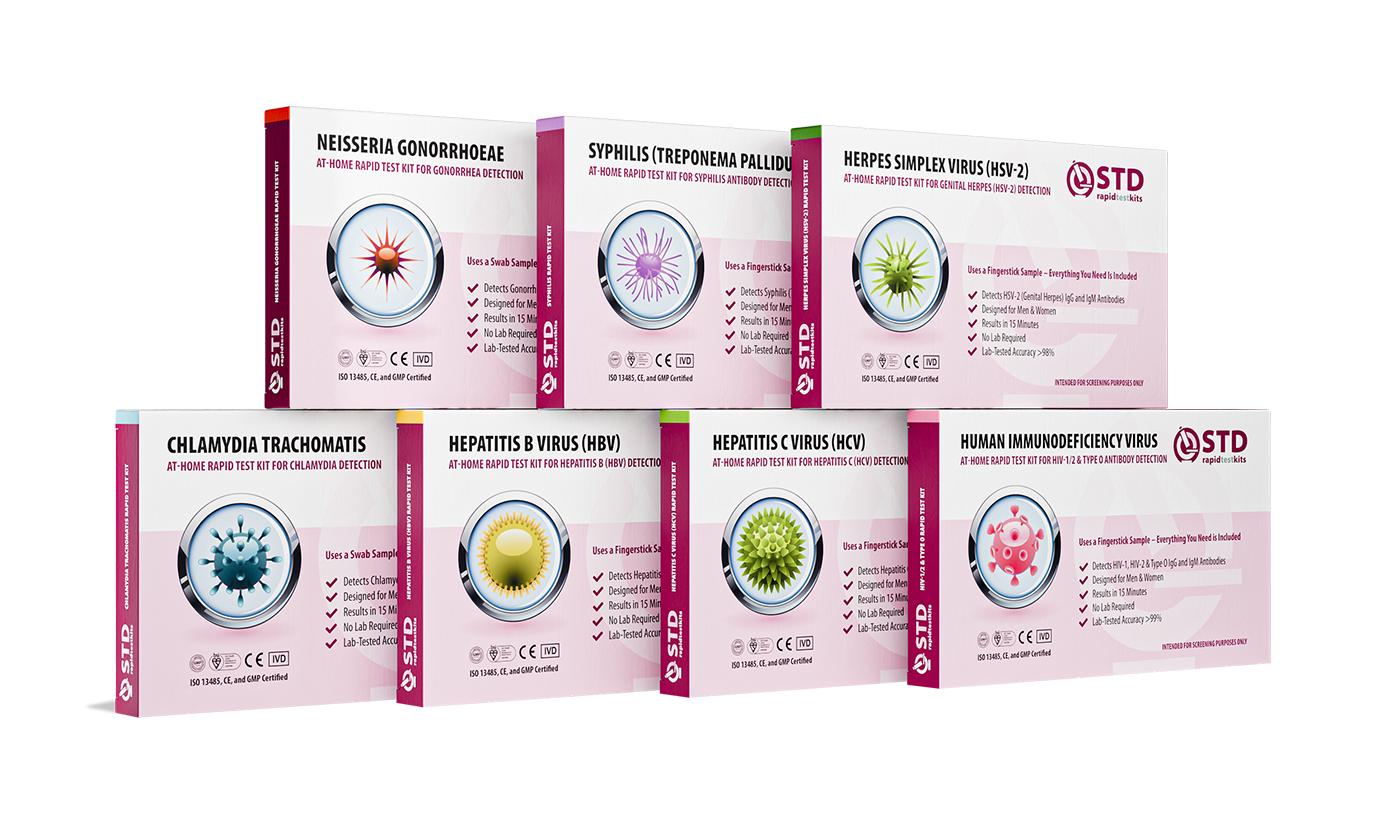 For Men & WomenResults in MinutesNo Lab NeededPrivate & Discreet
Order Now $129.00 $343.00
For all 7 tests
How At-Home Testing Stays Private (And Why It’s So Needed)
“I live with my parents. There’s no way I can go to a clinic without them asking questions.”
That’s what Ryan, a 22-year-old from Singapore, told us. He’s not alone. For many Asian men, especially students, immigrants, or those living with extended family, privacy isn’t optional, it’s survival. And that’s where discreet, at-home testing shines.
When you order a kit from STD Rapid Test Kits, it comes in unmarked packaging. There’s no mention of STDs on the label. Inside, you’ll find easy instructions, collection tools, and in most cases, a prepaid return envelope if using a mail-in kit.
Results are delivered directly to you. No walk-ins, no awkward waiting rooms, no judgment. You control who knows and when. This autonomy is crucial, not just for comfort, but for access. The less friction there is to testing, the more likely people are to do it. And that saves lives, prevents spread, and keeps communities healthier.
FAQs
1. I’m Asian and I’ve never had symptoms, could I still have chlamydia?
Absolutely. In fact, that’s how it works for most men. Chlamydia is notorious for being stealthy. You might feel perfectly fine, look fine, and still be infected. That’s why it’s called the “silent” STD. Just because you don’t see discharge or feel pain doesn’t mean your body isn’t hosting bacteria. Don’t wait for fireworks, just test.
2. How long after sex should I wait before testing?
The magic number is 14 days. That’s when most chlamydia tests hit peak accuracy. If you test earlier, like within the first week, the infection might not be detectable yet. If you’re feeling anxious, an early test can help, but plan to retest two weeks after the hookup for confirmation. Especially if the condom broke, you skipped protection, or things got fuzzy late at night.
3. What does chlamydia feel like for men, like, realistically?
Honestly? Sometimes it just feels like a slightly weird pee. Maybe it burns a little, or you notice a strange drip in the morning that you think is pre-cum. It might itch, or you might feel nothing at all. One guy described it as “a tingle I kept blaming on dry weather.” So yeah, it’s subtle, confusing, and easy to miss.
4. Can I really get chlamydia from just oral sex?
Yup. Mouths carry bacteria too. You can get chlamydia in your throat, even without deep-throating or finishing. And here’s the kicker: throat chlamydia rarely causes any symptoms, so unless you’re specifically tested for it, you might never know. Just because it “felt low risk” doesn’t mean it was no risk.
5. Is it true chlamydia goes away on its own?
Sometimes? But that’s not the win you think it is. Some untreated cases might clear after months, but during that time, you could infect others, damage your own reproductive system, or get a more serious co-infection. Playing the wait-it-out game isn’t worth the gamble. One dose of antibiotics clears it up. Why risk it?
6. Will I have to tell my partner if I test positive?
Look, it’s not easy, but it’s important. And you don’t have to do it face to face. Many clinics offer anonymous text notifications. You can even send a message that says, “Hey, I just tested positive for chlamydia and wanted to let you know so you can get checked too.” It’s not about blame, it’s about care. Most people will respect you more for saying something.
7. Will testing show up on insurance or medical records?
Not if you use an at-home kit you pay for out of pocket. These kits are designed to be discreet and private. No paper trail, no pharmacy receipts, no awkward billing. If privacy is a major concern, whether you live with family or just want to keep it to yourself, home testing is your safest bet.
8. I got treated last week. Can I hook up again now?
Slow your roll. You need to wait at least seven days after finishing treatment before having sex again, and your partner needs to be treated too. Otherwise, it’s like pressing reset on the whole infection. One guy we talked to skipped the wait and ended up reinfected within a month. Not fun.
9. Do I really need to test again after treatment?
If you’re under 30, have more than one partner, or had a rocky treatment situation (missed pills, didn’t abstain after meds), yes, retesting is smart. Do it about 4–6 weeks after your antibiotics. Think of it like checking to make sure the house is truly locked after you left.
10. I’m scared I’ll test positive. Should I wait?
You can wait, or you can know. Testing doesn’t make the infection appear; it just makes it visible. And visibility is power. Whether you’re positive or negative, the result gives you direction. That’s better than sitting in a spiral of anxiety, Googling symptoms at midnight and guessing. Clarity > fear. Always.
You Deserve Answers, Not Assumptions
Testing isn’t about proving guilt. It's about keeping your body, your partners, and your future safe. You deserve to know what's going on if you're an Asian man dealing with hookup culture, long-distance relationships, cultural silence, or just a weird feeling after sex. You deserve healthcare that doesn’t shame you or ignore you.
Whether you have symptoms or not, whether you feel worried or just unsure, there’s power in taking that first step. Order a test. Know your status. And if something shows up, know this: you are still worthy, still whole, and absolutely not alone.
Don’t wait and wonder, get the clarity you deserve. This at-home chlamydia test kit is private, fast, and built to protect your peace of mind.
How We Sourced This Article: We combined current guidance from leading medical organizations with peer-reviewed research and lived-experience reporting to make this guide practical, compassionate, and accurate.
Sources
1. World Health Organization – STI Facts
3. Chlamydia Infections – MedlinePlus
4. Chlamydial Infections – CDC Treatment Guidelines
6. Chlamydia – StatPearls, NCBI
7. STD Symptoms Overview – Mayo Clinic
8. Chlamydia Factsheet – European Centre for Disease Prevention and Control
About the Author
Dr. F. David, MD is a board-certified infectious disease specialist focused on STI prevention, diagnosis, and treatment. He blends clinical precision with a no-nonsense, sex-positive approach and is committed to expanding access for readers in both urban and off-grid settings.
Reviewed by: C. Nguyen, MPH | Last medically reviewed: January 2026
This article is for information only and should not be used as medical advice.


