






Quick Answer: Chlamydia often shows no symptoms in Black women. The best time to test is 14 days after a possible exposure, though earlier tests may be needed if symptoms appear.
Who This Article Is For (And Why It Matters)
If you’re a Black woman wondering whether that spotting, ache, or strange smell “means something”, this article is for you. If you’ve been ghosted after a hookup, found out a partner cheated, or had a condom break and you’re spiraling at 2AM trying to figure out when to test, this is for you.
It’s also for the women who’ve felt dismissed or doubted by clinics, who’ve been told “you’re fine” even when something felt off. Because for Black women, chlamydia isn’t just a personal health issue, it’s a systemic one. It hides in silence. It gets misread as something else. And it can do real damage if left untreated.
Testing is care. It’s not a confession. In this guide, we’ll break down the signs (even the subtle ones), when to test, what kind of test to choose, and what to do if you get a positive result. You deserve clarity, not confusion.
How Chlamydia Shows Up in Black Women
The truth? Sometimes it doesn’t “show up” at all. Up to 70% of women with chlamydia have no symptoms. And for those who do, the signs are often vague, sporadic, or misattributed to stress, periods, or other vaginal issues.
Renee, 31, assumed her pain was due to her IUD. “I felt cramping during sex and thought maybe the strings shifted,” she says. “Turns out I had chlamydia. No discharge, no fever. Just discomfort and a hunch.”
Here’s where the issue deepens: Black women are more likely to have their pain downplayed by medical providers, especially in emergency rooms or urgent care settings. In one CDC review, Black women had the highest reported rates of chlamydia, yet also the highest rates of untreated infections due to lack of follow-up care.
Infections can sit in the reproductive tract, causing internal inflammation that’s not visible externally. It might look like:
- Pelvic heaviness after sex but no visible discharge
- Irregular spotting that mimics a hormonal shift
- Mild burning that comes and goes, never intense
- Changes in cervical mucus that don’t quite feel like yeast or BV
And sometimes, the only clue is what’s not there: no orgasm, no comfort, no peace of mind.

People are also reading: STD Window Periods: When to Test and What to Expect
Why Chlamydia Disproportionately Affects Black Women
This isn’t about behavior. It’s about barriers. Chlamydia rates among Black women are over five times higher than those of white women, according to CDC surveillance reports. But that doesn’t mean Black women are having more unprotected sex or more partners, it means we face more structural barriers to care.
Factors include:
- Reduced access to regular gynecological care
- Implicit bias during symptom evaluation
- Less likely to be offered STI screening proactively
- Community-level healthcare deserts
- Fear of stigma, especially in religious or tight-knit families
For example, Jasmine, 24, went to an urgent care center with lower abdominal pain. The doctor asked if she was sexually active. “I said yes,” she recalls. “He asked if I had multiple partners. I said no. He told me it was probably gas or stress. No test.” Two months later, her untreated chlamydia became pelvic inflammatory disease (PID).
This isn’t rare, it’s reality. And it’s why knowing when to test is critical.
Check Your STD Status in Minutes
Test at Home with Remedium6-in-1 STD Test Kit
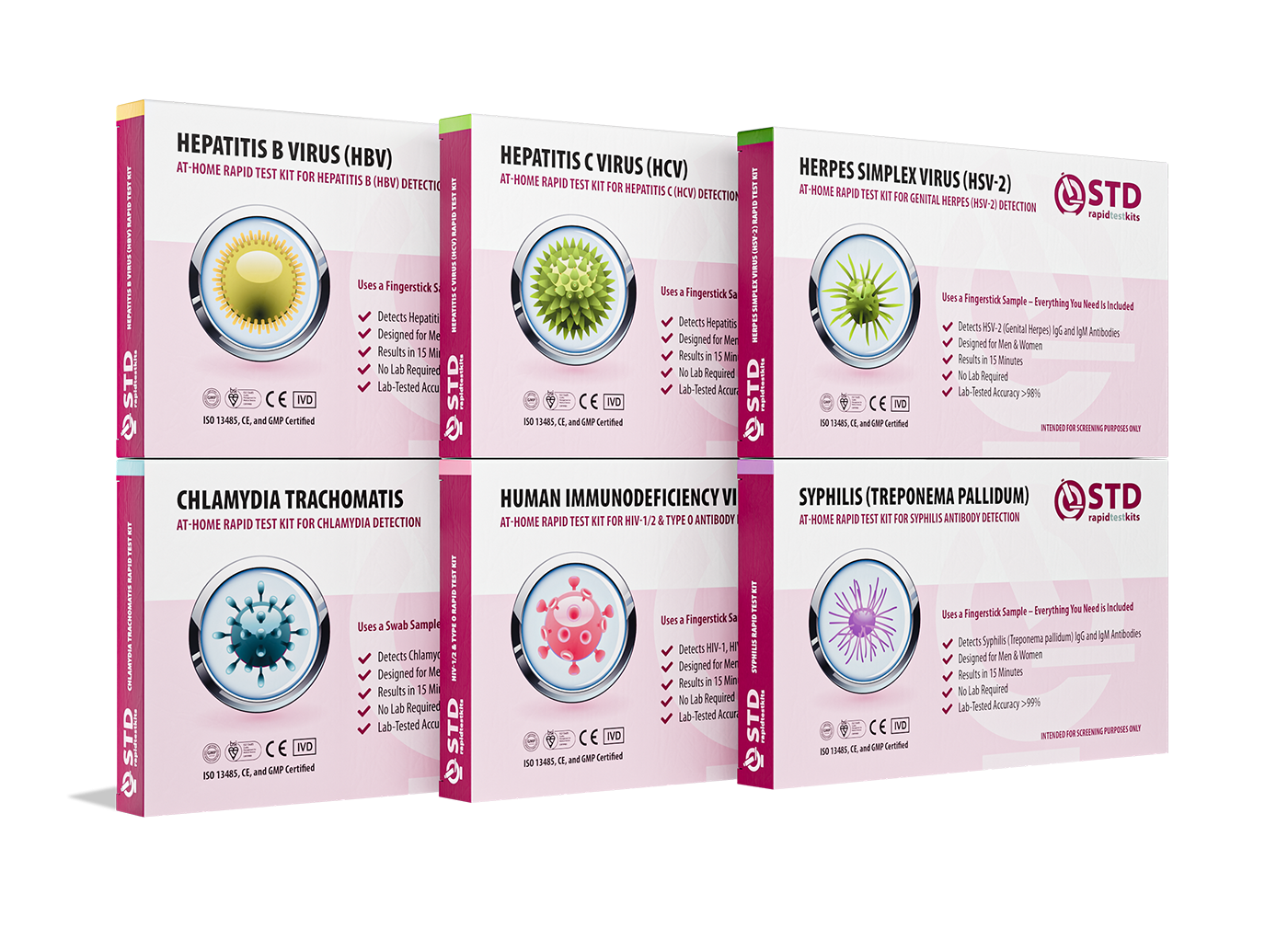
 For Men & Women
 Results in Minutes
 No Lab Needed
 Private & Discreet
Order Now $119.00 $294.00
For all 6 tests
What Testing for Chlamydia Involves
Testing isn’t as invasive as many fear. The most accurate method is the NAAT test (nucleic acid amplification test), which detects the genetic material of chlamydia. It’s fast, painless, and can be done via urine or a vaginal swab.
If you're testing at a clinic, they may offer:
- Urine sample
- Cervical swab during pelvic exam
- Vaginal self-swab (increasingly common)
At-home test kits use either urine or swab samples and provide discreet shipping. Results typically come within 24–72 hours for lab-based mail-in kits, or within minutes for rapid tests (note: rapid tests may have slightly lower sensitivity).
| Test Type | Sample Needed | Privacy Level | Time to Results | Recommended For |
|---|---|---|---|---|
| Clinic NAAT | Urine or cervical swab | Moderate | 1–2 days | People with persistent symptoms |
| Mail-in Lab Kit | Urine or vaginal swab | High | 2–3 days | Anyone needing discreet access |
| Rapid At-Home Test | Vaginal swab | Very high | 10–15 minutes | People needing fast reassurance |
Figure 1: Comparison of chlamydia testing options and who they work best for.
When Should You Test for Chlamydia?
This is one of the most misunderstood parts of the whole STD testing process, especially after a scare. Maybe you had sex last night and now you’re spiraling. Or maybe you’ve had mild symptoms for weeks and are unsure if it’s too late to get a clear result. Timing matters. But it’s not about shame. It’s about science.
After a possible exposure, the earliest a chlamydia test might detect the infection is around 5–7 days. But that’s the edge of the window. Accuracy climbs the longer you wait. The CDC and most experts agree: the sweet spot for testing is around day 14.
Here’s a scenario: Briana, 28, hooked up with someone new while traveling. A few days later, she noticed a weird pressure in her lower belly. “It wasn’t painful, just... off.” She tested herself on day 6. It came back negative. But by day 15, her symptoms had intensified. She tested again. This time, it was positive.
Her story is common. Testing too early can offer false reassurance. A negative test before the 7-day mark doesn’t always mean you’re clear. But that doesn’t mean you shouldn’t test early if you’re having intense symptoms, were exposed to known infection, or experienced sexual assault. In those cases, test immediately, and follow up later.
Let’s break down timing in plain terms:
| Days Since Exposure | Test Accuracy | What to Do |
|---|---|---|
| 0–5 Days | Low | Wait if possible; test if symptoms or assault occurred |
| 6–13 Days | Moderate | Testing can begin, but retest recommended |
| 14+ Days | High | Ideal time to test for most accurate results |
Figure 2: Chlamydia test timing guide based on exposure date.
If you’ve already tested and feel unsure, or if new symptoms pop up after a negative result, trust your instincts. Testing again doesn’t make you paranoid, it makes you proactive.
Can You Have Chlamydia Without Symptoms?
Yes. And for Black women, that’s often the case. The asymptomatic nature of chlamydia isn’t just a medical curiosity, it’s a public health issue. It means people don’t get treated. It means the infection spreads quietly. And it means the damage can progress inside the body while everything outside feels “normal.”
Nia, 34, had been with one partner for two years. “I had no clue anything was wrong until I got routine STI testing with my annual,” she says. “I felt betrayed by my body. No warning signs.” What she learned later was that chlamydia had been slowly inflaming her fallopian tubes. She caught it in time. But many don’t.
That’s why routine screening is so vital. CDC guidelines recommend all sexually active women under 25 get screened for chlamydia at least once a year. And if you’re over 25 with new or multiple partners, screening is still recommended.
This isn’t about punishment. It’s about protecting your future options, especially when it comes to fertility, comfort, and peace of mind.
What Happens If You Don’t Catch It in Time?
Untreated chlamydia doesn’t just go away. It climbs upward. What starts in the cervix or urethra can travel into the uterus, fallopian tubes, and ovaries. The result? Pelvic Inflammatory Disease (PID), a condition that affects up to 1 in 8 women who don’t get treatment in time.
PID can cause scarring that blocks the tubes, making it harder, or impossible, to get pregnant. It can also lead to chronic pelvic pain, ectopic pregnancy, and long-term inflammation.
Here’s the cruel part: PID isn’t always dramatic. It can come on as light cramps. A little fatigue. A slight fever that never spikes. Many Black women dismiss these symptoms as period-related or stress-induced. And many doctors don’t push for further testing unless the patient insists.
That’s why early testing matters. And why even if your test is negative but you still feel “off,” it’s okay to push for more answers.
Ready to Test? Here’s What to Expect
Whether you go to a clinic or choose to test at home, the process is straightforward. For mail-in tests, you’ll receive a discreet kit, follow clear instructions (swab or pee in a cup), and send your sample back using prepaid packaging. For rapid kits, you’ll collect the sample and read results within 10–15 minutes.
No lectures. No awkward waiting rooms. Just you, your data, and your decision.
If your mind won’t stop racing, and you keep Googling the same five phrases over and over… peace of mind is one test away. You can order a discreet chlamydia test kit today and know where you stand by the end of the week.
Because whether you’re asymptomatic, suspicious, or just plain scared, it’s better to know.
Should You Retest? It Depends on the Scenario
Retesting isn’t just for people who had a positive result. It’s also for anyone who tested too early, was re-exposed, or had symptoms that changed after a negative test. Let’s say you tested negative on day six after an exposure, but now, at day fourteen, you’ve started spotting. That’s a strong reason to test again.
Here’s another case: Dana, 29, treated a confirmed chlamydia infection with antibiotics. Her symptoms cleared. But two months later, she noticed some irritation during sex again. She hadn’t been tested since. “I didn’t think I needed to. I already took the meds,” she said. But she had been re-exposed by a partner who didn’t get tested. Her second infection was more intense than the first.
CDC guidance recommends retesting about three months after treatment, whether or not you have symptoms, because reinfection is common. It’s not failure. It’s just reality. And it’s another reason why partner testing matters just as much as your own.
Think of testing as part of your health rhythm, not a one-time panic response. Especially if:
- You’ve had a new partner since your last test
- You’re trying to get pregnant
- You’ve experienced symptoms again
- A partner tested positive
Testing again isn’t overkill. It’s self-protection.
What If You Test Positive?
First: Breathe. A positive chlamydia result is not a moral failure. It doesn’t define your worth, your hygiene, or your loyalty. It’s just a medical result. One that’s treatable.
Once you’ve confirmed the result (if needed), treatment is simple: typically a short course of antibiotics like doxycycline. Most people feel better within days, though the bacteria may take longer to fully clear. Avoid sex for seven days after finishing treatment, or longer if your partner hasn’t been treated yet.
Then comes the tough part: telling your partner. Whether they were the source or at risk from you, they need to know. This doesn’t have to be a dramatic confrontation. You can keep it simple. “Hey, I tested positive for chlamydia. You should get checked too.” That’s it.
If safety or judgment is a concern, there are anonymous notification services through health departments or online platforms. You can even ask a clinic to help with partner contact if you’re not comfortable doing it yourself.
Don’t assume your partner is fine just because they feel fine. As we’ve covered, chlamydia often gives no warning.
People are also reading: STD from a Public Bathroom? Science Says It’s Nearly Impossible
Discreet Testing from Home: Your Options
Many Black women cite one major reason for delaying STI testing: the clinic experience. Judgment. Racism. Misgendering. Long waits. Lack of childcare. No transportation. That’s why the rise of at-home testing matters so much.
With companies like STD Rapid Test Kits, you can order a test online, get it shipped in discreet packaging, and complete it in your own space, no appointments, no awkward small talk.
You can choose between:
- Rapid tests (results in minutes)
- Mail-in lab kits (more comprehensive, but slower)
Each option has its pros and trade-offs. If your anxiety is peaking and you need to know now, go rapid. If you want a more sensitive result and don’t mind a few days’ wait, mail-in lab kits are ideal. Either way, what matters most is that you test.
And if you’re between tests, or worried your partner won’t test, consider using condoms, dental dams, and limiting new exposures until you both know where you stand. This isn’t about fear. It’s about being informed enough to choose what’s right for you.
Check Your STD Status in Minutes
Test at Home with Remedium8-in-1 STD Test Kit
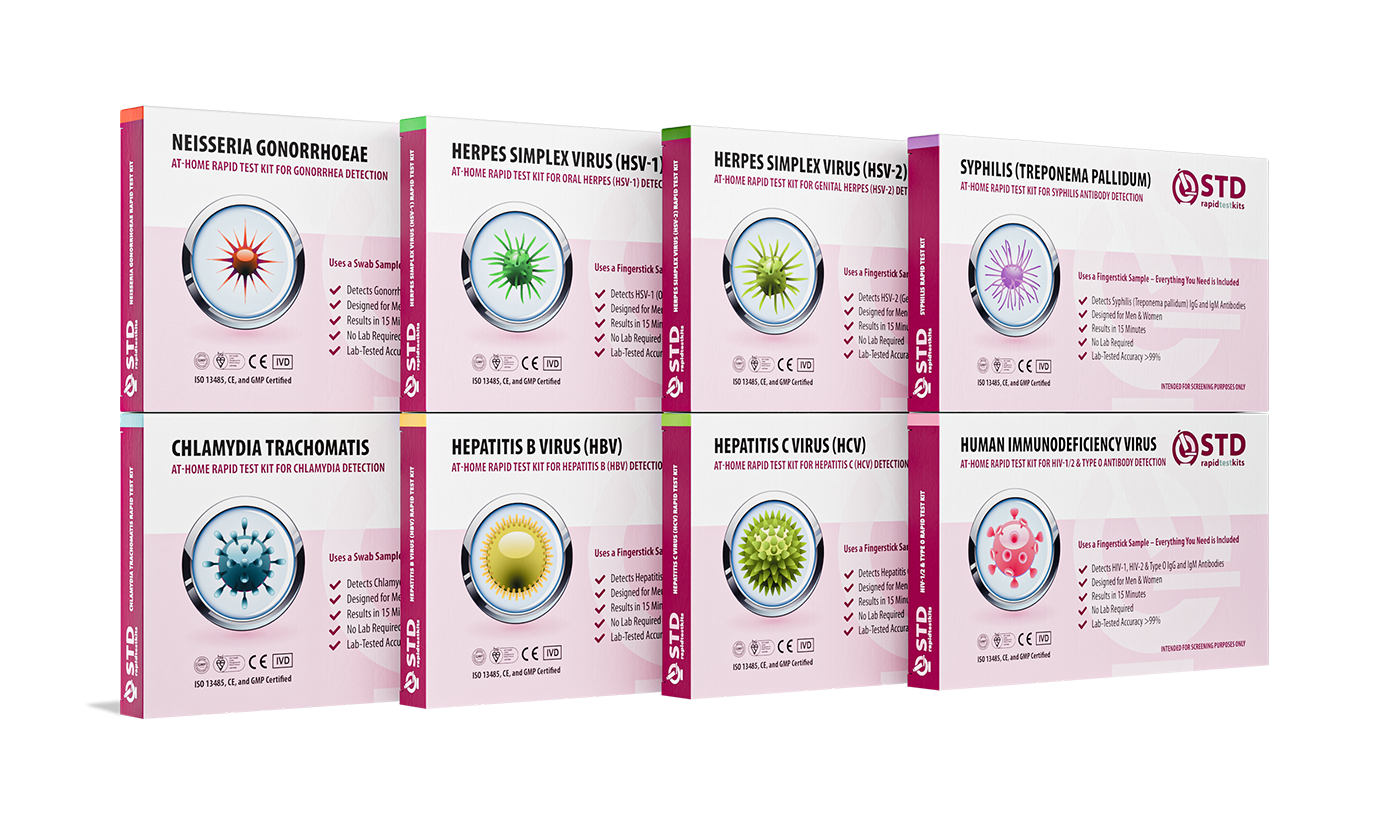 For Men & WomenResults in MinutesNo Lab NeededPrivate & Discreet
Order Now $149.00 $392.00
For all 8 tests
Privacy, Pain, and the Power of Knowing
The shame around STDs keeps us silent. And silence keeps us sick. But that cycle is breaking. Black women deserve healthcare that believes them, tests that respect them, and resources that meet them where they are.
If you’ve been putting off testing because you “don’t feel sick,” because you’re scared of the answer, or because the system hasn’t earned your trust, it’s okay. But you’re allowed to know what’s happening in your own body.
You don’t need a permission slip. Just a plan.
And that starts here: Take the first step with an at-home test you can trust. It’s fast. It’s discreet. And it’s for you.
FAQs
1. Can I have chlamydia and seriously not feel a thing?
Yep. And that’s what makes it dangerous. Chlamydia is infamous for going quiet, especially in women. No itching. No burn. No clue. You might feel perfectly fine while the infection slowly climbs your reproductive tract. That’s why testing matters even when everything seems "normal."
2. What does chlamydia actually feel like for a Black woman?
Here's the truth: it might feel like nothing, or like something you've blamed on stress, a UTI, your period, or that tight bodysuit you wore last week. Some women report dull cramps after sex, unexpected spotting, or a weird discharge that comes and goes. Others feel nothing until the pain is deep and persistent. If your gut says something’s off, listen to it.
3. How long after sex should I wait to get tested?
Ideally? Wait about 14 days for the most accurate results. Testing before then isn’t useless, it just might miss early infections. So if you test on day 5 and it’s negative but you still feel weird? Retest. Your peace of mind is worth a second swab or sample.
4. I only gave oral. Can I still get chlamydia?
You can. It’s not super common, but chlamydia can absolutely live in the throat, and it doesn’t always stay quiet there, either. Sore throat that won’t quit after a hookup? It could be more than a coincidence. Use barriers for oral, and don’t skip testing just because there wasn’t penetration.
5. My discharge changed, but it doesn’t smell. Should I worry?
Not all discharge screams "infection." But if your texture, color, or volume shifts noticeably, and especially if it comes with spotting or pelvic pressure, it’s smart to get checked. Chlamydia discharge can be sneaky. Think of it as your body whispering, not yelling.
6. Do I really have to tell my partner if I test positive?
Legally? Usually, no. Ethically? It’s complicated, but most public health folks (us included) say yes. Chlamydia spreads quietly, and without that heads-up, your partner might never know they have it. If you’re scared to tell them directly, you can use anonymous notification services online. No confrontation required.
7. How bad is it if I wait too long to test?
Honestly? It can be bad. Left untreated, chlamydia can cause scarring, chronic pain, and fertility problems down the line. But don’t let that scare you into silence, let it push you into action. The earlier you catch it, the easier it is to treat and move on.
8. I took antibiotics. Do I still need to retest?
Yes, especially if it’s been a few months. Treatment clears the infection, but that doesn’t mean you’re done for life. If your partner never got tested or you’ve had new partners since, reinfection is a real risk. Think of retesting like brushing your teeth, you don’t stop just because you did it once.
9. What’s the difference between chlamydia and a UTI? They feel kinda similar.
Great question, and a common confusion. Both can cause burning when you pee and lower belly pain. But chlamydia might also bring spotting, pain during sex, or unusual discharge. UTIs usually don’t mess with your cycle. When in doubt? Test for both. They're treatable, but need different meds.
10. Is at-home testing legit or just a TikTok trend?
It’s very legit. At-home testing has come a long way and is now FDA-cleared, accurate, and discreet. You get control without the side-eye at urgent care. Whether you go with a rapid test or a lab-verified mail-in kit, you’re taking care of yourself on your terms. That’s not a trend, that’s a flex.
You Deserve Answers, Not Assumptions
Too often, Black women are left to figure this out alone, wondering if their pain is “normal,” if their instincts are wrong, or if it’s even worth going to the doctor. But your body doesn’t lie. And you shouldn’t have to fight to be believed.
This at-home combo test kit checks for the most common STDs discreetly and quickly, so you don’t have to wonder anymore. Knowing your status isn’t just power. It’s protection. And it’s your right
How We Sourced This Article: We combined current guidance from leading medical organizations with peer-reviewed research and lived-experience reporting to make this guide practical, compassionate, and accurate.
Sources
2. Planned Parenthood – Chlamydia
4. Chlamydia – StatPearls (NIH/NCBI)
5. Sexually Transmitted Diseases (STDs) – Mayo Clinic
6. Chlamydia Infections – MedlinePlus
7. Chlamydia – Symptoms and Causes (Mayo Clinic)
8. Chlamydia – NIH/StatPearls Screening & Prevention
About the Author
Dr. F. David, MD is a board-certified infectious disease specialist focused on STI prevention, diagnosis, and treatment. He blends clinical precision with a no-nonsense, sex-positive approach and is committed to expanding access for readers in both urban and off-grid settings.
Reviewed by: Darlene Owens, RN, MPH | Last medically reviewed: January 2026
This article is only meant to give you information and should not be taken as medical advice.


