






Quick Answer: STDs like chlamydia, gonorrhea, and herpes are not transmitted via toilet seats or shared bathrooms. They require direct mucous membrane contact, usually through sex. Surface transmission is biologically implausible.
Why This Myth Is So Hard to Kill
The idea that you can “catch something” from a public toilet dates back over a century. Before we understood germs and how infections worked, people blamed what they could see: dirt, stains, smells. Public restrooms became symbols of moral decay, places you might leave with more than you came in with.
Even today, when we know how STDs function biologically, this fear lingers. It makes emotional sense: bathrooms feel unclean. STDs are taboo. Put them together and it’s easy to panic. Especially when symptoms show up and you can’t, or won’t, connect them to a partner.
In many cases, blaming a toilet seat is easier than considering other possibilities. Someone in a monogamous relationship might genuinely believe their partner hasn’t cheated. A teen with strict parents might need a non-sexual explanation. The myth offers a loophole, one that feels better than the truth.
And sometimes, like with Jasmine, the timeline makes the toilet look guilty. But biology says otherwise.
What Science Says About STDs on Surfaces
STDs don’t live long outside the human body. Most need warm, moist environments and immediate access to mucous membranes (like the genitals, mouth, or rectum) to survive and spread. A cold, dry toilet seat? That’s a hostile environment. Not only would the pathogen die quickly, it wouldn’t be able to infect you without a direct route into your bloodstream or mucous tissue.
Let’s break it down by type:
| STD | Can It Survive on a Surface? | Transmission Route |
|---|---|---|
| Chlamydia | No (dies quickly outside body) | Genital, oral, anal sex (mucous membranes) |
| Gonorrhea | Not effectively | Genital contact, oral sex, anal sex |
| Herpes (HSV-2) | Minutes to hours in lab settings only | Skin-to-skin contact, especially during outbreaks |
| Syphilis | Very fragile outside host | Skin/mucous contact with sores |
| HPV | Possibly survives longer on surfaces, but no proven toilet transmission | Skin-to-skin contact during sex |
| Trichomoniasis | Can live on damp surfaces for up to 45 minutes | Primarily sexual contact; surface transmission extremely rare |
Table 1. Most STDs are too fragile to survive on surfaces. Trichomoniasis has some surface viability, but infection from a toilet seat remains unlikely.
So, while some pathogens can live briefly on surfaces in lab settings, real-world infections from toilets just don't happen. Even trichomoniasis, a parasitic infection that survives longer than most, still needs a direct route to your genitals. That means sitting down isn’t enough. You’d need open wounds, fresh bodily fluid, and a very fast transfer. Nearly impossible.
There are, however, some real infections that can spread in public restrooms, but they’re not STDs. We’ll get to that soon.
People are also reading: How to Tell a Partner You Might Have an STD (Without Freaking Them Out)
“I Swear It Was the Toilet Seat”: Misdiagnosis, Denial, and Real Stories
Leo, 22, came home from his college gym with what looked like a rash near his groin. “It burned, itched, and was right where I’d sat on the toilet,” he said. “There’s no way I had an STD, I hadn’t hooked up with anyone since last semester.” He told his doctor he thought it came from the locker room toilet.
But a week later, a test confirmed it was genital herpes. Leo hadn’t had any visible symptoms during his last hookup, and his partner hadn’t either. Like many STDs, herpes can be spread even without obvious sores, and it can remain dormant for weeks or months.
His story reflects a common pattern: symptoms show up, and we try to trace the safest explanation. The timeline gets blurred. A forgotten encounter, oral sex that “didn’t count,” or a partner we trusted. The brain latches onto the most emotionally palatable answer. But that doesn't make it the right one.
There’s also a quiet shame built into many of these stories. For people who’ve been assaulted, pressured, or simply unsure about a past sexual experience, blaming a toilet seat can be a form of self-protection. The truth may be harder to sit with than a myth.
Check Your STD Status in Minutes
Test at Home with Remedium8-in-1 STD Test Kit
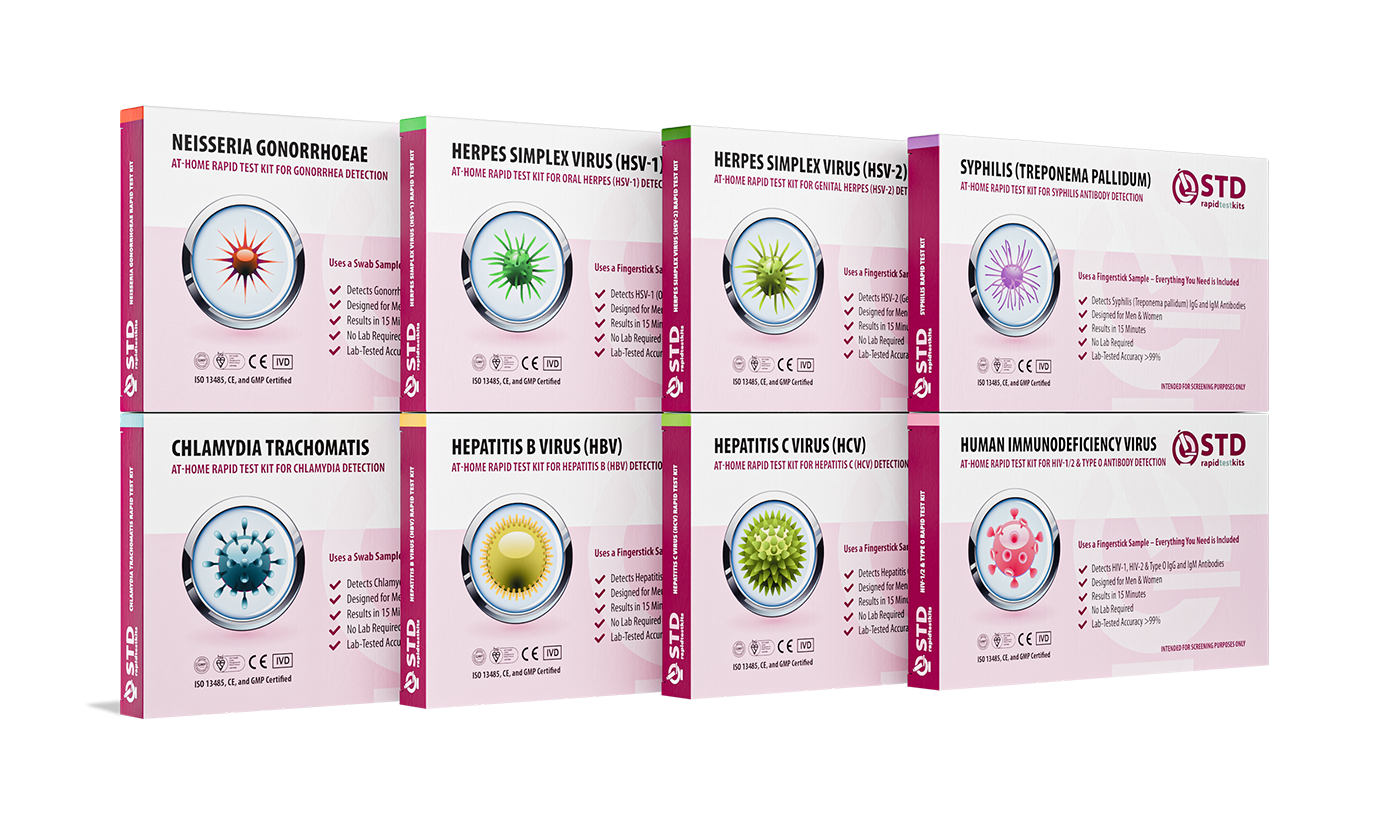
 For Men & Women
 Results in Minutes
 No Lab Needed
 Private & Discreet
Order Now $149.00 $392.00
For all 8 tests
What If You Have Symptoms, but Didn’t Have Sex?
Here’s the frustrating truth: not all genital symptoms mean you have an STD. And not all STDs come from what people think of as “sex.”
Take oral herpes (HSV-1). Many people contract it through childhood kisses or shared drinks, then later pass it genitally through oral sex. You might think you’ve “never had sex,” but if oral-genital contact occurred, transmission is possible. Similarly, HPV and pubic lice don’t need penetration to spread.
But more often, the issue isn’t an STD at all. It’s something else entirely: irritation, allergy, a fungal rash, or common bacterial infection.
| Symptom | Possible STD | Common Non-STD Cause |
|---|---|---|
| Itching or redness | Herpes, Trichomoniasis | Yeast infection, contact dermatitis, razor burn |
| Burning during urination | Chlamydia, Gonorrhea | UTI, dehydration, soap sensitivity |
| Rash or bumps | Syphilis, Herpes | Heat rash, folliculitis, eczema, allergic reaction |
| Discharge (vaginal or penile) | Chlamydia, Gonorrhea, Trichomoniasis | Bacterial vaginosis, yeast, poor hygiene, pH imbalance |
Table 2. Overlapping symptoms can lead to misdiagnosis. A rash isn’t always herpes, and burning isn’t always an STD.
Jasmine, who blamed the truck stop toilet, eventually found out she had a yeast infection that had nothing to do with sex, or the bathroom. In fact, her symptoms flared because she’d taken antibiotics the week before, disrupting her normal flora.
The human body is complicated. Shared spaces like gyms and bathrooms can expose us to bacteria or irritants, but that doesn’t mean they gave you an STD.
If You’re Still Worried, Here’s What to Do
If you’ve got symptoms, especially ones involving discharge, burning, or sores, don’t wait. Whether you’ve had sex or not, whether you think it's a UTI or a rogue rash, getting tested is your fastest route to clarity.
This discreet combo test kit checks for the most common STDs from the privacy of home. You collect your sample, blood, urine, or swab, and get fast results without judgment.
And if you do test negative, it’s still useful. You’ll rule out STDs and can explore other causes with your doctor: allergic reaction, friction, fungal overgrowth, or a hygiene-related issue.
What matters most is that you don’t stay in the spiral of anxiety. You deserve to know what’s going on. Not knowing is always worse.
What You Can Catch from Public Restrooms (Hint: Not STDs)
Let’s be honest, public bathrooms aren’t exactly paragons of sanitation. But while they might host plenty of bacteria, most of what’s lurking isn’t sexually transmitted. What you’re more likely to pick up? Gastrointestinal bugs, fungal infections, or basic skin bacteria.
Here’s a closer look at what actually survives on those tiles, handles, and toilet seats:
| Pathogen | Common Source | Type of Infection |
|---|---|---|
| Staphylococcus aureus (incl. MRSA) | Toilet handles, seats, gym benches | Skin infections, boils, cellulitis |
| Norovirus | Faucets, flush buttons, stall locks | Vomiting, diarrhea, stomach cramps |
| Fungi (Candida, Tinea) | Shower floors, damp toilet seats | Yeast infections, athlete’s foot, jock itch |
| E. coli, Salmonella | Toilet seats, sink handles, floors | GI illness, food poisoning symptoms |
Table 3. These organisms thrive in moist, high-traffic public areas, but they are not STDs.
Unlike STDs, these pathogens don’t need mucous membrane exposure through sex to infect someone. They enter through cuts, are ingested via hand-to-mouth transfer, or overgrow in moist environments. That’s why wiping down gym equipment, wearing flip-flops in communal showers, and washing hands properly really matters. But again, these are not sexually transmitted infections.
If you’ve developed something itchy or strange after a visit to a questionable restroom, it might be real, but it’s likely not a chlamydia or herpes situation. It might be something a dermatologist or general practitioner can easily diagnose and treat without stigma or STD testing.
Why the Toilet Seat Myth Hurts More Than It Helps
Here’s the thing: this isn’t just about science, it’s about shame. When people believe they can get an STD from a toilet, they may delay real diagnosis. They may avoid partner conversations, fail to take precautions, or spiral into confusion that makes prevention harder, not easier.
Blaming the bathroom can become a coping strategy. Isa, 31, discovered she had trichomoniasis after a routine screening. She hadn’t had a new partner in months, and the last one had assured her he was clean. “I thought maybe it was from the steam room at the gym,” she said. “I genuinely believed that.”
By the time she told him about the result, three weeks had passed. He had already moved on to someone else, and she never got the chance to help stop the spread.
This isn’t a morality tale, it’s a visibility one. When people don’t understand how STDs really move, they make choices based on fear instead of facts. That’s why we keep talking about it. That’s why these myths matter.
You Deserve the Truth, Without Shame
Whether your symptoms are physical, emotional, or both, you’re not dirty. You’re not broken. And you’re not the only one who’s ever Googled, “Can I get an STD from a toilet seat?” at 2AM while spiraling with panic.
You’re here because you care. Because something doesn’t feel right. Because you want answers.
Testing is not a confession. It’s a form of self-respect. And whether you get your results and move on, or uncover something that needs treatment, at least you’ll know. STD Rapid Test Kits offers confidential, accurate testing, without waiting rooms, side-eye, or judgment.
Don’t stay stuck in what-ifs. Trust your gut, check your body, and take the next step.

People are also reading: Still Testing Positive After Treatment? Here’s When to Retest
When You Think It’s an STD, but It’s Actually Something Else
There’s a special kind of panic that hits when something feels off “down there.” A bump, a weird smell, a sudden burn when you pee, and boom, your mind’s whispering: “What if it’s herpes?” That anxiety is real. But the truth? A lot of non-STDs can mimic what we assume are classic STD symptoms.
Let’s say you notice some itching and redness after a long day in tight jeans and synthetic underwear. That’s friction and moisture creating irritation, maybe even a yeast imbalance or contact dermatitis. Not syphilis. Not gonorrhea. Just skin doing what skin does when it’s stressed.
Or you see a little bump and spiral into worst-case thinking. Reality check: most genital bumps aren’t herpes, they’re ingrown hairs, clogged sweat glands, or even Fordyce spots (which are totally normal).
The same goes for discharge. Is it cloudy and has a fishy odor? Could be bacterial vaginosis. White and clumpy? Probably a yeast infection. Yellow-green with itching? Okay, now we might be in trichomoniasis territory. Point is: don’t guess. Don’t WebMD yourself into a breakdown. Just get tested, and take your next step from a place of knowledge, not fear.
Case Study: “I Was Sure I Had an STD, It Wasn’t Even Close”
Nik, 34, swore he’d caught something from a shared bathroom at his coworking space. He’d been celibate for almost a year, wasn’t seeing anyone, and had started noticing burning when he peed. “I freaked out,” he said. “I couldn’t stop thinking maybe the guy before me had something, and I sat right on it.”
He bought an at-home test just to be sure. Negative for everything. Eventually, a telehealth doctor asked him about his hydration. Turns out, Nik had started working out more and wasn’t drinking enough water. The burning? Concentrated urine. “I’d built up this whole STD narrative in my head. I was relieved and embarrassed all at once.”
His story’s not rare. The brain fills in the blanks when we’re anxious. And when STDs come with stigma, we imagine impossible transmission routes because they feel more logical than revisiting something vulnerable or confusing.
Check Your STD Status in Minutes
Test at Home with Remedium7-in-1 STD Test Kit
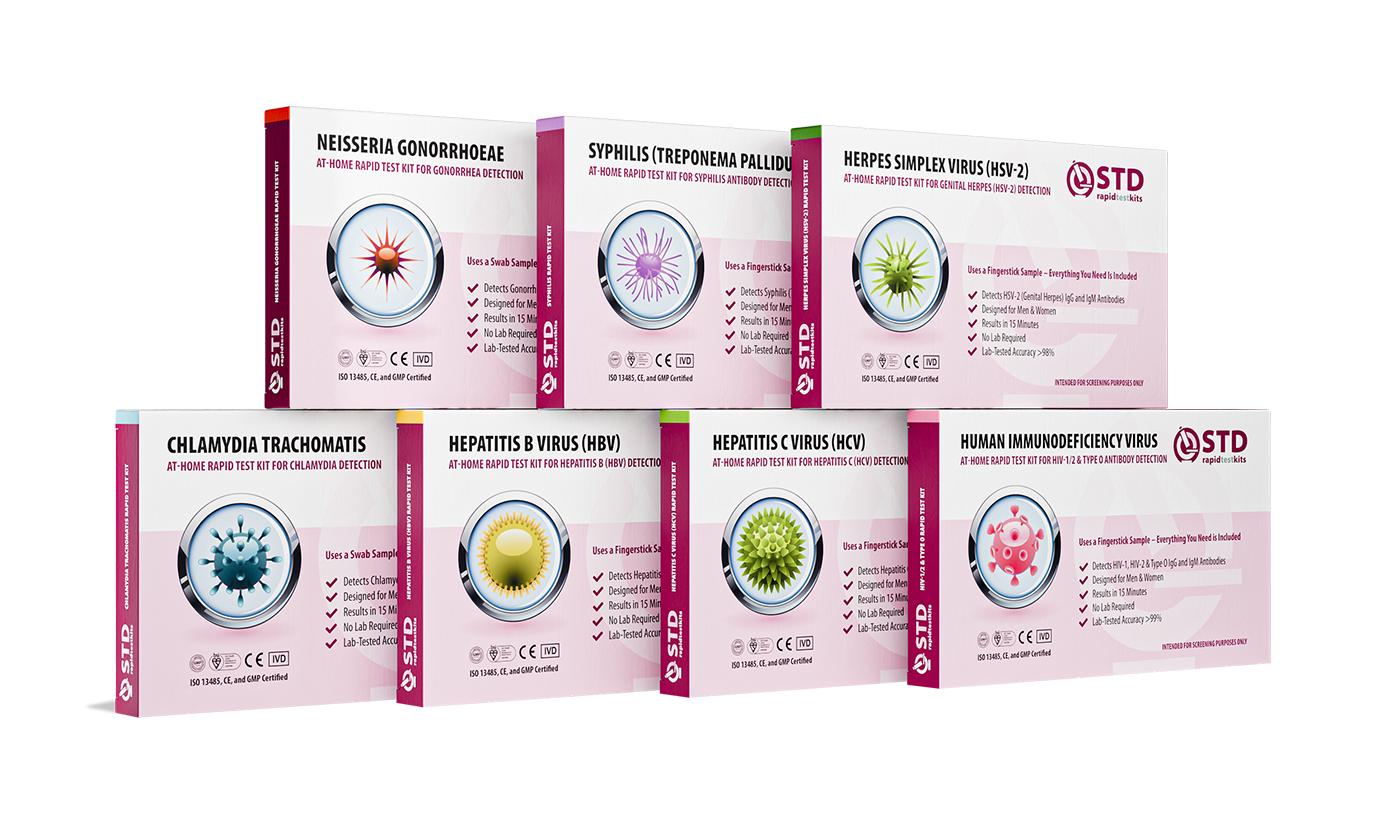 For Men & WomenResults in MinutesNo Lab NeededPrivate & Discreet
Order Now $129.00 $343.00
For all 7 tests
How to Talk to a Doctor (Even If You’re Embarrassed or Unsure)
If you’re dealing with symptoms but have no idea what’s causing them, or worse, think a doctor might laugh at you for saying “I think I got this from a toilet seat”, please know this: providers have heard everything. Literally. You won’t shock them.
When you book an appointment, you don’t need to have a perfect story. Just describe what you’re feeling and what you’re worried about. You can even say, “I’m not sure what counts as exposure, but I’d rather test and be safe.” That’s valid. That’s responsible.
If in-person feels too much, there are telehealth services and at-home testing kits that skip the face-to-face altogether. You can order a combo test kit here, collect your sample, and get results discreetly. No awkward silences. No judgmental glances. Just data and next steps.
You’re Allowed to Ask, Even If You’re “Not the Type”
Maybe you’re a virgin. Maybe you’ve only had one partner. Maybe you used a condom. Maybe you haven’t had sex in years. Doesn’t matter. You’re allowed to ask about your health. You’re allowed to say, “Something feels off.”
STDs don’t have a “type.” They don’t only happen to reckless people or strangers in club bathrooms. They happen to people in relationships. People who made one mistake. People who got lied to. People who were careful. People who didn’t know.
The real risk isn’t the public toilet. It’s the silence we sit in because we’re afraid of what we might hear.
So here’s your permission slip: If you’re worried, test. If you’re not sure, test. If you’re fine but want peace of mind? Still test. Because whether the answer is “you’re clear” or “let’s treat this,” at least you’re not guessing anymore.
FAQs
1. Can I actually get an STD from a toilet seat?
No. Despite what movies, locker room gossip, or your cousin’s friend swears, you’re not catching chlamydia or herpes from a plastic seat. STDs need body-to-body contact, not just cheek-to-seat.
2. But what if I used a gross public toilet and now I have symptoms?
We get it, your brain connects the dots. But that rash or burning probably isn’t from the toilet. It might be a yeast infection, irritation from wiping too hard, or a UTI. If it lingers, test anyway. Clarity beats spiraling.
3. What about trichomoniasis? Can’t that live on surfaces?
Trich can survive for a bit on damp things like towels or swimsuits, but actual surface-to-body transmission is extremely rare. Like lottery-win rare. The vast majority of cases come from sex, whether or not it “felt like sex” at the time.
4. How long do STDs live outside the body anyway?
Most STDs are incredibly fragile once exposed to air. Gonorrhea and chlamydia die quickly. Herpes might hang around for a few minutes in lab-perfect conditions, but a cold bathroom stall? Nope. Not happening.
5. So why do people keep saying they got an STD from a toilet seat?
Because shame is powerful. Sometimes people don’t know they had a risk event, or don’t want to admit it. Sometimes they truly believe it. Blaming a toilet is emotionally easier than unpacking a hookup, a betrayal, or a moment you’re still processing.
6. I haven’t had sex, but I’m scared. Could I still have an STD?
It depends on what you mean by “sex.” Oral sex, skin-to-skin grinding, sharing toys, these all count. If anything intimate happened, testing isn’t overkill. And if nothing happened but your body feels off? You still deserve answers.
7. My partner says they caught herpes from a hotel bathroom. Is that even possible?
Highly unlikely. Herpes spreads through direct skin contact, especially when someone’s shedding the virus. Unless they did something wild with that hotel towel, the timeline might need a second look.
8. What infections can I catch from a public bathroom?
Think stomach bugs and skin funk. MRSA, norovirus, athlete’s foot. None of these are sexually transmitted, but they’re still unpleasant. Wash your hands, wear flip-flops in showers, and you’re golden.
9. If it’s not an STD, what else could this rash or discharge be?
Possibly a yeast imbalance, a bacterial infection, or irritation from a new soap, wipe, or fabric. Genital skin is sensitive. A doctor, or even an at-home test, can help you rule things out and move on.
10. Should I still test even if I think it’s “just a rash” or “probably nothing”?
Yes. Testing isn’t a commitment, it’s information. A negative result gives you peace of mind. A positive one gives you a plan. Either way, you’re not stuck in guessing mode anymore.
You Know Your Body, Trust It
If something feels off, don’t let myths or shame block your next move. Public restrooms aren’t giving you gonorrhea, but your symptoms still deserve attention. Whether it’s a yeast imbalance, stress-induced rash, or something that needs treatment, the only way forward is through knowledge.
Testing is fast, private, and easy. This combo home test kit checks for multiple STDs without ever leaving your house. You’re in control of who knows, what happens next, and how fast you get answers.
How We Sourced This Article: We combined current guidance from leading medical organizations with peer-reviewed research and lived-experience reporting to make this guide practical, compassionate, and accurate.
Sources
2. CDC – How STDs Are (and Aren’t) Spread
3. Mayo Clinic – Sexually Transmitted Diseases Overview
4. WHO – Sexually Transmitted Infections Fact Sheet
5. Mayo Clinic – Can You Get Genital Herpes from a Toilet Seat?
6. WebMD – What Can You Really Catch in Restrooms?
7. Medical News Today – 9 Sexual Health Myths Addressed
8. Hackensack Meridian Health – Can You Get an STD from a Toilet Seat?
9. Tarrant County Public Health – STDs Basics and Transmission
10. ABC Health – Can You Catch an STI from a Toilet Seat?
11. NIH/PMC – Surface Swab Sampling from Clinic Toilets (STI Context)
12. University of Miami Health – 10 Myths & Truths About STIs
About the Author
Dr. F. David, MD is a board-certified infectious disease specialist focused on STI prevention, diagnosis, and treatment. He blends clinical precision with a no-nonsense, sex-positive approach and is committed to expanding access for readers in both urban and off-grid settings.
Reviewed by: J. Kwan, NP, MPH | Last medically reviewed: December 2025
This article is for informational purposes and does not replace medical advice.


