







Quick Answer: Yes, trans people can get chlamydia from oral sex. It can infect the throat even without ejaculation and often causes no symptoms, making testing essential.
This Is for Anyone Who’s Been Told “You’re Low Risk”
If you’re trans, nonbinary, or gender-diverse, chances are you've had at least one experience where a healthcare provider asked questions that didn’t match your body, your behavior, or your sex life. You might have been told you're "low risk" because you didn't report vaginal or anal sex, or because your symptoms were "probably just a cold."
This article is for you, if you’ve had oral sex and now you’re not sure whether that sore throat means anything. If you've felt overlooked in a clinic. If you're wondering whether your anatomy changes how chlamydia works (it doesn't). If you're scared, confused, or just trying to be proactive. This is a judgment-free, bullshit-free guide to oral chlamydia risk in trans and nonbinary people, and what you can do about it.
What Is Oral Chlamydia, and How Does It Spread?
Chlamydia is a bacterial STD that infects mucous membranes. While it’s most commonly found in the genitals, it can also infect the throat, rectum, and eyes. The throat gets infected when a person performs oral sex (mouth-to-genital or mouth-to-anal contact) on someone who has the bacteria.
Contrary to what some people believe, it does not require ejaculation. Pre-cum and vaginal fluids can carry chlamydia bacteria. That means even a short encounter, even without orgasm, can still transmit it. The infection clings to the back of the throat, often silently.
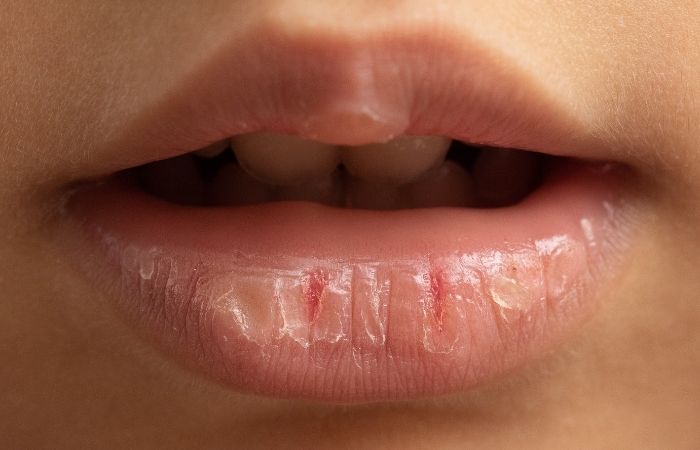
Most oral chlamydia cases show no symptoms, but when they do, they can look exactly like a mild sore throat, a touch of strep, or even acid reflux. For trans and gender-diverse people whose voices may already fluctuate due to hormones or dysphoria-related behaviors (like frequent clearing of the throat), symptoms often go unnoticed or are misattributed.
People are also reading: Cheap Herpes Tests vs Accurate Ones: What’s the Price?
Why Trans People Are More Likely to Be Misdiagnosed or Missed
Healthcare providers often base their screening on gender assumptions and outdated sexual behavior checklists. If you don’t disclose receptive vaginal or anal sex, they may not test for chlamydia at all, let alone at your throat. Worse, many clinics don’t routinely offer throat swabs for chlamydia or gonorrhea unless you explicitly ask.
In one CDC study, nearly 70% of oropharyngeal chlamydia infections were missed because testing was only done genitally. And among trans patients, especially those not “out” about their anatomy or sex practices, these gaps are even more pronounced.
Let’s say Alex, a transmasc person, goes to urgent care for a sore throat. The provider sees “M” on the ID, hears no mention of vaginal or anal sex, and chalks it up to allergies. No STD screen. No follow-up. Just a misdiagnosis, and potentially more days of spreading the infection unknowingly.
| Misstep | What Happens | Why It Matters |
|---|---|---|
| No throat swab done | Oral chlamydia goes undetected | Infection continues silently |
| Screening only for “binary” sex acts | Trans patients under-tested | False sense of safety |
| Symptoms dismissed as cold or reflux | No STD test offered | Delayed diagnosis and treatment |
Table 1. Common ways oral chlamydia gets missed in trans and nonbinary patients.
Order Now $129.00 $343.00 Check Your STD Status in Minutes
Test at Home with Remedium
7-in-1 STD Test Kit
 For Men & Women
 Results in Minutes
 No Lab Needed
 Private & Discreet
For all 7 tests
What Oral Chlamydia Feels Like, If You Feel Anything at All
Most of the time, you won’t feel a thing. That’s part of what makes it so tricky. But when symptoms do show up, they might include:
A scratchy throat that won’t go away. A slight burning sensation when swallowing. Redness at the back of the mouth. Swollen lymph nodes in the neck. Or even white patches that resemble strep, but aren't. These symptoms are vague enough that most people chalk them up to a mild infection, especially if they don’t remember doing anything “high risk.”
For example, Juno (they/them), a 31-year-old transfem person, felt like they were “coming down with something” after a hookup. No fever. Just a scratchy throat. A week later, still no improvement. They Googled “oral sex sore throat STD,” landed on a Reddit thread, and found that others had tested positive for oral chlamydia without symptoms. A self-ordered throat swab came back positive.
This kind of story isn’t rare. In fact, one study found that up to 75% of oral chlamydia cases are asymptomatic, which means most people carrying it don't even know they’re contagious.
Who’s at Risk? (Spoiler: It’s Not About Gender)
Chlamydia doesn’t care about your gender identity. What matters is anatomy, exposure, and behavior. If your mouth comes into contact with a penis, vagina, or anus carrying chlamydia, even briefly, you can get it. Period.
This risk applies to:
, Trans women giving oral sex to partners with penises , Trans men receiving oral sex from infected partners , Nonbinary folks of any configuration engaging in oral-genital or oral-anal contact , Anyone sharing sex toys without cleaning them
The idea that "only cis women" or "only receptive anal partners" get chlamydia is outdated and dangerous. It keeps trans people from getting tested when they should. It also increases the chance of reinfection, since partners often don't get treated together.
| Sex Act | Chlamydia Risk | Requires Ejaculation? |
|---|---|---|
| Giving oral to a penis | High (if partner is infected) | No |
| Giving oral to a vulva | Moderate to high | No |
| Rimming (oral-anal) | Moderate | No |
| Kissing or licking toys post-use | Low to moderate | No |
Table 2. Risk of chlamydia from different oral activities. Ejaculation is not necessary for transmission.
How to Actually Test for Oral Chlamydia, Without the Runaround
Let’s be real: if you're trans, nonbinary, or gender-diverse, walking into a clinic and saying, “I think I need a throat swab for chlamydia” can be... complicated. You might be met with blank stares, incorrect assumptions, or worse, dismissive attitudes that make you question why you came in the first place.
But here’s the truth: you deserve care that matches your body and your behavior. If you've given or received oral sex and you're experiencing symptoms, or even if you're just not sure, getting tested is a smart, proactive move. And yes, you can do it from home.
STD Rapid Test Kits offers discreet at-home kits, and some of them now support throat swabs for STDs like chlamydia and gonorrhea. Not every rapid test covers throat infections, so read the product description carefully or go for a combo test that includes multiple swab types. Here's the breakdown:
| Test Type | Can Detect Oral Chlamydia? | Sample Type | Turnaround Time |
|---|---|---|---|
| At-home rapid test (basic) | Usually no | Urine or genital swab | 10–15 minutes |
| Mail-in lab test (combo) | Yes | Throat swab, urine, rectal swab | 2–5 days after mailing |
| Clinic NAAT/PCR test | Yes | Throat swab | 1–3 days |
Table 3. Which STD tests detect oral chlamydia and how they work.
If you can’t access a clinic or want more privacy, a combo test kit that includes a throat swab is your best option. These kits ship discreetly and allow you to collect your sample at home and send it to a certified lab.
Don’t let a lack of symptoms fool you into skipping the test. Many cases go completely unnoticed and only get detected when a partner tests positive. Testing isn’t just about peace of mind, it’s how you protect your partners, too.
What Happens If You Test Positive for Oral Chlamydia?
First, take a deep breath. Testing positive doesn’t mean you’re dirty or reckless, it means you’re informed. You caught something that a lot of people never even think to look for. And you can treat it.
Oral chlamydia is usually treated with antibiotics like doxycycline or azithromycin. The dosage and duration may vary depending on whether the infection is isolated to the throat or also present genitally or rectally. Most importantly, your provider needs to know the location of the infection. That’s why it matters that you tested the right site in the first place.
If your test was done through a clinic, they’ll usually prescribe antibiotics directly. If you tested at home, some services include telehealth follow-up or a PDF you can bring to your doctor. It’s okay to say, “I tested positive for chlamydia from a throat swab. I need treatment.” You don’t owe them a breakdown of your entire sex life.
And yes, you should tell any recent partners. It's awkward. It's vulnerable. But most people would rather hear it from you than from a nurse days later. Plus, untreated chlamydia can spread back and forth between partners, even through kissing if there’s oral involvement and open lesions.
Here’s what it looked like for Shay, a 33-year-old transfem person: “I texted my ex and just said, ‘Hey, I tested positive for oral chlamydia. I don’t know if I had it when we hooked up, but I wanted you to know in case you want to get checked too.’ He thanked me. It was uncomfortable, but it made me feel responsible and less alone.”
Tested positive and don’t know what to do? This combo test kit includes discreet retesting if symptoms return or you're unsure whether treatment worked.
People are also reading: Herpes With No Symptoms: What You Need to Know About Asymptomatic Infection
Can You Get Reinfection from Oral Sex?
Short answer: yes. Even after successful treatment, you can get reinfected if your partner wasn’t treated or if you have oral sex again with someone who’s carrying chlamydia. Reinfection isn’t a moral failure, it’s just bacteria doing what bacteria do.
The CDC recommends retesting three months after treatment, not because the meds didn’t work, but because reinfection is common. If your symptoms return earlier or you have new exposures, test again sooner. You don’t have to wait to feel sick. If you’ve had oral sex with someone whose STD status is unknown, it’s totally valid to screen again within weeks, especially if you’re in a new or non-monogamous relationship.
This is especially important for trans and nonbinary folks who may face gaps in care. If you’re on hormones or have had gender-affirming surgeries, know that those things don’t increase or decrease your STD risk directly. But they can change the way symptoms present, and how providers interpret them. That’s why retesting is your safety net.
One reader described getting treated, then making out with a new partner a month later and giving oral for “just a second.” Two weeks after that, the throat pain came back. This time, they knew what to do. They retested, positive again. No shame, just action.
Still wondering if it's too soon or too late to test? Let this be your sign: peace of mind is one swab away.
Check Your STD Status in Minutes
Test at Home with Remedium6-in-1 STD Test Kit
 For Men & WomenResults in MinutesNo Lab NeededPrivate & Discreet
Order Now $119.00 $294.00
For all 6 tests
Your Gender Doesn’t Change the Science, But It Should Change the Conversation
If you take nothing else from this guide, let it be this: chlamydia doesn’t care about gender. But healthcare should. Testing, education, and prevention need to be tailored to the real lives people live, not just the categories on an intake form.
Oral sex is real sex. STDs like chlamydia can live in the throat. Trans people, nonbinary people, gender-expansive people, we all deserve testing options that respect our bodies, behaviors, and boundaries.
Whether you’ve got a tickle in your throat, a partner who just tested positive, or a gut feeling that something’s off, there’s no harm in checking. In fact, it might just be the kindest thing you do for yourself and your partners.
If you’re ready to take that step, this discreet combo test kit includes throat swabs and clear results, no clinic required.
FAQs
1. Can I really get chlamydia in my throat from oral sex?
Yes, 100%. And no, it doesn't matter what your gender is or whether there was ejaculation. If your mouth touches someone’s genitals or butt and they’re carrying chlamydia, even if they don’t know it, you can end up with the bacteria in your throat. It’s sneaky, it’s quiet, and it’s way more common than most people realize.
2. What does oral chlamydia actually feel like?
Honestly? Most people don’t feel anything. That’s why it spreads so easily. But when symptoms do pop up, they tend to be subtle: a scratchy throat that lingers, a weird taste in the back of your mouth, maybe some swollen neck glands. Think “mild sore throat” meets “this doesn’t feel quite right.” Not dramatic. Not obvious. But still worth checking out, especially if you’ve had oral sex recently.
3. Is this something only cis people have to worry about?
Nope. Chlamydia doesn’t check your pronouns before it infects you. What matters is exposure, not identity. Trans men, trans women, nonbinary folks, anyone who gives or receives oral sex, you’re in the game. If your provider says otherwise, they’re wrong. Period.
4. I tested negative from a urine test. That means I’m good, right?
Not necessarily. Urine tests only catch genital chlamydia. If the infection’s hanging out in your throat, and you never swabbed there, it won’t show up. This is why so many people stay infected without realizing. It’s not you, it’s the testing gap. You might need a separate throat swab to know for sure.
5. Can I test for this at home without dealing with a weird clinic?
Absolutely. There are combo test kits that let you swab your throat, pack it up, and send it off to a certified lab. No waiting room. No awkward questions. Just discreet shipping and results sent privately. If you're looking for peace of mind without the in-person hassle, that’s your move.
6. Do I really have to tell my partner if I test positive?
Look, it’s awkward. But it’s also a power move. You’re showing up for your health and theirs. Most people are grateful to be told, especially when it’s done calmly: “Hey, I just found out I had oral chlamydia. You might want to get checked too.” No drama. No blame. Just care.
7. Can I get it again after treatment?
Yup. Getting treated doesn’t make you immune. If your partner didn’t get treated too, or if you have another exposure, it can come right back. Think of it like a loop. Break it by making sure everyone involved is treated and cleared before re-hooking up.
8. Is kissing someone risky if I have oral chlamydia?
The jury’s still out, but most experts say it’s a low risk. Chlamydia usually needs genital or rectal mucosa to really stick. That said, if you’ve got visible symptoms in your mouth or throat, it’s better to wait until you’re treated just to be safe. And let’s be honest, your makeout partner probably deserves to know what’s up.
9. How long after oral sex should I wait before testing?
Give it at least 7 days to be sure the bacteria shows up. Two weeks is even better for accuracy. If you test too soon and it comes back negative, don’t panic, but plan to retest. The window period matters more than the stress spiral.
10. I'm on hormones, does that change how chlamydia works?
Not in a major way. Hormones like estrogen or testosterone don’t block or boost your risk for chlamydia. What matters is the kind of sex you have and where it happens. That said, hormones might affect things like tissue sensitivity or how symptoms feel. So it’s still smart to test based on behavior, not just assumptions.
You Deserve Answers, Not Assumptions
If you've made it this far, you already know more about oral chlamydia than most people, including some healthcare providers. That’s not your fault. The system doesn't always ask the right questions, especially when it comes to queer and trans bodies. But you asked, and that already puts you ahead.
Don’t let silence, shame, or uncertainty stop you from getting the clarity you deserve. Whether you have symptoms or not, a discreet, accurate test can bring you peace of mind, and maybe protect someone you care about, too.
This at-home combo test kit includes options for throat testing. It ships in plain packaging, doesn’t require a doctor visit, and helps you get answers quickly and privately.
How We Sourced This Article: We combined current guidance from leading medical organizations with peer-reviewed research and lived-experience reporting to make this guide practical, compassionate, and accurate.
Sources
1. CDC – Chlamydia: Detailed Fact Sheet
2. Planned Parenthood – What Is Chlamydia?
3. LGBTQ+ Health Education Center – Inclusive STD Testing Guidelines
4. About STI Risk and Oral Sex – CDC
6. Chlamydial Infections – NCBI Bookshelf (NIH)
7. STIs and Oral Sex – American Sexual Health Association
8. Pharyngeal Chlamydia trachomatis in MSM – PubMed Central
About the Author
Dr. F. David, MD is a board-certified infectious disease specialist focused on STI prevention, diagnosis, and treatment. He blends clinical precision with a no-nonsense, sex-positive approach and is committed to expanding access for readers in both urban and off-grid settings.
Reviewed by: Jordan Vega, NP | Last medically reviewed: January 2026
This article is only meant to give you information and should not be taken as medical advice.


