





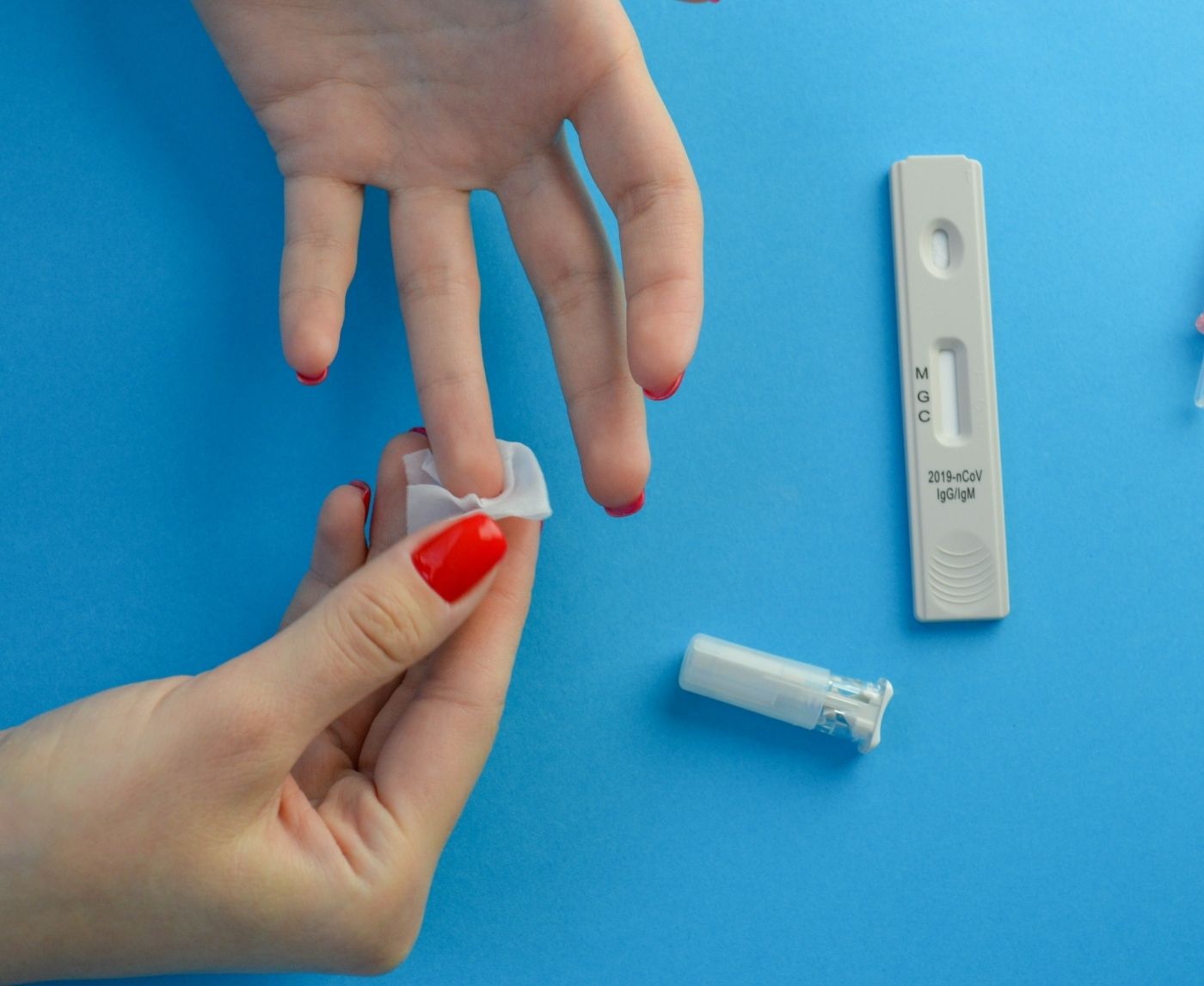

Quick Answer: Tell your partner you tested positive for chlamydia as soon as possible, using direct, non-blaming language. Offer to answer questions, share testing information, and discuss next steps like treatment or retesting together.
Why This Moment Feels So Big (And Why You’ll Get Through It)
There’s a reason your chest feels tight and your mind is spinning. Telling someone about an STD diagnosis cuts into all our cultural hang-ups: shame, rejection, guilt, fear of being seen as “risky” or “unclean.” Even if you know better, those emotions sneak in. Maybe this isn’t your first conversation like this. Maybe it is. Either way, the fear is real, and it’s survivable.
Chlamydia is the most commonly reported bacterial STD in the U.S., affecting over 1.6 million people annually according to the CDC. And most of those people had to tell a partner. So you’re not alone, not in your diagnosis, and not in the conversation you're about to have.
This article will walk you through when to tell, how to say it, what to expect emotionally, and how to navigate treatment and trust. We’ll break down scripts, explore real examples, and help you move through this moment with clarity, not fear.
Timing the Talk: Sooner Is Kinder (Even If It’s Awkward)
There’s never a “perfect” time to say, “Hey, I tested positive for chlamydia.” But waiting too long makes it worse, for them and for you. The longer a partner doesn’t know, the more likely they are to develop complications like or pass it on unknowingly. Plus, the silence builds guilt. Your future self will thank you for ripping off the Band-Aid now.
Let’s say you just got your results. If you’re in regular contact with the person you’ve been sexually active with, whether that’s a committed partner, a new situationship, or a casual hook-up, it’s best to tell them within 24 to 48 hours. The longer the gap between testing and telling, the more confused they’ll be about timing, trust, and next steps.
If you’re no longer in touch? You still have options, including anonymous notifications, which we’ll get to shortly.
| Situation | Best Time to Disclose | Notes |
|---|---|---|
| Current partner (committed or casual) | Within 24–48 hours of receiving results | Allows for testing, treatment, and trust repair |
| New hookup (past 1–2 weeks) | Within 3 days | Keep message short and non-accusatory |
| Ex or one-time encounter | Within 7 days | Use anonymous notification if needed |
Figure 1: Timing table for disclosure based on relationship context.

People are also reading: Can Cold Sores Really Give You Herpes Down There?
Case Study: “I Thought I’d Lose Her If I Told Her”
Leon, 27, had just started dating someone he really liked, someone he didn’t want to lose. “I got tested after a routine check, and it came back positive. I hadn’t slept with anyone else since we met, but I wasn’t sure if I had it before or after. I panicked. I didn’t want her to think I’d cheated.”
“I sat on it for two days, sweating through every interaction. I couldn’t eat. Finally, I just said, ‘Can we talk for a sec? I got tested like I always do, and chlamydia came back positive. I have no idea when I got it, but you deserve to know so you can test too.’”
She cried. But she also thanked him. They got tested together. She was negative. And they’re still together. “She told me it wasn’t the STD that scared her, it was the idea I wouldn’t be honest,” he said.
Transparency isn’t a threat to connection. It’s proof of care.
Check Your STD Status in Minutes
Test at Home with Remedium7-in-1 STD Test Kit
 For Men & Women
 Results in Minutes
 No Lab Needed
 Private & Discreet
Order Now $129.00 $343.00
For all 7 tests
What (and What Not) to Say: Real Talk Scripts
It helps to have the words in your mouth before you’re in the moment. Whether you’re texting, calling, or saying it face to face, the goal is clarity, calm, and collaboration, not blame or apology overload.
Here are a few examples that keep things honest, grounded, and focused on shared safety:
Script 1 (Straightforward, calm): “I just got my test results back, and I tested positive for chlamydia. I’m letting you know so you can get tested too. I’m getting treated, and it’s totally curable, but I wanted to tell you right away.”
Script 2 (If you're unsure who gave it to whom): “I found out I have chlamydia. I honestly don’t know when I got it, and I’m not trying to point fingers. I just want you to know so we can both take care of ourselves.”
Script 3 (If they might react with denial or blame): “I want to talk to you about something. I tested positive for chlamydia. I’m not accusing you of anything, I just care enough to be honest with you so you can decide what you need to do next.”
Remember: you don’t have to answer invasive questions or justify your testing. Keep the focus on mutual care, not history digging.
And if they react poorly? That’s not your fault. Their fear or defensiveness doesn’t erase your right to advocate for your health, or theirs.
When It’s Not Safe to Talk Directly
If you’re worried about your physical or emotional safety, or you suspect they may react with aggression, control, or harassment, don’t have the conversation in person. You can still notify them, but protect yourself first.
Many public health departments and private services offer anonymous partner notification tools. These allow you to enter their contact info and send a pre-written alert saying they may have been exposed to an STD. It’s discreet, fast, and never reveals your identity.
One well-known service is TellYourPartner.org, which lets you send anonymous texts about possible exposure. It’s run by a team of sexual health professionals and has been used by thousands of people in situations just like this.
You can also contact your local health department to request a Disease Intervention Specialist, who can notify partners for you without revealing your name.
If you need immediate emotional support, confidential hotlines like the Love Is Respect project or the RAINN hotline are available 24/7.
Can I Still Be in a Relationship After This?
This is the quiet fear under everything: will this ruin us? Will they leave me? Can we even have sex again? The answer, most of the time, is yes. And yes again.
Chlamydia is bacterial, treatable, and usually doesn’t cause long-term harm if caught early. With a short course of antibiotics, often a single dose or a 7-day regimen, it clears. What lingers, more often, is the emotional aftermath: guilt, suspicion, awkwardness in the bedroom.
But if your partner cares about you, and if your connection includes real communication, this doesn’t have to end anything. In fact, navigating this moment with honesty can strengthen your bond. It’s not about perfection. It’s about protecting each other.
In situations where you were both sexually active outside the relationship, talk about timelines. If you’re monogamous, address how to prevent reinfection and make space for healing if there’s been betrayal. Either way, follow-up testing and shared treatment planning can shift the focus from “who caused this” to “how do we move forward together?”
| Emotional Question | Healthy Reframe |
|---|---|
| “Will they think I’m dirty?” | Testing and disclosure = responsibility and care |
| “Can we still be intimate?” | Yes, after treatment, with clear communication |
| “Do I deserve to date at all?” | Yes. STDs are common and do not define your worth |
Figure 2: Common emotional spirals and trauma-aware reframes.
What If They Gave It to Me?
Sometimes the twist of the knife comes from realizing: wait… this didn’t start with me. Maybe you got tested out of routine and found something your partner didn’t even know they had. Maybe you trusted someone who broke that trust. Maybe it’s just unclear.
Here’s what’s true: most people with chlamydia never show symptoms. They’re not hiding it on purpose. They often don’t know. And transmission can happen even with condom use if there’s contact with infected fluids.
If you suspect your partner gave it to you, intentionally or not, you have every right to ask questions. But before launching accusations, pause. Focus on what you both need now: information, testing, and treatment. If they’re defensive, that says more about their maturity than your approach.
If you choose to stay in the relationship, make a plan together. Discuss retesting after treatment. Talk about how you’ll handle protection going forward. Trust isn’t about never making mistakes. It’s about what happens next.
And if you choose to leave? That’s valid too. No one is obligated to stay in a situation that feels unsafe, disrespectful, or confusing.
When They Refuse to Get Tested
This is harder than it should be, but it happens. Sometimes a partner refuses to get tested. They don’t believe you. They think they’d “know” if something was wrong. Or they shut down out of shame or avoidance. None of that means you did the wrong thing by telling them.
All you can do is inform them and encourage them. You are not responsible for whether they act on it. What you are responsible for is protecting yourself. That might mean pausing intimacy until you both test negative post-treatment. It might mean walking away if they refuse to engage in care.
If they react with gaslighting, accusing you of lying, overreacting, or being dramatic, it’s okay to disengage. You deserve medical care and emotional respect. One doesn’t cancel out the other.
If things escalate and you feel unsafe, remember: anonymous partner notification through health services is always an option. You don’t have to fight for your truth alone.
How to Move Forward, Together or Alone
Once the dust settles, what comes next is healing. If you and your partner are still on the same page, talk about boundaries and prevention. Think about taking the test again in three months. Find out if you need to talk about monogamy, open status, or any other agreements again. This should be a turning point, not a stopping point.
If you're going solo after this? You still did the right thing. You showed integrity. You protected someone else’s health. You stood in your truth when it would have been easier to disappear. That’s not weakness, that’s strength.
And when you’re ready, dating again doesn’t have to be terrifying. Disclosure gets easier. Confidence comes back. And you now know what it means to show up fully, even when it’s hard.
If you’re still uncertain or want to confirm your results, a discreet at-home kit can help you move forward. Get a reliable chlamydia test kit here and take the next step in private.

People are also reading: I Got a Faint Line on My HIV Test, Then a Negative Later
When You’re the One Who Infected Them
There’s a specific kind of grief that hits when you realize you passed something on to someone you care about. Even if it was accidental. Even if you didn’t know. Even if you were just as vulnerable as they are now.
This is where accountability and compassion meet. Start with, “I’m so sorry. I didn’t know I had it. I would never have risked you on purpose.” Don’t let shame make you small. Let empathy make you honest.
Offer to get tested together. Offer to support their treatment. Apologize without self-flagellation. Remember, chlamydia is curable, but relationships only survive if you meet the hard moments with truth, not avoidance.
And if the roles were reversed? Wouldn’t you want the same grace?
Check Your STD Status in Minutes
Test at Home with Remedium6-in-1 STD Rapid Test Kit
 For Men & WomenResults in MinutesNo Lab NeededPrivate & Discreet
Order Now $119.00 $294.00
For all 6 tests
Getting Re-tested: Protecting Both of You
After your initial diagnosis and treatment, retesting is important. The CDC recommends testing again three months after treatment, even if symptoms clear. Reinfection is common, especially if a partner wasn’t treated or if you resumed sexual activity before the antibiotic fully cleared the bacteria.
Here’s what a follow-up testing timeline might look like:
| When | What to Do | Why It Matters |
|---|---|---|
| Immediately after diagnosis | Begin treatment (antibiotics) | Clears infection, reduces transmission risk |
| Within 1 week | Notify partner(s), abstain from sex | Prevents reinfection and complications |
| After 3 weeks (if symptoms persist) | Follow-up test if still symptomatic | Confirms resolution or flags possible resistance |
| After 3 months | Retest regardless of symptoms | CDC-recommended to catch reinfection |
Figure 3: Follow-up testing and treatment timeline for chlamydia.
If your partner got treated too, encourage them to follow this same path. And if they didn’t? That retest is even more crucial.
FAQs
1. Do I seriously have to tell them?
Yeah, you do. It’s not about guilt, it’s about respect. If someone had info that could affect your health, you’d want them to speak up, right? Telling them doesn’t mean you’re the villain. It means you care for people, even when it's hard.
2. What if I got it from them in the first place?
Honestly? That’s pretty common. Most people with chlamydia don’t know they have it, so it’s easy to pass around without meaning to. You might’ve both been carrying it unknowingly. Try not to turn it into a detective drama. Focus on getting treated, staying clear, and keeping communication open.
3. Can I just text them?
Totally. If saying it out loud makes you want to crawl into the floorboards, a well-worded text is 100% legit. Something like, “Hey, I just got tested and found out I have chlamydia. Wanted to let you know so you can take care of yourself too.” Short, honest, no drama.
4. What if they flip out or blame me?
Their reaction isn’t your responsibility. You’re showing up with the truth, what they do with it is on them. If someone goes nuclear or tries to make you feel small for getting tested and being real? That’s their shame talking, not your problem. You get to walk away with your dignity intact.
5. How long do we have to wait to have sex again?
After treatment, give it at least 7 days before any kind of sex. That’s the window most doctors agree on to avoid passing it back and forth like a nasty game of ping-pong. If both partners finish treatment and wait, you’re good to go again.
6. Can I catch it again from the same person?
Unfortunately, yes. If your partner doesn’t get treated, or if they skip the retest and still have it, you could get reinfected. It’s like hitting reset on the whole thing. That’s why telling them (and making sure they actually follow through) matters so much.
7. What if I already took antibiotics before I told them?
You still need to tell them. Your treatment doesn’t protect them if they’re still infected. This isn’t a “clean up and move on” situation, it’s a loop. And unless you close it together, someone’s going to end up back in the same spot.
8. Do I have to tell every hookup from the last year?
Not quite. The general rule is to notify anyone you’ve had sex with in the past 60 days. If you haven’t had sex in that timeframe, go back to the last partner before that. A health provider can help you figure it out, or you can use anonymous services if it feels too intense.
9. Can I still date after this?
Yes. Yes. A million times yes. Having chlamydia doesn’t make you untouchable. It makes you human. Real talk? More people have had STDs than admit it. The ones worth your time won’t judge you, they’ll appreciate that you’re honest, informed, and proactive.
10. How long does chlamydia stay in your body if untreated?
It can stick around quietly for months, sometimes longer. That’s the trap: no symptoms doesn’t mean no infection. That’s also why testing (and retesting) is your power move. Left untreated, it can cause serious complications like infertility or chronic pain. Don’t wait it out. Treat it, clear it, move on.
You’re Not Alone, And You’re Not Broken
There’s no perfect way to have “the talk.” It might feel messy. It might shake your voice. But what you’re doing matters. You’re owning your health. You’re respecting theirs. And you’re stepping into the kind of courage most people only wish they had.
Whether they thank you, ghost you, or meet you at the clinic, what you did was right. And if you're still in doubt, remember: you can retest, regroup, and move on. Discreet, affordable, and fast test kits are available to help you take that next step, without waiting for a doctor’s appointment.
Don’t let fear decide what happens next. Get retested with our at-home chlamydia kit or invite your partner to do the same. It’s fast, private, and doctor-trusted.
How We Sourced This Article: We combined current guidance from leading medical organizations with peer-reviewed research and lived-experience reporting to make this guide practical, compassionate, and accurate.
Sources
2. Planned Parenthood – What is Chlamydia?
3. Chlamydial Infections - STI Treatment Guidelines (CDC)
4. Chlamydia trachomatis - Diagnosis and Treatment (Mayo Clinic)
5. Next Steps After Testing Positive for Gonorrhea or Chlamydia (CDC)
6. How To Tell Someone That You Have an STD or STI (Cleveland Clinic)
7. Conversation Tips for Talking About STIs (CDC)
8. Expedited Partner Therapy (CDC)
About the Author
Dr. F. David, MD is a board-certified infectious disease specialist focused on STI prevention, diagnosis, and treatment. He blends clinical precision with a no-nonsense, sex-positive approach and is committed to expanding access for readers in both urban and off-grid settings.
Reviewed by: Tessa Lin, MPH | Last medically reviewed: January 2026
This article is only meant to give you information and should not be taken as medical advice.


