







Quick Answer: Untreated chlamydia in people over 50 can lead to serious complications like chronic pelvic pain, infertility, reactive arthritis, or eye infections, even if symptoms seem minor or disappear entirely.
Why This Article Matters More Than You Think
STDs in people over 50 aren’t rare. They’re under-discussed. Many older adults assume they’ve “aged out” of the STI conversation, but the truth is, immunity doesn't come with age, and symptoms in this age group are often subtle or misdiagnosed.
Some never feel symptoms at all. Others chalk up discomfort to aging: vaginal dryness, prostate issues, arthritis. Doctors may misattribute symptoms too, especially when patients are reluctant to share details about their sex lives. The result? Untreated chlamydia that lingers and spreads, not just to partners, but deeper into the body.
This guide breaks down what happens when chlamydia isn’t treated in older adults, what signs might be easy to miss, and why quick testing matters, no matter how old you are or how long it’s been since your last new partner. And if you’ve already tested positive and don’t know what comes next? We’ll walk you through that too.
The Silent Infection: Why Chlamydia Often Goes Unnoticed in Older Adults
Chlamydia is sometimes called the “silent” STD because it rarely screams. Instead, it whispers, or says nothing at all. In younger adults, it may show up as burning during urination or abnormal discharge. But in older bodies, symptoms can look different, or disappear completely. That’s partly due to physiological changes like thinning vaginal tissue, reduced mucosal immunity, and hormonal shifts after menopause or andropause.
Ken, 58, had lower back pain and occasional testicular discomfort for nearly a year before he saw a doctor. “I figured it was age catching up with me,” he admitted. When a urologist finally ran a full panel, the surprise wasn’t just chlamydia, it was how long it had likely been in his system.
Here’s why that matters: untreated chlamydia can travel. In women, it may ascend into the uterus and fallopian tubes, causing pelvic inflammatory disease (PID). In males, it may cause inflammation of the epididymis, resulting in persistent scrotal pain or reproductive complications. It can also cause systemic reactions in all bodies, such as reactive arthritis or conjunctivitis, even years after the first exposure.

People are also reading: I Felt Fine, But I Had Chlamydia: Why Silent STDs Are So Common
What Happens If You Don’t Treat Chlamydia After 50?
While untreated chlamydia is a risk at any age, the consequences can be more severe, and more complicated, for older adults. Here’s a breakdown of potential outcomes when the infection lingers silently in the body:
| Complication | What It Means | Who’s at Risk |
|---|---|---|
| Pelvic Inflammatory Disease (PID) | Chlamydia spreads to reproductive organs, causing pain, scarring, and infertility. | People with a uterus, especially those who have gone through menopause and may not notice early signs. |
| Epididymitis | The tube in the back of the testicle is inflamed, which causes pain and swelling. | Older men with persistent testicular discomfort or misdiagnosed prostate issues. |
| Reactive Arthritis | Autoimmune reaction causing joint pain, often in knees, ankles, and feet. | Anyone, but more common in those genetically predisposed (e.g., HLA-B27 positive). |
| Conjunctivitis (Eye Infection) | The infection can spread to the eye, which could cause redness, discharge, or problems with vision. | Can happen through hand-eye contact after genital exposure. |
| Chronic Genital Pain | Long-term discomfort or pain, even after the infection clears. | All genders; often overlooked or misattributed to aging. |
Table 1: Potential long-term complications of untreated chlamydia in older adults. Many of these are preventable with early diagnosis and treatment.
How Long Can Chlamydia Stay in the Body Without Treatment?
There’s no single timeline for how long chlamydia can linger, because it depends on your body, your immune system, and whether you’re re-exposed. But here’s what we know: chlamydia does not “go away on its own” reliably. Studies show it can persist for months or even years, particularly in people who don’t have overt symptoms to flag it.
A 2023 study in the journal Sexually Transmitted Infections followed adults over 45 with undiagnosed chlamydia and found active infections lasting more than 18 months in some cases. Another study from the CDC found that 15% of older patients diagnosed with chlamydia had clinical signs of long-term complications like arthritis or pelvic inflammation at the time of diagnosis.
This means early testing matters, not just for avoiding transmission, but for protecting yourself from damage you might not feel until it’s too late.
And if you’re wondering: can your body clear it naturally? Technically, yes, some people’s immune systems may eventually suppress the infection. But without antibiotics, there’s no way to know for sure. Meanwhile, the infection continues to cause silent damage and puts partners at risk.
Check Your STD Status in Minutes
Test at Home with Remedium6-in-1 STD Test Kit
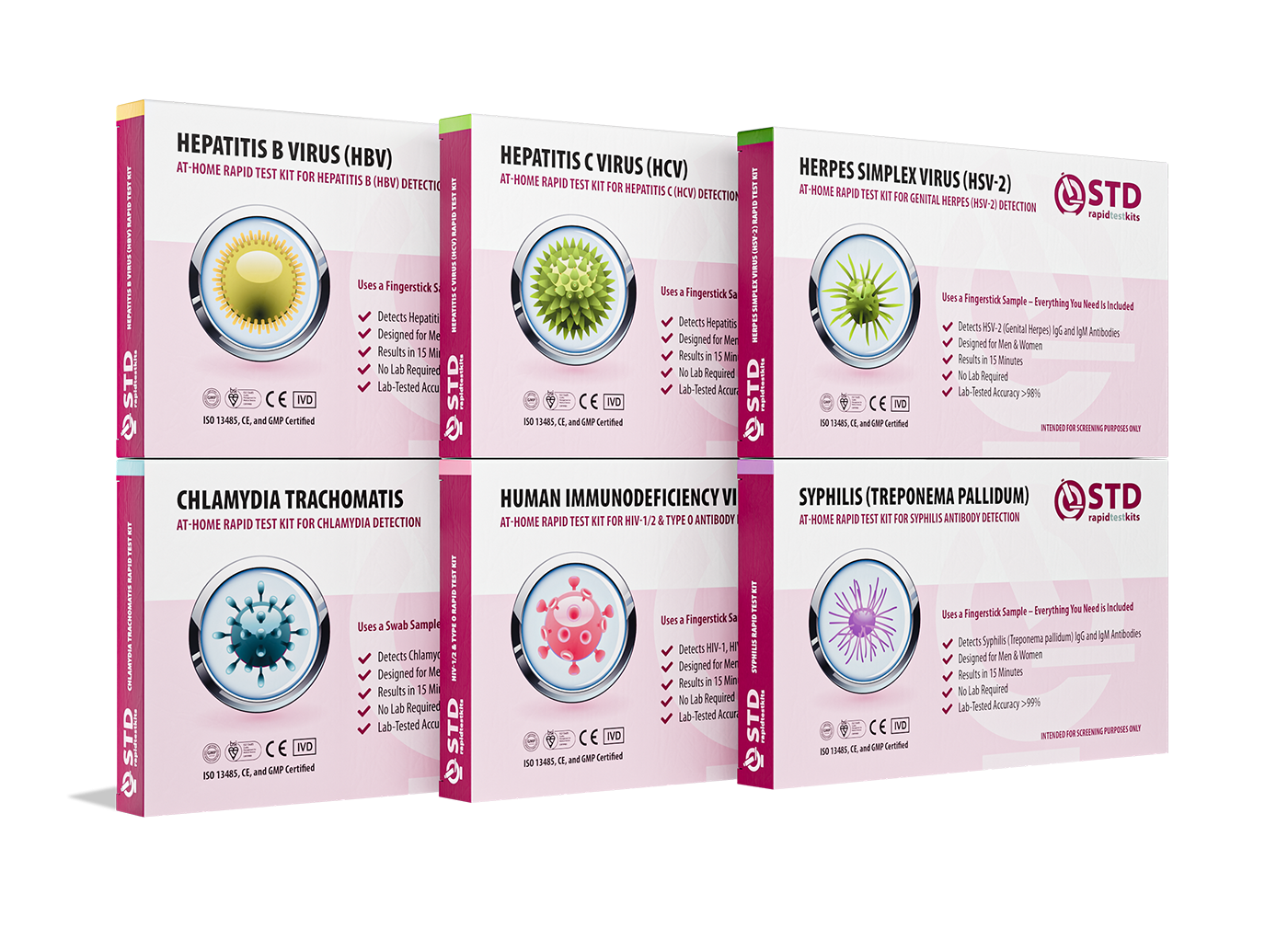
 For Men & Women
 Results in Minutes
 No Lab Needed
 Private & Discreet
Order Now $119.00 $294.00
For all 6 tests
Why It’s Easy to Miss: Chlamydia Symptoms vs. Aging Bodies
“I didn’t think I could get something like that anymore,” said Dennis, 67, after learning his chlamydia test was positive. He’d been dealing with mild discomfort during urination for months and assumed it was related to his prostate medication. His urologist initially thought so too. It wasn’t until his new partner tested positive that he got checked.
This confusion is common. Many symptoms of chlamydia overlap with age-related changes or chronic conditions, especially in the genitourinary system. Postmenopausal individuals may experience vaginal dryness, spotting, or burning, which mimic chlamydia symptoms. Older men may assume testicular pain or urinary changes are prostate-related. Add in the social stigma of discussing sex over 50, and it’s easy to see why diagnoses get missed or delayed.
In a survey by the American Sexual Health Association, over 40% of adults aged 55 and older said they hadn’t been tested for STDs in the past decade, even with new or multiple partners. The same survey found that 1 in 3 believed STD testing “wasn’t relevant anymore.” That’s a dangerous myth.
Testing After 50: What You Need to Know
Testing for chlamydia after 50 isn’t fundamentally different from testing at 25, but the way you talk to your provider, your risk factors, and your comfort with at-home options might be. For starters, you don’t need to “feel sick” or have symptoms to justify getting tested. If you’ve had a new partner, changed partners, or had a partner who tested positive, that’s reason enough.
Most tests use nucleic acid amplification (NAAT), a highly accurate method using a urine sample or a vaginal/cervical swab. These are the same tests used in clinics, labs, and some mail-in kits. Rapid antigen-based tests are also available and work best when symptoms are present, but they may require confirmatory testing if results are unclear or timing is suboptimal.
The good news? You don’t need to explain your sex life to a receptionist or sit in a waiting room if you don’t want to. Discreet at-home kits offer the same clinical-grade testing without the awkward small talk. STD Rapid Test Kits has a number of choices, such as a quick test for chlamydia and a larger combo kit for more than one STD.
Not Just a “Younger Person’s Problem”: STD Risk Over 50
Contrary to popular belief, STD risk doesn’t magically vanish with age. In fact, some factors increase vulnerability after 50:
| Risk Factor | Why It Matters After 50 |
|---|---|
| Vaginal or penile tissue thinning | Reduces natural barrier to infection, especially after menopause or andropause. |
| Lower condom use | Many older couples forego condoms, assuming pregnancy is no longer a concern. |
| Decreased immune response | Older immune systems may not clear infections as effectively. |
| Increased number of partners after divorce/widowhood | Dating later in life often involves new exposures and limited conversations about testing. |
| Healthcare provider assumptions | Doctors may not ask about sexual activity, leading to missed screenings. |
Table 2: Why older adults remain at risk for chlamydia and other STDs.
So no, this isn’t just a “young person’s infection.” The biology doesn’t care about your birthday. And neither should your testing plan.
“But I Feel Fine”: The Myth of No Symptoms = No Problem
One of the most damaging misconceptions about STDs, and chlamydia in particular, is the belief that no symptoms means no risk. In reality, chlamydia can quietly damage the body for months or years without noticeable warning signs. And when symptoms do appear, they’re often subtle: a twinge of pain, mild spotting, slightly cloudy urine. Easy to ignore, especially when you’re already dealing with age-related changes.
Helen, 71, had been celibate for years before reconnecting with an old flame. “It wasn’t wild,” she laughed. “Just gentle and sweet.” But weeks later, she noticed discharge she hadn’t had before. Her doctor initially suspected bacterial vaginosis. It wasn’t until she pushed for full STI screening that the chlamydia showed up. “I was embarrassed,” she said, “but also relieved to know what was wrong.”
The longer you wait, the more entrenched the infection can become. And if a partner also remains untreated, reinfection becomes a cycle. This is especially frustrating for older adults who may already be managing chronic conditions and now face the mental weight of another diagnosis.
That’s why early detection, even if it feels awkward, is your best defense.
Your Next Best Move: Testing with Privacy and Confidence
If you're reading this and feeling anxious, you're not alone. Many people over 50 report feeling embarrassed or dismissed when they ask for STD testing. But you shouldn’t have to justify your sexuality to anyone. You deserve answers, and you deserve them on your terms.
Testing from home eliminates many of the barriers older adults face: no judgmental stares, no awkward questions, no insurance worries. Just clarity. Explore discreet testing options here, whether you want a rapid test for peace of mind or a full panel for reassurance.
And if you test positive? We’ll cover what comes next in Part 3: treatment, partner communication, and long-term care.
What Happens If You Test Positive After 50?
It’s easy to panic when you see a positive result, especially if you didn’t expect it. But a chlamydia diagnosis at 50 or 60 doesn’t mean you’ve done something wrong. It means you now have the power to treat it, protect your partners, and move forward with knowledge.
Chlamydia is curable with antibiotics, usually a short course of doxycycline or azithromycin. For most people, symptoms (if present) resolve within a few days of starting treatment. What takes longer is the emotional hangover, the shock, the confusion, the fear of judgment.
Victor, 64, was nervous to tell his new partner. “I didn’t want her to think I was sleeping around,” he said. “But she appreciated that I was honest. Turns out, she hadn’t tested either.” They both got treated, tested again in six weeks, and came out the other side feeling closer, not farther apart.
The key steps after a positive test:
1. Start treatment immediately. Your provider or telehealth partner can guide you. Some at-home services include treatment options.
2. Notify any recent partners. Scripts and anonymous tools exist to help. You’re not alone in this step.
3. Retest after treatment. Usually recommended around 3 months later, or sooner if symptoms persist or you’re re-exposed.
4. Avoid sexual activity until cleared. This prevents reinfection or transmission to others.
Testing isn’t just about knowing. It’s about protecting your future self, your joints, your eyes, your reproductive health, and any partner you care about.
Will Chlamydia Come Back After Treatment?
Chlamydia can be cured with antibiotics, but it doesn’t create immunity. That means you can get it again, even from the same partner if they weren’t treated at the same time. For older adults, this often happens when one person gets diagnosed but doesn’t bring it up, or assumes treatment isn't needed unless symptoms are obvious. It's not about shame. It’s about missed communication.
Reinfection is more than inconvenient, it raises the risk of complications. Every untreated exposure increases the chance of pelvic inflammatory disease, chronic pain, or other long-term damage. That’s why partner treatment matters just as much as your own pills.
If you've been treated before but symptoms reappear, or a partner tests positive, don’t assume the meds “didn’t work.” Consider a repeat infection, or ask your provider about possible treatment resistance. And don’t wait for symptoms to test again. Trust your timeline, not just your feelings.

People are also reading: Can You Have HPV With No Symptoms
How Long Should You Wait to Retest?
Most medical guidelines say that people should be tested for chlamydia again about three months after treatment. You can use that timeline to make sure the infection is gone and check for a new one. But you might want to test sooner or more than once, depending on how risky your sexual activity is and any symptoms that are still there.
Here’s a general guide:
| Situation | Recommended Retest Window | Why It Matters |
|---|---|---|
| Completed treatment, no symptoms | 3 months post-treatment | Standard CDC guideline to rule out reinfection. |
| New partner after treatment | Within 2–4 weeks of new exposure | New risk = new potential exposure. |
| Persistent or returning symptoms | 2–3 weeks after finishing treatment | May indicate incomplete clearance or reinfection. |
| Partner tested positive after you did | 2–4 weeks post their treatment | Ensure you weren’t re-exposed by an untreated partner. |
Table 3: Retesting windows based on real-world scenarios after chlamydia treatment.
Testing is never a “one and done” thing if you’re sexually active. It’s part of regular health maintenance, like mammograms, colonoscopies, or blood pressure checks. The same way you manage cholesterol, you manage your sexual health: with information, not fear.
Check Your STD Status in Minutes
Test at Home with Remedium8-in-1 STD Test Kit
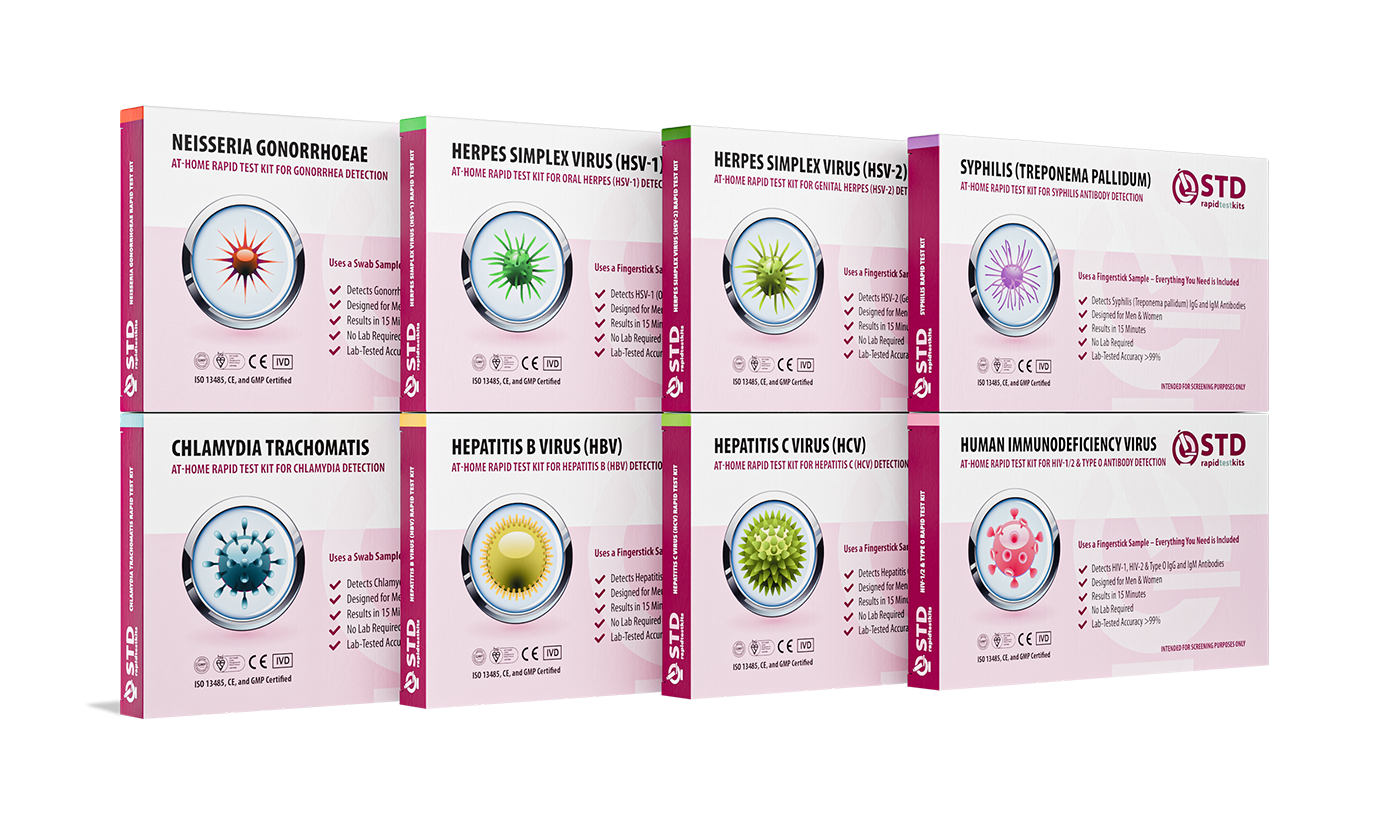 For Men & WomenResults in MinutesNo Lab NeededPrivate & Discreet
Order Now $149.00 $392.00
For all 8 tests
Take Back the Narrative: Sexual Health Over 50 Is Still Health
Sex doesn’t stop at 50. Neither does risk. But that doesn’t mean you should live in fear, or avoid intimacy. What it means is that you deserve modern tools, real answers, and compassionate resources to protect yourself.
Don’t let shame delay your healing. Don’t let assumptions from doctors, partners, or society keep you from testing. This home test kit checks for the most common STDs quickly and without drawing attention to itself. Because whether you’re 29 or 79, your health matters.
FAQs
1. Can chlamydia really hang around for years without me knowing?
Yep. And that’s what makes it so tricky. Chlamydia doesn’t always announce itself with burning pee or obvious discharge. For some people, especially over 50, it’s more like a slow simmer: a weird ache here, a little spotting there. We’ve seen cases where folks only found out because their partner tested positive, or because a doctor finally suggested a full panel. So yes, it can linger quietly for months or even years if no one’s looking for it.
2. But I don’t have any symptoms, should I still get tested?
If you’ve had a new partner, changed partners, or aren’t sure if your current partner has been tested, then yes. Symptoms aren’t the gatekeeper. Plenty of people, especially postmenopausal women and older men, have chlamydia with zero symptoms. That doesn’t mean it’s harmless. Think of testing like checking your blood pressure: just because you feel fine doesn’t mean everything’s good under the hood.
3. How do I even bring this up with my doctor at my age?
We hear this a lot, and here’s the thing, your doctor works for you. You don’t owe anyone an apology for being sexually active. If it helps, start with: “I’ve had a new partner and I want to make sure I’m staying on top of things.” If that feels awkward, skip the clinic entirely and test discreetly at home. No explanations required.
4. I’m postmenopausal, can I still get chlamydia?
Absolutely. Menopause doesn’t protect you from STDs. In fact, hormonal changes can thin vaginal tissue and increase your vulnerability to infection. That dryness or burning you’ve been blaming on menopause? It could be something else entirely. If sex suddenly starts feeling off, don’t write it off, rule it out.
5. Can older men get chlamydia too?
100%. We’ve talked to men in their 60s and 70s who assumed “that stuff’s for college kids.” Not true. Chlamydia doesn’t care if you’re on Viagra, divorced, or recently retired. And no, prostate meds don’t treat it. If you’ve had unprotected sex, even oral, you’re in the zone where testing makes sense.
6. Does chlamydia cause joint pain? Because my knees are killing me.
Believe it or not, yes. Chlamydia can trigger something called reactive arthritis, a kind of immune overreaction that messes with your joints, especially knees, ankles, and feet. If your pain started out of nowhere and you're also having weird urinary symptoms (or had an infection recently), it’s worth bringing up with a provider. This isn’t just “getting older.”
7. I’m embarrassed to tell my partner. What do I even say?
Totally fair, but here’s a script to steal: “I just found out I tested positive for chlamydia. It’s treatable, and I want us both to be healthy.” Keep it simple. Don’t spin, don’t blame. There are even anonymous partner notification tools if a direct convo feels unsafe. And remember, this happens more often than anyone admits out loud. You’re not the first, or the last.
8. What if I already took antibiotics for something else, could that have cleared it?
Maybe, but don’t bet on it. Some antibiotics overlap, but unless you were on the exact kind and dose used to treat chlamydia (like doxycycline or azithromycin), it likely didn’t fully clear. Worse, half-treating it can make symptoms vanish while the infection sticks around. If there’s any doubt, test again.
9. Should I get tested again after treatment?
Yes. The CDC recommends retesting about three months after treatment, sooner if you have new symptoms or new partners. Think of it as part of the cleanup, like making sure the storm’s really over. One round of meds doesn’t guarantee the end if your partner wasn’t treated too.
10. I haven’t had sex in years. Do I still need to worry?
If there’s been no sexual contact at all, oral, vaginal, anal, since your last clean test, you're probably in the clear. But if “years” really means “it’s been a while, but I’ve had a few encounters here and there,” it’s worth testing. Some infections can stay quiet longer than you'd think, and clearing your status gives you a fresh start.
You Deserve Answers, Not Assumptions
If you’ve read this far, you’re already doing more than most. You're fighting for your health, looking for answers, and not letting silence decide what you do. That matters. Because chlamydia doesn’t care how old you are, and neither should your access to care.
Don’t wait and wonder, get the clarity you deserve. This at-home combo test kit checks for the most common STDs discreetly and quickly.
How We Sourced This Article: To make this guide helpful, compassionate, and accurate, we used the most recent recommendations from leading medical organizations, peer-reviewed research, and accounts of actual experiences.
Sources
2. Mayo Clinic – STD Symptoms by Age
5. Chlamydia trachomatis – Symptoms and Causes (Mayo Clinic)
6. Chlamydial Infections – STI Treatment Guidelines (CDC)
7. Chlamydia – Fact Sheet (World Health Organization)
8. Chlamydia – StatPearls (NCBI Bookshelf, NIH)
9. Chlamydia Infections (MedlinePlus)
10. About Pelvic Inflammatory Disease (CDC)
11. Chlamydia 101 (American Sexual Health Association)
About the Author
Dr. F. David, MD is a board-certified infectious disease specialist focused on STI prevention, diagnosis, and treatment. He blends clinical precision with a no-nonsense, sex-positive approach and is committed to expanding access for readers in both urban and off-grid settings.
Reviewed by: Alicia Gordon, NP-C | Last medically reviewed: January 2026
This article is only meant to give you information and should not be taken as medical advice.


