







Quick Answer: Yes, you can get chlamydia after 50. To stay safe and sexually empowered, use condoms, get regular STD tests, and be open with new partners.
Why Are STDs Rising Among Older Adults?
It’s not just a trend, it’s an overlooked public health reality. According to the CDC, STD rates have risen across all age groups, but the increase among adults aged 50 and older has been especially sharp over the past decade. More people in this age bracket are dating again, often with less focus on condoms due to the lack of pregnancy risk. The problem is that chlamydia, like most STDs, doesn’t care if you're fertile, it cares if you're unprotected.
Changes in the body can also make things more dangerous. Older women are more likely to get micro-tears during sex because their vaginal tissue is thinner or drier after menopause. This makes it easier for infections to get in. As people get older, their immune systems may not fight infections as hard, which makes it even harder to notice early signs of illness.
Social stigma plays a role, too. Many older adults don’t see themselves reflected in sexual health campaigns, leading to fewer conversations about protection, fewer screenings, and more untreated cases. When chlamydia goes unnoticed, it keeps spreading silently.
“I Didn’t Think I Could Get an STD Anymore”, Why That Belief Is Dangerous
James, 58, shared his story on a sexual health forum. After his second divorce, he dipped his toes back into dating. “She was recently widowed. I assumed we were both clean.” They didn’t use protection. Three months later, he noticed a burning sensation when he urinated. A quick test revealed chlamydia. “I felt embarrassed, not because I got it, but because I didn’t even consider I could.”
That assumption is dangerously common. People over 50 are less likely to use condoms than any other adult age group, according to a study in the International Journal of Environmental Research and Public Health. And routine STD testing? Often overlooked entirely.
The truth is simple: if you’re sexually active, regardless of age, you can contract or transmit chlamydia. It spreads through unprotected vaginal, anal, or oral sex, and many people never show symptoms. Especially in older adults, it’s often dismissed as a bladder infection or general aging discomfort. That’s why prevention needs to start before symptoms ever appear.

People are also reading: How STDs Were Treated Before Modern Medicine
The Most Common Ways Chlamydia Spreads After 50
Understanding how chlamydia spreads is key to preventing it, especially when you're re-entering the dating world or starting a new relationship later in life. While most people assume it's something that happens to young, promiscuous college students, chlamydia transmission doesn't care about age, marital status, or how long it's been since your last hookup.
In people over 50, most transmissions occur in three ways:
First, long-term monogamous relationships that end in divorce or widowhood often lead to a false sense of security with new partners. You may think, “They’re not the type to sleep around,” or, “They were married for 30 years.” But unless both partners get tested before becoming sexually active together, it's impossible to know who might be carrying an undiagnosed infection.
Second, condom use often drops sharply after menopause. Without the fear of pregnancy, many older adults ditch condoms altogether. Unfortunately, this leaves you unprotected against STDs like chlamydia, which doesn't require ejaculation to spread and can infect the throat, rectum, or genitals.
Third, there’s a widespread lack of testing. Many people assume that if they had a recent physical or blood test, their doctor would’ve caught any STD. Not true. Most standard exams do not include chlamydia screening unless you ask for it directly, or use a dedicated STD test like this at-home kit.
How Chlamydia Can Present Differently in Older Adults
Unlike in younger people, who may experience symptoms like abnormal discharge or burning while urinating, older adults often mistake chlamydia for something else entirely. A bit of bladder irritation? Could just be aging. Slight pelvic pain? Maybe just an old injury flaring up. The overlap in symptoms makes it easy to miss.
Here is how chlamydia can show up or not show up in people of different ages:
| Age Group | Typical Symptom Patterns | Common Misdiagnosis |
|---|---|---|
| 18–30 | Burning urination, discharge, pelvic pain | Urinary tract infection (UTI) |
| 50+ | Mild or no symptoms, occasional discomfort | Bladder issues, vaginal atrophy, prostatitis |
Table 1: Chlamydia symptoms by age group. Older adults often attribute signs to aging or unrelated conditions, delaying diagnosis.
This delay can lead to more serious complications like pelvic inflammatory disease (PID) in women, or epididymitis in men. It’s why testing, whether at home or in a clinic, shouldn’t wait for obvious symptoms.
Check Your STD Status in Minutes
Test at Home with Remedium6-in-1 STD Test Kit
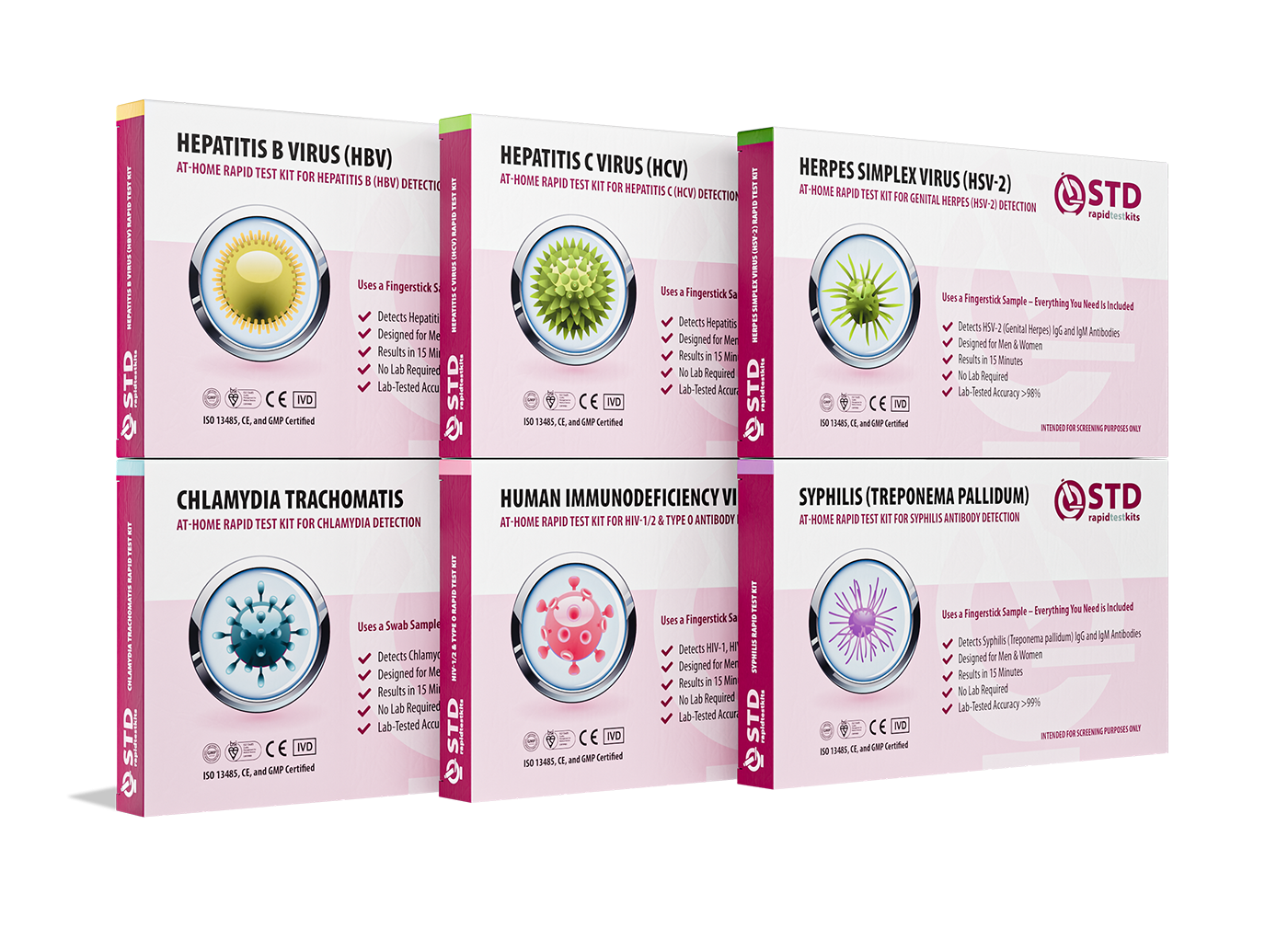
 For Men & Women
 Results in Minutes
 No Lab Needed
 Private & Discreet
Order Now $119.00 $294.00
For all 6 tests
What Prevention Really Looks Like After 50
Let’s talk about what works. Not in theory, but in real life, where relationships are messy, desire doesn't disappear at menopause, and no one wants to ruin the mood with medical jargon.
For Joanne, 67, starting a new relationship meant confronting uncomfortable questions. “He didn’t want to use condoms. Said it felt unnatural at our age. I didn’t want to argue, but I also didn’t want an infection.” She ended up ordering an at-home chlamydia test and asked him to do the same. “We both tested negative. Then we talked about getting screened every few months. It became part of how we cared for each other.”
That’s the heart of prevention after 50: communication, condoms, and consistent testing. It doesn’t have to be awkward or clinical, it can be collaborative, even intimate. Here’s how prevention plays out when you're navigating sex in midlife or later.
Condoms: Yes, They Still Matter, Even If You’re Post-Menopausal
One of the biggest myths about getting older and having sex is that condoms are only for not getting pregnant. That belief is not only wrong, it's also dangerous. Chlamydia can be passed on through fluids and mucous membranes, which means that even one unprotected encounter can spread it, no matter how old you are.
In older women, hormonal shifts can make vaginal tissue thinner and more prone to microtears, increasing STD risk. Lubricated condoms or external condoms combined with water-based lube reduce friction and lower the chance of both infection and discomfort.
Men often stop using condoms after age 50 because they think their partner is trustworthy or monogamous, especially in second marriages or long-term relationships. But unless both partners have been tested since their last sexual relationship, and are confirmed negative, relying on history instead of screening is like playing sexual roulette.
Condoms aren't a buzzkill. They’re a mutual boundary. And if they’re a deal-breaker for someone new? That’s a red flag, not a romantic quirk.
Table: Top STD Misconceptions in Adults Over 50
| Myth | Why It’s Harmful | The Reality |
|---|---|---|
| “I don’t need condoms, I can’t get pregnant.” | Ignores risk of STDs, especially chlamydia | STDs don’t care about fertility status |
| “I’d know if I had something.” | Delays testing and treatment for silent infections | Chlamydia is often asymptomatic in all age groups |
| “I got tested during my last physical.” | False reassurance if STD panel wasn’t included | Most annual exams don’t test for STDs unless requested |
| “Older people don’t get STDs.” | Feeds shame and reduces testing rates | STDs are rising fastest in adults over 50 |
Table 2: Dangerous STD myths among older adults. Misconceptions can delay testing, discourage condom use, and fuel silent spread.
Talking to a New Partner About Testing, Without Killing the Mood
Nothing dries up a date faster than, “So, when was your last STD test?”, unless you know how to say it. After 50, most people appreciate honesty, but they may still carry shame, outdated beliefs, or fear of rejection. That’s why tone matters just as much as timing.
Instead of launching into an interrogation, frame it as shared responsibility. “Hey, I really like where this is going. Before we get physical, would you be open to both of us getting tested? It’s just something I do these days.” That phrase, ‘something I do’, normalizes testing as routine self-care, not a judgment on their past.
And if they push back? Ask yourself what it says about their comfort with mutual safety. Real intimacy is built on trust, and trust starts with truth.
How At-Home Testing Simplifies the Process
Driving across town, waiting in line, and explaining your sex life to a stranger? No thanks. That’s why at-home STD testing has become a game-changer, especially for older adults who may feel judged or hesitant about traditional clinics.
Ordering a discreet chlamydia test takes minutes. Results arrive in the privacy of your home, no awkward waits, no paperwork surprises. And for people in rural areas, mobility-limited, or dealing with transportation issues, it brings testing within reach.
Just remember: no test is perfect. If you test too soon after exposure (usually under 7 days), you may need to retest to confirm. But when timed right, rapid kits are over 90% accurate for chlamydia, according to data from recent studies.
If your head keeps spinning, peace of mind is one test away. Try the combo kit if you’re concerned about multiple infections.
What If You Test Positive for Chlamydia After 50?
You open the envelope, or click the test result, and see the word positive. Your stomach drops. Maybe you feel shame, confusion, anger, or just numbness. That’s normal. But it’s not the end of the world. It’s not even the end of your sex life.
Take a breath. Here’s what happens next.
First, you’ll want to get confirmatory testing if your result came from a rapid at-home test. Most clinics use nucleic acid amplification tests (NAAT), which are the gold standard for diagnosing chlamydia. Confirming the result rules out user error or false positives. You can find clinics via the CDC’s Get Tested locator or opt for a mail-in lab kit if privacy is a concern.
Treatment is straightforward. A short course of antibiotics, usually doxycycline, clears the infection in most cases. But don’t stop there. Your sexual partner(s) also need to be notified and treated, even if they have no symptoms. Untreated, they could reinfect you, or worse, develop complications that remain invisible until it’s too late.
Yvonne, 64, tested positive after six months of dating a widower. “He was shocked, but supportive. We both got treated, then waited a week before resuming sex. That week actually brought us closer. We talked about boundaries, testing schedules, even what kind of condoms we liked. I never thought an STD would improve my sex life, but it did.”
How to Talk to Your Doctor Without Shame
For some, the hardest part isn’t taking the test, it’s explaining the result. You’re 59, you walk into your doctor’s office, and you imagine them thinking, “Why are you even sexually active?” That’s internalized stigma talking, not reality.
Healthcare providers are trained to address chlamydia and other STDs across all age groups. If yours makes you feel judged or dismissed, it’s time to find someone else. Clinics like Planned Parenthood or LGBTQ-friendly practices often offer more compassionate care, and telehealth services let you speak to a provider from home, without the awkward waiting room vibes.
Bring your test result with you. Say clearly: “I tested positive for chlamydia. I’d like confirmation, treatment options, and advice on how to protect my partner.” No need to overexplain. You’re advocating for your health, not confessing to a crime.

People are also reading: HPV in Men: Why Testing Still Doesn’t Exist, And What You Can Do
Retesting: When and Why It Matters
Even if you finish your meds and feel fine, you’re not done. The CDC recommends retesting for chlamydia around three months after treatment, especially if you’re still sexually active. That’s because reinfection is common, particularly in older adults who may resume unprotected sex without partner testing.
Retesting isn’t about paranoia. It’s about peace of mind. And it’s about making sure your body is completely clear of infection, especially if your first symptoms were subtle or confused with other conditions. A negative follow-up test tells you that the treatment worked, and helps prevent long-term complications like pelvic inflammatory disease or chronic prostatitis.
Use that retesting window to have honest conversations with your partner. Decide on boundaries going forward. Will you get tested every six months? Before new partners? Think of it as relationship hygiene, just like brushing your teeth or managing blood pressure meds.
Privacy, Shipping, and Support for Testing Later in Life
One reason many adults over 50 avoid STD testing? Fear of exposure, social, not biological. What if the package says “STD” on the label? What if someone at the clinic sees me? What if the pharmacist makes a face when I fill my prescription?
That’s why discreet test kits and private mail-in services have become essential tools for older adults. Most arrive in plain packaging, with no labels indicating the contents. Results are often available online via secure portals, nothing goes to your insurance unless you choose to submit it.
For those navigating rural healthcare deserts, tech resistance, or mobility issues, home testing provides autonomy and control. No gatekeepers. No awkward explanations. Just answers, on your terms.
Check Your STD Status in Minutes
Test at Home with Remedium8-in-1 STD Test Kit
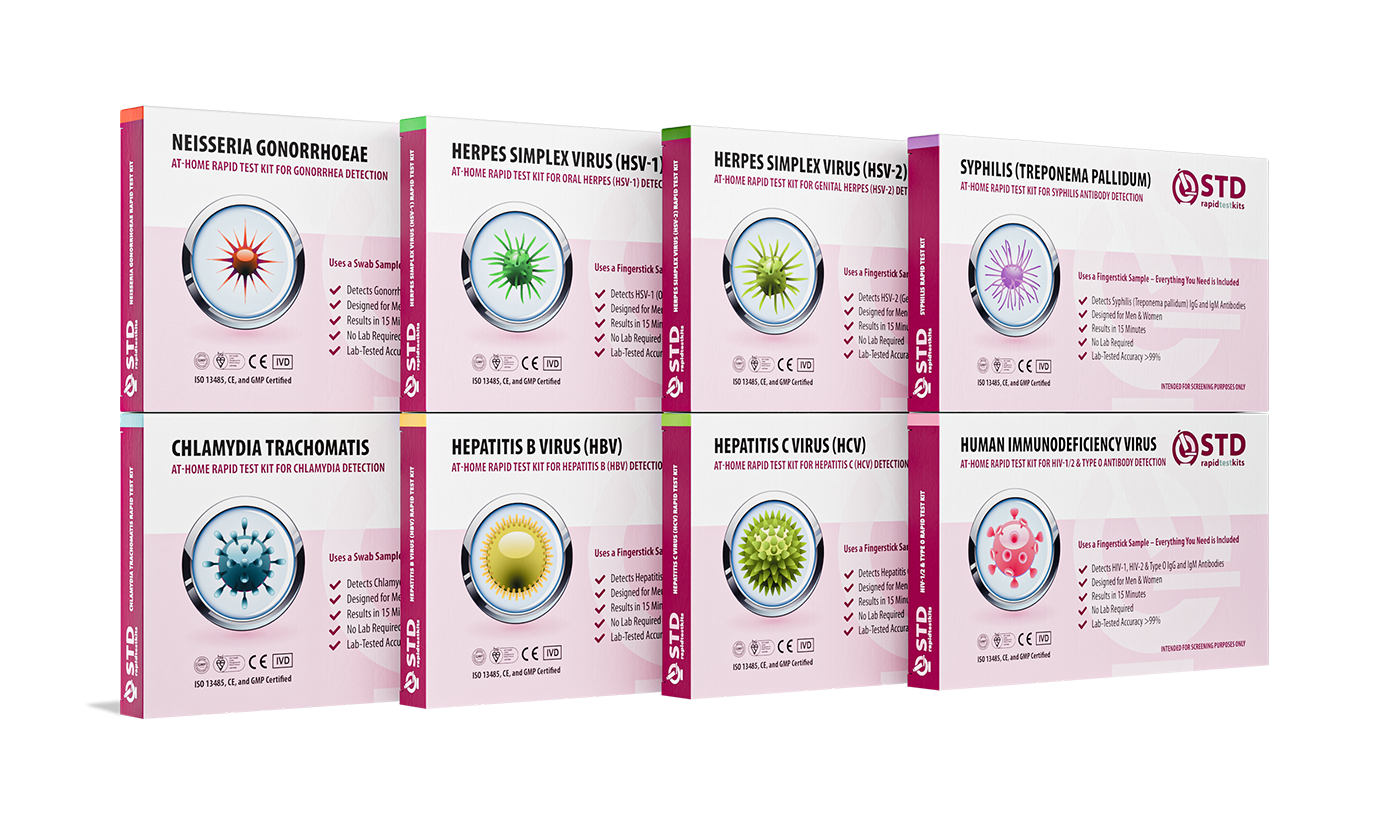 For Men & WomenResults in MinutesNo Lab NeededPrivate & Discreet
Order Now $149.00 $392.00
For all 8 tests
Sex After 50 Isn’t Over, It Just Needs Protection
If you’ve read this far, you already know: age doesn’t protect against chlamydia. But knowledge does. So does testing. So does communication. And yes, so do condoms.
Chlamydia won’t end your sex life, but shame might. It’s time we stopped treating older adults as post-sexual. You’re not done wanting connection. You’re not done craving intimacy. You’re not done needing safety. And you’re definitely not done deserving respect.
Whether you’re newly dating, remarried, or just curious, take control of your sexual health. Try this discreet combo test kit, have the conversation with your partner, and remember, testing isn’t a red flag. It’s a green light.
FAQs
1. Wait, can older adults really get chlamydia?
Yep. Age doesn’t make you immune. If you’re having unprotected sex, even in your 60s or 70s, you can still catch chlamydia. In fact, rates in adults over 50 have been climbing for years, mostly because no one talks about it, and fewer people in this age group use condoms anymore.
2. But I don’t feel sick. Wouldn’t I know if I had it?
Not necessarily. Chlamydia is sneaky. You might feel totally fine, or just slightly “off,” like a little pelvic pressure or mild discomfort that’s easy to blame on aging. That’s why it spreads quietly. You can carry it for months without knowing, and still pass it to someone else.
3. I had a check-up last month. That covers STDs, right?
Unfortunately, probably not. Most routine physicals don’t include STD testing unless you specifically ask for it. That bloodwork? It was likely cholesterol and thyroid. If you want to know your STD status, you have to be direct, or take the reins yourself with an at-home test.
4. Do I really need condoms if I’m past menopause?
Unless you and your partner are monogamous, recently tested, and fully clear, you bet. Pregnancy might be off the table, but chlamydia and other STDs are still in play. Plus, postmenopausal tissue can be more vulnerable to tiny tears during sex, making transmission even easier.
5. How do I talk about testing with a new partner without making things awkward?
Try honesty, not awkwardness. Say something like, “Before we get intimate, I like to make sure we’re both on the same page health-wise. Want to test together?” It shows care, not suspicion. If they push back hard? That says more about them than you.
6. If I test positive, is my sex life over?
Not even close. Chlamydia is one of the most treatable STDs out there. A short round of antibiotics and some temporary precautions, and you're back in the game. What matters is catching it early, and not passing it on.
7. How soon after sex can I test?
Most reliable results show up after 7–14 days. If you test sooner, a negative result isn’t a guarantee. You may need to retest after the window period closes. That’s true whether you're testing at home or at a clinic.
8. Can I get retested just to be sure?
Absolutely, and you should. Retesting after treatment (usually at 3 months) helps make sure the infection’s really gone, and that you haven’t been reinfected by a partner who skipped their meds or never got tested.
9. Should I tell my adult kids about this?
Only if you want to. You don’t owe anyone an explanation. But some people choose to share their experience to help normalize testing and model that sexual health is lifelong. And honestly? It beats pretending sex stops at 50.
10. What’s the easiest way to get tested without anyone knowing?
Order an at-home kit. It shows up in discreet packaging, takes just a few minutes to use, and gives results quickly. No clinic, no awkward small talk, no side-eye from the pharmacy line. Just answers, in private.
You Deserve Answers, Not Assumptions
Being over 50 doesn’t mean you stop caring about connection, or protection. Chlamydia is treatable, preventable, and more common than most people think. Your age doesn't matter; what matters is how aware you are, the choices you make, and the voice you use in the bedroom.
Don’t wait and wonder, get the clarity you deserve. This at-home combo test kit checks for the most common STDs discreetly and quickly.
How We Sourced This Article: We used the most up-to-date advice from top medical groups, peer-reviewed research, and reports from people who have lived through it to make this guide useful, kind, and correct.
Sources
1. CDC STD Surveillance: Prevalence by Age
2. CDC Chlamydia Treatment Guidelines
3. CDC STD Testing Locator Tool
5. Chlamydial Infections – STI Treatment Guidelines
6. Chlamydia trachomatis – Symptoms and Causes (Mayo Clinic)
7. Sexually Transmitted Diseases: Symptoms and Causes – Mayo Clinic
About the Author
Dr. F. David, MD is a board-certified infectious disease specialist focused on STI prevention, diagnosis, and treatment. He blends clinical precision with a no-nonsense, sex-positive approach and is committed to expanding access for readers in both urban and off-grid settings.
Reviewed by: Dr. Riley Mendez, MPH | Last medically reviewed: January 2026
This article is for informational purposes and does not replace medical advice.


