






Quick Answer: Chlamydia can go undetected in pregnancy due to early testing, window periods, or asymptomatic infections. Retesting in the third trimester is often needed, especially after a new exposure.
Why Some Pregnant People Fall Through the Cracks
The assumption that prenatal screening is comprehensive is both comforting and dangerously misleading. Most OBs screen for STDs in the first trimester, but unless you’re flagged as “high risk,” that may be the only time you're tested. But chlamydia isn’t always present, or detectable, when that early test is done.
Imagine this: you get tested at week 8. It’s negative. But what if your partner hadn’t been tested themselves yet? Or what if you were exposed after that first screen? Now you’re operating under the belief you’re “clean,” but the timeline tells another story. That false sense of security has led many, like Larissa, to deliver while unknowingly infected.
Clinicians aren’t always at fault here, it’s a systemic issue. The CDC recommends a second chlamydia test in the third trimester only for those deemed high risk, such as people under 25, or those with new or multiple partners. But the truth is, new exposures happen. And not everyone is upfront about their risk. Biology doesn’t follow paperwork. And in a system that’s overloaded, nuance gets missed.
The Testing Timeline Problem (And Why It Matters)
One of the biggest culprits behind misdiagnosed chlamydia in pregnancy is the timing of the test. Most chlamydia tests used today are either NAAT (nucleic acid amplification tests) or rapid antigen-based swabs. NAAT is highly sensitive, but only after the bacteria has had time to replicate enough to be detected. If you test too soon after exposure, the infection might not show up at all.
Many pregnant people test once, early, and never again. And if they get exposed after that first test, even by a monogamous partner who isn’t tested or isn’t honest, they have no idea they could be carrying chlamydia into delivery. It’s not a moral issue, it’s a timing issue.
| Testing Stage | What It Detects | Why It May Fail |
|---|---|---|
| First Trimester (6–12 weeks) | Baseline infection status | Too early to detect a recent exposure |
| Second Trimester (13–26 weeks) | Retest in high-risk cases | Often skipped in “low-risk” pregnancies |
| Third Trimester (27–40 weeks) | Detects later exposures or reinfections | Only recommended for some; not standard |
Table 1: Common chlamydia testing windows during pregnancy and why they may miss active infections.

People are also reading: Think You’re Safe? Why STD Testing Still Matters in Pregnancy
“But I Had No Symptoms”, The Invisible Infection
Chlamydia is often called “the silent infection” for a reason. More than 70% of people with chlamydia have no noticeable symptoms. That number is even higher in pregnant individuals due to hormonal shifts that can mask signs like discharge or mild irritation.
One woman described it like this: “I thought the occasional spotting was just part of pregnancy. My OB said everything looked fine.” It wasn’t until her newborn developed pneumonia that she was told her past infection had likely passed to the baby during delivery.
By then, treatment had to shift from simple antibiotics to neonatal care. Early treatment of chlamydia is extremely effective. But if you don’t know you have it, and you aren’t retested, you don’t get the chance to treat it before it spreads.
And it's not just about you. In newborns, untreated maternal chlamydia can lead to:
| Complication | Potential Onset | Impact |
|---|---|---|
| Conjunctivitis (eye infection) | 5–14 days after birth | Redness, swelling, pus; can lead to vision loss if untreated |
| Pneumonia | 2–12 weeks after birth | Chronic cough, wheezing, feeding issues |
| Preterm Labor | Late pregnancy | Increased risk from undiagnosed infection |
Table 2: Risks to newborns when maternal chlamydia goes untreated.
This isn’t fear-mongering, it’s just the clinical reality. Most of these complications are preventable with timely diagnosis and treatment. But that means getting tested more than once, especially if your circumstances change.
Check Your STD Status in Minutes
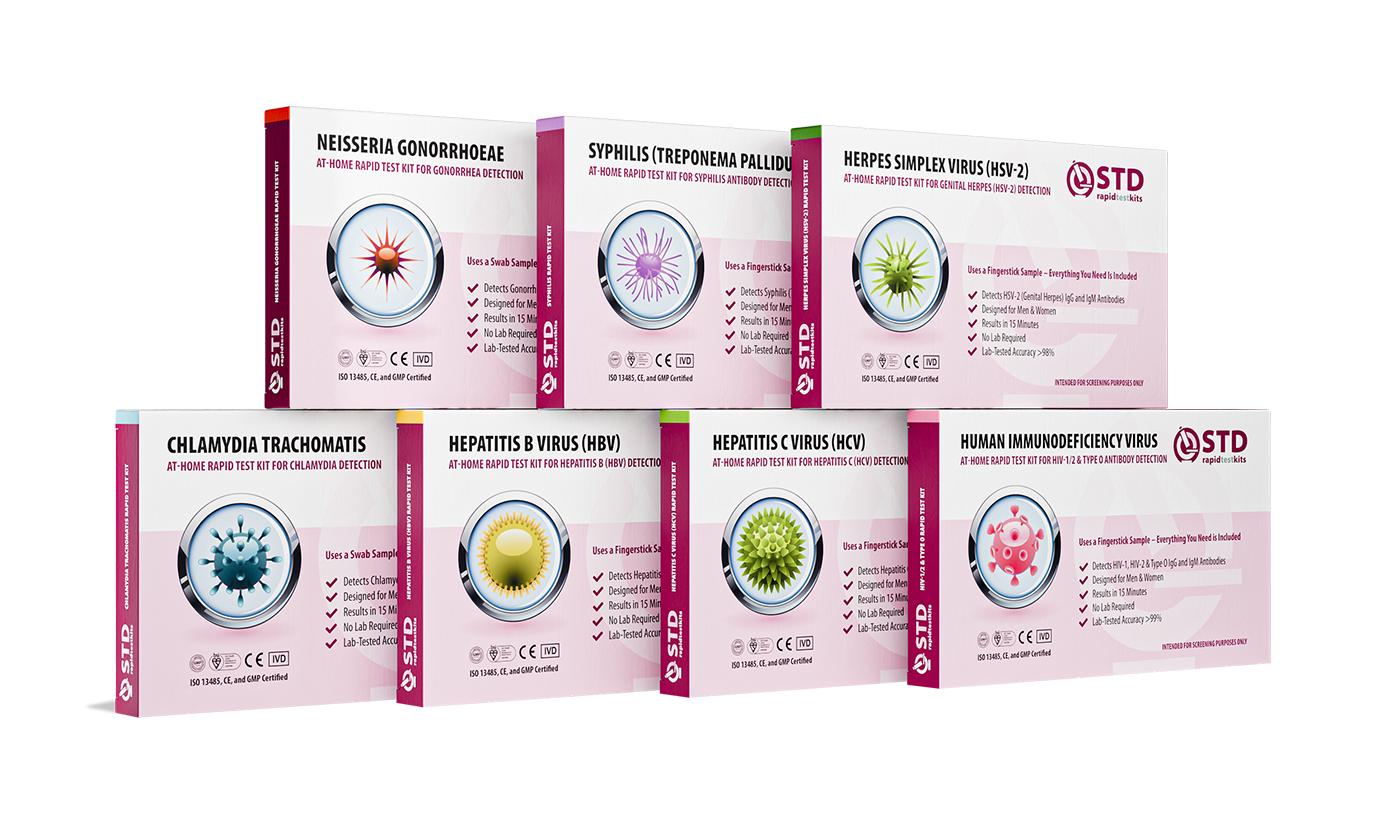
Test at Home with Remedium7-in-1 STD Test Kit
 For Men & Women
 Results in Minutes
 No Lab Needed
 Private & Discreet
Order Now $129.00 $343.00
For all 7 tests
What About At-Home Tests During Pregnancy?
This is one of the most common, and misunderstood, questions we hear: “Can I even use an at-home STD test while pregnant?” The answer: yes, in most cases. Most FDA-cleared at-home chlamydia tests use the same NAAT technology as clinics. If you’re in your second or third trimester and you’ve had a new partner, concerns about trust, or just want peace of mind, an at-home kit can be the fastest, most discreet way to check.
That said, timing still matters. A rapid test taken too soon after exposure might give a false sense of relief. If you’re less than 10 days past exposure, it's worth waiting a few more days, or preparing to retest if symptoms evolve. But if you’re 14+ days out, you’re likely within the ideal detection window. These kits are shipped discreetly, can be used at home, and don’t require you to explain your situation to a front desk staffer or wait weeks for an appointment.
Whether you’re nervous, unsure, or just want to avoid passing something unknowingly, our at-home combo STD kit includes a chlamydia test that’s lab-sensitive and doctor-trusted. Peace of mind is often just a swab away.
Why You Might Test Negative, But Still Be Positive
The phrase “false negative” gets thrown around a lot, but in the context of pregnancy, it hits differently. Here’s what it really means: your test said you were clear, but in reality, the infection was either just starting or already there, but undetectable based on when or how the test was taken. That result can shape the rest of your pregnancy, and your delivery, based on faulty information.
There are three major reasons why a chlamydia test might miss an active infection during pregnancy:
First, you were exposed after testing. This is more common than most realize. Even in long-term relationships, not all partners get tested. Some might think they don’t need to because they’re symptom-free, or they assume a past test was sufficient. But if your partner had chlamydia and didn’t know it, and you were exposed any time after your initial prenatal screen, your early test becomes irrelevant.
Second, the infection was too new to be detected. Even the best NAAT tests need a bacterial load to amplify and detect. If exposure happened within a few days before testing, there’s a real chance the sample won’t pick it up. That’s not a failure of the test, it’s just biology. Think of it like taking a pregnancy test the day after ovulation: it’s simply too early to read.
Third, sometimes tests are mishandled or samples degraded. This is less common, but it happens. If your clinic rushed processing, or if a swab wasn’t collected properly, it could lead to inaccurate results. The risk is even higher in underfunded public clinics or overbooked prenatal systems.
None of this is your fault. But you still have to live with the consequences if no one thinks to retest, or if you don’t know that’s even an option.
What Doctors Often Don’t Say (And Why You Still Need to Ask)
Even well-meaning OBs may not mention chlamydia retesting unless you fall into a “high-risk” demographic. And while that might make sense from a population-level public health lens, it fails people on the individual level. The CDC says retesting is essential if you’re under 25, have new or multiple partners, or if your partner’s status is unknown, but how often are those conversations even happening?
One patient told us: “I’m in a monogamous relationship, but we weren’t exclusive when I first got pregnant. My doctor never asked. I didn’t think to mention it. I just trusted the early tests.” When her baby was diagnosed with neonatal pneumonia, her partner finally got tested, and was positive for chlamydia. The pieces only made sense in hindsight.
We cannot emphasize this enough: you don’t need your doctor’s permission to retest. If you’ve had any new exposure, or if you simply want to be sure, especially in your third trimester, you are allowed to ask. Or, bypass the system and test from home.
STD Rapid Test Kits offers discreet, fast options that put control back in your hands. You shouldn’t have to justify your anxiety to get answers.
When to Retest and What to Watch For
Retesting isn’t just about double-checking. It’s a proactive act of protection, especially in pregnancy, where your body and immune response are constantly changing. Most experts suggest retesting around week 28 to 32 if you had any exposure after your first screen. But if you’ve had unprotected sex with a partner of unknown status, or symptoms like unexplained discharge, pelvic pain, or even just a gut feeling, don’t wait for permission.
Let’s walk through a real-life arc. Mira, 24, tested negative at week 9. Her partner hadn’t yet gotten tested. At week 20, she noticed more discharge but chalked it up to pregnancy hormones. No one offered a second test. By week 38, she delivered early, and her baby needed oxygen within hours of birth. Postnatal testing showed a chlamydia infection that had likely been present for weeks.
This isn't an isolated case. It's the outcome of a system that assumes no news is good news. But for infections like chlamydia, no news could mean no detection.
Here’s a quick mental checklist to guide when retesting may be appropriate:
| Situation | Retest Recommended? | Why It Matters |
|---|---|---|
| Initial test done in 1st trimester, no new partners | Maybe | Low risk, but biological variability and sample timing still matter |
| Initial test done early, and partner not tested | Yes | You can be exposed without knowing it |
| New sexual partner during pregnancy | Absolutely | Early tests no longer reflect current risk |
| Symptoms emerge (pain, spotting, discharge) | Yes | Could indicate undiagnosed infection, test ASAP |
| No symptoms but just want peace of mind | Yes | Your concern is reason enough |
Table 3: Common scenarios where retesting for chlamydia in pregnancy may be warranted.
Keep in mind: some infections stay dormant, or reappear even after treatment if your partner hasn’t been treated too. That’s why communication, partner testing, and follow-ups matter just as much as your initial screen.
People are also reading: How Soon Can You Retest for HPV After a Positive Result?
How to Bring This Up Without Shame or Drama
You don’t need a perfect relationship to advocate for your health. In fact, advocating might be the thing that saves you both. If you’re nervous to bring it up to your OB, here’s a sentence that’s both direct and non-confrontational:
“I know I tested early on, but I’ve heard that chlamydia can be missed if the timing’s off. Could we do another test to be safe?”
That’s it. That’s the ask. If your provider refuses or brushes you off, that’s a flag, not about your relationship with your partner, but about your relationship with your care. You deserve better.
If it’s your partner you’re nervous to talk to, remember: many chlamydia cases come from people who didn’t know they were infected. Blame gets you nowhere. A better script sounds like this:
“I tested early in pregnancy, but I’ve learned that might not have been enough. I’m getting retested, would you consider doing the same so we can both be sure?”
Simple. Blame-free. Protective.
You don’t have to be perfect to deserve clarity. You just have to care enough to ask the next question.
Check Your STD Status in Minutes
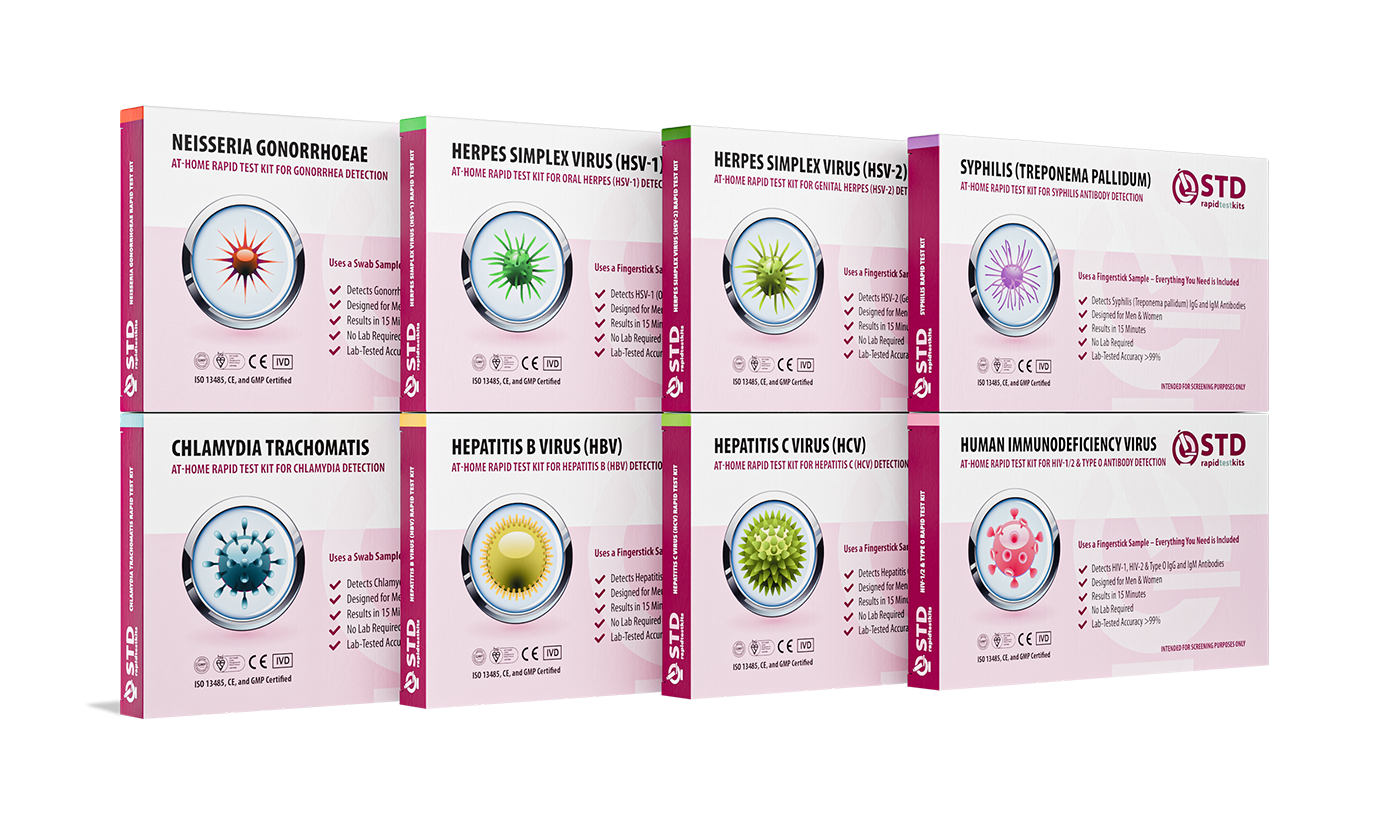
Test at Home with Remedium8-in-1 STD Test Kit
 For Men & WomenResults in MinutesNo Lab NeededPrivate & Discreet
Order Now $149.00 $392.00
For all 8 tests
When “Negative” Doesn’t Feel Like Closure
Camille was 36 weeks pregnant when something didn’t sit right. She’d tested negative at her 10-week visit, but that was months ago, and she’d had a brief breakup since. No symptoms. No drama. Just a lingering thought she couldn’t shake: “What if?”
She ordered an at-home STD kit. Quietly. Alone. The result? Positive for chlamydia. No one had told her to retest. No one had asked about changes. But that one decision likely prevented her baby from serious complications.
If you’re here, reading this, wondering if you’re being paranoid, you’re not. You’re being protective. Negative results don’t mean forever. Bodies change. Relationships shift. And testing again isn’t overreacting. It’s responsible.
You don’t need symptoms. You don’t need approval. You just need that gut feeling that something might’ve been missed.
And if that feeling’s already in your chest? Get tested again. Quietly, easily, from home.
Still unsure? Let’s walk through what most people want to know at this exact moment, when the test said no, but your instincts aren’t so sure.
FAQs
1. Can I really have chlamydia while pregnant and not feel a thing?
Yep. Most people don’t feel anything, and that’s the scary part. Chlamydia loves to fly under the radar, especially when pregnancy hormones are already throwing your body into chaos. You might chalk up a weird discharge or pelvic ache to “just pregnancy stuff.” But sometimes, it’s not. That’s why testing (and retesting) matters, even when you feel totally fine.
2. My test was negative. Could it still be wrong?
Unfortunately, yes. Timing is everything. If you got tested too soon after exposure, say, your partner had chlamydia and you didn’t know, it might not show up yet. It takes time for the bacteria to build up enough to trigger a positive. It’s kind of like taking a pregnancy test a day after ovulation. Doesn’t mean you’re not pregnant. Just means it’s too early to know.
3. Why didn’t my doctor tell me I should get tested again?
Some doctors follow guidelines to the letter, and those guidelines only recommend retesting in the third trimester for people deemed “high-risk.” But real life doesn’t fit in neat boxes. You could have one partner and still be exposed. You could feel totally low-risk and still carry an infection. That’s why self-advocacy is everything. Ask. Push. Test again if you want to. It’s your body, your baby, your call.
4. Can at-home STD tests really be trusted during pregnancy?
Yes, as long as you’re using a legit one (like an FDA-cleared NAAT test). The science is solid. You’re collecting the same kind of sample a nurse would in a clinic. Just make sure you’re following the instructions and not testing too early. These kits don’t care if you’re pregnant, they just care about detecting the infection. And they do it well.
5. What happens if I do have chlamydia while pregnant?
First: don’t panic. Chlamydia is treatable with pregnancy-safe antibiotics, and treatment is straightforward. The key is catching it in time, ideally before labor, so it doesn’t get passed to your baby. If you test positive, your provider will prescribe something that’s safe for you and effective. But also, your partner needs treatment too. Otherwise, the infection just plays ping-pong between you both.
6. Can my baby get sick from this?
Sadly, yes. If untreated, chlamydia can cause eye infections or pneumonia in newborns. Not always, but enough that it’s a real risk. And the worst part? Those symptoms don’t always show up right away. That’s why testing, and treating, before delivery makes all the difference. It’s not about blame. It’s about protection.
7. How long after exposure should I wait to test again?
Give it about 10 to 14 days after the moment you think you were exposed. Testing too early might miss it. And if you're in doubt? Test anyway, and then consider retesting later just to be sure. If symptoms pop up, don’t wait. Your gut usually knows when something’s off.
8. What if my partner doesn’t want to get tested?
That’s rough, but also common. Some people get defensive or shut down when you bring it up. Try this: frame it as a shared concern, not an accusation. “I want us both to be safe before the baby gets here. Can we test together?” If they still resist, you do what you need to do. You don’t need their permission to protect yourself.
9. I already gave birth. Is it too late to find out if I had it?
Not at all. If your baby is showing signs of eye infection or breathing trouble, testing might still reveal a chlamydia infection that went undiagnosed. Even postpartum, it’s not too late to treat yourself, and to protect future pregnancies or partners.
10. I feel fine. Am I overthinking this?
Nope. You’re thinking exactly right. Most people who catch issues early aren’t the ones who felt something wrong, they’re the ones who trusted their instincts or double-checked when no one else did. You’re not paranoid. You’re smart. And brave.
You Deserve Answers, Not Assumptions
There’s nothing worse than finding out something could’ve been caught, but wasn’t. Chlamydia doesn’t care about calendars, relationship labels, or whether you did “everything right.” It’s silent, stubborn, and more common than most pregnant people are told.
Testing early in pregnancy is important, but it’s not always enough. If you’ve had new exposure, uncertainty about your partner’s status, or just a nagging worry that something was missed, you’re not paranoid. You’re proactive. And you have options.
Don’t wait and wonder, get the clarity you deserve. This home test kit checks for the most common STDs quickly and without drawing attention to itself.
How We Sourced This Article: We combined current guidance from leading medical organizations with peer-reviewed research and lived-experience reporting to make this guide practical, compassionate, and accurate.
Sources
2. Planned Parenthood – Chlamydia Info
3. Pregnant Women (CDC Treatment Guidelines for STDs in Pregnancy)
4. Chlamydial Infections – STI Treatment Guidelines (CDC)
5. About STIs and Pregnancy (CDC)
6. USPSTF Recommendation: Chlamydia and Gonorrhea Screening
About the Author
Dr. F. David, MD is a board-certified infectious disease specialist focused on STI prevention, diagnosis, and treatment. He blends clinical precision with a no-nonsense, sex-positive approach and is committed to expanding access for readers in both urban and off-grid settings.
Reviewed by: Dr. M. Salazar, MPH | Last medically reviewed: January 2026
This article is for informational purposes and does not replace medical advice.


