







Quick Answer: Chlamydia can be passed to your baby during delivery and may cause serious health issues like eye infections, pneumonia, or premature birth, but it’s treatable during pregnancy, and early care can prevent harm.
Why Chlamydia in Pregnancy Matters More Than You Think
Chlamydia is one of the most common STDs globally, and the majority of infections fly completely under the radar, especially during pregnancy. The infection rarely causes dramatic symptoms in people with vulvas, which means a lot of pregnant people walk around with no clue they’re carrying it. And that’s the danger. When undetected and untreated, chlamydia can quietly travel from the cervix into the uterus, increasing the risk of miscarriage, early labor, or low birth weight.
It’s not just the pregnancy that’s at risk. If chlamydia is still present during labor, it can pass to the baby through the birth canal. That exposure can lead to neonatal conjunctivitis, a severe eye infection, or even pneumonia within the first few weeks of life. Neither of these conditions is rare. In fact, according to the CDC, up to 50% of exposed infants develop conjunctivitis, and 10% to 20% develop pneumonia if no treatment occurs before birth.
So while the infection itself might feel invisible to the pregnant person, its effects on a newborn can be very real. The good news? Testing, treating, and retesting during pregnancy works. Chlamydia is curable, and most complications can be prevented entirely with timely care.
Chlamydia Symptoms in Pregnancy: Why You Probably Won’t Notice
At 24 weeks pregnant, Alicia noticed a little extra discharge. Her OB-GYN chalked it up to hormonal shifts. “That’s just pregnancy,” they said. But when she switched clinics and got re-tested, she found out she’d had chlamydia for at least a month. No pain. No burning. Just a sense that something was slightly off, and even that got brushed aside.
This isn’t unusual. Chlamydia can look like normal pregnancy changes: mild discharge, spotting after sex, or back pain. In a sea of body shifts, it's easy to miss. Some people notice no symptoms at all. Others mistake them for a yeast infection or a UTI. And because stigma around STDs still runs deep, many people, especially in monogamous relationships, aren’t even thinking to ask for an STD screen once they see those two pink lines.
But STDs like chlamydia don’t care whether you're committed or not. They don’t care if you feel fine or if the last test was a year ago. That’s why routine prenatal STD testing is recommended at the first OB visit, and often again in the third trimester for high-risk pregnancies.

People are also reading: HIV Test at 2 Weeks: Too Early or Good Enough?
How Chlamydia Affects Your Baby: A Clear Breakdown
If left untreated, chlamydia can affect your baby in several ways, before, during, and after birth. Understanding these risks isn’t meant to scare you. It’s meant to empower you with the facts, so you can take action and protect both yourself and your newborn.
| Stage of Pregnancy | Potential Risk to Baby | How to Prevent It |
|---|---|---|
| First Trimester | Increased risk of miscarriage | Early testing and antibiotic treatment |
| Second Trimester | Risk of intrauterine infection | Routine screening and follow-up |
| Third Trimester | Premature rupture of membranes, preterm birth | Third-trimester retesting if needed |
| During Delivery | Neonatal conjunctivitis, pneumonia | Treatment before labor and partner testing |
Table 1: How chlamydia affects pregnancy and delivery at each stage, and how testing changes the outcome.
Every stage of pregnancy presents different vulnerabilities. In early pregnancy, untreated infections can disrupt implantation or contribute to loss. Later on, inflammation in the uterus can cause early labor. At delivery, direct contact with infected fluids is the main risk. But in all cases, the underlying message is the same: the earlier you catch and treat it, the better the outcome.
If you're pregnant and wondering whether chlamydia could still be present, even if you were tested earlier, know that retesting is common, especially if you’ve had a new partner, symptoms, or any concerns since the last test. It's not about blame. It's about keeping both you and your baby safe.
Check Your STD Status in Minutes
Test at Home with Remedium8-in-1 STD Test Kit
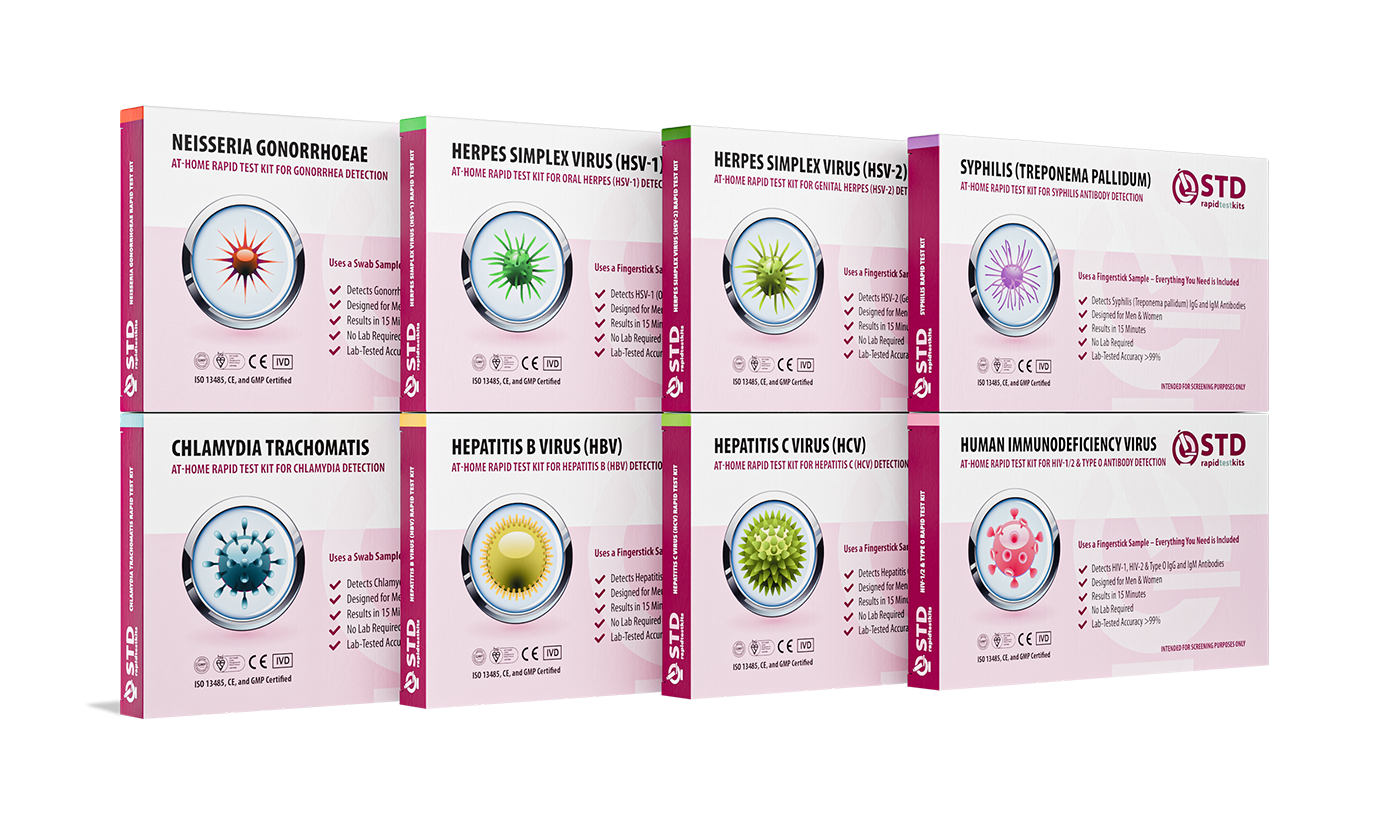
 For Men & Women
 Results in Minutes
 No Lab Needed
 Private & Discreet
Order Now $149.00 $392.00
For all 8 tests
Treating Chlamydia Safely While Pregnant
One of the most common fears pregnant people have after a chlamydia diagnosis is: “Will the treatment hurt the baby?” It’s a fair question, but fortunately, one with a solid, science-backed answer. The CDC recommends azithromycin or amoxicillin, both considered safe during pregnancy. These antibiotics clear the infection without harming the fetus and are usually prescribed as a single dose or short course.
Monique, diagnosed at 32 weeks, took a single dose of azithromycin. “I was terrified I’d done something wrong,” she shared. “But the doctor reassured me it’s so common, and the antibiotics are safe. I cried when the retest came back negative. Relief doesn’t even cover it.”
That’s the part often missed in online horror stories: the emotional relief that comes after testing and treating. It's fast, safe, and effective. But treatment doesn’t stop with the pregnant person. Partners need to be tested and treated, too. Otherwise, you risk re-infection before birth.
Most providers recommend retesting about 3–4 weeks after treatment to confirm the infection is gone. And again in the third trimester, depending on your risk factors. All of this can be managed through OB care, telehealth, or even discreet at-home testing services for partners.
Testing Timelines: When Chlamydia Shows Up During Pregnancy
It’s one thing to know you need a test. It’s another to know when to take it. Timing matters more than most people realize, especially during pregnancy. Test too early, and you might get a false negative. Wait too long, and the window to prevent complications might close. So let’s break it down.
After being exposed to chlamydia, the infection usually shows up in 7 to 14 days. That’s called the “window period”, the time between infection and when a test can accurately pick it up. This matters whether you’re newly pregnant, in your third trimester, or you just found out your partner wasn’t faithful.
In pregnancy, timing is layered with urgency. The earlier you detect and treat an infection, the less likely it is to harm your baby. But if you've recently had unprotected sex or suspect a partner exposure, here's how detection usually plays out:
| Days Since Exposure | Testing Accuracy | Recommended Action |
|---|---|---|
| 0–6 days | Low – virus may not show up yet | Wait to test unless symptoms are severe |
| 7–13 days | Moderate – infection detectable in many cases | Initial test okay, but plan to retest later |
| 14+ days | High – most infections will show up | Best time to test for accurate results |
Table 2: Chlamydia testing window after exposure. These ranges apply during pregnancy and outside of it.
Keep in mind: If you're pregnant and already past the 14-day mark from your last possible exposure, testing now gives you the highest chance of detecting the infection. If it’s been less than that, don’t panic, just make a plan to follow up. Most providers will retest you before delivery, and at-home tests can offer peace of mind in between appointments.
One reader shared her experience testing too soon. “I was six weeks pregnant and found out my partner had cheated. I tested right away, negative. But I didn’t feel right. Two weeks later, I retested. Positive. I was so glad I trusted my gut.”
Her story isn’t rare. Retesting is not a sign of paranoia, it’s a strategy. And during pregnancy, it’s an act of protection, not fear.
Partner Testing and the Silent Spread
Here’s a difficult truth: many people get chlamydia from partners who don’t know they have it. That’s not an accusation, it’s biology. Chlamydia often causes no symptoms in people with penises, which means they can pass it on without any clue they’re infected. And when you’re pregnant, the stakes are higher than usual. Treating just one person in a couple won’t cut it. If your partner isn’t tested and treated, you could be reinfected before delivery, even if you’ve already completed your antibiotics.
This is where a lot of people feel stuck. Maybe the relationship is new. Maybe it’s complicated. Maybe there’s shame. But from a medical standpoint, notifying and treating your partner is essential to protecting your baby’s health. If in-person conversations feel impossible, anonymous partner notification tools exist. Some health departments can help, and some at-home test companies offer shareable results with optional guidance on what to say.
Here’s one way it might look in real life: Samira tested positive at 18 weeks. Her boyfriend said he had no symptoms and refused to get tested. Her OB warned her: “You’re likely to catch it again.” She made the decision to pause physical contact and ordered him a discreet at-home test. Two weeks later, he admitted he was positive too, and finally got treated. They both retested at 30 weeks. Negative.
The takeaway? Partner testing isn’t about blame, it’s about breaking the cycle before your baby enters the world.
If you’re not sure where to begin, start here: STD Rapid Test Kits offers easy-to-use, discreet tests you can order from home. Whether it’s for your partner, yourself, or peace of mind before delivery, you have options.
Will Chlamydia Impact My Delivery or Breastfeeding?
This is one of the most anxiety-inducing parts of the diagnosis: “Am I still allowed to give birth vaginally? Can I breastfeed? Is my baby going to get sick anyway?”
Let’s take those one at a time:
First, yes, you can still deliver vaginally even if you were diagnosed with chlamydia earlier in your pregnancy. As long as you complete treatment before labor and confirm the infection is gone, the risk of transmitting it to your baby is extremely low. In cases where treatment isn’t completed before delivery, some providers may recommend additional newborn screenings or prophylactic eye ointment to reduce harm.
Second, chlamydia does not transmit through breast milk. If you’ve been treated and are no longer infected, there’s no concern at all. If you are still being treated or retesting is pending, talk to your provider, but in most cases, breastfeeding remains safe and encouraged. The bigger concern is exposure during delivery, not nursing.
One woman shared: “I delivered naturally after being treated for chlamydia in my second trimester. The baby was fine. The hardest part wasn’t the medical stuff, it was the shame I felt. My OB said something I’ll never forget: ‘This isn’t a punishment. It’s a treatable infection. You’re doing the right thing.’”
That’s the real story here: chlamydia is manageable during pregnancy. The harm comes not from the diagnosis itself, but from delays in testing, untreated partners, and missed follow-ups. You don’t need to be perfect. You just need to stay informed and proactive.
Why You Might Need to Retest Before Giving Birth
Even after treatment, retesting is part of the standard pregnancy playbook. Most OBs will suggest retesting 3 to 5 weeks after your initial antibiotics, to make sure the infection cleared. Then again in the third trimester, especially if you’re under 25, have had a new partner during pregnancy, or had chlamydia earlier in gestation.
It’s not about distrusting you. It’s about protecting your baby. Studies have shown that up to 13% of pregnant patients who test positive once for chlamydia can test positive again later in pregnancy. That’s often due to reinfection, not treatment failure. Meaning: your body may be clear, but if your partner hasn’t been treated or you’ve had new exposure, the infection can return silently.
Testing again before labor is one of the simplest ways to ensure your baby isn’t exposed during birth. And in some regions, it’s even required for certain age groups or risk factors. If you’re nearing 35–38 weeks and aren’t sure whether you’ve been re-screened, ask your provider, or order a rapid test from home to check sooner.
It’s also worth noting: if you’re having a scheduled C-section for unrelated reasons, the risk of transmission is lower, but not zero. Vaginal secretions can still come into contact with newborn skin. And in rare cases, the infection may ascend into the uterus before labor even starts. That’s why confirmed clearance matters either way.
What No One Tells You About STD Shame During Pregnancy
There’s a silent weight many people carry after a positive STD test during pregnancy, and it’s not just about the health risks. It’s the shame. The inner monologue that says, “How could this happen?” or worse, “What kind of parent does this make me?” But here’s the truth: chlamydia during pregnancy doesn’t mean you’re careless, dirty, or unfit. It means you’re human, and you had the courage to get tested.
Too many pregnant people delay testing because they think STDs are only a risk if you’re sleeping around, cheating, or irresponsible. But monogamy doesn’t guarantee immunity. Testing negative in the past doesn’t lock you in. People change. Relationships evolve. And most chlamydia infections spread not because of bad choices, but because of silence, symptoms that never show up, and systems that make it hard to ask the right questions.
One patient we interviewed said it best: “I didn’t know how to bring it up. I didn’t want the nurse to judge me. So I just skipped the optional screen at first. I wish I hadn’t.”
That silence is what this article aims to break. You deserve answers, not accusations. You deserve care, not judgment. And your baby deserves the best chance at a healthy start, which begins with informed testing and treatment, not perfection.

People are also reading: False Positives, Faint Lines, and Mistakes: The Truth About HPV Testing
Can You Ask Your OB for a Retest (Even If They Don’t Offer)?
Yes. In fact, if you’re pregnant and feeling unsure about your status, whether because of a new partner, past exposure, or just instinct, you can absolutely request a retest. Many providers screen at the first prenatal visit but don't always revisit it later unless you fall into a “high-risk” category. But risk isn't always visible on paper.
If your provider seems dismissive, you don’t have to accept that as the final word. You can ask for testing again. You can seek a second opinion. You can even skip the wait entirely by ordering an FDA-approved at-home chlamydia test kit to use in private.
These rapid kits are easy to use, require just a swab or urine sample, and deliver results within minutes. For many pregnant people, especially those managing complicated relationships, travel schedules, or provider burnout, having a backup plan makes a huge difference.
Testing again isn’t overkill. It’s a confidence move. And in a system that sometimes misses subtler risks, it’s a form of self-protection that puts you and your baby first.
Protecting Future Pregnancies and Your Long-Term Health
If you’ve had chlamydia during pregnancy, one of the most powerful things you can do next is make a plan for protection, not just for this baby, but for your future fertility and health. When left untreated, chlamydia can lead to pelvic inflammatory disease (PID), which damages the fallopian tubes and can increase the risk of ectopic pregnancy or infertility down the line. That’s true whether the infection happened during pregnancy or not.
The key is prevention. That includes regular testing (even between pregnancies), partner screening, and using protection until both partners have tested negative. It also includes open conversations, hard as they may be, about monogamy, past infections, and STI history. For some, that means including testing in the pre-conception phase, especially after a prior STD diagnosis. For others, it means retesting postpartum if there were risk factors during pregnancy that weren’t fully resolved.
One woman told us: “I had no idea that one infection could change my ability to have kids later. It’s terrifying. But now I test yearly. I don’t skip it anymore.”
And here’s the part that deserves repeating: you’re allowed to prioritize your health. Testing isn’t about morality, it’s about biology. And in the context of pregnancy, it’s also about protecting the future, not just the now.
Check Your STD Status in Minutes
Test at Home with Remedium7-in-1 STD Test Kit
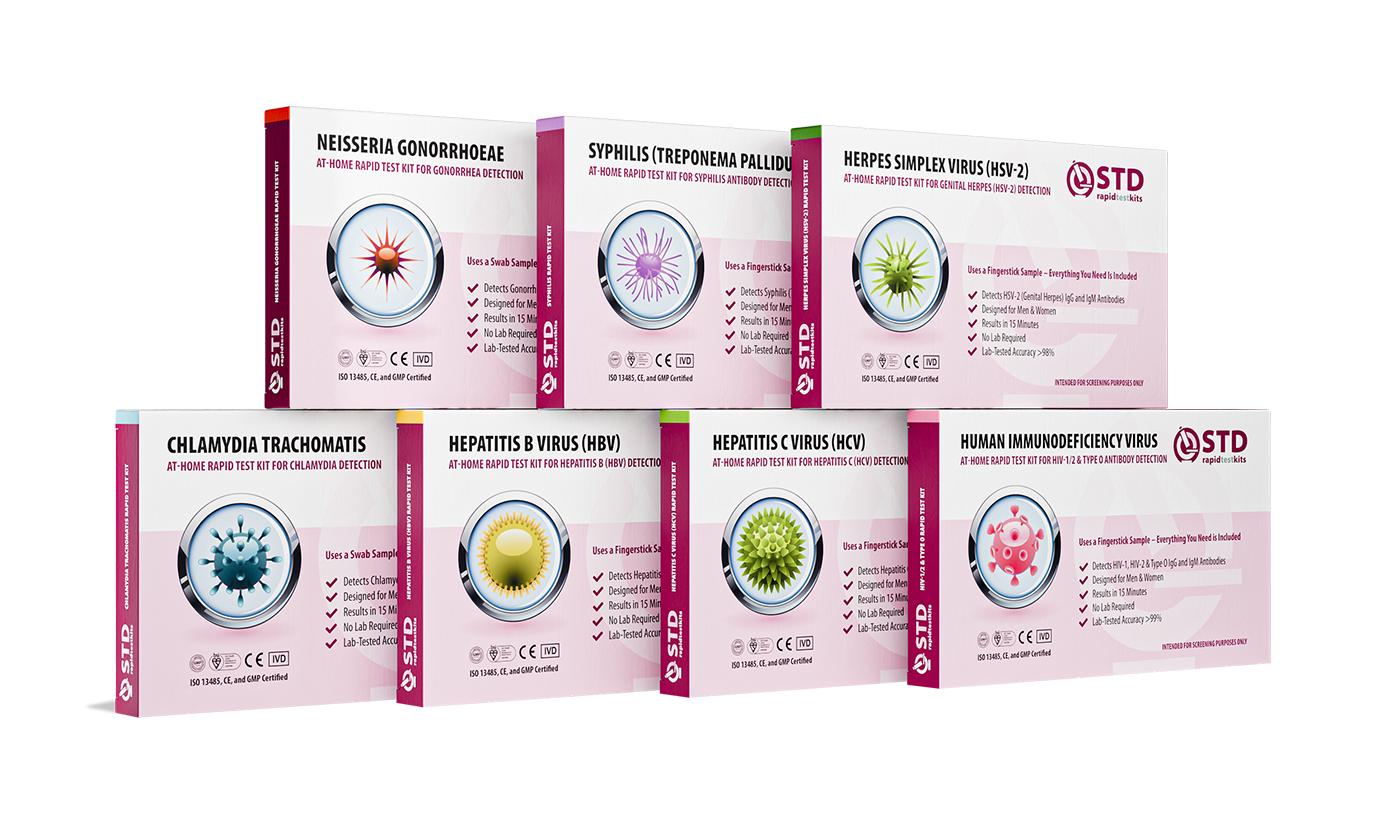 For Men & WomenResults in MinutesNo Lab NeededPrivate & Discreet
Order Now $129.00 $343.00
For all 7 tests
Privacy, Discreet Shipping, and At-Home Testing Options
If you’re worried about how to get tested discreetly, especially if you're not comfortable discussing this with a partner, roommate, or even your OB, you’re not alone. Thousands of people turn to at-home STD test kits because they offer something the clinic often can’t: privacy, speed, and control.
Here’s what you can expect: test kits arrive in plain, unmarked packaging, no company names or loud health slogans. Inside, you’ll find clear instructions, sterile swabs or urine containers, and a results card. Some rapid kits give you answers in 10–15 minutes. Others are mail-in with lab accuracy and turnaround in 2–3 days. All of them keep your information confidential.
During pregnancy, when your schedule is full and your emotions are running high, having the option to test at home, without the waiting room, without the side-eye, can be a huge relief. Especially if you're retesting between appointments or checking in after treatment, these kits offer a bridge between anxiety and action.
And if you do test positive again? You're not starting from scratch. You’re starting from informed. You already know how to get treated, what your options are, and how to keep your baby protected. That’s what real power looks like.
FAQs
1. Can chlamydia really hurt my baby?
Yes, but only if it’s left untreated. Chlamydia can pass to your baby during delivery and cause things like a nasty eye infection or even newborn pneumonia. But if you catch it early, treat it, and retest before birth, most babies come out completely healthy, and none the wiser.
2. Will I lose my baby if I have chlamydia?
That’s a terrifying thought, but the truth is: most people with chlamydia go on to have healthy pregnancies. There is a slightly higher risk of miscarriage or preterm labor if the infection goes undetected for a long time, but treatment flips the script. Once you’re on antibiotics, that risk drops dramatically.
3. I’m pregnant and tested negative earlier, should I test again?
If you’ve had a new partner, found out something concerning about your current one, or just feel uneasy, testing again is a smart move. A lot can change in a few months. No shame in double-checking when there’s a baby on the way.
4. How long after treatment should I retest?
Most OBs recommend retesting about 3 to 5 weeks after finishing your meds, just to make sure it really cleared. Some people need a third-trimester screen too, especially if they’ve had chlamydia before or are under 25. Retesting isn’t a sign of distrust. It’s insurance for your baby’s health.
5. If I've had chlamydia, can I still give birth naturally?
Totally. As long as the infection is treated and cleared before delivery, vaginal birth is safe. If it’s still active at labor time (rare, but it happens), your care team will step in with extra precautions. Either way, your baby can come into the world healthy.
6. What about breastfeeding, is that off-limits?
Not at all. Chlamydia doesn’t pass through breast milk. If you’ve already been treated, you’re good to go. If you’re still being treated, your doctor might give you a heads-up about timing, but breastfeeding is almost always encouraged, not restricted.
7. I’m in a monogamous relationship, how did this even happen?
That’s one of the most common, and painful, questions. Sometimes it’s a partner’s past exposure. Sometimes it’s a recent misstep they didn’t tell you about. And sometimes, unfortunately, it’s betrayal. But remember: chlamydia doesn’t care about relationship status. What matters now is taking care of yourself and your baby. The rest? You’ll deal with that in your own time.
8. Does chlamydia mean I might struggle to get pregnant again?
If it was treated quickly, you’re likely in the clear. But if it went undetected for a while, especially before pregnancy, there’s a risk of fallopian tube damage that could cause infertility or ectopic pregnancy later. The best way to protect future fertility? Don’t skip your follow-ups.
9. What happens to the baby if I don’t get treated?
The baby could develop conjunctivitis (a painful eye infection) or pneumonia in the first few weeks of life. Neither is guaranteed, but both are serious. The fix is simple, though: treat the infection before labor, and you slash that risk almost to zero.
10. Is there a way to test without going to the clinic?
Yup. You can test from your couch in under 15 minutes. At-home chlamydia tests are discreet, fast, and just as accurate when used correctly. They’re a game-changer for pregnant people who want peace of mind without the waiting room stress.
You Deserve Answers, Not Assumptions
Here’s the part most people don’t say out loud: finding out you have an STD during pregnancy is scary, but it doesn’t make you irresponsible, and it doesn’t define your ability to parent. What it does is give you a moment. A pivot. A chance to act boldly on behalf of your own body and your baby’s future.
Testing is not just a medical step, it’s an act of love. Treating an infection before delivery doesn’t erase what happened; it transforms what happens next. And whether you’re here because of a surprise diagnosis, a partner’s history, or just a hunch you can’t shake, you deserve clarity without shame.
Don’t wait and wonder, get the clarity you deserve. This at-home combo test kit checks for the most common STDs discreetly and quickly.
How We Sourced This Article: We used the most up-to-date advice from top medical groups, peer-reviewed research, and reports from people who have lived through it to make this guide useful, kind, and correct.
Sources
1. CDC – STDs During Pregnancy
2. Planned Parenthood – Chlamydia Overview
4. Chlamydial Infections — STI Treatment Guidelines – CDC
5. Role of Chlamydia trachomatis in Miscarriage — CDC Emerging Infectious Diseases
6. Screening Tests To Detect Chlamydia trachomatis – CDC MMWR
7. Pink Eye in Newborns | Conjunctivitis – CDC
8. Chlamydia trachomatis Screening and Treatment in Pregnancy – NCBI/PMC
9. Chlamydia: Causes, Symptoms, Treatment & Prevention – Cleveland Clinic
About the Author
Dr. F. David, MD is a board-certified infectious disease specialist focused on STI prevention, diagnosis, and treatment. He blends clinical precision with a no-nonsense, sex-positive approach and is committed to expanding access for readers in both urban and off-grid settings.
Reviewed by: A. Rivera, MSN, APRN | Last medically reviewed: January 2026
This article is for informational purposes and does not replace medical advice.


