






Quick Answer: Untreated chlamydia in gay and bi men can cause rectal inflammation, testicular damage, urethral scarring, fertility issues, and increase HIV risk, even if you feel fine. Testing and early treatment prevent these complications.
Why This Isn’t Just a “Straight People” Problem
Public health campaigns often center chlamydia as a concern for women or straight couples. But men who have sex with men (MSM) are actually disproportionately affected by certain forms, especially rectal chlamydia, which frequently shows no symptoms. According to the CDC, among MSM screened at clinics, rectal infection rates can range from 7% to 13% depending on location and testing frequency.
Part of the problem? Many men never test rectally or orally unless they explicitly ask. “I got tested yearly through work,” said Darien, 34, who works in tech. “But they only did a urine test, so my rectal chlamydia went undetected for at least a year.” He didn’t feel anything until bouts of diarrhea, blood on toilet paper, and a new HIV scare prompted deeper investigation.
Untreated infections like Darien’s can quietly inflame the rectum, damage local tissue, or spread internally. And when combined with the stigma MSM still face in healthcare spaces, it’s no surprise that many cases go untreated longer than they should.
What Happens in Your Body When Chlamydia Is Left Untreated?
Chlamydia trachomatis is a bacterial STD that targets mucous membranes, warm, moist areas like the urethra, rectum, throat, or eyes. When left untreated, it doesn't simply lie dormant. It can spread deeper, causing inflammation and scarring. In some cases, it crosses into adjacent systems, triggering more severe complications.
Here’s what can happen to different parts of the body if chlamydia goes untreated in men who have sex with men:
| Body Area | Possible Complications | Notes for MSM |
|---|---|---|
| Rectum | Proctitis, bleeding, mucous discharge, pain during sex | Often asymptomatic; can mimic IBS or hemorrhoids |
| Urethra | Urethritis, painful urination, discharge, scarring | Can narrow urethra, causing long-term pain or flow issues |
| Testicles | Epididymitis (swelling), infertility risk | Often one-sided pain; can feel like a pulled muscle |
| Throat | Pharyngitis (sore throat), inflammation | Rarely tested unless symptoms are extreme |
| Immune System | Increased HIV transmission and acquisition risk | Inflamed tissues become easier entry points for HIV |
Table 1. How untreated chlamydia affects different body systems in gay and bi men. Many of these complications happen without warning signs.

People are also reading: Do I Have Herpes or Razor Burn? Reddit Threads That Miss the Mark
The Symptom Trap: “But I Feel Fine…”
One of the most dangerous things about chlamydia is how often it hides. Especially in anal and throat infections, symptoms are either mild or entirely absent. A 2018 study found that nearly 85% of rectal chlamydia infections in MSM were asymptomatic. That means unless you're actively testing, ideally with a swab, not just urine, you could be infected without any clue.
Mark, 29, said his only symptom was a vague burning during ejaculation. “I thought I was just dehydrated or stressed,” he recalled. “By the time I tested, the infection had already spread to my epididymis.” His doctor explained that early treatment would’ve been a single dose of antibiotics. After months of delay, he needed a two-week course and lived with testicular pain for over a year.
When chlamydia goes untreated, the damage isn’t always immediate, but it builds. And the longer it sits in your body, the more likely it is to cause lasting harm.
Anal Chlamydia: The Infection No One Prepares You For
Anal chlamydia deserves its own spotlight, not because it’s rare, but because it’s rarely discussed. Many providers don't test rectally unless asked, and many men don’t know they should ask. The infection can be active in the rectum without any signs of illness, or it can mimic other conditions like hemorrhoids, anal fissures, or inflammatory bowel disease.
In severe or chronic cases, rectal chlamydia can cause proctitis: inflammation of the lining of the rectum. This condition may cause:
- Rectal pain or discomfort during bowel movements
- Mucus or blood in stool
- A sensation of incomplete evacuation
- Pain during anal sex
- A feeling of anal fullness or pressure
If left untreated, proctitis can worsen into ulcerations, scarring, or in rare cases, strictures (narrowing of the rectal canal). It can also increase the chances of acquiring or transmitting HIV, particularly if there are open lesions or mucosal inflammation.
In short: this isn’t just about discomfort. It’s about long-term damage to one of the most delicate and vulnerable tissues in the body.
Check Your STD Status in Minutes
Test at Home with Remedium8-in-1 STD Test Kit
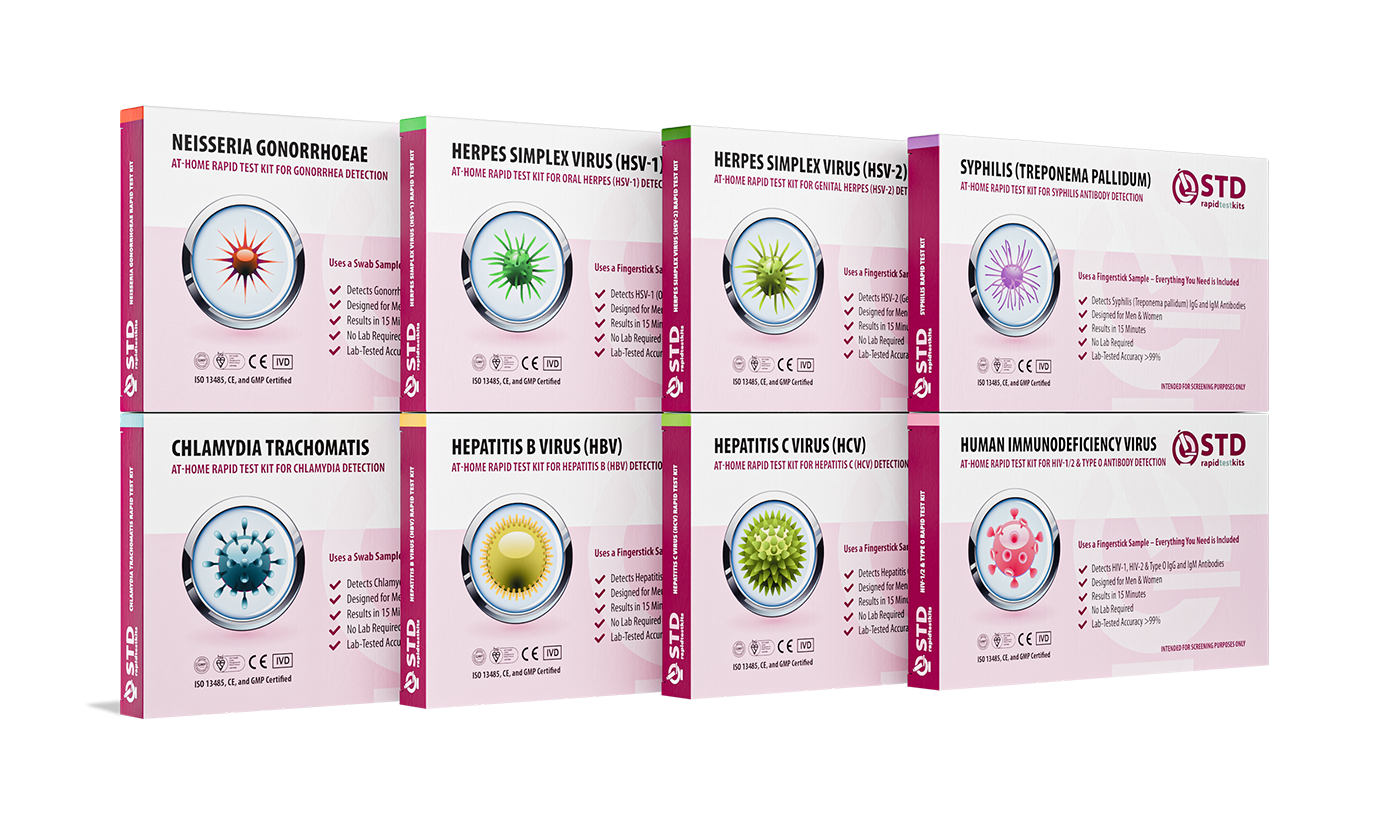
 For Men & Women
 Results in Minutes
 No Lab Needed
 Private & Discreet
Order Now $149.00 $392.00
For all 8 tests
Why It’s Not Just Physical: Emotional Fallout from Untreated STDs
It’s easy to think of STDs as a medical issue. And they are. But for many men, especially queer men navigating hookup culture, internalized shame, or healthcare bias, the emotional impact can hit just as hard.
Andre, 32, delayed treatment because he was terrified of judgment. “The guy ghosted me after we hooked up. I didn’t want to look stupid walking into a clinic and saying, ‘Hey, I might have chlamydia from someone I barely knew.’” The diagnosis didn’t come for another two months. By then, Andre had developed constant rectal discomfort and couldn’t enjoy sex the same way.
Untreated infections create more than biological complications. They seed mistrust in the body. They create anxiety around pleasure. They make disclosure harder next time around. And for men in long-term relationships, finding out you’ve had an STD for months can mean grappling with questions of betrayal, even if the original exposure wasn’t recent or remembered.
When your body feels like a question mark, it’s hard to be present with a partner. That’s one of the subtler consequences of letting something like chlamydia sit unchecked: it quietly erodes the foundation of sexual confidence.
Can Chlamydia Really Make You Infertile?
Let’s be blunt: yes. While it’s less common in men than in women, untreated chlamydia can lead to male infertility, especially if it affects the epididymis or causes chronic urethral inflammation that goes unnoticed for months or years.
Here’s how it happens. The bacteria can climb from the urethra into the epididymis, the tightly coiled tube where sperm matures. When infected, this area becomes inflamed, a condition called epididymitis. It can be painful, but not always. Over time, the swelling and scarring can block sperm movement or damage tissue. In some cases, it spreads to the testicles themselves, a more serious condition known as epididymo-orchitis.
In rare cases, urethral scarring can also cause strictures that make urination painful and ejaculation inconsistent. The longer you go without treatment, the more difficult it becomes to reverse the inflammation entirely, even after antibiotics.
There’s no way to sugarcoat it: silent STDs can have permanent effects. You don’t have to be trying for kids to care about protecting your fertility. It’s about defending your right to choose what your body does later in life.
How Testing Works (And Why One Type Isn’t Enough)
Most people assume a basic STD test includes everything. It doesn’t. In fact, unless you specifically request a rectal or throat swab, many clinics or labs only perform a urine-based test for chlamydia. That test is highly accurate for urethral infections, but it completely misses infections in the anus or throat.
Here’s what you need to know:
| Test Type | Detects | Sample Needed | Best For |
|---|---|---|---|
| NAAT (Urine) | Urethral chlamydia | Urine sample | Men who insert during sex |
| NAAT (Rectal) | Rectal chlamydia | Rectal swab | Men who receive during anal sex |
| NAAT (Throat) | Oral chlamydia | Throat swab | Oral sex with penis or rimming |
| Rapid Chlamydia Test | Urethral chlamydia | Urine or swab | Quick answers at home, confirm later if needed |
Table 2. Types of tests for chlamydia and what they catch. MSM need site-specific testing for accurate results.
Bottom line? If you’re only peeing in a cup, you’re only getting part of the picture. A full-screen for gay and bi men should ideally include urine, rectal, and throat swabs, especially if you’ve had recent partners or symptoms in any of those areas.
You can get these tests at LGBTQ+-friendly clinics, some telehealth services, or order kits that let you self-swab at home. One good option: the Combo STD Home Test Kit, which allows for multiple sample types.
Why Gay and Bi Men Are More Vulnerable to Long-Term Consequences
This isn’t about anatomy, it’s about access, stigma, and gaps in care. MSM are more likely to face:
- Providers who don’t ask about sexual behavior or test the right areas
- Shame-based delays in testing or disclosure
- Higher biological risk from receptive anal sex
- Co-infection risks with HIV or other STDs
- Partner networks with higher prevalence of asymptomatic infection
None of this means you’re doomed. But it does mean that awareness is power. The healthcare system doesn’t always advocate for gay and bi men, so we have to advocate for ourselves.
That means knowing when to test (every 3–6 months if you’re sexually active with multiple partners), asking for site-specific testing, and understanding what symptoms do, or don’t, mean.
It also means rejecting the idea that only “promiscuous” people get STDs. You can get chlamydia from one partner, one time. There’s no moral attached. Only biology. And biology doesn’t care if you’re monogamous, experimental, or in love.
So take the power back. Don’t wait for symptoms that may never show. Don’t settle for partial answers. If you’ve had any kind of sexual contact, even with a trusted partner, you deserve the full picture.
So You Tested Positive, Now What?
First, take a deep breath. Chlamydia is common, treatable, and often clears up with a single round of antibiotics. Most often, that’s a 7-day course of doxycycline taken twice daily, or a one-time dose of azithromycin in certain cases. But treatment is only part of the picture. What matters just as much is how you respond in those first few hours after diagnosis.
Jason, 30, got his results while standing in line at a food truck. “I felt the blood drain from my face,” he said. “It wasn’t even that I was scared of the infection, I was scared of what it meant. Who do I tell? Did I infect someone?” He didn’t move from that spot for 20 minutes. Eventually, he left without eating.
If you’re in Jason’s shoes, frozen, ashamed, or overwhelmed, know this: you’re not dirty. You’re not irresponsible. You’re human. STDs aren’t punishment. They’re part of the reality of sexual life. And acting fast can prevent any complications from taking hold.
Once diagnosed:
- Start treatment immediately. Don’t delay.
- Avoid sexual contact for at least 7 days after completing meds.
- Inform any partners from the past 60 days, compassionately, without blame.
- Retest in 3 months, even if symptoms don’t return.
Yes, retesting is important. Reinfection is common, especially if a partner wasn’t treated or you resume sex too early. The bacteria can return even if you felt “cured.” Waiting three months helps confirm it’s fully gone and offers peace of mind.
Talking to Partners Without Shame
This part sucks, but it’s also where healing begins. Letting a partner know you’ve tested positive isn’t about blame. It’s about giving them a chance to protect their health, too. You don’t have to give them every detail. You don’t have to explain your emotions. You just have to be honest.
Something like: “Hey, I tested positive for chlamydia. I don’t know when I got it, but you should probably get tested just to be safe. I’m getting treated now and want to make sure you're okay, too.”
That’s enough. Direct, compassionate, and stigma-free.
If you’re uncomfortable doing it in person, use an anonymous text tool. Many sexual health services offer anonymous partner notification portals. And remember: you’re not a villain for catching an infection. You’re responsible for what you do next, not for what you didn’t know.

People are also reading: How Long Can Hepatitis B Stay in Your Body Without Symptoms?
Preventing Reinfection (Without Ruining Your Sex Life)
Once you’ve been through the scare and the treatment, the last thing you want is to go through it again. Reinfection happens more often than people realize, not because they’re reckless, but because bacteria doesn’t care about feelings or intentions.
Here’s what helps reduce the risk without killing the vibe:
- Don’t resume sex until the full treatment course is done AND 7 days have passed.
- Encourage any recent partners to get tested and treated, otherwise you’ll play ping-pong with the infection.
- Use condoms consistently, especially for anal sex.
- Test regularly, every 3–6 months if you’re sexually active with new partners.
- Consider pre-sex screening with regular partners if condoms aren’t used.
You deserve sex that’s pleasurable, empowering, and safe. That doesn’t mean policing your body, it means learning it. Chlamydia doesn’t have to be a dealbreaker for your confidence or your connection. The key is clarity.
Reclaiming Peace of Mind: The Case for Testing at Home
If the idea of going to a clinic feels daunting, whether because of location, shame, or fear of judgment, know that you have options. At-home STD test kits are discreet, accurate, and increasingly comprehensive. And for MSM, being able to self-swab rectally or orally in the privacy of your home can be a game-changer.
Julio, 25, said he wouldn’t have tested at all if not for a mail-order kit. “I was out in a rural town. No clinics nearby, and I didn’t want my boss to see me take off work for something ‘personal.’ Swabbing myself at home felt weird at first, but it got me the answer I needed.”
You can explore reliable options like the Combo STD Home Test Kit, which screens for multiple infections and includes clear instructions for collection and privacy. No clinic visit. No judgmental glances. Just control over your own health.
And if the result is positive? You’re already halfway there. You’ve caught it early, can start treatment fast, and avoid the quiet damage that sneaks in when nothing feels wrong, but everything is.
Check Your STD Status in Minutes
Test at Home with Remedium7-in-1 STD Test Kit
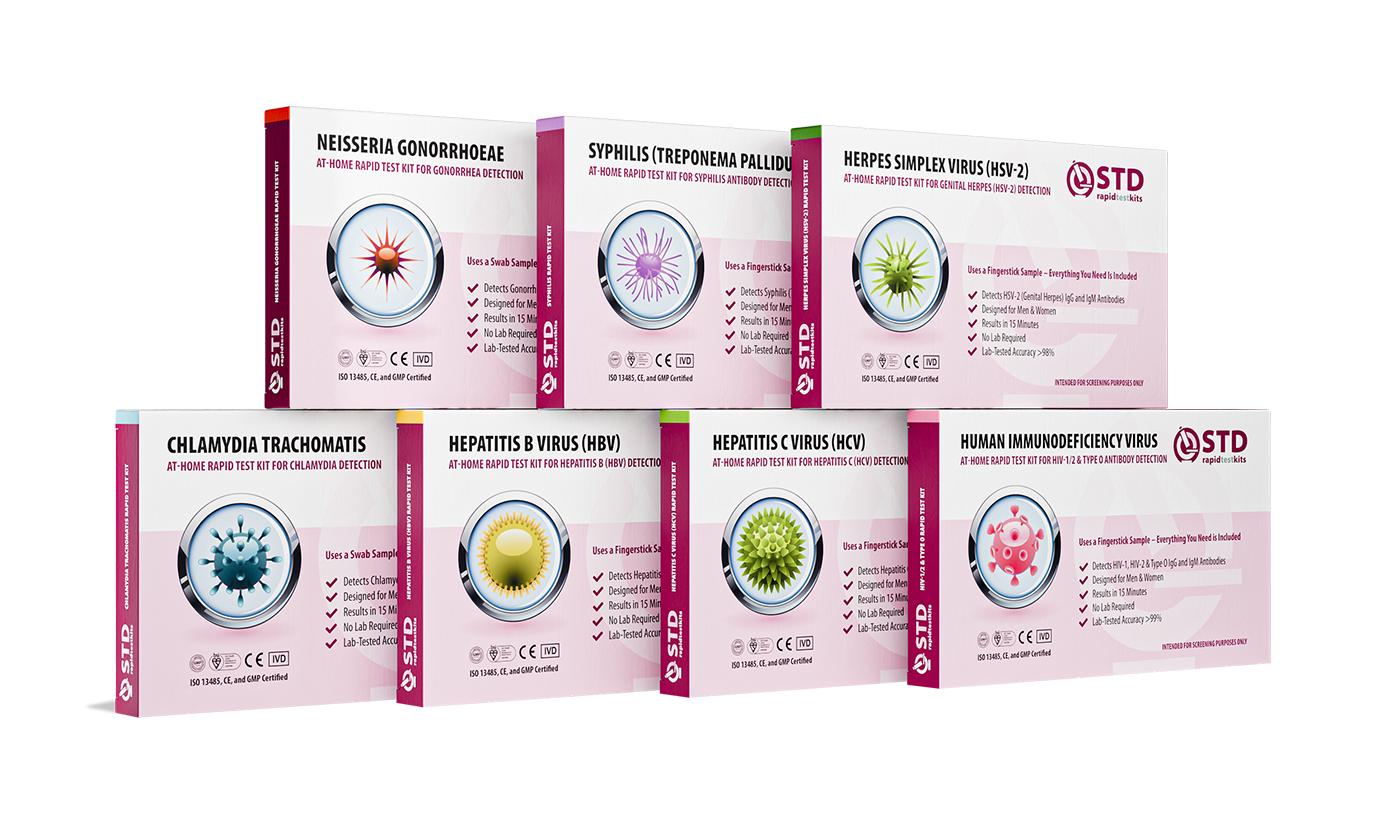 For Men & WomenResults in MinutesNo Lab NeededPrivate & Discreet
Order Now $129.00 $343.00
For all 7 tests
Your Body, Your Rules. But It Deserves the Truth.
Every time you skip a test, silence a symptom, or hope something clears up on its own, you hand your health over to chance. But it doesn’t have to be that way. You can choose clarity. You can choose protection. And most of all, you can choose yourself.
Chlamydia isn’t about being dirty, broken, or reckless. It’s about biology, vulnerability, and information gaps. For gay and bi men, the stakes are higher, not because we’re more fragile, but because the system isn’t always built to catch what’s happening in our bodies.
This article isn’t here to scare you. It’s here to remind you that silence has consequences, and action brings relief. If you’re even wondering whether you should test, that alone is reason enough.
Don’t wait and wonder, get the clarity you deserve. This at-home combo test kit checks for the most common STDs discreetly and quickly.
FAQs
1. Can chlamydia really just disappear if I wait long enough?
Nope, it’s not that kind of guest. Even if your symptoms vanish (or never show up at all), the infection keeps doing its thing in the background, quietly inflaming tissue, possibly damaging your testicles, rectum, or urethra. Chlamydia doesn't ghost you; it hides, and it lingers. You need antibiotics to kick it out for good.
2. I had anal sex last month but feel totally normal. Could I still have chlamydia?
Absolutely. In fact, most guys with rectal chlamydia feel nothing at all. That’s the sneaky part. You might only realize something’s up if you’re bleeding a little after a bowel movement or noticing some weird discharge. But even without those signs, the infection could still be there, especially if you didn’t test your butt specifically.
3. Is chlamydia more of a straight people issue?
Not even close. MSM (men who have sex with men) are often at higher risk because rectal infections don’t show up on standard urine tests. And when the system isn’t built to test all the right spots, people fall through the cracks. This article? It’s here to make sure you don’t.
4. What happens if I don’t treat it and just move on?
That depends on where it is. Rectal chlamydia can cause ongoing inflammation and increase your HIV risk. Urethral chlamydia might scar your urinary tract or cause pain when you pee. If it reaches your testicles, fertility can take a hit. Think of it like mold behind a wall, it won’t always smell, but it’s still spreading.
5. Can it make me infertile, even if I never had symptoms?
It’s rare, but yes. If the infection reaches the epididymis (the tube that stores and matures sperm), chronic inflammation could mess with your sperm flow. You might never connect the dots until you're trying to conceive. Bottom line: early treatment means fewer regrets down the line.
6. I already tested negative on a pee test. I’m good, right?
Depends, did you get any action back there? Pee tests only catch urethral infections. If you received during anal sex, or gave/received oral, you need site-specific testing. That means swabs, not just urine. A full clear bill requires a full panel.
7. What’s the actual treatment like? Is it hardcore?
Not at all. Most cases are handled with a week of doxycycline, two pills a day. Some folks get a one-time dose of azithromycin. It’s not painful, it’s not expensive, and most people feel totally fine during the course. No injections, no IVs, just pills and a pause on sex for a week.
8. Should I tell my recent hookups or partners?
Yes, and you don’t have to overexplain. Something simple like, “Hey, just found out I had chlamydia. I’m treating it now, but you might want to get tested too.” It’s not a blame game. It’s public service. You’d want someone to do the same for you.
9. How soon after a risky hookup should I test?
Give it at least 7 days, earlier than that, the bacteria might not be detectable yet. If it’s been a week or more, you're likely to get a reliable result. Still worried? Test again at the 30-day mark. No shame in double-checking.
10. Can I trust an at-home test kit to catch chlamydia?
Yes, especially if it’s a reputable one and you're swabbing the right places. Kits like the Combo STD Home Test Kit give you control, privacy, and lab-grade results. And if you’re not into awkward small talk at the clinic? Even better.
You Deserve Answers, Not Assumptions
Every time you skip a test, silence a symptom, or hope something clears up on its own, you hand your health over to chance. But it doesn’t have to be that way. You can choose clarity. You can choose protection. And most of all, you can choose yourself.
Chlamydia isn’t about being dirty, broken, or reckless. It’s about biology, vulnerability, and information gaps. For gay and bi men, the stakes are higher, not because we’re more fragile, but because the system isn’t always built to catch what’s happening in our bodies.
This article isn’t here to scare you. It’s here to remind you that silence has consequences, and action brings relief. If you’re even wondering whether you should test, that alone is reason enough.
Don’t wait and wonder, get the clarity you deserve. This combo test kit for home use checks for the most common STDs quickly and privately.
How We Sourced This Article: We combined current guidance from leading medical organizations with peer-reviewed research and lived-experience reporting to make this guide practical, compassionate, and accurate.
Sources
1. CDC – Chlamydia Fact Sheet (Detailed)
3. Sexually Transmitted Infections Treatment Guidelines, 2021 (CDC MMWR)
4. Chlamydia Infections – MedlinePlus
5. A Pragmatic Methodology for the Diagnosis and Treatment of Acute Epididymitis (NIH/PMC)
6. Sexually Transmitted Infections – Healthy People 2030
7. Extragenital Chlamydia and Gonorrhea Among Community MSM (CDC MMWR)
About the Author
Dr. F. David, MD is a board-certified infectious disease specialist focused on STI prevention, diagnosis, and treatment. He blends clinical precision with a no-nonsense, sex-positive approach and is committed to expanding access for readers in both urban and off-grid settings.
Reviewed by: A. Lin, MPH | Last medically reviewed: January 2026
This article is meant to give you information, not medical advice.


