





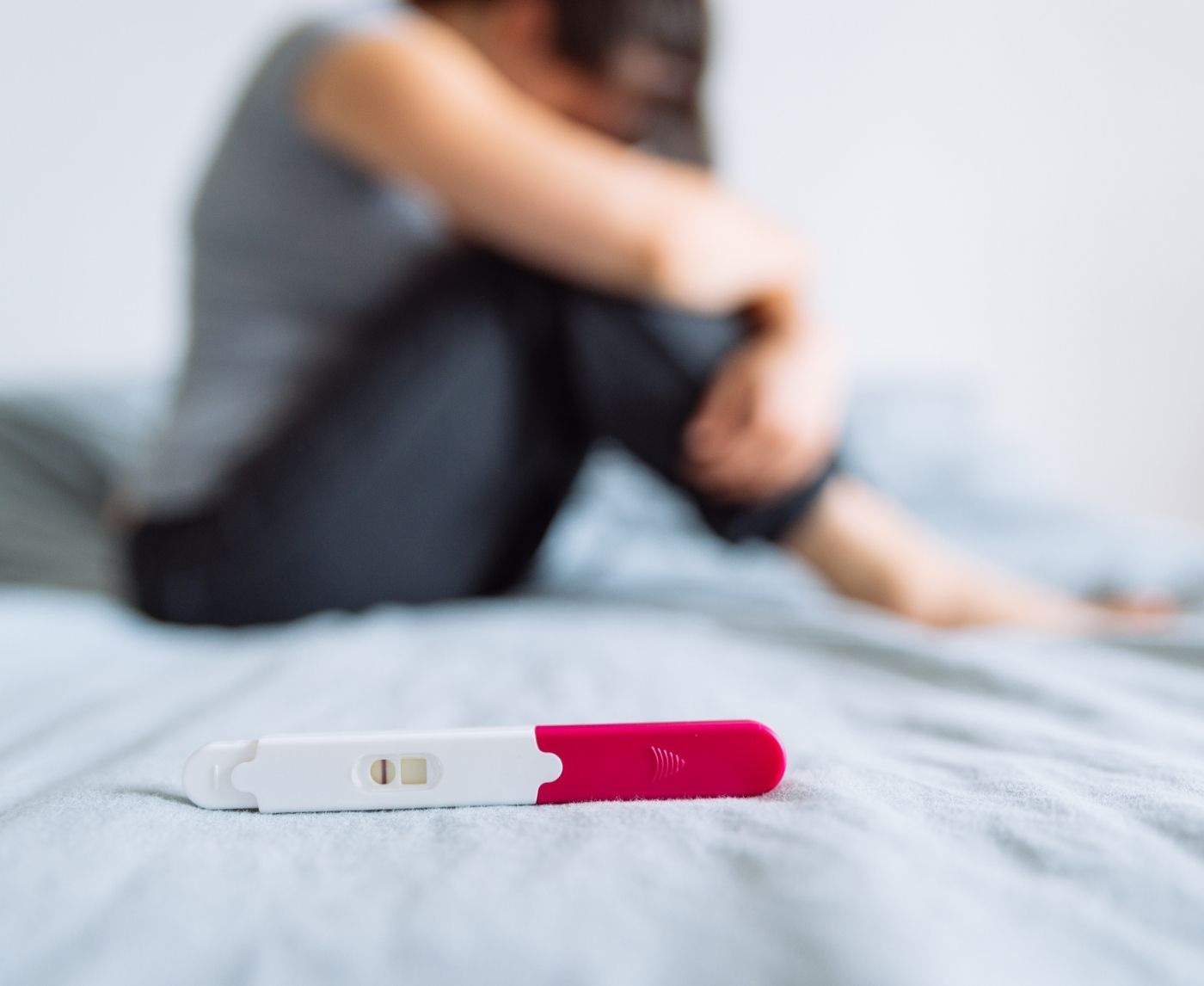

Quick Answer: Untreated chlamydia in cisgender women can lead to infertility, chronic pelvic pain, and a higher risk of ectopic pregnancy. Because it often shows no symptoms, testing is the only way to know, and early treatment can prevent long-term damage.
This Guide Is for the “I Didn’t Know” Crowd
This article is for the people who didn’t have symptoms. Who trusted their partners. Who thought one clean bill of health years ago meant they were fine. For anyone who’s sat on the edge of their bed, rereading a test result, wondering: “How long have I had this?”
If you’ve just tested positive for chlamydia, or you’re scared you might’ve had it for months, or years, without knowing, you’re not alone. And more importantly, you’re not doomed. But the clock does matter. This guide will break down exactly what untreated chlamydia can do to your reproductive system, how long it takes to cause damage, and what to do next to protect your future.
You’ll also find clear answers on when to retest, how to talk to partners, and which testing options protect your privacy while still being medically accurate.
How Chlamydia Damages the Female Reproductive Tract
Chlamydia doesn’t act like a typical infection with pain, swelling, or pus, at least not right away. That’s what makes it so dangerous. In cisgender women, it often stays tucked away in the cervix or upper vaginal tract, slowly moving upward toward the uterus and fallopian tubes. And when it gets there, it can wreak havoc silently.
Inside your reproductive system, chlamydia can cause scarring and inflammation, particularly in the fallopian tubes, which are incredibly delicate and narrow. These tubes carry your egg from your ovaries to your uterus each month. Even the tiniest amount of damage or blockage can prevent conception or increase the risk of an ectopic pregnancy, where a fertilized egg implants outside the uterus, a potentially life-threatening condition.
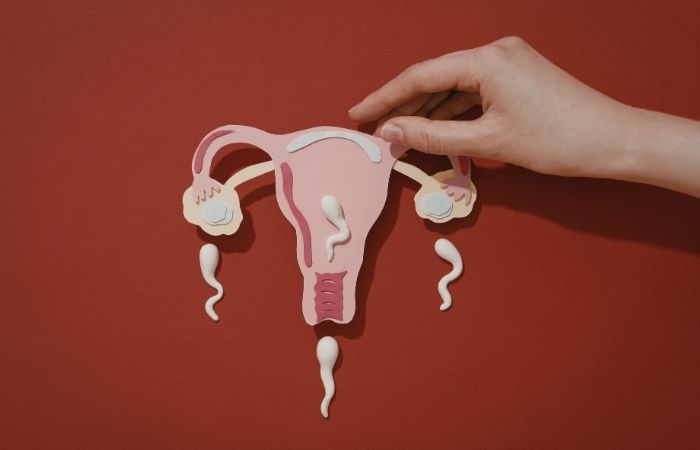
Here’s a table showing how chlamydia travels through the reproductive tract and what it can damage along the way:
| Area Affected | What Happens | Potential Outcome |
|---|---|---|
| Cervix | Initial site of infection; may cause mild discharge or spotting | Often asymptomatic |
| Uterus | Infection moves upward; inflammation starts | Cramping, irregular bleeding |
| Fallopian Tubes | Scarring or blockage forms due to chronic inflammation | Infertility or ectopic pregnancy |
| Pelvic Cavity | Pelvic Inflammatory Disease (PID) may develop | Chronic pain, infertility, systemic infection |
Figure 1: How untreated chlamydia spreads and causes reproductive harm over time.
People are also reading: What Happens After You Send an Anonymous STD Notification?
But I Felt Nothing, How Is That Even Possible?
That’s the heart of the problem. Around 70–80% of cisgender women with chlamydia don’t feel a single symptom. No burning. No smell. No discharge. Nothing dramatic enough to ring alarm bells. And when symptoms do appear, they often get mistaken for other things: a yeast infection, irregular cycle, or post-sex irritation.
Jasmin, 26, had back-to-back yeast infections for what she thought was “just her body being off.” Her doctor finally ran a panel after the third visit. It wasn’t yeast. It was chlamydia, and it had been there for at least six months.
“I didn’t even know I could have an STD without symptoms. No one tells you that in health class.”
By the time chlamydia moves into the upper tract, symptoms may shift into dull aches, pain during sex, or unusual spotting. But not always. For some, the first real warning sign comes when they start trying to conceive, and nothing happens.
This delay between infection and consequence makes it crucial to test regularly, especially after new partners or unprotected sex. The damage doesn't happen overnight, but the longer chlamydia is left untreated, the higher the risk of irreversible complications.
Check Your STD Status in Minutes
Test at Home with Remedium7-in-1 STD Test Kit

 For Men & Women
 Results in Minutes
 No Lab Needed
 Private & Discreet
Order Now $129.00 $343.00
For all 7 tests
How Long Before Chlamydia Affects Fertility?
This is one of the hardest truths: there’s no exact timer. Some people develop damage within months. Others carry the infection for years without complications. But on average, if chlamydia remains untreated for longer than a year, the risk of fertility-related complications rises sharply.
A key condition here is Pelvic Inflammatory Disease (PID), which develops when the infection moves beyond the cervix. According to the CDC, an estimated 10–15% of cisgender women with untreated chlamydia will develop PID. And among those with PID, about 1 in 8 will struggle with infertility.
Here’s a look at how time correlates with reproductive risk:
| Time Without Treatment | Risk of PID | Risk of Infertility |
|---|---|---|
| Under 3 months | Low to moderate | Low |
| 3–12 months | Moderate | Moderate |
| 1+ year | High | High (up to 20%) |
| Reinfection (multiple times) | Very high | High, even with short duration |
Figure 2: Estimated progression risk of untreated chlamydia by duration and reinfection.
It’s not just about how long the infection lingers, it’s also about whether you get it more than once. Recurrent chlamydia infections significantly increase the odds of permanent fallopian tube damage, even if the individual infections are short-lived.
If you’re reading this with a tight feeling in your chest, wondering if a past infection might have gone unnoticed, pause here. You don’t have to spiral. You just need to know your current status, and we’ll guide you through that next.
If You’re Trying to Get Pregnant (or Might Someday)
You don’t have to be actively trying to get pregnant for this information to matter. Fertility isn’t something most people track closely, until it’s a problem. And chlamydia often creates problems without ever showing symptoms. That’s why doctors recommend anyone under 25 who’s sexually active, or anyone with new or multiple partners, get tested for chlamydia annually, whether you feel fine or not.
Nina, 32, had been trying to conceive for over a year with her partner. They’d done everything right, timing, supplements, tracking, but nothing was working. When she finally saw a fertility specialist, the doctor asked about prior STDs. She shook her head. “None that I know of.” A basic screening showed antibodies for chlamydia, indicating a past infection. A hysterosalpingogram (HSG) later revealed scarring in both fallopian tubes. The likely culprit? An old infection she never knew she had.
It was devastating. But it was also clarifying. She and her partner switched gears to IVF, with new urgency. “Knowing what caused it didn’t fix it,” Nina said. “But at least I stopped blaming myself.”
If you’re planning a family, soon or someday, getting tested now gives you options. If you test positive, prompt treatment (usually a single dose of antibiotics or a short course) can stop further damage and reduce your risk of future infertility.
How to Know If You’ve Had Chlamydia Before
Unfortunately, chlamydia doesn't leave visible signs once it's gone. If you were never tested while infected, there’s no easy way to know after the fact, unless scarring or fertility issues arise. But some labs offer antibody testing, which can show past exposure. These aren’t always definitive, and they don’t replace standard screening, but they can help your doctor piece together a history if you’re facing unexplained infertility.
Still, the best way to protect yourself is not to guess, but to test.
You can order a discreet chlamydia test kit here that gives results in minutes. It’s private, fast, and lab-grade accurate. And if you prefer a lab-confirmed result, you can use a mail-in option that ships with prepaid return packaging.
Retesting: Why It’s Not Just a One-Time Thing
Testing once isn’t always enough, especially if you’re sexually active or have recently completed treatment for chlamydia. The CDC recommends retesting about three months after treatment, since reinfection is common. Not because treatment fails, antibiotics are typically very effective, but because partners may not get treated, or new exposures happen.
Reinfection increases your risk of complications even more than the first time. And in many cases, the second or third infection is the one that causes permanent fallopian tube damage.
Kelli, 24, thought she had cleared everything up with a round of treatment. But she trusted that her ex had also taken his meds, which he hadn’t. Two months later, she felt a strange cramp after sex, and some spotting. Her doctor confirmed she was reinfected. This time, she got both treatment and clarity: she decided to test again at 3 and 6 months post-recovery, and she made testing a condition in future relationships.
If you’ve recently finished treatment, schedule a retest, or order one privately. And if you’re in a long-term relationship, consider asking your partner to test too. STDs aren't about blame; they’re about biology.
People are also reading: You Tested Negative for Hepatitis B. Here’s Why That Might Be Wrong
Protecting Yourself Without the Shame
Let’s be clear: having chlamydia doesn’t make you dirty, irresponsible, or “used up.” It makes you a person who has had sex. That’s it. This infection is one of the most common in the world. Millions of people contract it each year, often from partners they trust.
The goal isn’t fear. It’s power. Knowing your status gives you power. Getting treatment gives you protection. Asking for your partner to test gives you control over your health. And the more we normalize this, the fewer people end up silently suffering years later when they can’t conceive or deal with unexplained pelvic pain.
So take the step. Order your test here, breathe, and reclaim your peace of mind.
What to Do If You Test Positive for Chlamydia
First, take a breath. You’re not the only one. Testing positive for chlamydia is incredibly common, and it’s one of the most easily treated STDs. Treatment is fast, effective, and, if you act quickly, can prevent long-term reproductive complications.
The standard treatment is a course of antibiotics: usually doxycycline for seven days or azithromycin as a single dose, depending on your provider’s recommendation. You must abstain from sex during this time and for at least seven days after treatment ends to avoid passing the infection on, or getting reinfected yourself.
If your partner hasn’t been treated, you’re at risk of a cycle of reinfection. That’s why most health providers recommend that both partners get treated at the same time. If your partner refuses to test or claims they’re “fine,” that’s not a green flag. Trust yourself, and the science.
Testing again at three months is crucial. Even if you feel fine. Even if you’re in a committed relationship. Reinfection happens silently too.
Reminder: You can get tested from home using a rapid test kit, and no one has to know unless you choose to share. It’s fast, discreet, and you’ll know your status within minutes.
Check Your STD Status in Minutes
Test at Home with Remedium6-in-1 STD Test Kit
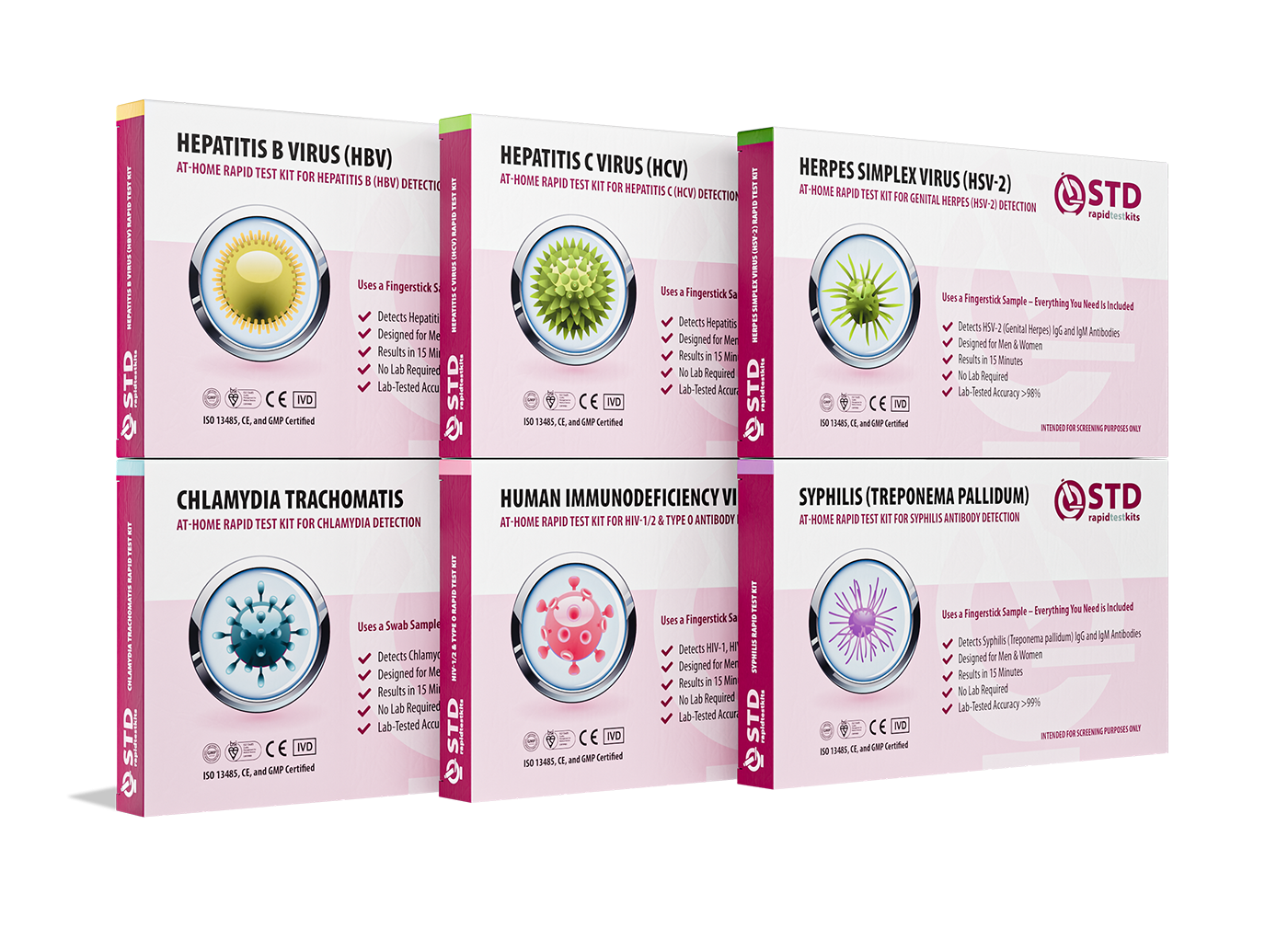 For Men & WomenResults in MinutesNo Lab NeededPrivate & Discreet
Order Now $119.00 $294.00
For all 6 tests
Can You Still Get Pregnant After Having Chlamydia?
Yes, many people do. Having had chlamydia doesn’t automatically mean infertility. The key is whether the infection caused scarring or blockage in your fallopian tubes, and that depends on how long it was left untreated and whether you had repeated infections.
If you’re trying to conceive and not succeeding, talk to your provider about your sexual health history, even if you’ve never tested positive before. An HSG or transvaginal ultrasound can assess whether your tubes are open. In some cases, fertility treatments like IUI or IVF can bypass tube damage altogether.
And here’s the hopeful part: if you catch the infection early and treat it quickly, you dramatically reduce your risk of complications. Many people who once had chlamydia go on to have completely healthy pregnancies.
Mira, 29, tested positive during a routine panel after changing partners. She was asymptomatic, treated immediately, and retested twice over the next six months, all clear. Two years later, she gave birth to a healthy baby boy.
Early action changes outcomes. It always has. It always will.
FAQs
1. Can I really have chlamydia for years and not know?
Yes, and it's more common than you think. Chlamydia’s a pro at laying low, especially in cis women. You could have zero symptoms and still have damage slowly happening behind the scenes. We’ve heard from people who only found out during fertility testing years later. So if something feels off, or even if it doesn’t, testing is smart, not shameful.
2. If I had chlamydia once, am I now infertile?
Not necessarily. A single treated infection, especially if caught early, often leaves no lasting damage. The real risk comes when it's left untreated or when infections happen over and over. Your fallopian tubes are sensitive, repeated inflammation can scar them. But catching it early? That changes everything.
3. How soon after antibiotics can I get pregnant?
Once you finish treatment and get a negative test result (usually around the 3-month retest mark), you're clear. But give your body time to heal. And don’t skip the retest, it’s how you know the meds worked and that reinfection didn’t sneak in. Think of it like changing the oil before a road trip: you don’t want surprises down the road.
4. What does chlamydia actually feel like, if you do have symptoms?
That’s the thing, it often doesn’t feel like anything. But when it does, it might show up as weird spotting, pain during sex, or just an annoying pelvic ache that comes and goes. Many people chalk it up to periods, stress, or a yeast infection. That’s why it gets missed so often. If something feels "off," don’t gaslight yourself. Test.
5. My partner says he’s clean, do I still need to test?
Yes. Not because you don’t trust him, but because he might genuinely not know. Chlamydia hides in guys too, often with no symptoms. If you’ve had unprotected sex, testing is just smart health, not a betrayal. You both deserve peace of mind.
6. Can you get chlamydia from oral sex?
You can, actually. It’s less common, but it happens. The bacteria can live in the throat and be passed that way. That’s why full-panel testing matters, not just vaginal or urine samples. If you’re sexually active in any way, chlamydia doesn’t care how polite the encounter was. It just wants a host.
7. How often should I test for chlamydia?
If you’re under 25 and sexually active? Once a year, minimum. If you’ve had new partners, unprotected sex, or anything that made you raise an eyebrow? Test sooner. And if you’ve had chlamydia before, your risk for reinfection is higher, so retest three months after treatment, and make it a habit.
8. I’m scared to test. What if it’s positive again?
Then we deal with it, like we always do. Better to know than to let it keep doing quiet damage. A positive result isn’t a character flaw. It’s data. And every piece of data gives you more control, more protection, more clarity. The real danger isn’t knowing, it’s waiting.
9. Does chlamydia always mean someone cheated?
Nope. It could be an old infection that got missed. You or your partner might’ve had it long before you met. This isn’t CSI: Relationship Edition, it’s biology. Treat it like a health issue, not a scandal. If you’re in a relationship where asking for testing is considered suspicious? That’s the red flag, not the test.
10. Can I still get pregnant after chlamydia?
Yes. Many people do. Even those who had it more than once. The key is whether there’s been damage to your fallopian tubes, and you won’t know that without testing or fertility evaluations. But don't jump to worst-case scenarios. Take it one test, one step, one decision at a time.
You Deserve Answers, Not Assumptions
You’re not “dirty.” You’re not irresponsible. You’re not alone. What you are, if you’re even reading an article like this, is someone who gives a damn about their body, their future, and their truth. That already puts you ahead of the curve.
We’ve been conditioned to wait until something’s wrong before we take action. But chlamydia doesn’t wait. It works quietly. And that’s why knowledge is power here, real power, not the kind you have to shout about. Quiet power. The kind that sits in knowing you took care of yourself, even when nobody was watching.
If you’ve been walking around with questions, about old partners, past symptoms, maybe even regret, you deserve better than guesswork. You deserve answers. Not shame. Not assumptions. Just facts, compassion, and a clear next step.
Click here to order a rapid chlamydia test. It’s private. It’s fast. And it puts the decision-making back in your hands.
Your body’s story isn’t written by what happened before. It’s written by what you do next.
How We Sourced This Article: We combined current guidance from leading medical organizations with peer-reviewed research and lived-experience reporting to make this guide practical, compassionate, and accurate.
Sources
2. NHS – Chlamydia Symptoms & Treatment
3. Mayo Clinic – Pelvic Inflammatory Disease
4. Planned Parenthood – Chlamydia Overview
5. Chlamydia – StatPearls (NIH / NCBI Bookshelf)
6. About Pelvic Inflammatory Disease (PID) – CDC
8. Chlamydia: Causes, Symptoms, Treatment & Prevention – Cleveland Clinic
9. Chlamydia – Symptoms and Causes – Mayo Clinic
10. Chlamydia infection, PID, and infertility: further evidence – PubMed
About the Author
Dr. F. David, MD is a board-certified infectious disease specialist focused on STI prevention, diagnosis, and treatment. He blends clinical precision with a no-nonsense, sex-positive approach and is committed to expanding access for readers in both urban and off-grid settings.
Reviewed by: Dr. L. Sanchez, MPH | Last medically reviewed: January 2026
This article is for informational purposes and does not replace medical advice.


