







Quick Answer: Yes, cisgender women can get chlamydia from giving oral sex. Chlamydia can infect the throat during mouth-to-genital contact and often shows no symptoms.
Why This Happens More Than You Think
In sex ed, if you even got one, oral sex was usually treated like a technicality. Something that didn’t “really count” as sex. For many cisgender women, that message sticks: oral is safer, oral is casual, oral doesn’t lead to consequences. But in reality, chlamydia doesn’t care whether you had penetrative sex or not. What it needs is exposure to infected fluids, something oral sex can definitely provide.
Take Leah, 22. She’d just started dating again after a breakup and wanted to go slow. She and her date agreed on "no sex" but got carried away with oral. “I didn’t even think about condoms for that. It felt harmless,” she said later. A few weeks later, a routine panel showed a throat infection. She had no symptoms, no sore throat, no fever, nothing. But the chlamydia was there, quietly sitting in her pharynx.
Cases like Leah’s are increasingly common. According to the CDC, chlamydia is the most frequently reported STD in the U.S., and many infections go undiagnosed because they’re asymptomatic, especially when they’re in the throat.
Let’s Talk About Pharyngeal Chlamydia
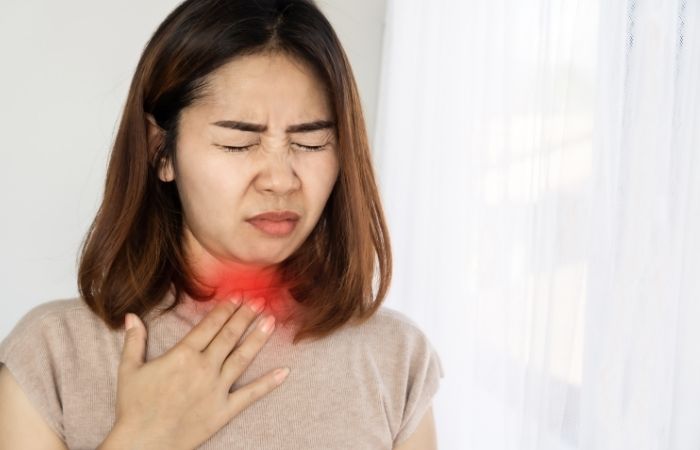
When chlamydia infects the throat, it’s called pharyngeal chlamydia. It’s not as well-known as genital or rectal chlamydia, but it can still spread and, in some cases, cause mild symptoms like sore throat, swollen lymph nodes, or a raspy voice. However, most people never feel a thing.
That’s what makes it risky. Without symptoms to flag it, you might assume you’re fine, and pass the infection to someone else during oral sex, kissing after oral-genital contact, or even through saliva if there's fluid transfer involved.
In a 2023 study published in the journal Sexually Transmitted Diseases, researchers found that pharyngeal chlamydia was detected in 7–13% of women who reported giving oral sex to partners with known or suspected STDs. The kicker? Nearly all of them were asymptomatic. That means throat chlamydia was quietly sitting there, possibly for weeks or months, without anyone noticing.
People are also reading: Delaware Women Are Being Misdiagnosed With UTIs, and It’s an STD Crisis
Table: How Chlamydia Spreads During Oral Sex
| Activity | Risk of Transmission | Why It Matters |
|---|---|---|
| Giving oral sex to someone with chlamydia | High | Can result in pharyngeal infection for the giver |
| Receiving oral sex from someone with pharyngeal chlamydia | Moderate | Infected saliva may transmit bacteria to genitals |
| Kissing after oral sex (saliva exposure) | Low | Unlikely, but possible with significant fluid exchange |
| Oral sex with a condom or dental dam | Low | Barrier protection reduces risk dramatically |
Figure 1. Transmission risks for cis women during oral sex. “High” risk means probable exposure if the partner is infected and no protection is used.
Why Throat Infections Are Hard to Catch
One of the most frustrating things about oral chlamydia is how often it's missed. Many people, even providers, don’t test for it unless you specifically ask. That’s partly because throat chlamydia doesn’t cause classic symptoms. There’s no discharge, no burning pee, no pelvic pain. So unless you're testing your throat swab specifically, you might get a clean bill of health even with an active infection.
Camila, 27, got tested after a friend urged her to check "just in case." Her genital swab came back negative, but the throat swab? Positive. “I was shocked. I felt fine. But it made sense, I had given oral to someone who later ghosted me. He never mentioned anything,” she said. Camila had no idea she’d been carrying the infection, let alone capable of giving it to others.
This silence is part of the problem. Without symptoms, without awareness, throat chlamydia flies under the radar. And because it’s rarely screened for, it continues to spread, especially in populations that assume oral is “safe enough.”
Check Your STD Status in Minutes
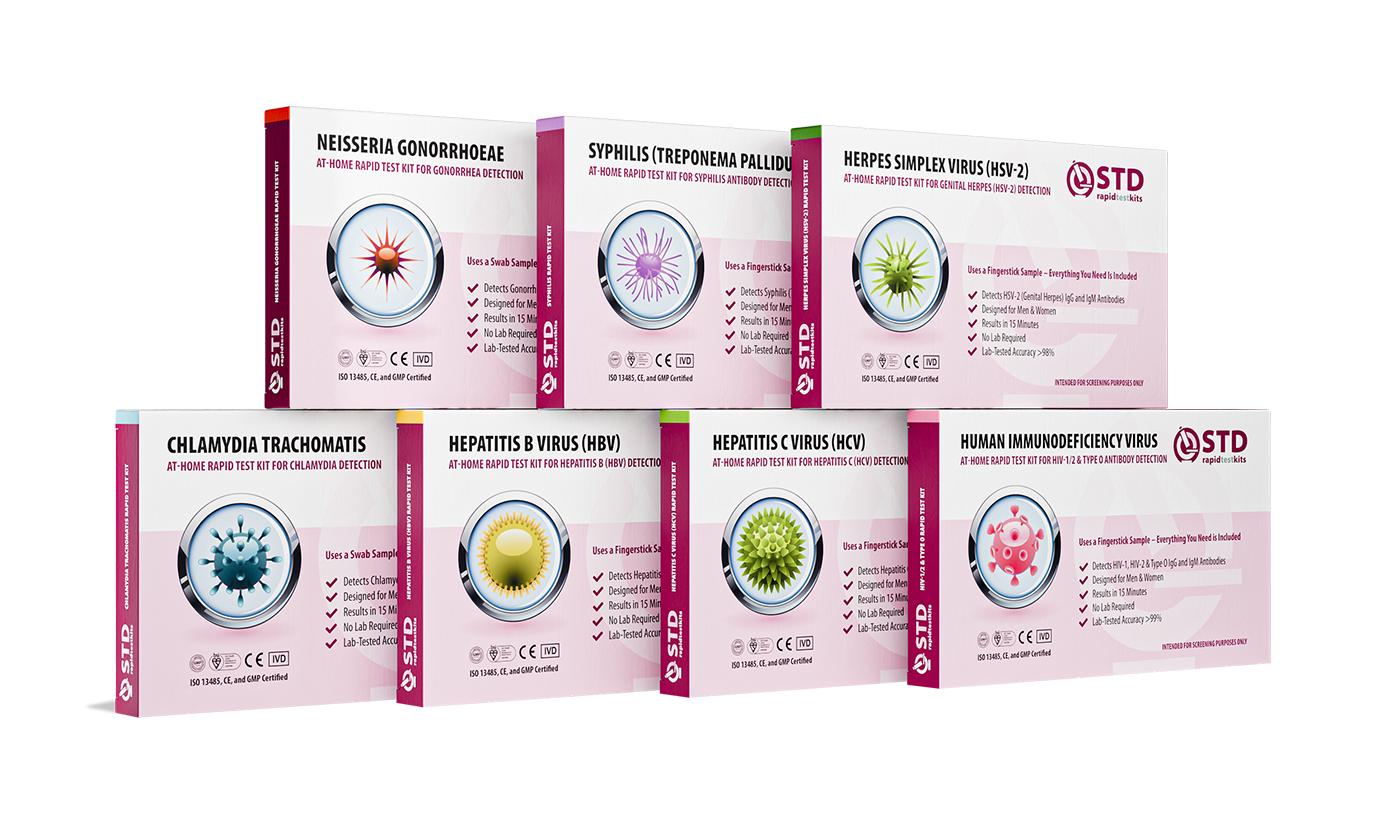
Test at Home with Remedium7-in-1 STD Test Kit
 For Men & Women
 Results in Minutes
 No Lab Needed
 Private & Discreet
Order Now $129.00 $343.00
For all 7 tests
Testing Realities: What to Ask For and When
Most standard STD panels, whether at a clinic or at home, don’t include throat testing by default. You usually have to request it, and even then, some providers may push back if you're not in a “high-risk” group. But risk doesn’t look one way. Being a cis woman who gave unprotected oral to a new partner is reason enough to get tested.
Here’s what matters: how long it’s been since the exposure. If it’s only been a few days, the test might miss it. But wait too long, and the infection may resolve or get passed to someone else. Below is a general window period table for different chlamydia testing types.
Table: Chlamydia Testing Windows by Sample Site
| Test Site | Sample Type | Window Period | Recommended Testing Time |
|---|---|---|---|
| Throat | Swab (pharyngeal NAAT) | 7–14 days | 14+ days post-exposure |
| Genital | Urine or vaginal swab | 5–10 days | 10–14 days post-exposure |
| Rectal | Rectal swab (NAAT) | 7–14 days | 14+ days post-exposure |
Figure 2. Chlamydia detection timeline by location. NAAT tests (nucleic acid amplification tests) are considered the gold standard for all sample types.
Testing Options for Throat Chlamydia
If you’re trying to figure out whether your oral encounter left you exposed, your best bet is a test that includes throat swabs. Some at-home STD kits allow for this; others only offer genital testing. It’s crucial to read the product details or ask your provider directly.
To make it easier, you can check for throat-specific coverage with the Combo STD Home Test Kit, which allows for flexible sample types. If your exposure was only oral, it’s the throat you need to check, not just the genitals.
If you’re not sure what to order or whether you even need to test, don’t guess. It’s better to test and find out than to wonder and unknowingly carry something. STD Rapid Test Kits offers fast, private testing with support available if you need help deciding.
“But I Didn’t Swallow”: What Actually Increases Risk
It’s one of the first things people say after a surprise diagnosis. “But I didn’t even swallow!” The idea is that if you spit, rinse, or pull back quickly, you’ve dodged the danger. Unfortunately, transmission doesn’t rely on swallowing ejaculate. Chlamydia lives in the urethra, and even pre-ejaculate (pre-cum) can carry the bacteria. So the moment your mouth comes into contact with an infected penis, transmission is possible.
Nina, 24, had always used condoms for sex. But she didn’t use them for oral, especially not in long-term relationships. “It just felt weird, like, no one does that,” she said. When her partner tested positive and she tested negative genitally, she assumed she was in the clear. Her doctor didn’t swab her throat. Two weeks later, she had a persistent sore throat and went back, this time requesting a throat swab. It came back positive.
Whether ejaculation happens or not, oral sex is still sex. The friction, fluids, and close contact are enough to spread infection. While swallowing may increase the volume of exposure, the key risk factor is oral contact with an infected area, not what happens after.
When the Infection Doesn’t Stay in the Throat
Another thing many people don’t realize is that pharyngeal chlamydia can sometimes seed infections elsewhere. It’s rare, but if you give oral and later engage in vaginal or anal sex without protection, there’s a small possibility of auto-inoculation. In simpler terms: you could potentially infect yourself.
More commonly, the risk is in transmitting it to a partner. Say you give unprotected oral to someone who has chlamydia. You now carry the bacteria in your throat. Days or weeks later, you engage in genital sex with a new partner. If there's fluid exchange, say, kissing after oral or other contact, you might pass it on without realizing it.
This is how silent infections stay in circulation. They hide in places we don’t test. They show no symptoms. They get passed from one person to the next under the assumption that oral is “safe enough.” That’s why accurate information matters, and why the right test makes all the difference.
“I Thought He Was Clean”: Why Testing Isn’t Always Shared
Many cis women who find themselves with a surprise STD after oral sex trusted that their partner was “clean.” Maybe he even said he got tested. But not all tests are created equal, and not everyone is honest about their results. Most STD panels don’t automatically check for chlamydia in the throat, especially if the person wasn’t asked about giving or receiving oral sex.
Rachel, 31, met her partner through a dating app. They talked about testing and agreed to keep things low-risk. She gave him oral a few times but didn’t have penetrative sex. Three months later, after experiencing swollen tonsils that wouldn’t go away, she finally got a throat swab. Her doctor was surprised when it came back positive. Her partner claimed he was “fully tested,” but it turned out his tests didn’t include throat swabs.
Assumptions are a huge part of the problem. If you’re a cis woman giving oral sex, your risk isn’t zero. And if your partner’s test didn’t include a throat swab, or if they didn’t test at all, you may be operating on a false sense of security. It’s not about blame; it’s about clarity. Oral sex without a barrier is a known route for chlamydia transmission, regardless of gender.
Preventing Chlamydia During Oral Sex
The good news? You can still enjoy oral sex and reduce your risk dramatically. The simplest method is using a condom or dental dam. These barriers limit fluid exchange and protect your throat from infection. But let's be real: most people don’t use them, especially in casual settings or with trusted partners.
So if you’re not using a barrier, knowledge becomes your next best defense. Know your partner’s status, but also know what that status means. If they tested but didn’t include a throat swab, that’s a blind spot. If they haven’t tested in over a month or recently had a new partner, their “negative” could be outdated. Use this info to decide how and when to test yourself.
And remember, your own testing matters too. If you’ve given oral and you’re unsure of your partner’s STD history, it’s okay to test for peace of mind. An at-home kit that includes throat swabs, or a clinic that respects your request, is a solid place to start. Don’t wait for symptoms. Many never come.
What to Expect If You Test Positive
Testing positive for oral chlamydia isn’t the end of the world. It’s actually more common than most people realize, and it’s treatable. Most cases respond to a short course of antibiotics, often doxycycline for seven days. You don’t need hospitalization or special procedures. You just need to take it seriously and complete the treatment.
Keisha, 26, tested positive during a routine checkup before starting a new relationship. “I hadn’t had sex in six months,” she said. “I thought I was just being extra careful. But when the results came back, I was floored. The only thing I’d done was give oral.” She took her meds, told her former partner, and moved on, wiser, not ashamed.
That’s the vibe we want you to walk away with: empowered, not judged. Infections happen. What matters is how we handle them. That includes follow-up testing to confirm clearance (usually 3–4 weeks after treatment), and communicating with recent partners so they can get tested too. You’re not alone, and you’re not dirty. You’re human. You took a risk. And now you’re taking care of it.
Need a discreet test kit that lets you check for oral and genital chlamydia from home? This combo kit covers multiple STDs and keeps things private. Fast shipping, simple instructions, no clinic visit required.
When to Retest and Why It Matters
Even after treatment, it’s a good idea to retest. Chlamydia can come back, not because treatment failed, but because reinfection happens easily if your partner wasn’t treated or if you’ve had a new exposure. The CDC recommends testing again about three months after treatment, even if you feel fine.
Some people also get tested sooner, especially if they’re starting a new relationship or have lingering anxiety. Just know that testing too early (within two weeks of finishing antibiotics) can give you a false positive due to residual DNA. That’s not a sign the infection is still active, but it can definitely freak you out. Best to wait at least 3–4 weeks post-treatment for confirmation, unless a provider advises otherwise.
If you had symptoms, make sure they fully resolve. If you didn’t have symptoms (which is common with pharyngeal infections), make sure to test both genitals and throat if there's a chance of exposure. And if you’re not sure, test anyway. Clarity is care.
The Emotional Fallout of a “Low-Risk” Mistake
For many cisgender women, getting chlamydia after oral sex hits harder than just a medical diagnosis. It feels like betrayal, of trust, of your body, of everything you thought you were doing right. You were cautious. You didn’t even have “real” sex. So why does it still feel like failure?
That’s what Marissa, 29, wrestled with. She’d been celibate for nearly a year before a fun weekend with someone new. They skipped intercourse, kept things light, shared a hotel bed and some long nights of kissing and oral. She didn’t feel sick. But a month later, she went in for a routine check and tested positive for chlamydia. “I cried in my car,” she said. “Not because of the diagnosis, but because I felt stupid. Like I should’ve known better.”
That kind of emotional aftermath is common. STDs carry stigma, and pharyngeal ones especially so, because no one warned you about them. Oral was supposed to be safer. But here's the truth: being cautious and still catching something doesn't make you reckless. It makes you human in a system that doesn’t talk enough about how transmission really works.

People are also reading: Can You Get an STD from an Animal? What the Science Says About Bestiality and Risk
Why This Isn’t Talked About (But Should Be)
Pharyngeal chlamydia rarely makes the headlines. Most sexual health discussions still focus on vaginal or anal transmission. And when women are centered in the conversation, it’s usually about fertility or “serious” infections, rarely the throat.
But the throat matters. It can quietly carry and pass STDs to others. It can evade detection. It can contribute to community transmission even when people think they’re being responsible. And for cis women especially, it represents an overlooked risk, hidden behind assumptions about what “counts” as sex.
The silence around this is why so many people feel shame when they get diagnosed. They didn’t know. No one explained it. And now they’re left feeling dirty or dumb, when what they really need is clarity, compassion, and options. That’s why we’re having this conversation out loud. Because awareness is prevention. Because you deserve to know how this works, not after the test comes back, but before.
Your Testing Plan: What to Do Right Now
If you've had oral sex recently and didn’t use a barrier, here’s what you can do:
First, check the calendar. How long ago was the encounter? If it’s been fewer than 7 days, testing now might be too soon for accurate throat results. You can still test, but you may need a retest in a week or two. If it’s been 10 to 14 days, you're in the ideal window to catch a pharyngeal infection with a NAAT test (nucleic acid amplification test), which is the most sensitive option.
If you have symptoms, like a sore throat that won’t go away, swollen glands, or unexplained fatigue, it’s worth getting tested even sooner. But remember, most people don’t have symptoms at all. The absence of discomfort doesn’t mean the absence of infection.
When in doubt, choose a test that lets you collect a throat swab. Some at-home options offer this; others don’t. We recommend the Combo STD Home Test Kit if you’re unsure, because it covers multiple sites and STDs, including chlamydia, gonorrhea, and others that can infect the throat. Discreet, fast, and easy to use at home.
If you're still spinning, pause. Breathe. Testing isn’t punishment; it’s a reset. You’re not broken. You’re informed.
Check Your STD Status in Minutes
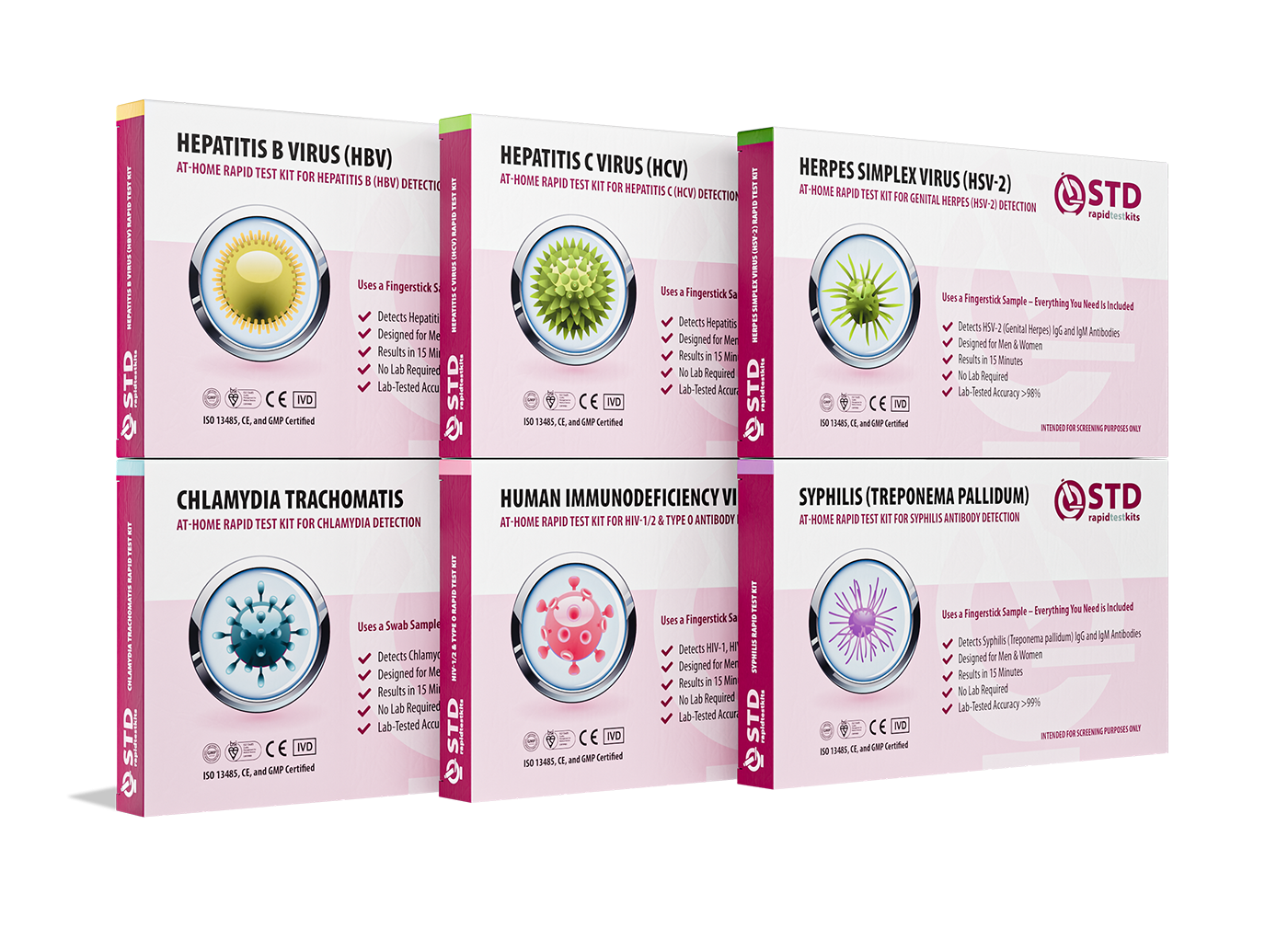
Test at Home with Remedium6-in-1 STD Test Kit
 For Men & WomenResults in MinutesNo Lab NeededPrivate & Discreet
Order Now $119.00 $294.00
For all 6 tests
Why Cisgender Women Deserve Better Answers
Sex education, when it exists, often ignores women’s experiences, especially when those experiences don’t involve traditional heterosexual intercourse. Oral sex, queer sex, casual hookups that don’t "go all the way", these get left out of the conversation. And when they’re not acknowledged, neither are the risks. That leaves women unprepared, unprotected, and often blindsided.
So let’s be clear: cisgender women can and do get chlamydia from giving oral sex. You don’t have to have vaginal penetration. You don’t have to swallow. You don’t have to feel symptoms. This is still real, and still worth testing for.
And no, this doesn’t mean you should fear every sexual encounter. It means you deserve honest information, no matter what kind of sex you’re having. You deserve tools that meet you where you are, whether that’s in a dorm room, a road trip motel, or the quiet of your bedroom after everyone else is asleep.
Your body is not shameful. Your choices are not dirty. And your care should never depend on outdated ideas of what sex is “risky enough” to matter.
Take the Next Step with Confidence
You don’t have to wonder. You don’t have to wait. If you've given oral sex recently and are feeling uneasy, or if you’re just ready to know for sure, take action now with a test that fits your needs. Privacy matters. Control matters. Peace of mind matters.
Order a discreet STD combo test kit that checks for the most common infections, including those that hide in the throat. It comes quickly, ships quietly, and gives you the information you need to move on.
Don’t wait until symptoms show up, or until you’re sitting in a clinic with unanswered questions. Whether you’re scared, confused, or just curious, you deserve real answers. And you can get them, starting today.
FAQs
1. Can I really get chlamydia just from giving a guy head?
Yeah. That’s the plot twist no one warned you about in sex ed. If the person you’re going down on has chlamydia (even if they don’t know it), the bacteria can end up in your throat. You don’t need to swallow, and they don’t need to finish, just mouth-to-genital contact is enough.
2. But my throat feels fine. Should I still test?
Totally fair question. And here’s the annoying part: most people with oral chlamydia feel completely normal. No sore throat, no fever, nothing weird. That’s why it slips under the radar. So if you gave oral and didn’t use protection, a throat swab is still worth it, even if everything feels chill.
3. Does it matter if I didn’t swallow?
Nope. Swallowing doesn’t decide whether you get infected. Chlamydia can be present in pre-cum, and once it touches your throat, that’s enough for transmission. So even if it was a “quick” oral situation, the risk is still there.
4. Is it possible to pass it to someone else from my mouth?
Yes, but most people don’t realize it. If you’ve got chlamydia in your throat and then give oral to someone else, you could pass it along, without ever knowing you had it. It’s a quiet chain reaction. That’s why routine testing matters, even when it doesn’t “feel like” you did anything risky.
5. What does oral chlamydia feel like, if anything?
Honestly? Most of the time it feels like nothing. But in some cases, people get a sore throat that sticks around, mild swelling in the neck, or hoarseness that won’t go away. Still, most folks who test positive for pharyngeal chlamydia say they had no clue anything was wrong.
6. Do I need to ask for a throat swab, or is it included?
Ask. Many clinics (and even some at-home kits) don’t automatically include throat testing unless you specifically request it. If your encounter involved oral and no vaginal or anal sex, make sure they’re swabbing the right place. Genital-only tests won’t catch a throat infection.
7. Will antibiotics clear it up completely?
Yep, as long as you take them correctly. Most providers prescribe a 7-day course of doxycycline. No sex (oral or otherwise) until you’re done. Finish the meds, follow the timeline, and you’re good. Just don’t ghost your follow-up or skip telling recent partners, they need to treat too.
8. Do I need to retest even if I took the meds?
Yes, usually. Not because the treatment doesn’t work, it does, but because reinfection is common if your partner wasn’t treated or if you’re exposed again. The CDC recommends testing again about 3 months after treatment, even if you feel fine. Peace of mind matters.
9. What if my partner says they’re “clean”?
Then ask what they were tested for, and when. “Clean” doesn’t mean much if they only did a urine test and didn’t check their throat. A lot of people think they’re clear because they felt fine or did a partial panel. If you’re not sure, test yourself and make the decision that protects your peace.
10. Can I protect myself without using a condom for oral?
Honestly, condoms and dental dams are the only way to fully block transmission during oral. But if you’re not using them (and let’s be real, most people don’t), regular testing is your best safety net. Think of it like brushing your teeth: not fun, but part of taking care of your body.
You’re Not Alone, and You’re Not Broken
This might not have been what you expected when you clicked. Maybe you were hoping for reassurance that oral sex couldn’t lead to anything serious. Maybe you already tested positive and just wanted to know how. Either way, we see you, and we want you to know: you're not the first, and you're far from the last.
Sex comes with risks, but it doesn’t have to come with shame. Whether you’re feeling scared, angry, embarrassed, or just tired of second-guessing everything, you still deserve clear answers, access to care, and a way forward that puts you in control.
Don’t wait and worry, get the clarity you deserve. This at-home combo test kit checks for the most common STDs discreetly and quickly.
How We Sourced This Article: We combined current guidance from leading medical organizations with peer-reviewed research and lived-experience reporting to make this guide practical, compassionate, and accurate.
Sources
1. CDC – Chlamydia – Detailed Fact Sheet
2. Planned Parenthood – Chlamydia
3. Chlamydia trachomatis – Symptoms and Causes – Mayo Clinic
4. About STI Risk and Oral Sex – CDC
5. Getting Tested for STIs – CDC
6. Chlamydial Infections – STI Treatment Guidelines – CDC
7. Chlamydia trachomatis – Diagnosis and Treatment – Mayo Clinic
8. Extragenital Chlamydia and Gonorrhea Among Community Samples – CDC
9. Sexually Transmitted Infections Treatment Guidelines, 2021 – CDC
About the Author
Dr. F. David, MD is a board-certified expert in infectious diseases who works to stop, find, and treat STIs. He blends clinical precision with a no-nonsense, sex-positive approach and is committed to expanding access for readers in both urban and off-grid settings.
Reviewed by: Dr. K. Ayodele, MPH | Last medically reviewed: January 2026
This article is for informational purposes and does not replace medical advice.


