







Quick Answer: Early symptoms of Hepatitis B in women often mimic common issues like fatigue, bloating, and menstrual irregularities. Many women miss these signs or confuse them with hormonal shifts or stress, especially in the first 6–12 weeks post-exposure.
This Article Is for You (Even If You’re Not Sure Yet)
If you’re reading this with your phone in one hand and the other on your lower belly, wondering whether the weird pressure and exhaustion you're feeling is something to worry about, you're in the right place. This article is for women who’ve had unprotected sex recently, who feel “off” but don’t have a fever or rash, who haven’t felt quite like themselves in weeks but haven’t gone to the doctor either.
It's also for women in new relationships, those coming out of abusive dynamics, and those navigating hookup culture with caution. Whether you were exposed through sex, tattooing, medical contact, or something you’re still trying to piece together, it doesn’t matter. You deserve answers, not shame. Testing is not a confession. It’s care. It’s protection. It’s power.
We'll walk through exactly how Hepatitis B shows up in women, how early signs differ from those in men, when symptoms usually start, what kind of testing actually detects it, and what to do if your results come back positive, or confusing.
What Hepatitis B Looks Like in Women, Before the Classic Signs
Many women first experience Hepatitis B through what they think is something else: PMS, stress, or just being run-down. The early, or “prodromal,” phase of infection happens before any liver symptoms kick in. That’s when your immune system is silently reacting, but not enough to create the telltale signs doctors look for in textbooks.
These early signs could be for women:
| Symptom | How It Shows in Women | Why It's Overlooked |
|---|---|---|
| Fatigue | Low energy, brain fog, irritability | Often blamed on hormones or overwork |
| Bloating | Pelvic fullness or upper abdominal pressure | Confused with menstrual or GI symptoms |
| Missed or Irregular Periods | Delayed or absent menstruation | Attributed to stress or perimenopause |
| Mild nausea | Especially in the morning or after fatty foods | Dismissed as hormonal or digestive |
| Subtle jaundice | Yellowing under eyes or in nail beds | Rarely noticed until it's more obvious |
Table 1. Subtle early symptoms of Hepatitis B in women and why they’re often misread or ignored.
While the textbook definition of Hepatitis B mentions dark urine, yellow skin, or upper right quadrant pain, most women never reach those “classic” signs before being diagnosed, especially if they test early. And here’s the kicker: up to 70% of adults with acute Hepatitis B show no obvious symptoms at all, according to the CDC.

People are also reading: Still Testing Positive After Antibiotics? It’s Not Always Reinfection
When the Clock Starts: Incubation, Window Period, and Testing Timing
Let’s talk timelines. Most people don’t feel any symptoms of Hepatitis B until several weeks after exposure, and by then, the immune system is already doing a silent battle.
Here’s how that works:
| Stage | Timeline After Exposure | What’s Happening |
|---|---|---|
| Incubation Period | 6–12 weeks (can range 30–180 days) | Virus replicates silently, no symptoms |
| Window Period | ~21–60 days | Virus is present, but test may still be negative |
| Early Symptoms | Usually 6–8 weeks post-exposure | Fatigue, bloating, nausea, hormone disruption |
| Peak Detectability | ~12 weeks | Hepatitis B surface antigen (HBsAg) likely detectable |
Table 2. Timeline of Hepatitis B detection and early symptom onset.
So what does this mean for you? If you’ve recently had unprotected sex, a piercing or tattoo in an unregulated space, or exposure to blood or bodily fluids, the best time to test is around 6 weeks post-exposure, but don’t wait if you’re symptomatic. Testing earlier is possible, but you may need a follow-up test depending on your window period.
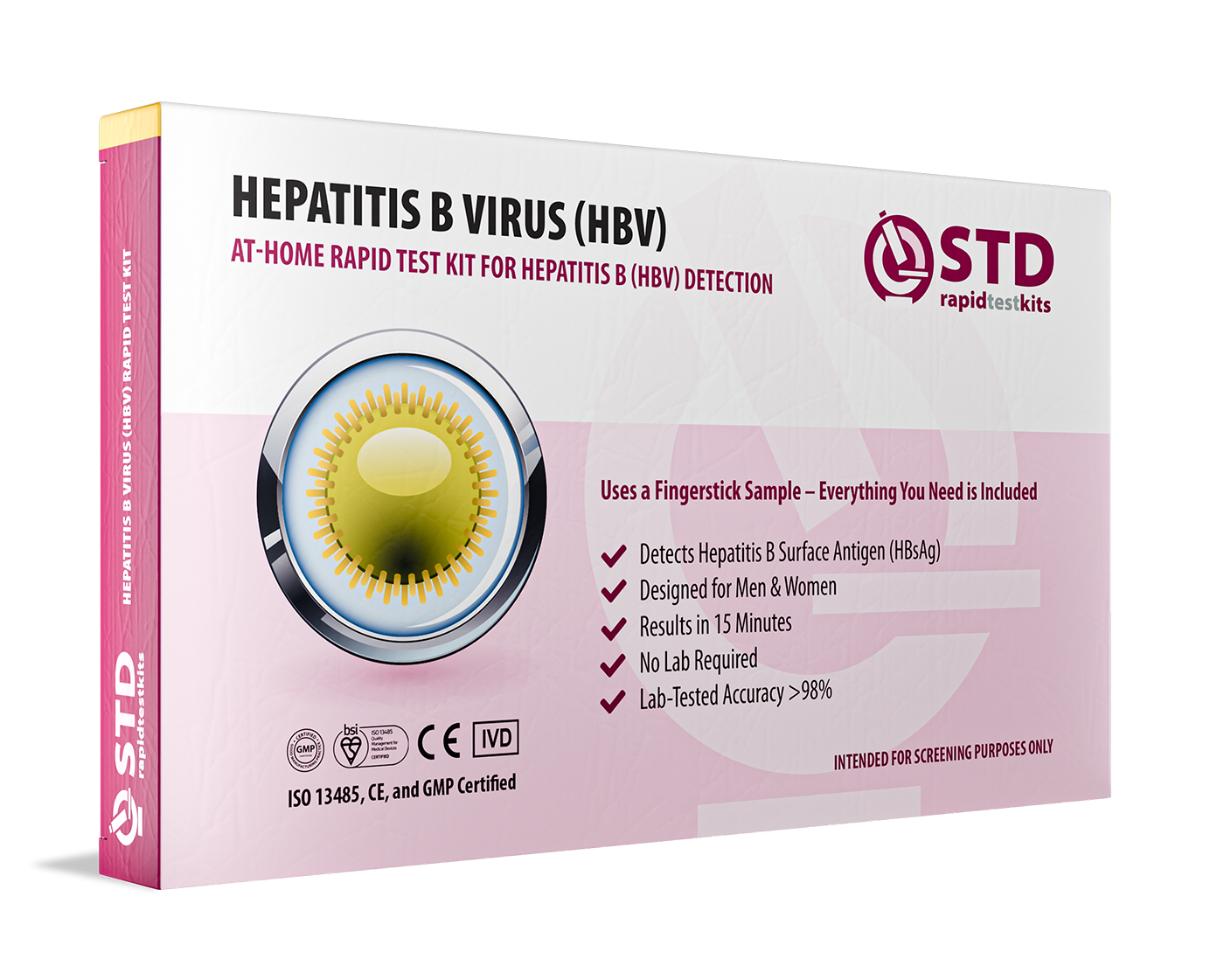
STD Rapid Test Kits offers discreet Hepatitis B test kits that you can use at home, no awkward conversations, no paperwork, just a private way to get the answers you need.
Need to know sooner? Order a Hepatitis B Rapid Test for peace of mind.
Check Your STD Status in Minutes
Test at Home with RemediumHepatitis B Test Kit
 For Men & Women
 Results in Minutes
 No Lab Needed
 Private & Discreet
Order Now $33.99 $49.00
“I Thought I Was Just Tired”: Real Stories, Real Symptoms
Alicia, 33, a freelance photographer from Austin, remembered brushing off her symptoms. “I was bloated all the time, and I thought I was reacting to food. I went dairy-free, then gluten-free. Nothing helped. Then I got dizzy one day while shooting a wedding, and I knew something was up.”
She never connected those signs to Hepatitis B. After all, she hadn’t had any risky behavior, or so she thought. A few months earlier, she'd had sex with someone who had recently returned from abroad and hadn’t disclosed their STI status. Alicia tested positive eight weeks after her symptoms began.
Nina, 24, thought she had a hormone imbalance. “My period vanished, and my skin looked sallow. My gynecologist ran some hormone panels, but everything came back normal.” It was only after a nurse practitioner asked about past partners and ran a full panel that Nina learned she had Hepatitis B.
These stories aren’t rare. In fact, they're the norm. The CDC estimates that over 50% of Hepatitis B cases go undiagnosed. And among those diagnosed, many are discovered by accident, during blood donation screenings, immigration physicals, or fertility testing.
That’s why understanding the emotional arc of symptoms matters just as much as the clinical data. Most women don’t feel “sick.” They just feel... off. Bloated. Exhausted. Emotionally frayed. And when those signals aren’t taken seriously, by ourselves or our doctors, diagnosis gets delayed.
What Makes Hepatitis B Symptoms in Women Different?
Biologically, Hepatitis B doesn’t “prefer” men or women, but how it manifests can look different based on hormones, lifestyle factors, and diagnostic biases. For example, estrogen and progesterone fluctuations can mask liver inflammation symptoms. And because many doctors don’t expect to see liver disease in young women, they often look elsewhere first, thyroid, reproductive, or mental health.
Here’s what women may experience more commonly in the early stages:
- Menstrual cycle disruption without clear PCOS or endometriosis patterns
- Fluctuating energy levels not explained by iron or thyroid panels
- Digestive discomfort without typical IBS patterns
- Mild temperature sensitivity, especially heat intolerance
- Upper back soreness near the right shoulder blade
These aren’t in the official diagnostic criteria, but they come up repeatedly in patient interviews and support groups. And while not every woman experiences them, ignoring the body’s whispers delays action. Testing is the only way to confirm what’s happening below the surface.
What Type of Hepatitis B Test Should You Use, and When?
There are several types of Hepatitis B tests, and knowing which one to take (and when) matters. The most common is the HBsAg (Hepatitis B surface antigen) test. If positive, it usually means you’re currently infected. But in early exposure, that test might not show anything yet, so pairing it with an IgM anti-HBc (core antibody test) can increase accuracy.
Here’s the breakdown:
| Test Type | What It Detects | Best Time to Use |
|---|---|---|
| HBsAg (Surface Antigen) | Current infection | 6–12 weeks after exposure |
| IgM anti-HBc (Core Antibody) | Recent infection | 4–10 weeks post-exposure |
| HBV DNA (PCR Test) | Viral load presence | As early as 2–3 weeks (lab-based) |
| At-Home Rapid Test | HBsAg via fingerstick | 6+ weeks for best accuracy |
Table 3. Common Hepatitis B tests and optimal testing windows for early detection.
If you want privacy and speed, the Hepatitis B Rapid Test Kit is a solid choice for screening from home. If you’re testing early (under 6 weeks), you may want to retest later to confirm results.
Still confused about which test is right for you? The site’s homepage includes a risk checker and window period calculator to help guide your timing based on exposure.
Why False Negatives Happen (And What to Do About It)
False negatives in the early phase of Hepatitis B are not uncommon. This doesn’t mean the test is broken, it means the virus hasn’t reached a detectable level. It’s like showing up to a concert before the soundcheck is done: the band’s there, but you can’t hear anything yet.
If you tested negative before six weeks and still have symptoms, or had a known exposure, you should plan to test again. Especially if symptoms have changed. One woman we spoke to tested negative at four weeks but noticed that her fatigue and nausea worsened over the next two weeks. She repeated the test at day 45 and got a clear positive. That second test led her to treatment before liver damage could set in.
If you're still in the wait-and-see zone, you’re not alone. You’re not overreacting. And you’re not doomed. Testing gives you information. Information gives you power. Whether it’s peace of mind or a treatment plan, you deserve both.
If Your Test Is Positive: What Happens Next?
Breathe. Seriously. Whether you tested with a rapid kit or got a call from your doctor, a positive Hepatitis B result does not mean your life is over. It doesn’t even necessarily mean you’ll have long-term complications. But it does mean you need a plan.
Most cases of acute Hepatitis B resolve on their own, especially in healthy adults. According to the World Health Organization, over 90% of adults infected with Hepatitis B will clear the virus naturally within six months. During that time, you may feel tired, achy, or slightly unwell, or you might feel nothing at all.
If your test is positive, confirm with a second test, ideally one done at a clinic or lab that checks your liver enzymes and viral load. This will help determine whether you’re in the acute phase or if it has moved into chronic territory (which is less common but possible).
Then comes the hard part: telling your partner. Or past partners. We won’t sugarcoat it, that can be scary. But it’s also how healing begins. You don’t have to do it perfectly. You just have to do it honestly. If it helps, you can say:
“Hey, I tested positive for Hepatitis B. I don’t know when I got it, but I wanted to let you know in case you need to get tested too.”
There’s no need to explain how, when, or who. It's not about blame; it's about stopping the spread of the disease and keeping everyone healthy.
Do You Need to Retest? Probably Yes, and Here’s Why
Even if your first test comes back negative, there are good reasons to test again. This is especially true if your symptoms persist, change, or worsen, or if you tested before the 6-week mark post-exposure.
Fatigue and bloating that don’t go away might be your body still fighting off an early infection. And retesting doesn’t mean you were wrong the first time, it means you’re being thorough. That’s not paranoia. That’s prevention.
If you already tested positive, you may also need follow-up tests over the next 6–12 months. These help track whether the virus clears or becomes chronic. Chronic Hepatitis B is defined by surface antigen positivity for more than six months. But even then, many people live long, healthy lives with regular monitoring and care.
If you’ve started treatment, don’t rush to retest immediately. Medications take time. Doctors typically recommend waiting at least 3–6 months before doing a repeat panel, unless symptoms escalate.
What matters most is that you don’t ghost your own health. Stick to a timeline. Use your phone’s calendar to set reminders. Testing once is brave. Following up is badass.

People are also reading: HIV Shots Work in Seniors, Here’s What It Means for Testing
Prevention Isn’t Just Condoms, It’s Conversations, Testing, and Vaccines
Here’s something not enough people talk about: Hepatitis B is vaccine-preventable. If you’re negative, you can get protected. If you’re positive, your partners can still be vaccinated to prevent infection.
Talk to your provider or a local clinic about the Hepatitis B vaccine series. It’s typically given in three doses over six months, but newer versions (like Heplisav-B) require only two shots in one month.
If you’re sexually active, especially with new or multiple partners, regular testing is part of harm reduction. So is having a “status check” conversation with anyone you're intimate with. You don’t have to be a buzzkill. You just have to be clear.
Try this:
“Hey, before we hook up, I like to get on the same page about STI stuff. I get tested every few months and I’m negative for everything right now. How about you?”
That one line could save someone’s liver. Or your own.
Check Your STD Status in Minutes
Test at Home with RemediumHepatitis B & Hepatitis C Test Kit
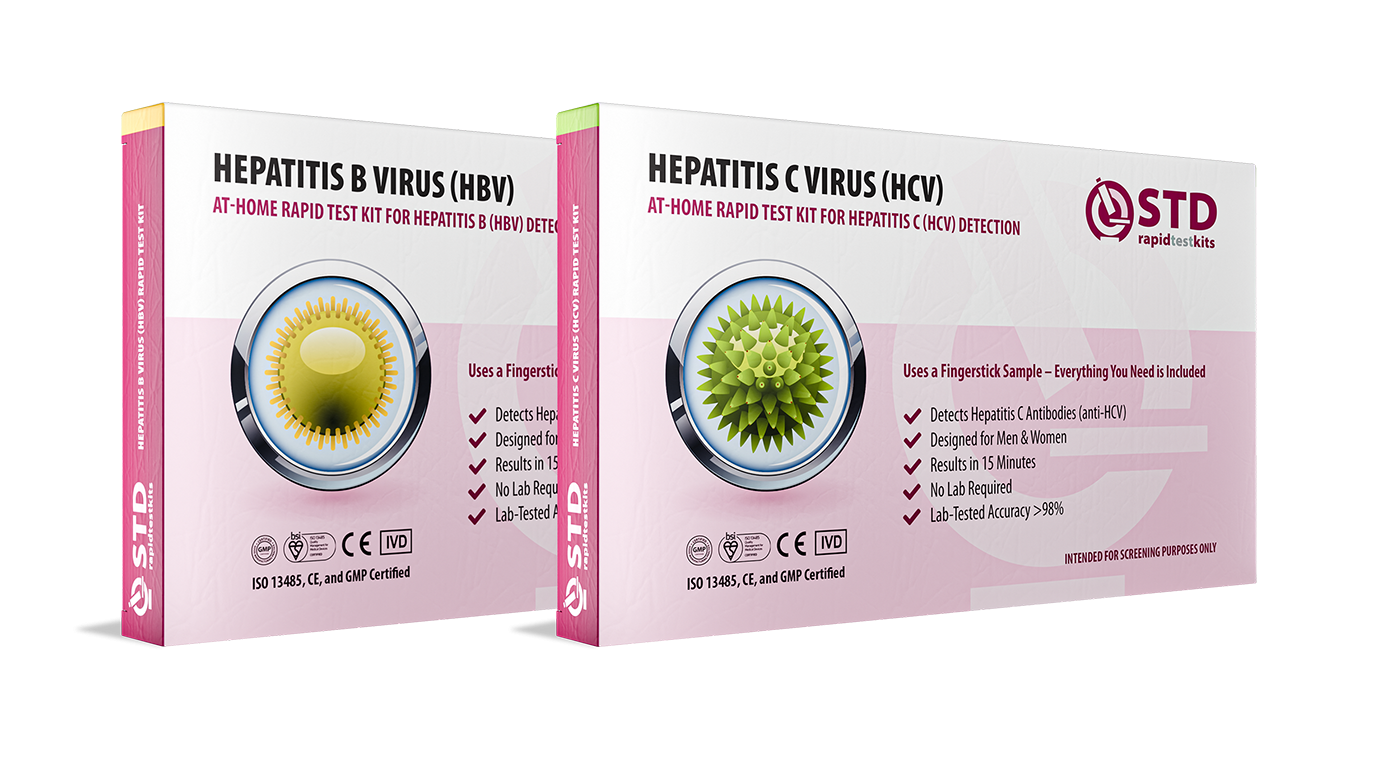 For Men & WomenResults in MinutesNo Lab NeededPrivate & Discreet
Order Now $49.00 $98.00
For all 2 tests
Your Privacy Matters, And You Can Keep It That Way
Not everyone wants to go to a clinic. We get it. The front desk questions. The billing statements. The small-town rumors. That’s why STD Rapid Test Kits exists in the first place. Every kit is shipped discreetly, no branding, no clue what’s inside, and arrives within days. Your results are yours alone.
If you live in a rural area, travel often, or just prefer to test at 2AM with nobody watching, this option gives you the power to act without delay. You don’t have to explain yourself to anyone. You just have to trust yourself enough to check.
If you're not ready to test today, bookmark this. Come back when you are. The window doesn’t close overnight. But it does matter. And your health is worth more than the wait.
FAQs
1. Can being tired all the time really mean I have Hep B?
Yeah, it actually can. We’re not talking about “ugh, I stayed up watching Netflix” tired, we’re talking bone-deep, dragging-your-body-through-the-day exhaustion. If you’ve ruled out things like iron deficiency or stress, and that foggy feeling won’t quit, it’s worth checking for infections like Hepatitis B, especially if you’ve had any exposure risks in the past few months.
2. Is it true Hepatitis B can mess with your period?
It’s not super common, but yes, some women with Hep B report irregular periods, skipped cycles, or changes in flow. That’s because your liver plays a quiet but powerful role in hormone regulation. So when the liver’s inflamed or stressed, your cycle can go sideways. If your period ghosts you without a clear reason, and you’ve also got bloating or fatigue? Don’t brush it off.
3. I had unprotected sex two weeks ago, should I test now or wait?
You can test now, but know this: if you’re negative, you’ll probably need to test again later. The virus can take 4 to 6 weeks to show up on most tests. That window period means a test too early might miss it. If you’re anxious, start now, and plan a retest at the 6–8 week mark for full clarity.
4. Does Hepatitis B always come with symptoms?
Not even close. Most people, especially adults, don’t get hit with obvious symptoms. Women, in particular, often just feel “off” or slightly unwell. So no, you can’t trust symptoms alone. Some folks carry it without even knowing. That’s why testing matters more than guessing.
5. I tested negative but still feel weird. Could the test be wrong?
If you tested too early, it might not be wrong, it might just be premature. The virus needs time to build up to detectable levels. That’s why we recommend retesting a few weeks later if symptoms continue. Think of it like waiting for film to develop. Too soon, and you get a blank shot.
6. Can I get Hep B from someone who didn’t look sick?
Absolutely. Hepatitis B can be transmitted even when the person has zero symptoms. It spreads through blood, semen, and other bodily fluids. That means unprotected sex, sharing personal items like razors, or even certain types of bodywork (piercings, tattoos) can carry risk if hygiene isn’t tight.
7. What if my partner refuses to get tested?
That sucks, and it’s sadly common. You can’t force them, but you can protect yourself. Use condoms, stay up to date on your vaccinations, and make testing your regular habit. And if their refusal gives you pause? Trust that gut feeling. Your health is worth more than someone else’s ego.
8. Can I still have sex if I’m Hepatitis B positive?
You can, but you’ve got to be upfront and careful. Partners can get vaccinated, and you should talk about protection. Chronic Hep B doesn’t mean celibacy. It just means you get extra points for being responsible. Some couples navigate it together just fine.
9. What’s the difference between acute and chronic Hepatitis B?
Acute means that you got sick recently, usually in the last six months, and your body may still be able to get rid of it. Chronic means the infection stuck around past that six-month mark. Chronic Hep B requires long-term care, but it’s manageable. Testing helps you know where you stand.
10. Is Hepatitis B included in most at-home STD tests?
Not always, and that’s part of the problem. Many “comprehensive” STD kits skip Hepatitis B unless you specifically choose it. If you want to make sure, go for a targeted test like the Hepatitis B Rapid Test. It's quick, private, and puts you in control.
You Deserve Answers, Not Assumptions
Your body is trying to tell you something, and it's not being too dramatic. Those signs are important, whether it's tiredness that won't go away, unexplained bloating, or a period that disappeared without warning. Hepatitis B is often silent, but you don’t have to be.
Don’t let symptoms go unchecked just because they’re common. Take the step. Order your rapid Hepatitis B test today and get the clarity you deserve, in private, in minutes, in your hands.
How We Sourced This Article: We combined current guidance from leading medical organizations with peer-reviewed research and lived-experience reporting to make this guide practical, compassionate, and accurate.
Sources
1. CDC – Hepatitis B Information for the Public
2. WHO – Hepatitis B Fact Sheet
3. Mayo Clinic – Hepatitis B Symptoms
4. Hepatitis B Foundation Blog
6. Clinical Signs and Symptoms of Hepatitis B (CDC)
7. Hepatitis B Overview (NCBI Bookshelf)
8. Hepatitis B Vaccine Information (Mayo Clinic)
About the Author
Dr. F. David, MD is a board-certified infectious disease specialist focused on STI prevention, diagnosis, and treatment. He blends clinical precision with a no-nonsense, sex-positive approach and is committed to expanding access for readers in both urban and off-grid settings.
Reviewed by: Dr. Elisa Ramon, MPH | Last medically reviewed: January 2026
This article is for informational purposes and does not replace medical advice.


