






Quick Answer: Fatigue after sex can be normal due to exertion or emotional crash, but it may also signal early-stage HIV, hepatitis, or another STD, especially when paired with other vague symptoms like night sweats, brain fog, or low-grade fever.
Sex Shouldn’t Leave You This Drained, Here’s Who Needs This Guide
This article is for the ones Googling “why am I so tired after sex?” at 3AM. It's for the person who’s hooked up casually and is now spiraling, and it’s for the long-term partner who’s starting to notice a pattern they can’t explain. It’s for folks on dating apps, for exhausted queer people carrying shame they don’t deserve, and for anyone stuck in the space between “probably nothing” and “what if it’s everything?”
We’re not here to panic you. But if your energy crashes after sex, and it keeps happening, your body might be flagging something. You deserve clarity. In this guide, we’ll unpack how and why sex can leave you exhausted, from completely normal physical causes to the less-obvious signs of an undiagnosed STD. We’ll show you when to test, which infections list fatigue as a top symptom, and how to get answers without stepping foot in a clinic.
“I Thought It Was Just Orgasm Burnout”, Until It Wasn’t
Jordan, 26, shrugged it off at first. “I figured I just went too hard,” he said, recalling a night with a new partner. “But then it happened again. And again. Even when the sex wasn’t intense. I’d wake up wrecked. Like hungover without drinking.”
Fatigue after sex isn’t rare, but when it starts happening regularly, and not just from physical overexertion, it can point to something deeper. STDs like HIV, hepatitis B and C, and even syphilis in its early stages can trigger vague symptoms like tiredness, chills, malaise, or low energy. Often these are written off as stress, burnout, or hormone shifts. And sure, those can play a role. But when they appear right after sex, especially unprotected sex, they’re worth investigating.
Sexual activity can temporarily suppress the immune system. Combine that with exposure to a viral or bacterial infection, and the result may be an exaggerated fatigue response. Your body isn’t just tired, it’s busy.

People are also reading: She Thought I Cheated. I Had No Symptoms. It Was Chlamydia.
STDs That Cause Fatigue (Even Before Other Symptoms Show)
Not every STD screams for attention. In fact, some are masters of disguise, manifesting as mood shifts, random aches, or an energy drain you chalk up to life stress. Here’s where the overlap starts to matter: if your “post-sex crash” comes with muscle soreness, night sweats, brain fog, or feeling flu-ish, testing becomes more than a precaution, it’s a smart next step.
| Infection | Fatigue Timing | Other Subtle Symptoms |
|---|---|---|
| HIV (acute phase) | 2–4 weeks after exposure | Night sweats, sore throat, rash, muscle aches |
| Hepatitis B & C | 1–3 months post-exposure | Joint pain, dark urine, abdominal discomfort |
| Syphilis (primary/secondary) | 3 weeks to 3 months | Fatigue, low fever, rash, swollen glands |
| Chlamydia & Gonorrhea | 7–21 days post-exposure | Often silent, but can cause pelvic pain, discharge, or low energy |
Table 1. Fatigue timing and non-genital symptoms for common STDs. These early signs are often missed, especially in people who don’t show classic discharge or burning symptoms.
Of course, fatigue alone doesn’t mean you have an STD. But when it happens after sex, especially if it's a pattern or comes with other body weirdness, it becomes a data point worth acting on.
Check Your STD Status in Minutes
Test at Home with Remedium6-in-1 STD Test Kit
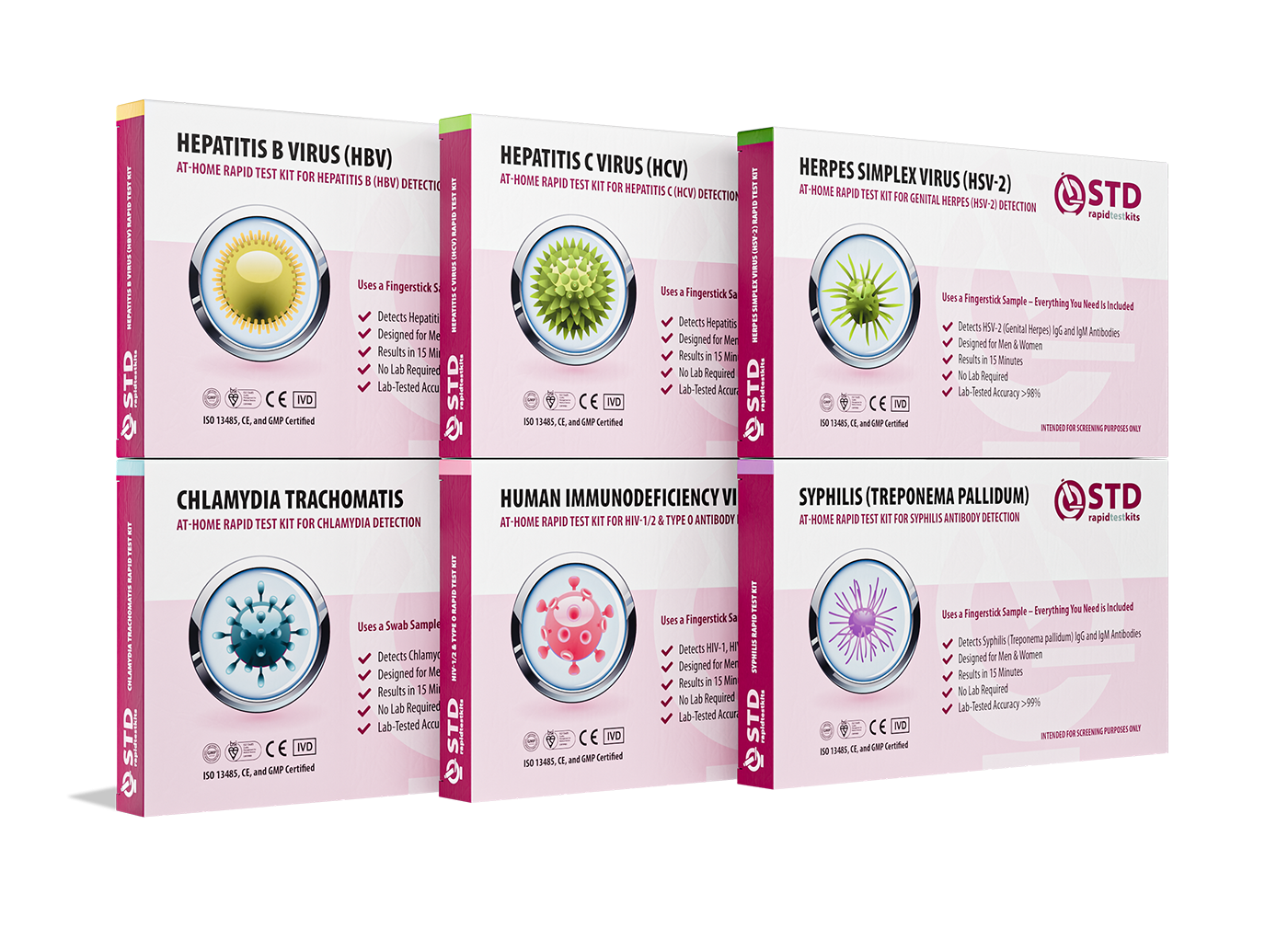
 For Men & Women
 Results in Minutes
 No Lab Needed
 Private & Discreet
Order Now $119.00 $294.00
For all 6 tests
Normal Tiredness vs. Symptom Red Flags: How to Tell the Difference
Let’s be real, sex can be exhausting. Heart rate spikes, muscles contract, dopamine floods your system and then crashes. That post-sex haze? Totally normal. But there’s a difference between feeling pleasantly spent and needing to nap for three hours or cancel your day.
Casey, 34, noticed it after their breakup. “I got back out there, started hooking up again. But every time, even if it was chill, I felt wiped out. I thought I was just emotionally raw. But then I started waking up with night sweats. That’s when I finally got tested.”
Watch for these escalation cues: Does the fatigue come with chills, low-grade fever, nausea, or swollen glands? Do you feel “off” for more than 24 hours? Are you crashing after sex that wasn’t particularly physical? Have you recently switched partners or stopped using protection? These are not accusations, they’re context. Your body is talking. The next section will help you listen more closely.
The Hormone Rollercoaster (And Why Sex Affects Energy)
During sex, your body unleashes a flood of hormones, testosterone, dopamine, oxytocin, prolactin, all designed to heighten connection and reward. But for some, especially those with hormonal imbalances, neurodivergence, or trauma history, this surge can backfire, triggering emotional crashes or physical exhaustion post-orgasm.
For folks with estrogen-dominant cycles or post-orgasm dopamine dips, the fatigue can be real, even without infection. The key is knowing your baseline and spotting when it shifts. If you’ve always needed a nap after sex, cool. But if that need is new, growing, or paired with flu-like symptoms, consider getting tested, not just for STDs but for anemia, thyroid issues, and chronic fatigue conditions.
Still, STDs can be part of that hormonal chaos. According to the CDC, early HIV infection often mimics mono or the flu, complete with exhaustion and immune activation. You don’t have to feel sick to be sick. And that’s what makes testing crucial.
Testing Fatigue: Why It’s So Easy to Miss an STD
Most people associate STDs with visible symptoms, itching, burning, discharge. But fatigue doesn’t get nearly the attention it deserves, despite being a well-documented symptom of early-stage infections. Why? Because it’s easy to blame on everything else. Work stress. Lack of sleep. Emotional intimacy. Even guilt.
Here’s where people get tripped up: Fatigue caused by an STD doesn’t always show up immediately. And it rarely shows up alone. It simmers. It recurs. It may spike after intimacy and fade before you think to mention it to a doctor. Worse, standard screenings don’t always test for everything unless you ask. Many providers won’t screen for HIV or hepatitis unless you request it directly, even when symptoms like fatigue are present.
That’s why at-home testing is shifting the game. Kits like the Combo STD Home Test Kit offer privacy and control. You can test discreetly, avoid awkward clinic visits, and get answers within minutes, before that fatigue spirals into fear.
How Soon After Sex Should You Test for Fatigue-Linked STDs?
Timing matters. Testing too early can miss infections that haven’t fully taken hold. But waiting too long can mean ongoing exposure, especially if you're sexually active with multiple partners or not using protection consistently.
| STD | Minimum Window to Test | Best Time for Accurate Results |
|---|---|---|
| HIV (antigen/antibody) | 18–21 days | 28+ days |
| Hepatitis B & C | 3–6 weeks | 6–12 weeks |
| Syphilis | 3 weeks | 6+ weeks |
| Chlamydia & Gonorrhea | 7 days | 14+ days |
Table 2. Recommended testing windows for fatigue-associated STDs. Testing earlier than these minimums may produce false negatives. Always retest if symptoms persist.
If you’re experiencing unexplained fatigue and you had sex within the past two to four weeks, testing now can give you early indicators, just know that a follow-up may be necessary for full confidence. For many, retesting at 30 days becomes the most emotionally grounding strategy.
What If You’re Negative, But Still Tired?
A negative test doesn’t mean your body’s not telling you something. If you rule out STDs, consider other common causes of post-sex fatigue: hormonal dips, unresolved trauma, dehydration, anemia, thyroid disorders, poor sleep, or emotional dissonance. Don’t gaslight yourself. Just because it's not on a lab result doesn’t mean it's not real.
Steph, 31, describes the aftermath of one particular hookup: “It was safe, fun, but the next day I couldn’t move. It turned out to be low iron, made worse by my cycle. But honestly? I still tested for everything. Just to be sure.”
Testing isn’t just about diagnosis, it’s about peace of mind. It’s how you stop doomscrolling and start sleeping. If your results are clear, you can work with a provider to look deeper into root causes. But if you test positive? That’s not a moral failure. It’s a path to treatment, and relief.
Either way, the goal is the same: stop guessing. Start knowing.
Don’t Ignore the Body-Mind Loop
It’s also worth noting that sex is more than physical. For many people, especially survivors, LGBTQ+ folks navigating stigma, or those exploring new dynamics, sexual intimacy can unearth complex emotional and neurological responses. What looks like fatigue might actually be freeze-mode hangover, shame exhaustion, or dissociation aftermath. And none of that makes you broken.
But even those responses can overlap with STD fatigue symptoms. That’s why we return to this: testing is not about proving you're clean. It's about protecting your peace. About ruling out the things you can. About offering your nervous system a damn break.
If your fatigue is partly emotional? That's valid. If it’s partly viral? That's actionable. Both can be true.
So let’s say you feel wiped after sex and it keeps happening. The most loving thing you can do for yourself is check. Quietly. Privately. On your terms. At-home STD kits are designed for that very reality.
Let’s Talk About Partners, And Why This Isn’t Just Your Problem
There’s no easy way to bring up post-sex symptoms. No cool way to say, “Hey, do you feel wrecked after we hook up?” But intimacy includes honesty, and if fatigue is showing up repeatedly after sex, it’s okay to ask questions out loud.
Start simple. “I’ve been feeling really tired after we have sex. Like more than usual. I’m gonna get tested, have you tested recently?” This isn’t an accusation. It’s an invitation. If they respond with defensiveness or shame, that’s information too. But more often than not, you’ll be met with relief. You’re not the only one wondering.
If you're not comfortable having that convo in person, you can point them to this guide. Or you can suggest they grab a Combo STD Test Kit too. Test together. Turn anxiety into action.
Relationships don’t need to be perfect to be responsible. You just need to stay curious, stay honest, and keep choosing care over silence.

People are also reading: Birth Control and Herpes: Why Some People Flare After Starting the Pill
Retesting: When the First Answer Isn’t the Final One
Maybe you tested a week after sex and it came back negative, but the exhaustion hasn’t lifted. You might wonder: was it too early? Should I go again? The short answer: probably, yes.
Most rapid tests, especially for HIV, syphilis, and hepatitis, don’t hit peak accuracy until 4 to 6 weeks post-exposure. If you’re still dragging and that timing hasn’t passed yet, a retest can offer more clarity. It’s not about second-guessing, it’s about backing up your gut feeling with data.
Andre, 29, learned the hard way. “My first test was clean, but I still felt awful. Like sick-awful. Two weeks later, I took another. That one picked up early-stage hepatitis B. I was stunned. But also relieved to have a name for it.”
This is why retesting matters, not because tests fail, but because timing does. Infections incubate. Immune responses evolve. Accuracy increases the further out you get from exposure. That’s not fear, it’s biology.
If it’s been more than 30 days since the fatigue started and you’re still testing negative across the board, it’s time to consider broader health checks. But until then? A second round of testing is often the most compassionate thing you can do for yourself.
Shipping, Privacy, and Support, Without the Clinic Drama
One of the biggest barriers to STD testing isn’t money, it’s shame. Standing in line. Waiting in a fluorescent room. Wondering who’s judging. We’re over that. And the industry is, too.
At-home test kits today are discreet, fast, and FDA-approved. The package arrives in plain wrapping. No logos. No health warnings. No awkward pickup at the front desk. You test in the privacy of your home, and results show up in minutes, no tech platforms or lab delays unless you choose that route.
For people living in rural areas, without insurance, or navigating stigma, this privacy is more than convenience, it’s liberation. And if you do test positive, many kits (like those from STD Rapid Test Kits) include next-step guidance, referral options, and educational support to help you move forward, confidently, not in crisis.
Check Your STD Status in Minutes
Test at Home with Remedium8-in-1 STD Test Kit
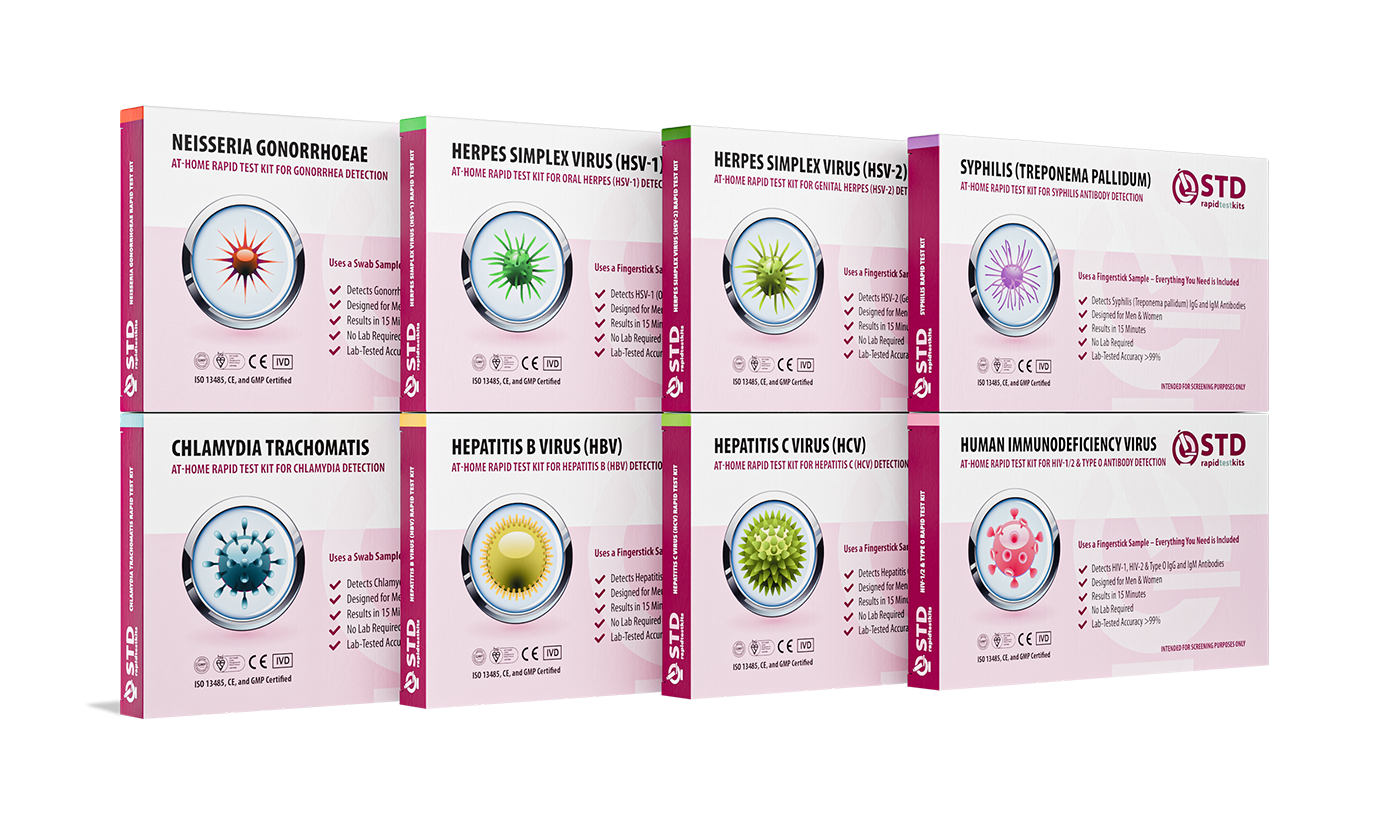 For Men & WomenResults in MinutesNo Lab NeededPrivate & Discreet
Order Now $149.00 $392.00
For all 8 tests
When Exhaustion Is the Only Symptom
Here’s the hard part: Fatigue is one of the most ambiguous symptoms out there. It can mean everything. Or nothing. It can be the first sign of acute HIV or a simple case of hormone fluctuation. It can follow sex because you’re out of shape, low on sleep, or simply out of sync with your body. Or it can follow sex because your immune system is trying to fight something off.
This is why listening to your body matters. No one knows your baseline like you do. If you used to feel energized after sex, and now you don’t, that shift is worth tracking. If you’re canceling plans, crashing mid-day, or waking up drenched in sweat days after intimacy, your body is not just tired. It’s asking you to look closer.
Testing doesn’t mean you’re dirty. It means you’re paying attention. And that’s the most radical thing you can do right now.
If you're unsure where to start, try the Combo STD Test Kit. It screens for the most common infections that list fatigue as a symptom, with results available in under 20 minutes. It's not just about catching something, it's about giving your body what it’s asking for: clarity.
FAQs
1. Can you really feel tired just from an STD?
Yep, and not the “I just had amazing sex” kind of tired. We’re talking full-body wipeout, like you caught the flu but forgot how. Fatigue is one of the most overlooked early symptoms of infections like HIV, hepatitis, and sometimes even syphilis. It doesn't mean you're overreacting, it means your immune system is busy.
2. I’m young, active, and healthy. Should I even be worried?
Being healthy doesn’t mean being invincible. Some of the most common STDs don’t care how “fit” or “clean” your lifestyle is. Fatigue after sex might be nothing, but if it keeps happening, it’s not overthinking to check.
3. I used protection. Why would I feel sick?
Condoms are powerful, but not magic. They reduce risk, especially for infections like chlamydia and gonorrhea, but things like syphilis or herpes can still spread through skin contact. Also, your body's reaction might have less to do with the sex and more with what your immune system's processing after the fact.
4. What if my partner feels totally fine?
Totally possible, and super common. Many STDs don’t cause symptoms in everyone, or they show up differently depending on your body. You might get fatigue and nothing else. They might get nothing and still be carrying it. That’s why testing isn’t just personal, it’s relational.
5. How soon after sex should I test if I feel off?
Depends on what “off” means. If it’s fatigue and chills that don’t go away after a day, and it’s been at least a week since sex, it’s reasonable to test. For HIV or hepatitis, most accurate results come after 3–4 weeks, but early testing plus a retest later is a solid plan if your gut says something’s not right.
6. I got a negative test but still feel exhausted. Now what?
First off, props to you for testing. If it’s been less than 30 days since your exposure, consider retesting, some infections take time to show. If your results stay clear, look into other causes: hormone imbalances, anemia, burnout. Testing clears the path, even if the answer lies elsewhere.
7. Is this just post-orgasm crash or something real?
It can be both. Or neither. Some people crash hard after sex because of neurochemicals, dopamine dips, prolactin surges, hormone rollercoasters. But if your “sex crash” feels more like the flu than a nap craving, your body’s trying to tell you something. Listen.
8. Will anyone find out if I test from home?
Not unless you tell them. At-home kits like the ones from STD Rapid Test Kits are shipped in discreet packaging, no logos, no labels, no judgment. Your results are yours. No clinic. No billing statement. Just truth, in your hands.
9. Can I just wait it out and see if I feel better?
You could, but is spiraling in uncertainty really better than knowing? If you're still wiped out 24–48 hours later, especially after multiple hookups or risky exposure, testing gives you an anchor. Fatigue should fade. If it’s not? Don't wait. Respect your body’s alarm system.
10. Does testing mean I think I did something wrong?
Hell no. Testing is care, not confession. It doesn’t mean you messed up, it means you give a damn. About yourself. About your partners. About not losing days (or weeks) to “maybe.” You deserve peace, not paranoia.
You Deserve Answers, Not Assumptions
If you’ve been writing off your exhaustion as “just tired” but the pattern keeps repeating, it’s time to pay closer attention. Your body isn’t betraying you, it’s trying to protect you. Testing doesn’t make you paranoid. It makes you informed. And once you know, you can act, with clarity, without panic.
Don’t wait and wonder, get the clarity you deserve. This at-home combo test kit checks for the most common STDs discreetly and quickly.
How We Sourced This Article: We combined current guidance from leading medical organizations with peer-reviewed research and lived-experience reporting to make this guide practical, compassionate, and accurate.
Sources
1. CDC – The Link Between STDs and HIV
2. Mayo Clinic – Hepatitis C Overview
3. Sexually transmitted disease (STD) symptoms – Mayo Clinic
4. About Sexually Transmitted Infections (STIs) – CDC
5. Sexually Transmitted Infections Treatment Guidelines, 2021 – CDC
6. HIV - STI Treatment Guidelines – CDC
8. Sexually Transmitted Infections – StatPearls (NCBI Bookshelf)
9. HIV and AIDS - StatPearls (NIH)
10. 7 Signs You Might Have an STI – Nebraska Medicine
About the Author
Dr. F. David, MD is a board-certified infectious disease specialist focused on STI prevention, diagnosis, and treatment. He blends clinical precision with a no-nonsense, sex-positive approach and is committed to expanding access for readers in both urban and off-grid settings.
Reviewed by: Renée Tanaka, RN, MPH | Last medically reviewed: January 2026
This article is for informational purposes and does not replace medical advice.


