







Quick Answer: Yes, both Hepatitis B and C can lead to liver cancer, especially if left untreated. Chronic infection causes ongoing inflammation and scarring that can silently turn into cancer over time.
Why This Matters to More People Than You Think
Roughly 2.4 million people in the U.S. are living with chronic hepatitis C, and millions more globally carry Hepatitis B, many without knowing. The transmission routes don’t always match people’s assumptions: it’s not just needle sharing or unprotected sex. Hepatitis can spread through birth, shared razors, contaminated tattoo needles, or a single medical procedure decades ago. And because the viruses often lie low without symptoms, people may go untreated until permanent liver damage has already set in.
This article is for anyone who’s ever skipped a test because they “felt fine,” anyone who was told they had hepatitis years ago but never followed up, and anyone who doesn’t know if they’ve been tested. Because with hepatitis, silence isn’t safety, it’s risk.
If that’s you, you’re not alone. And you’re not too late. Testing is still possible. Treatment exists. Damage can be slowed, or even stopped. But first, you need to understand how hepatitis becomes something more serious.
How Hepatitis Attacks the Liver in Silence
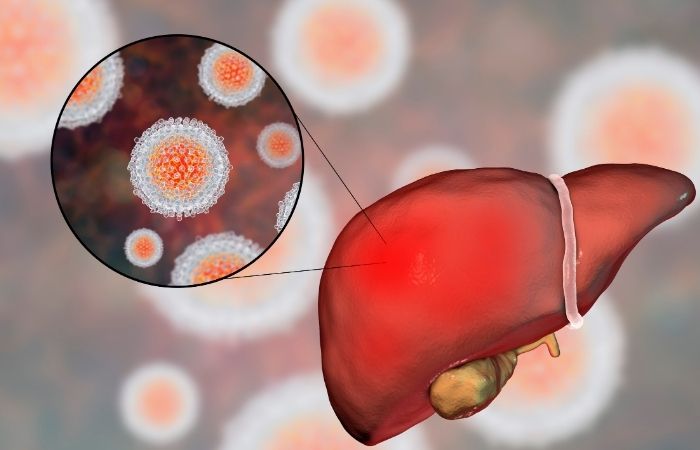
The liver is a resilient organ, until it isn’t. It works overtime to filter toxins, store nutrients, and support metabolism. But when a virus like Hepatitis B or Hepatitis C invades, it can cause low-level inflammation that persists for years or decades. The person might never feel a thing. But underneath the surface, the liver starts to scar.
This scarring is called fibrosis. When it progresses to cirrhosis, where scar tissue replaces healthy cells, the risk of liver cancer spikes dramatically. According to the World Health Organization, people with chronic Hepatitis B or C are up to 100 times more likely to develop liver cancer than those without. It’s a slow, often undetectable slide from virus to malignancy.
Some people never feel symptoms until the damage is irreversible. Some people have vague symptoms that won't go away, like joint pain, dark urine, nausea, and tiredness. But it's easy to ignore these signs or think they're caused by diet, getting older, or stress.
Hepatitis B vs Hepatitis C: Cancer Risk by the Numbers
Let's look at how each kind of hepatitis affects the risk of liver cancer. Both viruses can cause liver cancer, but the path to cancer is a little different depending on which virus it is, how long it has been in the body, and whether the infection is active or dormant.
| Hepatitis Type | Chronic Infection Rate | Risk of Liver Cancer | Can It Be Cured? |
|---|---|---|---|
| Hepatitis B | Up to 90% in infants, 5–10% in adults | Yes , even without cirrhosis | No, but it can be suppressed long-term |
| Hepatitis C | ~75–85% become chronic | Yes , usually after cirrhosis develops | Yes , curable with antivirals |
Table 1: Differences in cancer risk, progression, and treatment between Hepatitis B and C.
One key difference: Hepatitis B can lead to liver cancer even without cirrhosis, especially in people with high viral loads or those infected at birth. Hepatitis C usually leads to cancer through a more linear path, fibrosis, cirrhosis, and then malignancy, but that path can take years, giving time for intervention if caught.
That’s why knowing your status matters. You can’t treat what you haven’t tested for. And with today’s treatment options, knowing early can literally save your liver.

People are also reading: The Truth About Retesting: How Long Should You Wait?
What Testing Actually Tells You (and Why It’s Not Just for Symptoms)
Hepatitis testing isn’t just a one-and-done event. Different tests detect different things: antibodies (which show exposure), antigens (which indicate current infection), or viral load (which determines how active the virus is). For Hepatitis B, there’s also surface antigen testing, core antibody screening, and e-antigen monitoring. It’s not a simple yes/no result.
But that complexity is a good thing, because it lets you know where you are on the spectrum: infected, immune, cured, or at risk of progression. And yes, many of these tests are available as rapid at-home kits.
STD Rapid Test Kits offers Hepatitis B and Hepatitis C rapid kits that let you check from home, no appointment, no waiting room. Results arrive in minutes. For deeper lab confirmation, mail-in options are also available.
Still unsure what test you need? Many people are. That’s exactly why routine screening is now recommended for all adults at least once in their lifetime, even if you feel completely fine.
Check Your STD Status in Minutes
Test at Home with Remedium7-in-1 STD Test Kit

 For Men & Women
 Results in Minutes
 No Lab Needed
 Private & Discreet
Order Now $129.00 $343.00
For all 7 tests
The Timeline From Infection to Liver Cancer (and Where You Can Intervene)
One of the most dangerous myths about hepatitis is that it will “show symptoms when it gets bad.” That’s not how it works. Many people with chronic Hepatitis B or Hepatitis C never experience obvious signs until their liver is already damaged. By then, the risks are no longer hypothetical, they’re measurable.
Here’s how it typically progresses if left untreated:
| Stage | What’s Happening | Can You Still Reverse It? |
|---|---|---|
| Acute Infection | Body tries to fight off virus. May feel like flu or no symptoms at all. | Yes , especially if caught early. |
| Chronic Infection | Virus persists for 6+ months. Ongoing liver inflammation begins. | Possibly , with monitoring and treatment. |
| Fibrosis | Scar tissue starts replacing healthy liver cells. | Partially , fibrosis can be slowed or halted. |
| Cirrhosis | Severe scarring reduces liver function. Risk of liver failure rises. | Damage is mostly permanent, but cancer risk can still be managed. |
| Liver Cancer | Cancerous cells form. Often detected late due to vague symptoms. | Needs urgent intervention; prognosis varies by stage. |
Table 2: Progression timeline from hepatitis infection to liver cancer. Early intervention matters.
This timeline isn’t fearmongering, it’s biology. But what’s powerful is this: there are multiple chances to intervene along the way. Testing at the chronic infection or fibrosis stage can help you slow or even prevent further progression. Antiviral medications for Hepatitis C can clear the virus completely in most cases. And while Hepatitis B isn’t curable, it can be suppressed with treatment to near-undetectable levels, dramatically reducing cancer risk.
“I Didn’t Think I Was at Risk”: A Real Talk Case Study
Diego, 41, always considered himself low risk. He didn’t use drugs, was monogamous, and had regular check-ups. When he was diagnosed with Hepatitis B after applying for life insurance (which triggered a full health screening), he was stunned. “They told me I’d likely had it since birth,” he recalls. “I’d never even been tested for it.” His parents were both from a region with high HBV prevalence, and he likely contracted it during infancy.
By the time he found out, early-stage fibrosis had already begun. Diego now takes antiviral medication and gets liver ultrasounds every six months to screen for cancer. “The hardest part was realizing that I could’ve caught this years ago with a simple blood test,” he says. “Now, it’s something I manage, but it could’ve been prevented from ever getting this far.”
Diego’s story is common. And it’s a reminder that risk doesn’t always look how we expect. Hepatitis doesn’t care how careful you are, it only cares if you were exposed. And exposure can happen through things as minor as shared toothbrushes in childhood or medical equipment in places with weak infection control.
Still Unsure If You Should Test? Here’s the Reality Check
Ask yourself this: have you ever shared personal hygiene tools with others? Had sex (with or without condoms)? Been born in or to someone from a high-prevalence country? Gotten a tattoo before 2000? Taken part in sports or combat where blood contact could’ve happened? You might already fall into a group where routine hepatitis testing is recommended.
Even if you were vaccinated for Hepatitis B as a child, not all vaccines took. Some adults were never tested for Hepatitis C because they fell through gaps in age-based screening policies. And many people with no obvious risk factors still get hepatitis. That’s why the CDC recommends a one-time Hep C test for all adults and pregnant people, and repeat testing for those with risk factors.
If your stomach turns reading this, or your mind jumps to that one time you shared a razor at a sleepover, you don’t need to spiral. You just need to test. Hepatitis C Rapid Test Kits are discreet, fast, and built to give you answers on your terms.
Peace of mind might be one test away. And if it’s not peace, if it’s a positive result, you’ll at least have a starting point. Silence is where hepatitis thrives. Testing is where it ends.
Can You Get Liver Cancer Without Symptoms?
Yes. Liver cancer, especially when caused by chronic hepatitis, can develop without clear warning signs. In fact, many people only find out when the cancer is advanced. This is why people with Hepatitis B or C are recommended to get imaging (like ultrasounds or CT scans) every 6–12 months if they have cirrhosis or other risk factors.
Some of the earliest signs of liver cancer are nonspecific: fatigue, loss of appetite, weight loss, dull pain in the upper right abdomen. But these are easy to miss or misinterpret. When symptoms do appear, they’re often subtle, until they’re not.
That’s why the most powerful tool isn’t waiting for symptoms. It’s surveillance. Regular liver monitoring after a hepatitis diagnosis gives doctors a chance to catch changes early, when treatment is still viable. Without it, the cancer can grow unnoticed until options narrow.
This isn’t meant to scare you. It’s meant to give you a roadmap. Because the fear of not knowing is often worse than the reality of managing something with a plan.
People are also reading: Can You Still Get Pregnant After an STD? The Truth About Treatment and Fertility
Is It Preventable? The Good News About Testing and Treatment
Here’s what too many people don’t realize until they’re already facing a liver cancer diagnosis: hepatitis-related cancer is often preventable. If you catch the infection early, you can break the chain that leads to scarring, cirrhosis, and ultimately malignancy.
With Hepatitis C, the game has changed. Direct-acting antiviral medications can cure the virus in 8 to 12 weeks for most people, over 95% success rate. Once cured, your liver stops being attacked, and your cancer risk drops substantially (though some risk remains if you already have cirrhosis).
For Hepatitis B, there’s no outright cure, but there is long-term suppression. Antiviral therapy can reduce the virus to undetectable levels, protect the liver, and reduce inflammation that can lead to cancer. And perhaps most importantly, there’s a safe and effective vaccine for Hepatitis B that’s been available since the 1980s.
If you test negative for Hepatitis B and haven’t been vaccinated, you can get the three-dose vaccine series and be protected for life. It’s a simple move that blocks a virus linked to liver cancer, cirrhosis, and lifelong complications.
All of this means one thing: the earlier you know your status, the more options you have. The later you find out, the more you rely on damage control.
Check Your STD Status in Minutes
Test at Home with RemediumHepatitis B & Hepatitis C Test Kit
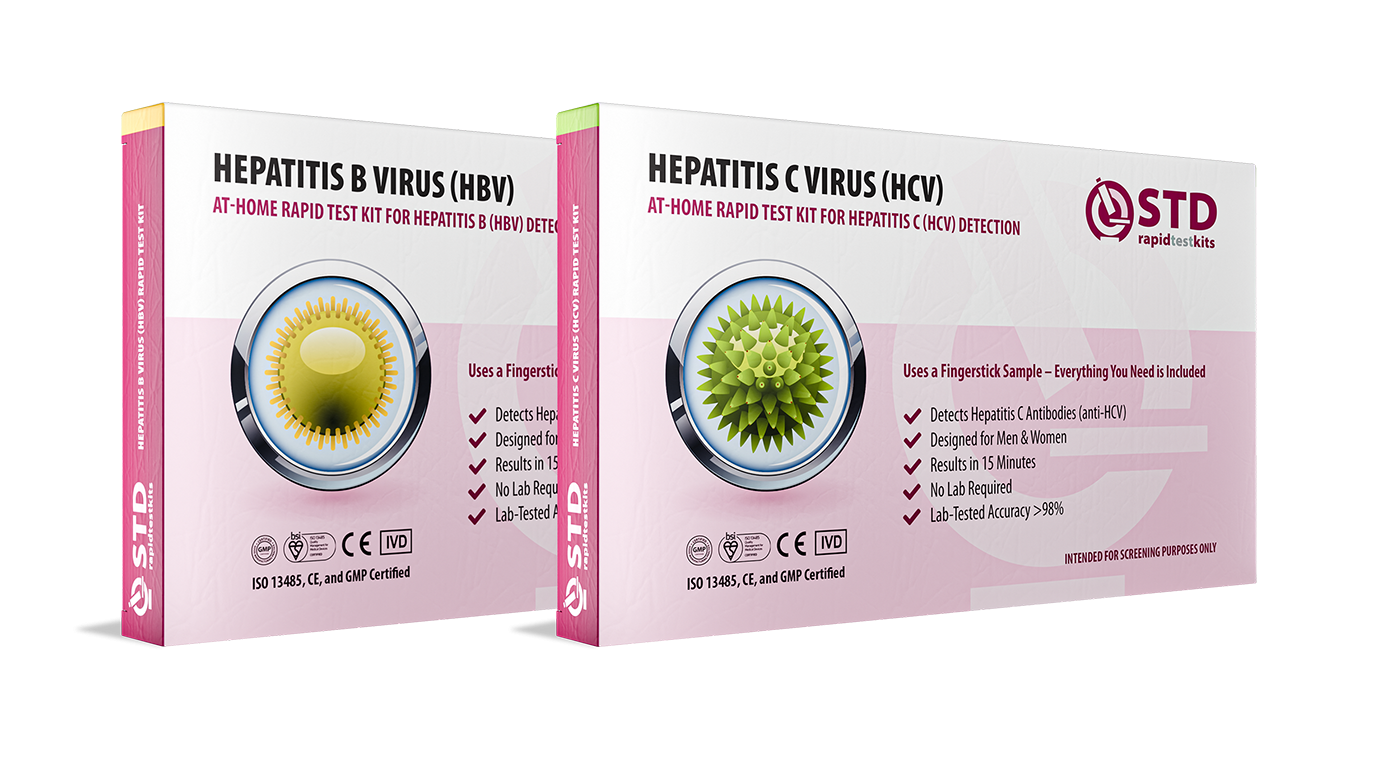 For Men & WomenResults in MinutesNo Lab NeededPrivate & Discreet
Order Now $49.00 $98.00
For all 2 tests
Stigma, Sex, and the Stories We Don’t Tell
If the idea of having Hepatitis B or C makes you feel dirty, ashamed, or hesitant to tell anyone, that’s not on you. That’s on how we talk about STDs. The reality? Most people who contract viral hepatitis didn’t do anything “wrong.” They didn’t make reckless choices. They didn’t know. Or they trusted someone. Or they were born into a risk group. Or it happened decades ago under conditions they couldn’t control.
And yet, that stigma still silences people. It stops them from testing. It keeps them from telling partners. It convinces them that the damage is done, or worse, that they deserve it. None of that is true.
You are not your diagnosis. You’re someone doing what you can to stay informed, get healthy, and protect yourself and your partners. That’s power. That’s care. And it’s exactly what testing is about.
If you're ready to stop wondering and start knowing, there are tools built just for you. Discreet. Fast. Reliable. Whether you're screening for peace of mind or following up on a partner's status, this at-home combo STD kit can check for Hepatitis B, C, and other common infections, all from the privacy of home.
FAQs
1. Can hepatitis really cause liver cancer?
Absolutely, and it doesn’t need decades to do it. Chronic hepatitis B or C creates low-level liver inflammation that builds over time, like a slow internal burn. Eventually, those cells mutate. It’s not guaranteed, but it’s a very real risk, especially if you’ve had the infection for years without knowing. That’s why early detection matters so much more than most people think.
2. I feel fine. Why would I test for hepatitis?
Because feeling fine doesn't mean you're in the clear. Most people with hepatitis B or C don’t have any symptoms until the damage is advanced. You could have had the virus since birth, from a past partner, or from something as unremarkable as a shared razor years ago. Testing is like flipping the light on, just because the room looks quiet doesn’t mean nothing’s moving in the dark.
3. Can you really get liver cancer without any warning signs?
Yes, and that’s what makes it so dangerous. Liver cancer can creep in silently, especially in people with hepatitis. By the time you notice something’s off, weight loss, fatigue, pain, it might already be advanced. That’s why doctors don’t wait for symptoms to show up. They screen based on risk. And that starts with knowing if you’ve got the virus in the first place.
4. Which one’s worse, Hepatitis B or C?
It’s not a contest you want to win. Hep B can lead to liver cancer even without cirrhosis, and it’s not curable (though it’s manageable). Hep C is curable in most cases, but it's sneaky and often goes undiagnosed for years. Both can wreck your liver if left untreated. Either way, if you test positive, you’ve got options, and the sooner you act, the more of them you’ll have.
5. If I get cured of Hep C, am I totally in the clear?
Mostly, yes, but with an asterisk. If your liver wasn’t already badly scarred before treatment, your cancer risk drops significantly. But if you had cirrhosis or advanced fibrosis, you’ll still need regular monitoring. Think of it like quitting smoking: huge health win, but your lungs still deserve a check-up now and then.
6. Can I test myself at home without a doctor?
Yes, and thank goodness. At-home hepatitis test kits are real, accurate, and discreet. You don’t have to explain anything to a stranger, wait weeks for appointments, or sit in a sterile room second-guessing your life choices. Just follow the instructions, and you’ll have results in minutes. It’s healthcare on your terms, and yes, it’s legit.
7. Does having hepatitis mean I can’t have sex or date?
Not even close. Hepatitis isn’t a relationship death sentence. With the right care plan and a little communication, many people in long-term relationships manage it safely. There are vaccines, condoms, antivirals, and above all, trust. Telling a partner might feel terrifying, but real ones won’t ghost you for getting tested. If they do? That’s not on you.
8. I tested positive years ago but never followed up. Is it too late?
It’s never too late to get back in the driver’s seat. The virus doesn’t wait, but neither do treatment options. Whether it’s been five months or five years, there are still steps you can take to check on your liver, lower your cancer risk, and maybe even clear the infection. Regret won’t undo it, but action can absolutely change what happens next.
9. What if I’m scared to know the results?
Totally valid, and totally normal. It’s human to avoid hard truths. But think of it this way: not knowing doesn’t protect you; it just delays your power. And whatever the result, you’ll have a path forward. Knowing puts you back in control, even if it feels scary at first. Courage doesn’t mean you’re not afraid. It means you still show up.
10. Is liver cancer always deadly?
No, but it can be if you don’t catch it early. The sooner it’s found, the more treatment options exist, from surgery to targeted therapies. That’s why regular screening after a hepatitis diagnosis is so crucial. It’s not about fear, it’s about giving yourself every possible shot at staying alive and well.
You Deserve Answers, Not Assumptions
You don’t have to wait for symptoms, or worse, a crisis, to take control of your liver health. Whether you’ve lived with hepatitis for years, just got exposed, or simply don’t know your status, now is the moment to find out. Not because you should be scared, but because you deserve clarity.
Don't wait and wonder; get the answers you need. This home test kit quickly and discreetly checks for the most common STDs, such as Hepatitis B and C.
How We Sourced This Article: We combined current guidance from leading medical organizations with peer-reviewed research and lived-experience reporting to make this guide practical, compassionate, and accurate.
Sources
2. WHO – Hepatitis B Fact Sheet
4. Viral Hepatitis Surveillance Report — CDC
6. Liver Cancer Causes, Risk Factors, and Prevention — National Cancer Institute
7. Hepatitis and Liver Cancer — NIH / NCBI Bookshelf
8. Hepatitis — World Health Organization
9. White Paper: Hepatitis and Liver Cancer — World Hepatitis Alliance
11. Hepatitis B- and Hepatitis C-Related Hepatocellular Carcinoma — NIH PMC
About the Author
Dr. F. David, MD is a board-certified infectious disease specialist focused on STI prevention, diagnosis, and treatment. He blends clinical precision with a no-nonsense, sex-positive approach and is committed to expanding access for readers in both urban and off-grid settings.
Reviewed by: A. Mendoza, NP, MPH | Last medically reviewed: December 2025
This article is for informational purposes and does not replace medical advice.


