







Quick Answer: AI cannot officially diagnose STDs, but it can assess symptom patterns, recommend testing, and support triage, especially when combined with at-home STD kits and updated screening rules.
Why People Are Turning to AI Instead of Clinics
Jordan isn’t alone. More people are now Googling “STD symptom checker” or turning to health apps than booking appointments. Between wait times, shame, cost, and limited clinic hours, many feel boxed out of care. With a wave of AI-powered chatbots and home testing ads on TikTok, it's not surprising that people are starting to trust tech more than regular doctors.
More than half of Gen Z respondents in a 2024 survey published in the Journal of Medical Internet Research said they would rather use an app than see a sexual health provider. But this change goes beyond just making things easier with technology. It shows that the system has let down too many people, especially those who are LGBTQ+, don't have health insurance, or live in rural areas.
The promise of AI is speed, privacy, and zero judgment. But does that promise hold up under pressure?
What AI Tools for STD Screening Actually Do
First, let’s be clear: no AI tool legally or medically “diagnoses” an STD. What these tools do is symptom triage, matching what you report with a pattern recognition database trained on large clinical datasets. Think of it like a smarter version of a symptom checker, not a replacement for a lab test or doctor.
Here’s how it typically works:
| Tool Type | What It Does | Limitations |
|---|---|---|
| AI Symptom Checker | Asks about symptoms, exposure, and timing; gives risk estimate | Can’t see physical signs, doesn’t confirm with a test |
| Sexual Health Chatbot | Guides conversations about exposure, test options, and next steps | Scripted answers may feel too generic or vague |
| AI-integrated Test Kit | Links to app or QR scanner to interpret faint test lines | Still relies on user accuracy and timing |
Figure 1. Types of AI tools used in sexual health and their current capabilities.
Apps like K Health, Babylon, and Ada Health are already integrating sexual health modules, while newer startups like Wisp and TBD Health are offering “smart triage” before you buy a test. Still, none of them are regulated as diagnostic tools. That distinction matters.

People are also reading: How Soon Do STD Symptoms Start? It’s Not What You Think
Can AI Detect Specific STDs Like Herpes or Chlamydia?
Here’s the hard truth: most STDs are asymptomatic, especially in early stages. That means no matter how advanced the algorithm, AI can't “see” an infection you can't feel. Tools may suggest you’re at risk based on a combination of behaviors, like condomless sex, multiple partners, or recent exposure, but they can't confirm whether you’re infected.
Take chlamydia, for instance. Up to 70% of infected women and 50% of infected men show no symptoms at all, according to the CDC. AI can't detect what's not being reported. The same goes for HPV, gonorrhea, and even early HIV.
AI tools work best when there are clear and obvious signs, like sores that hurt, strange discharge, or burning when you pee. But even then, their role is more of a red flag than a diagnosis. For example, some apps will flag “possible herpes” if you report blisters, but they can’t distinguish herpes from other causes like ingrown hairs or yeast infections.
One recent study published in Digital Health found that AI triage accuracy for sexual health issues hovered between 68% and 81%, better than guessing, but far from clinical certainty. That’s why AI should be viewed as a compass, not a conclusion.
Check Your STD Status in Minutes
Test at Home with Remedium6-in-1 STD Test Kit
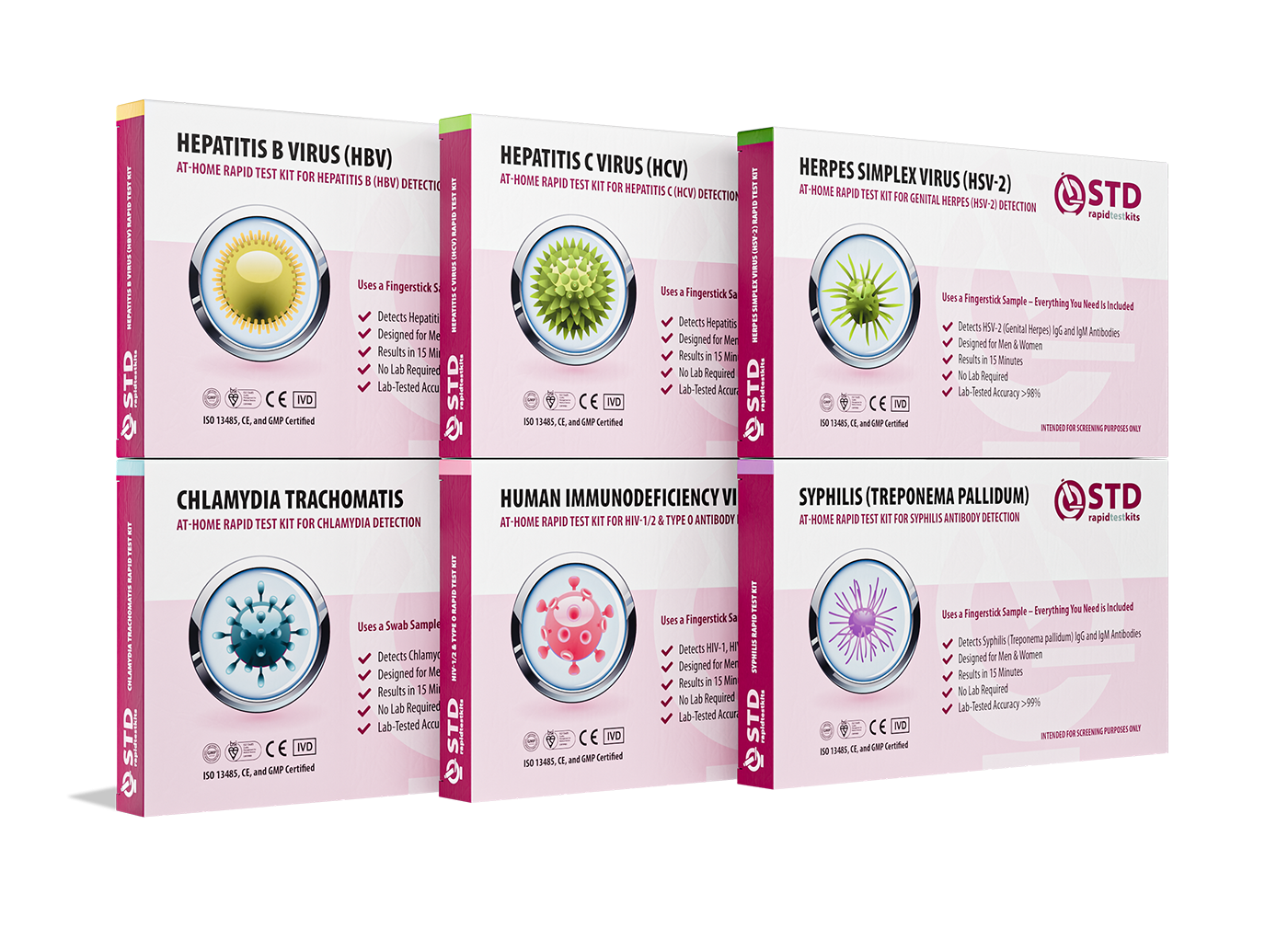
 For Men & Women
 Results in Minutes
 No Lab Needed
 Private & Discreet
Order Now $119.00 $294.00
For all 6 tests
FDA and the Rise of “Smart” At-Home STD Kits
What’s more promising than app-based symptom tools? AI-enhanced test kits that walk you through the process and reduce human error. These aren’t widespread yet, but they’re coming fast.
In 2023, the FDA gave the green light to the first chlamydia and gonorrhea test kits that could be bought without a prescription. You can use the companion app that comes with these kits to collect samples and understand the results. Some kits now come with QR codes that take you to videos that show you how to use the kit. They also use AI to check that the test was completed, mark invalid tests, and even read faint lines with camera input.
This is how different modern at-home kits stack up in terms of features:
| Kit Type | Includes AI Features? | Test Types Supported | Best For |
|---|---|---|---|
| Standard Rapid Test | No | HIV, syphilis, trichomoniasis | Quick self-check based on symptoms |
| Mail-in Lab Test Kit | Sometimes (app guidance) | Chlamydia, gonorrhea, herpes, etc. | Full screening and privacy |
| AI-Assisted Smart Kit | Yes (QR-linked guidance + result reading) | Chlamydia, gonorrhea (currently limited) | New users, tech-friendly testers |
Figure 2. A look at how modern STD testing kits compare to each other and what AI can do.
As of late 2025, these smart kits are still a small portion of the market, but adoption is growing, especially among younger users and those in tech-forward urban areas. Companies like Binx, LetsGetChecked, and Cue Health are investing in smart diagnostics that marry hardware with software.
That said, AI is still a support layer. The gold standard remains molecular testing (like NAAT or PCR), and the final result is still based on chemical reaction, not an AI’s prediction.
What the New STI Screening Rules Say in 2025
In 2025, national screening recommendations were completely changed, along with the rise of AI. The CDC and USPSTF now say that sexually active women under 25, high-risk men, LGBTQ+ people, and anyone with a new or multiple partners should get tested for chlamydia and gonorrhea every year.
What’s new is the push for site-specific screening. Oral and rectal testing is now standard in many guidelines, especially for men who have sex with men (MSM) and anyone engaging in receptive sex. AI-based tools are being trained to include these behaviors in risk assessments, but still can’t replace swab testing for those sites.
Another update: screening frequency is shifting from yearly to quarterly in some cases, particularly for those on PrEP or with ongoing risk. Apps that track exposure or integrate with telehealth now remind users when to retest, which helps reduce missed diagnoses.
Still, no AI tool currently meets the FDA’s standards for diagnostic autonomy. It must always be paired with a lab result or validated rapid test to count as official screening.
What Happens If AI Says “You Might Have an STD”
If you get flagged by an app or tool suggesting risk, the next step should always be a physical test. AI doesn’t override biology. But that nudge, especially for people who avoid clinics, is often the critical turning point toward getting help.
Renee, 27, used a digital symptom checker that advised testing for trichomoniasis. She’d ignored her symptoms for two weeks, assuming they were a yeast infection. When the AI flagged her risk, she finally ordered a home kit, and tested positive. “It was weirdly reassuring,” she said. “I didn’t feel judged. Just nudged.”
That’s where AI shines: nudging. And for those who follow through, it can be life-changing. But blindly trusting AI without follow-up testing is risky, false reassurance can delay treatment or lead to partner transmission.
Need to test discreetly? STD Rapid Test Kits offers reliable at-home options. You can also order a discreet chlamydia or gonorrhea test kit here, no app needed, just results you can trust.
Privacy, Stigma, and the AI Revolution
Let’s be real: part of AI’s appeal is avoiding eye contact. You don’t have to explain your weekend or justify your sex life. That anonymity can be freeing. It’s one reason why AI apps and chatbots are getting more traction, especially in conservative areas or for those navigating queer or non-monogamous identities.
However, it’s not all roses. Many users don’t realize that app-based symptom checkers often store data. While most are HIPAA-compliant, some aren’t. Always review privacy policies, especially if you're inputting sensitive details about partners or symptoms.
The good news? More companies are offering anonymous modes, encrypted storage, and test kits with unmarked shipping. That means you can access testing, treatment, and triage without exposing your private life to judgment or oversight.

People are also reading: Most People With Herpes Don’t Know They Have It, Are You One of Them?
What AI Gets Right, And Where It Still Falls Short
Let’s give credit where it’s due. AI tools are surprisingly good at surfacing patterns that human users might ignore. Say you enter “occasional burning after sex,” “new partner last month,” and “no condom.” The AI flags moderate risk for chlamydia or gonorrhea, suggests a window period for testing, and recommends a specific test. That’s smart, fast, and more proactive than most of us would be alone.
But here’s where it falters: nuance. These systems don’t know your full health history, hormone levels, past diagnoses, or the unspoken context of your symptoms. They might treat a single red bump the same way for everyone. They can't see patterns in your discharge the way a clinician might, or tell the difference between herpes and friction burns from a busy weekend. That’s not a failure of AI, just a limitation of what data it’s fed.
And if you identify outside of the cisgender binary or engage in kink or polyamory? Many AI tools still assume heteronormative or monogamous contexts unless you dig into settings menus. This leads to under-reporting, mis-triaging, or, worse, users feeling erased. No app should make you feel like your body or behavior doesn’t fit the form.
For Some, AI Feels Safer Than People
Drea, 34, lives in a town with one clinic, and she’s never felt comfortable walking in. “They know my parents,” she said. “There’s no way I’m going in there saying I need a test for something I don’t want on my insurance.” She downloaded a symptom checker one night after spotting spotting and mild pain. The app said it could be trichomoniasis, and she followed through with an at-home test the next day.
That level of autonomy isn’t just convenient, it’s liberating. AI tools don’t flinch at your questions. They don’t judge your sex life. They don’t confuse you with someone else’s file. They give you space to be honest, curious, even scared, without consequence.
And in places where sexual health is still taboo or underfunded, that matters. AI tools can guide rural users to mail-in tests, provide 24/7 triage for shift workers, or help survivors of trauma engage with care on their own terms. That’s real value, just as long as we don’t mistake it for full-blown healthcare.
Check Your STD Status in Minutes
Test at Home with Remedium8-in-1 STD Test Kit
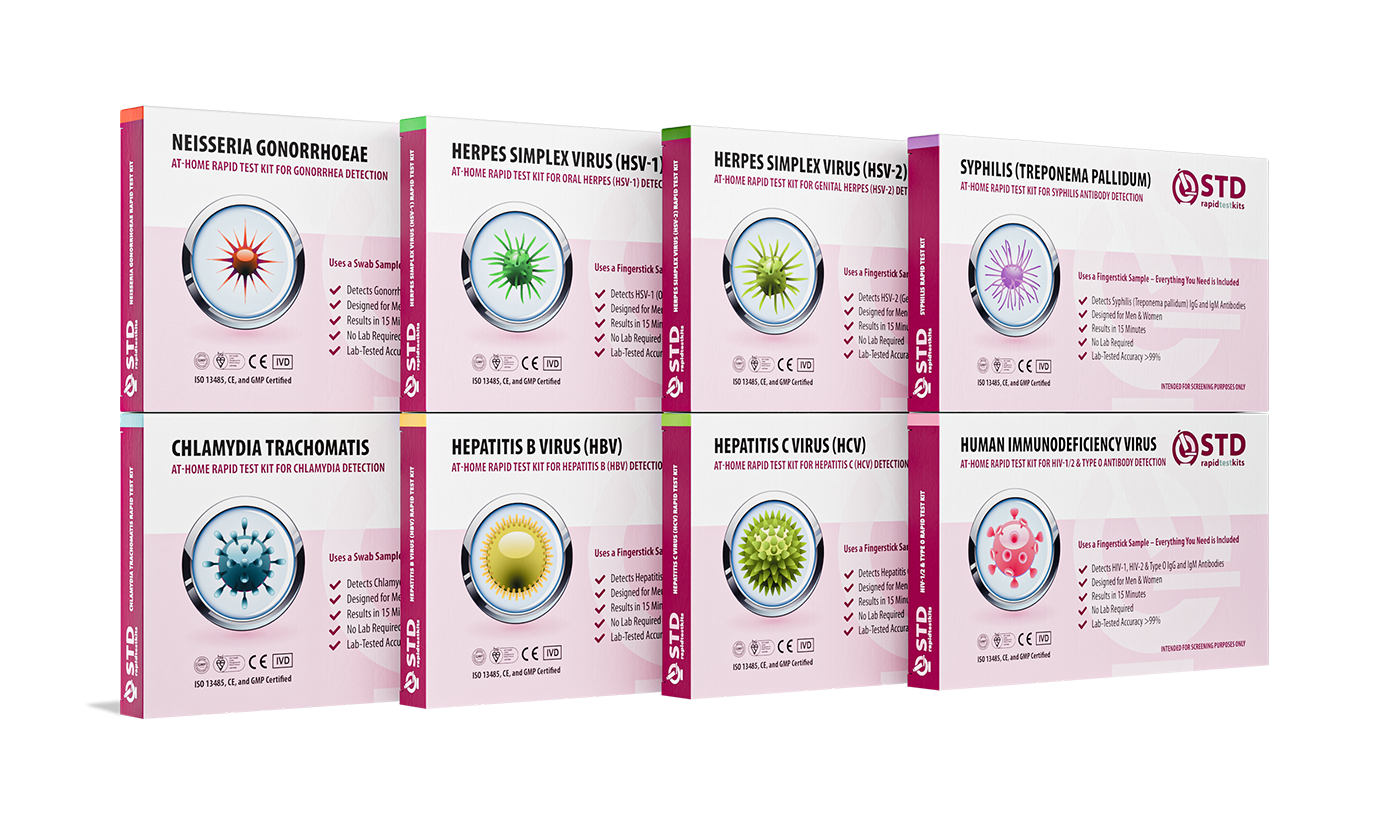 For Men & WomenResults in MinutesNo Lab NeededPrivate & Discreet
Order Now $149.00 $392.00
For all 8 tests
Tech-Savvy or Not, You Still Deserve Options
It’s easy to forget that not everyone knows how to scan a QR code or download an app. One study from JAMA Internal Medicine found that nearly 40% of adults over 50 felt “uncertain or uncomfortable” using digital health tools. And while Gen Z might trust an AI chatbot more than a doctor, older adults often feel the opposite.
That’s why smart test kits that include paper instructions, in-person backup, or live chat options remain vital. It’s also why AI shouldn’t be gatekeeping access. If you’re not fluent in app navigation, you should still be able to test, get results, and take control of your sexual health, without tech literacy being a requirement.
Bottom line: AI can be an incredible sidekick. But you’re still the main character.
FAQs
1. Can AI really tell if I have an STD?
Not exactly. AI tools can look at your symptoms and give you a risk estimate, but they can't peek inside your body or run a swab. If an app says you're “likely infected,” take that as a helpful warning, then go confirm it with a real test. Think of AI like a concerned friend, not a licensed doctor.
2. So... people actually use these AI symptom checkers?
Yep. Thousands do, especially at night when clinics are closed or when Googling feels safer than asking a nurse. They're fast, anonymous, and way less awkward than talking to someone about that weird rash. But they’re not perfect. They're good at saying “hmm, maybe,” but not at giving a final answer.
3. What’s the most accurate way to test for STDs?
Still the old-fashioned way: a properly-timed, lab-validated test. Some home kits are lab-based (you mail them in), while others give you rapid results. Accuracy depends on the STD, the timing, and whether you follow instructions to the letter. AI may help reduce errors, but it doesn’t replace the science.
4. Can I get tested without going to a clinic?
Absolutely. That’s the beauty of today’s options. You can test from home, get your results online, and avoid the waiting room entirely. Just make sure you’re using a legit kit, FDA-approved or backed by strong reviews, and not some sketchy pop-up product.
5. What is the new rule about how often you should get tested?
If you’re having new partners, not using protection, or belong to a higher-risk group, guidelines now suggest testing every 3 to 6 months, especially for STDs like chlamydia, gonorrhea, and HIV. It's not about judgment; it's about staying ahead of stuff that doesn’t always show symptoms.
6. How do AI-powered test kits work?
Some kits use AI to help you collect samples step by step. Then, to avoid mistakes, they scan your test result with your phone's camera. Super handy if you’ve ever squinted at a faint line wondering “wait... is that positive?” These smart kits act like a testing buddy in your pocket.
7. If the app tells me I’m probably fine, can I skip testing?
Not a great idea. False reassurance is dangerous. Some STDs don’t show up right away, or at all. Even if you feel fine and the app says low risk, it’s still smart to test if you’ve had any exposure. It’s your health, not a pop quiz you can guess on.
8. Are these apps safe to use, privacy-wise?
Many are, especially if they say they're HIPAA-compliant and don't store your data long-term. But read the fine print. If you're putting in sensitive stuff, like partner history or photos of symptoms, make sure the app doesn’t turn around and sell your info to ad companies.
9. Can AI tools help me decide when to test again?
Some do! A few apps now include retest reminders or exposure calendars. If you had a risky hookup two weeks ago, it might remind you when the right window period hits. That kind of nudging is one of AI’s best roles, like a friend with a calendar and no shame.
10. Where can I get a trustworthy test that doesn’t involve an awkward clinic visit?
Right here: STD Rapid Test Kits. Whether you want discreet shipping, fast results, or a no-nonsense testing experience, you’ll find something that fits your vibe, and your timeline.
You Deserve Answers, Not Assumptions
Maybe you’re here because you noticed something off. Maybe it’s just a hunch. Or maybe an app threw a red flag and now your stomach’s in knots. Whatever brought you here, know this: you deserve clarity. Not cryptic symptoms. Not awkward silences in a clinic. And definitely not a shrug from an app that isn’t sure what to tell you.
AI can help, but it’s just a tool. The real power comes when you use that tool to take control, on your terms. Whether it’s testing quietly at home, getting real-time answers, or simply confirming that everything’s okay, you have options. And none of them require explaining your sex life to a stranger behind a clipboard.
This isn’t about guilt. It’s about information. Your body, your call, and getting tested is just a smart step, not a shameful one.
How We Sourced This Article: We combined current guidance from leading medical organizations with peer-reviewed research and lived-experience reporting to make this guide practical, compassionate, and accurate.
Sources
1. CDC – STD Facts and Screening Guidelines
3. Utilization of AI in the Detection of Sexually Transmitted Infections and Anogenital Disorders
4. Artificial Intelligence and Sexual Health in the USA
5. Evaluation of Artificial Intelligence-Powered Screening for STIs
6. Getting Tested for STIs | CDC
7. STI Treatment Guidelines | CDC
About the Author
Dr. F. David, MD is a board-certified infectious disease specialist focused on STI prevention, diagnosis, and treatment. He blends clinical precision with a no-nonsense, sex-positive approach and is committed to expanding access for readers in both urban and off-grid settings.
Reviewed by: Dana Halpern, MPH | Last medically reviewed: December 2025
This article is meant to give you information, not to replace medical advice.


