Most people are informed about the dangers of unprotected penetrative sex. However, many seem to hold onto the belief that oral sex is harmless and cannot pose a risk of any kind. This article dispels some of those myths. Contrary to popular belief, unprotected oral sex is indeed riskier than you might imagine. If there is unprotected oral sex, the risk of acquiring certain sexually transmitted diseases is not only high, but there can also be a strong possibility of oral cancer.
03 October 2024
5 min read
21477
Oral Sex and STDs: The Hidden Link
Oral sex can be defined as the stimulation of the genitals by the mouth, lips, or tongue. It would seem that it is much safer than vaginal or anal sex since no penetration occurs. However, the STDs that could be transmitted via oral sex include gonorrhea, syphilis, herpes, human papilloma virus, and even HIV.
Clearly, it will be pretty important to learn how STDs can be transmitted through oral sex. For example, a person with a herpes sore or a HPV lesion on his or her mouth or lips can give it to the other person's genitals and vice versa.
Gonorrhea: The Quiet Killer
Gonorrhea is a bacterial infection, sexually transmitted by oral sex. It is mostly asymptomatic and hence an attack of a silent invader. The bacteria can infect the throat, genitals, and rectum. Even if your partner looks well and fine, he may be infected without his knowledge.
Syphilis: More Than a Rash
Another bacterial infection, syphilis can be transmitted through oral sex. The disease begins with a sore, often painless, that generally goes unnoticed. If left untreated, the disease can cause serious health problems and even affect such vital body organs as the heart and brain.
Herpes and HPV: Viral Concerns
Both herpes and HPV are viral STDs and can be acquired through oral sex. Herpes manifests itself in cold sore outbreaks on either the mouth or genital parts, while specifically, HPV 16 and 18 are highly linked to oral, throat, and cervical cancer.
Oral Sex and Oral Cancer: The Unseen Health Risk
One of the less considered risks of unprotected oral sex is oral cancer. This form of cancer, usually linked with HPV, particularly HPV-16, can occur in the mouth or at the back of the throat.
Symptoms of oral cancer include persistent pain in the mouth, a sore that won't heal, a sore throat that won't go away, and problem swallowing. Any of these symptoms demands immediate medical attention by you or your partner.
The Need for Protection
Now that the risks of unprotected oral sex have been touched upon, the remainder of this article will explore methods of prevention.
Dental Dams and Condoms
Barriers used over the genitals and mouth are among the most effective methods to reduce the transmission rate of STDs during oral sex. The barrier works like a shield, preventing direct contact required in the transmission of most types of sexually transmitted diseases.
Vaccinations
There are available vaccinations that will protect people against specific forms of STDs. HPV vaccination, for instance, protects one from those forms of HPV considered most responsible for oral and cervical cancers.
Testing Regularly
Get tested regularly, even if you have a monogamous relationship or even when symptoms are not showing. Many STDs are asymptomatic; they don't show signs or symptoms. Regular testing can help detect infections in the early stages and make sure treatment one seeks is timely.
At-Home Rapid Tests: Instant STD Results
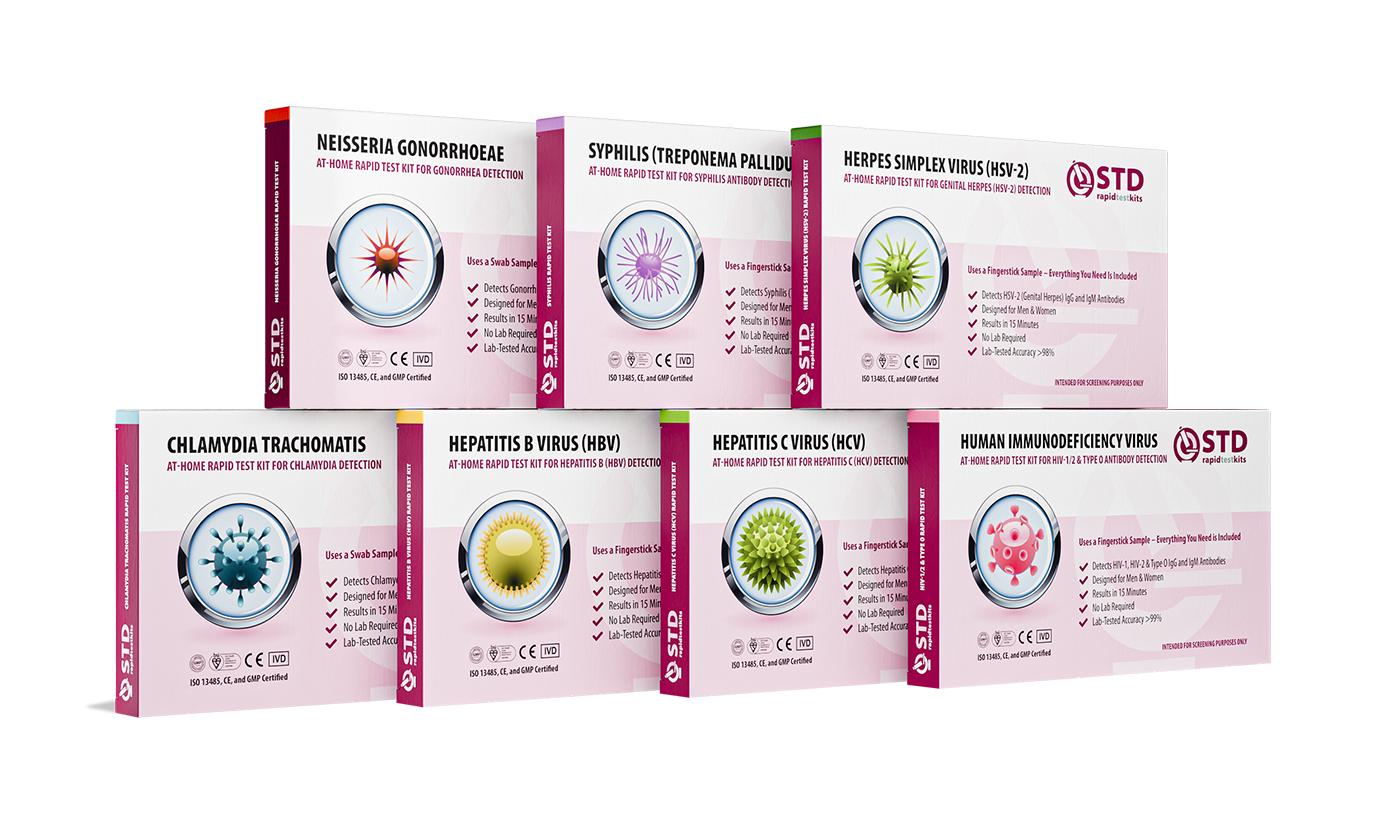
Rapid at-home tests have revolutionized the way we consider getting tested for STDs. They are convenient, fast, and private; you will get your immediate results on STDs from the comfort of your house. Commonly, the kits would come complete with chlamydia, gonorrhea, syphilis, HIV, among other prevalent STDs. Note that it is good to conduct rapid tests, but they should not replace the normal testing through your healthcare provider.
At-home rapid tests are pretty straightforward. They generally involve taking a sample-urine, a vaginal swab, an oral swab, or a prick of blood-and placing it onto the test device. After waiting the amount of time instructed, you can read your results.
Benefits to At-Home Rapid Tests
Advantages with these tests include the fact that they offer immediate results. You do not wait for several days or even weeks for the results, but you get them in a few minutes. This immediacy allows quick treatment if need be, preventing further complication or transmission.
In addition, such tests offer complete privacy. For some people, the stigma associated with a clinic visit for testing STDs acts as a significant deterrent. Home testing removes this stumbling block so that more people get tested to stay in control of their sexual health.
The Bottom Line: Stay Safe and Stay Informed
Unprotected oral sex is a whole lot more perilous than it seems to come off. Besides the different sexually transmitted diseases, possible oral cancer is part of a long list of consequences one may go through due to indulgence in this act. In any case, these can easily be lessened with the proper precautionary methods, such as the use of dental dams and condoms, vaccination, and testing on a regular basis.
Such amenities have made tending to your sexual health even easier, and the at-home rapid tests have made it easier. The at-home tests return STD results instantly, which can help with early detection and treatment.
Above all, safety means knowledge. Knowing the risks of unprotected oral sex and acting to minimize those risks is the surest way to protect your sexual health and general well-being. And it's okay to have open discussions with your partner and your healthcare provider about these topics.








 For Men & Women
 Results in Minutes
 No Lab Needed
 Private & Discreet


