






Quick Answer: STD rates are disproportionately high in many Indigenous communities due to systemic neglect, limited access to care, and stigma. At-home STD testing offers one solution, but prevention must also address racism, geography, and silence around sexual health.
Who This Article Is For, And Why It Matters Now
If you live in a remote community, don’t trust clinics, or feel ashamed even thinking about STD testing, this is for you. Whether you’re a young person navigating hookup culture in a small town, a parent worried about your teen’s first relationship, or someone who hasn’t felt safe asking a doctor for years, this piece speaks to your reality. Especially if you’re Indigenous, and especially if you’ve ever felt that the healthcare system doesn’t see you at all.
Testing isn’t a confession, it’s care. Getting tested means you’re protecting your future, your partners, and your community. This guide walks through the real barriers, symptoms people miss, myths that linger, and what it looks like to test without a clinic in sight. We’re here to break silence, not trust. You deserve clarity, not judgment.
Why STD Rates Are Higher in Indigenous Communities
The data doesn’t lie, but it’s often buried in footnotes. According to the CDC's 2023 STD Surveillance Report, American Indian and Alaska Native (AI/AN) populations had the second-highest rates of chlamydia, gonorrhea, and syphilis in the country. For young Indigenous women ages 15–24, the chlamydia rate was over twice that of non-Hispanic white women in the same age group. Yet public awareness campaigns barely mention it. The result? Silence, shame, and continued spread.
But it’s not just about numbers. It’s about what the numbers don’t show: the 16-year-old who had symptoms for weeks but was too scared to ask her aunt for a ride to the clinic. The elder who tested positive and refused treatment because of how providers spoke to them. The lack of privacy in small towns where the clinic receptionist might also be your cousin. These moments, multiplied across generations, have created a perfect storm where STDs thrive, while care stalls.
It’s time to say it plainly: Indigenous people aren’t more “risky.” They’ve been more abandoned. By underfunded public health systems. By inconsistent federal programs. And by a society that still thinks sexual health is a moral issue, not a medical one.

People are also reading: Yes, You Can Still Have Great Sex After an STD Diagnosis
STD Symptoms That Often Get Missed (Or Misunderstood)
STDs don’t always scream. Sometimes, they whisper. And in communities where health literacy hasn’t been prioritized, those whispers get misread, or ignored. Someone might notice “irritation” and chalk it up to laundry soap. A man may feel burning while urinating but think it’s dehydration. A teen might see a lesion and assume it’s an ingrown hair. And when you grow up around silence, you learn to silence your body too.
Herpes doesn’t always mean full-blown sores. Chlamydia can show no symptoms at all in the early stages. Gonorrhea can hide in the throat without any pain. And syphilis, a disease many assume is rare, can manifest first as a painless sore, then vanish before anyone notices. By the time symptoms become serious, the infection may have already spread to others.
Here’s the reality: you don’t need to have symptoms to have an STD. And waiting for something to “feel wrong” before you test is exactly how STDs keep moving in silence.
Check Your STD Status in Minutes
Test at Home with Remedium7-in-1 STD Test Kit
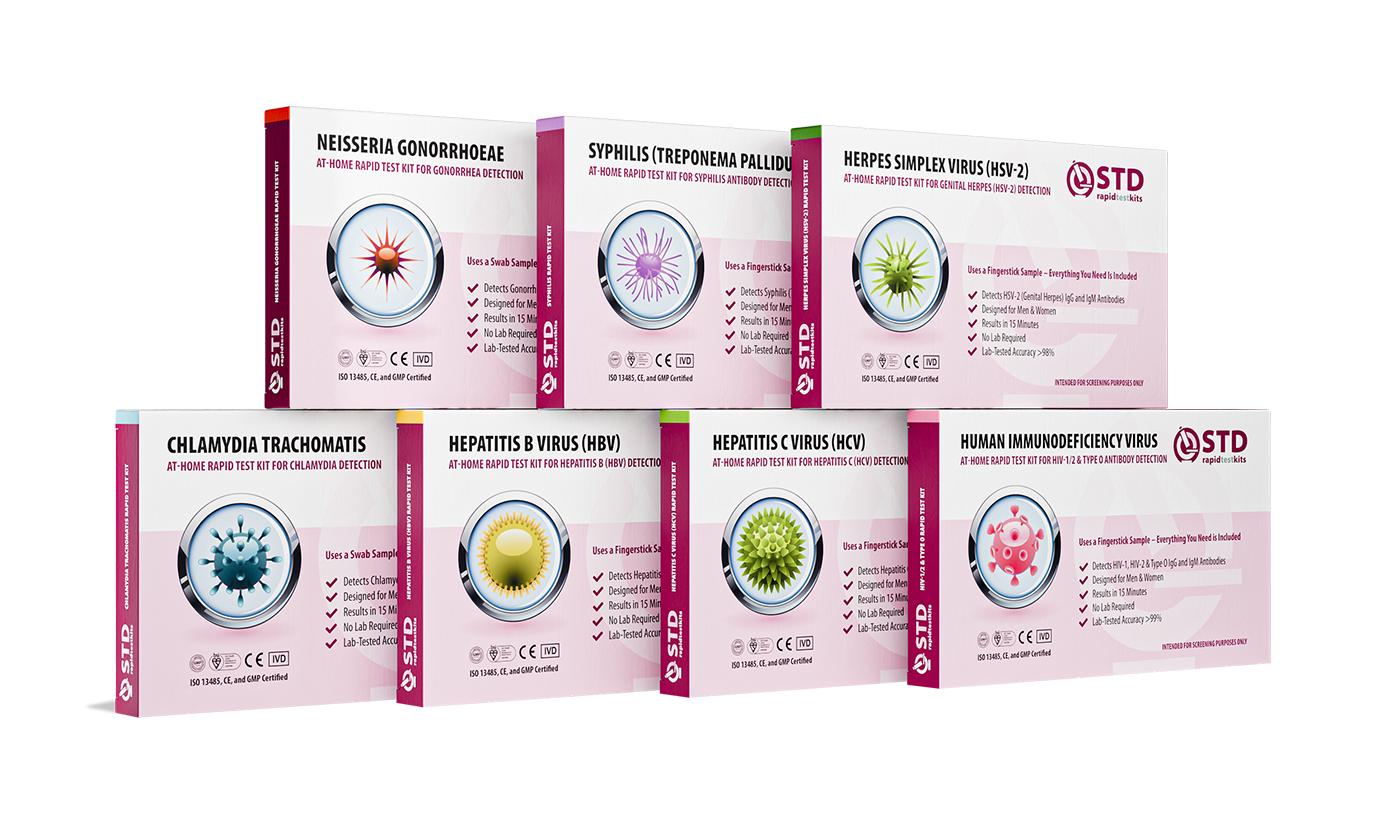
 For Men & Women
 Results in Minutes
 No Lab Needed
 Private & Discreet
Order Now $129.00 $343.00
For all 7 tests
Why Distance, Distrust, and Discretion All Matter
Imagine living four hours from the nearest health clinic. Now imagine needing a ride, asking for time off work, and hoping your grandma doesn’t ask why you’re borrowing the car. That’s not just inconvenient, it’s often impossible. For many living in remote Indigenous communities, the cost of getting tested is time, gas money, and emotional labor.
Then there’s the trust factor. Historical trauma from forced sterilizations, racism in medical encounters, and dismissive care providers has left deep scars. It’s not “paranoia” if your community has a long memory. It’s protection. For some, going to a clinic feels like handing over dignity in exchange for information. And when the provider mispronounces your name or assumes your sexual history, you shut down before the swab even touches skin.
Lastly, there's discretion, or lack thereof. In towns with one clinic and five hundred people, privacy is a fantasy. People talk. And when stigma runs deep, people stay sick rather than risk being seen. That’s why solutions have to be more than just “go get tested.” They have to account for geography, culture, history, and real fear.
The Real Cost of Delayed Testing: What Happens When STDs Go Untreated
It's not just about being uncomfortable when you put off care; it's about long-term effects. If you don't get treated for chlamydia or gonorrhea, you could get pelvic inflammatory disease (PID), which makes you more likely to be infertile, have chronic pelvic pain, or have an ectopic pregnancy. This is another example of unfair treatment for Indigenous women who already have trouble getting reproductive care. Men who don't get treatment for STDs may have painful urination, swollen testicles, and problems with fertility that last a long time.
But it doesn’t stop there. Untreated syphilis can damage the heart, brain, and other organs. It can also be passed to unborn babies during pregnancy, leading to stillbirth or birth defects, a condition known as congenital syphilis. And HIV, when not detected early, can weaken the immune system to the point where even a cold becomes life-threatening. Early testing doesn’t just help you, it helps stop the chain of transmission that hurts the most vulnerable.
One public health nurse working near the Four Corners region recalled a patient who tested positive for syphilis at 21 but didn’t get treatment until she was 24. Her symptoms had vanished, but the infection hadn’t. By the time she sought help, she was pregnant, and the baby tested positive too.
| STD | Possible Complications if Untreated | Long-Term Risk |
|---|---|---|
| Chlamydia | Pelvic inflammatory disease, infertility, ectopic pregnancy | High (especially in young women) |
| Gonorrhea | PID, infertility, joint infections | Moderate to High |
| Syphilis | Organ damage, neurological problems, birth defects | Severe if untreated |
| HIV | Immune system collapse, increased infection risk | Life-threatening without treatment |
Table 1: Common STDs and the complications that arise when they go untreated, especially dangerous in communities with delayed access to care.
At-Home Testing: A Lifeline for Remote Communities
For many Indigenous people, testing at home isn’t a luxury, it’s the only viable option. At-home STD kits allow you to test for multiple infections discreetly, without having to step foot in a clinic or explain your choices to anyone. They’re shipped in plain packaging, don’t require a prescription, and can often give results within 15 minutes for rapid kits, or 2–3 days for mail-in versions.
STD Rapid Test Kits offers a range of at-home options, from single-infection tests to combo kits that cover chlamydia, gonorrhea, syphilis, and HIV. For someone who’s unsure what’s going on with their body, or who just wants peace of mind, these kits can make the difference between knowing and guessing.
Consider what it would mean for someone like Josiah, a 19-year-old on tribal land in Montana. He’s sexually active but has never been tested. He doesn’t have a car, and the only clinic in his county closes at 4PM. If a test kit shows up in his mailbox, he doesn’t have to ask anyone for help. He just tests, reads the result, and decides what’s next, on his own terms.
| Testing Method | Privacy | Speed | Ideal For |
|---|---|---|---|
| At-Home Rapid Test | Very High | 15–20 minutes | Immediate answers without clinic visit |
| Mail-In Lab Kit | High | 2–3 days after lab receives sample | Lab-grade results from home |
| Clinic-Based Testing | Low to Moderate | Same day to 1 week | People with symptoms or complex cases |
Table 2: STD testing methods and what type of user they best serve. For remote Indigenous communities, at-home tests offer the greatest accessibility.
Partner Notification: How to Tell Someone Without Losing Your Voice
Let’s be real: telling someone you tested positive for an STD is terrifying. Now imagine doing that in a close-knit community where everyone knows everyone, and your ex’s cousin works at the clinic. The stakes feel even higher. Many Indigenous individuals delay notifying partners because of fear, shame, or a belief that it’s "not their place" if the relationship ended badly.
But silence puts others at risk. It also leaves you alone in navigating something that should be handled with shared responsibility. One solution? Anonymous partner notification services. Many health departments, some tribal, some state-run, offer tools where a text or email can be sent anonymously. No names. No judgment. Just facts. Others choose the “script” route: writing down exactly what to say, practicing it, and delivering it with calm clarity.
Remember: telling someone isn’t about punishment. It’s about protection. And how they react isn’t your burden to carry. You’re doing the right thing, even if your voice shakes when you do it.

People are also reading: How to Tell Past Partners You May Have Exposed Them
“I Thought I Was Clean”: The Shame That Delays Treatment
Jaylene, 28, had only slept with one person in the past year. She figured she was fine. But when her OB-GYN finally did a panel, she came back positive for herpes. “I was angry,” she said. “Not at him, or even at the test. Just at the fact that nobody ever told me you could have it with zero symptoms. I thought I was being responsible.”
This narrative, thinking you’re fine because nothing feels wrong, is common. And for Indigenous people raised around cultural silence about sex, the idea of getting tested often feels like admitting guilt. But it’s not about guilt. It’s about power. Knowing your status is the most powerful move you can make for your health, your relationships, and your community.
Jaylene went on to use an at-home kit to test her new partner before they became sexually active. “I didn’t want to have that kind of surprise again,” she said. “And he was actually grateful I brought it up.”
STDs thrive in shame. But testing turns silence into strategy. You don’t have to tell the whole town, just know for yourself.
What to Do If You Test Positive, And How to Access Care
If your test comes back positive, take a breath. Then take a beat. Most STDs are treatable. Some are curable. And all are manageable. Testing positive doesn’t mean you’re “dirty” or “irresponsible”, it means you’re informed. From here, the next steps depend on the infection and your access.
For treatable STDs like chlamydia, gonorrhea, or syphilis, you’ll need a prescription, either through a local clinic, a telehealth provider, or in some tribal systems, community health outreach workers. If your clinic offers sliding-scale or Indian Health Service support, treatment may be free or low-cost. For herpes and HIV, ongoing management is key, and early intervention can significantly reduce symptoms and transmission risks.
Consider using telehealth platforms that respect privacy and offer care without the need for in-person judgment. Some will even ship medication discreetly to your door. If the clinic isn’t an option, these services can fill in the gap, and you deserve that gap to be filled.
Take back control of your health. Try an FDA-approved at-home STD test kit like this discreet combo test that screens for multiple infections at once. One decision can change your story.
Check Your STD Status in Minutes
Test at Home with Remedium8-in-1 STD Test Kit
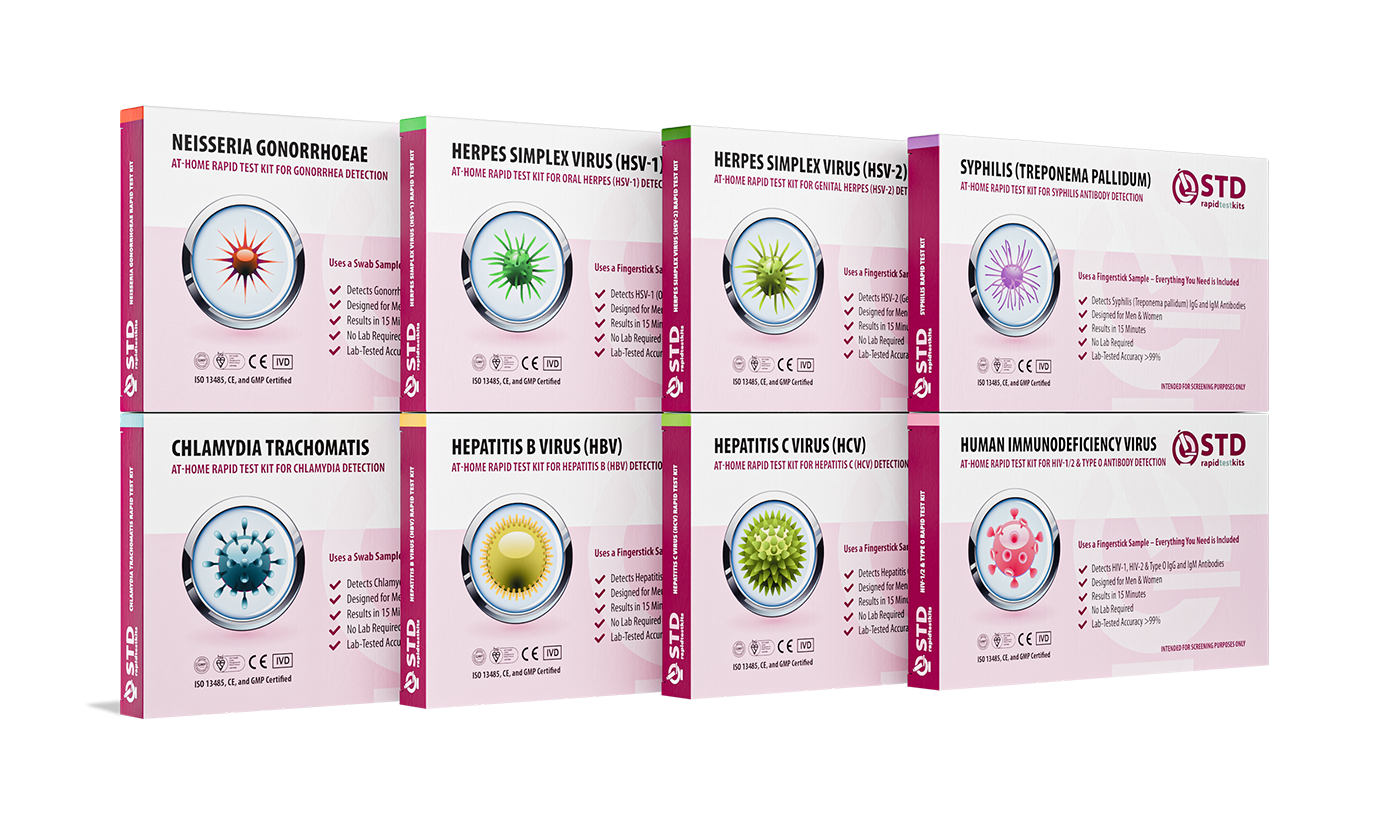 For Men & WomenResults in MinutesNo Lab NeededPrivate & Discreet
Order Now $149.00 $392.00
For all 8 tests
Why Testing Is an Act of Protection, Not Shame
Across Indigenous cultures, protection isn’t just about self, it’s about community. It’s about the next seven generations. When you test, you’re not just looking out for yourself. You’re interrupting a cycle. You’re making sure the infections that passed through silence and shame don’t keep going. You’re choosing knowledge over fear, and action over avoidance.
In many ways, STD testing is medicine. It’s information. It’s healing. And just like with any other health concern, you have the right to answers. The right to treatment. The right to move forward with clarity and pride, not fear.
If your head keeps spinning, peace of mind is one test away. Go back to STD Rapid Test Kits to find private options that work for you, not what other people think you should do.
FAQs
1. Why are STDs more common in Indigenous communities?
It’s not because Indigenous people are “riskier.” It’s because the system has failed them. Fewer clinics. Less funding. More stigma. Toss in the fact that many communities are hours away from sexual health services, and you’ve got a perfect storm. People want care, they just don’t always have a clear or safe path to it.
2. What if I don’t feel sick? Do I really need to get tested?
Yes. So many STDs, especially chlamydia and gonorrhea, don’t show symptoms at first. You could feel totally fine and still have an infection that spreads to your partner, or causes long-term damage to your own body. Think of testing like brushing your teeth. It’s basic hygiene, not a confession.
3. Are STD tests you do at home really accurate?
Yes, but only if you get the right ones. Find tests from well-known brands that have been approved by the FDA (like the ones we have here). When used correctly, they are accurate and come with clear instructions. You are literally taking your health into your own hands.
4. How soon after sex can I test?
It depends on the infection. Some STDs can show up in a test within a week. Others, like syphilis or HIV, may take a few weeks to appear clearly. If you test early and it’s negative, it’s smart to test again after the full “window period.” It’s not overkill, it’s just smart.
5. Do I have to tell my partner if I test positive?
Short answer: yes. Longer answer? You deserve partners who care about your health and theirs. If the idea of saying it out loud makes your stomach turn, you’re not alone. That’s why there are anonymous notification tools, or you can rehearse a simple script. This isn’t about shame. It’s about stopping the cycle.
6. Can I get an STD from oral sex?
Totally. STDs like gonorrhea, chlamydia, and herpes can live in the throat or be passed during oral sex, especially if there's no barrier used. So yes, you can test positive even if you’ve never had vaginal or anal sex. And no, that doesn’t make you gross. It makes you human.
7. What if I don’t have a doctor or clinic near me?
Then you’re exactly who at-home STD kits were made for. You can test in your own space, on your own time, without asking for a ride or explaining anything to anyone. For many living on reservations or in rural areas, it’s not just convenient, it’s the only real option.
8. How do I talk to my teen or younger sibling about this?
Start with the truth: testing is love. It's care. It’s not about being dirty or bad, it’s about being informed. You don’t need a fancy speech. Try something like, “Hey, when you start having sex, or if you already are, it’s important to know what’s going on in your body. You deserve that.” That one sentence can shift an entire generational mindset.
9. Do all STDs stay in your body forever?
Nope. Many are totally treatable, and some are curable with just a short round of antibiotics. Even viral infections like herpes or HIV can be managed with meds that make them much less dangerous. Testing gives you the roadmap. Fear keeps you lost.
10. Can I get reinfected if I’ve already been treated?
Yes, and it happens more than people think. If your partner wasn’t treated or you have a new exposure, reinfection is possible. That’s why partner treatment and retesting are part of the full care cycle. Don’t be mad at your body, just stay one step ahead.
You Deserve Answers, Not Assumptions
If you're reading this, it's because you care, about your body, your future, or someone you love. That already sets you apart. Indigenous communities have long ignored STD testing, but you don't have to. Your health is important no matter where you live, whether it's in a city apartment or a remote part of the Navajo Nation.
Don’t wait and wonder, get the clarity you deserve. This home test kit checks for the most common STDs quickly and without drawing attention to itself.
How We Sourced This Article: We combined current guidance from leading medical organizations with peer-reviewed research and lived-experience reporting to make this guide practical, compassionate, and accurate.
Sources
1. CDC STD Surveillance Report 2023
2. Planned Parenthood: STDs and Safer Sex
3. Health Disparities in American Indian or Alaska Native People (CDC)
4. 2023 STI Surveillance Report (CDC)
5. Health Equity in STIs (CDC)
6. Creating a Path Forward: Sexual Health and STI Burden Among AI/AN Peoples (PMC)
7. HIV/AIDS and American Indians/Alaska Natives (HHS OMH)
About the Author
Dr. F. David, MD is a board-certified infectious disease specialist focused on STI prevention, diagnosis, and treatment. He blends clinical precision with a no-nonsense, sex-positive approach and is committed to expanding access for readers in both urban and off-grid settings.
Reviewed by: K. Emerson, MPH | Last medically reviewed: December 2025
This article is meant to give you information, not to replace medical advice.


