





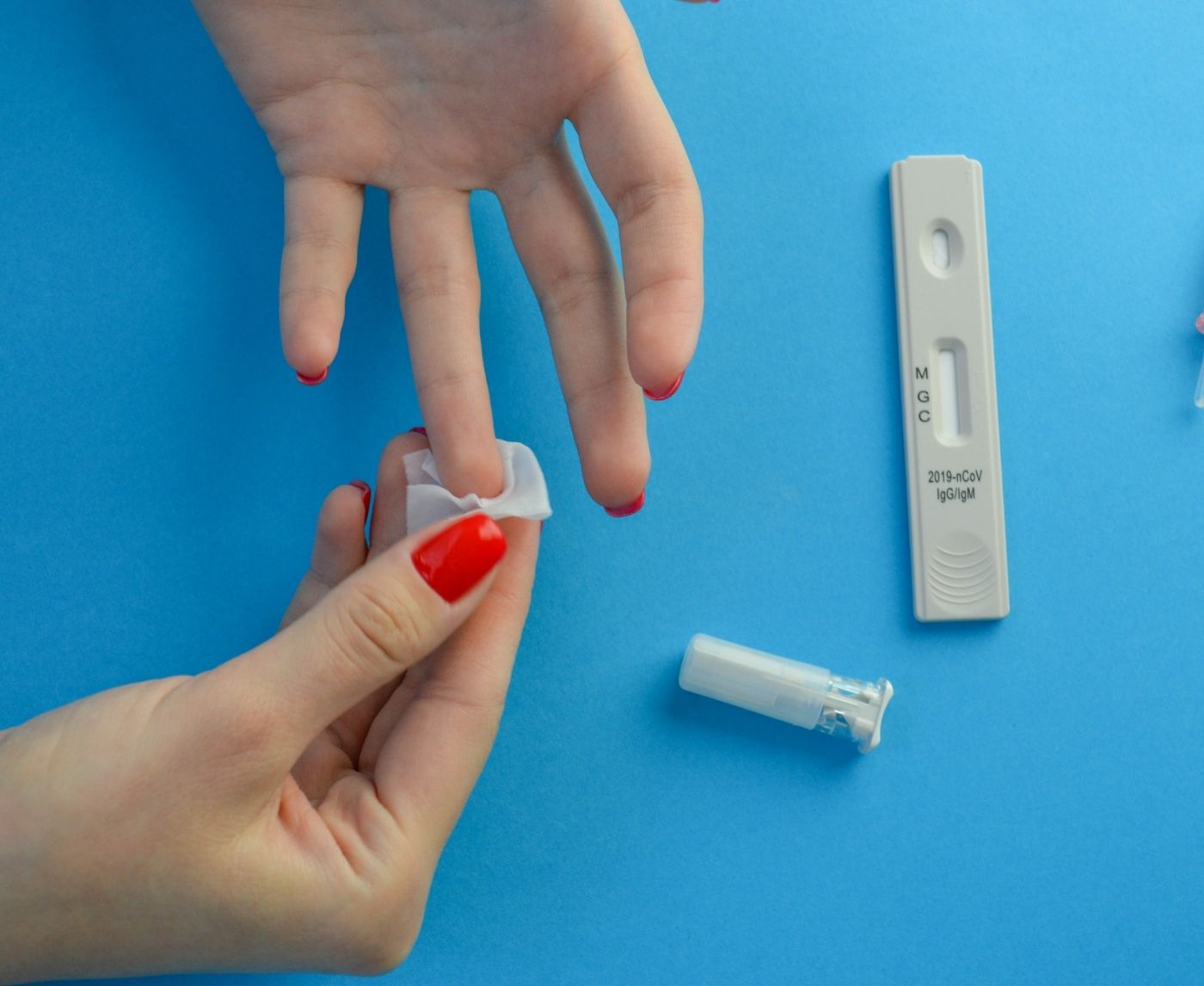

Quick Answer: A positive STD test doesn’t mean your life is over, your relationships doomed, or your health ruined. Most STDs are treatable, many are manageable, and none strip you of your dignity, career, or future.
This Isn’t the End, It’s the Start of Something You Can Handle
Let’s name the monsters under the bed: You think you’ll be outed. You’ll lose your job. You’ll get dumped. You’ll become “that person.” But these fears come from silence, stigma, and years of whispered misinformation. The reality is so much less dramatic, and way more human.
Lina, 27, thought her diagnosis would destroy her dating life. “I imagined every future partner ghosting me. But when I finally told someone, he just said, ‘Thanks for being honest. So… what does this mean for us?’” That was it. No horror music. No dramatic exit. Just a normal human conversation.
These scenes aren’t rare. They’re just underreported. Because fear shouts louder than facts when you're alone with a result screen.
Table: Fears vs. Facts After an STD Diagnosis
| Common Fear | What Actually Happens |
|---|---|
| I’ll lose my job if my employer finds out | Your results are confidential by law. Employers have no access to this info unless you disclose it |
| I’ll never be able to date again | Most people continue dating successfully after disclosure. Many STDs are treatable or manageable |
| I’ll be shamed by doctors or nurses | Clinicians are trained not to judge. If someone reacts poorly, it says more about them than you |
| Everyone will know, I’ll be exposed | STD results are private medical info. No one is notified without your consent (except in rare public health exceptions) |
| I must have done something “dirty” | STDs are infections, not moral failings. Skin-to-skin contact is enough. You didn’t “deserve” this |
Figure 1. This table breaks down the most common anxieties people face post-diagnosis, and what the real outcomes usually are instead.
People are also reading: Woke Up with Discharge from Your Penis? Here’s What Might Be Happening
You’re Not Required to Broadcast Anything
Let’s talk privacy. You don’t owe an explanation to your boss, your parents, your roommates, or even a past partner unless you’re legally required (and even then, it can often be done anonymously). HIPAA laws in the U.S. make it illegal for medical providers to disclose your health status without your consent. That includes employers, insurance companies, even family members if they’re not listed on your forms.
What about insurance? If you used insurance to test, a record might exist in your explanation of benefits (EOB). But that doesn’t mean anyone’s reading it unless you give them access. Many choose to pay out of pocket or use at-home testing services to avoid this altogether. STD Rapid Test Kits offers completely discreet, confidential test options that never appear on shared insurance documents.
And no, your name doesn’t go on a blacklist. There’s no STD database shared with schools, employers, or airlines. This fear is pure urban legend.
Check Your STD Status in Minutes
Test at Home with Remedium6-in-1 STD Test Kit
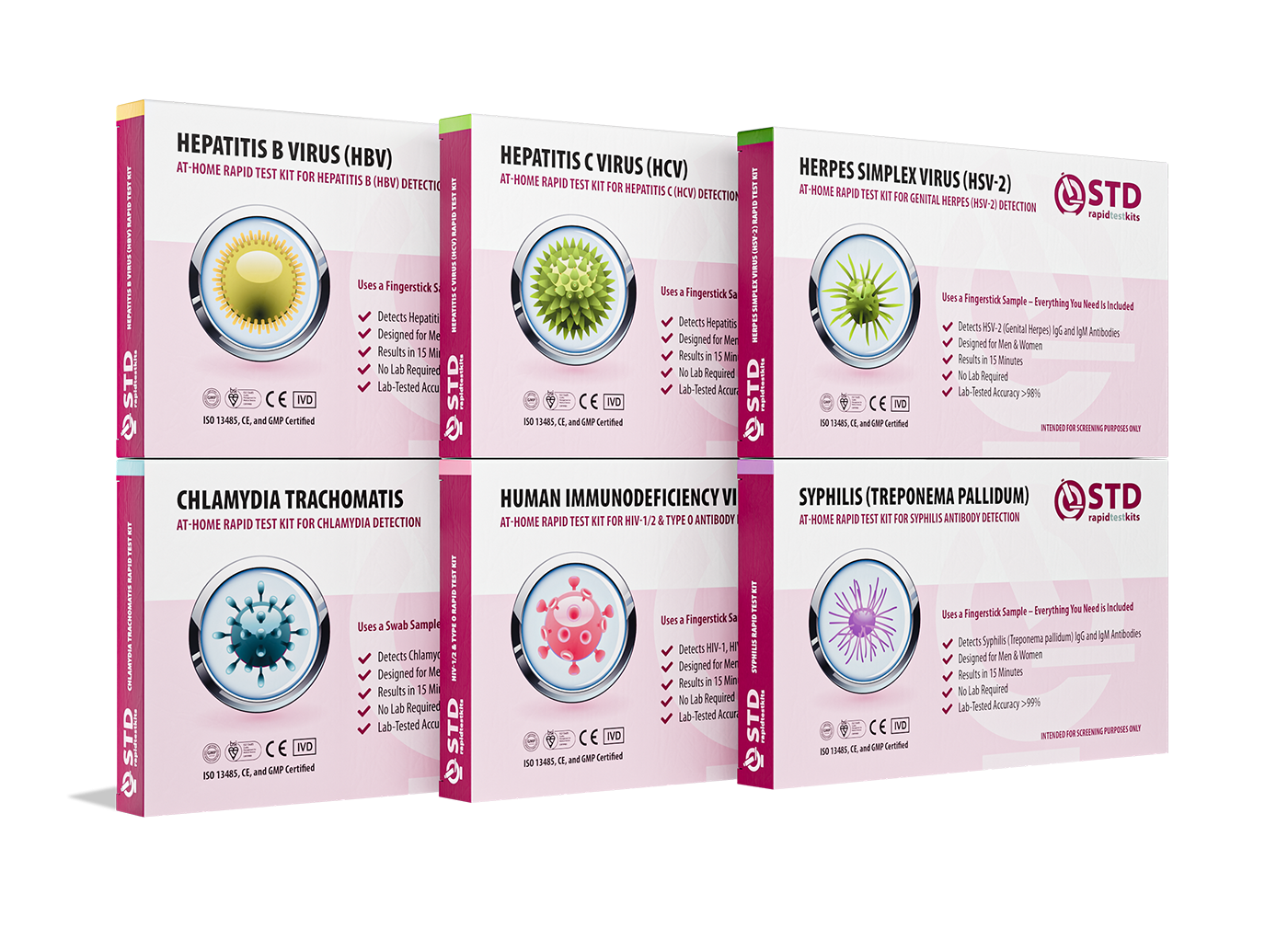
 For Men & Women
 Results in Minutes
 No Lab Needed
 Private & Discreet
Order Now $119.00 $294.00
For all 6 tests
How We React Matters More Than the Result
The moment after seeing “positive” is almost always more emotionally charged than it needs to be. That’s not because STDs aren’t serious, it’s because we were never taught how to emotionally handle them. The scripts in our heads come from outdated health classes, abstinence-only lectures, and fear-based public service ads from the 1990s.
Ravi, 34, tested positive for herpes after a routine panel. “I cried for two hours straight,” he admitted. “But after reading what it actually was and how many people have it, I realized… this is something I can manage. Like, millions of people live normal lives with this.” He’s right: herpes affects over 1 in 6 adults in the U.S., and many don’t even know they have it.
Knowledge shrinks fear. Action dismantles shame. And the first step? Learning what does and doesn’t change after a diagnosis.
Your Body Isn’t a Time Bomb, Most STDs Are Treatable or Manageable
Let’s get clinical for a second, without the fear. Many STDs can be completely cured with antibiotics. Others, like herpes or HIV, are chronic but manageable with treatment plans that millions follow daily while living fully functional, healthy lives.
Here’s a micro-scene from real life: Carmen, 41, was diagnosed with trichomoniasis. “I was horrified, I'd never even heard of it,” she says. “I thought this meant I had a ruined body. But the doctor just handed me a prescription and said, ‘You’ll be fine by the weekend.’ I couldn’t believe how anticlimactic it was.” And that’s common. The fear is often 10x worse than the treatment.
Even infections like syphilis or gonorrhea, which can cause serious health problems if untreated, are easily cured when caught early. What matters is timing and follow-through. And yes, even HIV, once considered a death sentence, is now a livable condition with proper care. People with HIV on treatment can have an undetectable viral load, which means they can’t transmit the virus sexually, known as U=U (Undetectable = Untransmittable).
Table: Common STDs and What Happens After Diagnosis
| STD | Is It Curable? | Standard Treatment | What Life Looks Like After |
|---|---|---|---|
| Chlamydia | Yes | 1 dose antibiotics (azithromycin or doxycycline) | Back to normal within days if treated early |
| Gonorrhea | Yes | Injection + oral antibiotics | Clears quickly with follow-up test recommended |
| Herpes | No (manageable) | Antiviral pills for flare-ups or daily suppression | Most people have few or no symptoms over time |
| Trichomoniasis | Yes | Single-dose oral medication | Often resolves in a few days with no lasting effects |
| HIV | No (manageable) | Daily antiretroviral therapy (ART) | Normal lifespan if treated; U=U means zero sexual transmission |
Figure 2. Many common STDs are treatable or manageable. Panic often stems from not knowing what treatment looks like.
What Won’t Happen: Losing Your Partner, Identity, or Worth
Here’s a truth bomb that might sting a little: if someone treats you like you’re less lovable because you have an STD, that’s not about you, it’s about their fear and misinformation. It’s valid to want acceptance. But it’s dangerous to equate diagnosis with disqualification.
Leo, 30, found out he had HPV during a routine check-up. “I was convinced my girlfriend would leave me. Instead, she Googled it for an hour, came back, and said, ‘Okay. So we just wait six months and retest?’” He laughs about it now. “I realized I was projecting the worst onto her. She wasn’t even mad.”
And that’s more common than you think. With the right information and honest conversation, many relationships grow stronger, not weaker, after disclosure. People fear what they don’t understand. When you replace fear with facts, you make room for trust.
Stigma Is Loud. But the Truth Is Louder.
The only thing that lasts longer than an infection might be the stigma. We internalize these diagnoses as moral failings because society treats sexual health like a dirty secret. But here's the reality: up to half of Americans will get an STD at some point in their lives.
That includes college students, married couples, grandparents, people with one partner, people with many. STDs don’t discriminate, and neither should your inner voice. You’re not gross. You’re not broken. You’re human. And human bodies are messy, sensitive, and vulnerable, because that’s what makes us connect.
Need clarity fast? You can take a step today. This at-home combo test kit checks for the most common STDs quickly and privately. If you haven’t tested yet, or want a follow-up for peace of mind, it’s a solid next move.
You’re Still in Control, Even If It Doesn’t Feel Like It Right Now
Here’s what people rarely say: the moment after you get a positive result can feel like losing control. Of your body. Your choices. Your identity. But what actually happens in the next 24 hours is up to you, and that’s power, not punishment.
Mari, 25, saw her positive chlamydia result and panicked. “I went numb. I thought, ‘I’ll never date again.’ Then I looked it up and realized it’s literally cured with one pill. I got a telehealth script that afternoon.”
Whether you’re booking a treatment appointment, looking into partner notification, or simply letting yourself breathe without taking action yet, that’s all valid. And all of it is within your control. This isn’t a spiral; it’s a fork in the road. You get to choose your next step.
People are also reading: How to Tell a New Partner You’ve Had an STD
Let’s Debunk the Big Ones: What Definitely Doesn’t Happen
When we say "here’s what doesn’t happen next," we mean it. Let’s break down a few of the top fears that search data tells us people worry about most, and how far they are from reality.
❌ Will I lose my job? Not legally. In the U.S., having an STD is not a fireable offense. HIPAA protects your health information, and there’s no workplace mandate to disclose anything unless your job is directly related to sexual health or you work in a very rare field with communicable disease policy (like blood donation).
❌ Will my doctor judge me? No. And if they do? That’s a sign to find a new provider, not to stay silent. Healthcare professionals are trained to treat, not shame. If you experience stigma, platforms like Reddit’s r/STD or Scarleteen can help you navigate next steps or switch providers.
❌ Will my name go on a list? Not in any way that affects your life. In some states, labs report certain infections to public health departments for statistical tracking, but this is anonymized and used for community health planning. Your friends, family, employer, and landlord won’t know unless you tell them.
❌ Will my future be ruined? Absolutely not. You’re still dateable, loveable, and worthy of intimacy. People with lifelong conditions like herpes or HIV go on to have relationships, families, and incredible careers. The diagnosis changes your awareness, not your value.
How to Talk About It (If and When You Want To)
Disclosure doesn’t have to happen right away. And when it does, it doesn’t need to be a dramatic sit-down. Keep it short, calm, and informative. One of the most effective scripts? “Hey, I recently got tested and something came back. It’s treatable/manageable, and I wanted to be transparent because I respect you.” That’s it. You don’t owe shame.
Devin, 22, used this exact wording after learning he had gonorrhea. “I expected a meltdown. Instead, she said, ‘Thanks for telling me. I’ll get tested too.’ And that was it.” It’s wild how often that happens when honesty leads.
If you’re not ready to talk to someone directly, many health departments and clinics offer anonymous partner notification tools, including texting services that don’t reveal your identity. You can be responsible without exposing yourself to unsafe reactions.
Check Your STD Status in Minutes
Test at Home with Remedium8-in-1 STD Test Kit
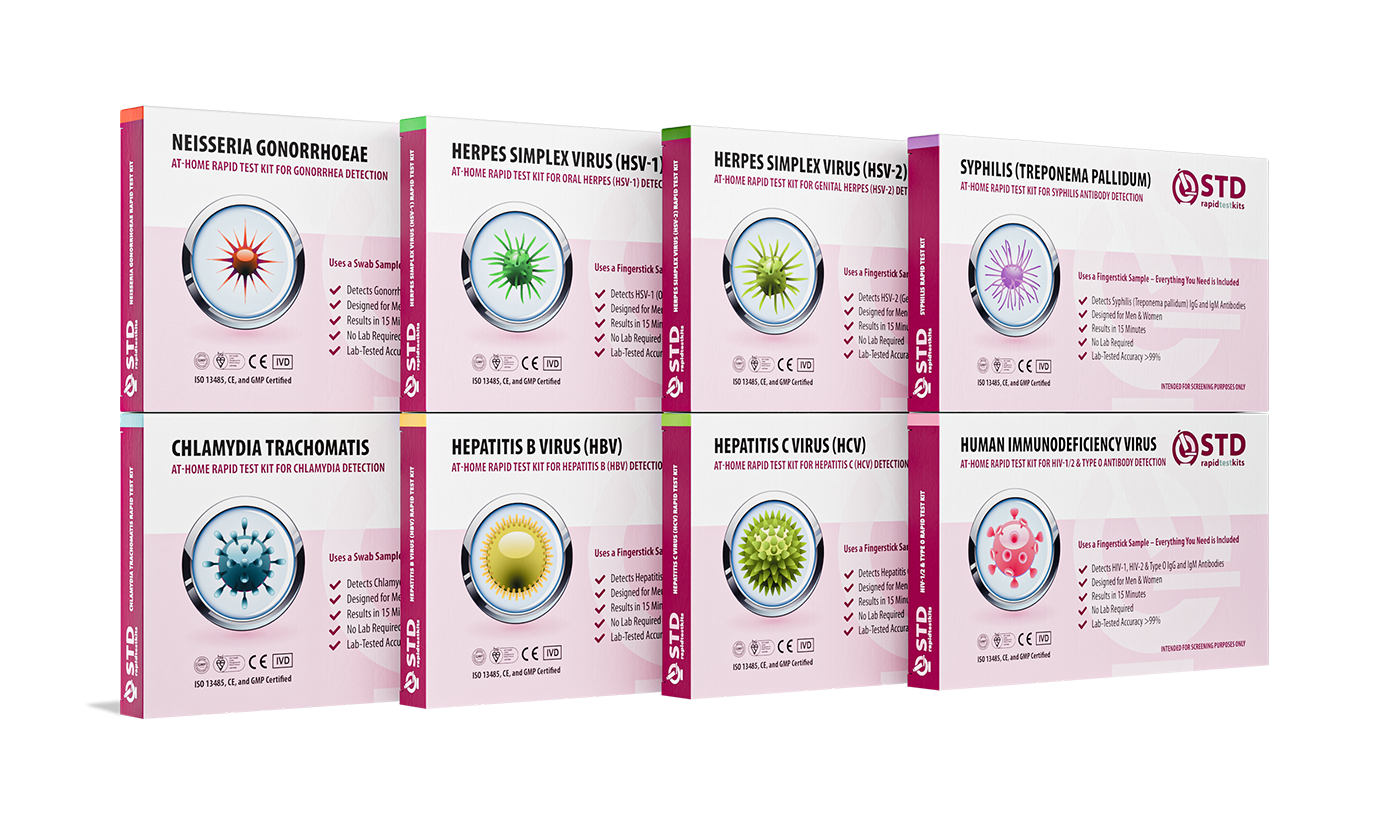 For Men & WomenResults in MinutesNo Lab NeededPrivate & Discreet
Order Now $149.00 $392.00
For all 8 tests
Your Mental Health Deserves Care Too
Getting diagnosed can feel like a betrayal by your body, but the bigger struggle is often emotional. Studies show that people diagnosed with STDs, especially herpes and HIV, are at increased risk of temporary depression and anxiety. That doesn’t mean you’re broken. It means you’re human and responding to stress.
You don’t have to power through alone. Online communities, therapy (in person or virtual), and even talking to one grounded friend can help reroute the panic spiral. If you’re struggling, consider checking out Planned Parenthood’s sexual health resources or peer forums where lived experience meets empathy.
And if you need a quiet step forward? Browse STD Rapid Test Kits privately and at your own pace. Just knowing your options can make things feel lighter.
FAQs
1. Will anyone find out I have an STD?
Only if you tell them. Your results are private medical info, protected by law. Employers, parents, partners, none of them get a notification. The only people who know are the ones you choose to share it with. And no, there’s no secret list floating around with your name on it.
2. Is this going to show up on my insurance or bills?
If you used insurance to test, you might see it pop up on your Explanation of Benefits (EOB), which could be visible to whoever holds the policy. That said, a ton of people test privately to avoid this exact situation. At-home kits you pay for yourself? Totally off the insurance radar.
3. Can I still hook up, date, or fall in love?
Yep. People do it every day. An STD doesn’t cancel your love life, it just adds a new chapter. Disclosure might feel terrifying at first, but the right people won’t flinch. In fact, many will appreciate your honesty more than you think. And spoiler: a lot of them have been there too.
4. Will I have to tell my boss or job?
Absolutely not. Your boss doesn’t need to know you got chlamydia any more than they need to know your cholesterol level. Your health = your business. Unless you work in a rare, hyper-specific field where testing is part of the job (think: donating blood or clinical work), this stays private.
5. What if my partner freaks out?
Then you learn something important about them. Most people don’t freak, they ask questions, get tested, and move forward. But if someone panics, shames you, or makes you feel small? That’s not a reason to hide, it's a reason to protect your peace. You deserve partners who meet you with care, not fear.
6. Do I have to tell past partners?
It depends on the STD, your local laws, and your comfort level. For curable infections like gonorrhea or chlamydia, letting recent partners know is the ethical move, it gives them a chance to test and treat. If you're dreading the convo, good news: anonymous text tools exist, and they’re surprisingly easy to use.
7. How soon can I have sex again?
It depends. For curable STDs, you usually need to finish treatment and wait a few days (7 is the usual magic number). For long-term ones like herpes or HIV, once you’re in a management routine and transparent with your partner, there’s no reason you can’t have a satisfying sex life again. Consent, communication, protection, that’s the combo.
8. What if I feel totally ashamed right now?
That’s heartbreakingly common, and 100% undeserved. The shame doesn’t belong to you; it belongs to the systems and silence that made you feel this way. You're not damaged. You're not dirty. You’re just a human with a health thing. That’s it. Let yourself feel it, but don’t let it define you.
9. Should I get tested again later?
Probably. If you were recently treated, a follow-up test can confirm it worked. If you’ve got a new partner or recurring symptoms, testing again makes sense. Think of it like dental cleanings, you don’t just go once and call it a life.
10. Where can I go if I still feel lost?
Start with a test kit if you’re unsure where you stand. STD Rapid Test Kits lets you check quietly, on your terms. For emotional stuff, online forums like r/STD, Scarleteen, or ASHA have real people talking honestly. And if it’s deeper than that, therapy helps. No shame in getting support, you deserve to feel okay again.
You’re Still You, The Test Didn’t Rewrite Your Story
If you take nothing else from this article, let it be this: a positive result changes a few things, but not the most important ones. You’re still the same person with the same dreams, same rights, same capacity for love and joy and connection. That hasn’t changed.
STDs are common. So is panic. But what doesn’t have to be common is shame, and that’s something we can rewrite together.
Don’t wait and wonder, get the clarity you deserve. This at-home combo test kit checks for the most common STDs discreetly and quickly.
How We Sourced This Article: We combined current guidance from leading medical organizations with peer-reviewed research and lived-experience reporting to make this guide practical, compassionate, and accurate.
Sources
1. Planned Parenthood – STDs & Safer Sex
2. Getting Tested for STIs | CDC
3. STI Treatment Guidelines | CDC
4. Sexually Transmitted Diseases (STDs) – Diagnosis and Treatment | Mayo Clinic
5. Next steps after testing positive for gonorrhea or chlamydia | CDC
7. Sexually Transmitted Infection (STI) Tests | MedlinePlus
8. Know the Facts About STIs | CDC
About the Author
Dr. F. David, MD is a board-certified infectious disease specialist focused on STI prevention, diagnosis, and treatment. He blends clinical precision with a no-nonsense, sex-positive approach and is committed to expanding access for readers in both urban and off-grid settings.
Reviewed by: C. Nguyen, NP | Last medically reviewed: December 2025
This article is meant to give you information, not to replace medical advice.


