Testing for STDs: How Often Should You Get Tested?
One of the most common questions asked about sexual health is, "How often should I get tested for sexually transmitted diseases?" This is not only a question of curiosity but also an important part of maintaining health and well-being. Always make sure to take measures for yourself and your sexual partners regarding keeping you both safe from possible health threats by making sure that testing for sexually transmitted diseases is regularly taken. At-home rapid tests have made instant STD results no more daunting than it's ever been. For convenience, let us tackle the subject.
03 October 2024
6 min read
408
The Importance of Regular STD Testing
Sexual health extends beyond avoiding unwanted pregnancies or knowing the ropes of sexual relationships. It means being fully prepared for the possible risks of sexual activity such as STDs, and the ways to make that risk minimal. STDs, including Chlamydia, Gonorrhea, Syphilis, and HIV are often asymptomatic, that is, it may be hidden or undiscovered and untreated unless testing is a part of health care. Regular Testing is highly significant in making early STD detection possible so that necessary treatment could be applied to avoid further complications and minimize the spread to other people.
First, it is important to understand who may be at a higher risk before discussing how often one should get tested for STDs. These include, but are not limited to, having multiple sexual partners, having a new sexual partner, having a partner with an STD, having unprotected sex, and the history of STDs. People who engage in these behaviors may need to be tested more often than others.
How Often Should You Get Tested?
How often you should be tested for STDs depends on your age, sexual behaviors, and other risk factors.
Testing for Adults: Most sexually active people should get tested for STDs at least once a year. How often you need to get tested depends on your risk factors. If you have multiple sexual partners, or if you're having sex without using a condom or other barrier method, you should get tested every three to six months.
Testing for Adolescents: The CDC recommends yearly chlamydia and gonorrhea testing for all sexually active women aged 25 years and younger.
Testing for MSM: Testing may be necessary more frequently by men who have sex with men, usually every three to six months, especially for infections like HIV, syphilis, gonorrhea, and chlamydia.
HIV Testing: The CDC recommends that everyone between ages 13 and 64 get tested for HIV at least once during a routine health visit. If you have more sexual partners, are a male having sex with men, or an injection drug user sharing needles, you may want to get tested every three to six months.
Note that these are general instructions. One has to consider an open discussion with the healthcare professional regarding sexual behavior and practice for better clarification of testing frequency more suitable to the individual concerned.
STD Self-Testing at Home: Revolutionizing It
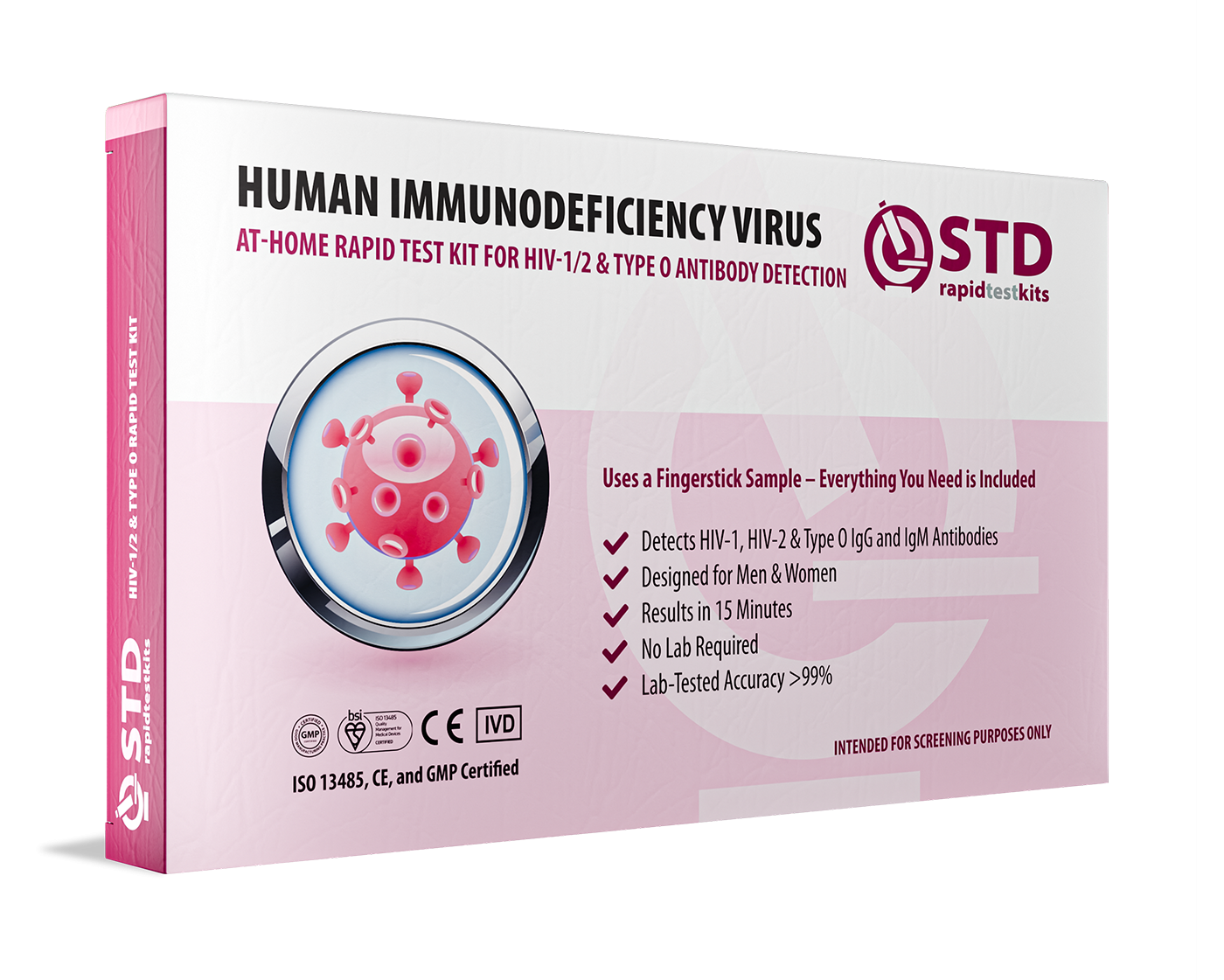
One of the more useful developments in sexual health has been the introduction of home testing kits for sexually transmitted diseases. These facilitate privacy and convenience with immediate results, without necessarily going through the anxiety of waiting for laboratory test results.
How Do Home Tests for STDs Work?
Generally, home tests for STDs require a urine sample to be collected, a swab, or even just a finger prick of blood at most. When the sample has been collected, it is either processed through a solution that changes color in case of any infection or sent in for lab processing via prepaid postage.
Are At-Home STD Tests Reliable?
While at-home tests offer the convenience of home and immediate results, it is critical to note that home testing should not serve as regular testing with a provider in the future. They are phenomenal means for early detection and quick results, but any abnormal result should be further checked and reassessed by a healthcare professional. Home tests have demonstrated good accuracy rates, but there is still a possibility of a false positive or false negative. Therefore, they should be used only as a screening tool, after which appropriate medical follow-up should be pursued when necessary.
Pros of Testing for STDs at Home
Convenience: At-home STD tests can be ordered online and will be discreetly delivered right to your doorstep. It can be done in the comfort of your home and privacy, without necessarily having to set any appointments or visit any clinic.
Privacy: A number of people will feel less discomfort and inhibition in their own space, avoiding any feeling of embarrassment or stigma with a visit to the clinic.
Instant Results: In the case of rapid home tests, the results are available right away.
Early Detection: Regular testing for STDs is very important to ensure early detection and treatment. At-home tests make it easier for you to monitor your sexual health more regularly, thus finding any infections earlier and taking medical treatment in time.
Partner Notification: In case you test positive through a home test kit, you can immediately take the initiative of informing the people you have been sexually involved with. This encourages proper behavior and avoids passing on the disease further.
When to Consider At-Home STD Testing
Although home testing is highly convenient, it is not for all. Aspects to consider before taking this kind of approach include the following:
Risk Assessment: First, consider the risk you may have for STDs. In case you are at high risk from having unprotected sex with multiple sexual partners, then it will be best to discuss your situation and the appropriate approach for testing with a health care provider.
Symptoms or Exposure: If symptoms of an STD have developed, or if a person suspects they have been exposed to someone who might have an infection, they are advised to seek medical care rather than at-home testing.
Follow-up Care: Keep in mind that home tests give first determinations, and often require follow-up care by professionals. If your test result is positive, it will be important for you to seek a health professional who will confirm that result, provide treatment, and give any follow-up care that may be necessary.
Good sexual health requires regular testing to prevent sexually transmitted infection. The frequency of testing depends on one's age, sexual activity, and other risk factors. There needs to be candid discussion with the healthcare provider to decide upon the best schedule for testing in each case.
At-home testing, however, has become an easy, accessible way to go. It gives immediate results and puts individuals in charge of their sexual health. It is not, however, a substitute for regular testing and medical care. While home test methods are private and convenient, it is important to see a doctor since confirmation, treatment, and proper follow-up care will be needed.
Keep in mind that sexual health is a part of overall health. The best ways to be sexually healthy are by learning how to be healthy, by using protection, and by getting tested often.








 For Men & Women
 Results in Minutes
 No Lab Needed
 Private & Discreet