





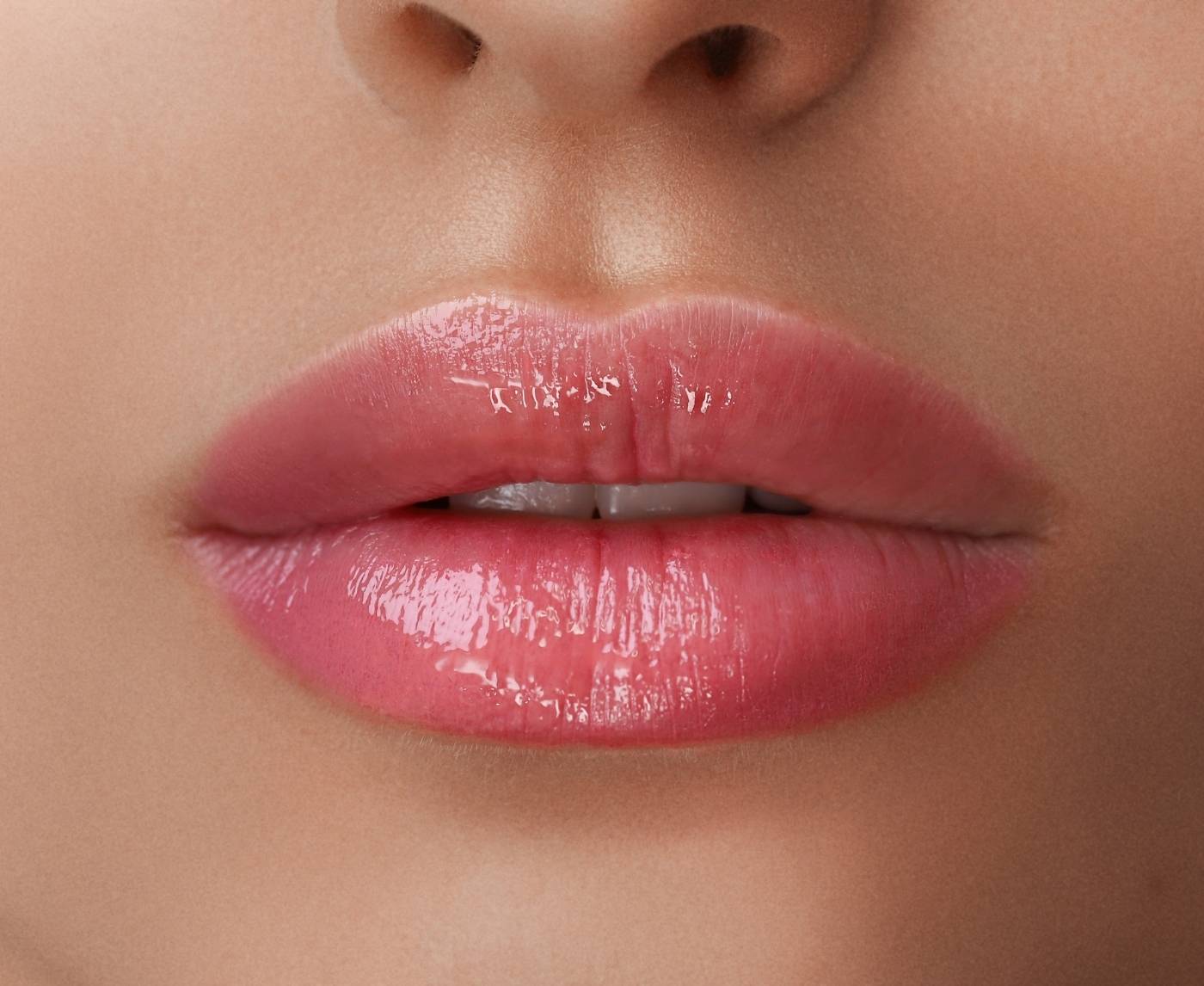

Quick Answer: Tingling lips before a cold sore often signal the “prodrome” phase of oral herpes, where the virus reactivates but hasn’t caused a visible sore yet. This phase is when HSV-1 may already be contagious, even before a blister appears.
“It’s Just a Tingle, Right?” , Why That First Sensation Matters
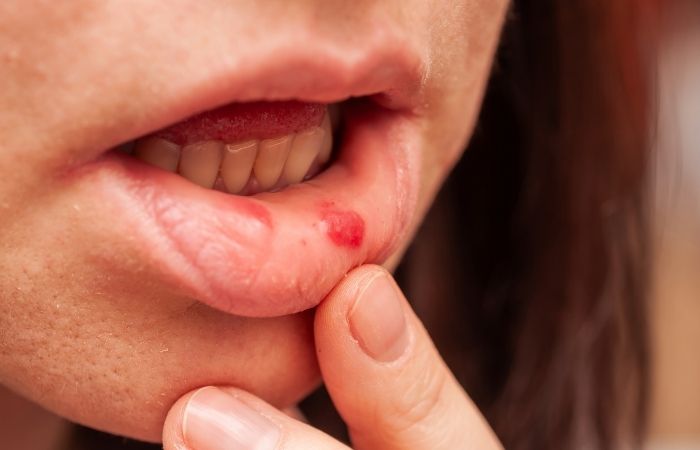
For 27-year-old Lina, the tingling came while she was at work, answering emails and sipping coffee. It wasn’t painful. Just… there. “I thought I scratched myself shaving,” she said. “But by the next morning, it was definitely a cold sore. That same spot, every time.”
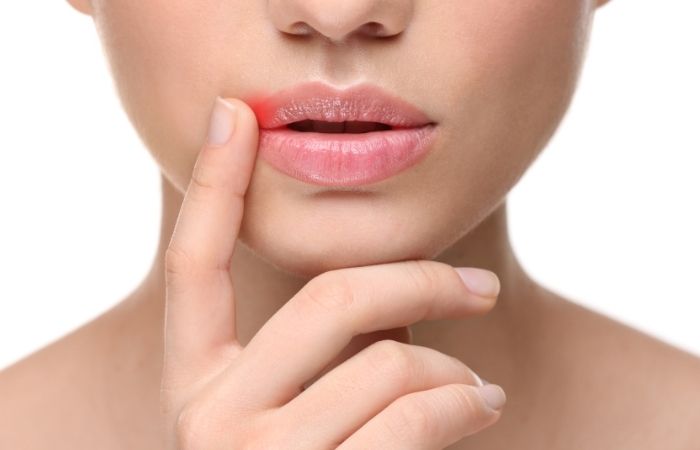
This kind of prodrome phase is common in people with HSV-1, the virus that causes oral herpes. Tingling, itching, burning, or tightness around the lips or mouth often shows up a day or two before a sore appears. This isn’t random. The virus travels from its hiding spot in nerve cells back to the skin, preparing to replicate and cause a lesion.
And here’s the tricky part: Even if no sore appears, the virus might still be active. According to the CDC, herpes can be spread even when symptoms are mild or not visible. That’s why learning to recognize prodrome signals can be empowering, it gives you a head start on managing reactivations and protecting others.
Cold Sore Coming Back? Or Something Else?
Not every mouth tingle means herpes. And not every herpes reactivation leads to a full-blown sore. The mouth is sensitive terrain, packed with nerve endings, exposed to constant stimuli, and highly responsive to stress, temperature, food, and allergens. That means tingling can be caused by other things, too:
| Possible Cause | Typical Sensation | Common Triggers | Will It Blister? |
|---|---|---|---|
| Herpes (HSV-1) | Tingling, itching, mild burning | Stress, illness, sun exposure | Often, but not always |
| Dry or chapped lips | Itchy, tight, flaky feeling | Cold weather, wind, dehydration | No |
| Allergic reaction | Tingling, swelling, numbness | Food, lip balm, dental products | Rarely |
| Neuropathy or anxiety | Buzzing, electric, phantom tingles | Stress, medication, hypervigilance | No |
Table 1. Common causes of lip tingling and how to distinguish them from HSV-1 reactivation.
In many cases, especially for people who have had cold sores before, the tingling returns to the exact same location. That’s because the herpes virus tends to recur along specific nerve branches, usually around the mouth, nose, or chin. If the sensation is new, widespread, or accompanied by other symptoms like swelling, it may be worth ruling out other causes like allergies or irritation.
People are also reading: Herpes Outbreak? These Test Kits Also Come with Real Support
When Tingling Is the Only Sign, Can You Still Be Contagious?
Yes, and this is what surprises most people. The herpes virus can begin shedding before a sore appears. The prodrome phase is often when the virus becomes active at the skin level, even if it’s not visible yet.
A 2017 study published in the Journal of Clinical Microbiology found that HSV-1 DNA could be detected on the lips and oral mucosa in individuals reporting tingling but no visible sores. Viral shedding during prodrome was significant, meaning the virus could still be transmitted through kissing or oral sex, even without a full outbreak.
This is especially important for people in new relationships, those navigating HSV-1 disclosures, or anyone trying to reduce risk. The takeaway? If you feel the tingle and know your history, it’s wise to assume contagiousness, just for a few days.
But here’s the part that often gets lost in the fear spiral: being contagious doesn’t mean being careless. There are ways to reduce risk, even in the earliest phase. And for many people, that includes early treatment.
Valacyclovir (Valtrex) or acyclovir, when taken at the first sign of symptoms, can shorten outbreaks or even prevent sores from developing. Some people use episodic treatment only during flare-ups; others take suppressive therapy daily if their outbreaks are frequent. It’s a personal decision, but one best made with accurate info, not panic.
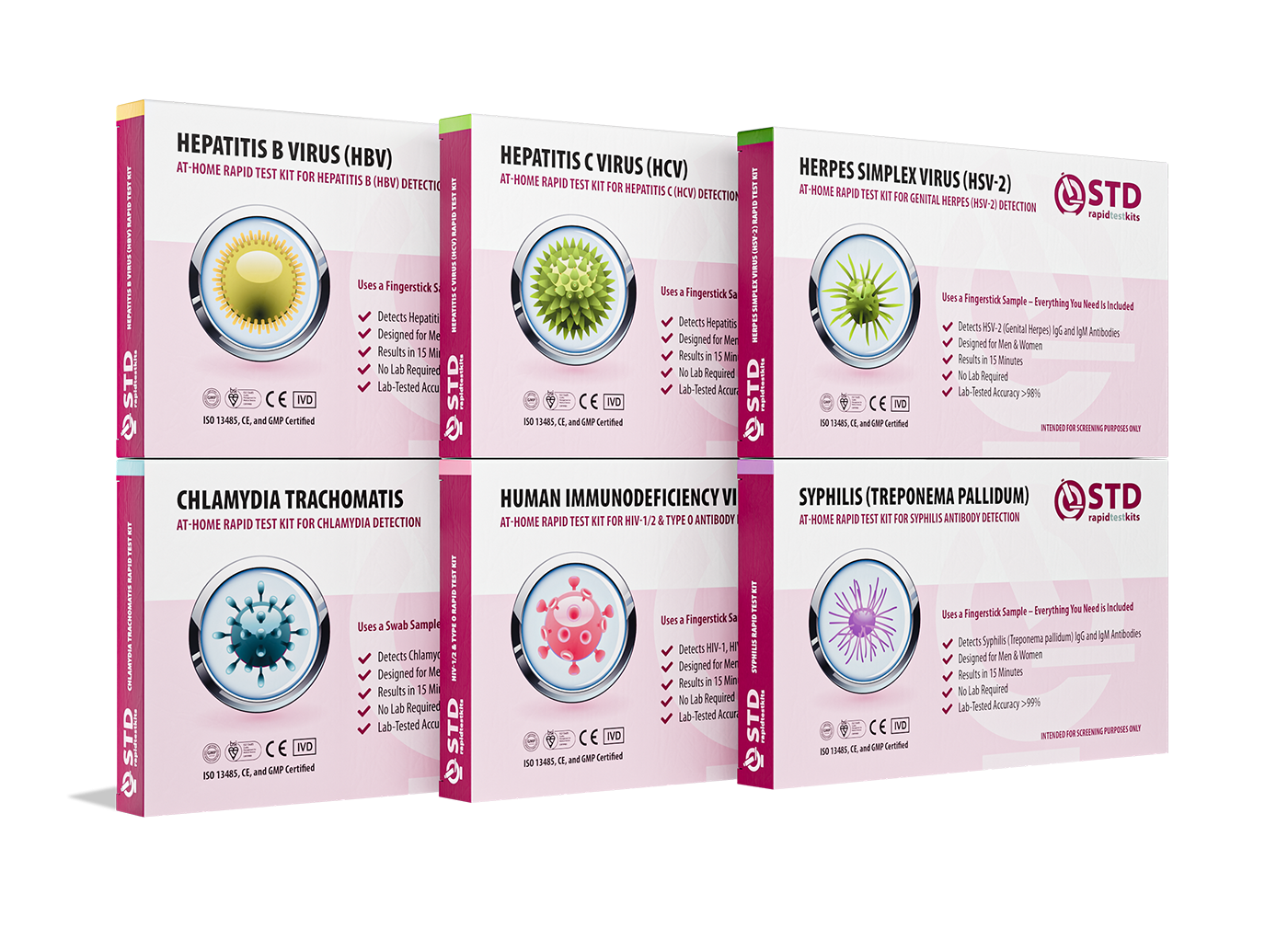
If you’re unsure whether what you're feeling is the start of herpes or not, and want peace of mind, you can explore options like an HSV-1 at-home rapid test, fast, discreet, and private.
Check Your STD Status in Minutes
Test at Home with Remedium7-in-1 STD Test Kit
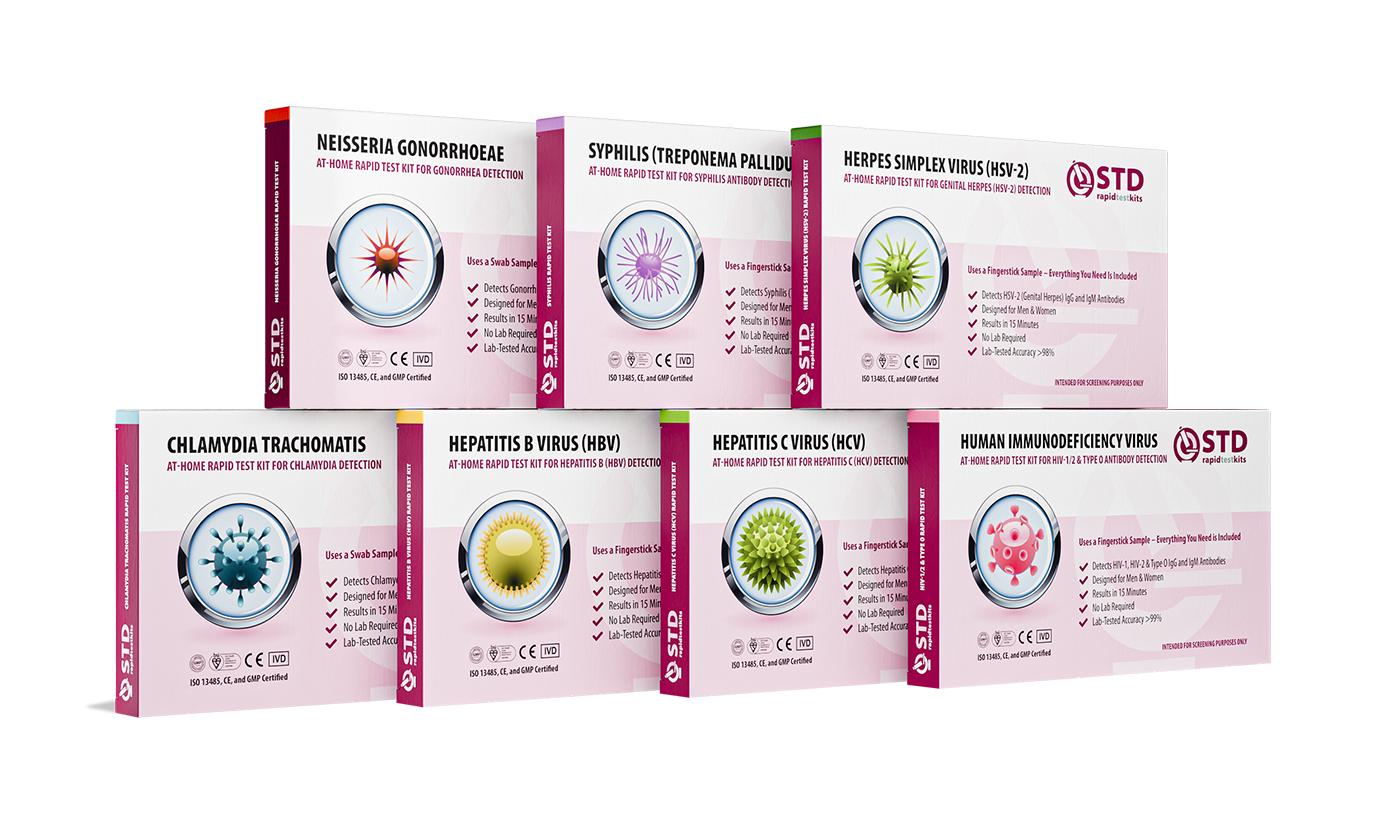
 For Men & Women
 Results in Minutes
 No Lab Needed
 Private & Discreet
Order Now $129.00 $343.00
For all 7 tests
What Does the Prodrome Phase of Oral Herpes Feel Like?
Ask five people with oral herpes what their prodrome feels like, and you’ll get five different answers. For some, it’s a soft tingling that lasts hours. For others, it’s a sharp, burning tightness that builds over a day or two. Some say it feels like their lip is “buzzing.” Others describe it as pressure under the skin, like something’s trying to push through.
That variation is normal, and frustrating. “I get a weird zinging pain like a sunburn, but only in one spot,” said Chris, 32, who’s lived with HSV-1 for nearly a decade. “Sometimes it’s there and gone in ten minutes. Other times, it means a full sore is coming.”
Clinicians call this stage the prodrome. It’s a heads-up, a neuro-skin signal that herpes is about to reactivate. According to the NIH, this phase can last from a few hours to two days, and it’s one of the most critical windows for viral transmission, especially if skin-to-skin contact occurs.
If you’ve had outbreaks before and the sensation feels familiar, you’re probably right. Prodromes are your body’s early warning system, and they’re worth listening to.
What Triggers Cold Sore Flare-Ups?
The herpes virus doesn’t just activate randomly. It responds to your body’s internal environment. When your immune system is compromised, stressed, or busy fighting something else, HSV-1 may seize the opportunity to resurface. But triggers aren’t just biological, they’re emotional and environmental, too.
Consider Ray, who noticed he always got a cold sore after long flights. “Between the dry cabin air, stress, and sleep loss, I almost always broke out two days after I landed,” he said. “Now I travel with meds.”
Here are some of the most commonly reported reactivation triggers:
| Trigger | Why It Matters |
|---|---|
| Stress (emotional or physical) | Weakens immune response, elevates cortisol |
| Illness (cold, flu, COVID-19) | Immune system is focused elsewhere |
| Sun exposure | UV light can activate the virus at the skin level |
| Hormonal shifts | Menstruation, pregnancy, or hormonal therapies can alter immunity |
| Injury or irritation to the lips | Disruption of skin barrier can prompt local reactivation |
| Dental procedures | Trauma or manipulation in oral nerve area may reawaken latent virus |
Table 2. Known reactivation triggers for HSV-1 and why they increase the risk of flare-ups.
Keeping a symptom journal can help you track your own patterns. If you notice tingling always follows a certain trigger, say, after pulling an all-nighter or forgetting sunscreen on a hike, you can take preventive steps next time.
In some cases, people choose to take antiviral medication proactively during high-risk times. Others turn to supportive care like lysine supplements, stress reduction techniques, or immune-boosting habits. While lifestyle tweaks aren’t a cure, they can be part of a bigger herpes management plan that puts control back in your hands.
What If You Get the Tingling… But No Cold Sore?
This happens more than you’d think, and it doesn’t mean you imagined the feeling. Sometimes, the virus starts to reactivate but doesn’t make it all the way to causing a blister. That can be due to a strong immune response, early antiviral treatment, or sheer luck.
Anika, 29, says she often gets the prodrome sensation but hasn’t had a full outbreak in years. “I feel the tingle, I hydrate, I take Valtrex, and it usually stops there,” she says. “It’s still nerve-wracking, but at least I feel like I have some control.”
Here’s what research suggests about prodrome-without-sore events:
– You may still shed virus during this time, even without visible sores. – It’s common for people to experience tingling and have nothing develop. – Some people always get tingling in the same spot, others rotate locations. – Even one day of antiviral medication can sometimes prevent progression.
This gray zone can be emotionally confusing. Are you contagious? Should you cancel a date? Is it better to avoid kissing just in case? These are fair questions, and the answer often depends on your comfort level, partner communication, and personal risk management approach.
If you’re unsure whether a recent partner is at risk or want confirmation that you even have HSV-1, an at-home test can give you clarity. You can order a discreet rapid test kit here, and get results in minutes, without clinic wait times or awkward conversations.
Testing doesn’t erase the anxiety completely, but it gives you something better: a plan.
Does Tingling Mean You’re Still Infectious Without Sores?
This is one of the most misunderstood parts of oral herpes. Many people believe that if there’s no sore, there’s no risk. Unfortunately, that’s not always true.
According to a study from the Journal of Infectious Diseases, viral shedding can occur up to 48 hours before a sore appears. That means someone who feels tingling but has no visible lesion could still be passing the virus through skin-to-skin contact, especially during kissing or oral sex.
The CDC and WHO both recognize that herpes can be transmitted even in the absence of symptoms. This is why so many people contract HSV-1 without knowing how or from whom. It’s also why emotional responses to tingling can be so intense, it’s not just the fear of a sore, but the fear of accidentally transmitting the virus to someone else.
Here’s the nuance: risk isn’t zero, but it’s not absolute either. Not everyone who comes into contact with HSV-1 becomes infected. The virus needs microtears, mucous membrane access, or a lowered immune response to establish infection. And your viral load may vary depending on where you are in the outbreak cycle.
This isn’t meant to scare you, it’s meant to equip you. Knowing how the virus behaves empowers you to make informed choices, whether that means skipping a kiss, using a barrier, delaying intimacy, or taking antiviral meds early. The more you understand prodrome, the less powerless it feels.
People are aslo reading: Can You Get Herpes If You're a Virgin? Yes, Here's How
When to Test: If You’re Unsure Whether It’s Herpes
If you’ve never had a sore, or can’t remember your first outbreak, it’s reasonable to wonder: “Is this really herpes?” That’s especially true for people who got the tingling once but never developed a lesion, or who have recurring dry lips that seem suspicious but not definitive.
Blood-based IgG tests can detect antibodies to HSV-1 and HSV-2, but they’re not always accurate within the first few weeks of exposure. Swab tests from active lesions are more definitive, but not always available, especially if a sore never develops.
This is where an at-home test can be a helpful middle ground. Rapid tests that use a small blood sample from a fingerstick can detect HSV antibodies with reasonable accuracy, especially if it’s been more than 12 weeks since a potential exposure. They're private, fast, and don’t require clinic scheduling. You can explore at-home herpes testing options here.
Testing doesn’t solve every emotional aspect of herpes, but it clears up the fog. It turns questions into action. And whether your result is positive or negative, you’re not back at square one, you’re moving forward with data.
Check Your STD Status in Minutes
Test at Home with Remedium6-in-1 STD Test Kit
 For Men & WomenResults in MinutesNo Lab NeededPrivate & Discreet
Order Now $119.00 $294.00
For all 6 tests
How to Navigate Relationships During Prodrome or Outbreak
Let’s be real, this part is hard. Whether you’re casually dating or in a committed relationship, it can feel awkward to explain, “Hey, I think I might have a cold sore coming on.” But silence doesn’t protect anyone. And most partners appreciate honesty more than perfection.
“I used to ghost people when I felt a sore coming,” said Deena, 25. “Now I just say, ‘Hey, I’m feeling something, so I’d rather wait a few days before we get close.’ I haven’t had anyone shame me yet.”
If you’re worried about rejection or judgment, remember: HSV-1 is incredibly common. According to the World Health Organization, more than two-thirds of the global population under age 50 has it. Many people carry the virus without knowing it. Some already have it and just don’t realize.
You don’t have to give someone your medical history on a first date, but giving a heads-up during prodrome is both ethical and respectful. If you feel that familiar tingle, waiting 3–5 days before resuming mouth-to-mouth or mouth-to-genital contact is a smart, caring choice.
It’s not about shame, it’s about safety. And choosing to wait, test, or treat during prodrome doesn’t make you broken. It makes you informed. And that’s sexy as hell.
FAQs
1. Can I really be contagious before a cold sore shows up?
Yes, and that’s the frustrating part. That little tingle you feel? It might be your only sign that the virus is already active at the surface of your skin. Even without a blister, HSV-1 can start shedding during this phase. Think of it as the virus knocking on the door before it throws a party.
2. I keep feeling a tingle, but I never get a sore. What’s up with that?
Totally possible. Some folks experience the prodrome phase (that itchy, electric sensation) without ever developing a visible blister. Your immune system might be shutting it down before it breaks through. Doesn’t mean you imagined it, your body’s just doing its thing behind the scenes.
3. Could this just be dry lips or weather-related irritation?
Definitely. Winter air, windburn, spicy food, even a new lip balm, any of those can cause tingling or tightness. The giveaway with herpes? It usually happens in the same spot every time. And if you’ve had a cold sore before, you know the vibe. It’s weirdly familiar.
4. How fast does a cold sore show up after the tingling starts?
It varies. For some people, a blister forms within 12–24 hours. Others might feel that warning tingle for a day or two before anything shows. And sometimes, especially with quick antiviral treatment, nothing shows up at all.
5. What’s the best thing to do during the tingling phase?
If you’ve got antivirals like valacyclovir on hand, take them ASAP. That’s when they work best, before the sore fully develops. You can also keep the area clean, avoid touching it, and maybe skip kissing or oral sex for a few days. Prevention starts with the prodrome.
6. I don’t have insurance. Can I still test for herpes at home?
Yup. That’s one of the benefits of at-home rapid tests. No doctor visit, no awkward waiting room, no lab slip to chase down. Just a discreet package, a finger prick, and results in minutes. Here’s a good option to start with.
7. Do I have to tell someone I have oral herpes if we’re not kissing?
That’s a personal call. If you’re not engaging in anything that involves mouth contact, transmission risk is low, but emotional honesty still matters. Most people appreciate a heads-up before things heat up. Saying “I sometimes get cold sores, so I like to be careful” can go a long way.
8. Is HSV-1 only a problem if you have symptoms?
Not really. The virus can still hang out in your system even if you don’t get sores often, or at all. And it can still be passed to others. That’s why education matters more than fear. It’s not about whether you’re “sick.” It’s about knowing how the virus behaves.
9. Can someone give me oral herpes if they’ve never had a cold sore?
Yep. Many people carry HSV-1 and don’t even know it. They’ve never had symptoms, but they can still shed the virus occasionally. That’s why the whole “you don’t look sick” thing doesn’t apply here. Invisible doesn’t mean inactive.
10. Should I cancel my date if I feel that familiar tingle?
You don’t have to cancel, but maybe reschedule the makeout part. Letting your date know you’re playing it safe because you care? Honestly, that’s kind of hot. Confidence looks good on everyone, especially when it’s tied to real care and consent.
You’re Not Overreacting, You’re Paying Attention
That tiny tingle might feel like nothing. It might make you doubt yourself, question whether it’s dryness or a stray crumb. But listening to your body isn’t paranoia, it’s intuition. If you’ve had cold sores before, you know the rhythm. And if you haven’t, but something feels different, it’s okay to ask questions without panic.
Cold sores aren’t a moral failure. They’re a common, often invisible infection that millions live with every day. Managing HSV-1 is less about fear and more about awareness: catching the signals, choosing how to respond, and communicating when it matters.
Don’t wait and wonder, get the clarity you deserve. This at-home herpes test kit checks for both HSV-1 and HSV-2 from a small fingerstick sample, with results in minutes and no lab delay.
How We Sourced This Article: We combined current guidance from leading medical organizations with peer-reviewed research and lived-experience reporting to make this guide practical, compassionate, and accurate.
Sources
1. WHO – Herpes Simplex Virus Fact Sheet
2. Oral Herpes: Symptoms, Causes & Treatment – Cleveland Clinic
3. Cold Sore - Symptoms and Causes – Mayo Clinic
4. Herpes Simplex Type 1 – NCBI Bookshelf (StatPearls)
5. Oral Herpes: Causes, Symptoms, & Treatment – WebMD
6. Fast Facts about Herpes – American Sexual Health Association
7. Oral Herpes – Johns Hopkins Medicine
8. About Genital Herpes and HSV-1 – CDC
9. Cold Sore Stages: Pictures, Duration, and Treatment – Medical News Today
About the Author
Dr. F. David, MD is a board-certified infectious disease specialist focused on STI prevention, diagnosis, and treatment. He blends clinical precision with a no-nonsense, sex-positive approach and is committed to expanding access for readers in both urban and off-grid settings.
Reviewed by: A. Reynolds, RN | Last medically reviewed: December 2025
This article is just for information and doesn't take the place of medical advice.


