





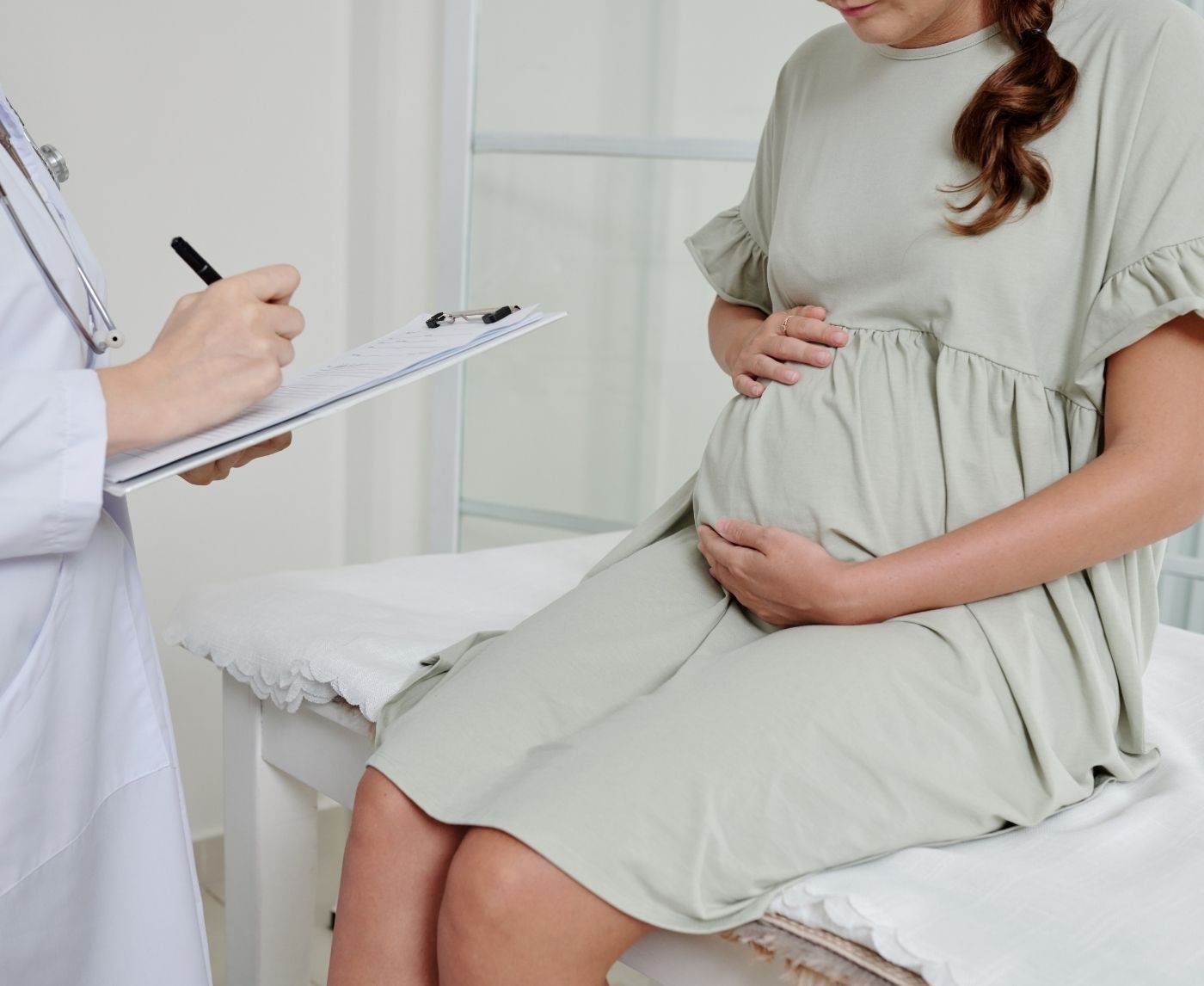

Quick Answer: STD treatment removes the infection, but fertility may still be affected, especially if the STD caused scarring or pelvic inflammatory disease (PID) before treatment. Some fertility loss is reversible, while other damage may require medical help or assisted reproduction.
“You’re Clear”, But Are You Really In the Clear?
There’s a strange moment after STD treatment where relief crashes into uncertainty. You took the meds. You followed up. Maybe you even retested and got the all-clear. But what comes next is a kind of emotional hangover: Was the damage already done before I even knew I was infected?
Here’s the hard truth. STDs like chlamydia and gonorrhea often cause no symptoms, especially in people with uteruses. That means they can linger for months, even years, before anyone notices. And during that time, they can quietly inflame and scar the reproductive tract, leading to blocked fallopian tubes, pelvic inflammatory disease (PID), and future fertility challenges. Treatment stops the infection, but it doesn't undo structural damage that already happened.
One study from the CDC found that untreated chlamydia leads to PID in about 10–15% of cases. PID itself is a leading cause of tubal infertility. For some, it’s reversible. For others, the damage becomes part of the fertility story moving forward.
The “Silent Saboteur” Effect: Why Some STDs Cause Lasting Damage
Unlike a broken bone or a visible wound, the effects of STDs on fertility are often invisible. No bleeding. No dramatic signs. Just subtle inflammation and tissue changes that may not be noticed until months, or years, later when someone starts trying to conceive and nothing happens.
Chlamydia, for instance, is called the “silent infection” for a reason. It can quietly travel from the cervix up to the uterus and fallopian tubes, triggering an immune response that scars and narrows the passage needed for fertilization. The same is true for gonorrhea, and when both are present together, risk increases.
This is why some people struggle with fertility even after successful treatment. The bacteria may be gone, but the inflammation it left behind can impact ovulation, sperm transport, implantation, or all three. And because these infections are often asymptomatic, they’re usually discovered late, when damage has already started.
| STD | Silent Symptoms? | Can It Cause Infertility? | Reversibility After Treatment |
|---|---|---|---|
| Chlamydia | Yes (especially in women) | Yes (via PID or tubal damage) | Partially (depends on scarring) |
| Gonorrhea | Often | Yes | Depends on timing of treatment |
| Syphilis | Not directly | No (doesn’t affect tubes) | N/A |
| Trichomoniasis | Sometimes | Rarely | Usually full recovery post-treatment |
| HPV | Yes | No (but may affect pregnancy later) | N/A |
Table 1: Common STDs and their potential impact on fertility. Some cause physical damage before diagnosis; others have minimal long-term reproductive effects.

People are also reading: Can Birth Control Trigger a Herpes Outbreak? Here’s What Science Says
What Is PID, And Why Does It Matter So Much?
If you’ve been diagnosed with PID or your doctor mentioned it as a “possible risk,” pay attention. Pelvic inflammatory disease is what happens when an STD like chlamydia travels into the upper reproductive tract and starts inflaming the uterus, ovaries, and fallopian tubes.
It’s one of the most common, and preventable, causes of infertility. Inflammation from PID can cause scar tissue and adhesions that block eggs from reaching the uterus. In some cases, damage is mild and clears with treatment. In others, the scarring becomes permanent, making natural conception difficult or impossible without medical help.
PID doesn’t always cause symptoms. But when it does, they might look like:
“I thought it was a bad period cramp,” said Lauren, 27, who later learned her emergency room visit for abdominal pain was actually a PID flare-up caused by an untreated STD from six months prior.
Early treatment reduces the risk of fertility loss, but doesn’t erase it. That’s why knowing your status early matters more than waiting for symptoms.
Check Your STD Status in Minutes
Test at Home with Remedium8-in-1 STD Test Kit
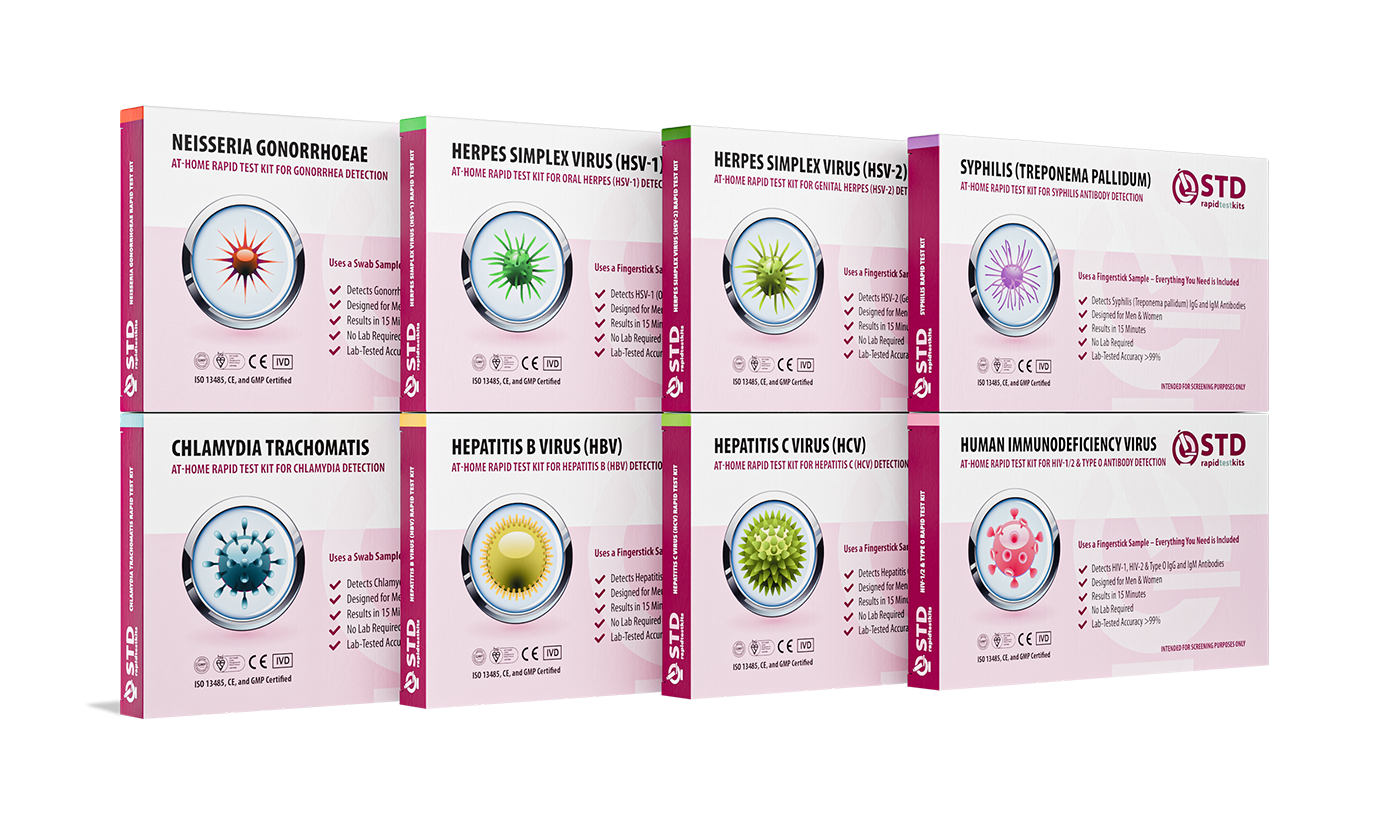
 For Men & Women
 Results in Minutes
 No Lab Needed
 Private & Discreet
Order Now $149.00 $392.00
For all 8 tests
Testing Fertility After an STD: What Comes Next?
So, the infection’s gone. You’ve taken your meds, maybe even retested to confirm. But it’s been months, and the pregnancy test keeps saying no. This is when many people start wondering: how do I actually find out if my fertility was affected? The answer lies in medical follow-up, and often, specialized testing.
No single fertility test is suitable for every individual. Instead, doctors use a variety of tools to figure out what is working and what isn't. If you have ovaries, they might start by doing a transvaginal ultrasound to look for visible signs of cysts, scarring, or blocked tubes. If there is a worry that chlamydia or gonorrhea has damaged the tubes, a more advanced test called an HSG (hysterosalpingogram) may be ordered. This test involves injecting dye into the uterus to see if it flows freely through the fallopian tubes.
For people with testicles, testing often starts with a semen analysis. Even STDs that were treated years ago can cause long-term issues with motility, sperm count, or morphology, especially if infections like gonorrhea caused epididymitis (inflammation in the tubes that carry sperm).
| Test Name | Used For | STD-Related Purpose | How It Works |
|---|---|---|---|
| HSG (Hysterosalpingogram) | Fallopian tube blockages | Detects tubal scarring from PID | Dye X-ray of uterus and tubes |
| Transvaginal Ultrasound | Ovarian health, uterine lining | Assesses inflammation or structural issues | High-resolution internal imaging |
| Semen Analysis | Sperm count, shape, motility | Detects post-infection sperm issues | Lab test of ejaculate sample |
| AMH Blood Test | Ovarian reserve | Assesses egg supply post-infection | Hormone levels via blood draw |
Table 2: Common fertility tests used after STD treatment. Each targets a different part of the reproductive process.
How Long Should You Wait to Try, And When to Get Help
For most people, it's normal not to conceive immediately, even without a history of STDs. Doctors typically recommend trying for 6–12 months before moving to fertility evaluations, depending on age and health history. But if you’ve had an infection that might have caused scarring or PID, you might not want to wait that long.
If you’re under 35 and have been trying for six months post-treatment with no pregnancy, it’s reasonable to ask for fertility testing. If you're over 35, or if you’ve had multiple STDs or suspected PID, earlier testing may make sense. This isn’t about rushing, it’s about gathering the information you need to make decisions without losing time.
For people like Maya, 30, the delay felt agonizing. “My partner and I tried for a year after I got treated for chlamydia. Every negative test made me feel like I was being punished for something I didn’t even know I had. When I finally got an HSG, they found one tube completely blocked. I cried, but at least I knew.”
Her story is common. Knowing your status isn’t just about infection, it's also about recovery. And you can’t know what’s happening internally without asking for the right tests.
Can Fertility Come Back After Damage?
The response is, "Yes, sometimes." What was impacted, how early treatment was administered, and how your body reacted all play a role. Inflammation causes temporary problems with fertility in some people, but these problems eventually go away. Even though some people may have irreversible structural damage, getting pregnant is still possible.
In cases where one fallopian tube is blocked, people can often still conceive naturally from the other side. If both tubes are blocked, options like IVF (in vitro fertilization) bypass the tubes entirely. For sperm-related issues after gonorrhea or other infections, treatments range from supplements and lifestyle changes to assisted reproduction techniques like IUI or ICSI.
The emotional recovery can be slower. Many people feel ashamed, betrayed by their bodies, or scared to hope again. That’s normal. But it’s also not permanent. Your fertility journey may look different, but it’s still yours to write.
You Took Care of the STD, Now Take Care of Your Future
Here’s the empowering part: getting treated was a huge step. It shows you care about your health, your partners, your future. Now that the infection is gone, you can turn toward rebuilding, repairing, and, when needed, reaching for help.
Testing at home for STDs is one of the best ways to catch things early and reduce long-term impact. Whether you’re actively trying to conceive or just want peace of mind, knowing your status is still the strongest move you can make.
If you’ve recently had unprotected sex or are unsure of your current status, you can order a discreet combo test kit here, it screens for the most common STDs, right from home.
Let’s Talk About Prevention, Without Shame
One of the toughest parts about dealing with infertility after an STD isn’t the medical side, it’s the shame. That sinking feeling that you “should have known,” “should have protected yourself better,” or “ruined your chances” because of one bad decision. But let’s be clear: STDs are common, many are symptomless, and none of them make you unworthy of parenthood or intimacy.
In fact, the best prevention starts after awareness. Once you know how an untreated STD can impact fertility, you’re in a position to catch infections early, test more regularly, and help your partners do the same. Testing isn’t a punishment, it’s protection. Not just for you, but for the future you might want to build someday.
Every month, thousands of people discover an STD they didn’t know they had. What matters most is what happens next. The sooner you’re treated, the better your chances of avoiding long-term damage. And if you’re in a relationship, sharing your test results and discussing fertility fears can actually bring you closer, not push you apart.

People are also reading: How Risky Are Sex Parties? What You Need to Know About STDs
How to Talk to Your Partner About Fertility After an STD
Maybe you’re in a new relationship and want to be honest about your history. Maybe you’ve both been trying to conceive, and nothing’s happening. These are hard conversations, but they’re also acts of love and courage. Start with truth, not blame. Share what you know about your past infections, what treatments you’ve had, and what your doctor has said about possible fertility issues.
If you’ve already started testing, loop them in. Invite them to test too, especially if you’ve had unprotected sex. Mutual knowledge is a gift. And if you're both in the dark, make a plan together. Something like: “I think it’s time we check in with a doctor about what’s going on. It doesn’t mean something’s wrong, it just means we want to be proactive.”
One couple, Jess and Andre, decided to get tested together after struggling to conceive. “We sat on the couch, side by side, clicking the order button,” Jess said. “We were both scared, but doing it together made it feel like we were a team.”
Partnership isn’t about perfection. It’s about navigating fear, hope, and science together, and finding the path that works for both of you.
Still Not Pregnant? Here’s What You Can Do
If it’s been months, or even years, since you were treated, and pregnancy hasn’t happened, you are not out of options. First, make sure you've had a full fertility workup, including a tubal check, ovarian reserve testing, and semen analysis if applicable. If you haven't, ask your primary doctor for a referral to a fertility specialist or REI (reproductive endocrinologist).
Second, don’t assume the problem is just “you.” Fertility is a shared process. Even in couples where one partner had an STD history, it’s common for the other partner to also have contributing factors. Get tested as a pair whenever possible.
Third, know that time matters, but so does support. You don’t have to navigate this alone. There are support groups for fertility after STDs, therapists who specialize in reproductive trauma, and clinics that offer financing for procedures like IUI or IVF.
If you’re not ready for clinical care, or you want a first step from home, STD Rapid Test Kits offers accurate, discreet options to help you get clear on your current status. Testing now can prevent delays later, and even guide your fertility team if treatment is needed.
Check Your STD Status in Minutes
Test at Home with Remedium6-in-1 STD Test Kit
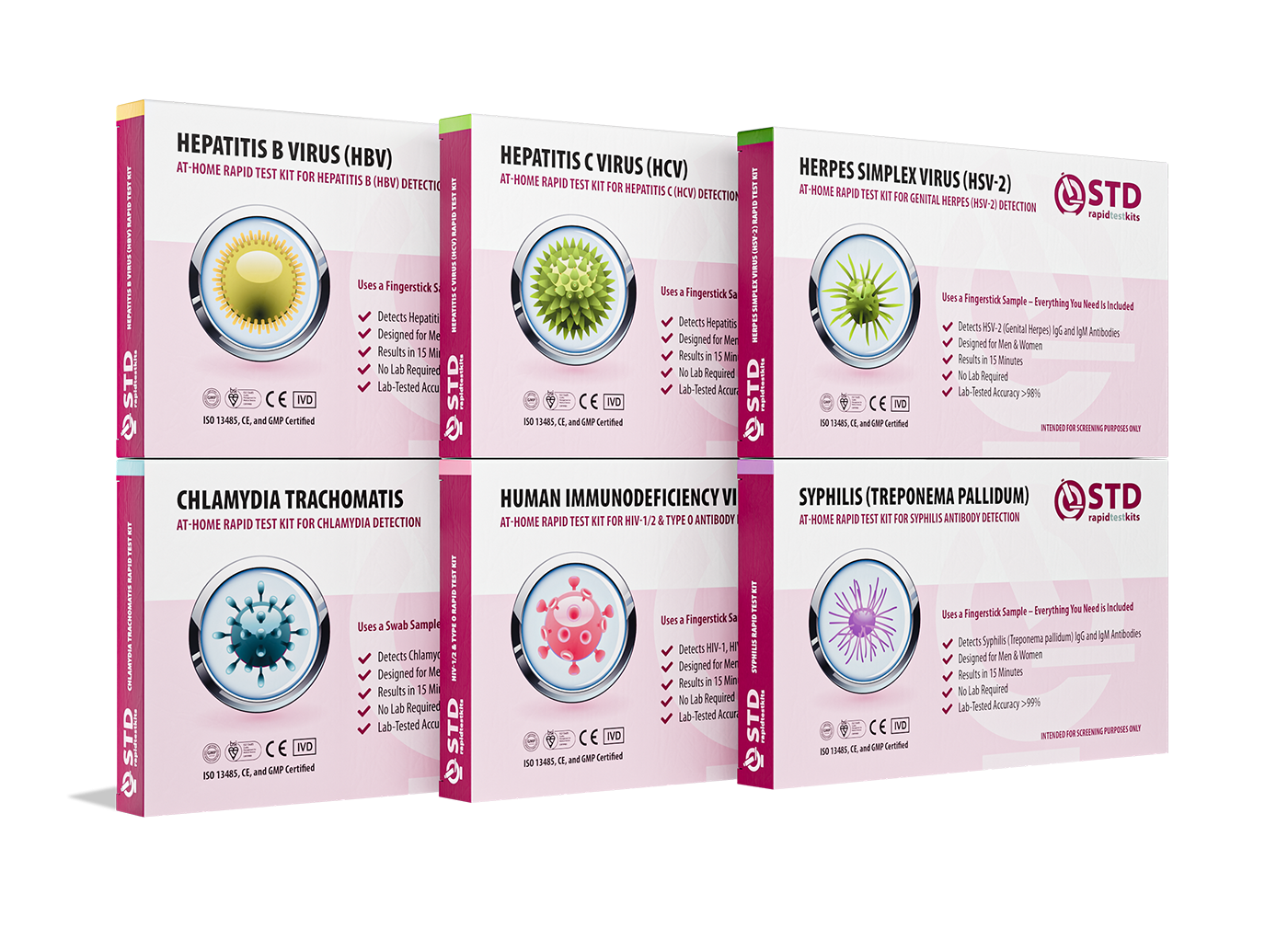 For Men & WomenResults in MinutesNo Lab NeededPrivate & Discreet
Order Now $119.00 $294.00
For all 6 tests
When It’s Not Just Physical: Grieving the What-Ifs
No one talks enough about the grief that comes with fertility struggles, especially when they’re linked to something that once felt like a mistake. The “what-ifs” can be brutal: What if I had tested sooner? What if I didn’t ignore that symptom? What if I can’t ever get pregnant now? These thoughts are common, and they’re painful. But they don’t have to define your next steps.
Sometimes fertility comes back. Sometimes it doesn’t. But that in-between space, where you're waiting, hoping, testing, grieving, is valid and real. Your pain is not your punishment. Your fertility story is not a morality tale. And your future can still include joy, connection, and even children, whether that’s through natural conception, IVF, surrogacy, adoption, or something else entirely.
One reader shared anonymously: “I used to cry every time I saw a baby on Instagram. I thought my STD had taken everything from me. But three years later, I’m a mom, after IVF, therapy, and a lot of healing. I had to rewrite what motherhood meant to me, but it was still possible.”
Let that be a reminder: where you are right now isn’t where you’ll always be.
FAQs
1. I’ve had chlamydia, does that mean I can’t get pregnant anymore?
Yes, in a lot of cases. You still have a good chance of getting pregnant if chlamydia was detected early and treated completely. But if it lingered long enough to cause pelvic inflammatory disease, there’s a chance your fallopian tubes were affected. That doesn’t mean pregnancy is impossible, but it may mean your path looks different, especially if one or both tubes are blocked. Plenty of people still conceive naturally with one functioning tube.
2. How long should I wait after treatment before trying to conceive?
That depends. Some doctors say it’s safe to try right after finishing antibiotics, while others suggest giving your body a cycle or two to fully recover. If PID was involved, it’s smart to talk to your provider and maybe get an ultrasound or HSG first, just to make sure the infection didn’t leave hidden damage. Physically, you might be ready before you're emotionally ready, and both matter.
3. It’s been months since I got treated. Still no pregnancy. Should I be worried?
Not necessarily. It’s normal for conception to take time, even without a history of STDs. But if it’s been over 6 months (or 3 if you're 35+), it’s a good idea to check in with a fertility specialist. Think of it like detective work, not a declaration of doom. They’ll help you look under the hood and see if anything’s blocking your path forward.
4. Do STDs mess with sperm too?
100% yes. Gonorrhea and chlamydia can affect sperm count, movement, and quality, especially if they caused inflammation like epididymitis. Even if you had zero symptoms, damage can still happen. That’s why sperm analysis is a go-to test if you’ve had an STD and are struggling to conceive. No shame. Just data.
5. Can fertility come back after STD-related damage?
Sometimes. The body is resilient. Inflammation can calm down. One good tube can step up. And when that’s not enough, medicine has your back, IVF, IUI, surgical options. Reversible? Maybe. Hopeless? Not even close.
6. What if I don’t even know I had an STD, could it still be the reason?
Yes, especially with infections like chlamydia that can fly under the radar. You might’ve never had symptoms, but the damage could still have occurred years ago. That’s why many doctors screen for antibodies during fertility workups, to look for the “ghosts” of past infections. It’s not about blame. It’s about clarity.
7. Should I tell my partner that my fertility issues might be from an STD?
If you’re sharing a future, it’s worth sharing your past, especially if it affects the road ahead. This isn’t about confessing sins. It’s about building trust. Plenty of couples navigate fertility journeys with honesty and shared strength. You don’t have to carry it alone.
8. What does an HSG feel like, and is it worth it?
HSGs are... not fun, but quick. Some people describe it like a bad cramp or a weird pap smear. Others barely notice it. The goal? To see if your tubes are open, which is pretty crucial if you’re trying to get pregnant after an STD. Worth it? Absolutely. It’s a five-minute test that can answer a five-year question.
9. Is at-home STD testing still useful if I’m already treated?
Yes. Especially if you’re between partners, planning a pregnancy, or just want peace of mind. At-home kits help you stay ahead, avoid reinfections, and screen your current status before putting your body (or your heart) on the line again. Think of it as resetting the clock, with you in control.
10. Will infertility from an STD make people judge me?
Only the wrong people. The right ones? They’ll see your strength, not your history. Infertility after an STD isn’t a moral failing, it’s biology. And biology doesn’t have opinions. You’re not broken. You’re human. And you deserve care, not shame.
You Deserve Answers, Not Assumptions
You did the right thing by getting treated. That alone puts you ahead of the curve, and now, you’re asking the next question: Can I still build the future I want? The answer won’t always be simple, but it will be yours. With the right testing, support, and care, fertility after an STD is not just a possibility, it’s a story that many people are living, every day.
Don’t wait and wonder, get the clarity you deserve. This at-home combo test kit quickly and discreetly checks for the most common STDs.
How We Sourced This Article: We combined current guidance from leading medical organizations with peer-reviewed research and lived-experience reporting to make this guide practical, compassionate, and accurate.
Sources
2. Chlamydia - StatPearls (NIH/NCBI)
3. Pelvic Inflammatory Disease (PID) – Mayo Clinic
4. Female Infertility – Mayo Clinic
5. Sexually Transmitted Diseases and Infertility – PMC (NIH)
6. About Pelvic Inflammatory Disease (PID) – CDC
7. About STIs and Pregnancy – CDC
8. Gonorrhea – Symptoms & Causes, Mayo Clinic
About the Author
Dr. F. David, MD is a board-certified infectious disease specialist focused on STI prevention, diagnosis, and treatment. He blends clinical precision with a no-nonsense, sex-positive approach and is committed to expanding access for readers in both urban and off-grid settings.
Reviewed by: J. Hernandez, MPH | Last medically reviewed: December 2025
This article is for informational purposes and does not replace medical advice.


