






Quick Answer: TikTok is not a reliable source for diagnosing STDs. Burning, urgency, or pain that seems like a UTI could be chlamydia, gonorrhea, or herpes. Testing is the only safe way to know.
Why So Many People Mistake STDs for UTIs
You wake up and it’s there, that raw urgency, the “I need to pee” sensation with nothing to show for it. Maybe a little stinging. Maybe a bit of cloudy urine. Google suggests a urinary tract infection, and TikTok confirms it with a dozen matching videos. But here’s the uncomfortable truth: many of those symptoms overlap with early-stage chlamydia, gonorrhea, and even genital herpes.
In fact, research shows that up to 50% of women with gonorrhea or chlamydia report UTI-like symptoms as their first sign of infection. But unlike a bacterial UTI, which stays confined to the bladder or urethra, STDs can spread to reproductive organs, cause pelvic inflammatory disease (PID), and trigger long-term consequences like infertility if left untreated [CDC].
Jas, a 25-year-old who thought her mild itching and pressure were “just another UTI,” skipped testing. She drank water, tried D-mannose, even “vaginal steaming” she saw on TikTok. Two months later, she was in the ER with pelvic pain so sharp she could barely stand. Her diagnosis? Chlamydia, gone untreated, and complications had already set in.
The TikTok Effect: Fast, Relatable, and Often Wrong
There’s a reason so many people turn to TikTok before calling a doctor. The platform is fast, visual, and filled with people who “get it.” If you’re queer, nonbinary, uninsured, or just sick of feeling judged at clinics, a creator who talks your language is a lifeline. But virality isn’t the same as accuracy, and when it comes to sexual health, nuance matters.
Take “HerpTok,” a corner of TikTok where users swap stories about outbreaks, misdiagnoses, and emotional trauma from receiving a herpes diagnosis. Some of it is empowering. But scroll long enough and you’ll find dangerous advice too, like putting hydrogen peroxide on sores, or assuming if there’s no visible blister, it can’t be herpes. Neither of those are medically sound.
Even seemingly minor advice, like distinguishing a yeast infection from trichomoniasis based on color, can go wrong fast. Color varies. Discharge texture isn’t diagnostic. And influencers who say, “I knew it wasn’t an STD because I wasn’t cheating” reveal the biggest flaw of all: STDs don’t care if you trust your partner. They only care about biology.
People are also reading: Confused by the Test Cassette? How to Read Your Hepatitis C Rapid Test
Table: STD Symptoms Commonly Misread as UTIs
| Symptom | Possible UTI | Possible STD | Why It Gets Confused |
|---|---|---|---|
| Burning during urination | Yes | Yes (chlamydia, gonorrhea, herpes) | Identical symptom across both |
| Urgency to urinate | Yes | Yes (especially urethral infections) | Often first symptom of both |
| Vaginal irritation or pressure | Yes | Yes (trichomoniasis, herpes) | Feels the same without a test |
| Cloudy or strong-smelling urine | Yes | Sometimes (depending on discharge mixing) | Not specific to UTI |
| Pelvic pain | Sometimes | Yes (PID, advanced STDs) | Often mistaken for cramps or bladder issues |
Figure 1: Why TikTok users often mistake early STDs for UTIs. Overlapping symptoms can make it hard to tell without testing.
Order Now $129.00 $343.00 Check Your STD Status in Minutes
Test at Home with Remedium
7-in-1 STD Test Kit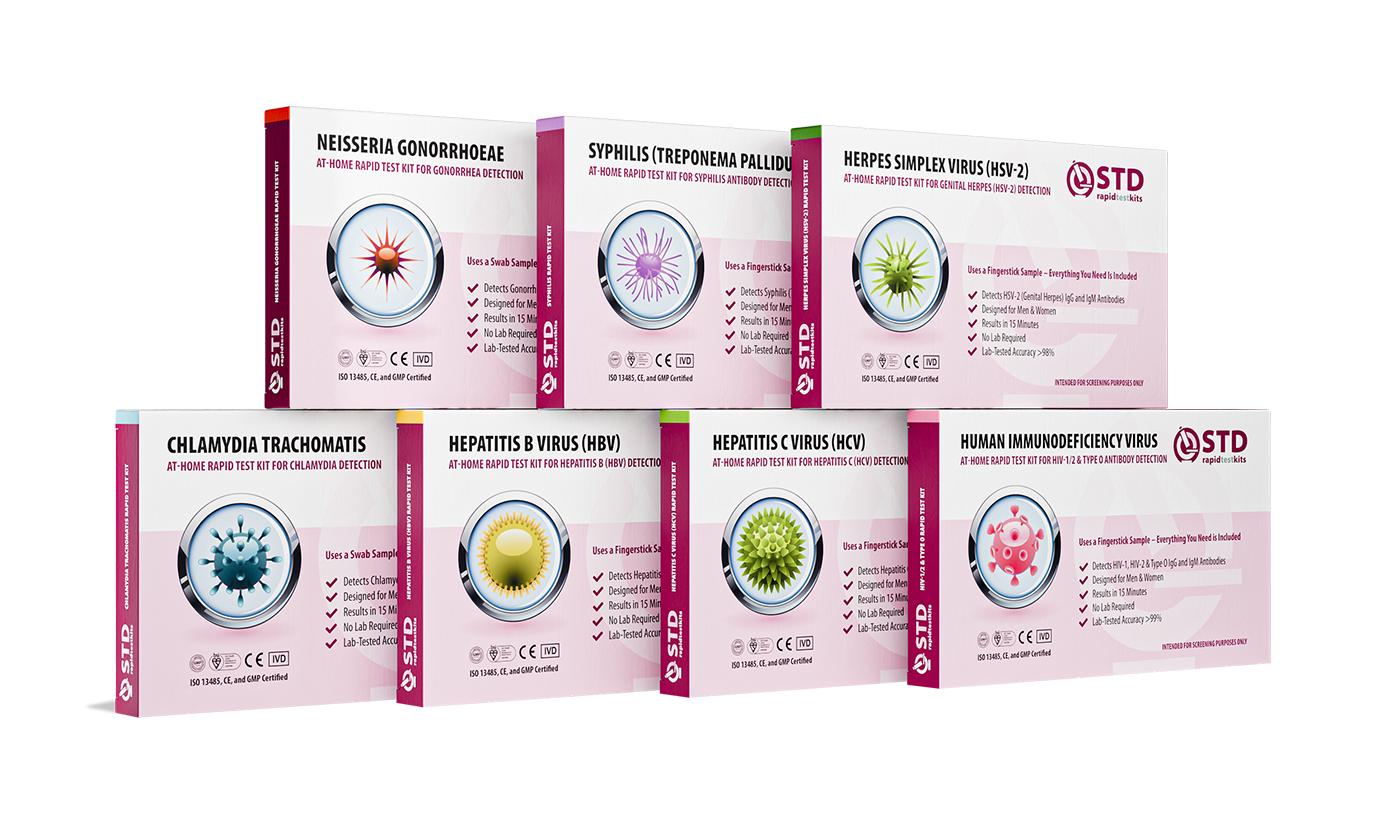
 For Men & Women
 Results in Minutes
 No Lab Needed
 Private & Discreet
For all 7 tests
“Just Drink Cranberry Juice” , The Rise of DIY STD Cures
Cranberry juice. Yogurt popsicles. Inserting garlic. These aren’t just home remedies anymore, they’re TikTok trends, some with millions of views. What started as folk medicine has become social currency, shared between strangers desperate to avoid a clinic visit. But some of these so-called solutions are not only useless, they can be harmful.
Garlic, for example, does have antimicrobial properties. But putting it inside your vagina? That’s a different story. The moisture can cause burns. The compounds can disrupt vaginal flora. And no, it doesn’t kill chlamydia. The same goes for baking soda baths, tea tree oil tampon soaks, and hydrogen peroxide rinses. Not only do these fail to cure STDs, they often mask symptoms, making it harder to get a proper diagnosis when you finally do seek help.
One TikTok user shared how she “cured” an STD with herbal tea blends. What she likely experienced was a temporary immune response or symptom suppression, not eradication of the actual infection. When she finally got tested months later, she tested positive for trichomoniasis and had passed it to a new partner without knowing.
So How Can You Actually Tell If It’s an STD?
Short answer: you can’t, at least, not without testing. That’s the part TikTok never shows. You can’t feel your way to a diagnosis. You can’t smell it, color-match it, or “wait it out and see.” By the time symptoms appear (if they appear at all), you’ve already passed the point where home remedies can help. The only real way to know whether it’s a UTI, herpes, chlamydia, or gonorrhea is to get tested.
Consider the real-world story of DeShawn, 28, who followed a viral video claiming, “If it burns when you pee but there’s no weird discharge, it’s not an STD.” He waited it out for three weeks. The burning went away, then came back. He finally tested and learned he’d had gonorrhea the entire time, and his partner had developed symptoms too. TikTok didn’t have to live with the consequences. He did.
Whether your symptoms are loud or barely there, your timeline matters. Testing too early can lead to false reassurance. Testing too late can mean complications or transmission. That’s why we recommend using the following timelines when deciding how to respond:
Table: When to Test for Common STDs vs UTIs
| Condition | Earliest Test Time | Best Accuracy Window | Notes |
|---|---|---|---|
| Chlamydia | 5–7 days post-exposure | 14+ days post-exposure | Often symptomless but easily treatable |
| Gonorrhea | 5–7 days post-exposure | 14+ days post-exposure | Can cause PID if untreated |
| Genital Herpes | 7–12 days (PCR during outbreak) | 3–6 weeks (antibody tests) | Outbreaks help testing, but not required |
| Trichomoniasis | 5 days | 7–14 days | Can mimic yeast infections |
| UTI | Immediate (urine dipstick or culture) | Same-day results | Responds quickly to antibiotics |
Figure 2: Testing timelines help you understand when to check for STDs vs UTIs. Don’t rely on symptoms alone.
But Testing Is Embarrassing… or Is It?
Let’s be real, many people don’t skip STD testing because they’re lazy. They skip it because they’re afraid. Of being judged. Of someone seeing their name at a clinic. Of having to explain things to a partner. TikTok’s quick fixes feed that fear. They offer a fast escape hatch, no paperwork, no swabs, no awkward questions. Just cranberry juice and comments full of support.
But there’s a better option that still respects your privacy: at-home STD testing. You can order online, test in your own bathroom, and get results quickly. No waiting rooms. No awkward encounters. Just you, your health, and answers.
If your symptoms feel confusing, that’s even more reason to test. An at-home combo STD test kit can check for multiple infections at once, perfect for when TikTok left you with more questions than clarity.
What Happens If You Get a Positive Result?
First, you breathe. Testing positive for an STD isn’t a moral failure. It doesn’t mean you’re dirty, reckless, or bad at relationships. It means your body encountered something, and now you get to respond. For most bacterial infections like chlamydia and gonorrhea, a round of antibiotics is all it takes. For herpes or HPV, there are antivirals and supportive treatments to reduce outbreaks and transmission.
What you don’t want is to find out late. Kayla, the girl from the beginning of this article, now tells her friends not to trust TikTok symptoms. “I wish I’d tested earlier,” she says. “I thought it was just another UTI. If I’d known, I could have protected my partner.”
This is the quiet cost of viral advice: what gets clicks doesn’t always save your health.
Why TikTok Advice Feels So Convincing
It’s not just the algorithm. It’s that TikTok creators seem like friends. They talk like you, laugh at the same stuff, and share intimate stories that doctors rarely do. In an era of overpriced care, broken trust, and bad sex ed, it makes sense that millions turn to TikTok first. But relatability isn’t a substitute for reliability. A creator might mean well, but if they’ve never studied epidemiology or pharmacology, their advice could cause harm even if their intentions are good.
Still, not all TikTok sexual health content is bad. Some licensed providers use the platform to normalize testing, explain symptoms, and counter stigma. But it takes work to spot the difference between a certified OB-GYN and someone winging it based on personal experience. And when it comes to your body, “winging it” is never worth the risk.
Whether it’s burning, itching, pelvic pressure, or just something that “feels off,” the only person qualified to tell you what it is... is you, after you test.
When to Retest (Even If You’ve Already Done It)
You took a test. It came back negative. But something still feels wrong. Or maybe your symptoms faded, but came roaring back weeks later. This is where retesting comes in, not as paranoia, but as protection. The truth is, some STDs can slip past the radar if you test too early. And some infections come back even after treatment, especially if a partner wasn't treated at the same time.
Here’s what doctors recommend: If you tested within the first week after exposure, retest again at the two-week mark. If you were treated for chlamydia or gonorrhea, retest three months later to confirm clearance. And if you’re not sure when the exposure happened, or symptoms keep cycling, retesting is not overreacting. It’s smart self-care.
For readers like Jordan, 34, it took two negative tests before herpes antibodies finally showed up. “I kept thinking I was in the clear because TikTok said if there’s no rash, it’s not herpes,” they said. “But I had weird nerve tingling and pelvic pressure. I retested six weeks later and finally got the real answer.” That second test didn’t just diagnose, they say it gave them peace.
If your head keeps spinning, peace of mind is one test away. A combo kit checks for the most common infections discreetly, no stigma, no guessing.
Discreet Testing, Fast Shipping, and Support That Doesn’t Judge
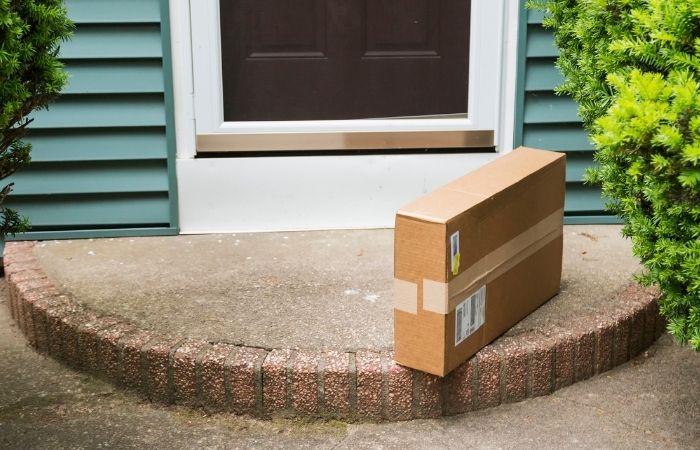
One reason TikTok “cures” go viral is that they’re private. No receptionist, no clipboard, no shame. But so are today’s at-home tests. The box shows up in plain packaging. The contents are sealed. No one knows what you’re doing, not your roommate, not your landlord, not your nosy neighbor. And when you send the sample back or use a rapid test on-site, you get results in minutes or days, depending on the type.
Shipping is fast. Most test kits arrive within 2–3 business days. Some users time their test with weekend privacy in mind. Others stash the test in a drawer for whenever they feel off. The point is, you control the timeline. And if you test positive, discreet telehealth options exist to get treatment started quickly. There’s no need to suffer in silence or wait for a clinic appointment two towns away.
This level of access matters for people in rural areas, those with anxiety, or anyone tired of feeling judged by a system that still shames people for having sex. Testing should be easy. Testing should be kind. And thanks to these kits, it finally can be.
People are also reading: Is It Safe to Swallow During Oral Sex? Here’s the Real STD Risk
Let’s Talk About Partners: What You Say (and Don’t Say)
So you get a result. Now what? The hardest part of testing positive isn’t always the treatment, it’s the conversation that follows. But TikTok can’t teach you what to say when you need to tell a partner, “Hey, I tested positive.” That’s where preparation matters.
Start with facts, not blame. Focus on the health angle. Let them know you’re getting treated (or already have), and offer them the option to get tested too. Some people even test together, it takes the pressure off and shows mutual respect. Anonymous notification services exist if you’re scared or don’t have contact anymore. But silence is never the answer. STDs spread in silence.
And remember, you’re not dirty. You’re responsible. You tested. You found out. You’re taking steps. That’s not shame, that’s power.
Whether it’s a one-night stand or your long-term partner, STD Rapid Test Kits can help you both move forward with clarity and care. Testing isn’t just for you, it protects everyone you touch.
Check Your STD Status in Minutes
Test at Home with Remedium6-in-1 STD Test Kit
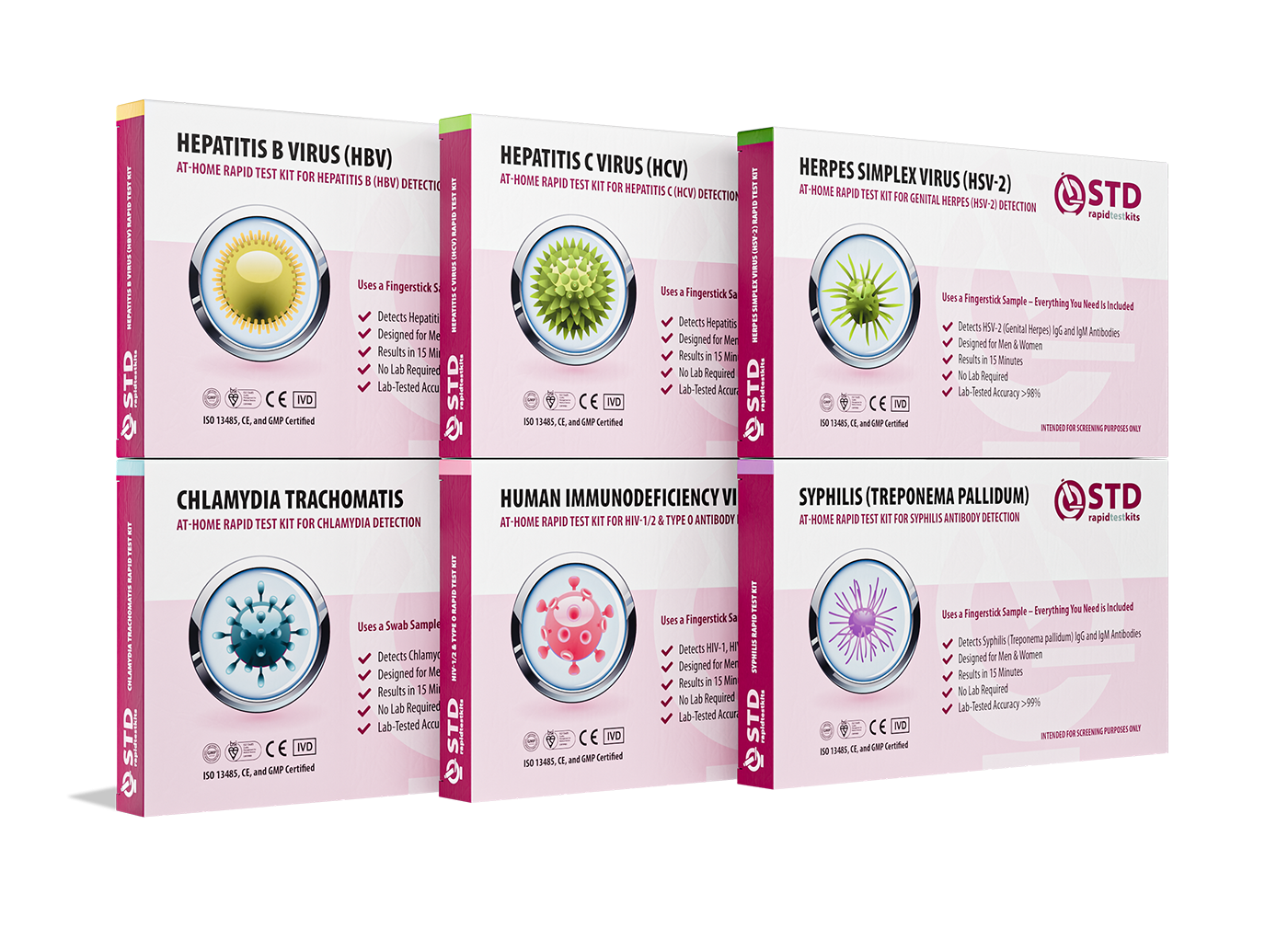 For Men & WomenResults in MinutesNo Lab NeededPrivate & Discreet
Order Now $119.00 $294.00
For all 6 tests
Why TikTok Needs a Reality Check
None of this is about demonizing creators. Some TikTokers genuinely want to help. Some have been through the trauma of being misdiagnosed or dismissed. Their stories matter. But when advice turns into instructions, especially about bodies, infections, and treatment, it needs to come with guardrails. Likes don’t equal licensing. Virality doesn’t replace verification.
If you're watching a video and it tells you to self-diagnose based on symptoms, insert food into your body, or skip testing entirely... pause. Ask who they are. Ask where they trained. Ask what happens if they’re wrong. Because if they're wrong, you’re the one who pays, not them.
You deserve better than guesses. You deserve facts, options, and support that doesn’t make you feel ashamed for being curious or cautious. Let TikTok be your starting point, but let science be your next move.
FAQs
1. Can an STD actually feel like a UTI?}
Absolutely, and that’s what makes this so tricky. The burning when you pee, that constant urge to go, the pelvic heaviness? Classic UTI, sure. But also classic early-stage chlamydia or gonorrhea. One nurse even told us half her STD-positive patients came in thinking it was “just another UTI.” It’s symptom overlap, not a symptom shortcut, so test, don’t guess.
2. Wait, is putting garlic down there really that bad? Yep. Garlic belongs in your dinner, not your vagina. We get it, TikTok made it look “natural” and “ancient.” But garlic can cause chemical burns, disrupt your pH, and absolutely will not cure an STD. There’s nothing brave about burning your bits to avoid a clinic.
3. How soon can I get tested after unprotected sex? Depends on the STD. Some like trichomoniasis show up in a few days. Others, like herpes or syphilis, need more time to show on tests. A good general rule? Test at 2 weeks, then again at 6 weeks if anything felt off. Earlier’s okay, but don’t count on a single test to clear you forever.
4. I took antibiotics for something else, could they have cleared an STD too? Maybe. But “accidental treatment” isn’t a substitute for a real diagnosis. Some antibiotics do kill certain STDs, but if you didn’t get the right dose, duration, or follow-up, you could still be infected. Or reinfected. Or think you’re clear when you’re not.
5. My symptoms disappeared. I’m good now, right? Not so fast. Some STDs go quiet. Especially herpes and chlamydia. Just because you’re not itching or burning today doesn’t mean your body isn’t still carrying, and potentially spreading, the infection. Silence isn’t safety. It’s a reason to test.
6. Can I just use a UTI test strip at home instead? Only if you want misleading comfort. UTI test strips detect white blood cells or nitrites, which might show up during an STD, but also might not. They’re great for UTIs, terrible for ruling out gonorrhea or herpes. Don’t swap one mystery for another.
7. Is there any TikTok advice that’s actually helpful? Sure, some creators are licensed doctors, nurses, or educators. You’ll usually see them cite sources, mention window periods, and steer you toward testing, not garlic. A good rule? If their advice ends in “get tested,” not “shove a clove,” you’re probably in better hands.
8. How do I tell someone I might’ve exposed them? First off, respect. It takes guts to have that convo, and it means you care. Keep it simple: “I got tested and found out I have ___. You might want to get checked too.” Offer support. Give them space. It’s not about blame, it’s about safety. And hey, if you're panicking, anonymous text services exist for a reason.
9. What’s the deal with those at-home test kits, do they actually work? Yes, when used correctly and at the right time. Some are rapid, some are mail-in. Either way, they use tech on par with clinic tests. The key? Follow the instructions, don’t test too early, and pick a trusted brand. This one checks for multiple STDs in one discreet package.
10. Can STDs really be symptom-free? Frustratingly, yes. Many are. You could carry chlamydia or HPV for months, or years, without a single sign. That’s why regular testing matters, even if you “feel fine.” Health isn’t just the absence of symptoms, it’s knowing what’s happening inside your body.
You Deserve Answers, Not Assumptions
You don’t need to be an expert in microbiology to protect your health, you just need access to real tools and trustworthy information. TikTok may give you the courage to ask questions, but it won’t give you the certainty that comes from a test result. Symptoms lie. DIY remedies distract. But answers? Answers help you sleep at night.
If something feels off, or if you’ve been relying on viral advice instead of medical clarity, don’t wait. Get tested. This at-home combo test kit checks for the most common STDs discreetly and quickly. It’s private, it’s reliable, and it’s built for moments like this.
How We Sourced This Article: We combined current guidance from leading medical organizations with peer-reviewed research and lived-experience reporting to make this guide practical, compassionate, and accurate.
Sources
2. What You Should Know About UTIs | CDC
3. About Sexually Transmitted Infections (STIs) | CDC
4. Urethritis and Cervicitis – STI Guidelines | CDC
6. About Pelvic Inflammatory Disease (PID) | CDC
7. Sexually Transmitted Infections Treatment Guidelines, 2021 | CDC
8. Sexually Transmitted Infections Overview | NCBI Bookshelf
About the Author
Dr. F. David, MD is a board-certified infectious disease specialist focused on STI prevention, diagnosis, and treatment. He blends clinical precision with a no-nonsense, sex-positive approach and is committed to expanding access for readers in both urban and off-grid settings.
Reviewed by: L. Rivera, NP-C | Last medically reviewed: December 2025
This article is just for information and doesn't take the place of medical advice.


