





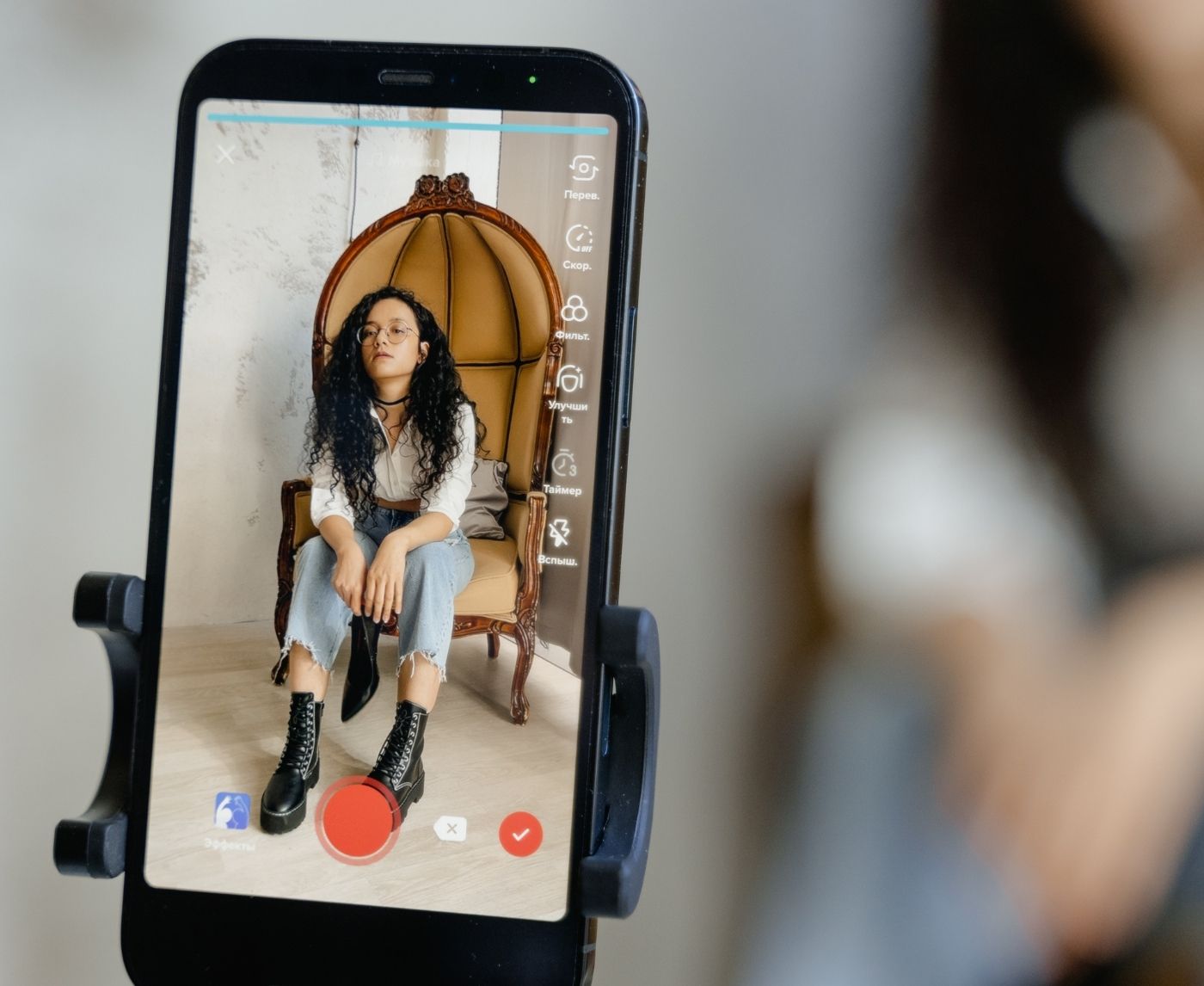

Quick Answer: STD risk advice on TikTok and Reddit is often misleading or outright wrong. Symptoms like bumps, rashes, and irritation can still mean herpes, chlamydia, or syphilis, even if online sources say otherwise.
When “Advice” Goes Viral: How Social Media Shapes STD Decisions
If you’re scrolling late at night after a weird symptom shows up, you’re not alone. According to Pew Research, nearly 72% of Gen Z users have searched for health information on TikTok or Reddit in the past year. And when it comes to STDs, the stakes are even higher, shame and fear often drive people online before they ever consider a doctor.
But here’s the issue: TikTok and Reddit aren’t medical platforms. They reward engagement, not accuracy. That means a confidently wrong answer with pretty captions can get millions of views, while real clinical advice barely reaches anyone. STD misinformation thrives in this ecosystem. It’s bite-sized, confident, and usually told with a smile. But when it’s your body, confidence doesn’t equal correctness.
Scroll through the #stdcheck hashtag and you’ll see influencers mislabeling outbreaks as allergies, shaving irritation, or “just stress.” Some even tell followers to avoid testing if symptoms disappear in a few days. The problem? Many STDs, including herpes, syphilis, and HPV, can present with symptoms that come and go, or none at all, while still being contagious.
Symptoms Don’t Always Scream “STD”, And That’s the Danger
People expect drama when they think of STDs. Burning, itching, discharge, pain. So when something feels... mild? It’s easy to ignore. TikTok says “herpes is always painful.” Reddit says “chlamydia has to come with discharge.” The reality? Many STDs show up with symptoms that mimic everyday issues, like razor burn, heat rash, or a UTI.
Consider this: nearly 80% of people with chlamydia show no symptoms at all. For herpes, initial outbreaks vary so widely that one person might mistake it for an ingrown hair, while another gets full-blown sores. And yet, social media feeds often flatten these complexities into black-and-white declarations: “If it doesn’t itch, it’s not herpes.” That kind of oversimplification can be harmful, even dangerous.
In real clinics, the number of delayed diagnoses due to social media misinformation is climbing. One urgent care nurse in Austin, TX, reported that nearly 40% of her younger patients mention online advice before getting tested. The most common line? “I didn’t think I needed to test because TikTok said...”

People are also reading: Monogamous, Still Got an STD? Here's Why That Happens
Table 1: Common STD Symptoms vs What TikTok Says
| STD | Actual Common Symptom | What TikTok/Reddit Often Claims |
|---|---|---|
| Herpes (HSV-1/2) | Small clusters of fluid-filled sores, often painless at first | “If it doesn’t hurt, it’s not herpes” |
| Chlamydia | No symptoms, or mild discharge and pelvic pain | “You’ll definitely have symptoms if it’s chlamydia” |
| Syphilis | Painless sore that heals quickly, followed by rash | “If it heals fast, it’s nothing serious” |
| HPV | Often no symptoms; may cause genital warts | “Only men get warts” or “If it looks like a skin tag, ignore it” |
Figure 1. This comparison shows how actual STD symptoms are frequently downplayed or misrepresented on social platforms.
Case Study: "Reddit Told Me It Was Shaving Irritation"
Jamar, 27, had just hooked up with someone new. A week later, he noticed a sore spot on his groin. It wasn’t open or oozing. Just a red bump. He searched Reddit, found a thread titled “STD or Razor Burn?” and posted a photo. The top comment said: “That’s razor burn for sure, bro. STDs don’t show up like that.”
Reassured, Jamar skipped testing. Two weeks later, the bump became painful, and he noticed a second sore. A clinic visit confirmed HSV-2. When he mentioned Reddit, his provider sighed. “I hear that every day,” she said. “Reddit’s not a lab.”
Social media doesn’t test you. It can’t confirm anything. And yet, it plays a massive role in how people delay, deny, or decide what’s “worth worrying about.” The problem isn’t that people are stupid, it’s that platforms reward confidence, not nuance. And real medical nuance doesn’t go viral.
Let’s pause here. If you’ve found yourself Googling “STD or irritation” or second-guessing a rash because some video said “don’t worry unless it burns,” now is the moment to get clarity. You deserve more than a guess.
Whether it’s a bump, a weird itch, or just a gut feeling, peace of mind is one discreet test away. Order an at-home combo test kit here and get real answers without the noise.
Check Your STD Status in Minutes
Test at Home with Remedium6-in-1 STD Test Kit
 For Men & Women
 Results in Minutes
 No Lab Needed
 Private & Discreet
Order Now $119.00 $294.00
For all 6 tests
Why Social Media Normalizes Delay, And How That Hurts You
Reddit threads don’t just misinform, they often delay action. One of the most harmful dynamics in these forums is peer validation. A user posts a photo or vague description: “We had oral, no protection. Now I have a red spot. Could it be herpes?” Ten people reply with the same sentiment: “Nah, looks normal,” “You’re overthinking,” “I had the same thing, nothing happened.” But none of those replies come from people with lab results in hand.
Instead of empowering users, Reddit threads often soothe them into inaction. It’s not malicious, many genuinely believe what they’re saying. But symptoms vary wildly by person, especially with infections like syphilis or herpes. A sore might not look like textbook photos. A mild itch might be the only warning sign. By the time a reader realizes it wasn’t “nothing,” they’ve passed the window for early treatment, and possibly exposed partners without knowing.
On TikTok, the trend is more visual. Everything looks clean because of the filters, lighting, and editing. Creators don't talk about how bad real symptoms are. Some even show fake “healing” tricks, like using essential oils or ice cubes. But herpes doesn’t go away with peppermint oil. And chlamydia won’t vanish because you drank cranberry juice and took oregano capsules, as one influencer claimed in a now-deleted video with over 1.2 million views.
STD Testing Myths That Spread Like Wildfire
Let’s break down some of the most dangerous myths spreading across TikTok and Reddit, and why they’re wrong. These aren’t just errors. They’re often the exact reason someone avoids testing, skips treatment, or spreads infection unknowingly.
“You can’t get herpes if you use a condom.” False. Condoms lower the risk, but they don't get rid of it completely, especially for skin-to-skin infections like herpes or HPV. There are times when outbreaks happen in places that aren't covered by a condom.
“You’d know if you had chlamydia.” Also false. Most people with chlamydia, especially women, don’t have obvious symptoms. Left untreated, it can cause infertility and pelvic inflammatory disease.
“Herpes only shows up right after sex.” Nope. The incubation period for herpes is anywhere from 2 to 12 days, and recurrences can happen at any time, even years later.
“If your test is negative, you’re fine.” Not necessarily. Testing too early, especially during the window period, can lead to false negatives. That’s why understanding timing is critical, something most Reddit threads never mention.
“Only promiscuous people get STDs.” This one isn’t just wrong, it’s dangerous. STDs don’t discriminate. You can get an infection the first time you have sex, or in a long-term monogamous relationship. Shame keeps people silent. Silence spreads infection.
Table 2: TikTok vs Reality , Dangerous STD Testing Myths
| Viral Myth | Reality |
|---|---|
| “If it doesn’t hurt, it’s not herpes.” | Herpes can be painless or mildly itchy, especially during early outbreaks. |
| “Red bumps after sex = razor burn.” | Could be irritation, but also early signs of syphilis, herpes, or HPV. |
| “You can’t get STDs from oral.” | Oral sex can transmit chlamydia, gonorrhea, herpes, syphilis, and even HIV. |
| “Testing once means you’re safe for good.” | Each exposure resets your risk. New partners = new risk. Retest as needed. |
| “TikTok hacks can treat STDs naturally.” | No herb, cleanse, or essential oil cures an STD. Only verified medication works. |
Figure 2. Common STD myths circulating on social platforms and what clinical guidance actually says.
How Real People Are Harmed by Viral Misinformation
Lina, 29, thought she had a yeast infection. She had mild itching, some redness, and no discharge. She found a TikTok that described the “three signs of candida,” and it matched. The video even warned against overtesting, saying “doctors push pills you don’t need.” So Lina used coconut oil and garlic like the comments suggested. A month later, she was in the ER with pelvic pain. It was chlamydia, and it had reached her uterus.
Another case: Diego, 22, found a subreddit where users trade test photos and play “diagnose me.” He posted his faintly red sore and was told it was a friction blister. He let it go. Weeks later, he found out it was an early syphilis chancre. Because he waited, the infection entered the secondary stage, bringing systemic symptoms and a longer course of treatment.
These stories aren’t isolated. They're echoed in sexual health clinics across the country. Providers are now training to address “TikTok regret”, a new form of medical delay rooted not in stigma, but in misinformation confidence.
The most painful part? These infections are often treatable or manageable when caught early. Delayed testing turns simple treatment into long-term management.
Don’t wait because someone online said “it’s probably fine.” Trust your gut. Trust your body. Trust science. If something feels off, there’s one answer you won’t get from a scroll: get tested.
People are also reading: Took a Trichomoniasis Test at Home? Here’s Exactly What to Do Next
Why Home Testing Is a Game-Changer (and Social Media Doesn’t Get It)
Here's something TikTok almost never talks about: access. For many, getting tested at a clinic isn’t easy. There’s the fear of being judged. The logistics of taking time off work. The anxiety of sitting in a waiting room. That’s where at-home STD testing becomes more than convenient, it becomes a mental health safeguard.
Reddit and TikTok users often say things like “I don’t want to deal with a clinic unless I know it’s serious.” But how do you know it’s serious without testing? That’s the trap. At-home kits let you skip the emotional calculus. You test when you need to, not when it’s convenient for someone else.
Let’s take Malik, 34. He noticed a strange tingling near his genitals after a new partner. He Googled it. Reddit said anxiety could cause tingling. TikTok said “STD symptoms usually burn, not tingle.” Still unsure, Malik ordered a rapid herpes test from home. It came back reactive. He was able to get on antivirals quickly and inform his partner. What saved him? Not confidence, not crowdsourcing, just testing.
Table 3: At-Home Testing vs Social Media Diagnosis
| Decision Point | Social Media “Advice” | At-Home Testing Advantage |
|---|---|---|
| Feeling a new bump or itch | “It’s probably nothing. Wait and see.” | Test discreetly within days, no guessing required |
| Hookup regret or condom broke | “You’re probably fine if it was quick.” | Test on your timeline and retest later if needed |
| Partner says they’re “clean” | “They look healthy, so it’s safe.” | Test yourself anyway, don’t rely on someone else’s word |
| Mild symptoms after oral sex | “You can’t get anything from oral.” | Chlamydia, gonorrhea, and herpes are all transmissible via oral |
| Waiting for a doctor appointment | “Try home remedies while you wait.” | Order a test kit today, results within minutes or days |
Figure 3. How at-home STD testing offers clarity where social media advice offers delay.
Order Now $149.00 $392.00 Check Your STD Status in Minutes
Test at Home with Remedium
8-in-1 STD Test Kit For Men & WomenResults in MinutesNo Lab NeededPrivate & Discreet
For all 8 tests
What Happens When You Actually Test Positive?
It’s easy to panic when a result comes back reactive. That’s why Reddit threads about “what to do next” explode with fear and conflicting opinions. One says don’t tell your partner until you retest. Another says you’re probably fine if it’s a faint line. Some say isolate. Others say wait a month and try again. None of them are medical protocol.
Here’s the real deal. If you test positive for something like chlamydia or gonorrhea, treatment is straightforward and effective. If it’s herpes, you may need antivirals and lifestyle adjustments, but millions live with it without issue. If it’s syphilis, early treatment is key to avoiding complications.
What social media misses is this: a positive result is not a life sentence. It’s a chance to act. To treat. To protect yourself and others. TikTok shows tears and drama. Reddit spins endless “what ifs.” Neither show the actual arc of action, testing, treatment, communication, recovery.
Kelsey (remember her?) got her diagnosis, cried for a week, and then joined a herpes support group. She met others who dated, had kids, lived fully. “I wish I’d known it was manageable,” she said. “I wish I’d tested earlier. But I’m okay now.”
FAQs
1. Can TikTok or Reddit actually help with STD diagnosis?
They can help you feel less alone, sure, but they can’t diagnose you. A million likes on a video saying “If it doesn’t hurt, it’s not herpes” doesn’t make it medically true. Think of social media like a friend with opinions, not a doctor with a lab. It's a good place to vent, not verify.
2. What if my symptoms don’t match the photos I see online?
That’s more common than you think. Real symptoms are messy, varied, and don’t always look like the stock photos in a health textbook. Some people get one tiny bump. Others get a rash that comes and goes. And sometimes, symptoms don’t show up at all. Your body is unique, don’t let Google Images decide your health.
3. How long should I wait to test after a hookup?
Depends on the infection, but here’s a general vibe: for things like chlamydia and gonorrhea, testing is usually accurate about 7 to 14 days after exposure. Herpes may take longer to show up on a test, especially if you're not having an active outbreak. If you're unsure, test at 2 weeks and again around 6 weeks for a clearer picture.
4. Is it true that you can't get herpes if you wear a condom?
Sadly, no. Condoms are amazing and reduce risk, but herpes is tricky, it spreads through skin-to-skin contact, and outbreaks can happen in areas a condom doesn’t cover. Still use them. Just don’t assume they make you invincible.
5. I only had oral sex. Do I still need to test?
Yes, oral can absolutely transmit STDs. You can get chlamydia in your throat, gonorrhea from giving oral, or herpes around your mouth or genitals. If it involved genitals, mouths, or butts, testing is on the table. The good news? At-home kits can catch most of these.
6. I tested negative, but I still feel weird down there. What gives?
A few things could be going on. You might’ve tested too early (hello, window period), or maybe it’s not an STD at all, yeast, irritation, or a skin condition could be to blame. But don’t play guessing games with your body. If something’s off, it deserves a second look.
7. Are at-home STD tests legit or just a scam?
The good ones are absolutely legit. Many use the same tech as clinic labs (like NAAT testing). The key is timing and following the instructions properly. Make sure you're using an FDA-cleared kit, not something sketchy from a random ad. Real kits = real peace of mind.
8. How do I tell a partner if I test positive?
Deep breath. This part is hard, but you’re braver than you think. Be honest, calm, and keep it simple. Focus on the facts: what you tested positive for, what treatment looks like, and what it means for them. Many people respond with empathy, not judgment. And if you need backup, there are anonymous text tools that help with the hard stuff.
9. I believed TikTok. I didn’t test. I feel stupid now. What do I do?
First: you're not stupid. You were trying to feel safe, and the internet sold you comfort instead of clarity. It happens to thousands of people every day. The important thing is you’re here now. Test. Learn. Move forward. That’s real strength.
10. Where can I get tested without it being this whole... thing?
Right here, honestly. STD Rapid Test Kits ships discreetly, quickly, and privately. No clinic waiting room, no awkward small talk. Just you, your results, and your next step, all from home.
You Deserve Answers, Not Assumptions
Whether you’re here because of a TikTok rabbit hole or a Reddit thread that felt too confident to question, this is your sign to trust your body, not the scroll. Real symptoms need real answers. And “wait and see” has never been a strategy when it comes to your health.
You don’t need to justify your worry. You don’t need to explain why a rash freaked you out. You deserve to be clear, cared for, and in charge. This at-home combo test kit checks for the most common STDs quickly, quietly, and without shame.
How We Sourced This Article: We combined current guidance from leading medical organizations with peer-reviewed research and lived-experience reporting to make this guide practical, compassionate, and accurate. In total, around fifteen references informed the writing; below, we’ve highlighted some of the most relevant and reader-friendly sources.
Sources
1. Planned Parenthood – STDs & Safer Sex
3. Herpes – STD Treatment Guidelines (CDC)
4. Genital Herpes – Symptoms and Causes (Mayo Clinic)
5. Screening for Genital Herpes – CDC
6. Genital Herpes – MedlinePlus
7. Herpes Simplex Virus (Cleveland Clinic)
About the Author
Dr. F. David, MD is a board-certified infectious disease specialist focused on STI prevention, diagnosis, and treatment. He blends clinical precision with a no-nonsense, sex-positive approach and is committed to expanding access for readers in both urban and off-grid settings.
Reviewed by: Renée C. Walters, NP | Last medically reviewed: December 2025
This article is for informational purposes and does not replace medical advice.


