During sexual relations, misunderstandings are the leading factor. Probably the most significant confusion that one may have is: "Can you get sexually transmitted diseases (STDs) from hand jobs or fingering?" In order to discard myths and promulgate safe sex, this key question shall be answered in detail.
03 October 2024
4 min read
1933
Understanding STDs
Sexually Transmitted Diseases, also known as Sexually Transmitted Infections, are infectious diseases transmitted from person to person through sexual contact. Sexual contact encompasses vaginal, oral, and anal sex. It should, however, be pointed out that some of the STDs can be transmitted by routes other than sexual means.
Hand Job Transmission
Manual jobs, more appropriately called hand jobs, are the sexual activities during which a person stimulates another person's genitals with their hands. A general belief prevails that one cannot acquire an STD through this activity. Although the chances are less than most other types of sexual activities, it is still not impossible.
The bacteria, viruses, or parasites causing STDs live in one or more of the following body fluids: semen, vaginal fluid, or blood. If the infected person has sores or cuts in the genital area, these infectious agents may fall on the other person's hand in a hand job. In case the person who gave the hand job touches his or her own genitals, mouth, or eyes, he or she may, in turn, get infected. Diseases such as herpes and HPV, which are transmitted through skin-to-skin contact, can thus be spread by this mode of transmission too. However, the probability is relatively low.
Transmission Via Fingering
Fingering—manual insertion into the vagina or anus—is somewhat more risky in terms of STD transmission than hand jobs. This is because fingering involves even closer contact with mucous membranes where infectious agents can reside. The potential list of STDs transmitted through fingering includes herpes, HPV, syphilis, and pubic lice.
If one person has an open cut or sore on their fingers and the other person has an STD, there is a slight risk of HIV and hepatitis B. However, this risk is considered relatively low.
Lowering Your Risk
Although the probability of acquiring an STD from hand jobs or fingering is low, it will always be better to be on the safe side than to be sorry. This may involve:
Wearing Latex Gloves: These can be worn during fingering as a barrier to any sort of infection.
Regular Health Check-Ups: Screening for STDs regularly will help detect any infections in their early stages and undertake the necessary treatment to prevent transmission.
Communication: Be honest with your sexual partner or partners about your sexual history, your STD status, and how to practice safer sex.
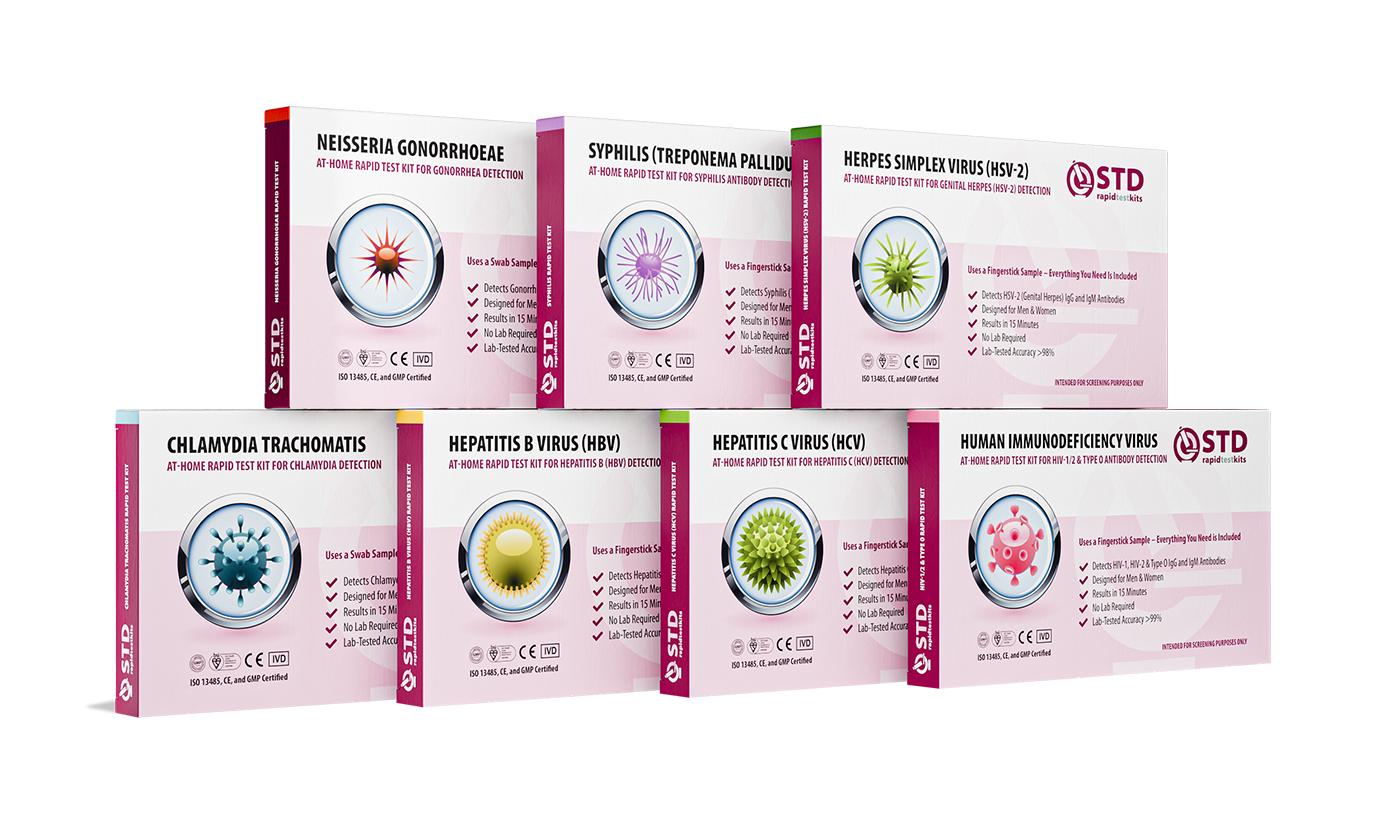
At-Home Rapid STD Testing
Accurate home testing for STDs is becoming more available, and this development has begun to change the way we monitor our sexual health. Testing in the comfort of your own home is convenient and private, which is an important factor in STD home testing. These tests will provide you with quick and fairly accurate results, in which action will be taken if there is a need.
These rapid tests detect the presence of a range of STDs, including chlamydia, gonorrhea, HIV, syphilis, and trichomoniasis, by taking a small amount of your urine, blood, or a swab. Though these test kits cannot replace regular screenings at a healthcare facility, they do offer an important first step in monitoring your sexual health.
The risk of getting STDs from hand jobs or fingering is much lower compared to other forms of sexual contact. However, "lower risk" does not exactly translate to "no risk." One is always better off knowing the facts and discussing them with a partner. Furthermore, safe sex is highly important to be practiced. This involves regular testing, and at-home rapid STD testing kits are becoming increasingly an important tool in personal health management.
Remember, prevention is always better than treatment. Thus, in non-penetrative play like hand jobs and fingering, paying attention to hygiene and using barriers, such as latex gloves when necessary, will further reduce an already low risk.
In short, yes, you can get some STDs from hand jobs or fingering, but the chances are relatively lower than with other sexual activities. Thus, keeping this status in your head, staying vigilant, opening up, regular testing, and safe sex practices play a crucial role in maintaining your sexual health. Take all the precautions so that you will be able to enjoy your sexual life without extra anxiety and fear.
If you have any concerns or questions about sexual health, never hesitate to contact your healthcare professional. Knowledge is power and the first step in the direction of a healthier and happier sex life. After all, health is wealth, and it is always worth devoting some time to it with due care.








 For Men & Women
 Results in Minutes
 No Lab Needed
 Private & Discreet


