





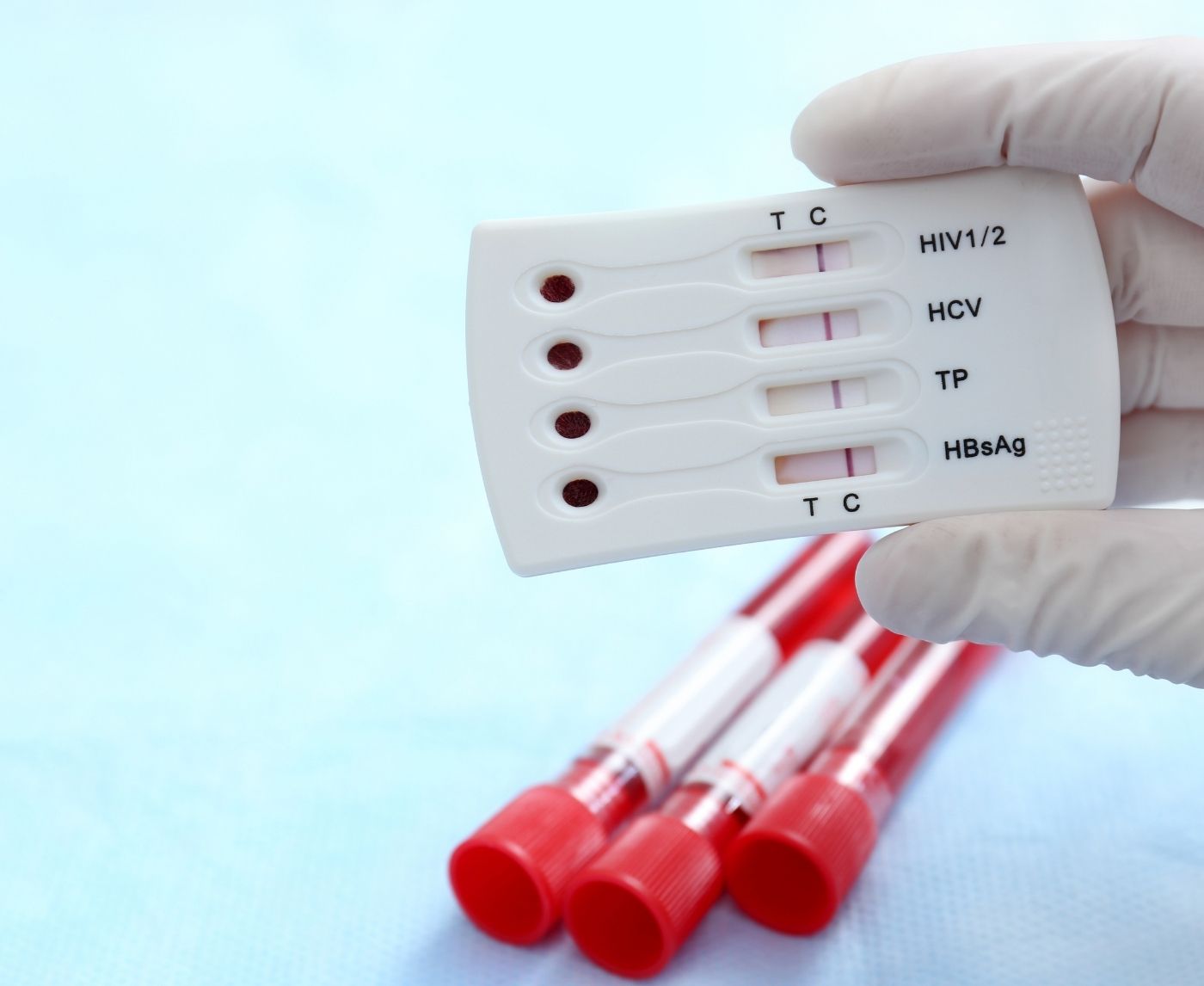

Quick Answer: You should get tested for STDs at least once a year, even if you have no symptoms. If you have multiple partners, unprotected sex, or a new partner, testing every 3–6 months is safer. After high-risk exposure, wait 2–3 weeks before testing for the most accurate results.
Who This Guide Is For (And Why It Matters)
Maybe you’re in a new relationship and want to start fresh. Maybe you’re poly and rotate partners. Maybe you haven’t been tested since college, or you’re staring at a discharge-free vulva wondering why you’re even worried. This guide is for all of that. For the ones who feel fine but can’t shake the what-if. For the ones navigating intimacy with caution and curiosity. For the ones who care enough to check, even when nothing seems “wrong.”
STDs don’t care about your vibes. They don’t wait for symptoms to make an appearance. And feeling “clean” isn’t the same as being test-confirmed negative. That’s why this article doesn’t just repeat guidelines, it personalizes them. You’ll find data-backed intervals, case examples, and a timeline-based table that demystifies testing gaps. Because testing isn’t about punishment or shame, it’s about clarity, choice, and control.
How Long Can You Have an STD Without Knowing?
Here’s what they don’t always say in sex ed: you can carry chlamydia, gonorrhea, or even HIV without feeling a single thing. No burning. No bumps. No weird discharge. Nada. For many people, especially women and people with vaginas, these infections stay asymptomatic for months, even years. According to the CDC, about 70–80% of women with chlamydia report no symptoms at all. But that doesn’t mean there’s no damage. Untreated STDs can lead to pelvic inflammatory disease, infertility, chronic pain, or complications during pregnancy.
In men, the silence can be deceiving too. A college-aged guy named Leon (not his real name) once swore he was “STD-free” because he hadn’t felt anything strange since his last one-night stand. Three months later, he got tested at a partner’s request and found out he had both gonorrhea and chlamydia, likely from an encounter that happened six weeks earlier. He had no clue. That’s not an exception. It’s the rule.
So when someone tells you they’re “clean,” ask: when was your last test? Because only a lab result, not a lack of symptoms, can give you a real answer.
STD Testing Intervals by Risk Level
“How often should I get tested?” isn’t a one-size-fits-all answer. It depends on your risk level, your behavior, and the kind of sex you’re having. But let’s anchor that in something useful: a table you can reference any time you're unsure.
| Risk Scenario | Suggested Testing Frequency | Why It Matters |
|---|---|---|
| Monogamous, long-term relationship | Annually (or at start of relationship) | Baseline tests help confirm mutual status; yearly retests add peace of mind |
| New partner (vaginal, oral, or anal) | Test 2–3 weeks after exposure | Some infections show up quickly; early testing + retest ensures accuracy |
| Multiple partners in 6 months | Every 3–6 months | Shorter testing gaps catch recent infections before symptoms arise |
| Sex without condoms or barrier methods | Test after each unprotected partner | Direct exposure increases risk for all STDs, even from oral sex |
| Symptoms or known exposure | Immediately + retest after window period | Early detection allows for quicker treatment and partner protection |
Figure 1. Testing intervals by risk scenario. Tailor your schedule to your reality, not just the calendar.
If none of these categories feel like you, consider this: the CDC recommends all sexually active adults get tested at least once a year for common STDs, even in monogamous settings. Testing more frequently is never a bad thing. Ignoring it can be.
People are also reading: Can You Get an STD from Kissing? The Shocking Truth
Why “No Symptoms” Doesn’t Mean “No Infection”
Emma, 28, went for her annual Pap smear and added an STD panel “just in case.” She hadn’t had any new partners in nine months, hadn’t noticed any issues, and figured it would just be routine. Instead, she tested positive for herpes simplex virus type 2, likely from a relationship two years prior. She cried in the car. Not because of the diagnosis, but because no one had ever told her that you can carry herpes for years with zero outbreaks.
Silent STDs aren’t just real, they’re common. HPV, the most widespread STI, often causes no symptoms but can lead to cervical cancer if undetected. HIV might take years to show clear signs. And even bacterial infections like syphilis can enter a latent stage where nothing feels off… until it’s advanced enough to do serious damage.
Symptoms are helpful when they happen. But absence of symptoms isn’t a green light. Testing fills in the gaps between what your body tells you, and what it might be hiding.
Check Your STD Status in Minutes
Test at Home with Remedium8-in-1 STD Test Kit
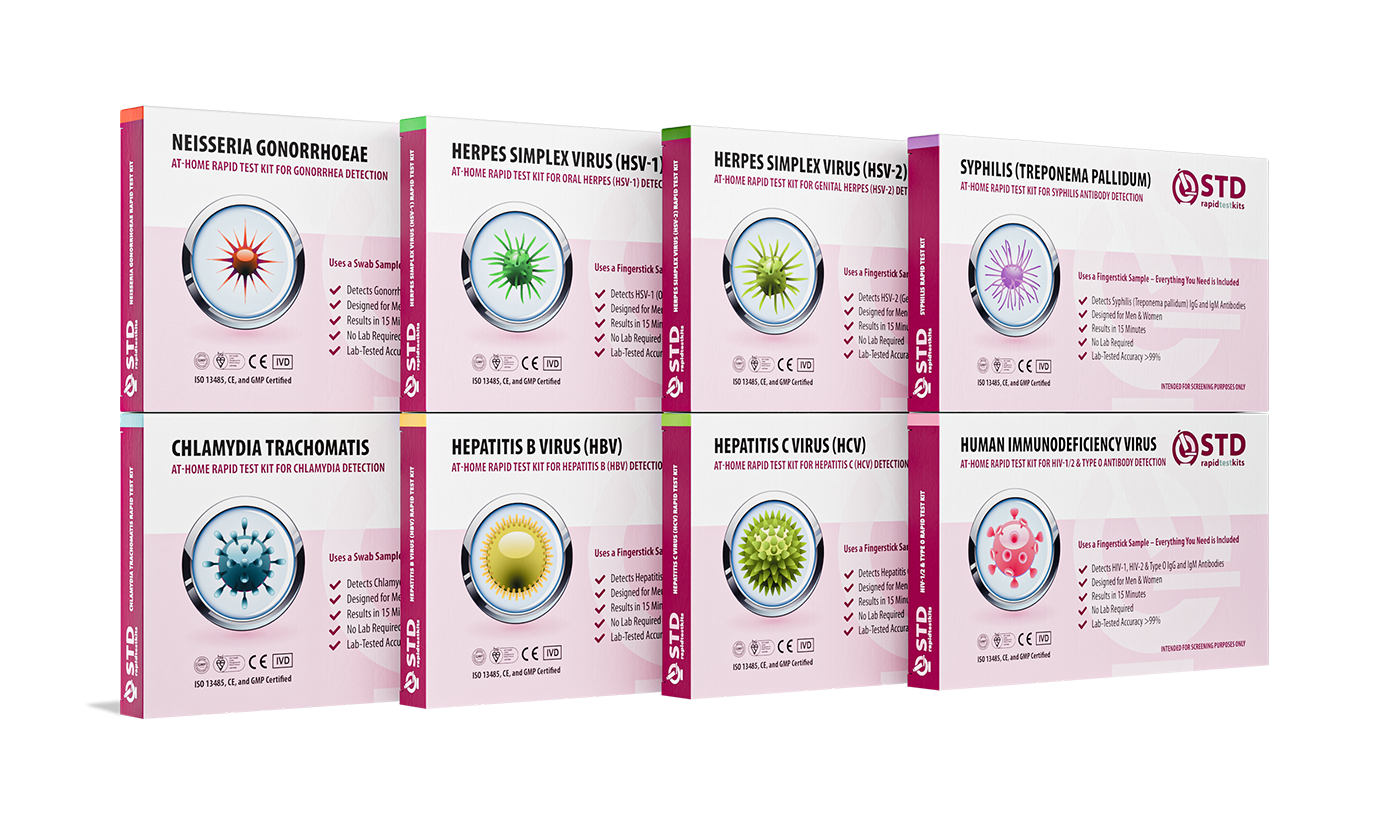
 For Men & Women
 Results in Minutes
 No Lab Needed
 Private & Discreet
Order Now $149.00 $392.00
For all 8 tests
Window Periods: When to Test After Sex
After exposure, whether it’s a broken condom, unprotected oral, or just a night you’re not sure about, the next big question becomes: “When should I test?” Not immediately. Not the next day. And that’s frustrating. But your body needs time to produce enough detectable material (like DNA fragments, antigens, or antibodies) for a test to pick up. This is the testing window, and it varies depending on the STD and the test type.
Let’s put that in context. Say you had a risky hookup last Saturday. By Monday, you’re spiraling and want answers. But if you test that soon, many infections might not show up yet. It’s not about punishing you with waiting. It’s about science: accurate tests need accurate timing.
| STD | Earliest Detection (Rapid/Lab) | Ideal Testing Time | Retesting Needed? |
|---|---|---|---|
| Chlamydia | 5–7 days | 14+ days | Yes, if tested early |
| Gonorrhea | 5–7 days | 14+ days | Yes, if tested early |
| Syphilis | 3 weeks | 6–12 weeks | Yes, especially if exposed recently |
| HIV (4th Gen Test) | 2–4 weeks | 4–6 weeks | Yes, at 12 weeks for confirmation |
| Herpes | 3–6 weeks | 8–12 weeks | Yes, if tested before 8 weeks |
Figure 2. Window periods for common STDs. Testing too soon may lead to false reassurance.
If it’s been fewer than five days since the exposure, the best approach is often to wait and monitor. If you're experiencing extreme symptoms, especially after non-consensual contact or with flu-like signs, testing earlier may still be appropriate with medical guidance. Otherwise, testing around the two-week mark (and again at six to twelve weeks if high-risk) is the most accurate pathway.
Rapid Test, Mail-In, or Clinic: Which One Works Best?
In a perfect world, every test would be instant, cheap, and 100% accurate. In real life, you make trade-offs. Here’s how that plays out:
Sam, 32, lives in a remote town and got worried after a condom broke with a new partner. He didn’t want to drive two hours to the nearest clinic, so he used a rapid home test for syphilis and HIV that arrived in discreet packaging two days later. He followed the instructions, did the fingerstick, and waited ten minutes. One result was faint, he wasn’t sure what it meant. So he ordered a second test and also mailed a lab kit just to be sure.
This isn’t uncommon. Rapid tests are excellent for privacy and speed, but if you're testing early or dealing with low-level infections, lab-based NAAT or antibody tests may be more sensitive. Here's a comparison to help you choose:
| Test Type | Speed | Accuracy | Privacy | Best For |
|---|---|---|---|---|
| Rapid At-Home Test | 5–20 minutes | Moderate to High | Very High | Quick results after risk or symptoms |
| Mail-In Lab Test | 2–5 days | High | High | Confirmatory or full-panel screening |
| Clinic Visit | Same day to 1 week | Very High | Low to Moderate | Ongoing symptoms or medical follow-up |
Figure 3. Comparing STD testing options. Your lifestyle, location, and mental bandwidth all play a role.
If you’re in the waiting phase and anxious, remember: you can take an early test now, then retest later at the ideal window. That gives you both immediate reassurance and long-term accuracy.
Should You Test After Every Partner?
Technically, yes, if you can. But realistically, many people don’t. Testing after every new partner, especially if you’re fluid bonding (no barriers), is the safest strategy. But if you’re dating actively or engaging in casual sex, a 3–6 month testing routine can serve as a solid checkpoint system.
For folks in open or polyamorous relationships, shared calendars for testing or recurring reminders can help. Some people rotate every quarter. Others test before big events or after “fluid swaps.” It doesn’t have to be clinical or scary, it can be sexy, responsible, and even affirming. Testing together can feel like foreplay with honesty.
What matters most is not waiting for symptoms to decide when it’s time. Testing by behavior, not by biology, puts you in control.
Routine Testing vs Event-Based Testing: What Works Better?
Think of STD testing like dental cleanings. You don’t wait for a cavity to hurt before you book your appointment, you go regularly to catch problems early. The same applies here. But there’s also value in testing based on life events: a new relationship, a condom slip, a surprise STI in your social circle. Both approaches matter. The key is knowing when to use which.
Jason, 27, was in therapy working through relationship trauma. His therapist suggested that feeling sexually safe again might start with taking control of his health. So he made a habit: every six months, no matter what, he did a full panel. No recent symptoms, no new exposures, just a check-in with himself. It became routine. Like blood pressure, but for peace of mind.
On the flip side, Dani, 33, only tested when something specific happened, a new partner, a condom failure, a rash that didn’t go away. Her timeline wasn’t regular, but it was responsive. Both methods are valid. The worst option is testing “someday” and never actually doing it.
Routine testing catches things early. Event-based testing responds quickly. Use both when you can. But always use something.
Retesting After Treatment or Exposure
If you’ve tested positive before, or had a risky encounter, retesting is critical. Some STDs can clear up with treatment but return after new exposure. Others may linger or reappear even after symptoms fade.
Here’s how it plays out: Maya (not her real name) had chlamydia, took her prescribed antibiotics, and waited two weeks. No symptoms. She assumed it was gone. But her follow-up test five weeks later still showed positive, her partner had been untreated and they’d had sex again. It wasn’t reinfection from someone else. It was a rebound from assuming one test = permanent clearance.
CDC guidelines recommend retesting for chlamydia and gonorrhea about three months after treatment. For HIV, confirmation at 12 weeks post-exposure is crucial even if an early test comes back negative. For herpes, retesting is only needed if symptoms arise or if you initially tested too early.
Bottom line: testing ends the question mark, but retesting confirms the period at the end of the sentence.
Take back control of your health. You can order a discreet at-home combo STD test kit that covers the most common infections, all without stepping into a clinic or waiting weeks for lab results.
People are also reading: How Accurate Are Herpes Rapid Tests Really?
How At-Home Testing Protects Privacy
For many people, the biggest barrier to getting tested isn’t money or timing, it’s shame. Walking into a clinic. Seeing a receptionist raise their eyebrows. Wondering who might see your results or mail. That’s why at-home testing isn’t just convenient. It’s transformative.
Kira, 41, lived with roommates who didn’t mind her lifestyle but didn’t need to know about it either. She used discreet mailers, with no branding or medical markings, and stored her kit in a locked drawer. The process took under 15 minutes. Her results arrived via a secure portal. No pharmacy pickups. No awkward small talk. Just answers.
At-home rapid tests prioritize confidentiality. The packaging is anonymous. The results are yours. And the emotional bandwidth you save, by avoiding judgment, delay, or fear, might be the most healing part of the process.
If your head keeps spinning, peace of mind is one test away.
Check Your STD Status in Minutes
Test at Home with Remedium7-in-1 STD Test Kit
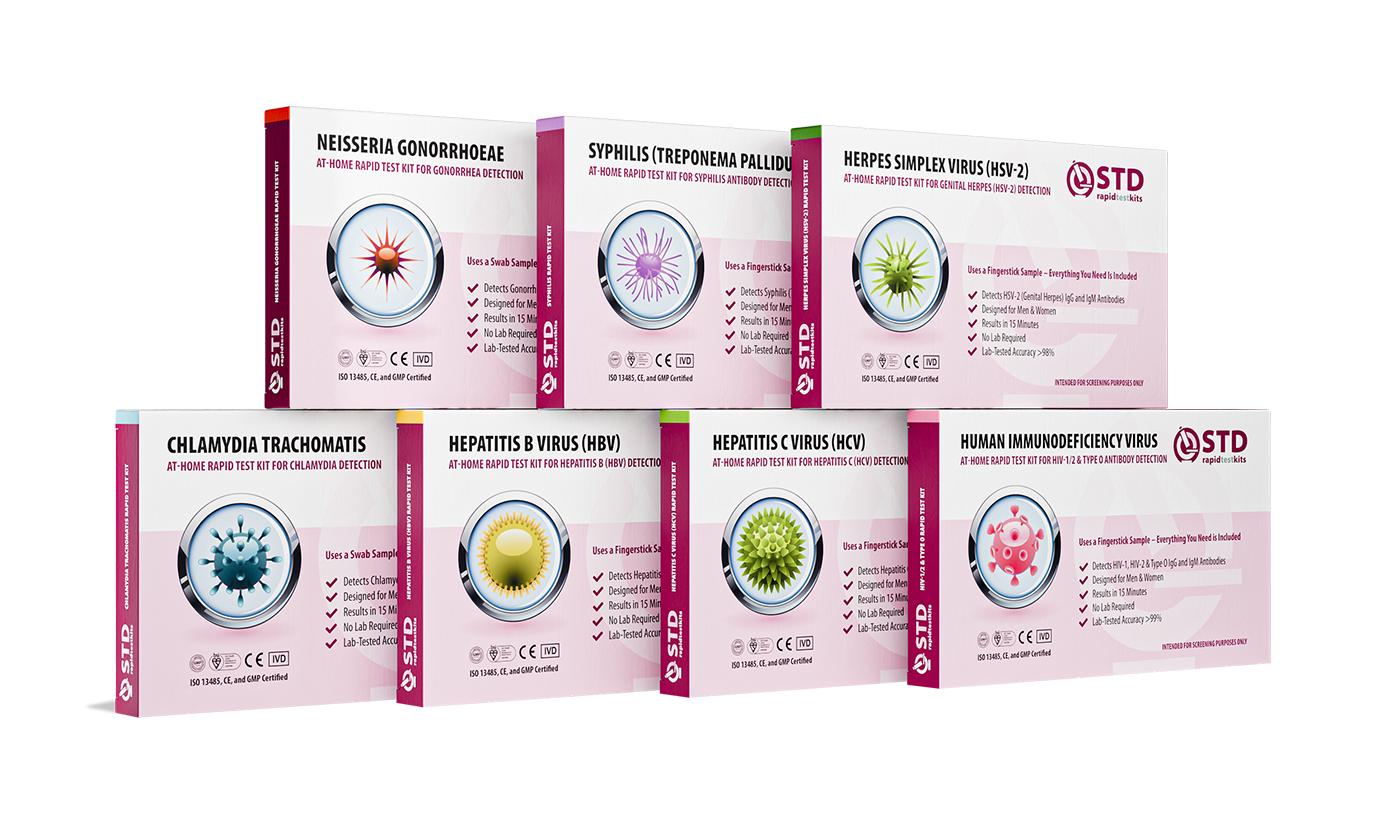 For Men & WomenResults in MinutesNo Lab NeededPrivate & Discreet
Order Now $129.00 $343.00
For all 7 tests
What If You Test Positive Without Symptoms?
That’s more common than you think. And it doesn’t mean your body is broken or dirty. It means your test did its job, catching something you couldn’t see or feel. What comes next is usually simple: follow-up testing if needed, treatment, and letting partners know (either directly or through anonymous notification tools).
No judgment. No drama. Just action.
Every STD is different, but most are treatable. Even herpes, which can’t be “cured,” can be managed with meds and informed decisions. The worst-case scenario is rarely the diagnosis. It’s delaying the diagnosis out of fear or shame.
You deserve answers. And you deserve them without waiting for symptoms to tell you something’s wrong.
FAQs
1. Can I really have an STD with zero symptoms?
Yep. Totally possible, and extremely common. Think of it like Wi-Fi: just because you can’t see it doesn’t mean it’s not working in the background. Chlamydia, gonorrhea, HPV, even HIV can hang out silently in your body for weeks, months, sometimes years. That’s why waiting for symptoms is like waiting for a fire alarm before checking for smoke.
2. I had a hookup last week. Is it too soon to test?
Kind of. Your body needs time to build up enough evidence for a test to catch. If it’s only been a few days, you might get a false negative. Aim for 10 to 14 days for chlamydia or gonorrhea, a bit longer for syphilis or HIV. But hey, if your anxiety’s loud, it’s okay to test early and then plan to retest later. Peace of mind matters too.
3. What if I only have one partner?
That’s awesome. Still: unless you both tested right before locking it down, you’re guessing, not confirming. Even in monogamy, annual testing is smart. And if your relationship started on trust and vibes, no shade. Just consider syncing up on a shared testing routine now. Think of it as your sexual health love language.
4. I got treated. Do I really need to test again?
Yes, especially for things like chlamydia or gonorrhea. Why? Because reinfection is a sneaky little gremlin, especially if your partner didn’t get treated too. Plus, some bacteria can stick around longer than we expect. A three-month retest is like double-checking that the door’s actually locked.
5. Are at-home tests legit?
When used correctly and after the right window period, yes. They’re not just “better than nothing.” They’re lab-grade, FDA-cleared, and for many people, way more realistic than finding a clinic, waiting in line, and explaining your sex life to a stranger in scrubs. Just read the instructions, and don’t test too soon. Simple.
6. Do I need to test after every new partner?
If you can, yes. If not, try for every 3 to 6 months if you're dating casually or in an open relationship. It's not about being paranoid, it's about respecting your body and everyone else's. Testing is self-care, not suspicion.
7. Oral sex can give you STDs? Seriously?
Seriously. Gonorrhea, herpes, syphilis, HPV, oral sex is not the loophole your high school health class promised. Just because it doesn’t involve penetration doesn’t mean it’s risk-free. Mouths carry germs too. Hot, I know.
8. I tested negative but still feel nervous. What now?
You’re not alone. The brain is wild. If you tested too early, a retest can help. If you tested at the right time and still feel that pit in your stomach, it might be anxiety more than biology. And that’s okay too. Testing is about more than infection, it’s about control. And sometimes, you need to press that “retest” button just to breathe again.
9. Is it possible to get reinfected by my partner?
Yep. If they weren’t treated, or if you got back to business too soon after treatment, the infection can come right back. It’s not a sign they cheated. It’s just how biology works. That’s why coordinated testing, and actual conversations, are better than assumptions.
10. What’s the worst that happens if I skip testing?
You might never know you're carrying something. You might pass it on without realizing. Or it could come back to haunt you years later when symptoms finally show up, or when a partner calls you with news. Testing isn’t about fear. It’s about power. And honestly? It's one of the kindest things you can do for yourself and for whoever shares your body.
You Deserve Answers, Not Assumptions
Let’s be real: STDs don’t care how careful you are, how good your intentions were, or whether the condom slipped or never made it out of your wallet. What matters is how you respond. And responding with knowledge, action, and regular testing is the most powerful thing you can do for yourself, and your partners.
You don’t need to wait for symptoms. You don’t need to wait for a scare. You just need a plan. And it can start now.
Don’t wait and wonder, get the clarity you deserve. This at-home combo test kit checks for the most common STDs discreetly and quickly.
How We Sourced This Article: We combined current guidance from leading medical organizations with peer-reviewed research and lived-experience reporting to make this guide practical, compassionate, and accurate.
Sources
1. CDC: STI Screening Recommendations
2. When Should You Get Tested for STDs? Planned Parenthood Has Answers
3. NHS: STIs - Overview and Testing Timeline
4. STI Screening Recommendations | CDC
5. Guidelines for the Management of Asymptomatic Sexually Transmitted Infections | WHO
6. STI Treatment Guidelines, 2021 | CDC
7. Chlamydial Infections Screening & Management | CDC
8. Gonococcal Infections Among Adolescents and Adults | CDC
9. Screening for Genital Herpes Testing | CDC
10. Getting Tested for STIs | American Sexual Health Association (ASHA)
About the Author
Dr. F. David, MD is a board-certified infectious disease specialist focused on STI prevention, diagnosis, and treatment. He blends clinical precision with a no-nonsense, sex-positive approach and is committed to expanding access for readers in both urban and off-grid settings.
Reviewed by: A. Nguyen, RN, MPH | Last medically reviewed: December 2025
This article is just for information and doesn't take the place of medical advice.


