






Quick Answer: You cannot catch most STDs from a towel or toilet seat. STDs like chlamydia, gonorrhea, and HIV require direct sexual or fluid contact. However, skin-to-skin infections like herpes or HPV have a slim, but theoretically possible, risk through shared damp items under rare conditions.
Where This Fear Comes From (And Why It’s Valid)
The idea that you can “catch something” from a toilet seat or towel isn’t just urban legend. It’s rooted in a very real feeling: vulnerability. You’re naked. You’re trusting that what touches your skin won’t betray you. Add in the shame society wraps around anything STD-related, and suddenly a rash after a hotel stay feels like proof you’ve been exposed, even if you didn’t have sex.
Take Janelle, 27, who called her gynecologist crying after a weekend at a wellness retreat. “I didn’t hook up with anyone, but I used a shared towel in the spa,” she said. “Now I’ve got this weird red patch and I can’t stop thinking: what if it’s herpes?”
She’s not alone. Clinics routinely hear from patients who are terrified after using a gym towel, sitting on a public toilet, or sharing a razor. While most fears turn out to be false alarms, some skin infections, herpes included, can resemble common irritation. That overlap feeds the anxiety loop.
And let’s be real: nobody wants to ask a stranger if the itchy patch on their thigh could be an STD from a hotel towel. That’s where this article comes in, to be the calm, science-backed voice you wish you had at 2AM.
Can STDs Really Survive on Towels or Toilets?
To understand the risk, we have to start with biology. STDs don’t float around waiting to infect, they’re fragile, specialized organisms that rely on specific conditions to survive and spread.
Chlamydia and gonorrhea die quickly outside the body. These bacteria need the warm, moist environment of the human genital tract. Once they’re exposed to air, even in a damp towel, they lose viability in minutes to hours. Studies show their survival outside the body is extremely poor.
HIV is even more delicate. It breaks down almost instantly once it leaves blood or semen. Despite years of stigma around toilet seats and shared surfaces, there has never been a confirmed case of HIV transmitted via a towel, bed sheet, or toilet seat. CDC data confirms this risk is effectively zero.
So where does the worry come in? Skin-to-skin infections like herpes, HPV, and even non-STD threats like MRSA or impetigo live a little longer on surfaces, especially moist fabrics. Under rare conditions, they could, theoretically, survive long enough to be passed on.
Here's how they compare:
| Infection | Type | Survival on Fabric | Realistic Transmission Risk |
|---|---|---|---|
| Chlamydia | Bacterial STD | Dies in minutes | None |
| Gonorrhea | Bacterial STD | Short-lived | None |
| Herpes (HSV-1/2) | Viral, skin-to-skin | Several hours in moisture | Extremely rare but possible |
| HPV | Viral, skin-to-skin | Up to 24 hours | Very low |
| HIV | Viral STD | Dies in seconds | None |
| MRSA | Bacterial (non-STD) | Days | Moderate if open wounds present |
Table 1: Infection survival and towel-based transmission risk. Note that true STD risk from fabric is nearly zero for bacterial and bloodborne infections.
People are also reading: How to Read a Chlamydia Rapid Test Without Getting It Wrong
“I Got a Rash After the Spa, Was It Herpes?”
Amina, 34, wasn’t worried at first. She had just finished a deep-tissue massage at a luxury resort. The hot stones. The eucalyptus towel wrap. Everything felt perfect. But three days later, she noticed small red bumps along her lower back, right where the towel had been tucked in. She panicked. Her mind leapt to the worst-case scenario: could she have caught herpes from that spa towel?
She hadn’t had sex in months. She hadn’t shaved recently. The bumps weren’t itchy, but they looked angry. “I didn’t want to seem crazy, but I called my doctor anyway,” she says. “He told me that it was probably folliculitis from heat and sweat, not an STD, but I couldn’t let it go.”
Amina eventually got tested. Negative. The rash went away in a few days. But her story isn't one of a kind. It makes a very important point: when we don't have clear answers, fear takes over. And in a world where people still feel ashamed of STDs, it's easy to picture infection hiding in every fold of a towel.
Check Your STD Status in Minutes
Test at Home with Remedium7-in-1 STD Test Kit
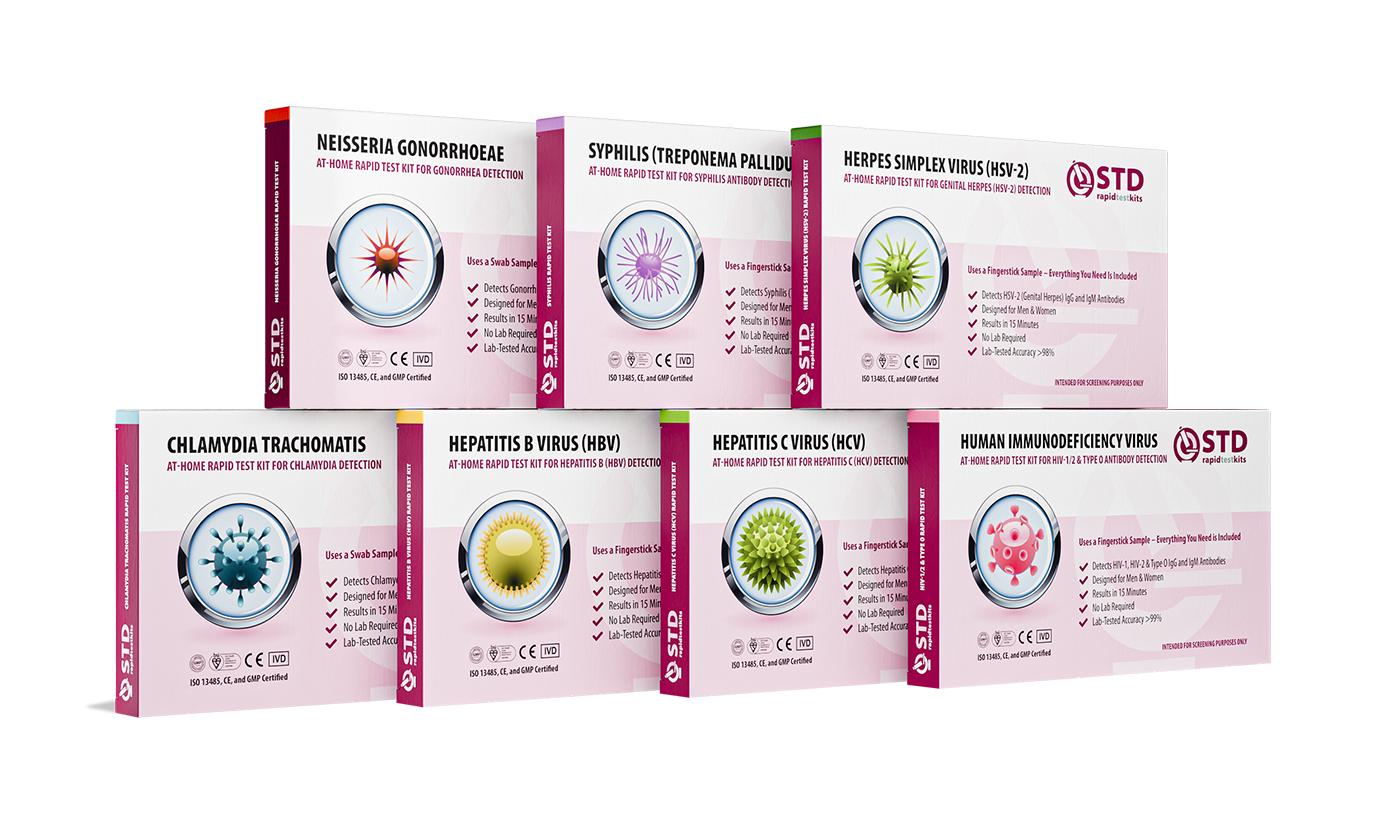
 For Men & Women
 Results in Minutes
 No Lab Needed
 Private & Discreet
Order Now $129.00 $343.00
For all 7 tests
Herpes, HPV, and the Skin-to-Skin Gray Area
So, could Amina have gotten herpes from that towel? Technically, yes. Realistically, almost certainly not.
Herpes simplex virus, both HSV-1 (oral) and HSV-2 (genital), spreads through skin-to-skin contact, especially when there’s a visible sore. But the virus doesn’t live forever outside the body. In moist environments (like a damp towel), HSV may survive for hours, but it becomes significantly weaker and less infectious the longer it sits. According to virology studies, herpes is highly unlikely to spread unless there’s immediate and direct exposure to infected skin or fluids.
HPV (the virus that causes genital warts and some cancers) is a bit hardier. Some research suggests it can linger on surfaces for up to 24 hours. But transmission still requires microtears or friction, like during sex or shaving. Merely brushing against a shared surface, even a towel, usually isn’t enough. HPV transmission from objects remains theoretical, not documented.
In both cases, surface-based transmission is possible but extremely rare. The CDC does not consider towels or toilets a significant risk vector for herpes or HPV. Most infections happen through direct person-to-person contact during oral, vaginal, or anal sex. Shared towels? Not the primary concern.
Still, if you have broken skin, a fresh wound, or recently shaved areas, especially near the genitals, it’s smart to avoid shared damp towels. Not because you’ll get herpes, but because other infections like MRSA, impetigo, or even fungal issues are far more common in those environments.
What That Rash Probably Is (And Isn’t)
Here’s a hard truth: most rashes that people fear are STDs…aren’t. The overlap between normal skin reactions and sexually transmitted infections is massive, and confusing.
A sweaty crease. A new detergent. A tight pair of synthetic underwear. Any of these can trigger redness, bumps, or itching that mimics herpes or chlamydia symptoms. Razor burn? Often mistaken for early genital herpes. Fungal infections like jock itch? They can look like syphilis rashes in their early stages.
We get it, your brain jumps to the worst-case scenario. That’s your survival instinct kicking in. But let’s break down the key differences in how these conditions show up and what they mean.
| Symptom | Likely Cause | STD Concern? |
|---|---|---|
| Small red bumps, non-itchy | Folliculitis, heat rash | Unlikely |
| Clustered blisters, painful | Herpes (HSV) | Possible, test if recent exposure |
| Flat red patch with white edges | Fungal (jock itch, ringworm) | No |
| Pink rash, no itching, resolves quickly | Allergic or contact dermatitis | Unlikely |
| Open sore with crust | MRSA, impetigo | No, but medical care needed |
Table 2: Rash comparison chart, STD-related vs. common skin issues. When in doubt, test, but don’t self-diagnose based on Google images.
If something looks unusual, it’s okay to be concerned. But before assuming the worst, consider how the rash developed. Did it appear hours after a towel rub-down? Did it follow shaving or sweating? Is it getting worse or resolving?
When in doubt, testing can bring peace of mind. And the good news? You don’t need a clinic visit or awkward conversation to get started.
Should You Get Tested After a Towel Scare?
Let’s say you just returned from a hotel trip or spa visit, and now you’re worried. Maybe it’s a rash. Maybe it’s just anxiety. Either way, your brain won’t shut up until you know for sure.
Here’s the thing: even if you didn’t have sex, it’s totally okay to test. You’re not overreacting. You’re taking control. That’s what Ryan, 22, decided after he spent spring break in Cancun. “I was celibate the whole time,” he said, “but I used towels from the hotel gym. Then I noticed a weird red mark on my groin and totally spiraled. I just needed to rule everything out.”
He ordered a rapid test online. Negative. Rash gone in two days. “Best $60 I ever spent,” he told us. “Even if it was just heat rash, I stopped obsessing.”
Testing isn’t just for people who had sex. It’s for anyone who feels uncertain, especially when symptoms, or fears, don’t line up clearly. And the best part? You don’t have to go through a clinic to do it.
At-Home STD Testing vs Clinics: Which Is Better for This Situation?
If you’re dealing with anxiety after a hotel stay or a towel scare, speed and privacy matter. Clinics are reliable, but they also come with wait times, insurance worries, and the awkward “so… I didn’t actually have sex” explanation.
That’s where STD Rapid Test Kits can help. At-home kits offer a discreet way to get results quickly, without explaining yourself to anyone. These aren’t gimmicks, they’re medical-grade devices used by professionals in many countries.
Here’s how they compare for situations like this:
| Test Type | Privacy Level | Speed | Good For |
|---|---|---|---|
| At-Home Rapid Test | Very High | 10–20 minutes | Immediate relief, no clinic visit |
| Mail-In Lab Kit | High | 2–4 days | Detailed, lab-certified results |
| Clinic Test | Moderate | Same day to 1 week | Best for complex or symptomatic cases |
Table 3: Comparison of STD testing options for low-exposure, high-anxiety scenarios.
For most towel-related fears, a rapid test offers fast peace of mind. And if you’re dealing with recurring symptoms or want a full panel, mail-in kits or clinics may be the way to go.
If your head keeps spinning, peace of mind is one test away. This combo kit checks for the most common STDs discreetly and quickly, no appointments, no awkward waits.

People are also reading: False Negatives, Co-Infections, and Mistimed Tests: What Rapid Tests Miss
When to Test (And When to Wait)
Timing matters. If your concern is truly STD-related, even from a rare nonsexual route, you still need to wait out the window period for accurate results.
For example, herpes can take 4 to 12 days to show symptoms after exposure, but testing too early may miss it. HPV may not show up for weeks or even months. That’s why one test may not be enough. If your fear persists, test now and consider retesting in 3–4 weeks.
But remember, if your exposure was only to towels or surfaces, you may not need to test at all. In most cases, medical professionals will reassure you that no known transmission occurred in these situations.
Still, if it helps you sleep at night? Test.
Check Your STD Status in Minutes
Test at Home with Remedium8-in-1 STD Test Kit
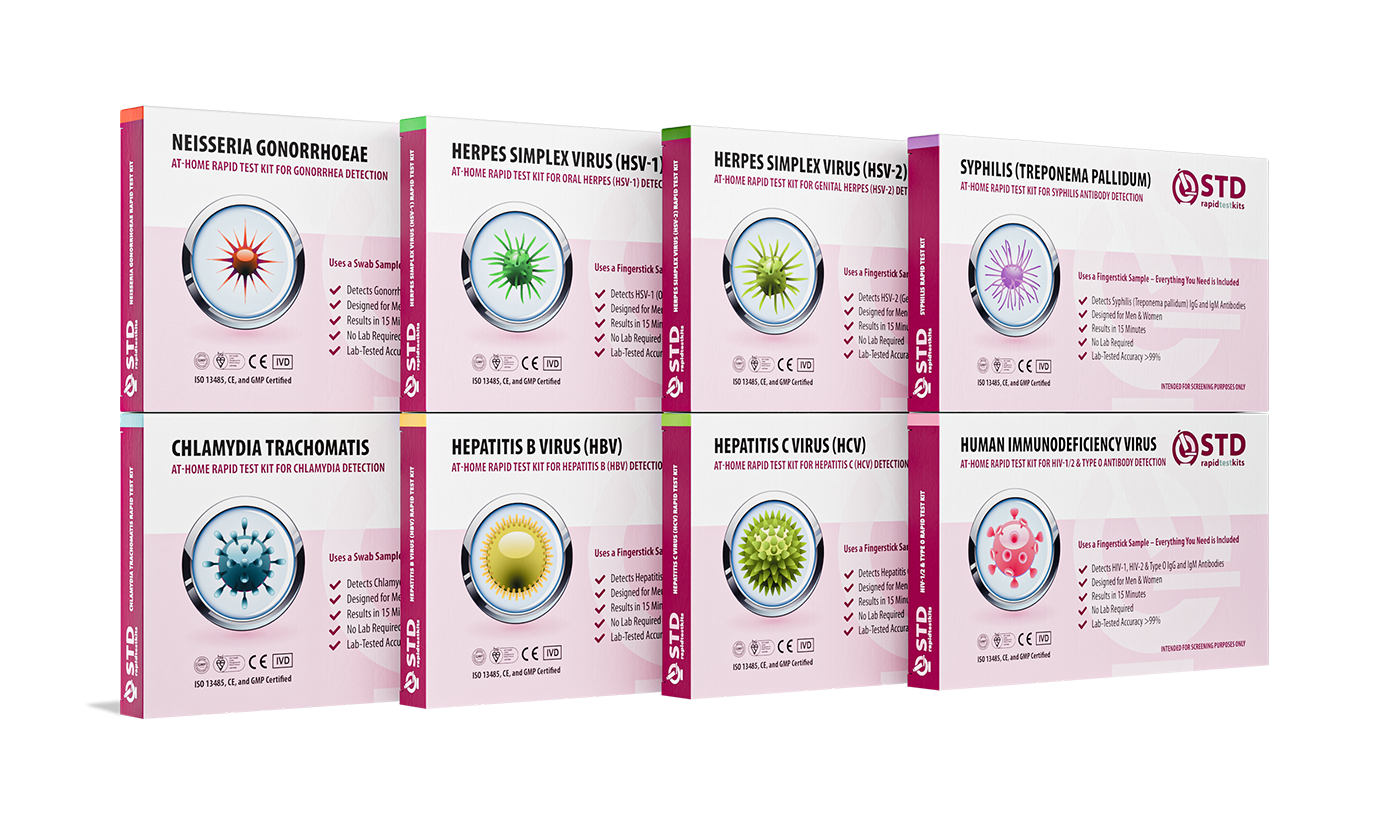 For Men & WomenResults in MinutesNo Lab NeededPrivate & Discreet
Order Now $149.00 $392.00
For all 8 tests
How to Reduce Risk (Without Losing Your Mind)
You shouldn’t have to treat every hotel towel like a biohazard. But if you’re someone who gets anxious about public hygiene, a few small habits can help:
Use your own towel or bring a clean wrap for spa visits. Let skin dry fully before getting dressed. Avoid sitting on wet benches with open cuts or fresh shaves. If you do feel irritation later, keep the area clean and dry, and monitor how it evolves. Most reactions fade within 48–72 hours.
And if they don’t? You know what to do. Test. Don’t Google until 3AM. Don’t spiral. Just get a reliable answer and move on.
FAQs
1. Can you actually catch an STD from a towel?
It’s technically possible with infections like herpes or HPV, but we’re talking lottery odds, and not the good kind. The viruses would have to survive just long enough in the perfect moist, warm environment, and you'd need just the right kind of contact. For the vast majority of people, this simply isn’t how STDs spread. So if you’re spiraling after brushing against a hotel towel, take a breath. You’re not at real risk.
2. What if the towel was damp and someone used it before me?
Still highly unlikely. STD-causing bacteria like chlamydia or gonorrhea can’t live long outside the body. Even herpes, which survives a little longer in moisture, degrades quickly once away from human skin. So unless someone rubbed their active outbreak directly into the towel and you immediately used it on broken skin, yeah, no. Not happening.
3. I shaved before the spa. Does that make me more vulnerable?
Freshly shaved skin is more sensitive, sure. Those tiny nicks can open the door to things like staph or folliculitis, but not most STDs. If you're using shared towels right after shaving, you might feel a little irritation, but that doesn’t mean you’ve picked up herpes. It probably means you need your own towel and a little aloe vera.
4. Okay but what if I have a rash now? Could it be an STD?
Maybe, but probably not from a towel. Most post-spa rashes are from heat, friction, shaving, or bacterial irritation, not sexually transmitted infections. If you’re seeing painful blisters or anything that worsens over days, then yeah, get tested. Otherwise, give it 72 hours, stay cool and dry, and see what your skin decides to do.
5. Is herpes the only one I should be worried about?
If we’re talking towel-related scenarios, then yes, herpes and HPV are the main (but still rare) ones that could, in theory, transfer via indirect contact. But even then, documented cases are nearly nonexistent. What’s more likely? You’ve got razor burn, a rogue ingrown hair, or heat rash pretending to be an STD.
6. Can I get chlamydia or gonorrhea from a toilet seat?
Classic myth. Nope. These bacteria are fragile and need direct genital-to-genital or genital-to-mouth contact. Sitting on a toilet seat, even a nasty one, isn’t going to give you chlamydia. Disgusting? Maybe. Dangerous? Not like that.
7. I feel dumb for even asking this…
Stop. First of all, you're not dumb. Second, you're definitely not alone. Thousands of people have this exact anxiety, especially after travel or spa visits. STD panic thrives in shame-filled silence. The fact that you're asking means you care about your health. That’s smart. Not dumb.
8. Should I get tested anyway just to be sure?
If your worry is eating you alive, testing might be worth it, if only to stop the mental loop. And if you’ve had any kind of sexual contact recently (even oral), testing is a good idea no matter what. You don’t need a “valid” reason to want peace of mind. That’s reason enough.
9. What kind of test should I use if I’m not sure I had any exposure?
A combo panel is your best bet. It covers common infections like chlamydia, gonorrhea, syphilis, HIV, and herpes. Even if the towel scare was just that, a scare, it might help you catch something you didn’t know to look for. And with home tests, you don’t have to explain yourself to anyone.
10. Do doctors really take this seriously?
Surprisingly, yes. You might feel silly, but your provider has probably heard wilder stories. (“I think I got gonorrhea from a barstool” is a real one.) If you're not ready for that convo, start with a home test. No shame, no waiting room, just answers.
You Deserve Answers, Not Assumptions
Maybe you found this article because you woke up anxious, inspecting every bump in the mirror. Or maybe someone told you a story that got under your skin. Either way, you’re not alone, and you’re not ridiculous for asking.
Science is on your side here. The odds of catching an STD from a towel or toilet are incredibly slim. But your feelings are valid, and your peace of mind matters. If you’re still worried, test. If you’re clear, move on stronger. Either way, you’ve got options.
Don’t wait and wonder, get the clarity you deserve. This at-home combo test kit quickly and discreetly checks for the most common STDs.
How We Sourced This Article: We combined current guidance from leading medical organizations with peer-reviewed research and lived-experience reporting to make this guide practical, compassionate, and accurate.
Sources
2. About Sexually Transmitted Infections (CDC)
3. Genital Herpes: Can you get it from a toilet seat? (Mayo Clinic)
4. Can You Get Herpes from a Dirty Towel? (Healthline)
5. Sexually Transmitted Diseases (NIH/NICHD)
6. How Do You Contract HPV? (Medical News Today)
7. What Are STIs (Verywell Health)
8. Can Herpes Be Spread Through Sharing Food and Drinks? (Planned Parenthood)
About the Author
Dr. F. David, MD is a board-certified infectious disease specialist focused on STI prevention, diagnosis, and treatment. He blends clinical precision with a no-nonsense, sex-positive approach and is committed to expanding access for readers in both urban and off-grid settings.
Reviewed by: Dr. Mel Langston, MPH | Last medically reviewed: December 2025
This article is for informational purposes and does not replace medical advice.


