As we journey further into the 21st century, most of us are still fighting health concerns that have gripped the planet Earth for centuries. Of the many such health concerns, HIV and AIDS continue to remain two of the most misconstrued. This misunderstanding generally arises because people believe both are the same, while actually, they represent two different stages of the same illness. In this article, we will untangle the intricate relationship between HIV and AIDS and present a clear understanding of the differences.
03 October 2024
6 min read
258
The Basics: Understanding HIV and AIDS
To properly differentiate between HIV and AIDS, we must first understand what each term means.
HIV Explained
Human Immunodeficiency Virus is a type of retrovirus that gives impairment to the body's immune system. It attacks and weakens the body's mechanisms of defense, opening ultimately the door to infections and diseases. It targets and destroys one type of white blood cell called CD4 or T cells that are crucial in our body's response or defense against infections.
Definition of AIDS
Acquired Immune Deficiency Syndrome, better known by the acronym AIDS, is the most advanced stage of an HIV infection. It is not a virus, but rather the condition that results when the immune system becomes so compromised by the human immunodeficiency virus that it is no longer able to protect the body against certain diseases and infections.
HIV to AIDS: Not an Exchange, but a Continuum
A very important understanding in the conversation that is present between HIV and AIDS is the fact that AIDS is not a different or separate disease but represents the most advanced stage of the infection by HIV. One does not "turn into" or "switch over" to another; rather, an individual living with HIV may advance to a diagnosis of AIDS if their immune system becomes substantially weakened.
Symptoms: Unpacking the Signs of HIV and AIDS
The symptoms of HIV and AIDS are often very misleading; this is one of the major reasons diagnosis and proper treatment are generally delayed.
Early Signs of HIV
In the first couple of weeks following infection, the individual can have a flu-like illness that includes fever, headache, rash, and swollen lymph nodes with a sore throat. This symptomatology can easily be mistaken for some other disease process such as the flu or even mononucleosis.
Late-Stage HIV and AIDS Symptoms
The more advanced the disease of HIV, and therefore the weaker the immune system, the more serious and diverse the symptoms become. They include unexplained weight loss, chronic fatigue, prolonged swelling of the lymph nodes, recurring fever, persistent diarrhea, and unusual infections. An AIDS diagnosis occurs when an individual's CD4 count goes below 200 cells per cubic millimeter of blood, or when certain opportunistic infections or cancers happen.
Testing Regularly
The subtlety and wide range of symptoms make regular testing for HIV using a rapid test for HIV very relevant. The sooner an infected person learns about their infection, the sooner they can begin treatment to suppress the virus and preserve their immune system's health, preventing them from progressing to AIDS.
Prevention and Treatment: The Path to Healthy Life
There is as yet no cure for HIV but advances in medical science have greatly improved the quality of life of people with the virus.
Prevention of HIV Transmission
Prevention of HIV includes behaviors such as having protected sex by using condoms, not sharing needles, and for those who may be at high risk, taking PrEP. Moreover, if one has HIV, early and consistent ART can reduce his or her viral load to undetectable amounts, thus making it practically impossible to transmit the virus to another person.
HIV and AIDS Treatment
Treatment of HIV and AIDS is holistic—physical, mental, and social. Besides ART, check-ups should be done on a routine basis so that one's immune condition and side effects of the treatment could be watched. A wholesome diet and regular exercise can also strengthen the immune system. This is an emotionally draining diagnosis; hence, mental health support would be quite instrumental in helping the individual cope with anxiety, depression, and fear feelings associated with the condition. Social support through family, friends, and support groups may prove quite instrumental in helping individuals cope with the diagnosis and treatment regimens. If such a patient progresses to AIDS, the treatment strategy may include additional medications aimed at managing opportunistic infections. In short, HIV and AIDS need continuous medical treatment and a supportive environment in society.
Treatment of AIDS
Once the infection advances to AIDS, the treatment becomes fairly complex. Other than ART, treatment for AIDS largely involves a series of opportunistic infections and conditions that one contracts when the immune system is weak. It requires immediate hospital attention and an integrated health approach, including mental and social aspects.
Understanding HIV and AIDS: More Than Medical Terminology
The distinction between the use of HIV and AIDS is not merely medical, but in essence, it does make a great difference to the very perception and dealing with this disease in society.
Breaking the Stigma
The world over, stigma and discrimination remain some of the major barriers to responding to HIV and AIDS. Generally, the misunderstandings about the difference between the two usually bring increased stigma and fear. Increasingly being made known in the public the difference between HIV and AIDS is a way of breaking barriers to prevention, testing, and access to treatment.
Supportive Environments
Knowing that a person with HIV can live a healthy life and having HIV is not synonymous with AIDS can make the setting even more enabling. It allows better support systems for people living with HIV, warranting them to seek and adhere to treatment.
Advocating for Health Equity
Understanding the difference between HIV and AIDS defines health equity in that early diagnosis and access to treatment, added to steady healthcare, are very important and underline the fact that diagnosed HIV does not point directly to AIDS.
Conclusion: A Call for Awareness and Understanding
HIV and AIDS are many times used interchangeably, but they refer distinctly to different stages of the same disease process.
Unraveling the difference between HIV and AIDS, there comes a very critical understanding whereby, though interrelated, they are actually different points in the continuum of disease. The intricateness of their link reminds one that there is yet much to strive for in world health, but it also underlines the quantum leaps of medical science that transformed an HIV diagnosis from a sure death warrant into a chronic condition.
As we continue to raise stigmas, break awareness, and advocate for health equity, it is our collective responsibility to make this difference between HIV and AIDS clear. We are then able to create a more encouraging and understanding environment, which acts to promote the continued fight against these conditions.
While looking to the future, it's the hope that one day, due to relentless research, education, and compassion, we will find ourselves part of a world where HIV and AIDS are inoperative. Till then, to know the difference between these two stages and to further spread this information is a movement in the right direction.







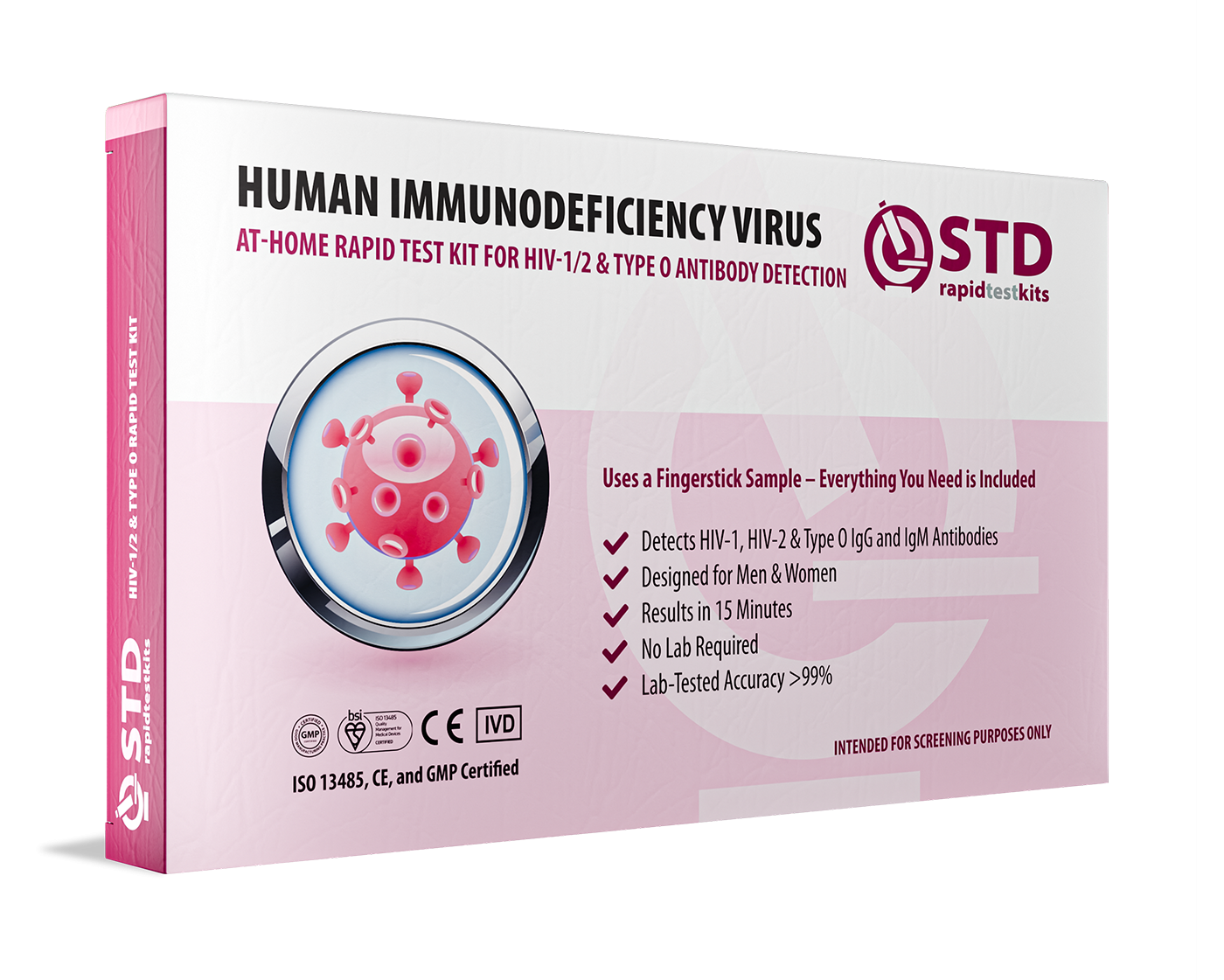
 For Men & Women
 Results in Minutes
 No Lab Needed
 Private & Discreet


