





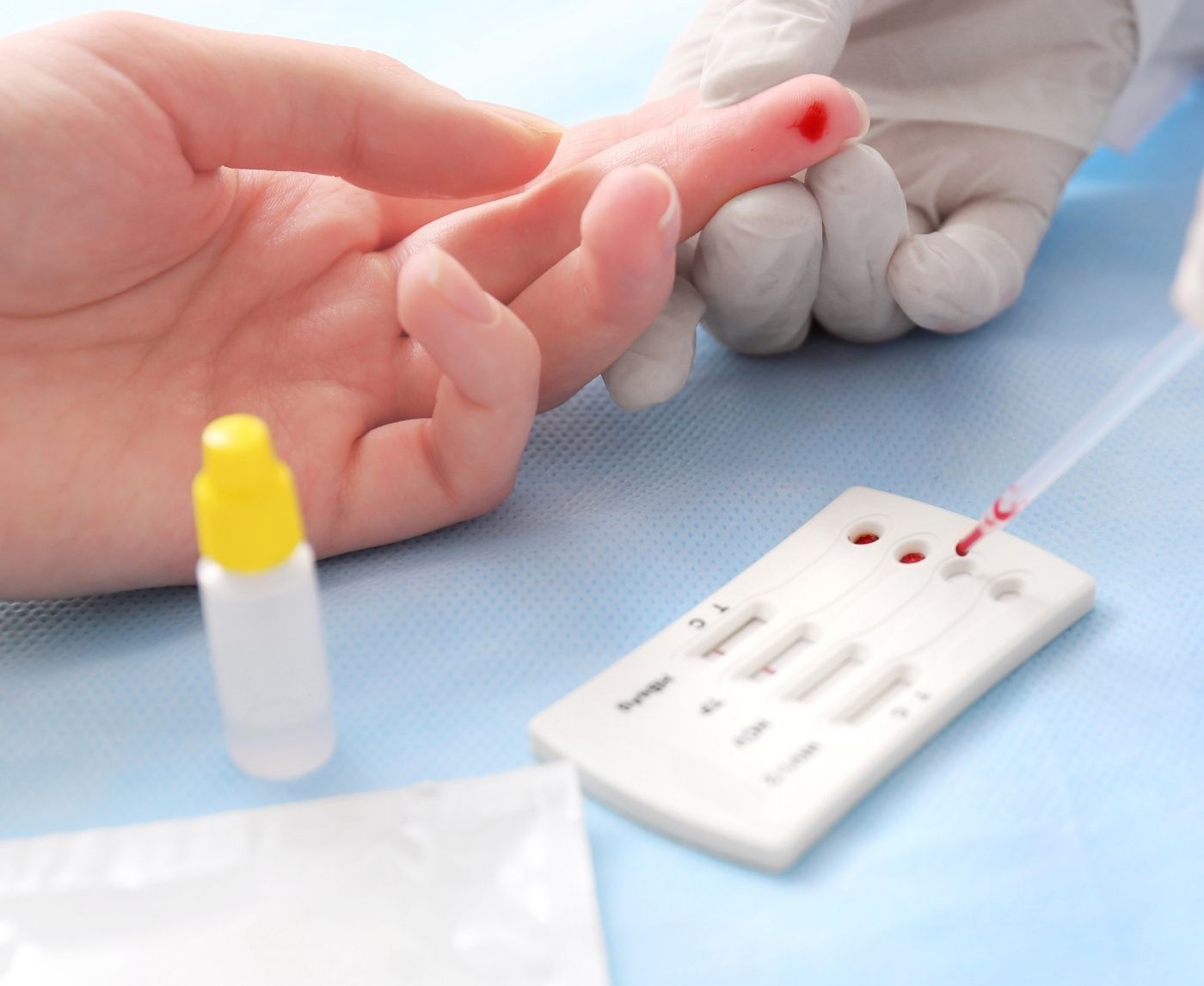

Quick Answer: HIV can take 10 to 33 days to show up on the most sensitive tests. Testing too early increases the chance of a false negative. Retest at 45 days and again at 90 days if risk was high.
Who This Article Is For, and Why This Happens So Often
If you’ve ever found yourself refreshing the search results for “how soon after exposure can HIV be detected,” this article is for you. It’s for the person who tested on day 3 and felt relief, then uncertainty. It’s for the person who was told “you’re negative” but still feels off. And it’s for anyone trying to make sense of test results without judgment, shame, or misinformation.
Too-early testing happens because fear moves faster than viruses do. You wake up with guilt, or with a rash that wasn’t there before. You test. It’s negative. But that doesn’t always mean you’re clear. Unlike the movies, HIV doesn’t show up instantly. It takes time, and different types of tests pick it up at different stages. Understanding that timeline can save you from panic, or worse, from false reassurance.
Whether you’re reading this the day after a risky night, or weeks into wondering what to do next, keep reading. We’ll walk you through how HIV tests work, what each window period means, what retesting looks like, and how to know when your result is final.
What Happens If You Test Too Early for HIV?
HIV doesn’t become detectable the moment you’re exposed. First, the virus has to replicate enough in your body to trigger an immune response or show up in your blood. That takes time, and that time is called the window period. If you test before that window closes, you might get a false negative. That means the test says you’re negative even though the virus is there, just undetectable.
In Noah’s case, he used a finger-prick rapid antibody test on day three. These types of tests rely on the body’s immune response to produce antibodies against HIV. But antibodies usually take three to twelve weeks to appear. So that negative result was basically meaningless at that stage.
Here’s what different test types can (and can’t) detect, and when:
| HIV Test Type | What It Detects | Earliest Detection | Most Reliable Timing |
|---|---|---|---|
| Antibody Rapid Test (oral or fingerstick) | HIV antibodies | 21 days | 90 days post-exposure |
| 4th Gen Lab Test (Ag/Ab combo) | HIV antibodies + p24 antigen | 18 days | 45+ days post-exposure |
| HIV RNA/NAAT Test | HIV genetic material (RNA) | 10 days | 14–33 days post-exposure |
Table 1. How early different HIV tests can detect the virus. Notice how the fastest test, NAAT, can still take up to 10 days to show a result, and how the most common tests (like rapid antibody) require up to 90 days for full accuracy.
Testing early doesn’t mean you did something wrong. It means you wanted answers. But it’s important to see a negative result in the context of timing. False negatives don’t happen because the tests are bad. They happen because your body hasn’t produced enough viral material or antibodies to trigger a detectable result.
People are also reading: Can a Baby Get an STD from Breastfeeding? What Doctors Say
The HIV Window Period: What It Really Means
Let’s break this down. After exposure to HIV, there’s a period of time when you can be infected but still test negative. That’s the window period. It's not the same as the incubation period (when symptoms might show), and it varies by test type.
Here’s a simplified way to visualize it:
| Days Since Exposure | Risk of False Negative | Test Reliability |
|---|---|---|
| 0–10 days | Extremely High | Too early for all test types |
| 11–20 days | High | NAAT may detect, others likely still negative |
| 21–44 days | Moderate | 4th gen tests may detect; rapid tests still unreliable |
| 45–89 days | Low | Most tests are reliable; retesting may be needed if high risk |
| 90+ days | Very Low | Final test confirmation period for most exposure scenarios |
Table 2. Generalized HIV testing window. Keep in mind that people with weakened immune systems, recent STI infections, or those on PEP/PrEP may need longer monitoring or specialized test types.
This is why many public health agencies recommend a two-step process: test once at 30–45 days, and again at 90 days. If both are negative and there’s been no new exposure, you can feel confident in your result.
Check Your STD Status in Minutes
Test at Home with Remedium6-in-1 STD Test Kit
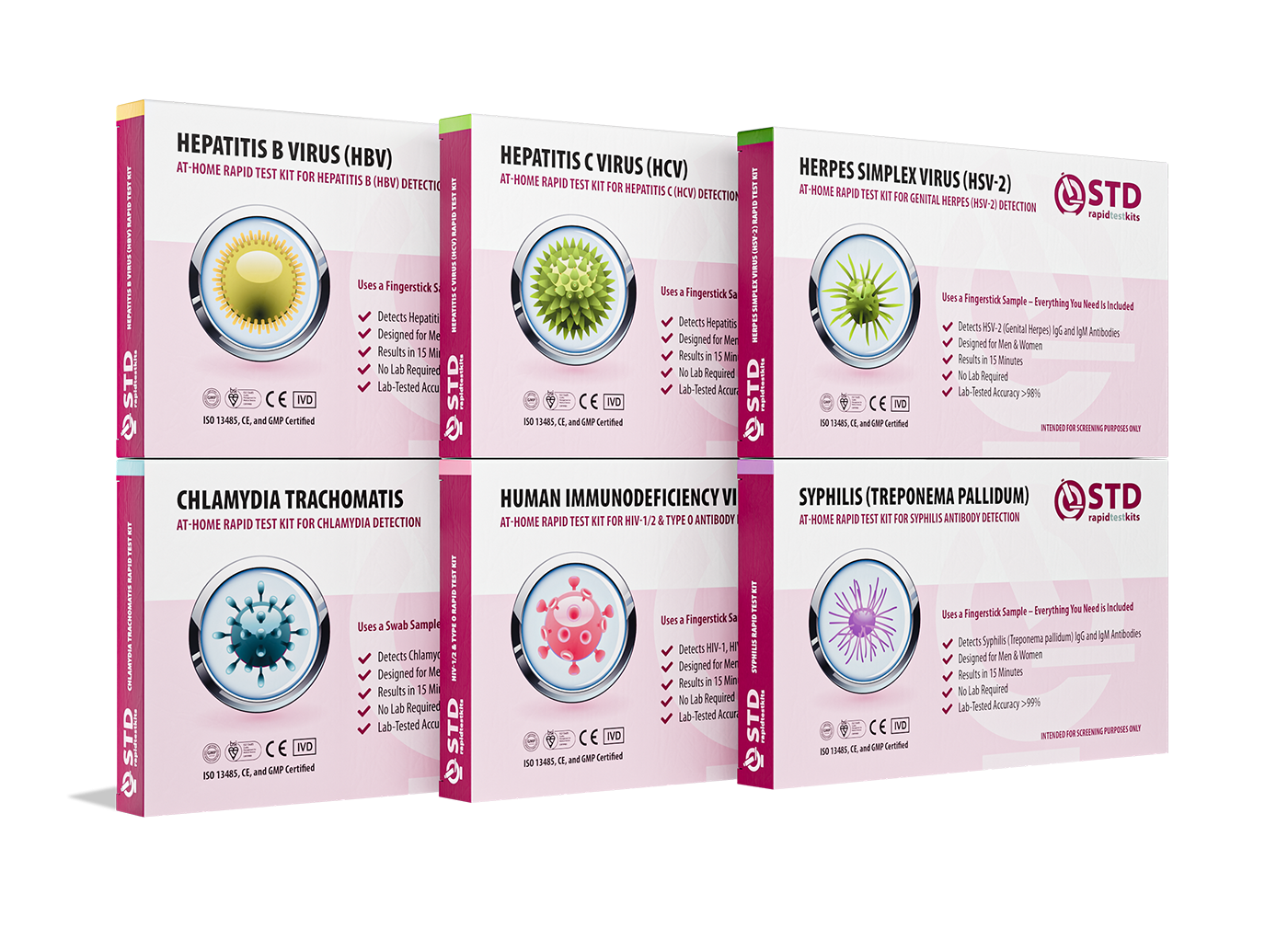
 For Men & Women
 Results in Minutes
 No Lab Needed
 Private & Discreet
Order Now $119.00 $294.00
For all 6 tests
What I Wish I Knew: A Case Study of Testing Too Soon
When Noah took that first test on day three, he thought he was doing the responsible thing. And he was. But what no one told him, what the Google searches only half-explained, is that HIV doesn’t follow your emotional timeline. It follows biology. On day three, there simply wasn’t enough in his body for the test to detect. And yet, the negative result gave him false peace. He told his partner. He relaxed. It wasn’t until day 20, when he started to feel run-down, that the fear came roaring back.
He tested again, this time using a mail-in lab kit that included a 4th generation antigen/antibody test. It came back negative. But the support email said something that stuck: “If your exposure was recent, consider retesting in 30 to 45 days.” Noah stared at that line for a long time. He didn’t feel “recent.” Three weeks had passed. But HIV doesn’t care about how long it feels, it only cares about viral load, antibodies, and whether the test is ready to detect them.
Noah retested at day 47. This time, the result still said negative, but now it meant something. It was past the critical window for that test type. He would test one more time at day 90 just to be sure, but the weight on his chest had started to ease. Not because he was cleared, but because he finally understood the process.
His takeaway? “I wish someone had told me not to test so soon. Or at least told me that a negative on day three isn’t a result, it’s just the beginning of the clock.”
Choosing the Right HIV Test (And Why It Matters)
If you’ve already tested once, you might be wondering whether your next test should be the same type, or if you need something different. Here’s the breakdown in real-world terms:
If you need peace of mind fast, but it’s been fewer than 10 days since exposure, you’re unlikely to get accurate results. However, you may still benefit from a test to establish a baseline and mentally prepare for the next one. The best choice here is either a lab-based NAAT (nucleic acid test) or a 4th generation combo test, especially if you’re at high risk.
If it’s been 14 to 28 days, a lab test with both p24 antigen and antibody detection is ideal. You may still need to retest later, but many infections will be detectable by now.
If it’s been 45+ days, most test types are reliable, including oral swab rapid tests and at-home fingerstick kits. If you need privacy or can’t access a clinic, this is the safest window to use at-home options like the HIV Rapid Test Kit.
Some people choose to test multiple times using different test types to feel more certain. That’s valid. But spacing those tests to match the right detection window is far more important than stacking them all in the first few weeks.
Peace of mind isn’t just about getting a result, it’s about knowing that the result is trustworthy. The right test at the wrong time won’t help. But the right test at the right time? That’s freedom.
Should You Retest? Here’s How to Decide
The CDC, WHO, and most major health agencies all agree on one thing: for most people, a negative HIV test at 90 days post-exposure is considered conclusive. But if you’re in a higher-risk category, such as having multiple partners, a recent STI, using PEP/PrEP, or being immunocompromised, you may need to retest or follow a modified timeline recommended by your doctor.
So when should you retest? Let’s look at three common examples:
Case A: Tested at 10 days with a NAAT, result negative. This result rules out early infection for many people, but you should still test again at 30 to 45 days to confirm. NAAT tests are incredibly sensitive, but can occasionally miss very low viral loads in the earliest phase.
Case B: Took a rapid antibody test at 20 days, result negative. This test was too early. Antibodies generally take 3–12 weeks to develop. Retest at 45 and again at 90 days. A negative here is not confirmation of being uninfected.
Case C: Used a 4th generation test at 48 days, result negative. This is approaching conclusive. Retesting at 90 days is ideal, especially if you’ve had any new exposures or are taking HIV prevention medication. If no new risks, this result is likely trustworthy.
Noah’s final test, at day 90, was his green light. His earlier tests were data points. But this one gave him closure. And in his words, “It was the first time I exhaled all month.”
If you're not sure when to retest or what type to use, visit our homepage for private, affordable testing options and guidance.
Handling the Wait: What to Do Between Tests
The hardest part isn’t always the test. It’s the time between them. If you’ve tested early and now you’re counting the days to retest, that space can be emotionally brutal. You might find yourself Googling the same things every night: “does HIV show symptoms after 2 days,” “can a negative test be wrong,” “is fatigue a sign of HIV.”
This is normal, but not always helpful. Here’s what can actually ground you during that waiting period:
First, limit how often you research symptoms. HIV symptoms, if they appear at all, usually show up 2 to 4 weeks post-exposure and can resemble the flu. Fever, sore throat, fatigue, rash. But many people have no symptoms, or symptoms that are vague and unrelated. Googling yourself into a spiral won’t bring clarity, it’ll just bring more fear.
Second, if you’re in a relationship or seeing someone new, this is a moment to talk about testing together. It doesn’t have to be a confession. It can be a shared step toward safety. Many people carry HIV without knowing it. Testing isn’t about blaming or proving, it’s about protecting.
And third, take action where you can. Order a test with a timeline reminder. Put the retest date in your phone. Plan a reward for yourself once you get through it. Whether it’s a meal, a day off, or just the knowledge that you advocated for your own health, make that future moment real. You’re not waiting helplessly. You’re healing forward.
Privacy, Discretion, and Testing Without Telling Anyone
By the time Noah reached day 47, the science finally made sense. But there was still another layer he hadn’t expected to wrestle with: privacy. He didn’t want coworkers to know why a package was arriving. He didn’t want a pharmacist calling his name. He didn’t want to explain anything to anyone until he was ready.
This is where at‑home HIV testing changes the experience. Discreet shipping, unmarked packaging, and private result access remove a major barrier for people who already feel exposed. For many readers, especially those in small towns, conservative families, or shared living situations, privacy isn’t a preference. It’s the difference between testing and not testing at all.
At‑home options also let you test on your own terms. You can wait until the right window period. You can choose the test type that fits your timeline. And you can do it without having to justify your sexual history to anyone. If privacy matters to you, the HIV Rapid Test Kit allows testing at home once you’re within the reliable detection window.
Testing should feel like care, not exposure. If the environment around you doesn’t feel safe yet, choosing a private option is a valid form of self‑protection.
What If You Test Positive After Waiting?
This is the question most people are afraid to even think about. But knowing what happens next can make the waiting less terrifying. A positive HIV test is not the end of your life, your relationships, or your future. It is the beginning of treatment, clarity, and stability.
If an at‑home test comes back positive, the next step is confirmatory testing through a lab or healthcare provider. This isn’t because at‑home tests are unreliable. It’s because HIV diagnosis requires two independent tests by medical standards. Many people are connected to care within days, often through telehealth if in‑person visits feel overwhelming.
Modern HIV treatment is highly effective. With consistent medication, most people reach an undetectable viral load within months. Undetectable means the virus cannot be sexually transmitted. This principle, known as U=U (Undetectable equals Untransmittable), has transformed both health outcomes and stigma. According to the CDC, people who stay undetectable live long, healthy lives and do not pass HIV to their partners.
Noah never tested positive. But while waiting, he read story after story of people who did. What surprised him wasn’t the fear, it was how quickly those stories shifted toward normalcy. Jobs. Dating. Travel. Parenthood. HIV today is a manageable chronic condition, not a death sentence.
If you ever do receive a positive result, you will not be alone. Support systems, treatment pathways, and confidential care exist specifically for this moment. Knowing that ahead of time doesn’t make the wait painless, but it makes it survivable.
People are also reading: When a Rash Is the Only Clue: Could It Be Herpes?
Why Symptoms Aren’t a Reliable Clue
One of the most common reasons people test too early is symptoms. A sore throat. Night sweats. A rash. Fatigue that feels heavier than usual. The body feels different, and the mind fills in the gaps.
Acute HIV symptoms, when they occur, typically appear two to four weeks after exposure. They often resemble the flu or a viral illness: fever, swollen lymph nodes, headache, muscle aches, and sometimes a rash. But many people experience none of these. Others experience them for unrelated reasons, like stress, sleep loss, or another infection entirely.
Noah convinced himself the sore throat on day 12 was “the sign.” It wasn’t. It was allergies. But by then, his nervous system was already activated. This is why symptoms alone should never guide your testing decisions. Timing does.
The absence of symptoms doesn’t mean you’re in the clear. And the presence of symptoms doesn’t mean you have HIV. The only thing that gives answers is testing at the right time.
Check Your STD Status in Minutes
Test at Home with Remedium6-in-1 STD Test Kit
For Men & WomenResults in MinutesNo Lab NeededPrivate & DiscreetOrder Now $119.00 $294.00
For all 6 tests
Retesting Without Shame or Panic
Retesting doesn’t mean you failed the first time. It means you understand how HIV testing works. Every retest increases confidence, not suspicion.
Here’s the emotional reframe that helped Noah the most: the first test wasn’t wrong. It was just early. The second test wasn’t overkill. It was responsible. And the final test wasn’t about fear. It was about closure.
If you’re currently between tests, remind yourself that this process has an end. Put the date on your calendar. Set reminders. Choose the test method you trust. And when the time comes, take the test knowing you gave it the best chance to be accurate.
If you’re unsure which test fits your timeline, STD Rapid Test Kits offers clear guidance and discreet options so you can test with confidence, not guesswork.
FAQs
1. Can I really test negative for HIV and still have it?
Yes, especially if you test too soon. Think of it like checking a pregnancy test before the hormones kick in, it’s not the test’s fault, it’s just too early. That’s why timing matters. A negative test within the first 10–30 days might not be telling the whole story yet.
2. How soon is “too soon” to test for HIV?
If it’s been less than 10 days since exposure, even the most sensitive lab tests likely won’t catch it yet. That’s because the virus hasn’t built up enough to be detected. If you're in this window, you're not alone, but you'll need to test again later to be sure.
3. Is a 30-day HIV test result good enough?
It’s a solid sign, especially if you used a lab-based 4th generation test. But most guidelines still recommend retesting at 90 days just to close the loop. If your exposure was high-risk or you're on PEP, that retest isn’t optional, it’s essential.
4. I took a rapid test at home and it was negative. Am I clear?
Maybe. But ask yourself: how long ago was the exposure? Most at-home rapid tests can only give you accurate results after about 90 days. Before then, it’s a coin toss, comforting, maybe, but not conclusive.
5. What does a “false negative” really mean?
It means your test said you were negative, but the virus was too early in the process to show up. It's not that the test is broken, it’s that HIV plays hide-and-seek really well in those early weeks. That’s why retesting later is the real finish line.
6. If I take PEP or PrEP, will that change when I need to get tested?
Yes. It's good that these drugs can slow down or stop HIV early on, but if someone is infected, it might take longer for a test to show that they are positive. You may need a longer testing timeline, often up to 3–6 months, with guidance from a healthcare provider.
7. I feel fine. Do I really need to test?
Absolutely. HIV often has no symptoms in the early stages, or ever. Feeling healthy doesn’t mean you’re in the clear. Many people carry HIV for years without knowing, and that’s exactly why regular testing matters, especially after risk events.
8. Can stress give me HIV-like symptoms?
You bet. Anxiety can cause fatigue, sweats, sore throat, muscle tension, all things that mimic early HIV symptoms. If you’ve been doomscrolling, not sleeping, and living on caffeine, your body’s going to feel it. That doesn’t mean you’re infected. It means you’re human. Get tested at the right time and give your nervous system a break.
9. I already tested negative once. Why do I need to do it again?
Because the virus may not have been detectable yet. Think of your first test as a snapshot, it’s helpful, but not the full movie. Retesting closes the story and gives you an answer you can trust, not just hope for.
10. How do I stay sane while waiting to retest?
Plan it. Put the retest date on your calendar and walk away from the rabbit hole of Reddit symptom threads. Set a goal or reward for yourself, maybe a road trip, a massage, a playlist that drowns out the noise. Waiting is hard. But it’s not forever. You’re almost there.
You Deserve Answers, Not Assumptions
If you've made it this far, you're already doing what so many people are afraid to do: face the unknown. You’ve Googled, you've tested, maybe you’ve even panicked once or twice. That’s okay. You’re human. But here's the truth most people won’t say out loud, being responsible doesn’t always feel good in the moment. It feels messy. Confusing. Lonely. Especially when you test too early and don’t get clarity right away.
Noah thought his first test would give him peace of mind. Instead, it gave him a question mark. But that didn’t mean he failed. It meant he cared enough to act, even before the timing was perfect. That first test started a clock. The second test gave direction. The final test gave closure.
You deserve that same closure. Not a vague maybe. Not a rushed result. A real answer. One that gives you the confidence to move forward, clearer, safer, stronger.
Don't wait and wonder; get the answers you need. This private HIV test kit lets you test when you want, where you want, and how you want.
How We Sourced This: This article was informed by current public health guidance, peer‑reviewed research, and real‑world testing experiences.
Sources
1. World Health Organization – HIV/AIDS Fact Sheet
2. How HIV Is Diagnosed and Treated | Mayo Clinic
3. NIH – HIV Treatment Information
4. HIV Testing Overview | HIV.gov
5. HIV Screening Test | MedlinePlus
6. Clinical Testing Guidance for HIV | CDC HIV Nexus
7. HIV Testing - StatPearls | NIH Bookshelf
9. HIV Testing | Cleveland Clinic
About the Author
Dr. F. David, MD is a board‑certified infectious disease specialist focused on STI prevention, testing access, and patient‑centered education.
Reviewed by: J. Martinez, MPH | Last medically reviewed: December 2025
This article is for informational purposes and does not replace medical advice.


