







Quick Answer: You can test too early for gonorrhea. The infection typically becomes detectable by most tests between 7 to 14 days after exposure. Testing earlier can result in a false negative, so retesting later is often recommended if you test before day 7.
Who Needs to Read This (And Why It’s Not Just About Sex)
This article is for the person who got tested the morning after a one-night stand. It’s for the person in a new relationship, trying to do the right thing. It’s for anyone who feels that gnawing fear in their stomach but also doesn’t want to overreact. It’s also for those who’ve been through this before, who know how heavy it feels to wait for answers, especially when your body feels fine but your brain won't calm down.
You might be wondering, “Should I even bother testing if it’s been less than a week?” The answer isn’t just about what the test says, it’s about what you need for peace of mind, safety, and next steps. And understanding the science behind testing windows doesn’t just help you. It helps the partners you care about, the decisions you’ll make next, and your ability to respond with clarity instead of confusion.
This article will walk you through what counts as a gonorrhea test, how early is too early, how retesting works, what symptoms (or lack of symptoms) really mean, and why timing is one of the biggest reasons people get misleading results. We'll also touch on privacy, partner conversations, and what happens if the result is positive. But first, let’s ground this in a basic truth: not all STD tests work the same, and not all infections show up right away.
Gonorrhea Testing 101: What Actually Counts as a Test?
When you test for gonorrhea, you’re usually using something called a NAAT, short for nucleic acid amplification test. It's a molecular-level test that looks for the genetic material of the bacteria that causes gonorrhea, Neisseria gonorrhoeae. This kind of test doesn’t rely on your body having an immune response. Instead, it finds the bacteria directly, which means it can often detect an infection earlier than something like an antibody test.
NAATs are used in most clinics, urgent care centers, and are also the backbone of high-quality mail-in lab kits and FDA-cleared rapid tests. They can use a urine sample, a vaginal or cervical swab, or a throat or rectal swab, depending on where exposure happened. At-home test kits generally use urine samples for genital gonorrhea detection, though some offer swabs for oral or rectal testing as well.
What’s important to understand is that even though the test is sensitive, it still needs enough bacterial material to detect. That’s where timing comes in, too soon, and there might not be enough of the bacteria present to trigger a positive result.
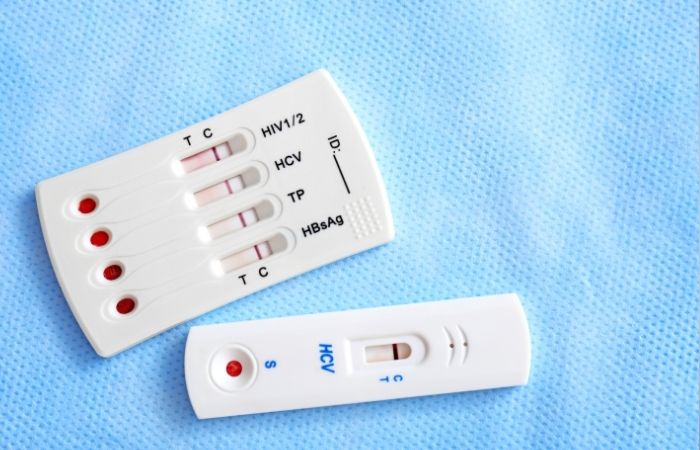
You can check out the full range of accurate, lab-grade options through STD Rapid Test Kits. You’ll find discreet delivery, options for combo kits, and guidance on how to choose the right test for your timeline.
People are also reading: I Might Have Given Them Something, How to Talk About STD Exposure
The Gonorrhea Window Period: Why Timing Makes or Breaks Your Result
The term “window period” refers to the time between when you’re exposed to an infection and when a test can reliably detect it. For gonorrhea, this window isn’t immediate. After exposure, the bacteria need time to multiply to levels that can be detected. Most NAAT-based tests start to detect gonorrhea around day 5 to day 7, but the sweet spot for highest accuracy is usually between day 7 and day 14. Testing before this can give you a false negative, even if you’re infected.
Let’s make that concrete: if you had unprotected sex on a Saturday and tested on Monday, it’s almost certainly too soon. You might get a negative result, but that doesn’t mean you’re in the clear. Your test may simply not have had enough time to catch the bacteria in action. That’s where so much of the confusion and heartbreak around testing comes from: thinking a negative early result means you’re safe, only to find symptoms or positive retests later.
| Days Since Exposure | Gonorrhea Detection Likelihood | What to Know |
|---|---|---|
| 0–3 days | Low | Too early, bacteria may not have multiplied enough for detection |
| 4–6 days | Increasing | Some early cases may be caught, but false negatives still possible |
| 7–14 days | High | Most accurate window for testing, ideal for reliable results |
| 15+ days | Very High | Test accuracy peaks, also useful for detecting persistent or untreated cases |
Figure 1. Gonorrhea detection window based on common NAAT tests. Testing too soon can lead to false negatives, which is why timing your test matters as much as taking it.
Order Now $119.00 $294.00 Check Your STD Status in Minutes
Test at Home with Remedium
6-in-1 STD Test Kit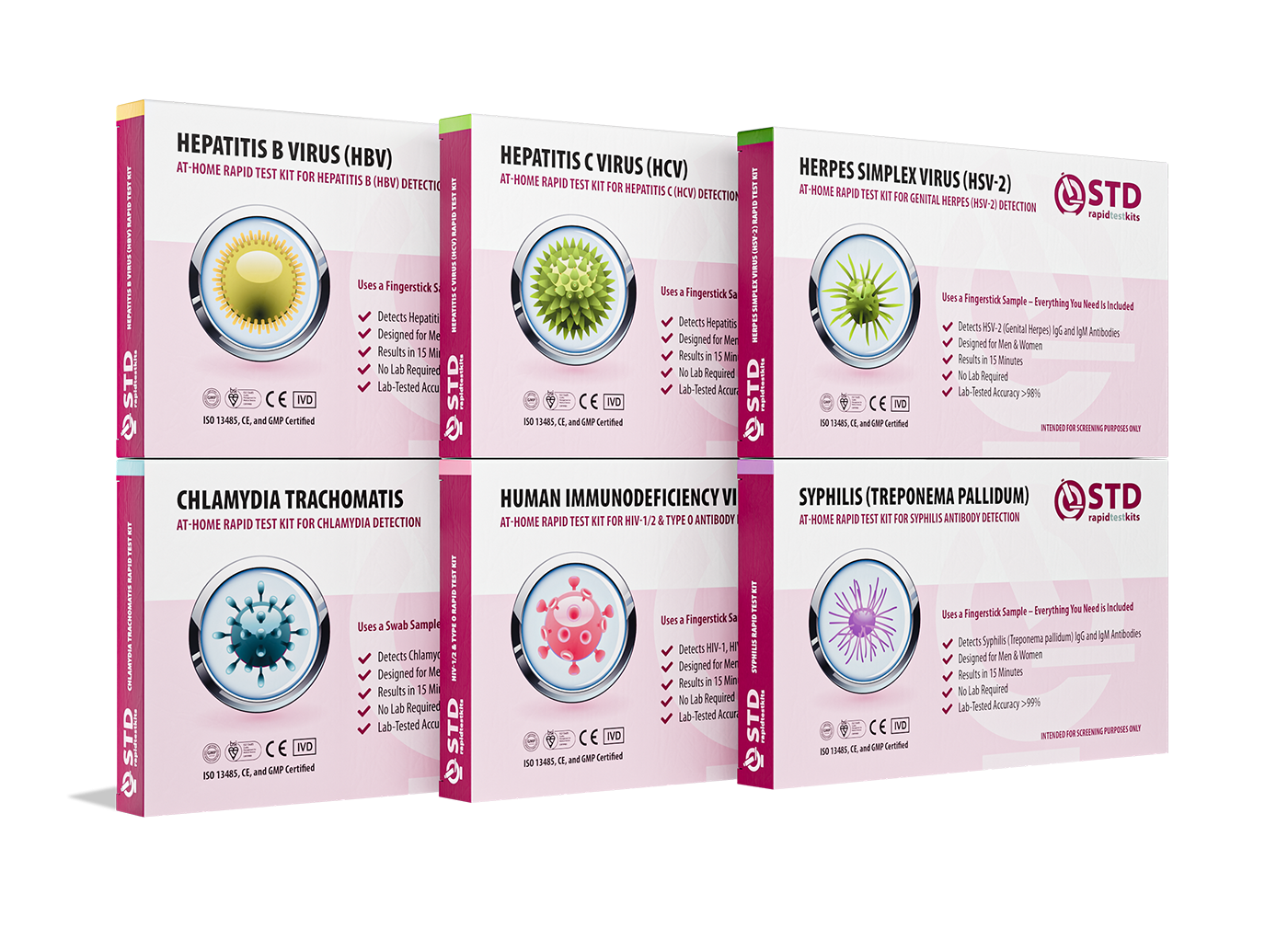
 For Men & Women
 Results in Minutes
 No Lab Needed
 Private & Discreet
For all 6 tests
What If You Have Symptoms, But It’s Still “Too Early”?
Let’s talk about the itch, the burn, the drip, because here’s the thing: symptoms don’t always wait for the test window. In fact, some people start experiencing signs of gonorrhea within just a few days of exposure, even though a test might still come back negative if taken too soon. And here’s where it gets emotionally messy: how do you trust your body if the test says “no infection” but the symptoms are screaming otherwise?
Picture this: Jasmine, 27, had unprotected sex with someone she met through friends. Four days later, she started feeling a burning sensation when she peed and noticed a yellowish discharge. She panicked and ordered an at-home test the same day. The result came back negative two days later. Relieved, she ignored the symptoms for another week, until things got worse. When she finally went to urgent care on day 12, a retest came back positive.
This happens more often than you’d think. Gonorrhea can present early symptoms like painful urination, increased discharge, or even spotting, particularly in people with vaginas. But not everyone will experience them. Some never do. And even when symptoms are present, early testing can still miss the infection due to insufficient bacterial load.
If you have symptoms, trust them. Testing immediately is still useful as a baseline, but retesting is essential, especially if symptoms persist or worsen. The danger lies not in the act of early testing itself, but in assuming a negative result means you’re clear without factoring in timing or bodily changes.
Exposure Scenarios: How Context Changes the Testing Timeline
It’s not just about the calendar, it’s about how you were exposed. Oral sex, anal sex, shared toys, no condoms, even a broken condom, each of these exposure types can influence when and how gonorrhea shows up in your body and how it’s tested.
Let’s say you gave oral sex to someone and they ejaculated in your mouth. The risk for throat gonorrhea is real, and harder to detect. Many standard tests don’t include throat swabs unless requested, and oral infections are more likely to be asymptomatic. If you took a urine test five days after that encounter, it might come back negative even if you were infected, because it never looked in the right place.
Now imagine Marco, 33, who had receptive anal sex with a new partner. He used protection, but the condom slipped halfway through. Feeling nervous, he tested with a urine-based home kit three days later. It came back negative, but he wasn’t convinced. At day 10, he got a rectal swab through a local clinic, and that test flagged gonorrhea.
This is why knowing your exposure type matters. If the test didn’t target the site of exposure, it might miss the infection altogether. And even if it did, testing before day 7 can still give you false negatives. Below is a breakdown of exposure scenarios and how they relate to testing windows and test types.
| Exposure Type | Sample Needed | Ideal Testing Window | Testing Tips |
|---|---|---|---|
| Vaginal sex | Urine or vaginal swab | 7–14 days | Early testing okay, but retest recommended after day 7 |
| Anal sex | Rectal swab | 7–14 days | Must specifically request or use a kit with rectal swab |
| Oral sex | Throat swab | 7–14 days | Often missed, most at-home kits don’t test throat |
| Shared sex toys | Depends on site of contact | 7–14 days | Clean between uses; retest if toys were shared unprotected |
Figure 2. Exposure-specific testing guidance. Matching the test to the exposure site is as important as timing it correctly.
Case Study: “I Got Tested on Day 3. Then Everything Changed.”
Renee, 22, was in a monogamous relationship, at least, she thought so. After a suspicious message popped up on her partner’s phone, she decided to take control and ordered an at-home test kit. They had sex three days earlier, and she had no symptoms yet. The test came back negative. Still, something felt off. Her partner admitted to cheating a week later.
She waited until day 10 and retested. This time, it was positive for gonorrhea. She hadn’t developed symptoms, but the infection was there. That early negative result hadn’t lied, it had just come too soon.
It’s a familiar story: a negative test result offering a false sense of closure. Early testing isn’t worthless, it can be useful for tracking exposures and documenting status, but it should always be paired with an understanding of what the result really means based on timing.
That’s why this Combo STD Home Test Kit includes clear instructions for when to test and retest, depending on your exposure date. It’s one of the few ways to both act early and plan a second check when the accuracy is highest.
If your head keeps spinning, peace of mind is one test away. Just make sure you give it the time it needs to tell the truth.
Why Retesting Matters (Even If You Already Got “Negative”)
Let’s say you took the test early, day 3, maybe day 5, and it came back negative. You felt a little better, maybe even relieved. But then the worry crept back in. What if it was wrong? Should you test again? The short answer: yes, especially if it’s been less than 7 days since the encounter. Retesting isn’t a sign of paranoia, it’s a medically sound choice based on how gonorrhea behaves in the body and how tests detect it.
Here’s why: if you were exposed and infected, but the bacterial load was too low for the test to pick up early on, you could walk away with a false negative. By the time the bacteria multiply enough to be reliably detected, often around day 7 to 14, you could unknowingly transmit it to someone else or delay treatment. Retesting allows you to close that diagnostic gap.
Now, what if you’ve already been treated, maybe as a precaution or after a confirmed infection? Testing too soon after treatment can also give you false information. Some pieces of bacterial DNA can stay around and cause false positives in NAATs that are very sensitive. Experts usually say to wait at least 14 days after finishing treatment before testing again for clearance, unless your doctor tells you to do something else.
Consider it this way: testing early is like taking a photo while the film is still developing. You’ll get an image, but it might be blurry or incomplete. Waiting a little longer gives you a clearer picture, and a stronger foundation to act on.
People are also reading: Retesting After STD Treatment: Why Timing Matters More Than You Think
Privacy, Discreet Support, and Testing When You’re Anxious
There’s a very real emotional weight to waiting and retesting, especially when you’re already carrying shame, anxiety, or relationship stress. One of the most common reasons people rush to test right after sex is because they need to do something. They want action, clarity, control. And while early testing offers a temporary sense of control, it can backfire if it leads to the wrong assumptions.
That’s why discreet, at-home options have become so important. When you're spiraling at 2AM, the last thing you want is to call your doctor, explain your sex life to a stranger, or sit in a clinic full of people who look just as nervous as you. Ordering a test online lets you move forward without exposing your vulnerability to anyone else until you’re ready.
STD Rapid Test Kits ships in plain, unbranded packaging. Your name won’t be on the label, and the billing won’t raise any red flags. You can test at home, on your own time, without anyone looking over your shoulder. The kits include clear instructions and walk you through sample collection so you can focus on doing the right thing, not on how embarrassed you feel doing it.
For those who are traveling, living in rural areas, or just trying to get through the week without a mental breakdown, these kits are more than just convenient. They’re affirming. They say: you’re allowed to care about your health without apologizing for your choices.
Check Your STD Status in Minutes
Test at Home with RemediumGonorrhea Test Kit
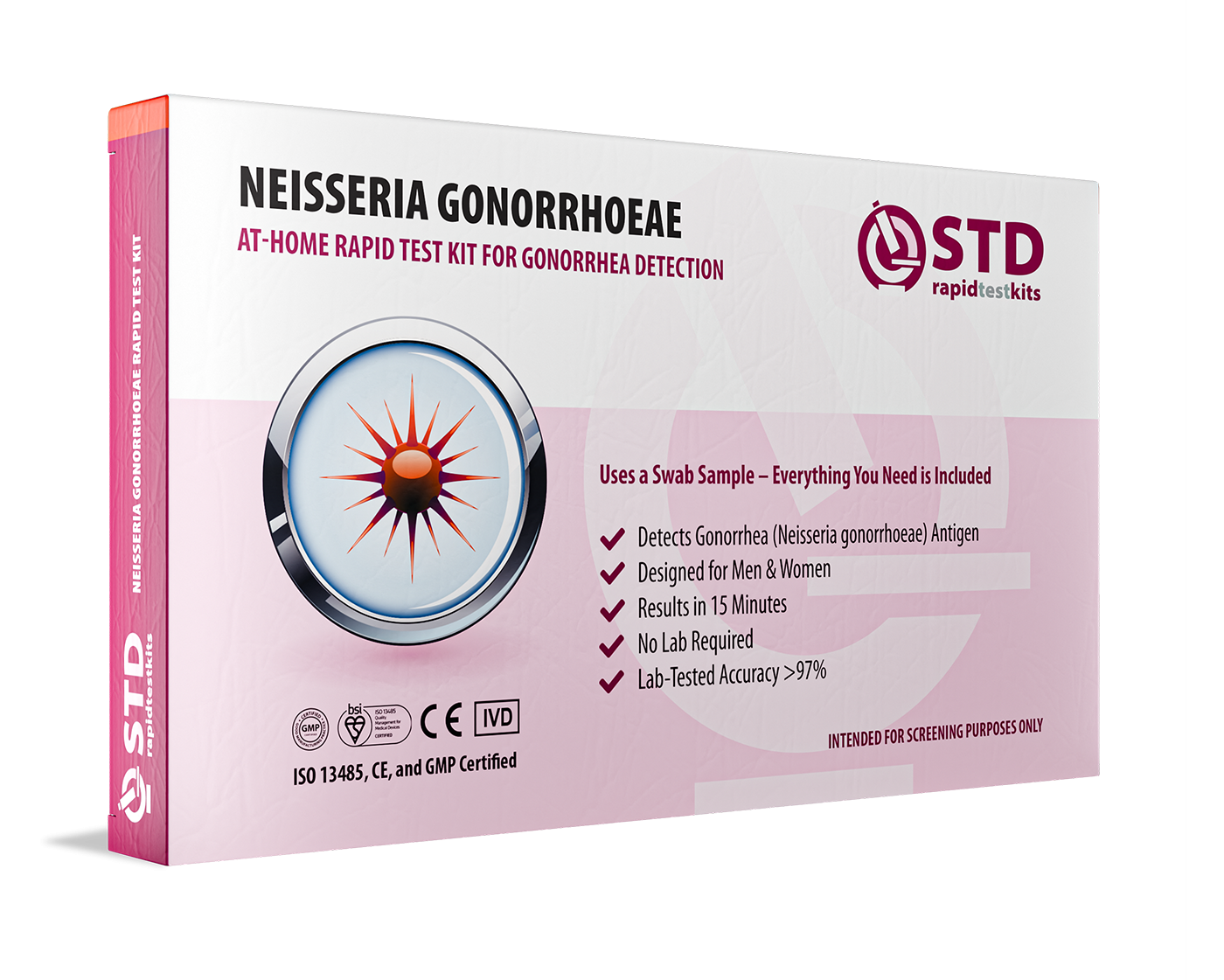 For Men & WomenResults in MinutesNo Lab NeededPrivate & Discreet
Order Now $33.99 $49.00
If You Test Positive, Here’s What Comes Next
Deep breath. A positive gonorrhea result is not the end of the world. It’s not a character flaw, and it doesn’t mean you’ve ruined anything. It means you have an infection that’s incredibly common and completely treatable. Millions of people deal with this every year, and most of them recover quickly with the right antibiotics.
The first step is confirmatory testing if your initial result was from a rapid test, especially if you weren’t showing symptoms. You can either schedule an appointment at a clinic, reach out to a telehealth provider, or, if your test was lab-grade, simply move ahead with treatment.
Some clinics will treat you based on symptoms and exposure risk alone, even before results are back. If you’re having burning, discharge, or testicular pain, or if your partner has tested positive, you might be offered treatment right away. Typically, this involves an intramuscular injection of ceftriaxone and sometimes oral azithromycin or doxycycline, depending on current CDC guidelines.
What you don’t want to do is ignore it. If you don't treat gonorrhea, it can lead to problems like pelvic inflammatory disease (PID), infertility, epididymitis, or spreading throughout the body. It can also make it more likely that you will get or pass on HIV.
So what does taking action look like? It might look like Max, 30, sitting in his car after opening an email with his results. Instead of spiraling, he texted the guy he hooked up with: “Hey, just got my results. I tested positive for gonorrhea. You might want to get checked too.” His friend responded with a thumbs up and a “thanks for letting me know.” That was it. No drama. No judgment. Just two people trying to do the right thing.
If you’re not sure what to say, you can find anonymous notification tools or sample scripts online. And if you’re overwhelmed, just focus on the next step. Test. Treat. Tell. Heal.
You can use this combo kit to test your partner or to recheck after treatment. If your partner tests too early, guide them to retest later, just like you did.
FAQs
1. Can you really test too early for gonorrhea?
100%, yes. Think of it like trying to detect smoke before the fire has even started. Most tests can’t catch gonorrhea immediately after exposure because the bacteria haven’t built up enough to be seen yet. Testing within the first few days might come back negative even if you’re infected. That’s why the magic window is usually around day 7 to day 14. Earlier than that? You're rolling the dice.
2. I tested three days after sex and it was negative. Am I safe?
Not necessarily. A day 3 test is kind of like opening the oven way too early when baking a cake, it just hasn’t finished yet. It doesn’t mean you're safe, just that the test might not have had enough to detect. The smart move? Retest after day 7 to be sure. That’s the window when results start getting real.
3. Can I have gonorrhea and not feel anything?
Totally. Gonorrhea is sneaky like that. You could be walking around feeling totally fine and still have it, especially if it’s in your throat or rectum. Some people do get symptoms (burning, discharge, pain), but many don’t. That’s why testing is key, even if everything “seems fine.”
4. Is it worth testing if I already have symptoms before day 7?
Yes, but treat it as round one. If you’re already feeling off (burning when you pee, unusual discharge, pain), that’s a reason to test now, even if it’s early. Just don’t assume a negative means you’re in the clear. Symptoms + early test = plan to retest in a week, no matter what.
5. Do I need a throat test if I gave oral?
If you had oral sex, especially if there was no protection, you absolutely might need a throat swab. Gonorrhea in the throat rarely causes symptoms but still spreads like wildfire. Most at-home kits don’t include throat testing by default, so check what you’re ordering or head to a clinic if that’s where the exposure happened.
6. How long after treatment should I retest?
Wait at least two full weeks after you finish your antibiotics. Retesting too early can give you a false positive, not because the infection is still there, but because leftover bacterial DNA is triggering the test. Give your body time to clear things out.
7. Do at-home tests actually work?
Yes, if you follow instructions and time it right. Many at-home tests use the same technology clinics do (NAATs), so the science is solid. But if you swab the wrong spot, test too soon, or don't match the exposure site, the accuracy goes down. In short, don't rush it, follow the guide, and make sure the test matches your exposure.
8. Can I get reinfected after treatment?
Oh yeah. Gonorrhea doesn’t give you immunity, so if you’re re-exposed, you can absolutely catch it again. That’s why testing your partner and using protection after treatment matter. Think of treatment as hitting reset, not becoming invincible.
9. How do I tell someone I might’ve exposed them?
Honestly? Just tell them. A simple, “Hey, I tested positive for gonorrhea. You should get tested too” is more than enough. You don’t need to write a novel. And if you’re not up for a direct convo, use an anonymous notification tool. You’re being responsible, not dramatic.
10. Is gonorrhea actually serious?
It can be, if ignored. Left untreated, it can lead to pelvic inflammatory disease, infertility, chronic pain, and even increased HIV risk. But here’s the good news: with the right antibiotics, it’s totally treatable. The real risk isn’t having it, it’s not knowing you have it.
You Deserve Answers, Not Assumptions
Testing is one of the most powerful things you can do for yourself and your partners, but timing matters. Whether you took a test on day 2 out of panic or are counting the days until you reach that 7-day window, remember this: doing something is better than doing nothing, and you can always retest if you're unsure.
If you’ve already tested too early, don’t beat yourself up. You took a step toward clarity. Now take the next one. Retest when the timing is right. Get a tool that respects your privacy and gives you the answers you need to move on.
Don't wait and wonder; get the clarity you need. This at-home combo test kit quickly and discreetly checks for the most common STDs.
How We Sourced This Article: We combined current guidance from leading medical organizations with peer-reviewed research and lived-experience reporting to make this guide practical, compassionate, and accurate.
Sources
1. CDC – Gonorrhea: Basic Fact Sheet
2. Gonorrhea: Diagnosis & Treatment – Mayo Clinic
3. Gonorrhea Test – MedlinePlus
4. Gonococcal Infections Among Adolescents and Adults – CDC STI Treatment Guidelines
5. How Long Does It Take for Gonorrhea to Show Up? – Healthline
6. How Long Does It Take an STD to Show Up? – MedicalNewsToday
7. Gonorrhea Test: What to Expect – Cleveland Clinic
8. STI Testing – Tulane University Campus Health
About the Author
Dr. F. David, MD is a board-certified infectious disease specialist focused on STI prevention, diagnosis, and treatment. He blends clinical precision with a no-nonsense, sex-positive approach and is committed to expanding access for readers in both urban and off-grid settings.
Reviewed by: Dr. L. Mira, MPH | Last medically reviewed: December 2025
This article is for informational purposes and does not replace medical advice.


