





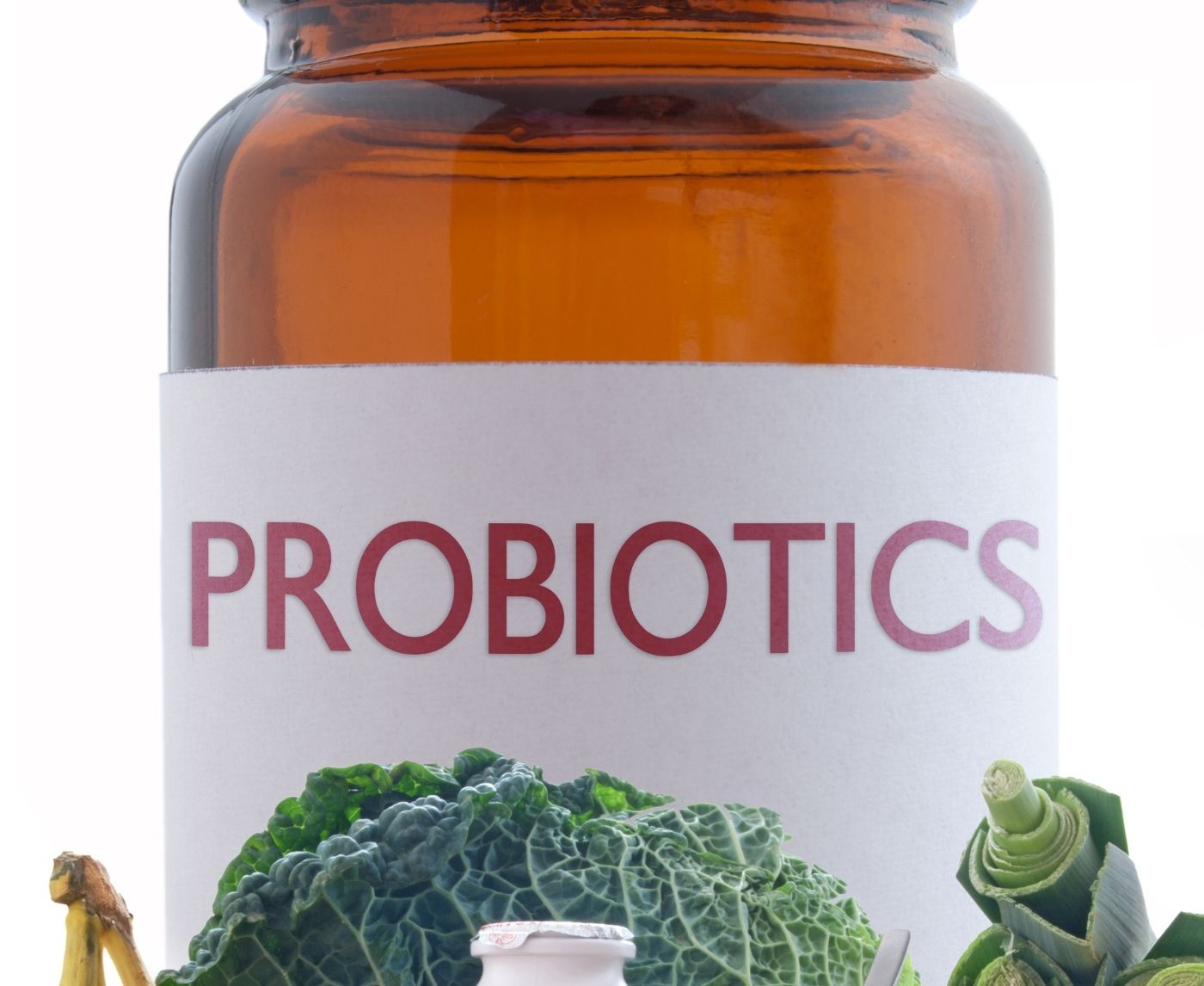

Quick Answer: Vaginal probiotics do not prevent STDs like herpes, chlamydia, or gonorrhea, but certain strains may reduce your risk of bacterial vaginosis (BV) and support a healthier vaginal microbiome that makes infections less likely.
Why People Think Probiotics Might Prevent STDs
It’s not a totally baseless belief. After all, many STDs flourish when the vagina’s pH is off or when protective bacteria are wiped out, like after antibiotics or douching. That’s where probiotics enter the chat: their job is to help restore healthy Lactobacillus strains, which produce lactic acid and hydrogen peroxide to maintain a low, infection-fighting pH.
Studies show that when your vaginal microbiome is dominated by Lactobacillus crispatus, you're less likely to develop BV or suffer from chronic irritation that can increase vulnerability to other infections. So it makes sense that people assume probiotics might also guard against STDs.
But here’s the catch: not all infections follow the same path. Viruses like herpes and HPV, and bacteria like gonorrhea or chlamydia, don’t just exploit pH changes, they bypass them entirely. They spread through direct contact, often even when there are no visible symptoms.
People are also reading: What Herpes Looks Like And How Its Not What You Think
What the Science Actually Says
Let’s get clear: there is no scientific evidence that any probiotic supplement, oral or vaginal, can directly prevent STDs. But research has found promising links between vaginal microbiome health and decreased susceptibility to certain infections.
For example, a 2020 review in Frontiers in Cellular and Infection Microbiology found that women with higher levels of Lactobacillus crispatus were less likely to test positive for HIV and HPV. The bacteria seemed to provide a stronger “mucosal barrier” and reduce inflammation, two factors that lower the risk of transmission. But that’s correlation, not causation. You can’t take a probiotic and expect to block a virus.
Another study published in the Sexually Transmitted Diseases Journal emphasized that women with low diversity in vaginal flora (especially when dominated by Lactobacillus iners) were more prone to chlamydia infections. However, this doesn’t mean you can just swap in a “better” probiotic and become immune, it simply means that vaginal environment plays a role in infection risk, and probiotics might be one piece of the puzzle.
“I Thought My Probiotic Had Me Covered”
Lina, 27, had been taking a women’s probiotic for nearly a year. “It helped with yeast infections after antibiotics, so I figured it was like a daily defense,” she said. After a hookup with someone new, she assumed she was in the clear, no symptoms, and her routine felt solid. Three weeks later, she tested positive for chlamydia.
“I was confused. I thought all that good bacteria was supposed to protect me. But no one told me it doesn’t work like that.”
Lina’s story reflects a common misunderstanding: that probiotics replace protection. While they can support your vaginal ecosystem, they do not replace condoms, testing, or communication.
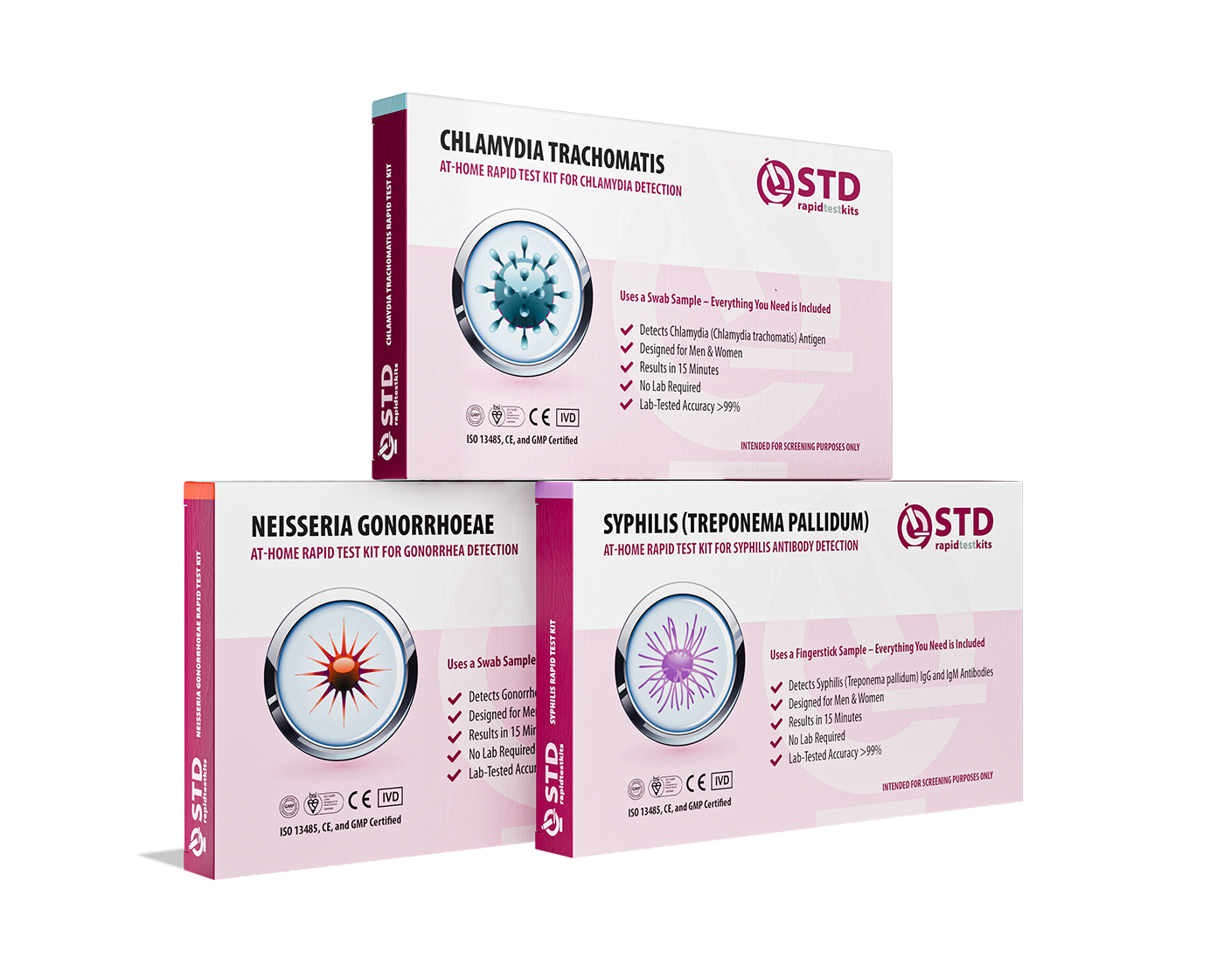
And if you’ve been exposed to a potential STD, whether it’s chlamydia, herpes, or HPV, only a proper test can tell you what’s going on. You can order a discreet combo test kit here to check for multiple infections at once.
What Probiotics Do Help With (And Why It Matters)
Even though probiotics do not prevent viral or bacterial STDs, they still help prevent you from getting other infections that have symptoms that are similar to the previous ones, including bacterial vaginosis, yeast infections, and following antibiotics. This is very important, especially when you are dealing with confusing symptoms that include discharge, smell, or itching.
BV, specifically, has a notorious connection with other infections. According to the CDC, if you have BV, you're actually increasing the risk of getting an STD because it can make the vagina’s lining more receptive. This explains why balancing the microbiome after a case of BV or antibiotics, beyond comfort, is essential for overall sexual health.
But not all probiotics are created equal. You’ll see flashy packaging with phrases like “feminine flora” or “vaginal balance,” but only certain strains have clinical backing for vaginal use. Here’s where it gets real: if your probiotic doesn’t include the right strains, or if it never reaches your vagina in usable form, it’s not going to do much.
Best Probiotic Strains for Vaginal Health
| Strain | Primary Benefit | Where It's Found | Notes |
|---|---|---|---|
| Lactobacillus crispatus | Restores low vaginal pH; supports mucosal barrier | Vaginal, oral probiotics | Most protective strain linked to reduced STD risk in studies |
| Lactobacillus rhamnosus | Helps reduce yeast overgrowth | Yogurt, supplements | Often combined with L. reuteri in women's formulas |
| Lactobacillus reuteri | Fights BV and supports immune modulation | Capsules, fermented foods | Shown to improve microbiota after antibiotics |
| Lactobacillus iners | Common vaginal resident | Natural flora (not in most probiotics) | Less protective; associated with higher STI risk in some studies |
| Streptococcus thermophilus | General gut and immune support | Fermented dairy | Often included in blends, but not vaginal-specific |
Figure 1. Not every type of probiotic is good for vaginal health. For real benefits, look for formulas that contain proven strains like L. crispatus, L. rhamnosus, and L. reuteri.
Probiotic Use After Sex or Antibiotics: What You Should Know
Many people instinctively reach for a probiotic after rough sex, new partners, or antibiotics, and for good reason. Sex can introduce semen (which is alkaline), new bacteria, and friction that disrupts the vaginal ecosystem. Antibiotics, meanwhile, often wipe out protective Lactobacilli as collateral damage.
Taking a vaginal or oral probiotic in these windows can help re-establish the balance. But you need to time it right. For best results:
- After antibiotics: Start a women’s probiotic on the same day and continue for at least 7–10 days post-treatment
- After sex: If you notice odor, discharge, or irritation within 24–48 hours, consider a probiotic suppository or capsule designed for vaginal use
Just remember: none of these replace STD testing. If there was risk exposure, especially unprotected sex or symptoms like sores, unusual discharge, or burning, probiotics may help your flora, but not your diagnosis.
You can order a rapid test from STD Rapid Test Kits to check for infections from home in minutes. It's private, accurate, and removes the guesswork from your next step.
Probiotics Aren’t Immune Shields, Here’s Why That Matters
Marketing has a way of bending science into soundbites. “Supports immunity” becomes “prevents infection.” But the immune system is complex, and when it comes to STDs, the body’s response depends on much more than what’s in your gut or vagina.
Probiotics don’t create antibodies. They don’t neutralize viruses. And they don’t form a barrier that blocks sexually transmitted infections from entering your system. What they can do is help the vaginal environment stay less inflamed and more acidic, which may make it harder for certain pathogens to thrive. But that’s a passive benefit, not an active defense.
This matters, because relying on probiotics to “boost” your immune system may lead you to skip other critical protections, like condoms, regular testing, or partner communication. And that’s where the real risk begins.
Check Your STD Status in Minutes
Test at Home with Remedium3-in-1 STD Test Kit
 For Men & Women
 Results in Minutes
 No Lab Needed
 Private & Discreet
Order Now $69.00 $147.00
For all 3 tests
Marketing Claims vs. Medical Facts
It’s important to know that probiotic supplements, especially those labeled for “women’s health”, are not regulated by the FDA the same way medications are. That means companies can make bold, suggestive claims like “promotes healthy pH” or “supports vaginal balance” without providing clinical proof.
Some brands do have studies behind them, like strains of L. crispatus in formulations such as LACTIN-V, which is being studied for post-BV treatment support. But many over-the-counter options use generic blends that haven’t been tested for vaginal health at all.
The bottom line: read labels critically, and don’t assume every “vaginal health” product is effective, or safe. Especially avoid anything that includes unknown herbs, essential oils, or poorly defined “enzymes” unless recommended by a provider.
If you're using probiotics because you’ve noticed unusual discharge, odor, or discomfort after sex, it's worth asking: could this be an early sign of something more? Testing removes the guesswork.
What Probiotics Can, and Can’t, Help With
| Condition | Can Probiotics Help? | Best Approach |
|---|---|---|
| Bacterial Vaginosis (BV) | Yes, especially with L. crispatus or L. reuteri | Antibiotics + probiotic follow-up to prevent recurrence |
| Yeast Infections | Sometimes, with L. rhamnosus | Antifungal treatment + possible support with probiotics |
| Urinary Tract Infections (UTIs) | Limited evidence, but some gut-vaginal crossover benefit | Hydration, hygiene, targeted supplements (D-mannose, etc.) |
| Herpes (HSV) | No direct effect | Antiviral medication; testing; symptom management |
| Chlamydia or Gonorrhea | No, but BV may increase risk of these STDs | Barrier protection + regular testing |
| HPV | Unclear, some evidence for immune support in vaginal strains | Vaccination + cervical screening |
Figure 2. Probiotics play a real role in vaginal wellness, but they are not a substitute for STD prevention tools like condoms, vaccines, and testing.
How to Think About Protection Holistically
Let’s get real: sexual health isn’t about one product, one pill, or one behavior. It’s about how those pieces work together. A probiotic may support your vaginal environment, but it doesn’t protect against your partner’s STI status. Condoms reduce skin-to-skin transmission, but they don’t prevent BV after antibiotics. Regular testing gives you the clearest picture, but only if you’re honest about exposure windows and symptoms.
Building a protection plan means layering your tools. Use condoms or dental dams. Test after new partners or risk events. Rebuild your flora when it’s disrupted. And most importantly, don’t rely on one product to do all the work. You deserve more than that.
If your gut is telling you something feels off, listen. You can check discreetly with STD Rapid Test Kits, no appointments, no waiting rooms, no judgment.
People are also reading: How STDs Were Treated Before Modern Medicine
FAQs
1. Can probiotics actually prevent STDs?
Nope, probiotics aren't condoms in disguise. While they can help your vaginal environment stay healthy, they don’t stop viruses or bacteria from getting in during sex. Think of them like a supportive friend, not a bodyguard.
2. What about BV or yeast infections? Do probiotics help there?
Yes, and this is where probiotics really excel. If you’ve been continuing to have BV after intercourse or yeast infections following antibiotics, specific types of probiotics, including the following:
-L. crispatus
-L. rhamnosus
Nevertheless, it will take time, and you cannot expect instant results.
3. So if I take a probiotic after sex, will it stop anything bad from happening?
Not exactly. If you had unprotected sex or a condom slipped, pop a test kit, not just a supplement. Probiotics can help calm irritation and rebalance pH, but they won’t stop chlamydia or herpes from setting up shop if exposure happened.
4. Are vaginal probiotics better than oral ones?
Depends on the situation. Vaginal ones work faster and more directly, like sending the bouncers to the exact club that’s getting rowdy. Oral ones take the scenic route through your gut, but they still help. Some people use both after a UTI or antibiotics.
5. How do I know if my probiotic is actually working?
If your usual symptoms (like odor, itching, or discharge) calm down within a week or two, that’s a good sign. No dramatic shifts? You might need a different strain, or it might not be a probiotic issue at all. Time to test, not guess.
6. Is it possible to take too many probiotics?
Oh yeah. More doesn’t mean better. You could end up bloated, crampy, or with weird poops. Stick to the dose on the label unless a provider tells you otherwise. Your vagina isn’t a science experiment.
7. I’ve heard BV increases your risk of STDs, is that true?
Unfortunately, yes. When your vaginal flora gets thrown off, the protective barrier weakens, and that can make it easier for infections like HIV or chlamydia to take hold. That’s why treating BV and rebuilding with the right probiotic really matters.
8. Are probiotics enough if I’m dating someone new?
Not even close. Keep your probiotics, but add regular testing, honest convos, and a good stash of condoms. That’s the kind of threesome that actually works in your favor.
9. Do all “vaginal health” probiotics work?
Sadly, no. A lot of them are just fancy packaging with random strains that do nothing for your vagina. Look for ones with L. crispatus, L. reuteri, or L. rhamnosus, and skip anything that doesn’t list the actual strains on the label.
10. What should I do if I took probiotics but still feel off?
Listen to your body. If something smells weird, feels itchy, or just isn’t right, it might not be BV or yeast, it could be something more. You don’t need to panic, but you do need answers.
You Deserve Answers, Not Assumptions
Vaginal health is deeply personal, but that doesn’t mean it should be mysterious. If you’ve been leaning on probiotics to protect you, that’s not your fault. The industry has blurred the line between wellness and prevention. But now you know: these capsules support your microbiome, not your STD status.
So keep the probiotic if it helps. But also test, talk, and protect. Your sexual health is worth a plan that includes real data, not just a label promise.
Don’t wait and wonder, get the clarity you deserve. This at-home combo test kit checks for the most common STDs discreetly and quickly.
How We Sourced This Article: We combined current guidance from leading medical organizations with peer-reviewed research and lived-experience reporting to make this guide practical, compassionate, and accurate. In total, around fifteen references informed the writing; below, we’ve highlighted six of the most relevant and reader-friendly sources.
Sources
1. Sexually Transmitted Diseases Journal – Vaginal Microbiome Study
2. LACTIN-V Probiotic Study – NIH
3. Probiotics: potential to prevent HIV and sexually transmitted infections — review article (2008)
4. Vaginal microbiome and sexually transmitted infections: an epidemiologic perspective
5. The role of probiotics in vaginal health — review of Lactobacillus effects (2022)
About the Author
Dr. F. David, MD is a board-certified infectious disease doctor who specializes in preventing, diagnosing, and treating STIs. He is dedicated to making his work available to more people, whether they live in cities or off the grid. He combines clinical accuracy with a straightforward, sex-positive approach.
Reviewed by: Jenna L. Arroyo, FNP-BC | Last medically reviewed: December 2025
This article is for informational purposes and does not replace medical advice.


