







Quick Answer: Discharge after STD treatment may be part of normal recovery, but if it persists beyond 7–10 days, changes color or smell, or returns after clearing, it’s time to retest. Reinfection, resistance, or a false negative are all possibilities.
This Guide Is for You If...
You’ve already been tested, treated, or told that nothing was wrong. But your body says otherwise. This article is for the ones who trusted the process but still feel off. For the woman who finished her antibiotics only to find thick yellow discharge two weeks later. For the guy whose test came back negative, but something wet and sour keeps showing up on his boxers. For every person wondering if they missed something, or if the test did.
If you’ve felt dismissed, confused, or stuck in the “wait and see” phase, you’re not alone. We'll explain how discharge works after treatment, why it sometimes means you need to be tested again, and how to move on without feeling bad or guessing.
Why Discharge Happens, Even After You’ve Been Treated
Here’s the uncomfortable truth: STD symptoms don’t always follow the rules. Discharge can linger, evolve, or return after you’ve already taken medication. And not all discharge is caused by the same thing. Sometimes it’s infection-related, other times it’s irritation, imbalance, or something else entirely.
Let’s break it down:
| Possible Cause | What It Means | Does it need to be tested again? |
|---|---|---|
| Post-Treatment Shedding | Discharge happens when your body gets rid of dead cells and bacteria. | No, unless it worsens or lasts over 10 days |
| Reinfection | You were treated, but a partner wasn’t, or you had a new exposure | Yes, retest 2–6 weeks after new exposure |
| Antibiotic-Resistant Infection | Especially relevant for gonorrhea in some regions | Yes, may require confirmatory testing and different meds |
| False Negative | Test was too early, sample mishandled, or low bacterial load | Yes, especially if symptoms remain after 10–14 days |
| Non-STD Cause (e.g., BV or yeast) | May be triggered by antibiotics, douching, or imbalance | Maybe, retesting for STDs + vaginal swabs is ideal |
Table 1. Common reasons for post-treatment discharge and whether retesting is needed.

People are aslo reading: STD Testing Anxiety: What It Feels Like, What You’ll Go Through, and What Helps
Case Snapshot: "The Discharge Was Worse Than Before"
Lina, 24, was treated for chlamydia after a casual hookup. “I took the meds like they told me. It cleared up. But then I hooked up with someone new, protection slipped. A week later, thick yellow discharge showed up, worse than before.”
“I thought I was fine. I’d done everything right the first time. But no one told me reinfection could happen that fast.”
Lina retested with an at-home kit 14 days after that new exposure. It came back positive, again. This time, she texted her new partner with a heads-up and took the follow-up meds seriously.
This is why retesting isn’t overkill, it’s prevention. Not just for you, but for everyone you care about.
When Discharge Means “Retest Now”
Not all discharge needs panic. But some changes are serious red flags. Here’s when your body’s signals are telling you it’s time to take action:
If any of these apply, it's time to test again:
- Discharge changes color (e.g., yellow, green, brown)
- It has a strong odor (fishy, metallic, foul)
- Accompanied by burning, itching, or pelvic pain
- Returns after clearing (symptoms gone, then back)
- You had unprotected sex since treatment
Some STDs like trichomoniasis or gonorrhea can remain asymptomatic for days before symptoms spike. And CDC data confirms reinfection is common, especially if partners aren’t treated together.
If your discharge is making you question everything again, don’t ignore it. Trusting your body doesn’t mean panicking, it means paying attention.
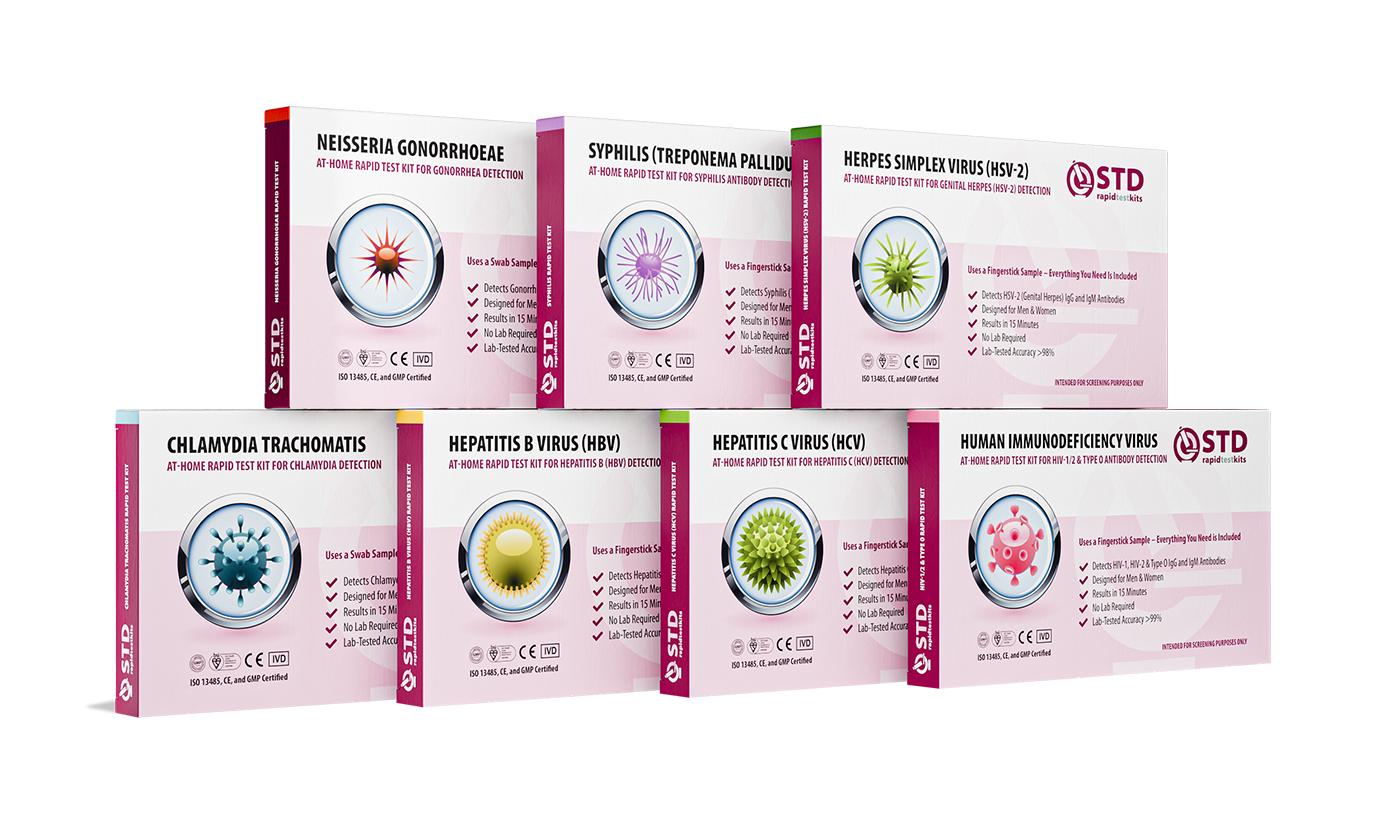
This Combo Test Kit checks for the most common STDs discreetly and quickly, so you can stop guessing.
Check Your STD Status in Minutes
Test at Home with Remedium7-in-1 STD Test Kit
 For Men & Women
 Results in Minutes
 No Lab Needed
 Private & Discreet
Order Now $129.00 $343.00
For all 7 tests
What If Your Test Was Negative, but Discharge Still Came?
This is one of the most common, and emotionally draining, scenarios. You took the test. It said you were fine. But your body says something else.
First, know this: false negatives do happen, especially when testing too early. Most STDs have a “window period”, a delay between exposure and when an infection is detectable. Testing inside that window can miss the infection even if it’s present.
Here’s what you need to know:
| STD | Minimum Retest Window | Best Retest Timing |
|---|---|---|
| Chlamydia | 7 days after exposure | 14–21 days after treatment or exposure |
| Gonorrhea | 7 days after exposure | 14–21 days after treatment or symptoms |
| Trichomoniasis | 7–10 days | 14–28 days if symptoms return |
| Syphilis | 3–6 weeks | 6–12 weeks or if new sores appear |
| HIV | 2–4 weeks (NAAT), 18–45 days (Ag/Ab) | 6–12 weeks for full accuracy |
Table 2. Recommended retest timing after potential false negatives or recurrent symptoms.
If you tested early or used a test outside of the recommended window, your result may not have captured an active infection. The good news? Retesting puts you back in control.
Discharge That’s Not an STD, But Still a Problem
Sometimes the test is right, and the symptoms are still real. Discharge can come from vaginal pH shifts, yeast overgrowth, bacterial vaginosis (BV), or even allergies to lubricants or condoms. Antibiotics used to treat STDs can sometimes cause yeast infections or BV flare-ups, especially in people with vaginas.
If you were treated for an STD and then developed:
- Thick white, cottage cheese-like discharge → Possible yeast infection
- Grayish discharge with fishy smell → Likely BV
- Watery, yellow, or greenish discharge → Could still be an STD
These aren't just “female problems” either, penile discharge and irritation can occur in people of any gender from chemical irritation, imbalanced microbiomes, or post-antibiotic disruption.
If your discharge doesn’t fit classic STD profiles, consider seeing a provider for broader testing, or retest with a panel that covers trichomoniasis and other less-talked-about infections.
What No One Tells You About Reinfection
We need to talk about reinfection, because it’s common, and often nobody warns you. According to the CDC, up to 20% of people treated for chlamydia or gonorrhea will get reinfected within 6 months. Not because the meds didn’t work, but because their partner wasn’t treated, or they were exposed again before healing completed.
Reinfection symptoms can look exactly like the original infection, or be completely different. You might get:
- More intense discharge
- New pelvic cramping
- Burning urination you didn’t have last time
- No symptoms at all, but still be contagious
Even if your new partner “feels fine” or says they were recently tested, that’s not a guarantee. If you’ve had sex with anyone new since your last test, and your discharge returned, it’s worth retesting. Every. Time.
STD Rapid Test Kits offers discreet, doctor-trusted retesting options, perfect if you’re not ready to go back to a clinic but need real answers.
Discharge Without Other Symptoms: What It Could Still Mean
It’s easy to dismiss discharge when there’s no pain, no smell, no burning. But many STDs, especially in early stages or post-treatment phases, present with discharge as the only symptom. This is especially true for trichomoniasis and gonorrhea in people with vaginas, where the infection can linger in cervical or vaginal tissues without causing overt discomfort.
For people with penises, minimal or clear discharge might be the only red flag. It’s common to second-guess it: “Is this just normal pre-cum?” “Maybe I’m just dehydrated.” But recurring discharge, even subtle, should never be ignored, especially if it shows up after sex, treatment, or within a week or two of a new partner.
STDs don’t always scream. Sometimes, they whisper. If your gut says something’s off, testing is the only way to know for sure.
How to Retest Confidently (And Privately)
Retesting doesn’t mean you failed. It means you’re tuned in. It means you care. But how you test, and when, can make all the difference.
Here’s how to handle it smartly:
| Scenario | When to Retest | Recommended Method |
|---|---|---|
| Discharge came back after treatment | 14–21 days after treatment ends | Combo test kit or clinic-based panel |
| New partner after last test | 2–4 weeks after exposure | Home STD test or clinic |
| Tested negative but symptoms remain | 10–14 days after first test | Retest with a different brand or clinic |
| Partner tested positive | Immediately, then again at 14 days | Lab test or NAAT via mail-in or provider |
Table 3. Retesting guidelines based on symptom timeline and exposure risk.
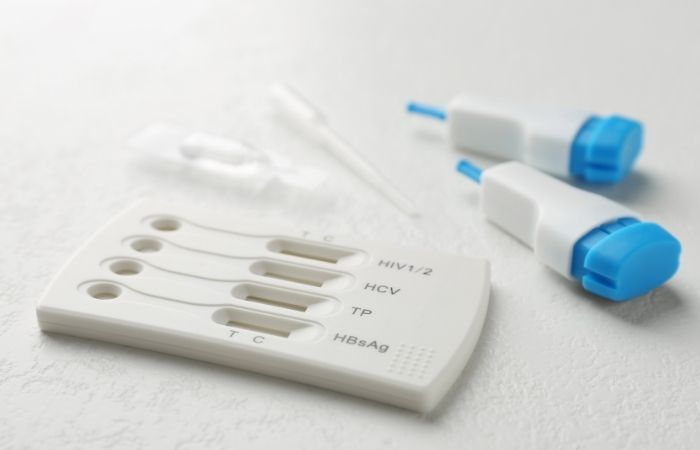
Waiting for another appointment can be stressful. That’s why many choose FDA-approved at-home kits with express delivery and built-in privacy. If discharge is your only sign, a Combo STD Home Test Kit can catch more than one culprit at once.
Protecting Your Partners Without the Shame Spiral
If you’re seeing discharge again after treatment, it’s not just your health that’s affected. The people you’re intimate with deserve to know too, but these conversations can be terrifying. That’s where anonymous notification tools, simple scripts, and pre-written text templates come in.
You can say:
"Hey, I just retested and found something. You might want to get checked too. No judgment, just wanted you to know."
If you're not ready to talk yet, services like STDCheck’s anonymous text tool or TellYourPartner.org let you send a heads-up discreetly.
Partner notification isn’t about blame. It’s about breaking the cycle, for you, and them.
What to Expect After Retesting
If your retest comes back negative, but the discharge continues, follow up with a provider about other possible causes (yeast, BV, allergic reaction, or hormonal shifts). If the test is positive again, ask if it’s a reinfection or resistance, and confirm that your partner is also being treated.
Either way, you’re not starting from zero. You’ve already done more than most: listened to your body, sought answers, and took the next step. That matters.
Healing is rarely linear. But every retest, every question, every awkward text, it all moves you toward clarity, safety, and peace of mind.
Explore discreet retesting options here if you're ready to stop guessing and start knowing.
People are aslo reading: When Someone You Love Has an STD (And You Don’t)
What to Expect After Retesting
You took the second test. Now you’re refreshing your inbox, pacing the hallway, waiting for results that feel like they’ll either free you, or drop you back into the spiral. Let’s talk about what happens next.
If your results are negative but discharge continues, that doesn’t mean you’re imagining things. Consider asking a provider about less common infections (like Mycoplasma genitalium), non-STD causes (like BV or yeast overgrowth), or even chemical sensitivities to condoms, lubes, or new laundry detergents.
If your results are positive again, it’s time to take a breath and reset the plan, not the shame spiral. First, confirm what the new infection is. Is it the same as before (suggesting reinfection or incomplete treatment), or is it something new entirely? Either way, there’s a next step, and you don’t have to do it alone.
Case in point: Jordan, 32, retested for gonorrhea two weeks after finishing antibiotics because a familiar milky discharge returned. “I thought it was all in my head. But the new test came back positive again, turns out, my ex hadn’t finished her meds.” After a new round of treatment and better communication, the symptoms cleared for good.
Retesting is not about proving you did something wrong, it’s about trusting your body when it tells you something’s off. And when you do that? You skip the shame and go straight to solutions.
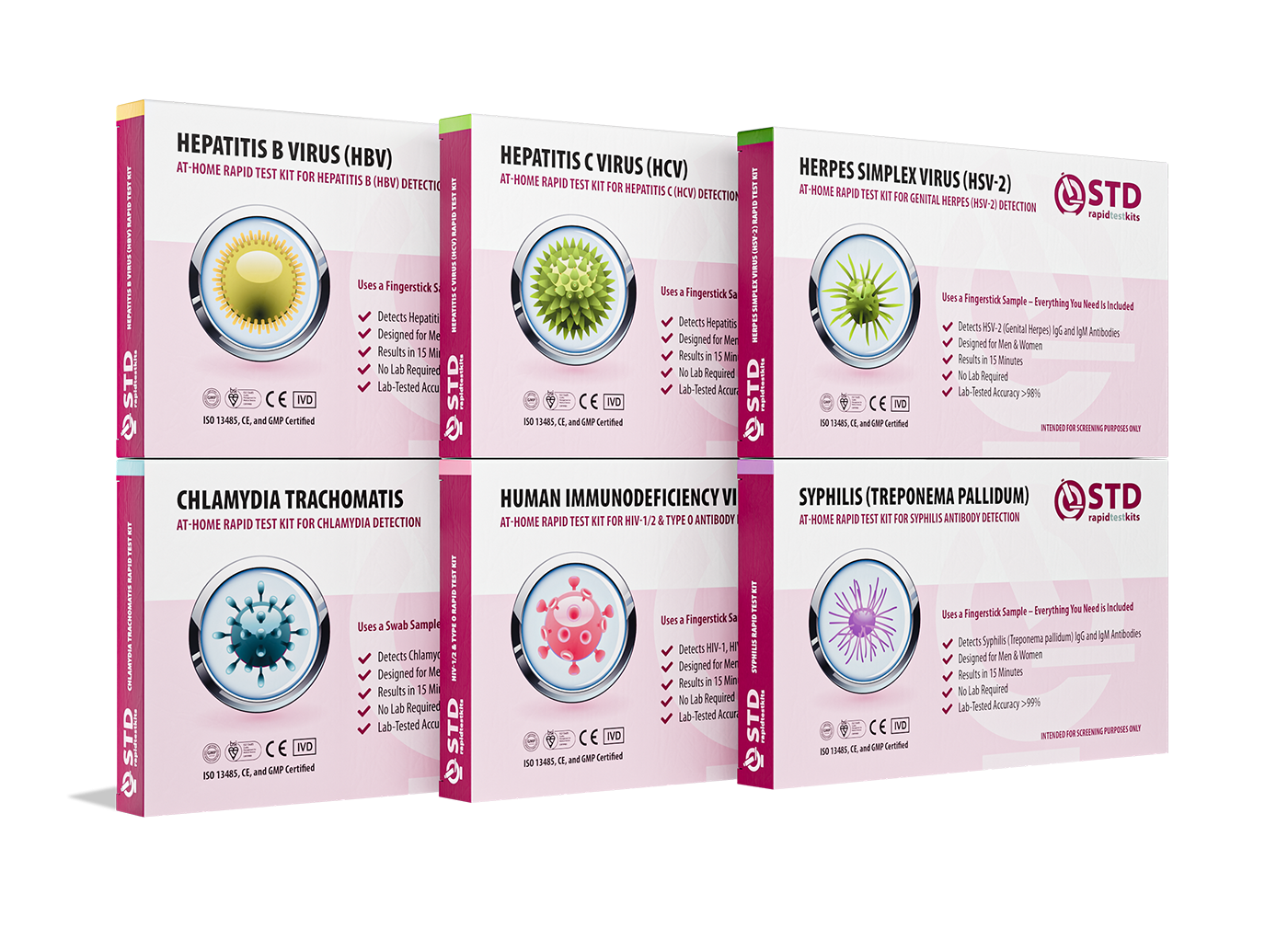
If you need a quick, private way to test again, this Combo STD Test Kit covers the most common culprits and ships discreetly, so you can stop guessing.
Check Your STD Status in Minutes
Test at Home with Remedium6-in-1 STD Test Kit
 For Men & WomenResults in MinutesNo Lab NeededPrivate & Discreet
Order Now $119.00 $294.00
For all 6 tests
Protecting Your Partners Without the Shame Spiral
This is the part no one trains us for. You’ve got symptoms, or a new positive result, and now you’re supposed to have “the talk.” It’s awkward, terrifying, and feels loaded with shame. But it doesn’t have to be.
The truth is, protecting someone doesn’t mean you’re admitting guilt. It means you’re showing care. STDs are incredibly common, millions of people test positive every year, many without symptoms, many without knowing when they got it. No one’s keeping score. The point is: you’re doing the right thing now.
Try something like: "Hey, I’m dealing with some symptoms and just retested, wanted to give you a heads-up in case you want to get checked too." You don’t have to say more than that. If they ask questions, be honest if you’re able, but you don’t owe a full medical report.
And if saying it aloud feels impossible? You’ve got options. Sites like TellYourPartner.org or STDCheck's anonymous text tool let you notify them discreetly, no names, no confrontation.
Most importantly: this doesn’t define you. Having an STD or needing to retest doesn’t make you reckless, dirty, or broken. It makes you responsible, human, and honest, qualities a lot of people are too scared to show. Wear that like armor.
And if you need space to process? There are communities online, from Reddit threads to Planned Parenthood blogs, full of people who’ve been there, freaked out, and come out the other side just fine.
We’ve got your back here with kits, clarity, and a judgment-free way forward. Whether you’re retesting, regrouping, or just not sure yet, this is your space.
FAQs
1. So… is discharge supposed to come back after treatment?
Not usually. If you were treated for something like chlamydia or gonorrhea and the discharge disappeared, it should stay gone. If it comes back a week or two later, your body’s waving a red flag, could be reinfection, resistance, or something that got missed the first time around. Either way? It’s retest time.
2. But what if it’s clear discharge with no smell?
That’s the tricky part, it could be totally normal, or it could be early-stage trichomoniasis, especially if it's thin or just feels "off." If it shows up out of nowhere and doesn't match your baseline, trust your gut. Mild doesn’t mean meaningless.
3. I tested negative, but I still have symptoms. What gives?
You’re not imagining it. If you tested too early (within 5–7 days of exposure), the infection might’ve been too fresh to detect. That’s called the “window period,” and it fools a lot of people. Also: no test is perfect. Retesting at 14+ days gives you a more accurate read, especially with lingering discharge.
4. Could antibiotics mess up my body and cause this?
Oh, absolutely. If you’ve taken meds for an STD, you might’ve nuked some of the good bacteria too. That can trigger a yeast infection or bacterial vaginosis (BV), which both bring their own brand of discharge drama. Spoiler: those aren’t technically STDs, but they still deserve attention.
5. Can I get reinfected even if I finished my meds?
Yep, especially if your partner didn’t get treated or if you hooked up with someone new right after. CDC data shows reinfection is super common. So yes, even if you “did everything right,” your timeline still matters. No shame. Just knowledge.
6. Does all weird discharge mean I have an STD?
Not even close. Your body’s discharge can change because of hormones, new soaps, tight underwear, diet shifts, even stress. But if the timing lines up with a recent hookup, a new partner, or you’ve had an STD before, it’s worth checking again.
7. What does yellow or green discharge actually mean?
Think of it like this: yellow = maybe infected, green = probably infected. That kind of color, especially if it smells funky or comes with itching or burning, often points to gonorrhea, trich, or an untreated bacterial infection. Definitely don’t wait that one out.
8. Is it weird to retest so soon after treatment?
Not at all. In fact, it’s smart. If symptoms return, or if you had sex with someone new, a retest at 2–3 weeks gives you clarity. And if it’s a false alarm? Great. But if it’s not, you’ll catch it before it spreads or gets worse.
9. I’m embarrassed to go back to the clinic. What now?
Been there. That’s where discreet at-home kits come in. No awkward waiting rooms, no judgmental nurse squinting at your form. Just you, a bathroom, and a 10-minute process. Peace of mind in your mailbox. Order one here and keep it moving.
10. How do I tell someone I might’ve passed something on?
Deep breath. This is hard, but you’re not alone. Try: "Hey, I just retested and something came up. You might want to get checked too, just in case." If face-to-face feels impossible, use an anonymous notification tool like TellYourPartner.org. It’s not about blame, it’s about respect.
You Deserve Answers, Not Assumptions
Discharge after STD treatment doesn’t always mean failure, but it does mean your body is asking you to pay attention. It's better to know than to guess if it's healing, resistance, or reinfection. With the right tools, retesting doesn't have to be painful, expensive, or embarrassing.
Don't wait and wonder; get the clarity you need. This at-home combo test kit quickly and discreetly checks for the most common STDs.
How We Sourced This Article: We combined current guidance from leading medical organizations with peer-reviewed research and lived-experience reporting to make this guide practical, compassionate, and accurate.
Sources
2. Why Retesting Matters, According to the CDC
3. CDC Guidance on Chlamydia: Treatment and Follow-Up
4. What to Know About Treating Gonorrhea, and What to Do If It Comes Back
5. Next Steps After a Positive Gonorrhea or Chlamydia Test
6. What ACOG Says About Chlamydia, Gonorrhea, and Syphilis
7. Mayo Clinic on Diagnosing and Treating Gonorrhea
8. Study on Why Retesting Is Crucial for Young Adults
9. What Research Says About Chlamydia Reinfection Rates
About the Author
Dr. F. David, MD is a board-certified infectious disease specialist focused on STI prevention, diagnosis, and treatment. He blends clinical precision with a no-nonsense, sex-positive approach and is committed to expanding access for readers in both urban and off-grid settings.
Reviewed by: Dr. Nia Patel, MPH | Last medically reviewed: December 2025
This article is for informational purposes and does not replace medical advice.


