







Quick Answer: STD testing is a routine part of pregnancy care because some infections, like chlamydia, syphilis, and HIV, can silently harm the baby if untreated. Testing is safe at every stage and often required for prenatal safety.
Pregnant Doesn’t Mean Protected: Why This Matters
Many people assume that being pregnant means they’re automatically safe from STDs. It’s a common logic: “I’m having a baby, not sleeping around. I’m committed. I trust my partner.” But STDs aren’t always about recent behavior, they’re about biology, history, and sometimes things you didn’t even know were there. Some infections, like herpes or HPV, can lie dormant for years before reactivating. Others, like chlamydia, are often silent until they cause complications.
Take Jasmine, 28, who found out she had chlamydia during her second prenatal screening. Her boyfriend tested negative. “We were both shocked,” she said. “My doctor explained I could’ve had it for months, maybe longer, without symptoms. If they hadn’t tested again, I would’ve never known, and it could’ve hurt the baby.”
STD testing during pregnancy isn’t about catching someone in a lie. It’s about ensuring the safest possible environment for fetal development. It’s about you, and the baby you’re growing, having a clean slate medically. And if something does come up, the earlier it’s caught, the better the outcome.
What STDs Are Tested During Pregnancy?
STD testing varies slightly by provider and location, but most standard prenatal panels include screening for HIV, syphilis, hepatitis B, and chlamydia. In some cases, especially for those under 25 or in high-risk areas, they’ll also test for gonorrhea and hepatitis C. Testing for herpes is less routine unless symptoms appear or there's a history of outbreaks.
The tests themselves are safe and simple: usually a mix of blood draws, urine samples, and vaginal swabs. These are the same tests used outside of pregnancy, and there’s no risk to the fetus from the testing process itself. The results, however, can change how your pregnancy is managed, especially close to delivery.
Here’s how typical screening unfolds across pregnancy:
| Trimester | Common Tests | Reason for Timing |
|---|---|---|
| First Trimester | HIV, syphilis, chlamydia, gonorrhea, hepatitis B | Early detection prevents fetal transmission and allows for treatment |
| Second Trimester | Repeat chlamydia/gonorrhea if under 25 or high risk | Reinfection risk is high; untreated can lead to preterm labor |
| Third Trimester | Repeat HIV, syphilis if high risk or not previously screened | Pre-delivery planning and emergency intervention if needed |
Table 1. Standard STD testing for pregnant women by trimester. Timing may vary based on patient history, symptoms, and regional guidelines.

People are aslo reading: Pregnancy Rash or Syphilis? When It’s Not Just PUPPP
Why Some Infections Are Especially Risky for Babies
Some STDs that don't cause big problems in adults can be very bad for babies. For instance, syphilis can cross the placenta and cause stillbirth, premature birth, or damage to the brain. Babies can get pneumonia or conjunctivitis from chlamydia. If you don't treat HIV, it can be passed on to the baby during pregnancy, labor, or breastfeeding. This is called vertical transmission.
The CDC said that congenital syphilis cases rose sharply in 2023, with some hospitals seeing multiple newborns each week who needed urgent care or long-term help. This isn't just a risk that could happen; it's happening in real delivery rooms all over the country.
Consider the case of Dani, 33, who wasn’t screened for syphilis again in her third trimester. Her baby was born with congenital infection that required intensive antibiotics and weeks in the NICU. “It wasn’t about blame,” she later said. “It was about a missed chance. I wish I had asked more questions.”
This is why most providers test early and repeat later in the pregnancy, especially in areas with rising infection rates. It’s not excessive, it’s protective.
Check Your STD Status in Minutes
Test at Home with Remedium8-in-1 STD Test Kit
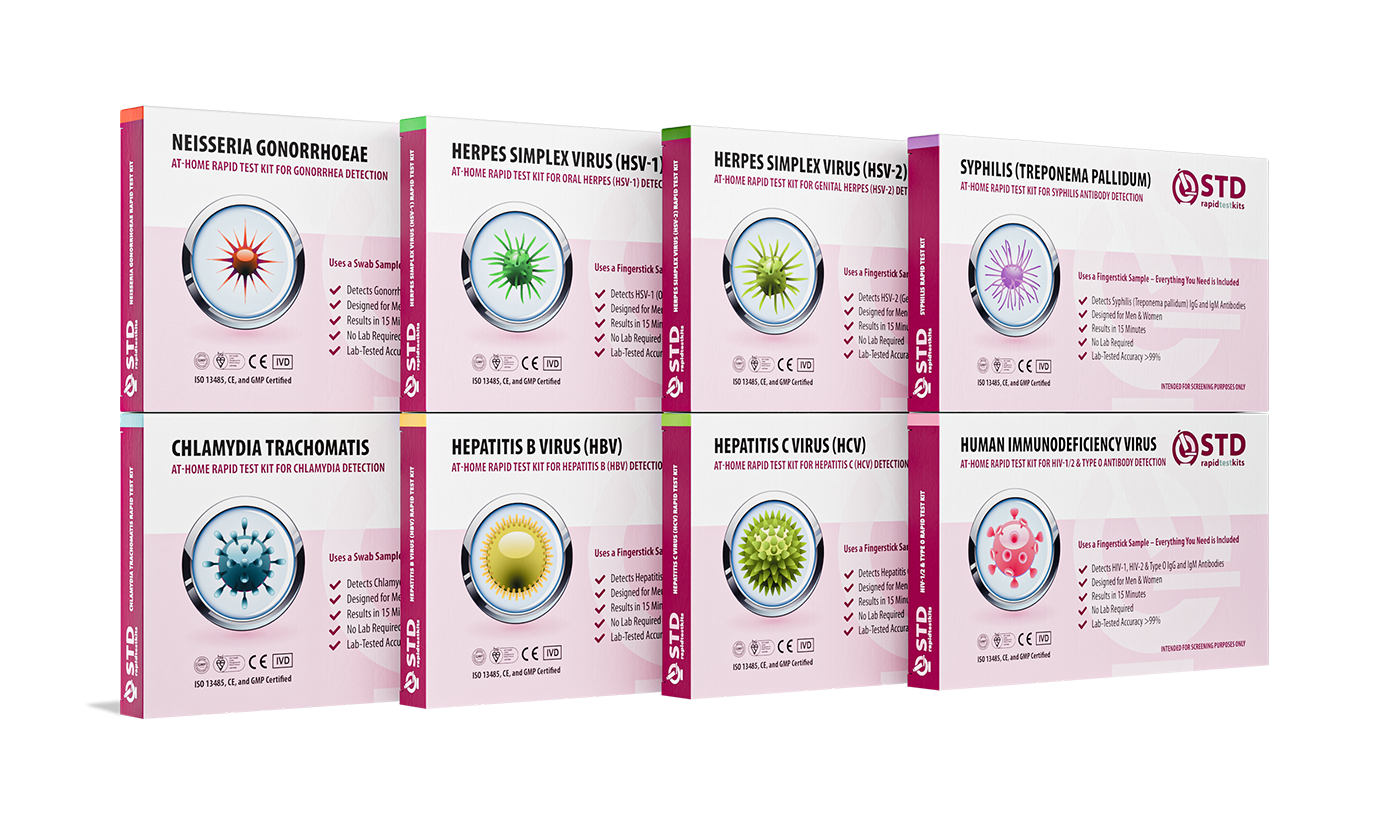
 For Men & Women
 Results in Minutes
 No Lab Needed
 Private & Discreet
Order Now $149.00 $392.00
For all 8 tests
At-Home STD Testing While Pregnant: Is It Safe?
Sometimes, especially when providers miss things, or when stigma silences questions, people turn to at-home STD testing. And yes, it can be a safe and effective option during pregnancy, especially for supplemental screening. Most FDA-cleared at-home kits use the same technology as labs: NAAT (nucleic acid amplification) tests for chlamydia, gonorrhea, and trichomoniasis; blood-spot cards for HIV and syphilis.
If you're in a rural area, don't have insurance, or are dealing with provider mistrust, an at-home STD test can be a game-changer. One user shared on Reddit: “I was 18 weeks and hadn’t seen a doctor yet. Ordered a combo test just to make sure nothing was wrong, thank God I did.” The test picked up a low-level syphilis infection that her eventual OB treated without complications.
Still, not all tests are equal. Some over-the-counter rapid kits vary in accuracy. Others may not include syphilis or HIV, which are critical during pregnancy. If you choose an at-home option, use a reputable provider like STD Rapid Test Kits. You can also explore the Combo STD Home Test Kit for broader screening in one discreet package.
Can You Get an STD While Pregnant If You’re in a Monogamous Relationship?
This is the question that trips up so many people, and understandably so. When you’re in a committed relationship, expecting a child, and not engaging in new sexual encounters, the idea of being at risk for an STD can feel almost insulting. But let's look at the medical facts with care and understanding.
First, some infections have long incubation or dormant phases. A past partner’s untreated infection could remain hidden for months, or even years. Herpes is a prime example: someone could have acquired it a decade ago and only now have their first noticeable outbreak, triggered by the hormonal shifts of pregnancy.
Second, not all monogamy is mutual. That doesn’t mean your partner is cheating, but it means you can’t always account for every past or current variable. Some partners are unaware they’re carrying an infection. Others may not disclose past histories they don’t think are relevant. This isn’t about paranoia; it’s about protecting your health and the baby’s well-being.
Finally, even medical procedures carry small risks. Artificial insemination, IUI, donor sperm, or egg transfers can introduce rare but real exposures. That’s why many fertility clinics include STD screening before, during, and after treatment cycles.
So yes, you can have an STD during pregnancy even if you’re monogamous. And it’s no one’s fault. Testing isn’t about trust. It’s about prevention and early intervention.
False Negatives, Dormant Infections, and Hormonal Surprises
Pregnancy doesn’t just change your body, it changes how your immune system responds, how your hormones interact with infections, and sometimes, how your tests perform. For example, hormonal shifts can trigger dormant herpes infections, leading to surprise outbreaks even in people who haven’t had symptoms in years. On the flip side, immunosuppression during pregnancy can delay or suppress the body's visible reaction to certain infections, making them harder to spot without screening.
Testing too early can also lead to false negatives. Just because you test “clean” at 6 weeks pregnant doesn’t mean you’re in the clear for the whole journey. That’s why providers often repeat STD panels later in pregnancy, especially for chlamydia, gonorrhea, and syphilis. These are infections that may not have shown up earlier but can still cause complications if acquired mid-pregnancy.
Take the case of Erika, 26, who tested negative at 9 weeks but positive for chlamydia at 28 weeks. “I almost skipped the retest because I thought it was unnecessary. Thank god I didn’t,” she said. “They treated it, and my baby was born healthy.” It’s stories like hers that drive home the point: one test is not a lifetime guarantee.
When and Why to Retest During Pregnancy
Retesting isn't overkill, it's often life-saving. The CDC recommends that pregnant people under age 25, or those with new or multiple partners, be retested for chlamydia and gonorrhea in the third trimester. But even outside those guidelines, many OBs will retest based on local infection trends, symptoms, or personal history.
And it’s not just about sexual history. Testing is often done again after treatment to make sure the person is cured or has cleared the infection again. This is especially important for diseases like syphilis and HIV, where ongoing management is very important.
Here’s how retesting typically breaks down:
| Situation | Recommended Action | Reason |
|---|---|---|
| Initial test positive for an STD | Retest 3–6 weeks after treatment | Ensure infection is fully cleared |
| Partner tests positive during your pregnancy | Immediate test + 4-week retest | Confirm exposure status and avoid reinfection |
| New symptoms appear mid-pregnancy | Symptom-based testing + possible panel repeat | Rule out new or reactivated infections |
| Third trimester (high-risk population) | Repeat panel (chlamydia, gonorrhea, syphilis, HIV) | Prep for safe labor and delivery |
Table 2. Retesting recommendations based on pregnancy scenario. Always consult your provider for timing based on personal history.
What If You Test Positive While Pregnant?
The fear is real. Many people spiral the moment they see a positive result: What does this mean for the baby? Am I in danger? Will my partner blame me? Will my provider judge me? But let’s slow down. Most STDs are treatable, and the earlier they’re treated, the less likely they are to affect your pregnancy.
If you test positive, your provider will confirm the result and prescribe treatment that's safe during pregnancy. For example, antibiotics like azithromycin or ceftriaxone are commonly used for chlamydia and gonorrhea. Even for infections like syphilis, penicillin remains the gold standard and is pregnancy-safe. For viral infections like herpes, suppressive therapy (like acyclovir) may be started in the third trimester to reduce the risk of outbreak during delivery.
Don’t skip care out of shame. One anonymous poster on a pregnancy forum wrote: “I almost didn’t tell my OB about my herpes diagnosis. But when I did, she was amazing. We came up with a plan, and I had a vaginal delivery with zero issues.” Supportive care is possible, you just have to ask for it.
If you’re using an at-home test kit and get a positive result, bring it to your provider right away. And if you don’t have a provider yet, call a local clinic or sexual health hotline. Testing positive doesn’t mean you failed. It means your body gave you information. And now you get to act on it, for both you and your baby.
Don’t wait and wonder. Get clarity on your status today with a discreet, doctor-trusted Combo STD Home Test Kit, designed to detect the most common infections with rapid results from home.
Privacy, Stigma, and Why Some OBs Don’t Say Much
It’s a quiet part of prenatal care that rarely gets explained. Providers often order STD tests without much discussion, not out of secrecy, but because it’s standard protocol. Yet for patients, it can feel jarring. A box gets checked. Blood gets drawn. Results show up on a portal. And no one says, “Here’s why this matters.”
That silence leaves a gap. In that space, stigma creeps in. Especially if a result comes back positive. You might find yourself wondering, “Did they judge me when they ordered this?” or “What does this say about me as a mom?” The answer: nothing. It says you’re doing what you’re supposed to, taking care of your body and your baby.
But not all care is created equal. Some OBs won’t test for every STD unless you specifically ask. Herpes is a common omission unless you’re symptomatic. HPV is usually skipped during pregnancy altogether. And even in high-risk zones, hepatitis C screening isn’t universally done.
If you want comprehensive care, you may need to advocate for it. One route: use a trusted at-home test as a supplement. Another: ask your provider directly which STDs they’ve tested for, and which are pending. You have a right to know. It’s your body. Your baby. Your peace of mind.

People are aslo reading: When to Test for Syphilis After a Risky Hookup
What About Labor and Delivery? What If You Still Have an STD?
Timing and openness are most important here. Some infections, like HIV or herpes, change how labor is handled. For example, if you have HIV and your viral load is still detectable late in pregnancy, a cesarean section may be suggested to lower the risk of spreading the virus. Your doctor may also suggest a C-section if you have an active herpes outbreak close to your due date.
Other infections, like chlamydia and gonorrhea, don’t require changes to how you deliver, but they do require prompt treatment to reduce the baby’s exposure during vaginal birth. Newborns exposed to these infections are at risk for pneumonia, eye infections, and other complications that often appear days or weeks after birth.
Here’s the timeline most OBs follow for late-pregnancy decisions:
| Infection | Impact on Delivery Plan | Late-Pregnancy Intervention |
|---|---|---|
| HIV (positive) | Possible C-section if viral load >1,000 copies | Antiretroviral meds + delivery plan change |
| Herpes (genital) | C-section if active outbreak at labor | Suppression meds starting at 36 weeks |
| Chlamydia or Gonorrhea | No change unless untreated | Antibiotics before delivery to prevent neonatal exposure |
| Syphilis | Depends on treatment response | Repeat blood tests to confirm clearance pre-labor |
Table 3. Labor and delivery considerations based on late-pregnancy STD status. Interventions are time-sensitive and should be managed with a prenatal provider.
If you're worried about last-minute testing, it's never too late to screen. Even testing at 36 weeks can guide treatment before birth. Some clinics offer same-day results for syphilis, HIV, and chlamydia with rapid testing or NAAT panels. And if you’re off-grid or between providers, at-home test kits can give you a fast snapshot of your current status before your due date arrives.
Your labor plan should support, not punish, your health status. If you feel dismissed or judged by your provider, you deserve better care. And you can get it.
Check Your STD Status in Minutes
Test at Home with Remedium6-in-1 STD Test Kit
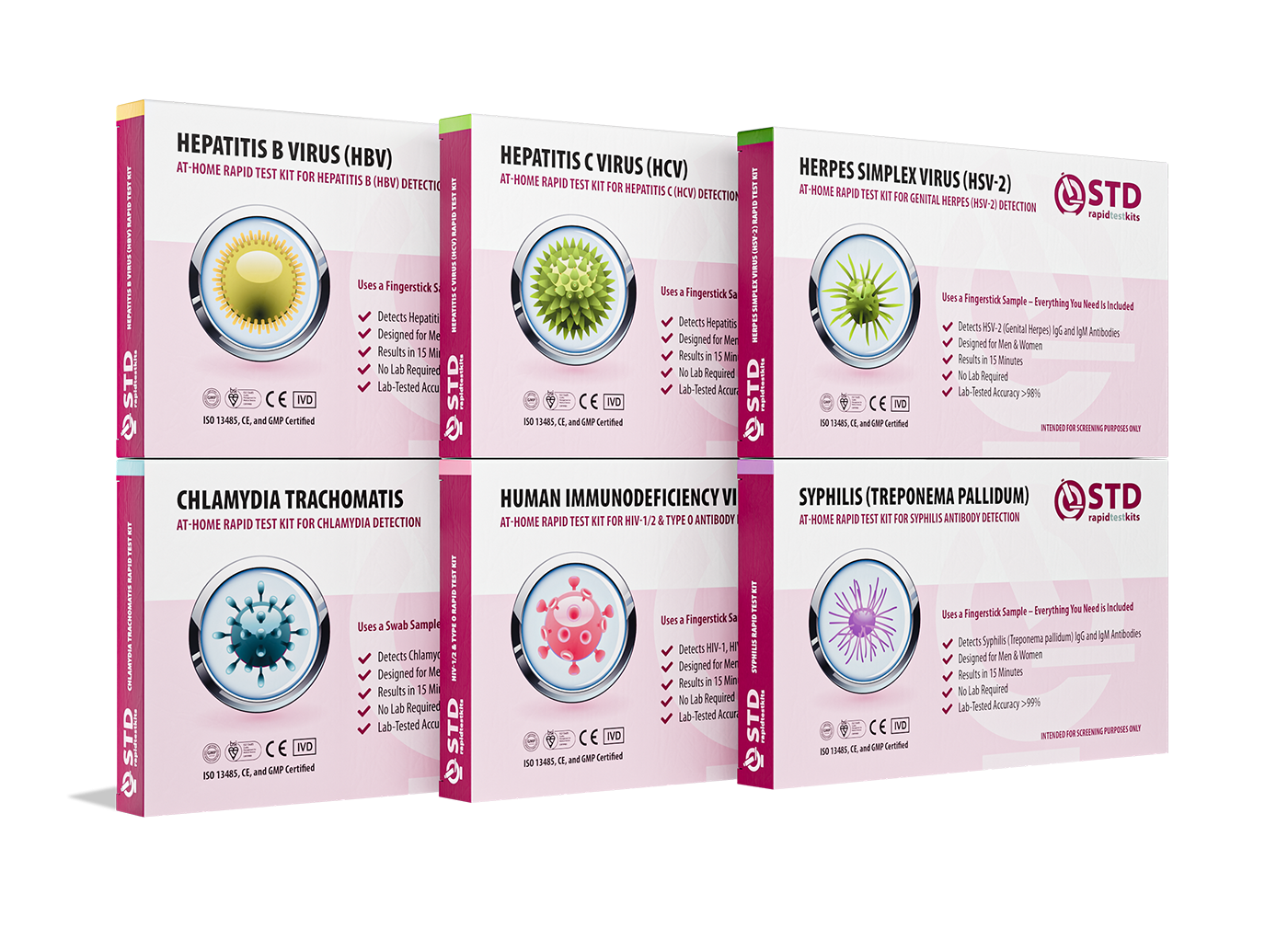 For Men & WomenResults in MinutesNo Lab NeededPrivate & Discreet
Order Now $119.00 $294.00
For all 6 tests
Your Partner Matters, Too
Prenatal care often focuses on the pregnant person, but if your partner is sexually active with you during pregnancy, their status matters just as much. Reinfection during pregnancy can happen. In fact, it’s more common than most people realize. The same study that showed rising chlamydia rates among pregnant people also noted that a significant percentage had partners who were never tested or treated.
If you test positive, your partner needs to be tested, and possibly treated, even if they have no symptoms. If you're in a monogamous relationship and they test positive before you do, the conversation can be emotional. But testing them isn’t about blame. It's about breaking the chain of transmission so you both stay healthy, and so the baby is protected.
One OB nurse shared a story anonymously: “We had a patient test positive for gonorrhea at 30 weeks. Her boyfriend swore he was clean. We tested him, he had it too, asymptomatic. She was furious, but once they got treated, the pregnancy went smoothly. They even laughed about it later.” These situations are delicate. But they’re manageable. And they’re more common than anyone admits.
Empower yourself. Ask your partner to test with you. Or send them a private kit. A discreet Combo Test Kit lets you both get answers without clinic stress. Knowledge is safety. For both of you, and your baby.
FAQs
1. Do I really need an STD test if I feel totally fine?
Feeling fine is great, but symptoms aren’t the full story. Most infections, especially chlamydia and gonorrhea, can simmer silently for months. One patient told me, “I only got tested because it was on the lab slip… not because I thought anything was wrong.” She ended up catching an infection early enough that it never touched the baby. Testing is less about your symptoms and more about catching what your body isn’t announcing.
2. Can STD testing hurt my baby in any way?
Not even a little. The tests touch you, not the pregnancy. Think about them like checking your vitamins or blood sugar, just another window into how your body’s doing. The real risk isn’t the test; it’s missing an infection that could quietly cause problems later.
3. What if the test comes back positive? Am I in trouble?
You’re not in trouble. You’re not “dirty.” You’re not a bad partner or a bad parent. You’re a person living in a human body, and human bodies pick up infections sometimes. Most STDs are treatable during pregnancy, and providers deal with these results every single day. One mom told me, “I cried for 20 minutes, then my doctor walked me through the plan and suddenly it felt solvable.” And it was.
4. How often do people get false negatives during pregnancy?
It happens more than people expect. Hormones shift. Immune responses slow down. And some infections just take time to hit detectable levels. I’ve seen people test negative at 8 weeks and positive at 26 weeks without any new exposure, they just caught an early test. That’s why repeat testing isn’t overkill; it’s smart timing.
5. Can I use an at-home STD test while I’m pregnant?
Yes, and honestly, a lot of people do because it feels less intimidating than a clinic. If you’re between providers, avoiding judgment, or just want a second check, an at-home kit works beautifully. One woman shared, “I was 30 weeks pregnant in a tiny town with no OB. That home kit saved me.” Just make sure you choose a trusted kit, like the ones from STD Rapid Test Kits.
6. Should my partner get tested too?
Yes. Absolutely. Even if they “feel fine.” Even if they “tested a while ago.” Reinfection during pregnancy happens more often than anyone likes to admit. I once saw a couple sit side by side in a clinic lobby, both nervous, both holding test forms. They walked out laughing afterward because it wasn’t nearly as dramatic as they feared. Testing together takes the blame out of it and brings the teamwork back in.
7. Is it true that herpes only matters during delivery?
Mostly, yes. The big concern with herpes is an active outbreak when labor starts. That’s why many providers put patients with a history of herpes on suppression medication at 36 weeks. I’ve had people panic when they felt a small tingle at 38 weeks, then breathe again when suppression meds did exactly what they were supposed to.
8. Can an STD suddenly show up late in pregnancy even if I was “clean” at the start?
It absolutely can. Maybe you got tested early, before an infection was detectable. Maybe a dormant infection woke up (hello, pregnancy hormones). Maybe a partner didn’t know they were carrying something. It doesn’t mean anything about your character; it just means your timeline shifted. Biology isn’t linear. Testing helps you stay ahead of it.
9. Will an STD change how I give birth?
Sometimes, but not as often as people fear. Herpes and HIV are the big ones that can shift delivery plans. Others simply require treatment beforehand. I once heard a labor nurse say, “I wish patients knew how routine this is for us. We’ve got plans for every scenario.” Translation: you’re not alone, you’re not unusual, and there’s already a safe pathway forward.
10. What if I’m too embarrassed to ask my doctor questions about STDs?
Then let me tell you a secret: your doctor has heard every STD question you can imagine, asked by people who felt just as nervous as you. If the conversation still feels impossible, write your questions down, hand the paper over, or send a portal message. Or start with an at-home kit and bring the results in. There are many ways to get answers, and none of them require shame.
You Deserve Answers, Not Assumptions
If you’re pregnant and wondering whether STD testing really applies to you, the answer is yes, but not because of fear or judgment. Because it's a powerful act of care. For yourself. For your baby. For your future.
It doesn’t matter if you're in a long-term relationship, if you have no symptoms, or if this is your third baby and you’ve never had an issue before. Things change. Bodies change. Partners change. Biology doesn’t wait for clarity. And now you don’t have to either.
Order your at-home STD combo test kit today and take one more step toward a safe, confident pregnancy, on your own terms.
How We Sourced This Article: We combined current guidance from leading medical organizations with peer-reviewed research and lived-experience reporting to make this guide practical, compassionate, and accurate.
Sources
1. CDC – STDs During Pregnancy: Fact Sheet
2. Sexually transmitted infections (STIs) — WHO Fact Sheet
4. Understanding Congenital Syphilis — CDC Resource for Parents
5. Pregnancy and Infection: CDC Explains the Real Risks to Babies
6. CDC’s Latest STI Data: 2024 U.S. Infection Trends and Stats
7. Maternal STIs and Risk of Preterm Birth — JAMA Network Open
About the Author
Dr. F. David, MD is a board-certified infectious disease specialist focused on STI prevention, diagnosis, and treatment. He blends clinical precision with a no-nonsense, sex-positive approach and is committed to expanding access for readers in both urban and off-grid settings.
Reviewed by: Dr. Keira Lin, OB-GYN | Last medically reviewed: December 2025
This article is only for informational purposes and should not be taken as medical advice.


