





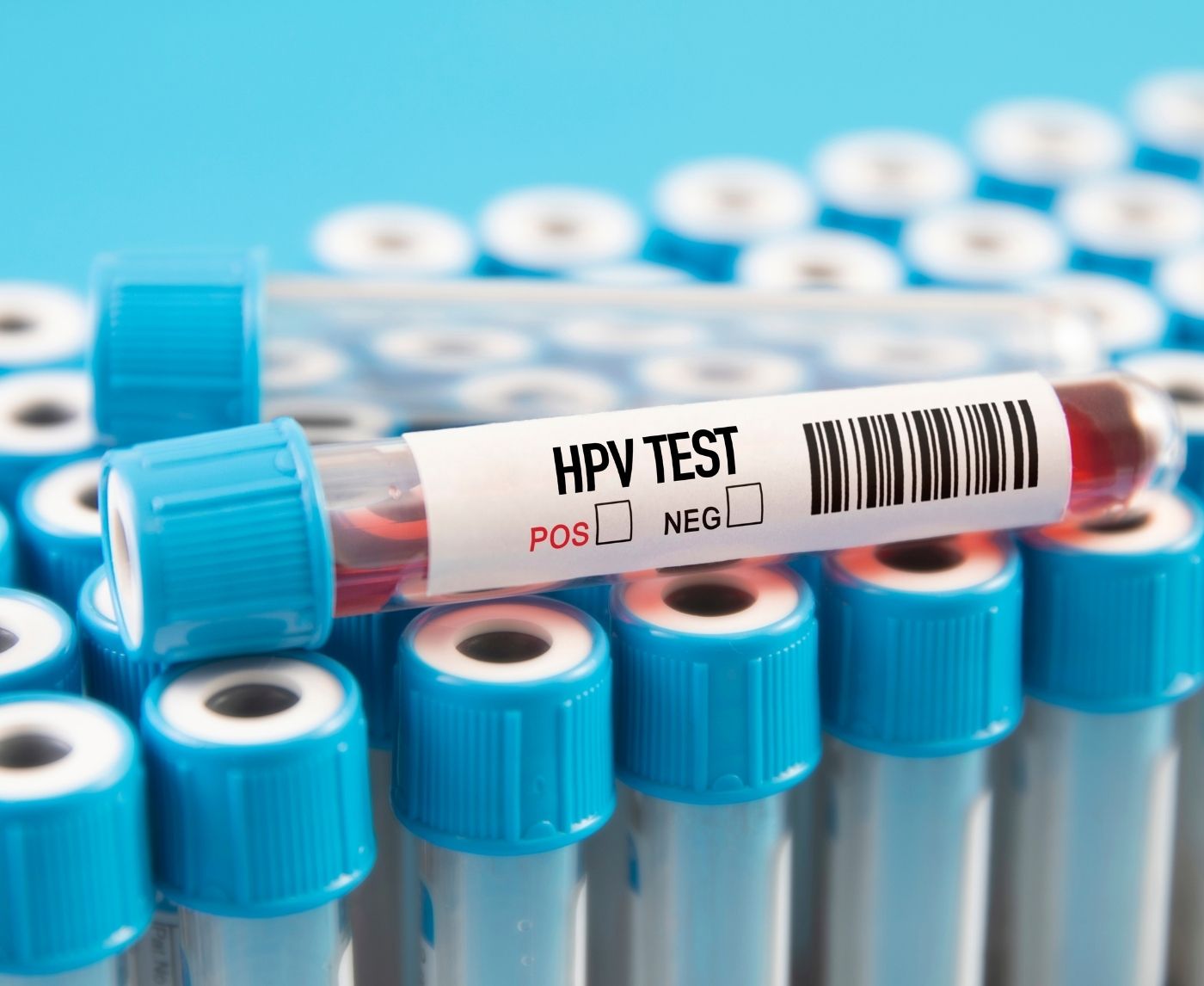

Quick Answer: HPV rapid tests can be accurate, but their reliability depends heavily on the timing of the test, correct use, and how results are read. A faint line doesn’t always mean positive. When in doubt, retest or confirm with a lab.
How HPV Rapid Tests Work (And What They Can Actually Detect)
At-home HPV tests don’t detect the virus itself in real time. They typically work by identifying viral DNA fragments or antigens in a cervical or vaginal sample. Most rapid tests use lateral flow technology, which is similar to how pregnancy tests or COVID swabs work. You collect a sample, usually with a swab, place it in a reagent, and wait for a colored line to appear on a test strip.
But here’s the thing most people don’t realize: not all HPV tests are created equal. Some detect high-risk strains like HPV-16 or HPV-18, the ones linked to cervical cancer, while others pick up low-risk strains that may cause warts. The test’s target determines how it’s built and what “positive” even means. And that directly impacts how to interpret results.
According to the Centers for Disease Control and Prevention (CDC), high-risk HPV types are often present without symptoms for years. This means someone can test positive while feeling completely fine, or test negative too early and get a false sense of safety.
If you’re using a rapid test from home, you’re likely using an immunochromatographic assay or DNA strip detection. These are fast, often reading in under 20 minutes. But they require correct timing and handling to produce a trustworthy result.
Sensitivity vs Specificity: What Those Accuracy Numbers Really Mean
It's simple to look at a package and think you're good to go if it says "99% accuracy." But those numbers don't tell the whole story. Let's figure it out. Sensitivity tells you how well the test finds real positives. Specificity shows how well it finds people who don't have HPV. In real life? These numbers are shaped by more than just the lab, timing, technique, and strain all influence outcomes.
| Metric | Definition | Typical Range for HPV Rapid Tests |
|---|---|---|
| Sensitivity | Ability to correctly detect HPV in someone who has it | 85% – 95% |
| Specificity | Ability to correctly identify someone who doesn't have HPV | 90% – 98% |
Table 1: Sensitivity and specificity are essential for understanding whether your test can catch real infections, or falsely flag them.
For example, a test with 90% sensitivity will still miss 1 in 10 true cases. And if you’re using it too early after exposure or didn’t collect the sample properly, the odds of a false negative go up. On the flip side, a highly specific test reduces false positives, but can still show faint or questionable results depending on test quality or contamination.
This is why it's never just about the number on the box. Your result sits at the intersection of biochemistry, timing, and how well you followed the instructions, which brings us to one of the most overlooked problems: user error.
People are aslo reading: Tested Positive for Gonorrhea? What to Do in the First 24 Hours
How User Mistakes Affect Accuracy (And What to Watch For)
Here’s a true-to-life scenario: Riley, 26, took her first at-home HPV rapid test after a new partner admitted they had a previous abnormal Pap smear. She was careful, or so she thought. But she rinsed the swab with warm water first, thinking it would help. It didn’t. The test showed no result at all. She panicked, then retested, and got a faint line.
What Riley experienced isn’t uncommon. HPV tests are more sensitive to sample quality than many people realize. Using the wrong part of the swab, collecting too little fluid, not mixing the reagent correctly, or reading the test too early (or too late) can all throw the result off.
Even storage conditions matter. A test kit left in a hot car for hours might degrade chemically before you even open it. Instructions often mention optimal temperature ranges and expiration dates for a reason. The human error component, especially with rapid at-home tests, is one of the top contributors to false readings, particularly false negatives or invalids.
So what counts as a “mistake”? It’s more than just skipping a step. Holding the swab wrong. Shaking the vial instead of swirling. Using a test outside the window period. Leaving the strip out on a wet surface. These details seem small but can influence what shows up, and what doesn’t, on that tiny line.
Need answers now? You can order an FDA-approved HPV rapid test kit discreetly, with instructions tailored for first-time users. The test includes clearly marked timing indicators to reduce reading errors and supports high-risk HPV detection.
Check Your STD Status in Minutes
Test at Home with Remedium6-in-1 STD Test Kit
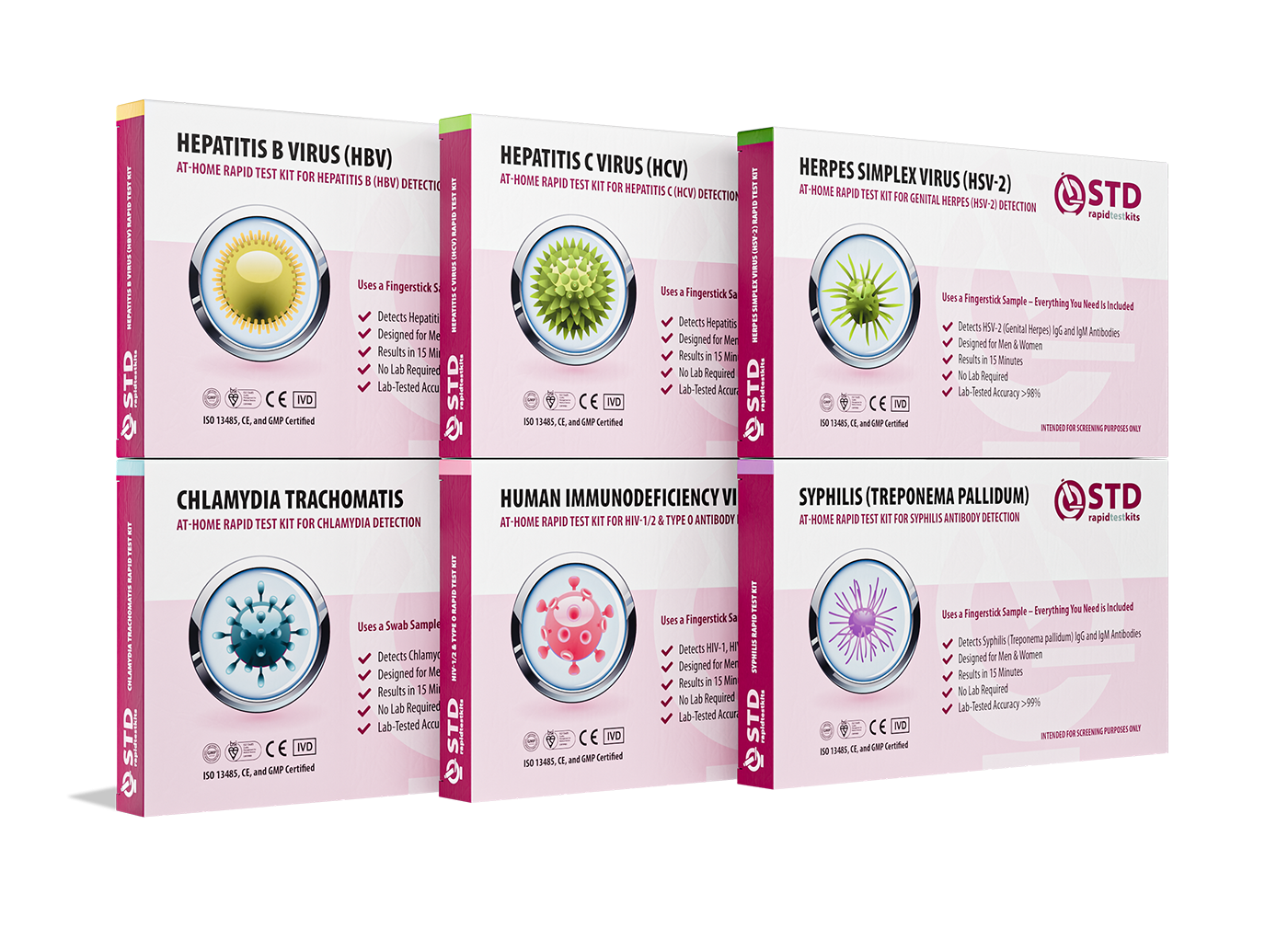
 For Men & Women
 Results in Minutes
 No Lab Needed
 Private & Discreet
Order Now $119.00 $294.00
For all 6 tests
Timing Matters: The HPV Window Period and Why It Can Fool You
If you test too soon, your result might not mean what you think it means. The "window period" is the time between HPV exposure and when a test can reliably detect the virus. It's not the same as the incubation period, which is when symptoms may (or may not) appear. HPV often causes no immediate symptoms, and many people never develop any. That’s why test timing is so critical.
Let’s say you had a new partner last weekend, and you take an HPV rapid test five days later. Even with high sensitivity, the test might not pick up the infection yet. That’s not the test being broken, it’s biology. HPV replicates slowly compared to bacterial infections like chlamydia. It can take weeks before the virus reaches a detectable level in cervical or vaginal cells.
| Timing Scenario | What to Expect |
|---|---|
| 0–7 days after exposure | High risk of false negative. Virus may not be detectable yet. |
| 8–21 days after exposure | Infection may start to show. Retesting advised later if negative. |
| 22–30+ days after exposure | Best time to test for accuracy. Virus is more detectable. |
Table 2: Timing makes or breaks test accuracy. Wait at least three weeks post-exposure when possible.
One reader, Saira, took her first HPV test just nine days after a condom slipped. It came back negative. She relaxed. A month later, a Pap test showed high-risk HPV. "I felt like the first test lied to me," she said. It didn’t lie, it just couldn’t see what wasn’t there yet. That early false negative made her delay follow-up, which increased anxiety later.
That’s why many clinicians suggest waiting at least three weeks post-exposure if you're asymptomatic and not in an emergency care situation. If you test earlier for peace of mind, make a plan to retest at the 30-day mark to confirm your result.
Faint Lines: What They Might Mean (and What They Don’t)
Let’s return to that faint line on your test. You squint. You check the instructions. Maybe you hold the strip up to a lamp or compare it to the example photo in the box. A barely-there line feels worse than a clear positive, because it leaves everything open-ended. Is it real? Is it an error?
Here’s the bottom line: in most test designs, any line in the test window, even a faint one, can mean the test detected HPV DNA or antigens. But the strength of the line doesn’t always correlate with how much virus is present. A light line doesn’t mean you have “a little HPV.” It means the reagents reacted, but potentially at a low concentration.
Some people test with very early infections or with samples that have just enough material to trigger a weak reaction. Others may see a faint line if the test was left to sit too long, lines can develop after the official reading window and create “ghost positives.”
And then there’s dye pooling, when fluid concentrates in one part of the strip and creates smudges or lines that aren’t clean. This is why many tests recommend reading results within 15–20 minutes and discarding them after 30. Visual clarity degrades over time, even if the chemistry is solid.
If your result is faint and the instructions say to treat any visible line as positive, assume it’s a preliminary positive. That doesn’t mean panic. It means next steps. You may choose to retest using a fresh kit or follow up with a lab-based test that uses PCR or NAAT technology for confirmation.
Need clarity without the clinic wait? You can explore STD Rapid Test Kits to find discreet HPV testing options. The test strips included are designed with clarity-enhancing indicators that reduce ambiguous faint lines and improve interpretation.
Are false positives real or just a mistake?
False positives happen, but they’re not as common as online forums might suggest. When they do occur, they’re usually caused by three things: contamination, misinterpretation, or biological noise (like transient HPV that resolves without persistent infection).
Here’s where nuance matters. Some people test positive for HPV even though their body clears the virus within months. That’s not a false positive, that’s a snapshot of a real infection that resolved. Others may get a line from a degraded test, use tap water to mix reagents, or double-dip a swab out of sequence. These aren’t inherent flaws in the test, they're environmental or human variables.
Raya, 34, tested positive with an HPV rapid kit two days after her annual Pap came back normal. She spiraled. It turned out the test was expired, and she’d used a cotton swab not included in the box. The faint line was real, but the process wasn’t. That false confidence in a DIY approach left her overwhelmed until a lab rechecked her status weeks later.
Lab-confirmed false positives are uncommon with modern rapid HPV tests, especially those that screen only for high-risk types. But when people see a positive with no symptoms and no Pap abnormality, they often assume the test is flawed. It may not be. It may just be early, and temporary.
If you're unsure, don’t let one confusing test send you down a spiral. Pair results with a clinical follow-up or wait a few weeks and retest using a new kit. If you're still in limbo, telehealth providers can guide you on next steps without judgment.
When to Retest (And Why One Test Isn’t Always Enough)
There’s a reason healthcare providers rarely rely on a single HPV test, especially if it’s a rapid one taken at home. Timing, strain type, and individual immune response all influence what your body shows at any given moment. If your first test was negative but you’re still worried, or if your positive result was faint, a follow-up test is more than just a formality. It’s a second data point in a longer story.
Retesting helps filter out flukes. It can distinguish a genuine persistent infection from a fleeting one-time exposure that your immune system cleared. Most experts recommend retesting around 30 to 45 days after the initial test, especially if the first one was done less than three weeks post-exposure. If you’re immunocompromised, that window might stretch longer, because your body may take more time to develop detectable markers.
Ana, 41, took an HPV test at home after recovering from chemotherapy. It was negative. But her oncologist suggested retesting in six weeks. The second test came back positive for HPV-18, a high-risk type. “I didn’t feel sick, and the first test said I was fine,” she said. “But my immune system wasn’t reacting normally.”
This is why context matters. A negative doesn’t always mean safe. A positive doesn’t always mean panic. The best action is to look at results as part of a pattern, not as isolated verdicts. And when in doubt, it’s okay to test more than once.
Need help deciding when to retest? Our Combo STD Home Test Kit offers flexible testing options you can use today, and again in a few weeks. It’s discreet, FDA-approved, and ideal for those who need confirmation without clinic delays.
When Confirmatory Testing Is the Smartest Move
There are times when only a lab can give you the kind of certainty you're looking for. If your at-home test shows a clear positive, especially for high-risk strains like HPV-16 or HPV-18, a follow-up test through a clinic or mail-in PCR kit is often recommended. These lab-based tests amplify the DNA of the virus to detect it with much greater precision, and with less chance of user interference.
Confirmatory testing is also smart if you’re pregnant, undergoing fertility treatments, or preparing for surgery. Many OBGYNs will require a Pap smear and HPV co-test before certain procedures. A positive at-home result doesn’t replace that process, but it can alert you early and prompt faster follow-up.
Not everyone has easy access to a clinic. That’s where telehealth services and mail-in PCR test kits come in. Companies now offer at-home sampling kits where you send your swab to a certified lab. These are especially helpful when you’ve had an unclear or faint rapid result and need a tie-breaker to move forward with confidence.
Always double-check the strain types your at-home test covers. Some kits only detect the two most cancer-associated strains, while others check for a broader panel. If your test came back negative but you’re still getting abnormal Pap results, it may have missed a less common, but still important, HPV type.
The bottom line? A rapid test is a starting point. If what you see scares or confuses you, confirmation is not overkill. It’s care.
People are aslo reading: How to Use an At-Home Gonorrhea Rapid Test and Read the Results
How to Read Results If You’re Immunocompromised or Have a Cervical Condition
People with weakened immune systems process infections differently, and that includes HPV. Whether you’re living with HIV, on immunosuppressant medications, or have a history of abnormal cervical cells, your body may not fight off HPV as easily. That affects both detection and persistence.
In these cases, rapid tests may still detect HPV, but they may not be the most reliable indicator of your long-term risk. This is especially true for people who have had previous abnormal Pap smears or who are undergoing colposcopy. Rapid tests only show presence or absence of virus, not how it’s affecting your cells.
If you fall into one of these categories and get a positive result, it’s especially important to follow up with cytology (Pap) or colposcopy. These tests assess the impact of the virus on your cervical tissue, which is what truly matters in determining cancer risk.
Mel, 30, was living with lupus and had a history of abnormal Paps. Her HPV test came back negative, but her doctor insisted on a follow-up colposcopy anyway. It showed early cell changes. “The test said I was fine. My cervix told a different story,” she said. Her case wasn’t a failure of the test, it was a reminder that HPV acts differently in different bodies.
This is why personalized follow-up matters. At-home tests offer access, speed, and discretion. But they aren’t the final word, especially when you’re managing other health conditions.
Check Your STD Status in Minutes
Test at Home with RemediumPapillomavirus (HPV) Test
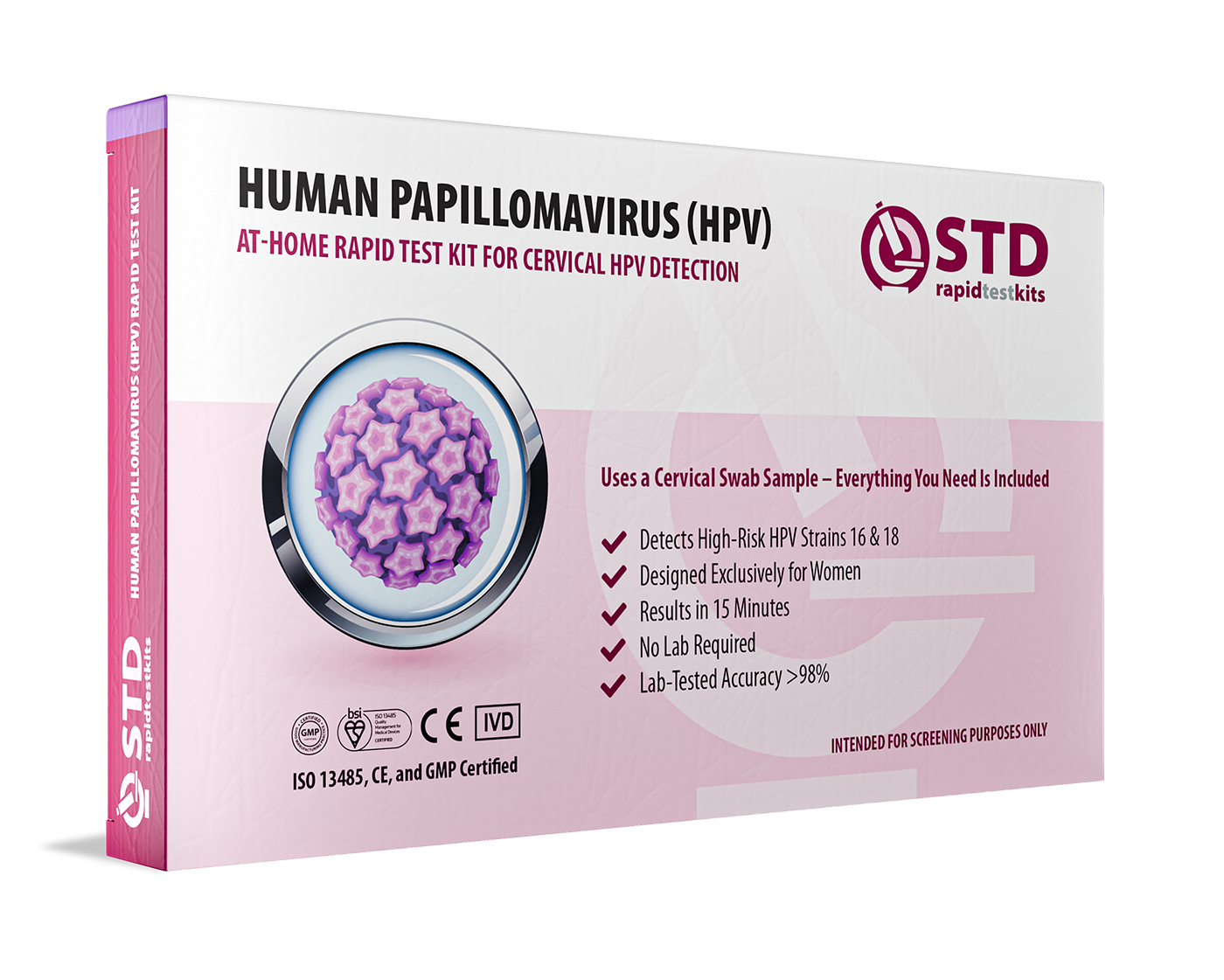
 For WomenResults in MinutesNo Lab NeededPrivate & Discreet
Order Now $33.99 $49.00
Your Privacy, Your Power: How At-Home HPV Tests Protect You
For many people, going to a clinic for STD testing still carries emotional weight. There’s shame, fear, even the logistical burden of making time for an appointment. At-home testing removes a lot of that, no waiting rooms, no awkward conversations, no insurance disclosures. Just you, your test, and your timeline.
All HPV rapid test kits from STD Rapid Test Kits are shipped discreetly in unmarked packaging. There's no health-related labeling or branding on the outside. Inside, you'll find clear instructions, sanitized components, and results in under 30 minutes.
And while no test is perfect, the autonomy that comes with testing on your own terms is powerful. It puts the decision-making, and the follow-up, back in your hands. That kind of control is often the first step toward less fear and more clarity.
FAQs
1. Does a faint line really mean I have HPV?
It might, but it’s not always a definitive yes. A faint line means the test reacted to something, but it doesn’t tell you how strong or persistent the infection is. It could be a low-level detection, early exposure, or even a slight mishandling of the test. If you're staring at that line like it's a Rorschach inkblot, you're not alone. When in doubt, retest or confirm through a lab.
2. How soon is too soon to test after unprotected sex?
If it’s been less than two weeks, your test might be jumping the gun. HPV takes time to show up, kind of like that one friend who’s always late to brunch but still insists on ordering eggs. Wait at least 21 days for a more accurate result, unless you’re testing to clear your head after a scare, in which case, test now, then plan to retest.
3. I tested positive, but my Pap smear was normal. What gives?
Totally possible, and not as weird as it sounds. Your HPV test looks for the virus; your Pap looks for what the virus is doing to your cervical cells. You can have HPV and still have zero abnormal changes. Think of it like getting a weather alert: the storm might not have hit yet, but you’ll want to keep an umbrella nearby.
4. What if my test didn’t show any lines at all?
We refer to that as a "invalid" result. It typically indicates that something went wrong with the test, such as a small sample size, improper timing, or improperly stored parts. It’s not about you messing up (though hey, we’ve all been there). Toss it, grab a fresh test, and try again.
5. Can guys use HPV rapid tests too?
Short answer: not really. Most at-home HPV kits are designed for cervical or vaginal use, which leaves guys out of the rapid testing party. That said, men can still carry and spread HPV. Testing for men is usually done via anal swabs or urethral sampling in clinical settings, especially for those at higher risk.
6. Why did my first test say negative and the second one say positive?
Great question, and one we get a lot. Your body (and the virus) doesn’t operate on a timer. The first test may have been too early, or maybe the sample wasn’t great. A second test catching the virus just means it finally hit detectable levels. It’s not betrayal. It’s biology.
7. Do I have to tell my partner if I test positive?
Legally? Depends where you live. Ethically? It’s a good idea, especially if the strain is high-risk. The good news: you don’t have to write a Shakespearean monologue. A simple, honest message plus a testing suggestion goes a long way. And yes, anonymous partner notification tools exist if the convo feels too raw.
8. Can I test during my period?
It’s better to wait until after. Menstrual blood can interfere with the sample, especially in rapid antigen-based tests. If it’s day one and your cramps are making you reconsider everything, give it a few days. You want a clean, accurate read, not a red-tinted guessing game.
9. I have no symptoms. Should I even bother testing?
Absolutely. Most people with HPV don’t have symptoms at all, zero, nada, not even a bump. That’s what makes it such a sneaky virus. Testing isn’t just for people who “feel off.” It’s for anyone who's sexually active and wants to stay ahead of the game, whether it’s after a new partner or just routine self-care.
10. Can I trust these at-home tests, really?
They’re not perfect, but they’re powerful, especially when used correctly. Think of them like your GPS: great for direction, but sometimes they miss a turn. Use them thoughtfully, read instructions like your future cervix depends on it, and back them up with clinical tests if something feels off.
You Deserve Answers, Not Assumptions
When the results are unclear, HPV testing can be hard to understand, make you feel bad, and even make you angry. But that faint line, that wrong read, that panic after searching on Google? It doesn't have to tell you what to do next. You deserve to be clear whether you're getting tested after a new partner, responding to a scare, or just taking charge of your health.
Don’t wait and wonder, get the confidence you deserve. This at-home combo test kit includes HPV and other common STDs, giving you answers in private, on your terms.
How We Sourced This Article: We combined current guidance from leading medical organizations with peer-reviewed research and lived-experience reporting to make this guide practical, compassionate, and accurate.
Sources
1. CDC – Genital HPV Infection – Fact Sheet
2. World Health Organization – HPV and Cervical Cancer
3. Human Papillomavirus (HPV) Infection – STI Treatment Guidelines (CDC)
4. HPV Test – What to Expect (MedlinePlus)
5. HPV Test – Overview (Mayo Clinic)
6. Accuracy of Human Papillomavirus (HPV) Testing on Urine, Vaginal, and Cervical Samples (PMC)
7. Performance and Diagnostic Accuracy of HPV Tests Using Vaginal and Urine Samples (E‑CRT Journal)
8. Performance of High‑Risk HPV DNA Testing Compared to Cytology (PMC)
9. WHO Guidelines for HPV‑DNA Testing in Cervical Cancer Screening (NCBI Bookshelf)
10. HPV and HPV Testing – Overview (American Cancer Society)
About the Author
Dr. F. David, MD is a board-certified infectious disease specialist focused on STI prevention, diagnosis, and treatment. He blends clinical precision with a no-nonsense, sex-positive approach and is committed to expanding access for readers in both urban and off-grid settings.
Reviewed by: A. Simmons, RN, MPH | Last medically reviewed: December 2025
This article is only for information and should not be used as medical advice.


