An HIV-related rash will most often occur during the first two months of a new infection. However, a rash or skin lesions also occur with many other sexually and virally transmitted diseases. It is therefore important to differentiate an HIV rash from those caused by other STDs.
28 September 2024
7 min read
250606
HIV Rash Characteristics
Whether the rash is a direct result of the virus or the antiretroviral drugs taken to combat the virus's effects is less important than the fact that it is there. Most HIV rashes are either flat or slightly raised; light-skinned people find them small, reddish spots that are black or very dark purple in darker-skinned individuals.
They can occur anywhere on the body but are very prominent on the face, chest, hands, and feet. Most of these rashes are itchy in nature and may form ulcers over the mouth. Testing, oral as well as through the blood, can be a way to sort out the actual cause of the rash in order to provide proper treatment.
Dangers and Consequences of HIV Rashes
The intensity of these rashes varies from mild to very intense, and sometimes it can also become life-threatening. Most of the time, HIV rashes are due to the adverse effects brought about by antiretroviral drugs and may make the patient develop a dangerous condition called Stevens-Johnson Syndrome. When SJS aggravates and spreads on approximately 30% of the body, it converts into an even dangerous condition known as Toxic Epidermal Necrolysis.
"These risks are better ameliorated through regular testing for HIV infection and knowledge of HIV status."
Symptoms Accompanying HIV Rash
Some symptoms may appear with the rash at different stages of the infection or depending on the intensity of the disease:
Swollen lymph nodes
Tiredness
Fever
Flu-like symptoms
Painfully difficult mobility issues to move around
Rashes Caused by HIV
Seroconversion Rash One common rash is the seroconversion rash, which forms during the seroconversion stage of the HIV infection—a period when the body starts making antibodies against the virus. Many times, it comes in company with flu-like symptoms and is almost some sort of signal by the body's immune system when it recognizes something foreign, like HIV.
Atopic Dermatitis Atopic dermatitis is an inflammatory disease of the skin that results in a scalp, red, itchy rash of generally specific parts of the body. About 30% of the population in the United States is afflicted with this disease, with a higher prevalence in urban settings. The management of atopic dermatitis should be approached through awareness of symptoms and its precipitating factors, in addition to modes of treatment for alleviating discomfort and maintaining the skin in optimal status.
Xerosis Xerosis is a disorder of dry skin and ushually presents as a pruritic rash of the extremities. Common to both HIV and noninfected patients, its management can be as easy as application of moisturizers and avoidance of predisposing factors.
Eosinophilic Folliculitis Eosinophilic folliculitis can be diagnosed with itching, rash characteristics, and the presence of red bumps targeting the follicles. Often, such rashes are seen in later generations of the disease. During the later stages of the disease when the patient's immune system has been considerably depressed, it may include discomfort and visible signs on the surface. The rash is easily identifiable and is very helpful during treatment for the terminal stages of HIV.
Warts Warts are one of the ordinary infections of the skin, which often appear as irregular skin growths that may take the form of bumps speckled with black dots. These usually develop from the infection caused by a virus known as the Human Papillomavirus. The weakened body defense mechanisms of a person infected with HIV have a harder time keeping off the HPV virus; hence, such individuals are more prone to acquiring warts.
These growths occur in numerous parts of the body, which also include the hands and feet; in some strains of HPV, even the most sensitive parts of the body can also develop the problem. While the warts are treatable, their recurrence in HIV-positive cases just points to the endless fight between the compromised immune system and the opportunistic infections.
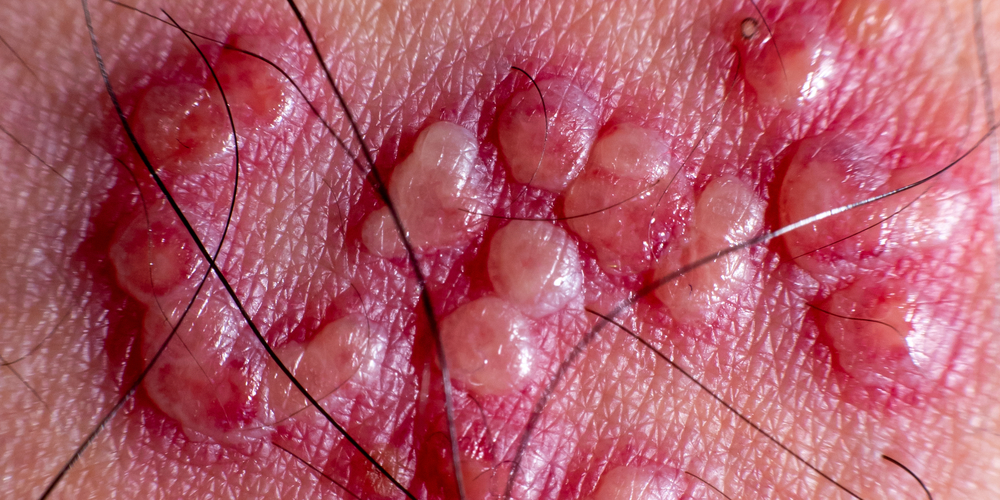
Herpes The other STD is herpes, mainly caused through intimate physical contact. The virus that causes herpes finds a ready passage into the body of an HIV-positive person because his or her immune system has already been compromised due to the fact that the body with HIV finds it difficult to counteract other prevailing infections.
Generally affecting the genital area and/or the mouth, herpes is a painful, crusty blister condition that somewhat resembles a rash. In someone with HIV, whose body's defenses against the herpes virus are lowered, outbreaks in both areas are by no means uncommon.
Fungal Infections Fungal Infections and HIV HIV leads to a compromised immunity and hence the organism is highly prone to different types of fungal cutaneous infections.
While this organism's pathogenic nature is resisted by the robust immune system in a healthy individual, an HIV-positive individual, on the other hand, will stand a high possibility of acquiring the infection after being exposed to such fungi. Although Ringworm is the most prevalent fungal infection that may be caught by a weakened immune system, causing a skin rash, there are numerous fungal infections that might take hold.
HIV Self-Test Kits: The Gentle Alternative
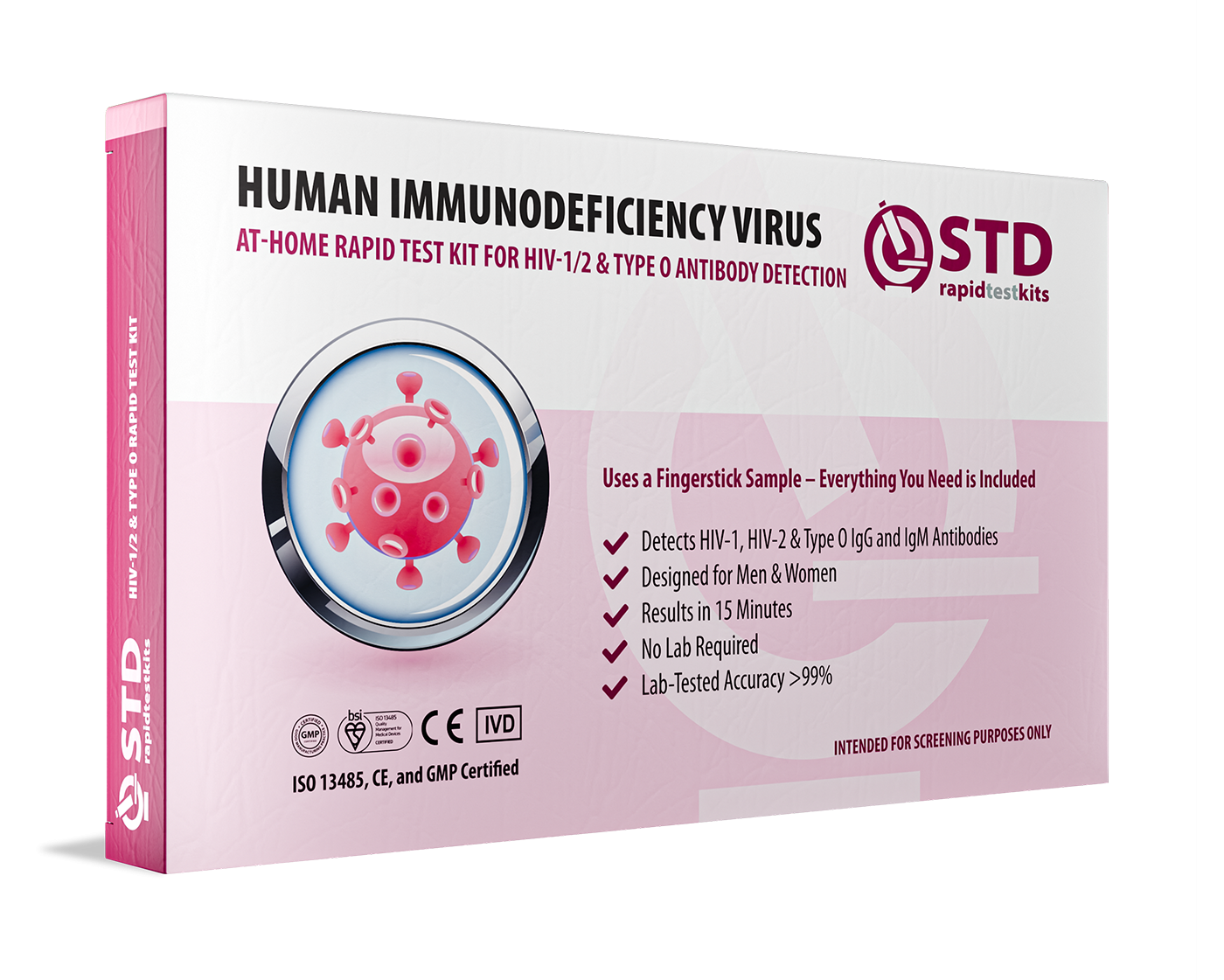
On the other hand, growing concerns about personal privacy have encouraged a few companies to manufacture reliable at-home test kits for HIV. The test kits provide rapid and private testing. Most of these test kits include step-by-step instructions on how to collect either blood or saliva and submit them for laboratory testing by mail.
Besides privacy, the convenience will mainly be the reason these are advantageous for these kits. You could test in the comfort of your home without necessarily going to the clinics and with all the inconveniences from travel, appointments among others.
Considerations of all the advances with medication, prevention still predominately offers the best countermeasure to HIV. Thus, the following basic precautions become indispensable to reduce risks:
Use of condoms during sexual intercourse.
Do not share needles or any other injecting equipment.
Get tested for HIV frequently if you are sexually active or use injectable drugs.
Limit the number of sexual partners.
If you are at particularly high risk for HIV infection, you should consider pre-exposure prophylaxis.
Understanding and Response to HIV Rash
Of course, rashes are always alarming, especially when serious conditions like HIV are concerned. But on the other hand, they could also be important warning signals, enabling one to seek an early diagnosis and care. Knowing what a rash from HIV looks like and how it differs from other rashes may be required in coping with this illness. Despite the severity, medical science has made HIV a manageable disease. People with HIV can lead normal fulfilling lives if testing is done on time, checkups are regularly carried out, medications are taken as prescribed, and one leads a healthy life.
Important to Remember
Remember, early diagnosis is of prime importance; it's a question of your life. And if you think that you have acquired HIV infection, never hesitate to consult a doctor or take the help of home-testing kits available in the market. Know your status, stay healthy, and protect yourself and others against some of the signs of HIV and other sexually transmitted diseases.







 For Men & Women
 Results in Minutes
 No Lab Needed
 Private & Discreet


