







Quick Answer: Hepatitis B can stay in your body without symptoms for weeks, months, or even decades. Many people never show signs at all, yet the virus may still cause serious liver damage over time. Testing is the only way to know if it’s there.
Who Needs This Article (Even If You Feel Fine)
This guide is for anyone who’s ever asked, “Can I really have Hepatitis B and not know it?” Whether you’ve had a one-time risk event or are in a long-term relationship with someone who tested positive, you’re not alone in wondering. Maybe you were vaccinated as a kid and think you’re protected, or maybe you weren’t sure what shots you got. Maybe your partner got diagnosed and you feel totally fine, but unsure what that means for you.
We also wrote this for the people who never tested because there were no “red flags.” People like Devon, or like Sophia, 34, who only found out she had chronic Hep B after bloodwork during a pregnancy checkup. The absence of symptoms isn’t a green light. It’s just silence, and silence isn’t always safe.
In this article, we’ll break down how long Hep B can stay in your body without symptoms, what "carrier" means, how to test at home or in a clinic, and why some people never feel a thing until serious liver damage starts. It’s not about fear, it’s about knowing. And knowing means power.
How Hepatitis B Operates Quietly in the Body
Hepatitis B virus (HBV) is known for two things: its ability to spread easily and its frustrating habit of hiding out quietly. Once it enters your bloodstream, through sex, shared razors, unsterile tattoos, or even from mother to child, it travels straight to the liver. That’s its base of operations.
For some, the immune system kicks in fast, fights it off, and the virus disappears in a few months. That’s called an acute Hepatitis B infection. But for others, especially adults with weakened immune systems or people infected at birth, it becomes chronic. Chronic Hep B means the virus stays in your system for more than six months, often for life.
What makes it dangerous is how silently it can operate. No fever. No yellowing of the eyes. No pain. Just slow, steady inflammation of the liver cells that you’ll never feel, until the damage is done. In fact, according to the CDC, up to 50% of adults with chronic Hepatitis B report no symptoms at all, even after years of infection.

People are aslo reading: Still Hungover Days Later? It Might Be Hep C, Not Booze
Table: Acute vs Chronic Hepatitis B (And What You Might Feel)
| Type | Duration | Common Symptoms | Can Be Symptom-Free? | Risk of Liver Damage |
|---|---|---|---|---|
| Acute Hepatitis B | Less than 6 months | Fever, fatigue, nausea, jaundice, dark urine | Yes (especially in adults) | Low (if cleared) |
| Chronic Hepatitis B | 6 months to decades | Often none; sometimes fatigue or mild discomfort | Yes (very common) | High (risk of cirrhosis, liver cancer) |
Figure 1. The difference between acute and chronic Hepatitis B isn't just time, it's visibility and long-term risk. Many chronic carriers never feel sick.
Real Talk: How Long Can Hepatitis B Stay Hidden?
In some cases, Hepatitis B remains completely silent for 10 years or more before any symptoms show, if they ever do. That’s why it’s often called a “silent killer,” especially in global regions where routine testing isn’t common. According to the World Health Organization, more than 296 million people are currently living with chronic Hepatitis B worldwide. Many of them don’t know it.
It’s possible to contract Hep B as a baby, live with it through your teens, twenties, and thirties without a single obvious symptom, and only find out when liver enzyme levels show something’s off during a routine blood panel. This long latency makes it feel safe, but it isn’t.
Even during the "silent years," Hep B may be slowly damaging the liver. Chronic inflammation leads to scar tissue (fibrosis), which over time becomes cirrhosis, permanent scarring that affects how the liver works. From there, the risk of liver failure or liver cancer rises sharply. And yet, the person may still say, “But I feel fine.”
This illusion of wellness is the virus’s greatest trick, and the reason testing matters even when nothing feels wrong.
Check Your STD Status in Minutes
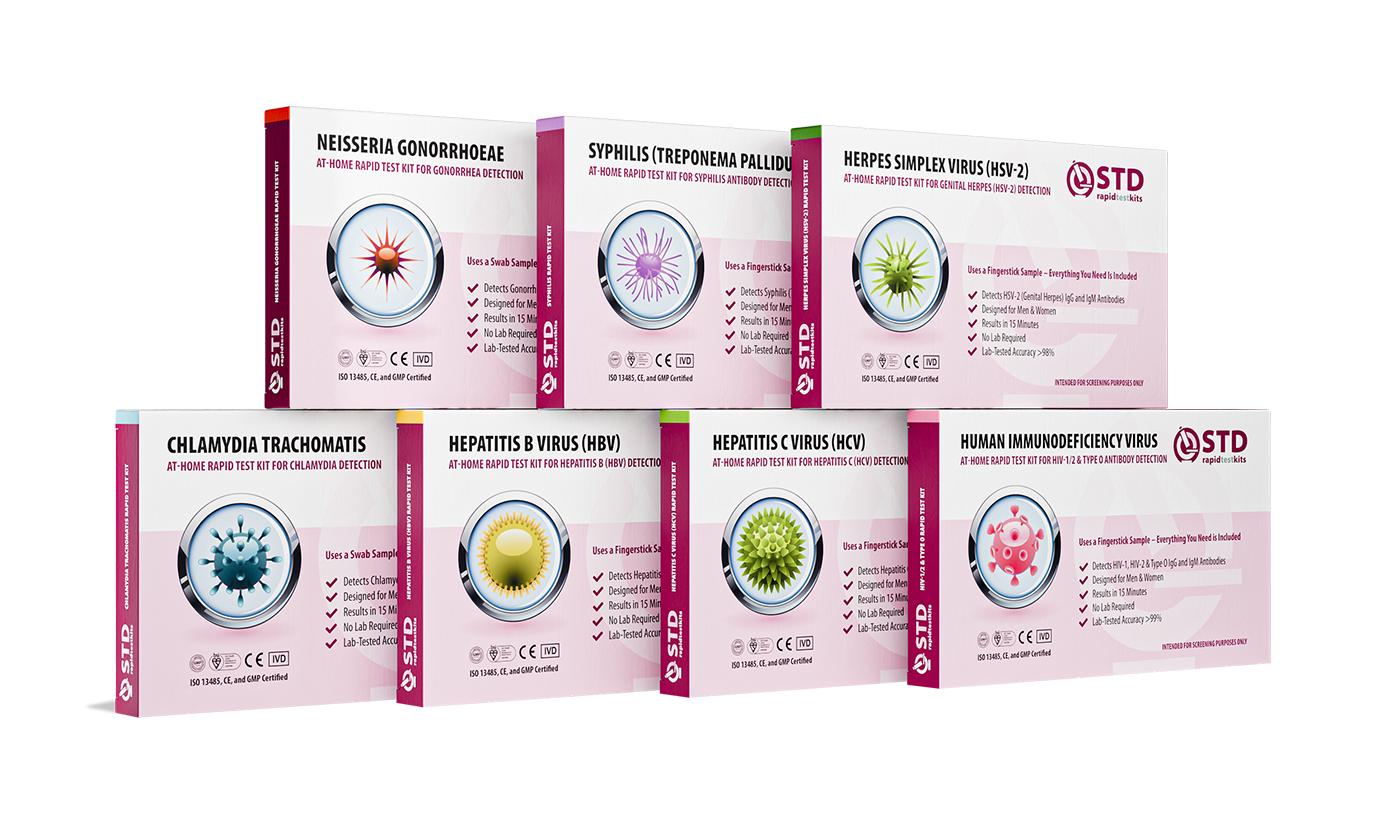
Test at Home with Remedium7-in-1 STD Test Kit
 For Men & Women
 Results in Minutes
 No Lab Needed
 Private & Discreet
Order Now $129.00 $343.00
For all 7 tests
Case Study: “I Had Hep B for Years, and Never Felt It”
Anita, 41, found out she had Hepatitis B during a pre-IVF screening. She was stunned. “I kept telling the doctor they must’ve made a mistake,” she says. “I don’t drink, I don’t do drugs, I’ve never even had a tattoo. I felt completely healthy.”
Her infection was likely acquired from her mother at birth, a common route in many parts of Asia and Africa, where perinatal transmission is a major risk. “It explained some of my cousin’s health issues too,” she says. “But no one had ever brought it up until now.”
Anita is now under regular monitoring for liver function. She’s on antiviral medication and says she’s become “obsessed with liver-friendly food and hydration.” Her biggest regret? “Not knowing sooner. I would’ve tested earlier if someone had told me you can carry Hep B for years and feel totally fine.”
If that sounds like your story, or even a possibility, keep reading. We’ll cover testing options next, including how to test discreetly from home.
When to Test: The Window Period Dilemma
Let’s say you had a risky sexual encounter two weeks ago. You feel fine. No fever. No yellow skin. Nothing out of the ordinary. Should you test for Hepatitis B now, or wait?
This is where the idea of a window period becomes critical. The window period is the time between when the virus enters your body and when it can be reliably detected on a test. During this period, the virus may be actively replicating, but your immune system hasn’t produced enough detectable antibodies or antigens yet. Testing too early could result in a false negative, even though you’re infected.
According to the National Library of Medicine, the average window period for Hepatitis B is around 30 to 60 days. Some tests may detect it sooner, but accuracy increases dramatically the longer you wait past initial exposure. That’s especially true if you’re using a rapid at-home test versus a lab-based PCR or antigen/antibody blood panel.
Table: Hepatitis B Testing Timing After Exposure
| Time Since Exposure | What’s Happening in the Body | Test Reliability | Recommended Action |
|---|---|---|---|
| 0–14 Days | Virus present, but immune response may not be detectable | Low | Wait and monitor; test again later |
| 15–30 Days | HBsAg may begin to appear (early detection possible) | Medium | Early testing possible, but retest needed after day 45 |
| 30–60 Days | Antigens and antibodies usually detectable | High | Best window for most Hepatitis B tests |
| 60+ Days | Infection may have resolved or become chronic | Very high | Ideal for confirmatory testing or chronic status check |
Figure 2. Testing too early for Hepatitis B can result in missed infections. Retesting is often necessary, especially for those without symptoms.
At-Home, Clinic, or Lab: Which Test Is Right If You Feel Fine?
So you’re symptom-free but concerned. Maybe you just found out a past partner tested positive. You’re not ready to walk into a clinic, but you’re not ready to ignore it either. Good news: you have options.
At-home Hepatitis B rapid tests can detect the Hepatitis B surface antigen (HBsAg), one of the first signs to appear in the blood during an infection. If you test positive for HBsAg, it means the virus is active in your system and you should follow up with a confirmatory blood test and liver panel.
Here’s the breakdown:
| Testing Method | Privacy | Turnaround Time | Best Used When |
|---|---|---|---|
| At-Home Rapid Test | Very high | 15–20 minutes | You want quick, private screening at home |
| Mail-In Lab Kit | High | 2–5 days after mailing | You want high sensitivity without going to a clinic |
| In-Clinic Testing | Low–Moderate | Same-day to 7 days | You need comprehensive results or have other conditions |
Figure 3. Choose a test that fits your timing, privacy needs, and anxiety level. All tests improve with the right timing.
When Silence Feels Safe, But Isn’t
One of the biggest barriers to Hepatitis B testing isn’t cost or access, it’s psychology. We tend to assume we’re okay if we feel okay. But Hepatitis B flips that logic. You can feel 100% normal while inflammation builds under the radar. That’s why asymptomatic doesn’t mean non-contagious or non-progressive.
And yes, you can still pass it on, especially through unprotected sex, shared razors, or childbirth, even if you feel great. That’s part of why public health officials urge regular testing for high-risk groups, including healthcare workers, people with multiple sexual partners, men who have sex with men, and individuals from countries where Hep B is common.
As the Hepatitis B Foundation explains, early detection not only helps prevent liver complications, it helps protect others. And it opens the door to vaccines, antivirals, and proactive liver monitoring.
What Happens If You Test Positive (But Still Feel Fine)?
Testing positive without symptoms is actually more common than you’d think. If your test detects HBsAg, your next steps are:
1. Confirm the result with a full HBV panel (which may include HBsAg, anti-HBs, and HBcAb tests) 2. Get a liver function test to check for any damage 3. Consult a provider about antiviral medication (not all chronic carriers need it right away) 4. Test partners or close contacts 5. Monitor regularly, even if you never develop symptoms
In most cases, people live long, healthy lives with chronic Hep B, especially if they test early and avoid alcohol, monitor liver health, and take medication when needed. But that only happens when you know what you’re dealing with.
Still feeling overwhelmed or unsure what test to start with? This discreet Hepatitis B rapid test kit can give you quick insight from home, with results in minutes.
When to Retest (Even If You Still Feel Fine)
Let’s say your first test came back negative, but you were exposed less than 30 days ago. Or maybe you took an at-home test and it was unclear, faint, or expired. Or maybe you're just someone who likes confirmation before moving on. In all these cases, retesting is not just reasonable, it’s smart.
If your exposure was recent, experts typically recommend a second test 6 to 8 weeks after the initial risk event, even if the first test was negative. This window helps catch late seroconversions, cases where your immune system took a little longer to produce detectable levels of antigens or antibodies.
And if you tested positive without symptoms, your care team will likely recommend retesting at regular intervals to monitor viral load, liver function, and treatment effectiveness. These follow-ups are not about paranoia. They’re about staying ahead of complications like cirrhosis or liver cancer.
Luis, 39, who was diagnosed with chronic Hepatitis B at a blood donation clinic, now gets tested every six months. “I’ve never had a single symptom,” he says. “But that doesn’t mean the virus isn’t doing its thing. I’d rather know before it gets serious.”

People are aslo reading: Why You Might Need to Test Even with No Risky Sex
Can You Clear Hepatitis B Without Knowing?
Yes, and it’s more common than you might think. Many healthy adults who contract Hepatitis B clear the virus within six months and never know they had it. Their body fights it off, and they’re left with antibodies that protect them from future infections. These people may only find out they ever had it when a blood test shows anti-HBc or anti-HBs markers, proof of past infection and immunity.
But here’s the catch: you can’t know you cleared it unless you get tested. And some people who think they cleared it might actually still carry the virus in low, chronic amounts. Only full testing panels can confirm your true status. That’s why even people who “feel better” after a scare should still follow up with confirmatory testing.
Without that clarity, you’re left guessing, and that’s not peace of mind. That’s just the illusion of it.
Partner Care: What If You’re the One Who Might Have It?
If you find out you’re living with Hepatitis B, even without symptoms, there’s a natural next question: who do I tell? Disclosure isn’t always easy, especially if you feel fine. But it’s an important part of protecting the people you care about.
Hepatitis B spreads through blood, semen, vaginal fluids, and from parent to child during birth. If you’ve shared needles, razors, toothbrushes, or had unprotected sex with someone, that person should get tested. The good news? The Hepatitis B vaccine is highly effective, so if your partner hasn’t been exposed and gets vaccinated quickly, they can likely avoid infection altogether.
We’ve created scripts and resources for telling a partner you might have an STD, even when the test is pending or you’re not sure how to start. You can also direct them to a reliable home testing option like this Hepatitis B Rapid Test Kit.
Remember: knowing your status is care, not confession. Telling someone protects them, not just from infection, but from worry. It turns the unknown into a choice, and that’s powerful.
Check Your STD Status in Minutes
Test at Home with RemediumHepatitis B Test Kit
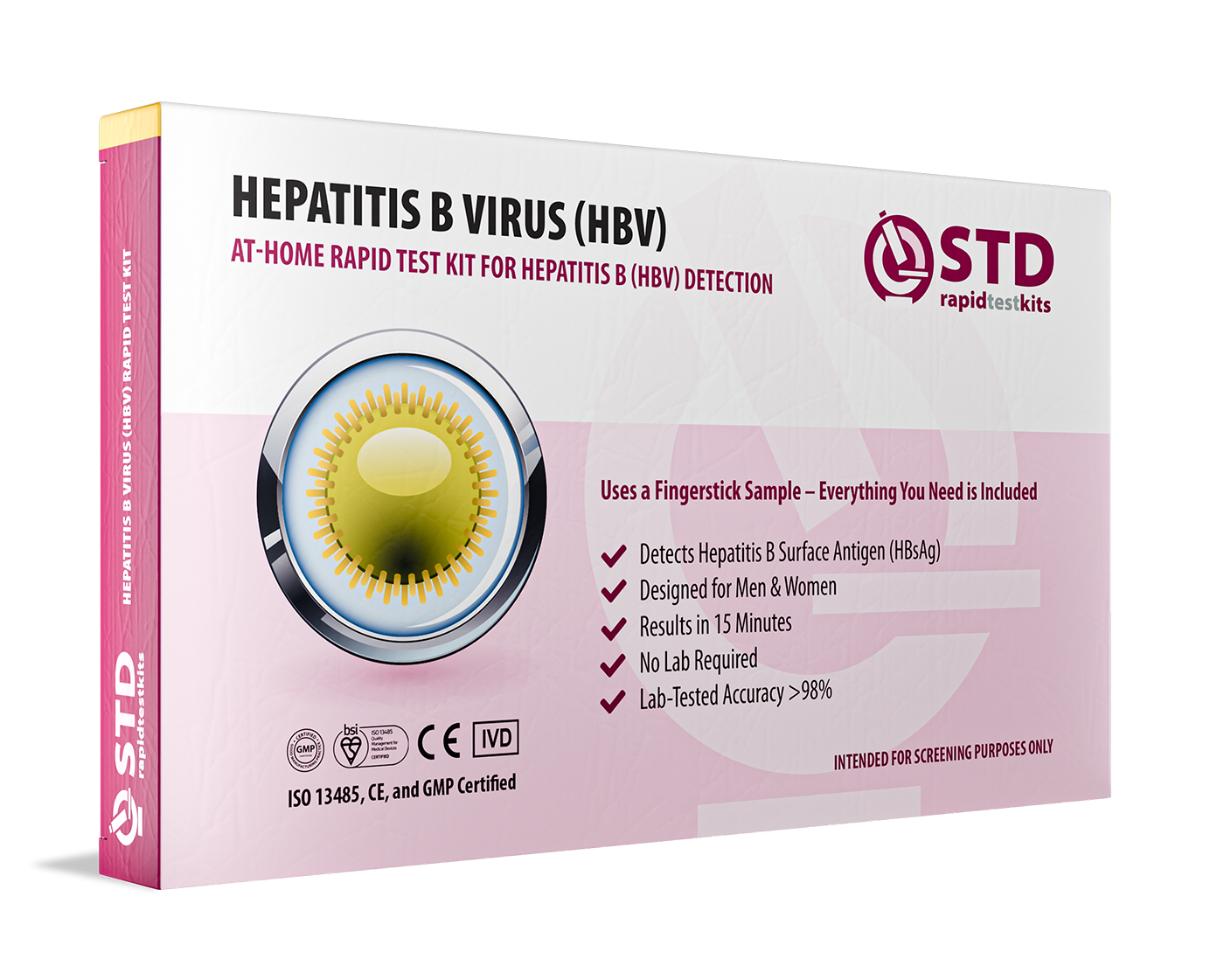 For Men & WomenResults in MinutesNo Lab NeededPrivate & Discreet
Order Now $33.99 $49.00
Emotional Fallout: What If You Feel Nothing, But Think Everything?
It’s strange to feel betrayed by your own body. You feel okay, but your test says you’re living with something you never saw coming. You might be second-guessing old relationships, wondering what you missed, replaying every doctor visit, or feeling shame for not testing sooner.
This is common. But it’s also a trap. Hepatitis B is a medical condition, not a moral failing. The truth is, most people who have it don’t know when or how they got it. It may have been from a partner who didn’t know they were infected. It may have been years ago, from a shared item or an unsafe injection. None of that changes your worth, your rights, or your future.
What matters now is this: you know. And with that knowledge, you can act. You can monitor your liver. You can protect your partners. You can live fully and healthily, because testing gave you a chance to face the silence before it got loud.
Still feeling unsure what test to use or whether you’re in the right window? Start with clarity. Explore discreet testing options here and take the first step from knowing nothing to knowing something.
FAQs
1. Can you really have Hepatitis B and feel totally fine?
Yep, and that’s what makes it tricky. A lot of people don’t get symptoms at all. No fever, no jaundice, no clue. You could carry the virus for years and only find out because of a routine blood test. Feeling normal doesn’t mean you’re in the clear. Only testing can confirm that.
2. How long can Hepatitis B hide in your body?
Months, years, even decades. Some people are infected as infants and don’t find out until adulthood. Others get it in their 20s, feel nothing, and test positive at 35. It doesn’t tap you on the shoulder, it just waits.
3. Isn’t it fine to wait for symptoms before testing?
Honestly? No. That’s like waiting for your car engine to catch fire before checking the oil. Hep B can do serious liver damage silently. By the time symptoms show up, things might already be complicated. Testing early = protecting your future self.
4. What does it mean to be a "carrier" of Hepatitis B?
It means the virus is chilling in your system, maybe for life, even if you feel healthy. You might not need treatment right away, but you can still pass it on and should be getting regular liver checks. Carriers often have no clue they’re contagious until someone else gets sick.
5. Can I still spread Hep B if I have no symptoms?
100% yes. Hepatitis B doesn’t wait for you to feel sick to become someone else’s problem. You can pass it through sex, blood, childbirth, and even shared razors. That’s why testing, and telling partners, is key.
6. If I test negative, am I totally safe?
Not always. If you tested too early (within a month of exposure), the virus might not be detectable yet. That’s why most people do a second test at 6–8 weeks. It’s not paranoia, it’s smart backup.
7. Can Hep B just go away on its own?
Sometimes, yes. In healthy adults, the immune system clears it naturally in a few months. But that’s not guaranteed. And even if it clears, you might not know unless you test and find those post-infection antibodies. Without testing, you’re just guessing.
8. Is there a cure for chronic Hepatitis B?
There’s no full-on cure yet, but there are antiviral meds that keep the virus suppressed and your liver protected. Think of it like managing diabetes or high blood pressure, less scary when you’re monitored and on a plan.
9. I already feel fine. Why would I test now?
Because “feeling fine” is not a medical test. Plenty of people who feel great are walking around with chronic Hep B and don’t know it. Testing now gives you control before anything changes. Prevention is sexier than panic.
10. What if my partner just told me they have Hepatitis B?
Deep breath. Step one: get tested. Step two: talk to a provider about getting vaccinated ASAP if you’re not already immune. Step three: remember this doesn’t mean anyone was hiding something, it’s possible they didn’t know either. Start from facts, not fear.
You Deserve Answers, Not Assumptions
Hepatitis B doesn’t always show itself. It won’t always warn you. That’s why waiting for symptoms is a dangerous game. But you don’t have to play it. Testing, especially when you feel fine, isn’t overreacting. It’s self-respect. It’s foresight. It’s protection for your future self and for the people you care about.
Whether you’re looking for peace of mind or making decisions about a relationship, your health, or a future pregnancy, clarity starts here. This combo test kit lets you screen for multiple STDs at once, including Hepatitis B, from home, quickly and confidentially.
Don’t wait for symptoms. Don’t wait for regrets. Test because you care, about your body, your partners, and your peace of mind.
How We Sourced This Article: We combined current guidance from leading medical organizations with peer-reviewed research and lived-experience reporting to make this guide practical, compassionate, and accurate.
Sources
1. CDC – Hepatitis B FAQs for the Public
2. World Health Organization – Hepatitis B Fact Sheet
3. Hepatitis B Foundation – Patient Resources
4. Mayo Clinic – Hepatitis B Symptoms & Causes
6. Clinical Overview of Hepatitis B (CDC)
7. Hepatitis B - NCBI Bookshelf (StatPearls)
8. Hepatitis B: Overview and Diagnosis — Medscape
9. Hepatitis B (Chronic) — MSD Manual
10. Natural History of Hepatitis B Virus Infection — WHO Training Module
About the Author
Dr. F. David, MD is a board-certified infectious disease specialist focused on STI prevention, diagnosis, and treatment. He blends clinical precision with a no-nonsense, sex-positive approach and is committed to expanding access for readers in both urban and off-grid settings.
Reviewed by: J. Ramirez, MPH | Last medically reviewed: December 2025
This article is only for informational purposes and should not be taken as medical advice.


