






Quick Answer: Gonorrhea can feel exactly like a UTI, especially in the early stages. Burning, urgency, pelvic pain, and frequent urination are common to both. But unlike a UTI, gonorrhea may not show up on a urine culture and requires a specific STD test to confirm.
This Guide Is For Anyone Asking “What Else Could It Be?”
If you've ever sat in a clinic waiting room wondering why it still burns to pee despite your UTI results coming back clean, this guide is for you. If you’ve taken antibiotics for what you thought was a bladder infection, only to have symptoms return a week later, this is for you. And if you’ve never had a UTI before, but something suddenly feels off after a new sexual encounter, it’s especially for you.
Sexual health doesn't always come with clear warning signs. Gonorrhea can creep in disguised as something else. This article will walk you through why gonorrhea and UTIs often get confused, how to tell the difference, what tests work, and what to do next, without shame, judgment, or panic.
You’ll also find practical tools for at-home testing, guidance for partners, and a breakdown of symptoms that deserve a second look. Because peace of mind shouldn’t require a guessing game, and your health shouldn’t depend on assumptions.
Why Gonorrhea Gets Mistaken for a UTI
The overlap in symptoms is more than coincidental. Both gonorrhea and UTIs can cause pain or burning during urination, frequent urges to pee, and pelvic discomfort. But while UTIs stem from bacteria in the urinary tract, often E. coli, gonorrhea is a sexually transmitted infection that targets mucous membranes. That includes the urethra, which is why the symptoms can feel nearly identical.
Take Leah, 24. She thought her new relationship was going great. They used condoms “most of the time,” but a few nights slipped by unprotected. Two weeks later, she noticed pain during urination. “Classic UTI,” she thought. Her doctor even prescribed antibiotics before the urine test came back. But it wasn’t a UTI. It was gonorrhea.
Here’s where things get tricky: standard urine tests look for UTI-causing bacteria, not for STDs. Unless your provider specifically orders an NAAT (nucleic acid amplification test) for gonorrhea or chlamydia, your results may come back clean, even when you’re still infected. That’s how people like Leah fall through the cracks.

People are aslo reading: What Your Sex Ed Left Out: Pleasure, Protection, and Testing 101
Table 1: Why Gonorrhea Feels Like a UTI (But Isn’t One)
| Symptom | UTI | Gonorrhea | Can It Overlap? |
|---|---|---|---|
| Burning when peeing | Very common | Very common | Yes |
| Urgency/frequent urination | Common | Sometimes | Yes |
| Pelvic or lower belly pain | Common | Common (especially in women) | Yes |
| Cloudy or smelly urine | Common | Rare | Usually no |
| Unusual discharge | Uncommon | Very common (especially in men) | Possible red flag |
Figure 1. While some symptoms overlap, others, like discharge or test results, can help differentiate gonorrhea from a true UTI.
Order Now $33.99 $49.00 Check Your STD Status in Minutes
Test at Home with Remedium
Gonorrhea Test Kit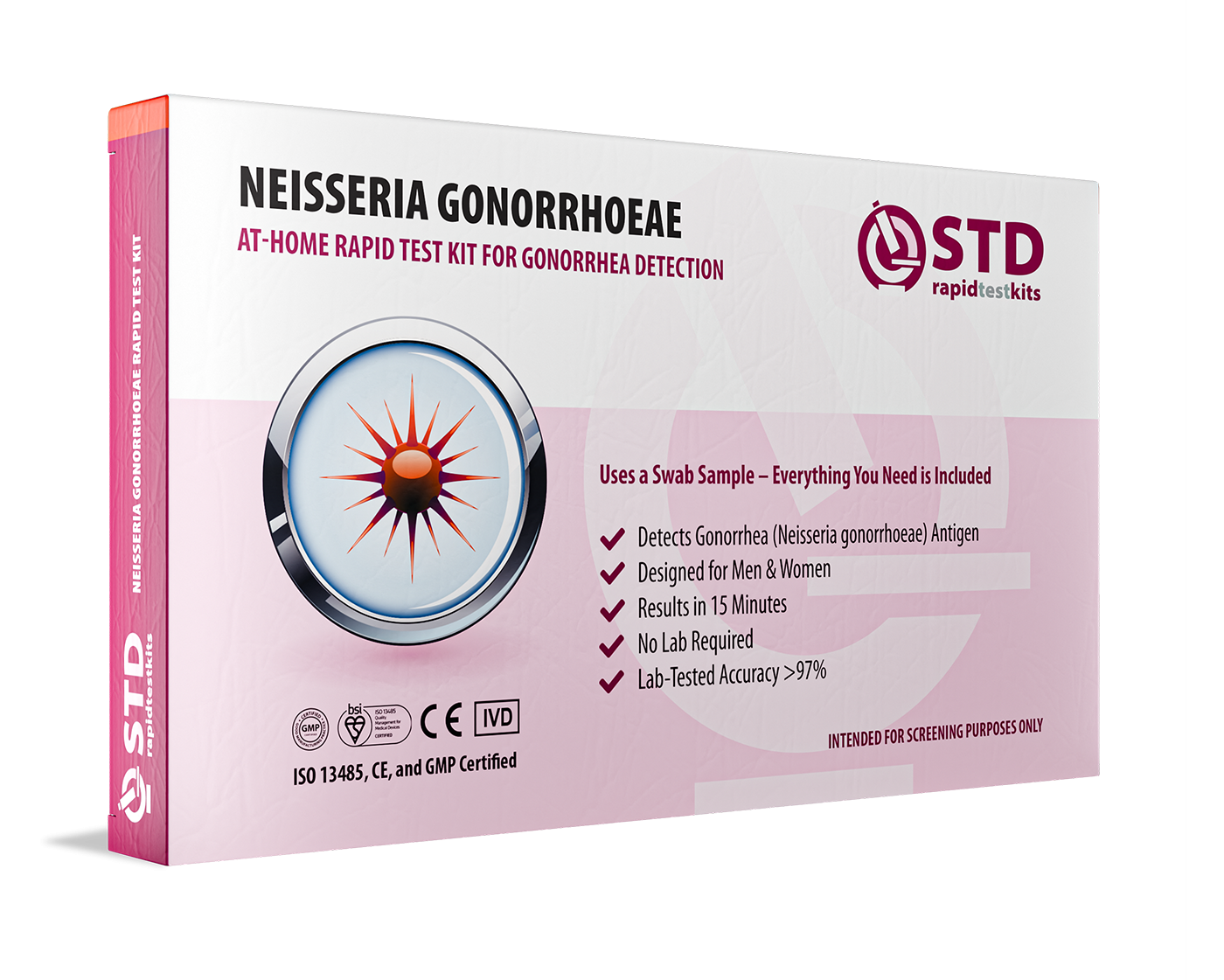
 For Men & Women
 Results in Minutes
 No Lab Needed
 Private & Discreet
When a “UTI” Treatment Doesn’t Work
If you’ve already been treated for a UTI and your symptoms keep coming back, or never fully went away, gonorrhea needs to be on your radar. This happens more than you think. Many people are prescribed antibiotics that don't work on STDs, and because they temporarily feel better, they assume the infection was resolved. Then it flares again.
Jason, 31, found himself in that exact loop. “I thought I had a stubborn bladder infection,” he says. “I even went to urgent care twice. Both times, they gave me meds, but didn’t test for anything else.” It wasn’t until a partner told him they tested positive for gonorrhea that Jason got tested and found out he had it too, weeks after his symptoms began.
Why does this matter? Because untreated gonorrhea can spread. It can lead to pelvic inflammatory disease (PID) in people with vaginas, and in rare cases, it can cause joint pain or systemic infection in anyone. Early treatment is easy. Delayed treatment gets complicated, and more expensive.
This is where at-home STD testing comes in. If your UTI symptoms persist or recur after antibiotics, it’s time to broaden the scope. A gonorrhea rapid test kit can give you clear answers in minutes from home, discreetly and without waiting in line or explaining your sex life to a stranger.
How Testing Works (And Why UTI Tests Miss Gonorrhea)
Here’s the deal: most doctors don’t test for gonorrhea unless you ask. A routine urinalysis only looks for white blood cells and bacteria, not STDs. To detect gonorrhea, your sample must be analyzed using a NAAT test or a rapid antigen test designed specifically for STIs.
At-home test kits for gonorrhea are FDA-cleared in many regions and offer over 90% sensitivity. Most collect urine or a swab (vaginal or urethral), and deliver results within 10–20 minutes. If the result is positive, you can follow up with telemedicine or an urgent care visit for treatment, usually a single antibiotic injection or oral meds.
Worried about accuracy? Here’s how gonorrhea testing compares to standard UTI testing:
| Test Type | What It Detects | Sample Type | Detection Accuracy | Where It’s Done |
|---|---|---|---|---|
| Urinalysis (for UTI) | White blood cells, bacteria | Urine | High for UTIs | Clinic/lab |
| Gonorrhea NAAT | Gonorrhea DNA/RNA | Urine or swab | Over 95% | Clinic or at-home |
| Rapid Gonorrhea Test | Gonorrhea antigen | Swab or urine | 80–95% (varies by test) | Home use |
Figure 2. UTI tests and STD tests use different tools. You can’t assume one will detect the other.
Why Gender Matters (But Not How You Think)
Gonorrhea doesn’t discriminate, but how it shows up, and how it’s diagnosed, can differ depending on your anatomy. People with penises often notice symptoms sooner: pain during urination, discharge, and testicle discomfort are common red flags. For those with vaginas, symptoms can be subtle, mistaken for yeast infections or bladder irritation, or absent altogether.
Sofia, 28, said she didn’t feel anything unusual until after a hookup where protection wasn’t used. “I didn’t have burning or anything. I only got tested because I felt off.” Her test came back positive for both gonorrhea and chlamydia. She never developed classic symptoms, but could have unknowingly passed the infection to a partner.
Gonorrhea can also infect the throat and rectum, especially after oral or anal sex. Those infections are often silent. No burning. No warning. That’s why sexual history matters. It helps determine where to test, even if you don’t have symptoms.
Should You Retest If You Already Took Antibiotics?
Absolutely. If you were prescribed antibiotics for a UTI but your provider didn’t test for STDs, and your symptoms return, or never go away, a retest is critical. Some antibiotics used for UTIs don’t work against gonorrhea. Worse, partial treatment may suppress symptoms without fully clearing the infection, leading to antibiotic resistance.
Best practice is to test again at least 2–3 weeks after finishing any antibiotic course if symptoms return. And if a recent partner tested positive for any STI, you should get tested regardless of your own symptoms. It’s not about blame, it’s about care.
This at-home combo test kit screens for gonorrhea, chlamydia, and other common infections. It’s discreet, fast, and accurate, so you can stop guessing and start healing.
What Happens If Gonorrhea Goes Untreated?
Here’s the part that most people don’t talk about: untreated gonorrhea can spread beyond the genitals. In people with vaginas, it can lead to pelvic inflammatory disease, which can cause chronic pain, ectopic pregnancy, and infertility. In people with penises, it can affect the prostate and epididymis, sometimes permanently.
And then there’s systemic gonorrhea, a rare but serious condition where the infection enters the bloodstream. It can cause joint pain, skin lesions, fever, and hospitalization. These cases are uncommon, but they’re not imaginary, and they’re avoidable with timely testing.
“I kept thinking it was just a stubborn bladder thing,” said Marcus, 35. “By the time I got tested for gonorrhea, I had joint pain that wouldn’t go away. It ended up being DGI, disseminated gonorrhea infection. If I had tested earlier, I might’ve avoided weeks of treatment.”
The takeaway? If something feels wrong, it’s okay to be wrong, but it’s not okay to wait.
When Gonorrhea Doesn’t Show Up on Tests (Yes, It Happens)
Let’s be real: no test is perfect. Gonorrhea can evade detection if you test too early, collect the sample incorrectly, or use a test not designed for the body part where the infection lives. For example, a urine test won’t catch throat or rectal gonorrhea. And even with a good test, you need to wait until enough bacteria has built up in your system, usually 5 to 7 days post-exposure, for the test to pick it up.
Some people test negative initially, then positive later. That’s not a mistake, it’s biology. If you suspect exposure, it’s okay to test early for peace of mind, but you may need to retest at the 2-week mark if symptoms develop or persist.
Still unsure? Talk to a telehealth provider or use a retesting kit designed for follow-up timing. Getting it right matters. And it’s worth doing twice if it means protecting your health and your partners.
STD Rapid Test Kits offers discreet, medically-reviewed options for those second-look situations.
How to Talk to a Partner About Possible Gonorrhea
No one loves this part, but it doesn’t have to be awful. If you test positive, telling a partner isn’t about accusing them or exposing yourself to shame. It’s about care. For them, for you, and for whatever happens next. You can say something simple like, “I got tested because of some symptoms, and I found out I have gonorrhea. I’m getting treated, but I wanted you to know in case you need to get checked too.”
There are also anonymous notification tools available through some public health sites, or you can ask your provider to help. What matters is that you don’t carry the burden alone, or leave someone else vulnerable without knowing.
It’s not about past decisions. It’s about present safety.

People are also reading: Why You Shouldn't Assume It's 'Just a UTI'
When It’s Not Gonorrhea, But Still Not a UTI
Sometimes the tests come back negative for both UTIs and STDs. That doesn’t mean your symptoms aren’t real. There are other possibilities worth exploring:
It could be chlamydia, which also mimics UTI symptoms and often goes unnoticed. It might be trichomoniasis, a common parasitic infection that rarely gets tested unless requested. Or it might be irritation from sex, soap, or a new product. Even interstitial cystitis, a chronic bladder condition, can cause UTI-like pain without infection.
This is why testing for multiple STDs at once can save time, money, and stress. You don’t want to go through this cycle twice, or worse, treat the wrong thing and let the real problem fester.
Check Your STD Status in Minutes
Test at Home with Remedium7-in-1 STD Test Kit
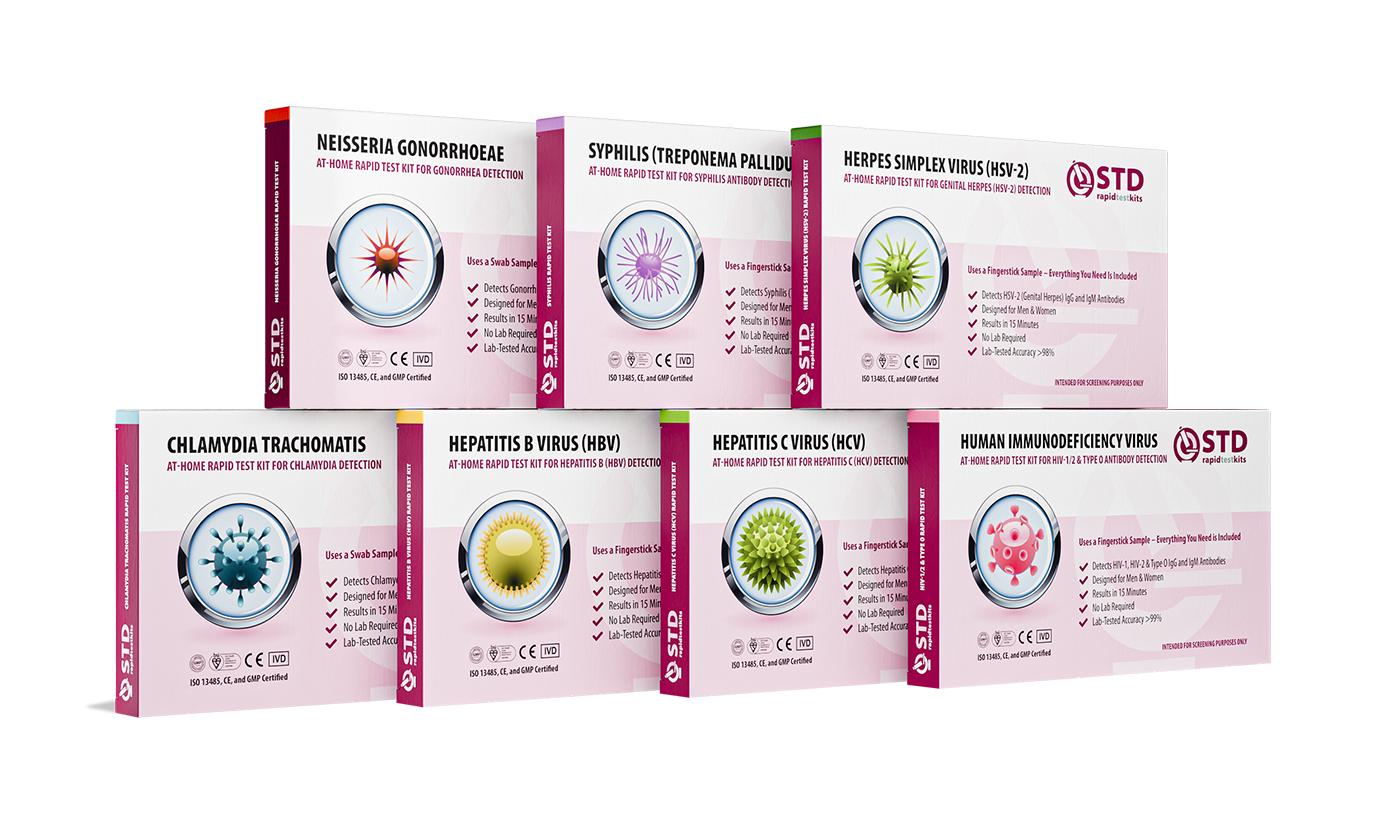 For Men & WomenResults in MinutesNo Lab NeededPrivate & Discreet
Order Now $129.00 $343.00
For all 7 tests
"But I Only Slept With One Person..."
This is one of the most gut-punching parts of discovering you might have gonorrhea: the math doesn’t feel like it adds up. You were careful. You didn’t sleep around. Maybe you even waited until it felt safe. So how is this happening?
First, breathe. It doesn’t take multiple partners or a wild weekend to get an STD. It takes one person. One moment. One lapse in protection, or even one act of oral sex. Gonorrhea spreads through any kind of unprotected genital, oral, or anal contact, and not everyone shows symptoms. In fact, most people who pass it don’t know they have it.
Danielle, 26, was stunned when her test came back positive. “I’d only been with one guy. We’d talked about being exclusive. I felt safe.” As it turned out, he had no idea he was carrying anything. He’d never been tested. He felt fine. She wasn’t angry, just caught off guard. “It wasn’t about cheating. It was about not knowing.”
This is where shame shows up fast. People start spiraling. What will others think? Will my partner accuse me? Am I ‘dirty’ now? And the answer to all of that is: no. STDs don’t reflect your worth, your choices, or your values. They reflect biology, timing, and the broken way our culture talks (or doesn’t talk) about testing.
So what do you do if you’re in this boat? Start with yourself. Test, treat, and retest if needed. Then, when you’re ready, talk to your partner, or ex, about it. You don’t need a fight. You need facts. Gonorrhea is treatable. Left untreated, it can cause complications. That’s a shared reason to care, not a reason to hide.
And if you’re reading this in the middle of the night, silently panicking after a “what if” moment, don’t wait for symptoms. Don’t wait for courage. You can order a discreet combo test now and get results in days, not weeks. It’s not just a test, it’s a way back to peace of mind.
FAQs
1. Can gonorrhea actually feel like a UTI?
Totally. In fact, that’s one of the biggest reasons people miss it. The burning, the urgency, that weird tight ache when you try to pee, it can feel identical. The difference is, a UTI will usually show up on a urine test. Gonorrhea? Not unless your doctor specifically checks for it.
2. I tested negative for a UTI but still feel like something's wrong. Now what?
That gut feeling you’re having? Don’t ignore it. If you’re still burning when you pee and your urine sample came back clean, it’s time to think outside the bladder. STDs like gonorrhea or chlamydia can sneak in with very similar symptoms. Grab a combo STD test and get some answers, it’s way better than guessing.
3. Is it possible to have gonorrhea and not even know it?
100%. A lot of people don’t feel a thing. No burning, no discharge, no drama. Especially if you’ve got a vagina, gonorrhea can fly under the radar for weeks or even months. That’s why routine testing matters, even if you feel fine, even if you trust your partner. It’s not about blame; it’s about having your back.
4. What if I already took antibiotics, could they have cured it by accident?
Maybe, but don’t count on it. Not all antibiotics knock out gonorrhea. And if you took meds for a UTI that didn’t fully treat the STD, you might’ve only half-treated the infection. That’s how resistance happens, and how symptoms come back angry. If you're unsure, test again. Especially if things still don’t feel right.
5. Can you get gonorrhea from oral or anal sex?
Yep. Gonorrhea isn’t picky about how it travels. Oral sex can pass it to the throat. Anal sex can infect the rectum. And the kicker? Those versions are usually silent. No symptoms, no warning, just a surprise when you finally test. If you’ve had any kind of unprotected contact, it’s worth covering all bases when you test.
6. How soon can I get tested after exposure?
Most accurate results show up around 5 to 7 days after potential exposure. Testing earlier might feel better for your anxiety, but the infection needs a few days to show up on most tests. If you test early and it’s negative, retesting in another week or two is smart if symptoms continue or you’re still unsure.
7. I have a penis but no discharge, am I in the clear?
Not necessarily. While discharge is common in guys with gonorrhea, it’s not guaranteed. Some men only get mild burning or nothing at all. So yeah, you could still have it. If you’ve had unprotected sex and something feels off, or even if nothing feels off but you’re overdue, get tested.
8. Is it possible to have both a UTI and an STD?
It is. Wild, right? You can have a regular old UTI and still have gonorrhea or chlamydia tagging along. Especially if you’re sexually active, the safest move is to test for both. That way, you’re not treating half the problem and hoping for the best.
9. What if I’m embarrassed to talk to a partner about it?
You’re not alone. This stuff is hard, but not impossible. Try framing it like health info, not a personal attack. “Hey, I got tested because I wasn’t feeling right, and I found out I have gonorrhea. I’m getting treated, and I wanted you to know so you can get checked too.” Short, honest, and focused on care, not blame. That’s what real intimacy looks like.
10. Where do I even get a test without dealing with a doctor or waiting room?
Right here: STD Rapid Test Kits. You can test at home, no appointments, no awkward check-ins. Some results take 10 minutes. No one else needs to know unless you want them to. It’s fast, private, and lets you take care of business your way.
You Deserve Answers, Not Assumptions
Burning when you pee isn’t something you should have to guess about. Whether it’s a UTI, gonorrhea, or something else, your body is telling you something’s not right, and you deserve clarity. There is more to testing than just finding infections. It has to do with control. About ending the hypotheticals. About ensuring that you are secure, knowledgeable, and capable of defending both your partners and yourself.
Don’t wait and wonder, get the clarity you deserve. This at-home combo test kit checks for the most common STDs discreetly and quickly.
How We Sourced This Article: We combined current guidance from leading medical organizations with peer-reviewed research and lived-experience reporting to make this guide practical, compassionate, and accurate.
Sources
1. Planned Parenthood: Gonorrhea FAQs
3. Urethritis & Cervicitis: STD Treatment Guidelines — CDC
4. Urinary Tract Infection Basics — CDC
5. Gonorrhea: Symptoms & Causes — Mayo Clinic
6. Urethritis — NCBI Bookshelf (NIH)
7. Gonorrhoea — WHO Fact Sheet
8. Clinical Treatment of Gonorrhea — CDC
About the Author
Dr. F. David, MD is a board-certified infectious disease specialist focused on STI prevention, diagnosis, and treatment. He blends clinical precision with a no-nonsense, sex-positive approach and is committed to expanding access for readers in both urban and off-grid settings.
Reviewed by: M. Lin, MPH | Last medically reviewed: December 2025
This article is only for informational purposes and should not be taken as medical advice.


