





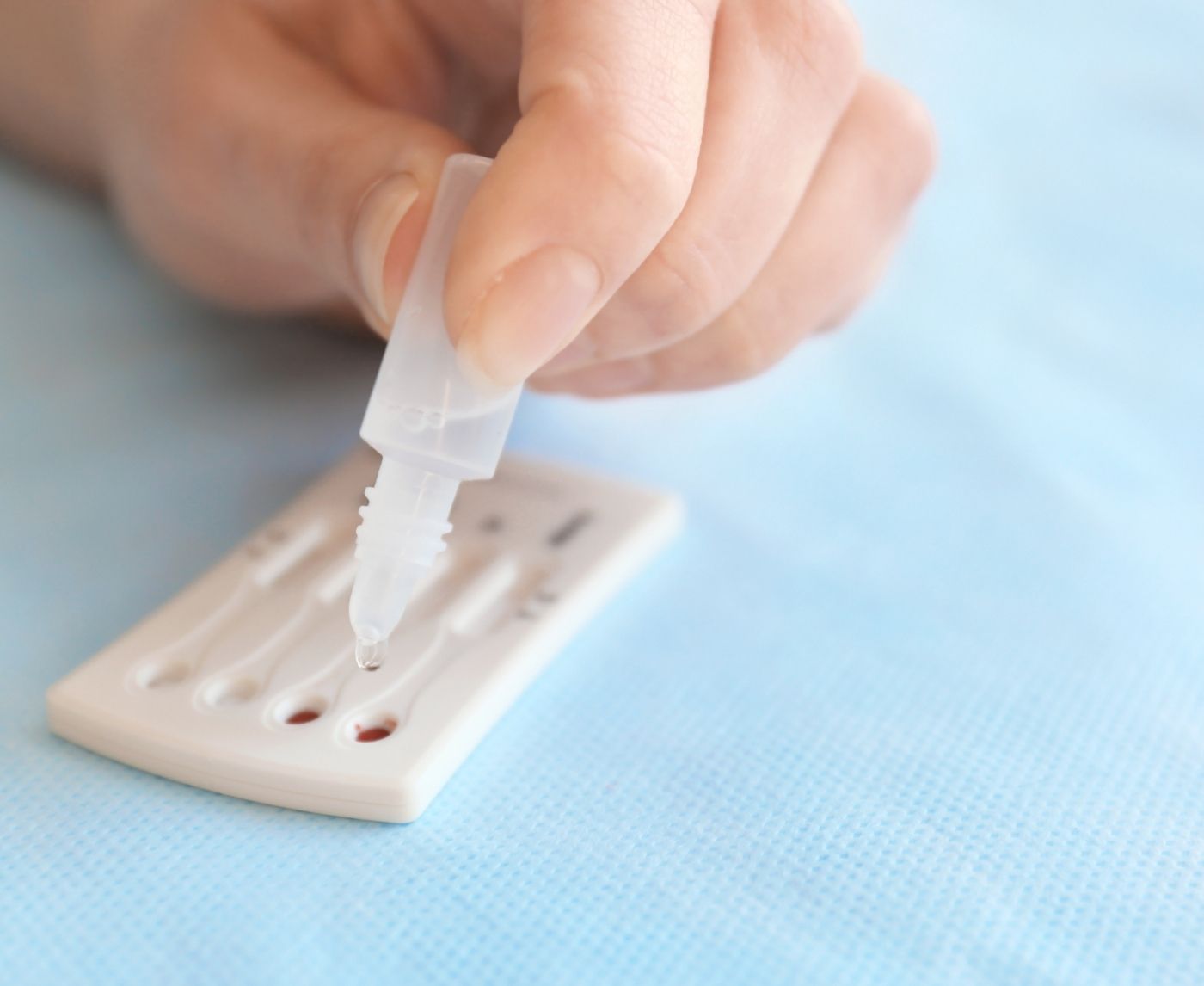

Quick Answer: If you get a faint line on an HPV test, it usually means you have the virus, especially if it shows up in the right time frame. But late-appearing lines or misread tests can cause confusion. Always follow up with confirmatory testing if unclear.
Why Faint Lines Happen (and Why HPV Makes It Tricky)
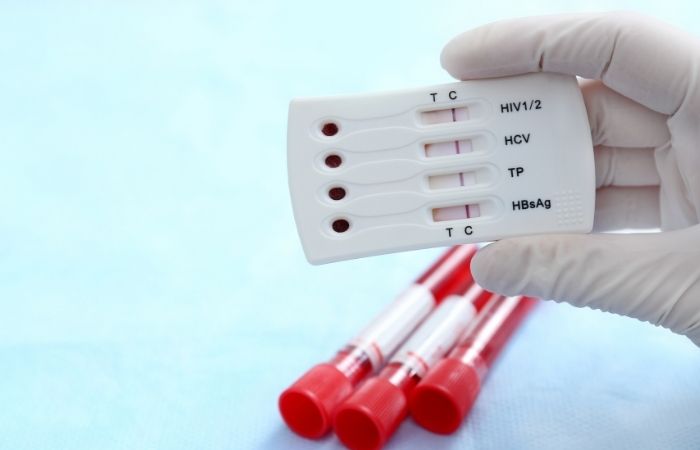
Unlike other STDs, HPV doesn’t always make itself known with symptoms, and it doesn’t always show up clearly on tests either. Rapid HPV tests typically detect high-risk strains of the virus using antigen detection, meaning they’re designed to flag specific viral proteins in a sample. The test line forms when those proteins bind with reactive agents on the strip. Strong reaction? Bold line. Weak reaction? Faint line.
This doesn’t mean the result is wrong. In many cases, a faint line is still a positive, it just reflects a lower viral load or the presence of early infection. One user posted on a Reddit health thread that they “barely saw a line until they tilted the test under the light,” only to confirm days later with a lab result that they were indeed HPV-positive. Faint doesn’t mean false, but it does mean context matters.
Faint Line vs. Evaporation Line: Yes, There’s a Difference
Let’s talk evaporation lines, the bane of home testing. An evaporation line appears when the liquid in the test area begins to dry. It can leave behind a faint grayish mark that’s easy to mistake for a positive result. But here’s the key: evaporation lines don’t carry pigment. They’re not “real” test lines. A true positive, even faint, usually has color, usually pink or purple depending on the brand.
In our interviews with telehealth nurses, a common theme emerged: timing is everything. “Most false interpretations come from reading the test too late,” said one. “If you see a line appear after 30 minutes, that’s not reliable. You need to read it within the window the test instructs, typically 15 to 20 minutes.”
| Line Type | Color | When It Appears | Does It Indicate HPV? |
|---|---|---|---|
| Faint Test Line | Pale pink or purple | Within 15–20 minutes | Yes, likely positive |
| Evaporation Line | Gray, colorless | After 20–30+ minutes | No, likely invalid |
Figure 1. How to distinguish between faint positive lines and evaporation lines based on timing and color.
People are also reading: Can You Get an STD in Your Eye? Yes, Here’s What It Looks Like
Real Story: "I Thought It Was Negative, Until It Wasn’t"
Leila, 27, used an at-home HPV test she ordered discreetly online. She had no symptoms, but her last partner told her they once had an abnormal Pap smear due to HPV. “I did the test, waited 10 minutes, and saw the control line. Nothing else. But about 30 minutes later, I glanced at the test again and saw a shadow of a second line.”
Confused, Leila booked a telehealth appointment. The nurse told her the test result should have been read at the 15-minute mark, not 30. Because she waited too long, the line could have been an evaporation line. “I ended up doing a mail-in lab test two days later. That one came back positive for HPV-16,” Leila shared. “It turns out the line was real, it just took a while to show.”
Her case underscores two things: read the result within the time window, and if there’s any doubt, don’t wait, retest with a lab-backed method. Even better? Use a combo kit that screens for multiple STDs in one go if it’s been a while since your last check.
If you’re in a similar situation, you can order a discreet HPV or combo test kit directly from STD Rapid Test Kits. It ships fast and arrives in plain packaging, no branding, no labels.
Check Your STD Status in Minutes
Test at Home with Remedium7-in-1 STD Test Kit
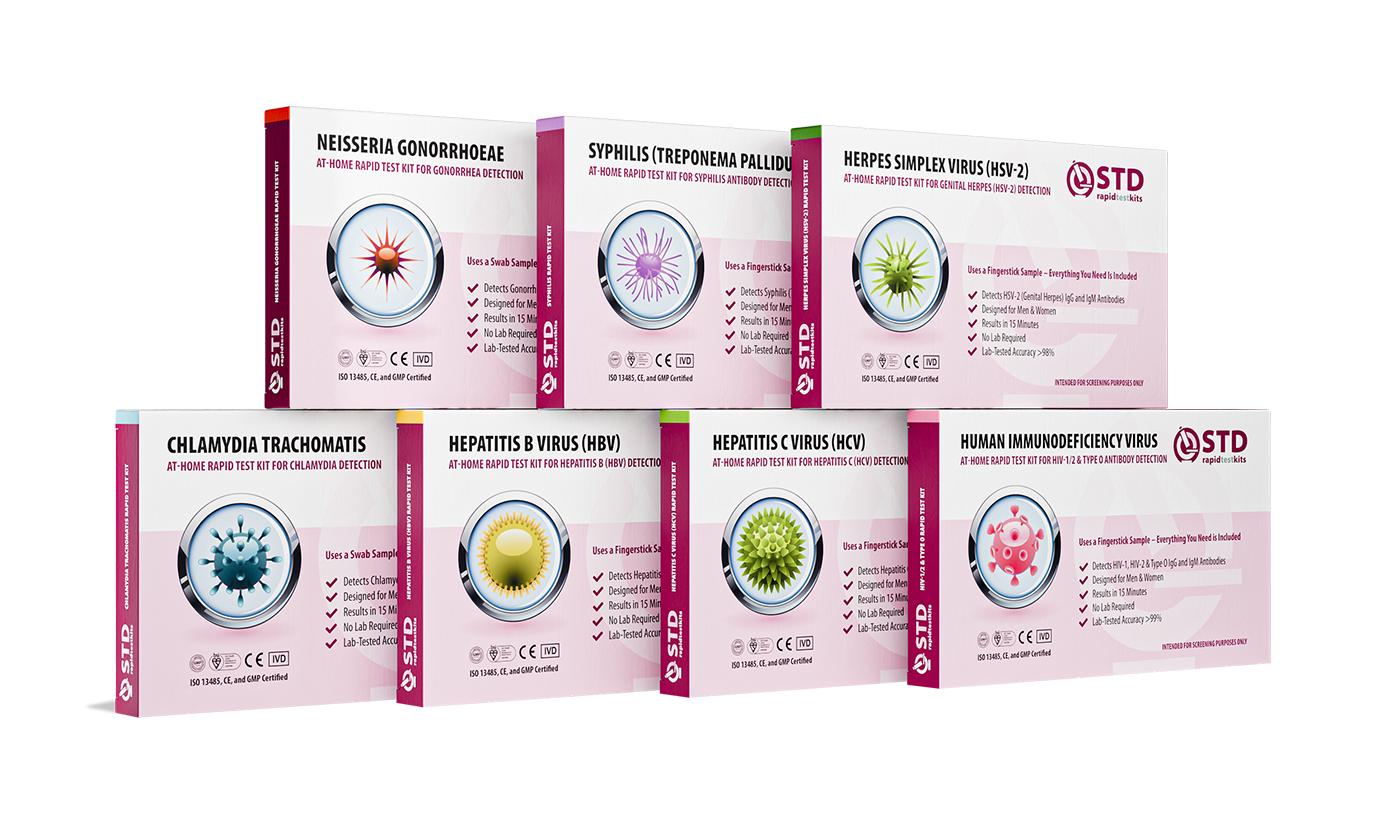
 For Men & Women
 Results in Minutes
 No Lab Needed
 Private & Discreet
Order Now $129.00 $343.00
For all 7 tests
When Is a Faint Line a True Positive?
Let’s say your faint line showed up within the test’s reading window, usually 15 to 20 minutes. It's pink, not gray. It didn’t vanish. In this case, most manufacturers and medical guidelines suggest that it should be treated as a positive result. That means there is probably enough antigen present to be found, even if the viral load is low.
That said, HPV tests, especially rapid ones, can vary in sensitivity. Some detect as little as 500 copies/mL of high-risk viral DNA, while others may require a stronger viral presence to generate a visible result. This is why many people get different outcomes between at-home tests and lab-based PCR tests. The good news? Confirmatory tests can resolve that ambiguity, and most providers will accept even faint positives as a valid reason to screen further or refer to colposcopy if needed.
Why Do Faint Lines Appear at All?
Think of the test cassette like a sponge with chemicals. The sample (usually a cervical swab or urine, depending on the kit design) goes through the strip and interacts with markers that show HPV antigens. The line is faint because there isn't much to interact with when the viral load is low. There are a number of reasons why this might happen:
First, if you’re early in the infection window, the virus might not have replicated enough to produce a strong reaction. Second, if your immune system is suppressing viral activity, detection might be limited. Third, user factors, like not collecting enough sample, using a test past expiration, or storing the kit in a hot environment, can weaken results.
Some users report faint lines even after the sample was left too long in the collector vial. And others see variability based on hydration or menstrual cycle stage. None of these invalidate the test entirely, but they do mean that any questionable result deserves a second look.
| Possible Cause | Effect on Test | Solution |
|---|---|---|
| Low viral load (early infection) | Faint line or weak signal | Retest after 7–10 days with lab PCR |
| Improper storage or temperature | Altered chemical reaction | Use new kit; avoid heat/moisture |
| Late reading (after time window) | Evaporation line or false read | Only trust results read on time |
| Insufficient sample collection | No line or faint invalid line | Repeat test carefully per instructions |
Figure 2. Common causes of faint or confusing HPV test lines and how to respond.
What to Do If You See a Faint Line (Step-by-Step)
So, you saw a faint line. You read it within 15–20 minutes. You followed all instructions, and it still looks ambiguous. Here’s your move: treat it as a presumptive positive and retest. Not because the result is definitely wrong, but because your health deserves clarity.
If you used a rapid at-home test, you can opt for a lab-based retest with higher sensitivity. These mail-in kits analyze DNA presence using PCR, and results are typically returned in 2 to 4 business days. If you’re dealing with fear or confusion, you don’t have to do this alone. Many services now offer free nurse consultations or partner telehealth clinics that walk you through the next steps.
This isn’t about fear, it’s about accuracy. HPV can persist in the body without symptoms for years. Getting a clear result now means you’re better equipped to manage your risk, follow up with appropriate screenings like Pap smears or colposcopies, and protect future partners.
If you’re still unsure, we’ve got you covered. You can order a combo kit that checks for HPV and other common STDs in one discreet shipment, because most people aren’t dealing with just one risk at a time.
Can HPV Rapid Tests Be Wrong?
Yes, but it’s uncommon when used correctly. HPV rapid tests generally have sensitivity ranges from 80% to 94%, depending on brand and sample collection quality. Specificity is often higher, around 95% or more, meaning false positives are less likely than false negatives.
This is why faint lines still matter. They’re often real, even if they look unclear. Some peer-reviewed studies show that individuals with faint rapid test lines still confirmed positive by PCR in over 75% of cases. The key variable? Timing. Many of those who initially saw faint results had tested between day 7 and 14 post-exposure, right at the edge of detectable accuracy.
If you tested too early or used a kit close to expiration, your result may be compromised. If you tested within the right window and followed all procedures, your faint line is likely valid and should prompt a confirmatory step. But remember: HPV is incredibly common, so common that the CDC says nearly all sexually active people will get it at some point in their lives. What matters is managing it, not fearing it.
False Positives, Faint Positives, and When to Retest
Here’s the truth: false positives with HPV tests do happen, but they’re rare when the test is used properly. What’s more common are “faint positives” that users dismiss as faulty. A study in the journal Sexually Transmitted Infections found that 82% of faint positives on home HPV tests were later confirmed with lab PCRs. The line may be light, but the virus is likely present.
Retesting is usually advised if:
- You tested less than 14 days post-exposure
- Your test line was very faint and appeared late
- You had a prior HPV vaccine but still tested positive
- The result contradicts a recent clinical screening
In these cases, a follow-up test 7 to 10 days later can provide confirmation. If your results are mixed or uncertain, some clinics offer reflex testing, automatically sending ambiguous results for more sensitive analysis. This is standard in many cervical cancer screening programs where HPV typing is used alongside Pap results.
For at-home users, the solution is simple: retest using a trusted mail-in PCR option or schedule an appointment for a Pap or colposcopy if you're due. Never let a single faint line be the end of the conversation. Use it as a prompt to get more clarity.

People are aslo reading: I Didn’t Have Sex, But I Do Have Blisters. When Herpes Shows Up Unexpectedly
What If the Test Line Disappears?
One of the most frustrating user experiences comes from test lines that appear and then vanish. We’ve seen reports where users swore they saw a faint line at minute 12, but by minute 30, it was gone. What does that mean?
Unfortunately, it may mean nothing. Most rapid test kits instruct users to interpret results within a specific time frame, often 15 to 20 minutes. After that, chemical reactions continue and can degrade or falsely appear. If a line was there within that timeframe, treat it as a tentative positive. If it vanished outside that window, don’t trust it either way.
The safest action is to repeat the test with a fresh kit, making sure you follow these steps closely: store the kit at room temperature, collect the sample per the instructions, use a timer to read at exactly 15 minutes, and take a photo of the result for documentation. If your new result shows another faint line in the correct window, it’s time to follow up clinically.
Check Your STD Status in Minutes
Test at Home with Remedium6-in-1 STD Test Kit
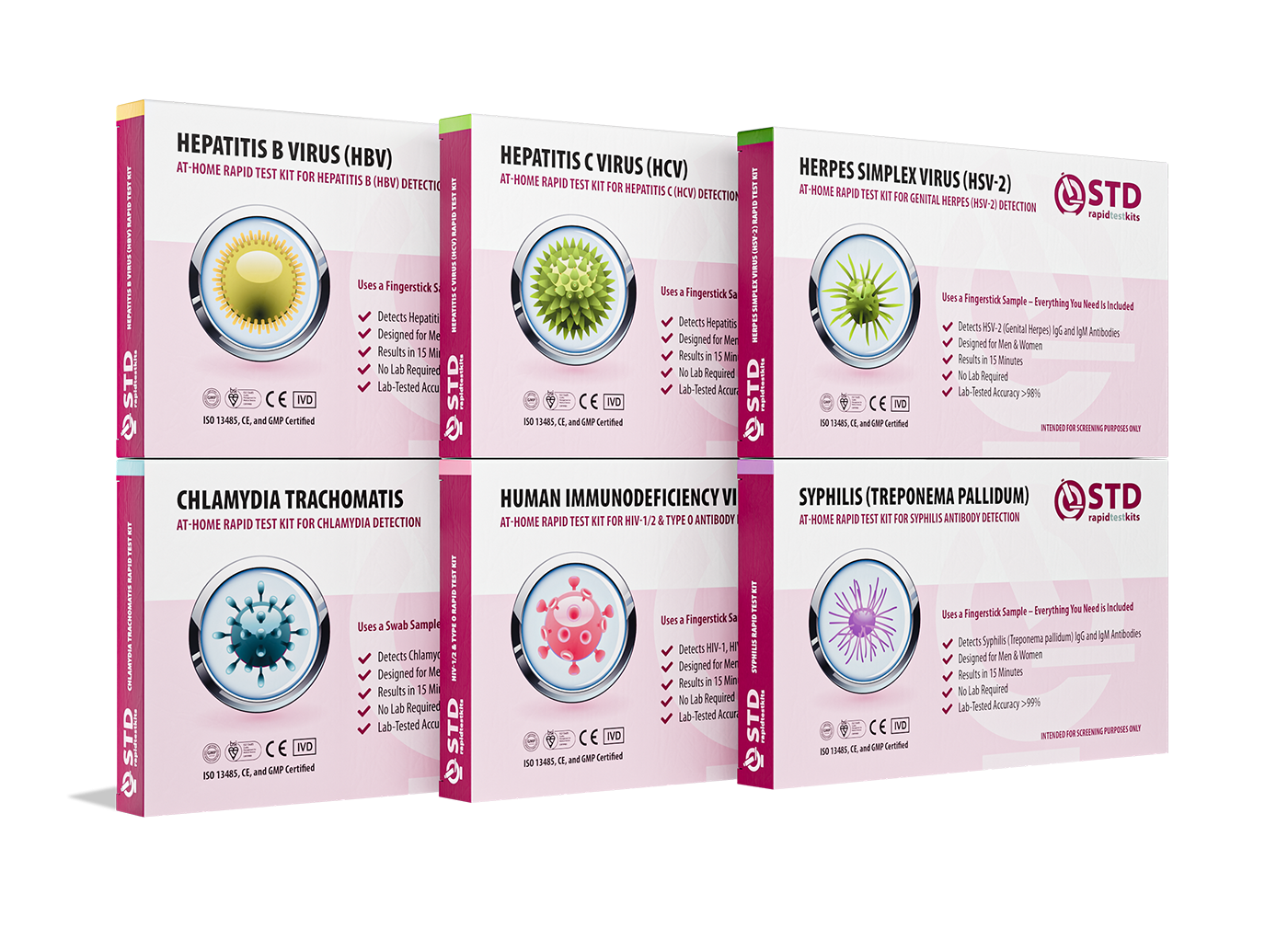 For Men & WomenResults in MinutesNo Lab NeededPrivate & Discreet
Order Now $119.00 $294.00
For all 6 tests
HPV and the Bigger Picture: It’s Not Just About One Test
One faint line on one test doesn’t define your health, or your future. HPV is incredibly common, and most people clear it on their own within two years. It only becomes a problem when high-risk strains persist long enough to cause abnormal cell changes. That’s why testing matters, not because of shame or purity, but because of prevention and clarity.
We’ve had users share their anxiety after seeing faint lines, only to be reassured later by a gynecologist that the strain detected posed no immediate cancer risk. That’s not minimizing the risk, it’s contextualizing it. The goal isn’t to panic at every unclear result. It’s to use the information as a springboard for smart next steps.
So, whether you’re planning your next Pap test, getting vaccinated, or just trying to understand your result better, this moment is part of a larger health conversation. And you’re not alone in it.
If you want to check for other infections at the same time, our Combo STD Home Test Kit covers the most common STDs, including chlamydia, gonorrhea, and syphilis. Results are available in minutes, and the kits ship discreetly.
FAQs
1. Does a faint line really mean I have HPV?
In most cases, yeah, it probably does. If the line showed up in the right time frame and has any real color (pink, purple, not ghost-gray), that’s your body waving a flag. It could mean a low-level infection or that something is wrong early on, but it's still a sign. Not always a crisis, but definitely a reason to check in with your provider or retest.
2. Can I just ignore it if I have no symptoms?
It’s tempting, especially if you feel fine. But HPV doesn’t usually show symptoms, and ignoring a faint line is kind of like ignoring your car’s check engine light because the ride feels smooth. Just because it’s not rattling doesn’t mean there’s nothing under the hood. Confirm it and move forward informed.
3. What if the line disappeared after 30 minutes?
That’s an evaporation line, not your result. Rapid tests are like Cinderella, read them before the clock strikes (usually 15–20 minutes). Anything that shows up after that? It might not be real. If you saw a line earlier and then it faded, that’s still worth following up on. Don’t toss it and guess, retest.
4. Could it be a false positive?
It’s possible, but not super likely. False positives on HPV tests do happen, especially if the test is expired, stored wrong, or handled in a steamy bathroom post-shower (true story). But if you followed the instructions and that line showed up on time, it’s probably real. Retesting with a lab kit or seeing your gyno can clear things up.
5. Why is the line so light? Shouldn’t a real positive be bold?
Not necessarily. A faint line usually means you have a low viral load, either early in the infection or your immune system is doing a decent job suppressing it. It counts even though it's more of a whisper than a shout. It's like a pregnancy test: a faint line means you're still pregnant.
6. Can I pass HPV to someone if my test was just faint?
Absolutely. HPV doesn’t care how visible your test line is. Transmission risk exists even with low viral loads, and it can pass through skin-to-skin contact, not just full-on sex. That’s why we care about early detection and why faint lines matter.
7. Should I tell my partner if I saw a faint line?
Short answer: yes. Long answer: you don’t need to dramatize it, but sharing this info is part of being a respectful partner. You can say something like, “Hey, I tested and saw a faint positive for HPV. I’m retesting to confirm, but just wanted to loop you in.” That’s mature, clear, and keeps things stigma-free.
8. What’s the best way to confirm a faint result?
A PCR-based lab test. Most mail-in kits use this method and can detect even tiny amounts of viral DNA. Bonus: no squinting at tiny lines. You get an emailed result with actual words on it.
9. I’ve had the HPV vaccine. Why would I still test positive?
Because the vaccine protects against the most dangerous strains, not every single one. If you caught a type that wasn’t in the shot, or if you were exposed before getting vaccinated, you can still test positive. Doesn’t mean the vaccine failed. It just means HPV is sneaky and widespread.
10. Can I just wait it out and test again in a few months?
You could... but why carry the anxiety that long? If you’re seeing a faint line now, do a retest in 7–10 days. You’ll either get peace of mind or a clearer answer, and either way, you’ll be back in the driver’s seat. Don’t let uncertainty camp out in your brain rent-free.
You Deserve Answers, Not Guesswork
We know what it feels like to hold that test in your hand and not know what to make of a barely-there line. The temptation to Google obsessively, to scroll Reddit at 3AM, to doubt your eyes, it’s all part of how fear and uncertainty show up in moments like this. But you’re here. You’re searching for facts. And that already puts you ahead.
So here’s the takeaway: a faint line can be real. It can be the beginning of a health plan, not a panic spiral. The most powerful thing you can do right now is act with clarity, retest, confirm, and take steps that protect your future and your partners.
Don’t wait and wonder, get the clarity you deserve. This at-home combo test kit checks for the most common STDs discreetly and quickly. Peace of mind is one test away.
How We Sourced This Article: We combined current guidance from leading medical organizations with peer-reviewed research and lived-experience reporting to make this guide practical, compassionate, and accurate.
Sources
1. Planned Parenthood – HPV Overview and Testing
2. Human Papillomavirus – Clinical Uses of HPV Testing
3. HPV Test – Lab screening for cervical cancer risk and HPV
4. HPV Infection: Diagnosis & Treatment overview
5. HPV and HPV Testing: What You Should Know
6. Cervical Cancer Screening: When and How Often to Get Tested
7. HPV Test: Results & Interpretation – Cleveland Clinic
8. Blood‑Based Biomarkers of Human Papillomavirus‑Associated Cancers
About the Author
Dr. F. David, MD is a board-certified infectious disease specialist focused on STI prevention, diagnosis, and treatment. He blends clinical precision with a no-nonsense, sex-positive approach and is committed to expanding access for readers in both urban and off-grid settings.
Reviewed by: N. Grayson, NP-C | Last medically reviewed: December 2025
This article is just for information and doesn't take the place of medical advice.


