





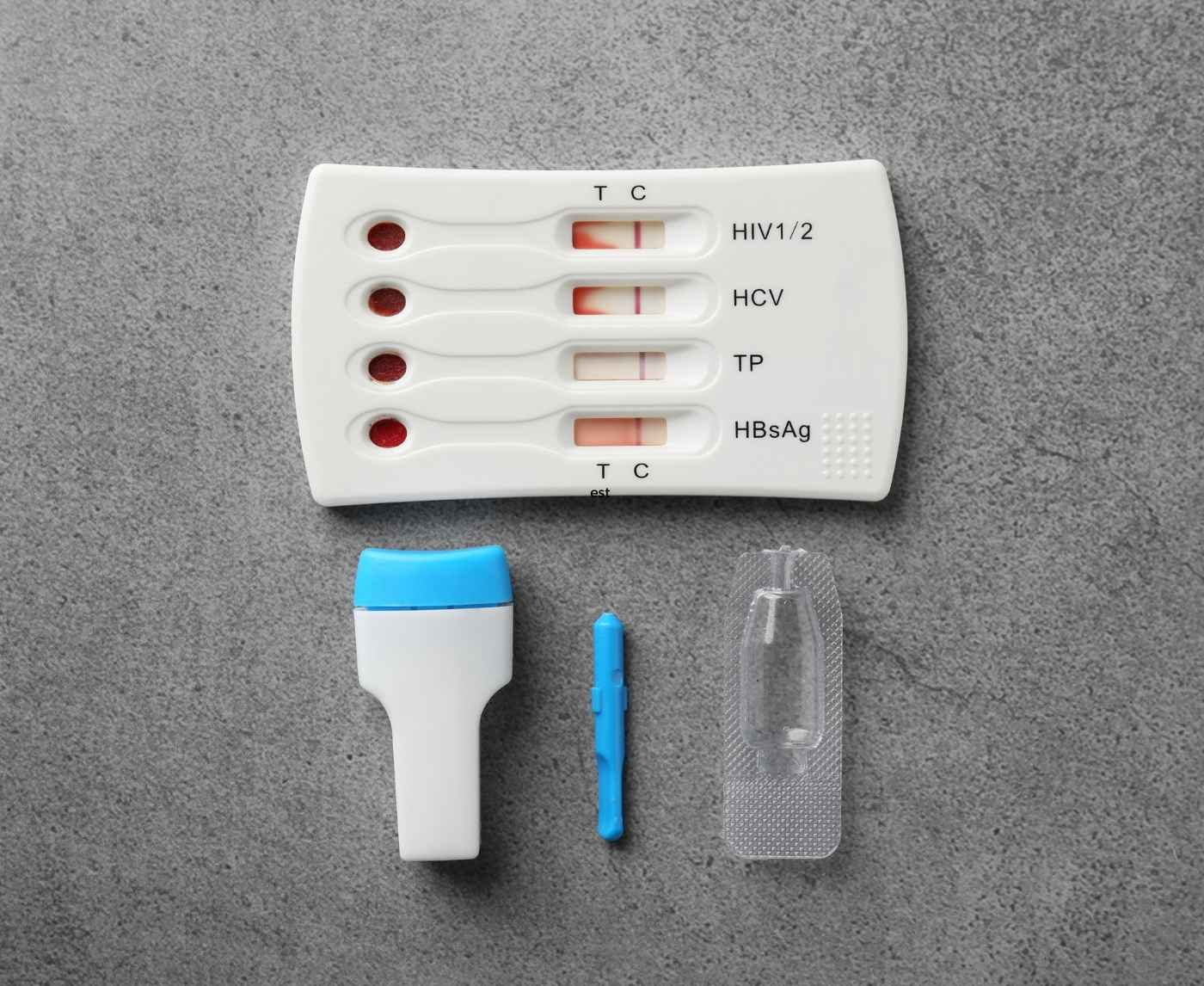

Quick Answer: A faint line on an STD rapid test often means a positive result, but it depends on timing, test quality, and how the test was read. When in doubt, retest with a new kit and check the result within the exact time window.
Not All Lines Are Equal: Understanding Test Design
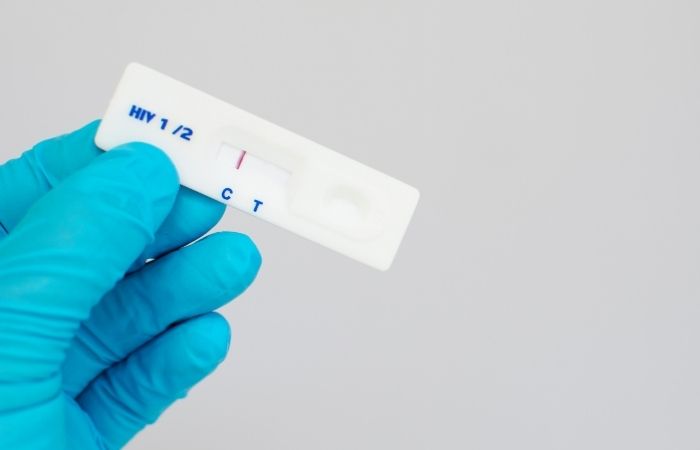
Most at-home STD rapid tests, like those for HIV, Syphilis, Chlamydia, and Gonorrhea, use lateral flow technology. That means your sample (blood, swab, or urine) flows through a membrane strip, triggering colored lines that indicate your result. One line? Negative. Two lines? Usually positive. But a faint second line? That’s where things get complicated.
According to a study published in the Journal of Clinical Microbiology, faint lines often occur when there are low levels of the targeted antibodies or antigens. This can happen early in the infection, during late-stage antibody decline, or when the test strip’s chemical reagents are sensitive but borderline. In plain terms: your body may be signaling something, but it’s not screaming yet.
Unlike pregnancy tests, where a faint line almost always means “you’re pregnant”, STD tests aren’t as universal in their interpretation. Each test brand has slightly different thresholds. That’s why it’s crucial to follow instructions to the second and interpret the results exactly when advised, usually 15 to 20 minutes after testing, not sooner, not later.
People are also reading: It Started as a Cold Sore, Then I Got Genital Herpes
“I Thought It Was Negative. Then the Rash Came.”
Dani, 28, took a rapid syphilis test three days after an unprotected encounter. She saw a faint, grayish line and assumed it was a smudge. “It didn’t look red or solid,” she remembers. “So I thought I was in the clear.”
“Two weeks later I had a weird rash on my chest and palms. I panicked and went to the clinic. They said it was secondary syphilis. That faint line was the first warning.”
Dani’s story is common. Many people overlook or misread faint lines, especially when the emotional cost of a positive result feels too big to face. But those faint lines matter. They’re not always definitive, but they’re rarely meaningless.
When a Faint Line Might Be a Real Result
| Scenario | Possible Meaning | Next Step |
|---|---|---|
| Faint line appears within time window | Likely early-stage positive | Retest in 1–2 weeks or confirm at clinic |
| Faint line appears after time window | Could be evaporation line | Ignore and retest fresh |
| Faint line with expired test | Unreliable result | Discard and use valid kit |
| Faint line + strong symptoms | Probable positive | Seek clinical confirmation |
Figure 1. Common faint line scenarios and what they might mean. Always pair visual results with test instructions and timing.
False Positives and Test Sensitivity: What the Science Says
Faint lines can mean an early infection, but they can also be the result of a mistake in the test. The National Institutes of Health looked at STD rapid tests in 2022 and found that while most modern kits have high specificity (over 95%), their sensitivity can drop, especially when the person is first exposed to the virus or when the sample is not collected correctly. That's where bad timing or user error can fool your eyes.
Other things that can cause false positives or faint lines are:
- Contamination: touching the test strip area with dirty tools or fingers
- If you read too late, evaporation lines can show up after 20 to 30 minutes.
- Cross-reactivity: antibodies from recent infections or vaccines may make the strip give false results.
That's why it's best to test again, preferably with a new, unopened kit, and to follow the directions exactly as they are written.
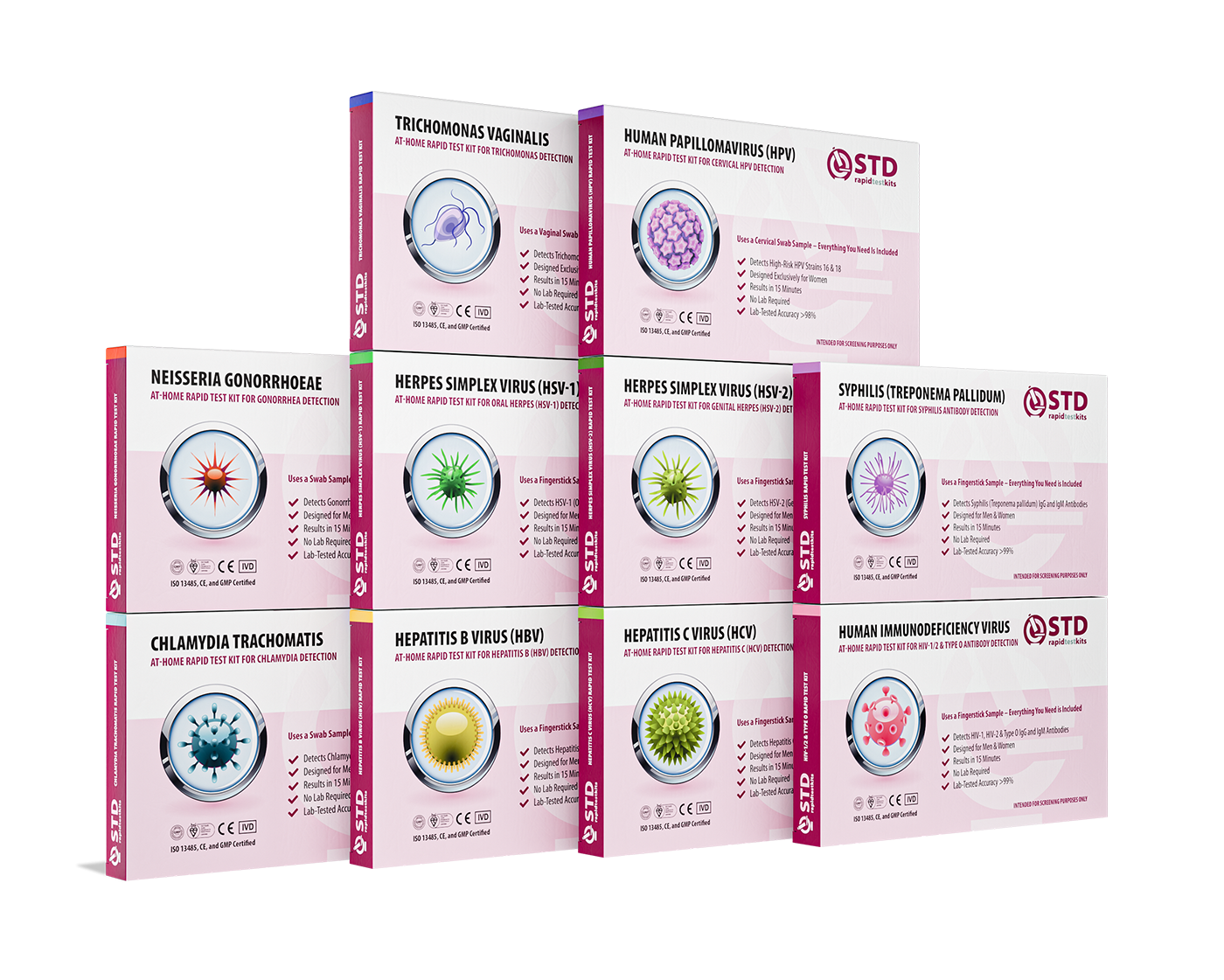
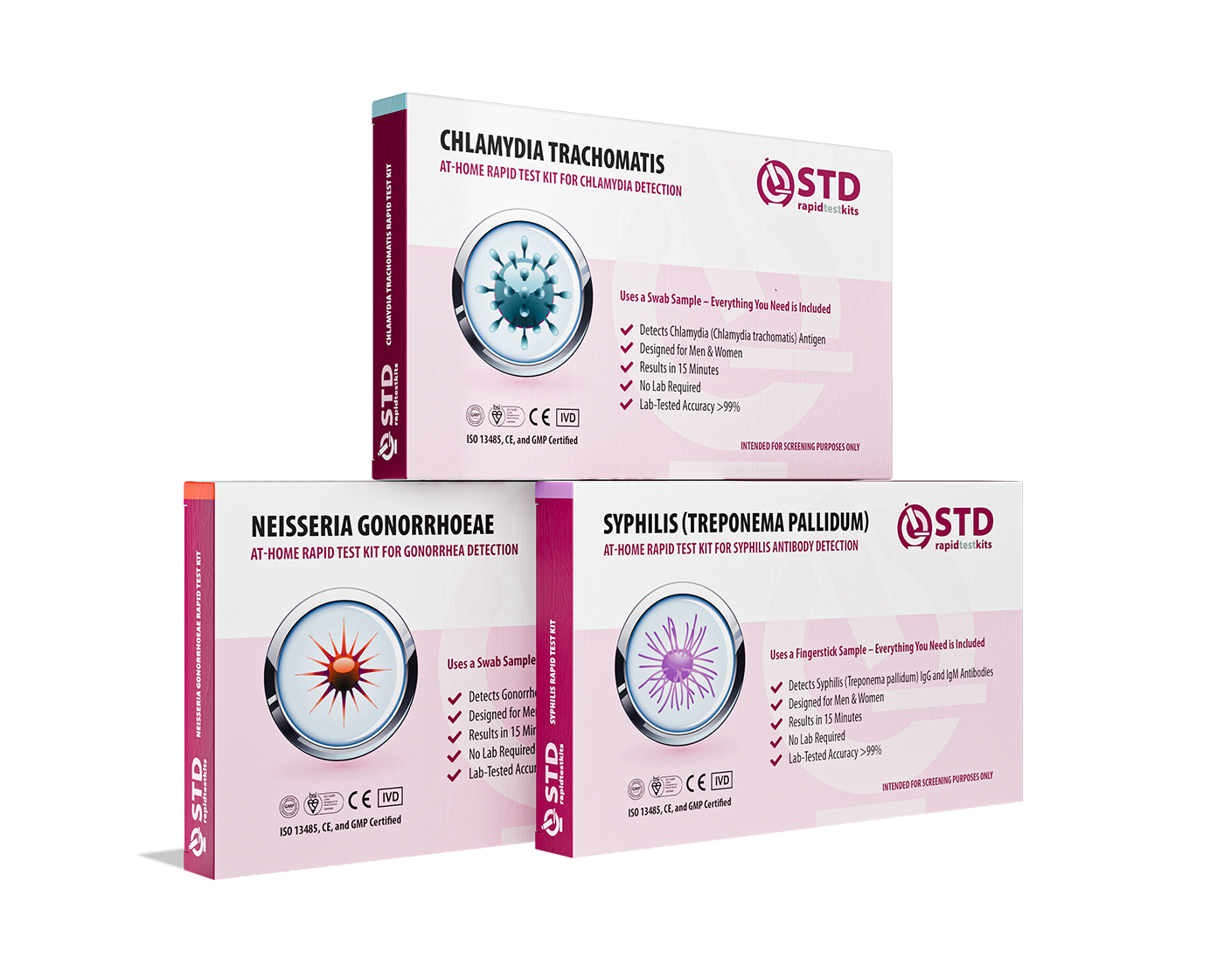
Wondering where to find a reliable test? This STD test kit checks for several infections and comes with clear instructions and discreet delivery.
Wondering where to get a trusted test? This combo STD test kit screens for multiple infections with discreet delivery and clear instructions.
Check Your STD Status in Minutes
Test at Home with Remedium10-in-1 STD Test Kit
 For Women
 Results in Minutes
 No Lab Needed
 Private & Discreet
Order Now $189.00 $490.00
For all 10 tests
“It Was Just a Dot, But It Changed Everything”
Marcus, 35, had recently ended a long-term relationship and was cautiously dating again. After a hookup, he took an at-home HIV rapid test. The control line came through right away. But next to it, barely visible, a faint pinkish line hovered. “It looked more like a watermark than a real result,” he said.
“I almost threw it away and forgot about it. But something made me pause. I checked the instructions again, saw that even a faint second line might be positive. I scheduled a lab test that day. It came back positive.”
His story is a reminder that faint doesn’t mean fake. In fact, some of the earliest signals of infection show up like ghosts on the test, present, but not bold. Rapid test kits are designed to detect low concentrations of antibodies or antigens, but when those markers are just starting to rise, the line might be faint. Still, it’s real.
This is why timing matters, and why re-testing can be a critical step in your sexual health journey.
Timing Is Everything: Window Periods and Faint Results
A faint line often appears when the body is just beginning to develop a detectable response. That’s especially true during the window period, the time between exposure and when a test can reliably detect infection. During this stage, some people test too early and either see a faint line (a partial response) or no line at all (false negative).
Here’s a quick overview of common STDs, their test types, and how timing can affect faint line interpretation:
| STD | Test Type | Window Period | Why a Faint Line Might Appear |
|---|---|---|---|
| HIV | Rapid antibody test | 18–45 days | Low antibody levels during early infection |
| Syphilis | Rapid treponemal test | 21–45 days | Faint lines common in early or late stages |
| Chlamydia | Rapid antigen test | 5–14 days | Light line may appear with borderline antigen load |
| Gonorrhea | Rapid antigen test | 5–14 days | Less common, but faint line may signal early detection |
| Trichomoniasis | Rapid antigen or microscopy | 5–28 days | Faint line possible with low parasite load |
Figure 2. Window periods and how they relate to faint lines on common STD rapid tests.
Knowing when you were exposed is key. If you test during the window period and see a faint line, don’t ignore it, but also don’t panic. Plan for a second test at the 2–3 week mark, or consult a provider about confirmatory testing using NAAT (nucleic acid amplification tests), which are more sensitive.
Test Kit Quality and Handling: The Hidden Variables
Not every test kit is the same, and not every test result is your fault. Things like how you ship it, how you store it, when it expires, and even how humid your bathroom is can all affect how accurate it is. A kit that is broken, not stored properly, or past its expiration date may still make a faint line that doesn't really show how healthy you are.
Here are some tips to make sure your kit works:
- Check the date on the foil pouch or box to see if it is still good.
- Keep kits between 36°F and 86°F, out of direct sunlight and moisture.
- Only open the test cassette when you're ready to use it. The reactive strip can get worse if it gets too much air.
- Do not use test parts again. You can only use swabs, pipettes, and lancets once.
Sometimes, tests that have already expired can still "work," but the chemical reagents may have broken down, making the lines hard to read or misleading. If your faint line showed up on an older kit or one that was left in a hot car or a damp drawer, you should assume the result is wrong and start over.
People are also reading: I Thought Oral Was Safe. Then I Got Hepatitis B
What About the Control Line? Don’t Ignore It
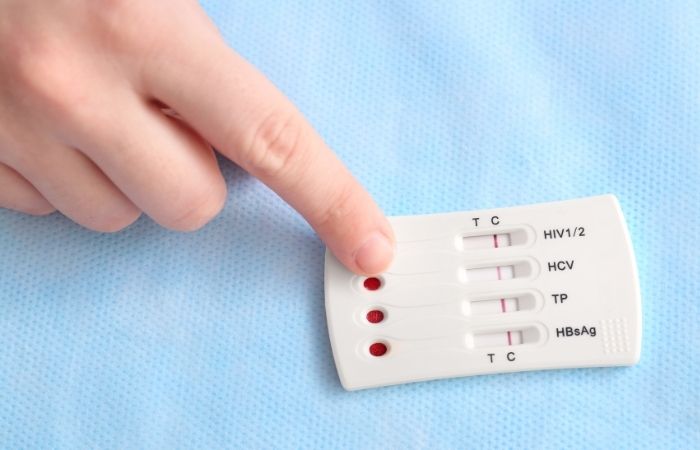
Every rapid test includes a control line, usually labeled “C”, that confirms the test is working properly. If you see no control line at all, the entire test result is invalid, no matter what else appears.
A faint test line (usually labeled “T”) paired with a strong control line suggests a low but detectable amount of the targeted marker. But if both lines are faint, or the control line is missing entirely, your result cannot be trusted. That means either a faulty kit, incorrect procedure, or sample error.
To play it safe, retest with a new kit. You can order from STD Rapid Test Kits here, with discreet shipping and clear return instructions if anything seems off.
When to Retest, and Why You Should
A faint line can feel like purgatory, you're not sure whether to breathe easy or brace for impact. Here's the truth: retesting is never a bad idea. Whether you're dealing with a possible early infection, a user error, or just a too-old kit, the smartest move is to test again within the ideal window.
If you got a faint line and it's been 7 to 14 days since you were exposed, wait another 7 to 10 days and test again with a new kit. If it's been more than 14 days, a faint line is more likely to be a true positive, but retesting is still a good idea to be sure. If you have more than one possible exposure, a Combo STD Test Kit that checks for more than one infection at a time is the best way to get the most accurate results.
After treatment, retesting is also important. Some people still have test lines after they are no longer contagious because they still have antibodies in their bodies. You should wait at least three to four weeks after finishing antibiotics or antivirals before testing again to make sure the infection is gone.
False Hope: When Faint Lines Disappear or Are Missed
Ever taken a test, saw nothing, tossed it, then came back to find a mysterious line forming? That’s an evaporation line, not a true result. It’s one of the most common reasons people second-guess their STD test.
Evaporation lines form when the test dries and chemical residues leave behind a ghost image. These lines are usually colorless or gray, not the pink or red tones that a real positive line shows. But they mess with your head just the same.
To avoid this, always read your test within the instructed time frame, typically between 15 to 20 minutes, and then discard. If you forget and come back an hour later to find a new line, it’s not reliable. Treat it like a false memory. Retest under the right conditions.
When Faint Means “Get Help”
There are moments when a faint line isn’t just a question mark, it’s a warning. If you have symptoms like burning, rashes, discharge, or fever, no matter how faint the test line is, assume you may be infectious and act accordingly. That doesn’t mean panic. It means confirm, treat, and inform.
Here’s where a rapid test serves as your first alert, not your final answer. Clinics and telehealth providers can confirm results through NAAT or antibody/antigen lab work, especially for infections like HIV, Syphilis, and Chlamydia. Many will even accept a photo of your home test to get the process started.
Remember: testing is care, not a confession. You're not “dirty” for taking action, you’re responsible.
Check Your STD Status in Minutes
Test at Home with Remedium3-in-1 STD Test Kit
 For Men & WomenResults in MinutesNo Lab NeededPrivate & Discreet
Order Now $69.00 $147.00
For all 3 tests
FAQs
1. Does a faint line really mean I'm positive?
It might. If that line shows up within the time window and matches the color described in the instructions (usually pink or red), your test is trying to tell you something. It doesn’t matter how faint it is, if it’s there, it counts. That said, always back it up with a second test. Think of it like your body whispering a secret, it’s not shouting yet, but you’d be smart to listen.
2. What if I saw a line... but it faded?
If you waited too long to check the test (like 30+ minutes), what you're seeing might be an evaporation line, those ghosty gray streaks that show up after the fact. They’re common and don’t mean anything. Real results only count when read during the window listed on the test, usually between 15 and 20 minutes after you start the clock.
3. Can I get a faint positive from an old test kit?
Yes, and no, you might get a faint line, but it’s not trustworthy. Expired kits can throw weird results: faded lines, missing control bands, or ink that smears like watercolor. If your test is out of date, trash the result and start over with a fresh one.
4. Is a faint line more common with certain STDs?
Absolutely. Faint lines are most common in quick tests for HIV, syphilis, and chlamydia, especially if you test early, before your body has made enough antibodies or antigens for a clear result. It's like getting the infection in the middle of a sentence instead of at the end of a whole paragraph.
5. Do I need to panic if I feel fine but see a faint line?
Not at all, but you do need to act. A ton of people have no symptoms at all when they test positive for STDs. That faint line could be your only clue. Don’t wait for something to hurt, get it confirmed and treated if needed.
6. Can I trust the result if I messed up a step?
If you spilled the buffer, touched the cassette window, or waited too long to add your sample, it’s best to retest. Rapid tests are sensitive, and even small mistakes can skew the outcome. Don’t beat yourself up, just try again with a clean kit and steady hands.
7. What if both lines are faint?
That’s usually a red flag. If your control line (the “C” line) isn’t bold and clear, the test didn’t run properly. In that case, your whole result is invalid. No matter what the “T” line looks like, you’ll need to start over with a fresh kit.
8. Can anxiety make my test mess up?
Your nerves won’t change the chemical reaction, but they *can* make you misread the result. We’ve seen folks stare at the cassette so hard they see lines that aren’t there. Deep breath. Use good light. And maybe ask someone you trust to double-check if you're spiraling.
9. Is it better to test twice in one day?
Only if you messed up the first one. Otherwise, no need to double-dip. One well-timed, properly done test gives you more clarity than two rushed or chaotic ones. If you’re unsure, wait a few days and do it again when you can follow the steps exactly.
10. Okay, I got a faint line. What now?
First, pause. You’re not broken. Most STDs are treatable, and testing positive isn’t a moral failure. Next step? Confirm with another test or get seen by a clinic or telehealth provider. And if you’ve got partners who might be at risk, giving them a heads-up (even anonymously) is a badass act of care, not shame.
You Deserve Answers, Not Assumptions
If you’re staring at a faint line and wondering what it means, know this: you’re not overreacting. You’re paying attention. And that matters. Faint lines can be confusing, frustrating, and emotionally exhausting, but they are often the body’s first whisper that something needs checking out.
Don’t let fear or uncertainty keep you in limbo. Whether it’s a faint line or a full-blown panic, you deserve clarity. An at-home combo test kit checks for the most common STDs discreetly and quickly, because your health shouldn’t wait for certainty.
How We Sourced This Article: We combined current guidance from leading medical organizations with peer-reviewed research and lived-experience reporting to make this guide practical, compassionate, and accurate. In total, around fifteen references informed the writing; below, we’ve highlighted some of the most relevant and reader-friendly sources.
Sources
1. WHO Fact Sheet: Sexually Transmitted Infections
2. A report on the misdiagnosis of HIV status
3. False positive results on HIV tests
4. STI Tests Overview — MedlinePlus
5. CDC STI Screening Recommendations
About the Author
Dr. F. David, MD is an infectious disease specialist who is board-certified and works to stop, diagnose, and treat STIs. He combines clinical accuracy with a straightforward, sex-positive approach, and he wants to make sure that readers in both cities and rural areas can get to his work.
Reviewed by: A. Reynolds, NP-C | Last medically reviewed: December 2025


