






Quick Answer: Syphilis rapid tests are accurate for detecting antibodies, especially after the 6-week mark, but false negatives and confusing faint lines can occur if tested too early. Confirmatory lab tests are recommended for ambiguous results.
Why Syphilis Is Spiking, and Why Testing Is Complicated
Syphilis isn’t new. But its comeback? That’s terrifying and entirely preventable. According to the CDC’s 2023 STI Surveillance Report, syphilis cases in the U.S. reached their highest levels since the 1950s. What’s more devastating is that congenital syphilis, passed from mother to baby during pregnancy, is also surging, leading to miscarriages, stillbirths, and lifelong disabilities.
The reasons behind the surge are complex. Safer sex messaging declined after HIV became manageable with PrEP. Meth use, especially among women, is closely tied to higher-risk sex and lower testing access. Meanwhile, STI prevention programs are underfunded and overwhelmed. In short: the system failed, but testing doesn’t have to.

People are also reading: Fever, Fatigue, No Clue: Could It Be Early HIV or Herpes?
How Rapid Syphilis Tests Work (and What They Miss)
Rapid syphilis tests detect antibodies, your body’s immune response to the infection. Most use a lateral flow format (think COVID or pregnancy test). You prick your finger, place blood on the cassette, and wait for lines to appear. Simple, right? But antibody detection has a major caveat: it doesn’t show up right away.
Unlike PCR or NAAT tests that detect the infection itself, antibody-based tests can only pick up syphilis after your body has had time to react. That window, typically 3 to 6 weeks, creates a major risk of false negatives if you test too early.
Here’s how test types compare:
| Test Type | What It Detects | Sample | Best Used When |
|---|---|---|---|
| Rapid Antibody Test | Antibodies to Treponema pallidum | Fingerstick blood | 6+ weeks after exposure |
| Lab-Based RPR or VDRL | Non-treponemal antibodies | Venous blood | 3–6 weeks post exposure |
| Confirmatory TPPA/FTA-ABS | Specific treponemal antibodies | Venous blood | Used after screening test is reactive |
Figure 1. Types of syphilis tests and when they work best. Rapid tests are fast and accessible, but require careful timing for accuracy.
Faint Line on a Syphilis Test? Here’s What It Might Mean
Few things mess with your head like a faint test line. Is it positive? Is it defective? Was the blood amount too small? Rapid tests, especially for syphilis, can show ghostly lines when antibody levels are low or borderline.
Here’s a truth bomb: any line, even faint, can indicate a reactive result. But some lines are so faint they can be mistaken for evaporation or background staining. This is where user error collides with imperfect technology. Always read your test at the correct time window (usually 10–15 minutes), under good lighting, and refer to the test instructions, don’t over-read after the result window.
When in doubt, consider these next steps:
| Scenario | What to Do |
|---|---|
| Faint line after 15 minutes | Consider it reactive; seek confirmatory lab testing |
| No line but high-risk exposure <3 weeks ago | Retest after 6 weeks for accuracy |
| Previously treated syphilis, now testing again | May remain positive, check with provider |
Figure 2. Common testing scenarios and guidance for interpretation.
“My Rapid Test Was Negative, Until It Wasn’t”
Jamal, 41, got tested after a one-night stand. No symptoms, but he wanted to be safe. He used a rapid kit at home five days later, negative. But two weeks in, a red bump appeared near his groin, followed by a low fever. He retested on day 21. This time, a faint pink line showed. A follow-up RPR test confirmed it: early-stage syphilis.
“I thought I did the right thing by testing early. But I wish someone had told me that wasn’t enough.”
Jamal’s story reflects a common mistake: testing during the antibody development window, when the test can’t yet detect the infection. Rapid tests are helpful, but only when timed right.
Why Timing Matters More Than You Think
Rapid tests don’t lie, but they don’t always tell the full truth, either. The biggest variable? When you test. A negative result taken too early can lead to false reassurance, delayed treatment, and ongoing transmission. This is especially true with syphilis, where the early stages may be silent or misdiagnosed as something else, like a razor burn, bug bite, or heat rash.
Let’s break it down:
Syphilis has an average window period of 3 to 6 weeks. That means your body needs time to create antibodies before they show up on a rapid test. Testing at 7 days might feel responsible, but medically, it’s premature. You’ll likely need to retest later for peace of mind.
There’s also the risk of false positives, especially in people with autoimmune conditions, recent vaccinations, or prior syphilis infections. Non-treponemal tests (like RPR or VDRL) can occasionally light up when the infection isn’t active. That’s why confirmatory testing matters. The goal isn’t just a “positive or negative”, it’s clarity.
Check Your STD Status in Minutes
Test at Home with Remedium7-in-1 STD Test Kit
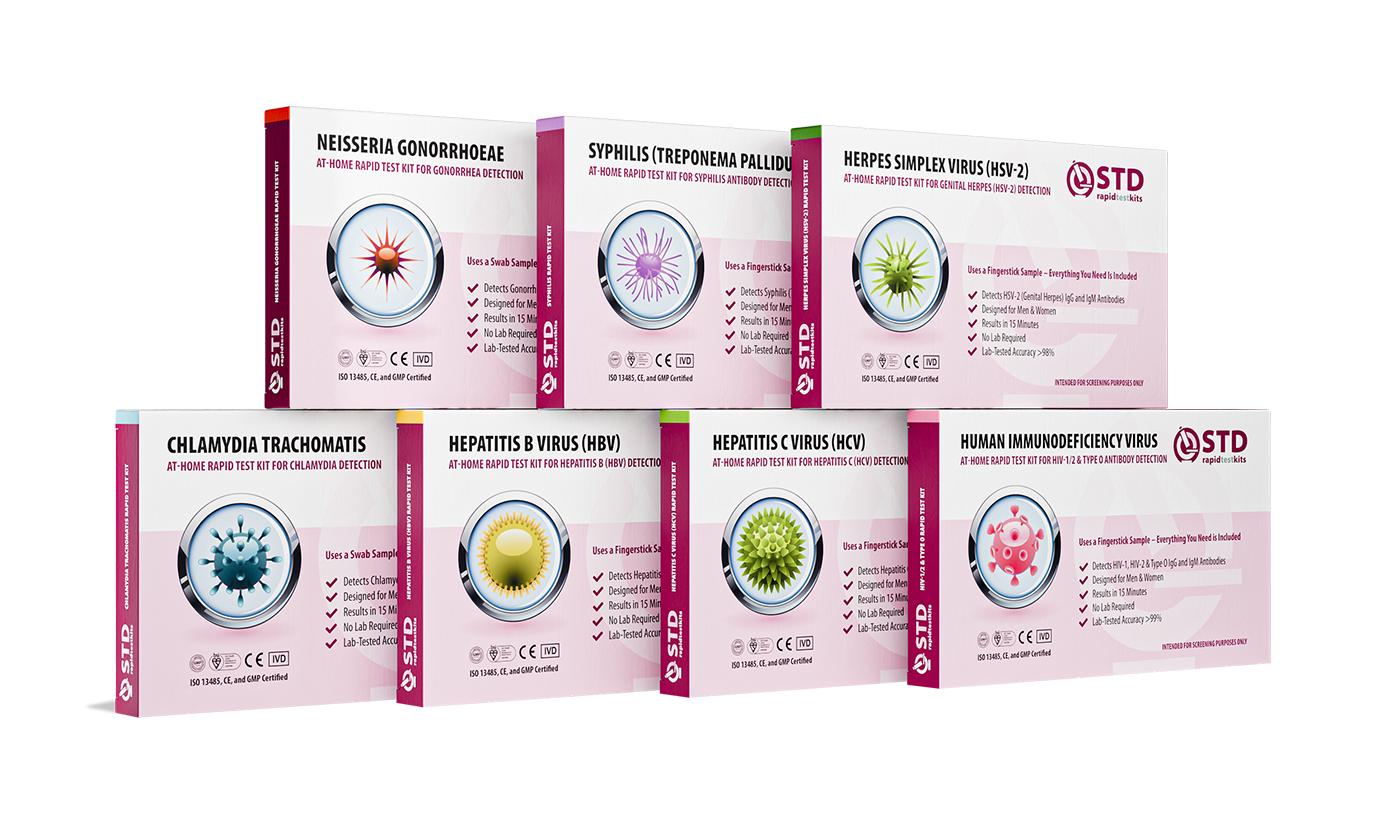
 For Men & Women
 Results in Minutes
 No Lab Needed
 Private & Discreet
Order Now $129.00 $343.00
For all 7 tests
Why Congenital Syphilis Is the Warning Sign We Can’t Ignore
Syphilis doesn’t just affect individuals, it devastates families. One of the most gut-wrenching outcomes of this resurgence is the skyrocketing rate of congenital syphilis. In 2022, the CDC reported a 32% rise in congenital cases from the previous year alone. That’s hundreds of babies born blind, deaf, or dead, because their mothers didn’t know they were infected.
Most of these tragedies were preventable. But prevention hinges on early testing, especially in the first trimester. In many parts of the U.S., especially rural or underfunded areas, people still don’t get timely prenatal care. Others get tested too early and never retest later in pregnancy, even if exposure occurs again.
Here’s the brutal truth: untreated syphilis during pregnancy leads to stillbirth or neonatal death in up to 40% of cases. Testing saves lives. And retesting, even when it feels redundant, can be the difference between life and loss.
How Accurate Are Syphilis Rapid Tests Really?
So what do the numbers say? Most FDA-approved syphilis rapid tests report accuracy in the range of:
- Sensitivity: 85–98%
- Specificity: 92–99%
That means they’ll correctly identify syphilis in about 9 out of 10 true cases, and correctly rule it out in most others. But these stats assume you’re testing in the ideal window (6+ weeks after exposure). Test too early, and those accuracy rates drop, sometimes significantly.
Real-world accuracy also depends on how the test is stored, administered, and read. Warm environments, expired tests, insufficient blood samples, or misinterpreted lines can all skew results. A study published in the journal Sexually Transmitted Diseases found that user error contributed to false negatives in over 14% of home-administered rapid tests.
If you’re unsure how to interpret your test, or if the line looks faint, smudged, or appears outside the test window, it’s worth confirming through a lab. You deserve more than guesswork.
Home Tests vs Lab Tests: Choosing What’s Right for You
Not everyone can, or wants to, go to a clinic. The beauty of at-home STD testing is access, privacy, and speed. But when it comes to syphilis, timing is everything.
If you're testing for peace of mind after a recent hookup, an at-home test can give you an initial sense of your status. Just know that if it’s been less than 3 weeks since exposure, a negative result may not be reliable. Retesting at 6 weeks is key.
On the other hand, if you're experiencing symptoms (like a painless sore or unexplained rash) or if you’re pregnant, going to a provider for a lab-based RPR and confirmatory treponemal test may give you faster, clearer answers, and help with treatment right away.
“I Thought I Was Clean. I Was Pregnant and Positive.”
Nadine, 27, had been in a monogamous relationship for two years. When she found out she was pregnant, her OB tested her for the usual infections, but the syphilis test came back reactive. She was stunned.
“I hadn’t even thought about syphilis. I thought that was some old-school disease. I cried in the car for an hour.”
Her boyfriend tested positive too. Neither had symptoms. But both likely carried the infection for months. Fortunately, Nadine received penicillin injections during her second trimester, and her baby was born healthy. She now swears by regular testing, even in committed relationships.
This is why syphilis matters. It’s not just a “high-risk” issue. It affects people in relationships, people without symptoms, and people who assume they’re safe.

People are also reading: It Was Just Oral, So How Did I Get Trich?!
When Should You Retest for Syphilis?
If you tested negative on a rapid test but something still feels off, you’re not overthinking it, you might be testing too soon. Syphilis antibodies don’t develop instantly, and even a high-quality test can miss the mark if your immune system hasn’t had time to react.
Rapid tests are most reliable at six weeks post-exposure, but that doesn’t mean you’re safe if you test earlier and get a negative. Think of your first test as a snapshot. Your retest? That’s the full picture. Retesting is especially important if:
- You had symptoms that came and went
- Your partner tested positive after your test
- You used substances during the encounter and can’t recall all details
- You had a negative result but still feel something’s off
And if you’ve already been treated? That doesn’t mean you’re done for life. Which brings us to a hard truth:
Yes, You Can Get Syphilis Again
One of the most misunderstood things about syphilis is that it doesn’t make you immune. If you’ve had it once, you can absolutely get it again, and it may be harder to spot the second time around.
Alton, 39, tested positive for syphilis back in 2020 and was treated with a penicillin shot. No problems since. Then, last summer, after a few casual partners, he started feeling groggy and noticed a rash on his chest. But he shrugged it off, it couldn't be syphilis again, right?
“I thought I had antibodies or something. Like chickenpox. I had no idea it comes back.”
Alton’s rapid test was reactive. A lab-confirmed diagnosis followed: a second syphilis infection, caught just a few months prior. His story isn’t rare. In fact, CDC data shows that reinfection is common, especially among people with inconsistent testing habits or unprotected sex with new partners.
There’s no built-in immunity. Once you’ve had syphilis, you’re still vulnerable to a new infection, and you’ll still test positive on treponemal antibody tests even after treatment. That makes timing and test type even more critical when checking for reinfection.
Retesting is your best protection. Especially if you’re sexually active with multiple partners, use substances during sex, or are part of a community with rising STI rates. Set a 3–6 month testing rhythm. It’s not overkill, it’s smart care.
Common Testing Mistakes That Can Sabotage Your Results
At-home testing is empowering. But that power comes with responsibility, even small errors can throw off your results. Think of it like baking: skip a step or misread the timer, and the outcome changes.
Here’s what the data and user reports show as the top issues that lead to false or confusing results:
- Testing during fever or illness: Your immune system is distracted. Wait until you’ve recovered to test unless symptoms are urgent.
- Using too little blood: Don’t skimp on the sample. If the control line doesn’t show up or is faint, the test is invalid.
- Forgetting to shake the buffer: Some kits require mixing or flicking the buffer dropper before use. Follow every step.
- Reading results late: That faint line you saw at 30 minutes? It means nothing. Only interpret results within the official test window.
- Leaving the cassette on a hot surface: Testing in a hot car, bathroom, or sunny spot? Heat distorts reagent chemistry and line visibility.
Need to double-check your method? Our Syphilis Test Kit includes updated, photo-guided instructions, and if you make a mistake, it’s okay to repeat the test with a fresh kit 24–48 hours later.
Sometimes, the most trauma-informed advice is the simplest: test when you’re calm, sober, and supported. If you’re spiraling, press pause. You deserve clarity, not more confusion.
Is It Ever Too Late to Test?
Short answer: No. Even years later, a test can still help. Syphilis doesn’t always go away, it goes quiet. That’s what makes it so dangerous. Untreated syphilis can enter a latent phase that lasts for years before progressing to the tertiary stage, which can damage your brain, heart, and nerves.
Think you had a strange sore years ago and never followed up? Still wondering about a past partner’s diagnosis? Or maybe you tested positive for something else but never checked for syphilis? Test now. It’s never too late to get treatment, and it’s often easier than you think.
Here’s a practical tip: if you’re already testing for HIV, chlamydia, or gonorrhea, bundle in a syphilis test. Our 7-in-1 STD At-Home Rapid Test Kit includes syphilis and gives you answers across the board in one discreet session.
Whether it’s last weekend or a foggy memory from 2019, you deserve to know what’s going on in your body, on your terms.
Check Your STD Status in Minutes
Test at Home with Remedium8-in-1 STD Test Kit
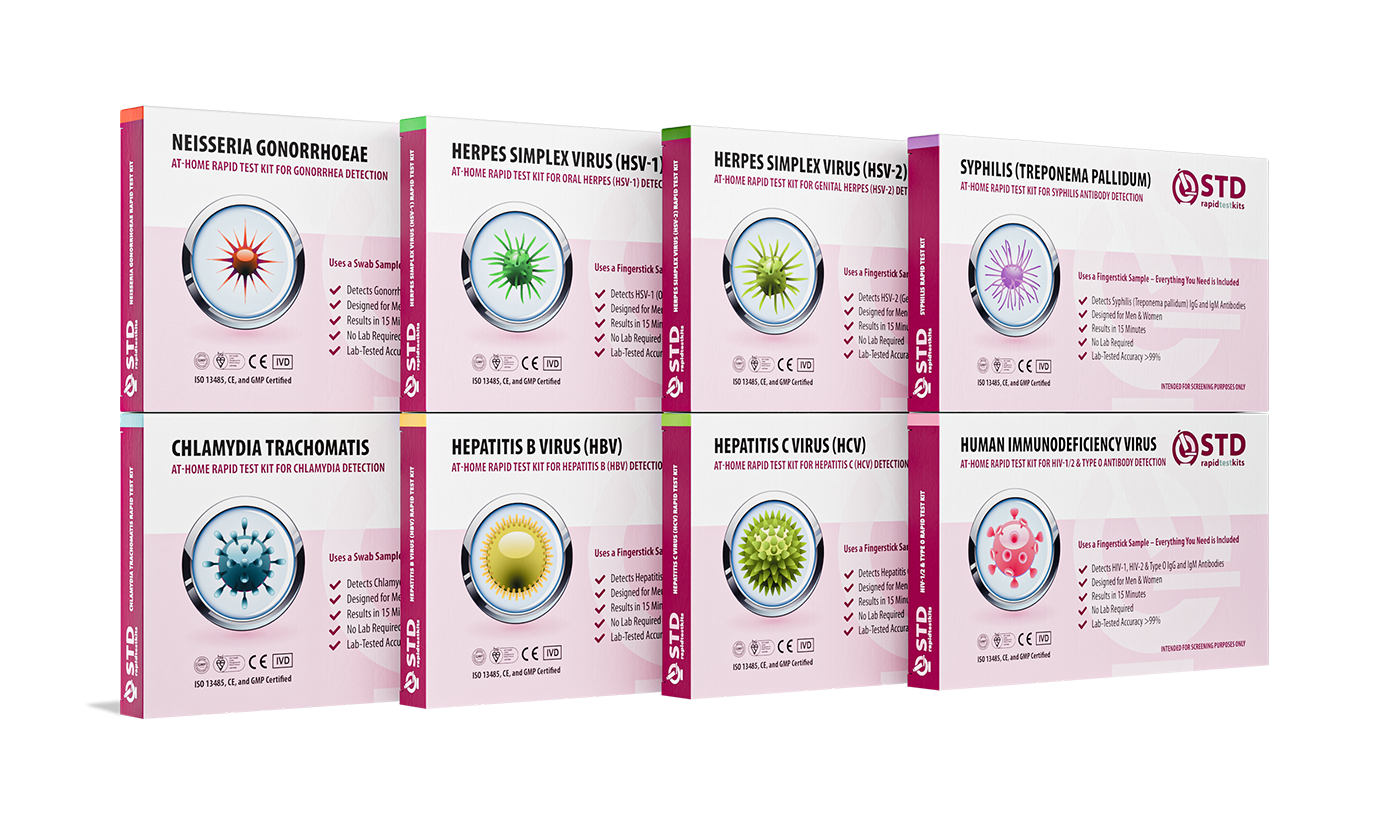 For Men & WomenResults in MinutesNo Lab NeededPrivate & Discreet
Order Now $149.00 $392.00
For all 8 tests
FAQs
1. Can a syphilis test really miss an infection?
Yes, and it happens more often than you'd think. If you test too soon (like within 1–2 weeks of exposure), your body may not have built up enough antibodies yet. It’s like asking your immune system to show a receipt before the transaction even clears. That’s why retesting at 6 weeks matters.
2. What does a faint line even mean?
Think of a faint line like a whisper. It might still be saying something important. Most rapid syphilis tests treat any visible test line, even a barely-there one, as a positive. So if you’re squinting and unsure? Consider it a yes until proven otherwise and follow up with a lab test.
3. If I had syphilis once, can I get it again?
Oh yes. Unfortunately, syphilis doesn’t hand out immunity badges. You can get reinfected, even if you were treated years ago. And the tricky part? Your old antibodies can make test results harder to interpret, so timing, test type, and your provider’s insight all matter here.
4. How long do I have to wait after exposure to test?
Ideally, you’ll want to wait 6 weeks for the best accuracy. That said, if symptoms pop up early, a sore, a rash, you can test sooner. Just know you may still need to retest. The first test is the draft. The second one is the final edit.
5. Will I always test positive after I’ve had syphilis?
Possibly, yes. Treponemal antibody tests (the kind most rapid tests use) can stay positive for life. It doesn’t mean you still have the infection, just that your body remembers fighting it. That’s why lab providers often use RPR tests to track whether a current infection is active or old news.
6. Can I have syphilis with zero symptoms?
Absolutely. That’s one of the reasons it’s been called “The Great Pretender.” Some people go through the entire early stages without a single sore or rash. Meanwhile, they’re still contagious. This is why routine testing, especially if you have multiple partners, is so crucial.
7. Is syphilis always part of a standard STD test?
Nope, and that surprises a lot of people. Many “standard” panels skip syphilis unless you specifically request it, or use a full combo kit. If you're using a home test, double-check that syphilis is included. (Pro tip: our 7-in-1 Combo Kit has you covered.)
8. I’m pregnant. Should I test more than once?
Yes. Syphilis during pregnancy can be devastating, but it's also preventable. The CDC recommends testing in the first trimester, and again in the third if you’re at higher risk. If you're not sure about your risk, test anyway. It’s quick. It's cheap. And it can literally save a life.
9. What if my partner refuses to get tested?
That’s rough, but their denial shouldn’t stop your care. You’re allowed to protect yourself first. If a direct convo feels unsafe or impossible, look into anonymous partner notification services offered by many health departments. No drama, just facts.
10. Does drug use increase syphilis risk?
Unfortunately, yes. Substances like meth are closely linked to high-risk sex, reduced condom use, and missed testing opportunities. If you or someone you’re sleeping with uses, that’s not a judgment, it’s just a reason to test more often. Harm reduction includes STI screening.
How We Sourced This Article: We combined current guidance from leading medical organizations with peer-reviewed research and lived-experience reporting to make this guide practical, compassionate, and accurate. In total, around fifteen references informed the writing; below, we’ve highlighted six of the most relevant and reader-friendly sources.
Sources
1. World Health Organization – Syphilis Fact Sheet
2. Planned Parenthood – Syphilis Overview
3. Sexually Transmitted Infections Surveillance, 2024 — CDC
4. CDC Reports Latest National Data on Syphilis and Congenital Syphilis, 2025
5. Why Is Syphilis Spiking in the U.S.? — Johns Hopkins Bloomberg School of Public Health
About the Author
Dr. F. David, MD is a board-certified infectious disease specialist focused on STI prevention, diagnosis, and treatment. He blends clinical precision with a no-nonsense, sex-positive approach and is committed to expanding access for readers in both urban and off-grid settings.
Reviewed by: Alex J. Moreno, MPH | Last medically reviewed: November 2025
This article is for informational purposes and does not replace medical advice.


