





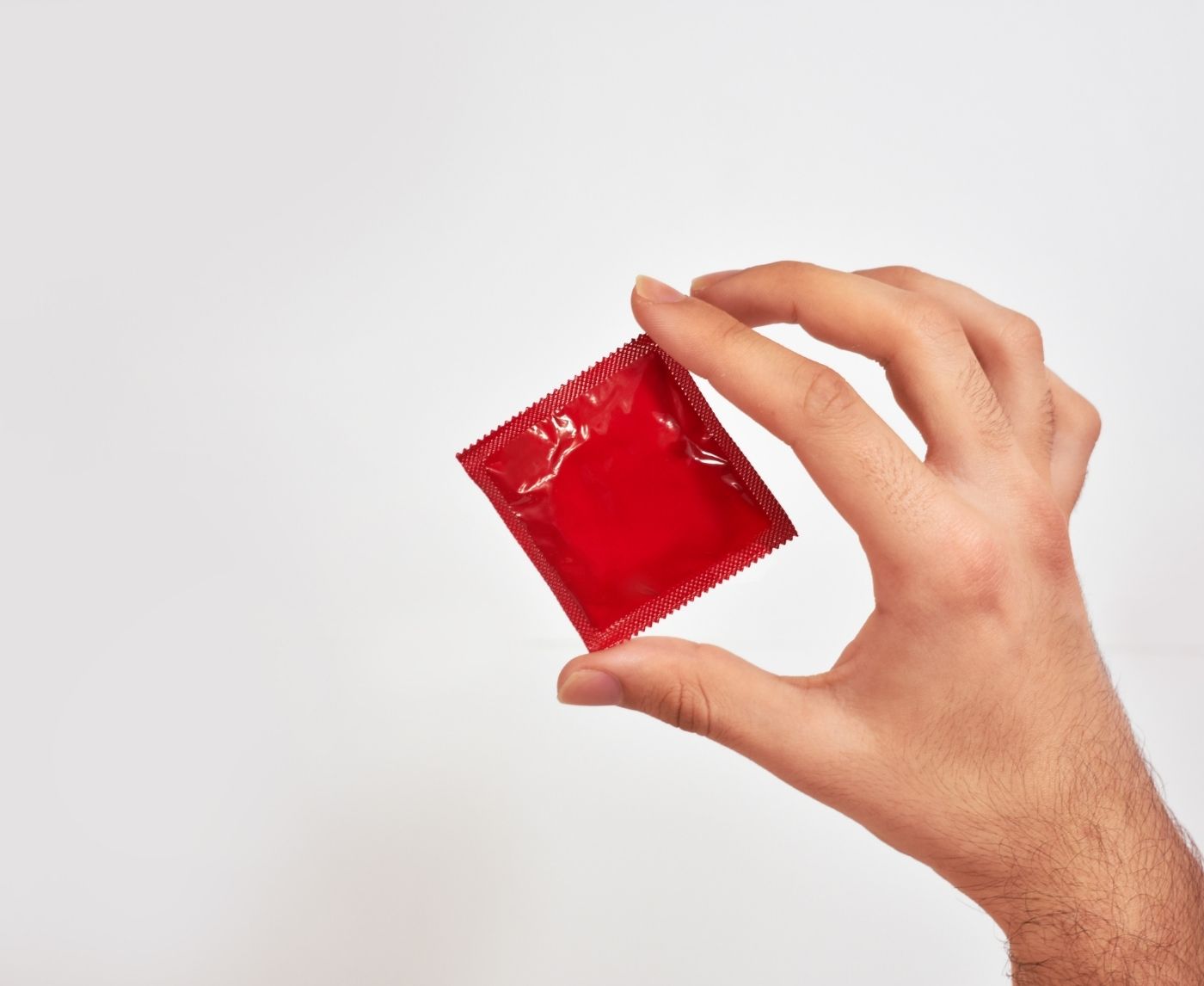

Quick Answer: STI prevention goes far beyond condoms, factors like lube type, fingernail hygiene, grooming habits, and toy cleaning all impact transmission risk.
Why This Article Exists (And Who It’s For)
This guide is for the curious, the cautious, and the confused, the folks who use condoms but still feel like they’re missing something. Maybe you’ve been tested, maybe you haven’t. Maybe you’re in a new situationship, exploring kink, or coming off a rough breakup. You might be nonbinary, queer, or straight-but-not-always. You’re doing your best, but let’s be honest: sex education didn’t prepare you for how easily STI risks can sneak in through the cracks of so-called “safe” behavior.
We’re here to fill in those cracks. Whether you’re someone who uses toys with partners, shaves before sex, skips gloves during mutual masturbation, or thought that water-based lube was always the safest option, this guide is for you. We’re walking through the anatomy of prevention in the small stuff: hands, tools, friction, skin, micro-cuts, condoms, and context. STI prevention isn’t one move, it’s a chain. And every link matters.
Scene One: The Condom Was On, But So Were the Risks
Here’s how it often plays out. You meet someone, there’s chemistry, and you’ve got a condom ready. You even pause to check the expiration date and tear it open the right way. But you didn’t notice your partner’s jagged thumbnail, or that the massage oil you grabbed was actually coconut oil from the kitchen, not lube designed for condoms. You go slow, hands first, then oral, then protected sex. A week later, your vulva is itchy, and you’re Googling “can you get herpes without penetration?”
The answer? Absolutely.
Many common STIs, including HPV, herpes, syphilis, and even chlamydia, can transmit through skin-to-skin contact, microtears, or contaminated surfaces, no ejaculation or penetration required. The presence of a condom lowers risk, but it doesn’t erase exposure zones on the scrotum, labia, fingers, or mouth. And when lube breaks down latex, or a razor leaves invisible nicks, those risk factors multiply.

People are aslo reading: How to Talk to Your Therapist About an STD (Without the Shame)
Hands Matter: Nail Care and the Risk of Tiny Cuts
Fingering seems safe, right? No fluids, no penis or toy involved. But hands are often the most overlooked, and overused, vectors in sex. A sharp nail edge or a hangnail can cause tiny tears in delicate mucous membranes. These micro-abrasions are so small they’re invisible, but for viruses like herpes and HPV, they’re an open door.
In fact, multiple case studies have documented herpes transmission through fingering alone. Add lube that’s irritating, or skip it entirely, and you’ve got friction plus vulnerability. Now consider the bacteria or viruses that may be on the hands before contact begins, especially if proper handwashing isn’t part of the pre-play ritual. The risk compounds quietly.
| Hygiene Habit | STI Risk Level (If Skipped) | Why It Matters |
|---|---|---|
| Short, smooth fingernails | Moderate to High | Ragged edges create tiny tears that make it easier for STIs to get in. |
| Handwashing before sex | High | When you touch something, your hands can pass on bacteria and viruses. |
| Avoiding hangnails or broken skin | Moderate | Open wounds can introduce pathogens into mucous membranes |
Table 1: Why clean, groomed hands are crucial for reducing STI risk during manual sex.
Let’s Talk Lube: Slick Choices, Real Consequences
Not all lubes are created equal, and some can raise STI risk without you realizing it. Water-based lubes may seem safe, but a lot of them have a lot of glycerin or a low pH that can mess up the vaginal microbiome. Oil-based lubes, like coconut or baby oil, break down latex, which makes condoms more likely to tear. Silicone lubes last a long time and are safe to use with condoms, but they might not be the best choice for silicone toys.
Even the texture of lube matters. A thin, watery lube might dry quickly, increasing friction and causing micro-abrasions, especially during anal or dry play. On the flip side, thicker lubes reduce friction and lower the chance of tears or chafing. Less friction means less trauma, which means fewer places for pathogens to get in.
In one study published in the journal Sexually Transmitted Diseases, researchers found that certain hyperosmolar lubes (those that pull moisture out of tissues) were associated with higher rates of epithelial damage, which means increased vulnerability to infections like HIV and HPV. Choosing the wrong lube isn’t just a comfort issue. It’s a safety one.
| Lube Type | Condom Safe? | Risk Factors |
|---|---|---|
| Water-Based (With Glycerin) | Yes | May cause irritation or yeast imbalance |
| Oil-Based (Coconut, Baby Oil) | No | Breaks down latex, raises tear risk |
| Silicone-Based | Yes | Not ideal with silicone toys, harder to wash off |
| Water-Based (No Glycerin) | Yes | Safer for vaginal flora, especially for sensitive users |
Table 2: Lube choices and their effect on STI prevention and condom integrity.
Order Now $149.00 $392.00 Check Your STD Status in Minutes
Test at Home with Remedium
8-in-1 STD Test Kit
 For Men & Women
 Results in Minutes
 No Lab Needed
 Private & Discreet
For all 8 tests
Grooming and Shaving: Smooth Skin, Sharp Risk
It’s the night before a hookup. You shave, quickly. The skin feels raw, a little irritated, but smooth. The next day, sex feels good...until a week later, when you notice a red bump and start Googling “STD or razor bump?”
Grooming practices like shaving and waxing can increase STI risk by removing the protective top layer of skin. This makes it easier for pathogens to enter. And freshly shaved skin is more likely to develop ingrown hairs, inflammation, or tiny nicks that can go unnoticed but act as pathways for infection. This includes skin-to-skin infections like herpes, syphilis, and HPV.
It’s not about being “dirty.” It’s about skin integrity. When the skin barrier is disrupted, even slightly, its ability to keep viruses out is compromised. If shaving is part of your routine, doing it at least 24–48 hours before sexual activity allows the skin to heal and reduces the chance of exposure.
Some experts even recommend moisturizing post-shave with fragrance-free, pH-balanced products to help maintain the skin barrier. It’s less about hair removal itself and more about recovery and prep. And no, waxing doesn’t eliminate the risk. In fact, it may raise it more due to follicle trauma.
Sex Toys, Shared Surfaces, and the “Clean Enough” Myth
Alina, 31, used to think a rinse under hot water was enough. She and her partner used a favorite toy during mutual masturbation sessions, sometimes with a condom over it, sometimes not. Neither of them had symptoms. So when she tested positive for trichomoniasis during a routine check-up, she was blindsided.
Sex toys can act as reservoirs for STIs. Infections like gonorrhea, chlamydia, and even HIV have been detected on shared toys, especially when not cleaned properly between uses or between partners. Porous toys, like those made from jelly rubber or cyberskin, can retain bacteria even after washing. And while some people believe that boiling or bleaching is overkill, a simple wipe isn’t always enough.
Experts recommend cleaning toys according to the manufacturer’s instructions, but here's a real-world rule: if you wouldn’t put it in your mouth after cleaning, it’s not clean enough for your genitals either. For multi-partner or casual situations, using condoms on toys and changing them between people is a simple, effective way to cut risk. And yes, that includes fingers used for both anal and vaginal play, wash, glove, or use finger cots.
No Fluids Doesn’t Mean No Risk
There’s a persistent myth that if there’s no ejaculation, no penetration, or no visible fluids exchanged, STI risk is negligible. This belief is especially common in queer and non-penetrative contexts. But skin-to-skin STIs don’t care about your fluid logic.
Herpes and HPV are transmitted primarily through contact, not fluids. Syphilis can spread through open sores that don’t bleed or even hurt. You can get chlamydia from a finger that touched a urethra then touched a vulva. There are documented cases of gonorrhea in the throat after unprotected oral sex with no ejaculation. And because symptoms can be mild or invisible, people don’t always realize they’re contagious.
During dry humping, oral, mutual masturbation, even skin contact between thighs or buttocks, friction can create microtears, and viruses or bacteria can enter. Condoms and barriers reduce but don’t eliminate this. What helps? Knowing your status. Asking partners about theirs. Using barriers for more than just penetration. And listening to your body afterward.
Scene Two: A Case of “Safe” Sex Gone Sideways
Marcus, 22, swore he was careful. He only hooked up with people he trusted. He used condoms every time. But his partner had visible razor burn from recent grooming, and they skipped lube during oral and fingering. A week later, Marcus developed discomfort during urination. He assumed it was a UTI. It wasn’t. It was chlamydia.
When we talk about STI transmission, we often frame it in terms of irresponsibility. But Marcus didn’t do anything “wrong.” He made the same assumptions most people make: that the absence of intercourse meant absence of risk. That skin irritation wasn’t a factor. That fingering without lube didn’t “count.”
The truth is, it all counts. And it’s time prevention advice caught up to real sex, not idealized sex. Marcus’s story isn’t about blame. It’s about adjustment. If lube had been used, if post-shave skin had more healing time, if toy and hand hygiene were prioritized, his exposure might’ve been prevented.
Putting It All Together: The Micro-Risk Checklist
STI prevention is often seen as binary: you either used protection or you didn’t. But risk lives on a gradient, and many people are unknowingly stacking up exposure through the little things. Think of each action as a layer: hands, toys, lube, grooming, communication. Every layer you improve adds to your safety net.
| Risk Factor | Small Shift That Helps | STIs Most Impacted |
|---|---|---|
| Untrimmed or sharp fingernails | File and clean nails before sex | Herpes, HPV, chlamydia |
| Dry fingering or rough oral | Use condom-safe lube to reduce friction | Syphilis, herpes |
| Using oil-based products with condoms | Switch to silicone or water-based lube | Any STI (due to condom failure) |
| Sharing toys without cleaning | Wash thoroughly + use condoms on toys | Gonorrhea, chlamydia, HIV |
| Sex right after shaving | Wait 24–48 hours post-grooming | HPV, herpes, syphilis |
Table 3: Small behavior shifts that dramatically lower STI risk, even without changing your sex life.
Peace of Mind Is One Test Away
You shouldn’t have to wonder if fingering “counts.” Or if that bump is from your razor or something worse. Clarity is powerful. And it’s within reach.
If you’ve had a recent hookup where lube wasn’t used, toys were shared, or you shaved right before, it might be time to test. This at-home combo test kit screens for the most common STIs, with fast results and discreet delivery.
Whether it’s a partner’s razor bump or your own peace of mind keeping you up at night, don’t wait to find out the hard way. Empower yourself, privately and quickly.
Barriers Aren’t Just Condoms: Rethinking Protection
For years, STI prevention messaging focused almost exclusively on condoms. But that lens often leaves out real-world intimacy. It doesn’t account for oral sex, hands, shared toys, or queer sex that doesn’t involve a penis at all. The truth is, barrier protection comes in more forms than most people realize, and using them can reduce risk even when condoms aren’t part of the picture.
Dental dams, nitrile gloves, and even cut-open condoms are valid and underused tools. During oral sex on vulvas or anuses, a barrier can block contact with shedding herpes lesions or HPV-infected skin. During fingering or fisting, gloves help reduce cuts, bacterial transfer, and STI spread, especially when moving between partners or orifices. They're not just for sex workers or medical play. They're for anyone who wants sex to be safer and hot.
But let’s keep it real: asking for a dam or glove in the heat of the moment can feel awkward, especially if you're new to it. That’s why normalizing barrier conversations is just as important as the tools themselves. It starts with how we frame the ask.
Scene Three: “I Don’t Want to Kill the Mood”
Dev, 29, hesitated. They'd packed gloves and a flavored dam in their bag, but now that their date was back at the apartment, they felt silly pulling them out. “Won’t it kill the vibe?” they wondered. But when they nervously offered the dam with a joke, “I brought dessert and protection”, their partner laughed, relaxed, and said, “Thanks, I’ve actually never used one.”
That night, they had some of the most affirming sex either of them had experienced. Not because it was perfect, but because it was intentional. And safe. No guessing, no flinching, no regret.
Sex doesn’t have to be sterile to be safe. In fact, safety can deepen trust and intimacy. When you talk about barriers as part of care, not as a mood killer, they become part of the experience, not a detour from it.
Queer and Non-Penetrative Sex Deserves Better Prevention Advice
Let’s call it what it is: most mainstream STI prevention advice was written for heterosexual, cisgender, penetrative sex. But queer sex, whether it’s two women, two nonbinary partners, or anyone engaging in analingus, mutual masturbation, or toy sharing, carries its own risk profiles. And yet, prevention tools are rarely framed with these dynamics in mind.
If you’re queer, you may have been told your sex doesn’t “count.” That’s a lie. STIs don’t care about gender or labels. They care about skin contact, fluid exchange, and micro-environments. That means the risk from dental dams, ungloved fingers, or reused toys is very real. And when you’re not offered testing, or you’re told you don’t need to worry, that’s not safety, it’s neglect.
Queer people deserve accurate, inclusive prevention guidance. That means affirming tools like:
- Lube that doesn’t disrupt vaginal flora
- Gloves for multi-partner or group play
- Barrier methods that work with oral and anal sex
- Clearer language in clinics about how sex happens, not just who it's with
STI prevention must evolve with the communities it serves. Until then, articles like this will keep filling the gaps.

People are also reading: Can’t Reach a Clinic? Here’s the Best At‑Home STD Test for Hawaii Residents
Partner Risk Management Isn’t About Trust, It’s About Reality
Let’s say your partner swears they’re “clean.” Maybe they’ve never had symptoms. Maybe they’ve been with “only one other person.” Maybe they were tested...a while ago. Here’s the truth: most STIs don’t show symptoms, and many people test too early or for too few infections. Trust doesn’t override biology.
That doesn’t mean you accuse your partner of lying. It means you get specific. Ask: “When were you last tested?” “What were you tested for?” “Would you be open to testing together?” This isn’t an interrogation, it’s co-care. It’s treating your health and theirs like it matters. Because it does.
If you’re worried that raising these questions will scare someone off, consider this: someone who’s worthy of sex is worthy of honesty. The ones who recoil at testing conversations may not be ready for real intimacy anyway. You deserve information, not just attraction.
Check Your STD Status in Minutes
Test at Home with Remedium7-in-1 STD Test Kit
 For Men & WomenResults in MinutesNo Lab NeededPrivate & Discreet
Order Now $129.00 $343.00
For all 7 tests
Let Your Questions Lead to Action
It’s not about being paranoid. It’s about being prepared. Every time you ask a question, about your body, your habits, your partners, you create space for better care. And you don’t have to wait for a symptom to take action.
STD Rapid Test Kits offers fast, discreet, at-home options to check your status without the awkward clinic trip. Whether you're rethinking lube, recovering from a close call, or just want reassurance, testing is one of the smartest moves you can make.
This isn’t about panic. It’s about power. And it starts with knowing where you stand.
FAQs
1. Can you actually get an STI from fingering?
Yep, and it surprises a lot of people. If nails are sharp or there are tiny cuts on the skin (yours or theirs), viruses like herpes or HPV can pass through those invisible openings. Add friction without lube or not washing hands before touching genitals, and it’s a bigger risk than most assume. Clean hands, smooth nails, and lube go a long way.
2. Why does shaving before sex raise STI risk?
Shaving takes off the top protective layer of skin, basically your body’s first defense. If you have sex right after, your skin might still be raw or dotted with micro-cuts (even if you don’t see them). That creates a highway for viruses and bacteria. Better move: groom a day or two in advance and let your skin chill.
3. Is lube really that big of a deal for STI prevention?
More than you think. The wrong lube, like oil-based stuff with latex condoms, can quietly cause condoms to break. Some lubes mess with your natural pH or cause irritation that opens the door to infections. The right lube lowers friction, protects skin, and makes everything feel better and safer. Win-win.
4. Do condoms protect you from everything?
They are amazing, but not unbeatable. Using condoms lowers your risk of getting most STIs, especially those that are spread through fluids, like chlamydia or gonorrhea. But they don't cover every part of the skin. Herpes, syphilis, and HPV are STIs that can still spread through contact with areas that the condom doesn't cover. If you're not using lube, sharing toys, or have broken skin, don't just use condoms.
5. How clean is “clean enough” when it comes to sex toys?
Hot take: if you wouldn’t lick it, it’s not clean enough for genitals. A quick rinse doesn’t cut it. Wash toys with warm water and fragrance-free soap, and dry them well. If you’re sharing or switching between holes, use condoms over the toy and change them between uses. It’s not overkill, it’s just good hygiene.
6. Can oral sex give you an STD, even if there’s no ejaculation?
Definitely. Ejaculation doesn’t need to happen for transmission. Gonorrhea, syphilis, and herpes can all spread through oral sex, especially if there are cuts, cold sores, or inflamed gums involved. Dental dams and flavored condoms exist for a reason (and they don’t have to taste like regret).
7. Gloves and dental dams seem...excessive. Do people really use them?
Some do, and more would if we stopped acting like they’re weird. Gloves are amazing for anal play, fisting, or when someone has long nails. Dams are great for oral on vulvas or anuses, especially if there’s any shaving irritation, sores, or mystery bumps involved. Think of them as tools, not turn-offs. Safety can be sexy too.
8. What if my partner says they’re “clean” but hasn’t tested recently?
Love that for them...but ask for details. When were they last tested? What were they tested for? Did they test after their last partner? Most STIs don’t show symptoms, so testing is the only real proof. This isn't about not trusting each other; it's about caring for each other. You deserve facts, not vague feelings.
9. I used protection but still feel off, should I test?
Trust your gut. Condoms help, but if there were other factors, shared toys, no lube, skin irritation, oral, or fingers involved, it’s worth testing. Some STIs show up fast (like gonorrhea), others take longer. You can test at home with a combo test kit and skip the stress spiral.
10. If I didn’t have sex, am I still at risk?
Depends on what “no sex” means to you. STIs can spread through oral, fingering, toy sharing, even dry humping if there’s skin-to-skin contact and friction. If fluids touched mucous membranes (mouth, genitals, anus), or if skin was irritated or broken, there’s a chance. When in doubt? Test it out.
You Deserve Answers, Not Assumptions
If this article left you thinking, “Wait...could that time actually have exposed me?”, you’re not alone. Most people underestimate their risk because they focus on penetration, not prevention. But here's the good news: you don't have to be afraid to avoid STIs. It’s about choices. Small, doable, everyday choices that add up to real safety.
Whether it’s trimming your nails, switching your lube, washing your toys, or asking better questions, you’re not overreacting. You’re protecting your health. And if you’re ready to stop wondering, there’s an easy next step:
This at-home combo test kit lets you test for multiple STIs discreetly, accurately, and on your schedule. You deserve to know what's going on with your body, not guesswork.
How We Sourced This Article: We combined current guidance from leading medical organizations with peer-reviewed research and lived-experience reporting to make this guide practical, compassionate, and accurate.
Sources
1. The slippery slope: Lubricant use and rectal sexually transmitted diseases
2. Condoms and condiments: compatibility and safety of personal lubricants
3. Sexually Transmitted Infections Treatment Guidelines, 2021
4. CDC – About STI Risk and Oral Sex
5. Pubic Hair Grooming Linked to Sexually Transmitted Infections
6. Mineral oil lubricants cause rapid deterioration of latex condoms
About the Author
Dr. F. David, MD is a board-certified infectious disease specialist focused on STI prevention, diagnosis, and treatment. He blends clinical precision with a no-nonsense, sex-positive approach and is committed to expanding access for readers in both urban and off-grid settings.
Reviewed by: Alex Rivera, MPH | Last medically reviewed: November 2025
This article is only for informational purposes and should not be taken as medical advice.


