






Quick Answer: Yes, you can get chlamydia from a single Tinder hookup, even if you feel totally fine. Most people with chlamydia have no symptoms, which is why routine testing after casual sex is critical.
This Isn’t Just a Hookup Problem, It’s a Visibility Problem
If you’re swiping for sex, dates, validation, or a bit of all three, you’re part of a generation navigating intimacy at the speed of Wi-Fi. And dating apps, while fun, have dramatically changed the rules of exposure. According to the CDC, chlamydia remains the most reported STI in the U.S., especially among people aged 15–24. Why? Because it’s silent. It doesn’t scream. It whispers, if at all.
Dating apps make it incredibly easy to meet someone fast. But they don’t come with a risk rating. There’s no “last tested” badge. You don’t know if your partner’s last test was two weeks ago or never. And even if they swear they’re clean, many people say that without ever having been tested. I did it. Maybe you have too.
I wasn’t reckless. I used a condom. But it didn’t cover everything, and chlamydia can still pass through oral sex or contact with infected fluids. What’s worse is that even if you use protection, the idea that “I don’t feel anything weird” becomes its own trap.
STDs Without Symptoms: The Invisible Spread
Let’s break down what no one tells you after the hookup. Roughly 70% of women and up to 50% of men with chlamydia report no symptoms at all, a statistic backed by multiple studies published in journals like Sexually Transmitted Infections. That means people are walking around with an infection they don’t know they have, passing it to others who also won’t know… until complications set in.
For women and people with vaginas, untreated chlamydia can lead to pelvic inflammatory disease (PID), chronic pain, or even infertility. For people with penises, it can cause testicular inflammation and fertility issues. And yet, because we expect burning or rashes to be the red flag, we wait. We assume. We swipe again.
| STD | % Asymptomatic (Women) | % Asymptomatic (Men) | Common First Symptoms (If Any) |
|---|---|---|---|
| Chlamydia | ~70% | ~50% | Burning, discharge, pelvic pain (if present) |
| Gonorrhea | ~50–80% | ~10–30% | Discharge, painful urination |
| Herpes (HSV-2) | ~80% | ~80% | Blisters, tingling, pain (often missed) |
| HPV | ~90% | ~90% | None until warts or abnormal Pap |
This invisibility factor is exactly why testing needs to be regular, not just reactive. By the time you feel something, you’ve often had it for weeks, or passed it to someone else.

People are aslo reading: Shame Is the Real STD: Why Men Still Avoid Getting Tested
Timeline Confusion: When Should You Get Tested After a Hookup?
This is where most people freeze. You had a hookup last weekend. You’re feeling a little itchy… or not at all. You’re paranoid. Do you test now? Wait a week? What if it’s too late?
Here’s what I wish I had known the night I hooked up: timing matters. Every STD has a “window period”, a timeframe between exposure and when it can be reliably detected by a test. Test too early, and you might get a false negative. Wait too long, and symptoms or complications might start.
| STD | Minimum Test Window | Ideal Test Window |
|---|---|---|
| Chlamydia | 7 days | 14+ days |
| Gonorrhea | 7 days | 14+ days |
| Syphilis | 3 weeks | 6–12 weeks |
| HIV | 10 days (RNA), 18+ days (Ag/Ab) | 4–12 weeks |
Note: These timelines apply whether symptoms are present or not. And yes, it’s okay to test early if you’re worried, but retest at the optimal window if the first result is negative. This is especially true with rapid tests or after recent exposure.
If you’re spiraling after a casual hookup and don’t know what to do next, know this: you can test from home, without anyone knowing. At-home kits like this Combo STD Test are discreet, fast, and cover multiple infections at once.
Check Your STD Status in Minutes
Test at Home with Remedium7-in-1 STD Test Kit
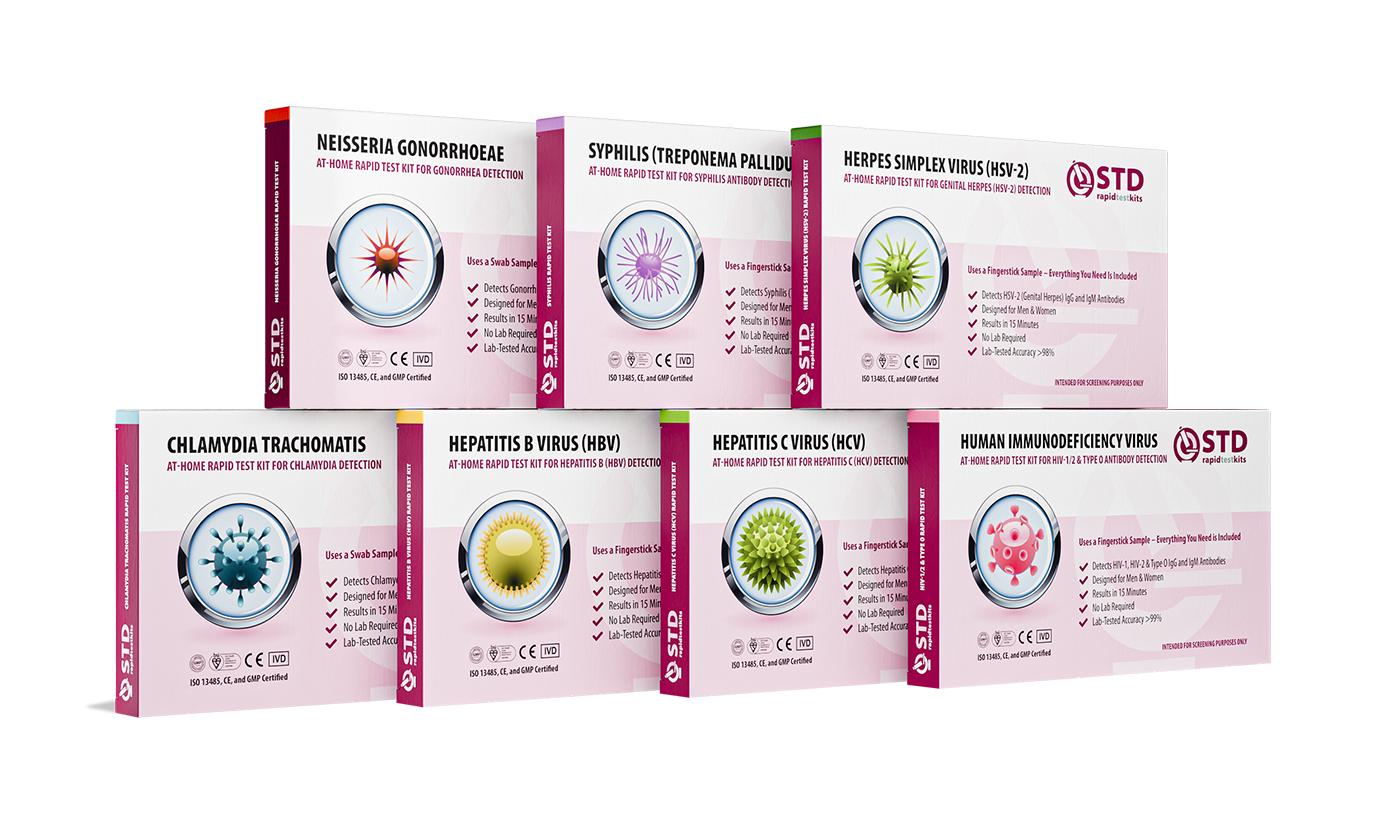
 For Men & Women
 Results in Minutes
 No Lab Needed
 Private & Discreet
Order Now $129.00 $343.00
For all 7 tests
What No One Tells You After They Ghost
He never texted back. Not after that night, not after I asked, "Hey, have you ever been tested?" It was a shot in the dark, one I sent days after my positive result. I wasn’t trying to blame him. I just wanted to understand how I ended up with an STD despite doing “everything right.”
There was no reply. Just silence. And let’s be honest, ghosting sucks even without the STI layer. But when you’re left with an unanswered health question, that ghost feels radioactive. You start replaying everything. Did they know? Did they lie? Were they infected, too?
The truth is, many people don't know they have an STD, so they can't tell you. And if they haven’t been tested, they can’t give you a clean bill of health. That's not malicious. It's math. The more partners you or they have, the higher the odds one person is carrying something silent. Apps accelerate that math.
Shame Delays Testing, But It Doesn’t Have To
Here’s the part that makes my stomach turn: I almost didn’t test at all. I felt fine. The guy looked healthy. The sex was fast, not rough. It didn’t “feel risky.” But something about that friend's scare nudged me into ordering a test kit. If I hadn’t, I would have kept that chlamydia infection for weeks… maybe months. Maybe passed it to someone else I actually liked.
The shame we carry around STDs doesn’t just come from society, it lives in our internal dialogue. I kept telling myself, “You’re smarter than this,” as if intelligence could protect against biology. It can't. Being “smart” didn’t stop me from swiping. It didn’t change how transmission works.
So let’s flip the script: testing isn’t a confession. It’s care. It’s protection, for you and for the next person. It’s the most adult, most empowered thing you can do after casual sex, even if you feel totally fine.
And if that test is positive? It's not a character flaw. It's not the end of your sex life. It's just a next step. A solvable thing. Something more common than you think.
At-Home Tests vs Clinic Tests: What’s Actually Better After a Hookup?
When you’ve had a one-night stand and you're spiraling, the last thing you want is to explain yourself to a nurse in a fluorescent-lit clinic. That’s what pushed me toward an at-home test kit. I didn’t want questions. I wanted clarity.
Today’s at-home STD tests are incredibly accurate, especially for infections like chlamydia, gonorrhea, and trichomoniasis. Most use nucleic acid amplification tests (NAATs), which are the gold standard even in clinics. The key difference? You collect the sample yourself and mail it in. Or, in some cases, you get a rapid cassette test and get results in 15 minutes.
Let’s break down what works best depending on your situation. This isn’t a sales pitch, it’s a survival map.
| Test Type | Privacy | Speed | Best For |
|---|---|---|---|
| At-Home Rapid Test | Maximum | 10–20 minutes | Immediate reassurance, retesting later |
| Mail-In Lab Kit | Very High | 2–4 days after mailing | Routine screening, thorough multi-panel checks |
| Clinic Visit | Low–Moderate | Same day to 1 week | Persistent symptoms, in-person exam, treatment onsite |
In my case, I started with a mail-in kit. After the chlamydia result, I followed up at a clinic for antibiotics. If you're feeling weird or scared, a hybrid model works great: start at home, confirm in person if needed.
You can browse discreet, multi-STD test kits here. Whether you're in a big city or the middle of nowhere, it gets shipped fast and doesn’t scream “STD” on the label.
Peace of Mind Is One Test Away
If your head keeps spinning, and your anxiety is feeding off silence, test. That’s your lifeline. That’s the first step out of the panic spiral.
You don’t need permission. You don’t need a symptom. You don’t need to tell your hookup. You just need to protect your future self. Whether you're sleeping with multiple partners or swiping “just to see,” your health deserves more than crossed fingers.
Swipe, hook up, enjoy your sex life, just test smart. Get clear, get treated if needed, and move forward with power instead of panic. This at-home combo test kit screens for multiple infections, ships discreetly, and gives you real answers fast.
What If the Test Comes Back Positive?
I sat in my car when I saw the result. The email notification hit while I was mid-scroll through Instagram. The subject line was vague, “Your lab results are ready”, but I knew what it was. I clicked. “Positive for Chlamydia trachomatis.” I froze.
My stomach dropped, but not because I was scared of the disease. I was scared of what it said about me. About how I got here. About what came next. But once I took a breath, I realized it wasn’t actually that complicated. I needed to treat it. I needed to tell one person. And I needed to stop spiraling.
If your test is positive, here’s what happens next, no fearmongering, just facts:
Chlamydia is easily treated with antibiotics, often a 7-day course of doxycycline. If caught early, complications are rare. Many people never develop symptoms, even if they stay infected for weeks. But if you’re not treated, you can continue to spread it, without even knowing. That’s where the responsibility kicks in.

People are also reading: Why It’s So Common to Catch Chlamydia and Gonorrhea Together
Telling a Partner (Even If They Ghosted You)
This was the part I feared most. Not the treatment. Not the test. The conversation.
“Hey, I just got tested and it came back positive for chlamydia. You might want to get checked too.” That’s what I texted. No drama. No blame. Just data. He never replied. And that’s okay.
You don’t owe shame. You owe honesty, to yourself and anyone you’ve had sexual contact with. Whether they’re an ex, a one-night stand, or someone you were dating casually, sending a message is enough. You don’t need to debate. You don’t need to justify.
If you're too anxious to contact them directly, there are anonymous tools online that let you notify a partner without sharing your identity. And if you’re in a committed relationship, these conversations can feel heavier, but they still come down to care. If your partner gets treated, you both avoid ping-pong infections.
Check Your STD Status in Minutes
Test at Home with RemediumChlamydia Test Kit
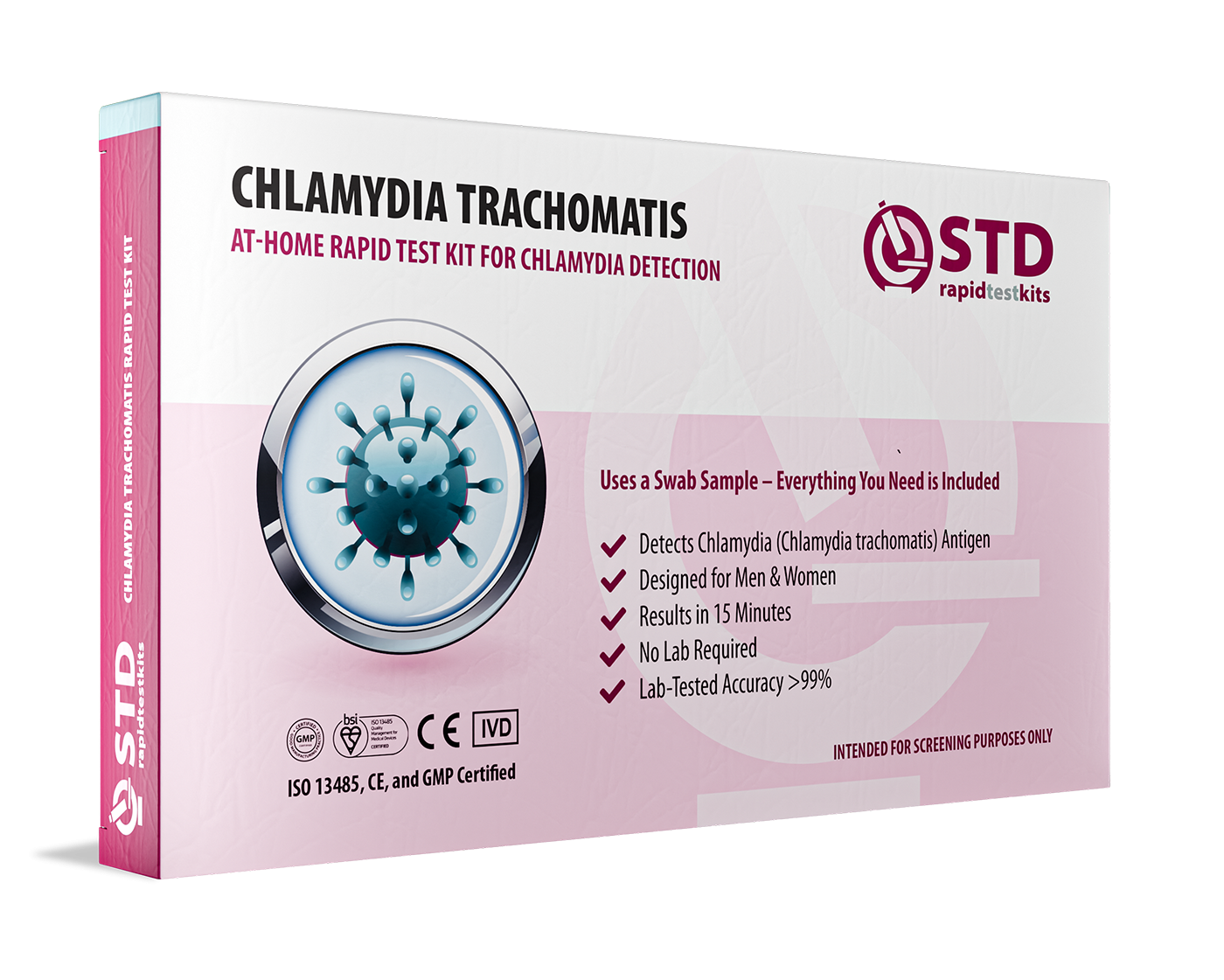 For Men & WomenResults in MinutesNo Lab NeededPrivate & Discreet
Order Now $33.99 $49.00
Retesting: When, Why, and What It Means for New Partners
After antibiotics, I wanted to believe I was “clean” immediately. But most guidelines recommend waiting at least 3 weeks before retesting. That’s because traces of DNA can still show up on tests right after treatment, even if the infection is gone. Retesting too soon can give you a false positive, which only fuels more anxiety.
But that retest matters. Especially if you’re planning to sleep with someone new. It's about respecting their health and giving yourself peace of mind. I waited four weeks, retested, and it came back negative. That moment felt better than any swipe match ever has.
Remember: If your partner doesn’t get treated, or if you have new exposure, the infection can return. You’re not immune after one round. Sex doesn’t have to stop, but responsibility should never be optional.
If you’re unsure when to retest or which kit to use, head back to the STD Rapid Test Kits site and find the option that works for your timeline and budget. They even offer combo kits for follow-up screening.
FAQs
1. Can you get chlamydia from just one hookup?
Yes. One time is all it takes. It doesn’t matter if it was quick, protected, or “felt safe.” Chlamydia doesn’t care how many people you’ve slept with, it just needs one opportunity. I got it from a single Tinder hookup that lasted under 15 minutes. You’re not reckless. You’re just human.
2. I didn’t feel anything weird. Is it possible I had it for weeks?
Totally possible, and incredibly common. Most people with chlamydia have zero symptoms. That’s what makes it so good at spreading. You might feel totally fine, go about your life, and only find out because of a random test… or a partner calling you up weeks later.
3. How soon after sex should I get tested?
If it’s been less than a week, breathe. You can test now, but you might need a retest later. Most reliable results show up after 7–14 days post-hookup. Think of it like waiting for film to develop, you need the picture to fully form before you trust what you see.
4. Can I trust at-home STD tests?
Yes, especially if you use one that screens with NAAT technology (the same type used in clinics). Just follow the instructions carefully. Swab, seal, mail, done. If you're anxious, it's a solid first step. And way less awkward than explaining your weekend to a stranger in scrubs.
5. Do I have to tell someone I hooked up with if I test positive?
Look, you don’t have to stage a TED Talk. A simple text like, “Hey, just a heads up, I tested positive for chlamydia. You might want to get checked too” does the job. No drama, no blame. You’re giving them info to take care of themselves. That’s it. If you really can’t face them, use an anonymous notification tool.
6. What happens if they ghost and never respond?
Then they ghost. That’s on them. You did your part. Block the number, wash your hands (literally and metaphorically), and move on. Most STDs don’t come with closure. But you can still take care of your body and your peace of mind.
7. How long after antibiotics am I cleared to have sex again?
Wait seven days after starting treatment. Even if you feel fine, jumping back into bed too soon can spread the infection, especially if your partner hasn’t been treated. Consider it a reset week. Your future self will thank you.
8. What if I test again and it’s still positive?
First, don’t panic. Did you retest too soon? It can take a few weeks for the infection to clear completely, or for the test to stop picking up leftover DNA. If it’s been over 21 days and you're still testing positive, check in with a provider. It could be a reinfection or just residual detection. Either way, it's solvable.
9. Can you get chlamydia more than once?
Unfortunately, yes. Chlamydia doesn’t build immunity like chickenpox. You can treat it, clear it, and still catch it again from a new (or untreated) partner. This is why both of you need treatment, and why routine testing isn’t overkill, it’s smart.
10. Is it even worth testing if I used a condom?
Short answer: still yes. Condoms lower your risk, but they’re not foolproof. Chlamydia can still sneak through during oral sex, or if fluids make contact outside the condom. Protection helps, a lot, but it’s not an invisibility cloak. Testing fills in the gaps.
You’re Not Dirty. You’re Just Due for a Test.
If you’ve read this far, maybe you're scared. Maybe you’re mad. Maybe you’re just trying to figure out if that random guy, that almost-relationship, or that Friday night mistake left more behind than a bad memory.
But let’s get one thing straight: getting chlamydia or any STI doesn’t make you reckless, dirty, or broken. It makes you human. It makes you someone who lives in the real world, one where sex is messy, apps are fast, and symptoms don’t always show up when you need them to.
What matters is what you do next. Testing is not a punishment. It’s self-care. It’s protection. It’s love, for yourself and whoever comes next. If you're ready to stop spiraling and start healing, get answers now. This discreet combo test kit screens for multiple STDs and ships quickly, no awkward clinics, no judgment, just clarity.
How We Sourced This Article: We combined current guidance from leading medical organizations with peer-reviewed research and lived-experience reporting to make this guide practical, compassionate, and accurate.
Sources
1. Planned Parenthood – Chlamydia Overview
2. American Sexual Health Association – Chlamydia Resource
4. Chlamydial Infections — STI Treatment Guidelines (CDC)
6. Prevalence of Chlamydia trachomatis Genital Infection Among Persons Aged 14–39 Years — CDC MMWR
7. Estimates of the Prevalence and Incidence of Chlamydia Infections — PMC / Peer‑Reviewed Study
8. Chlamydia Infection Among Digital Daters and Nondigital Daters — PubMed
About the Author
Dr. F. David, MD is a board-certified infectious disease specialist focused on STI prevention, diagnosis, and treatment. He blends clinical precision with a no-nonsense, sex-positive approach and is committed to expanding access for readers in both urban and off-grid settings.
Reviewed by: Jordan K. Velez, MPH | Last medically reviewed: November 2025
This article is only for informational purposes and should not be taken as medical advice.


